

Free visual inspection and a written scope of work before any mitigation begins - photos, moisture readings, and drying logs go in your claim file
The scope we write is the scope we bill. Anything new gets shown to you, in writing, before we touch it.
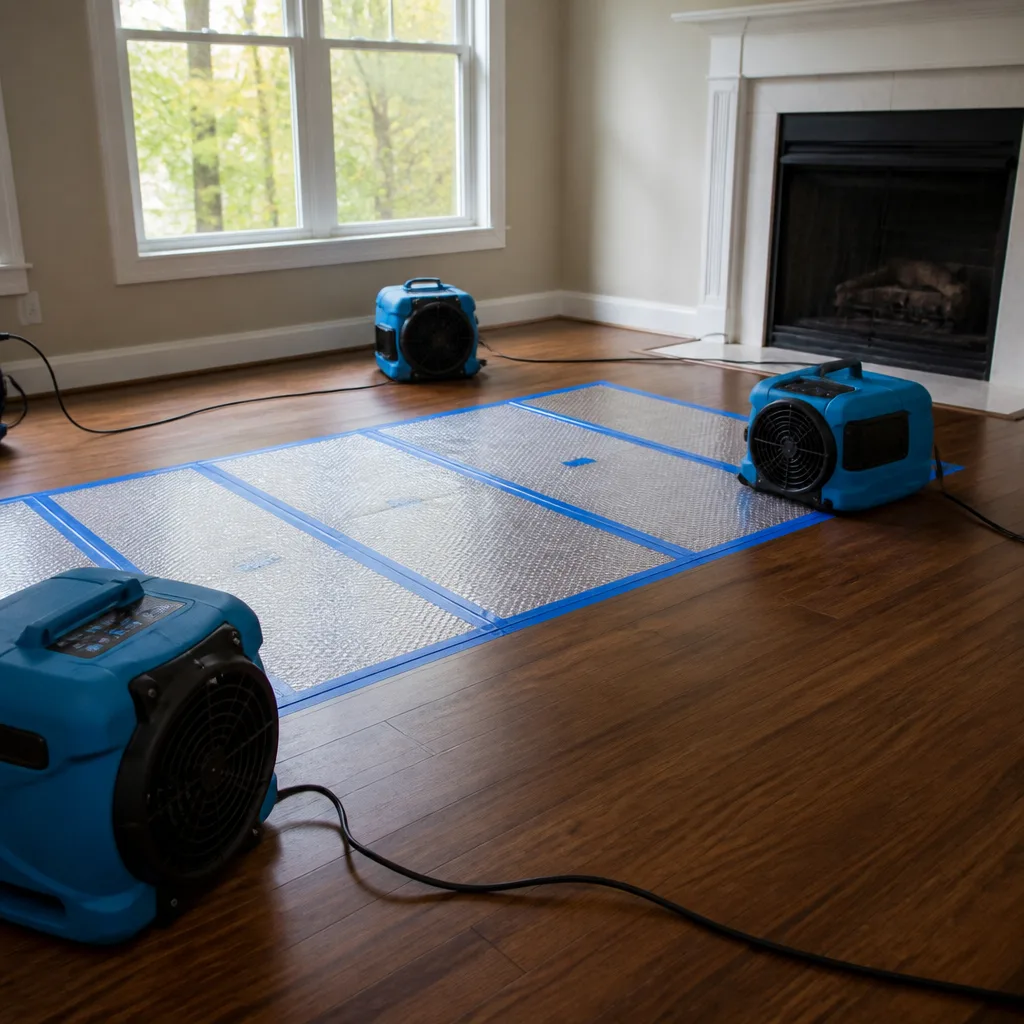
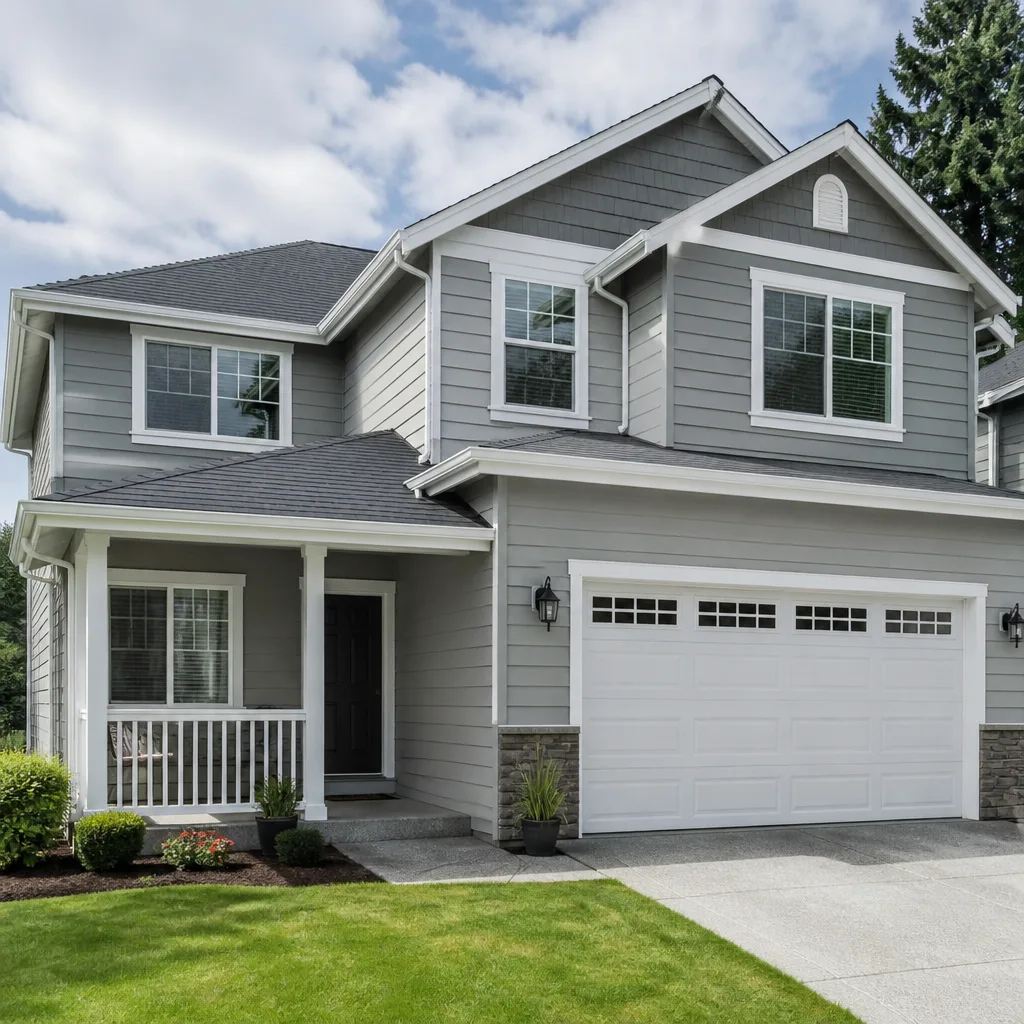
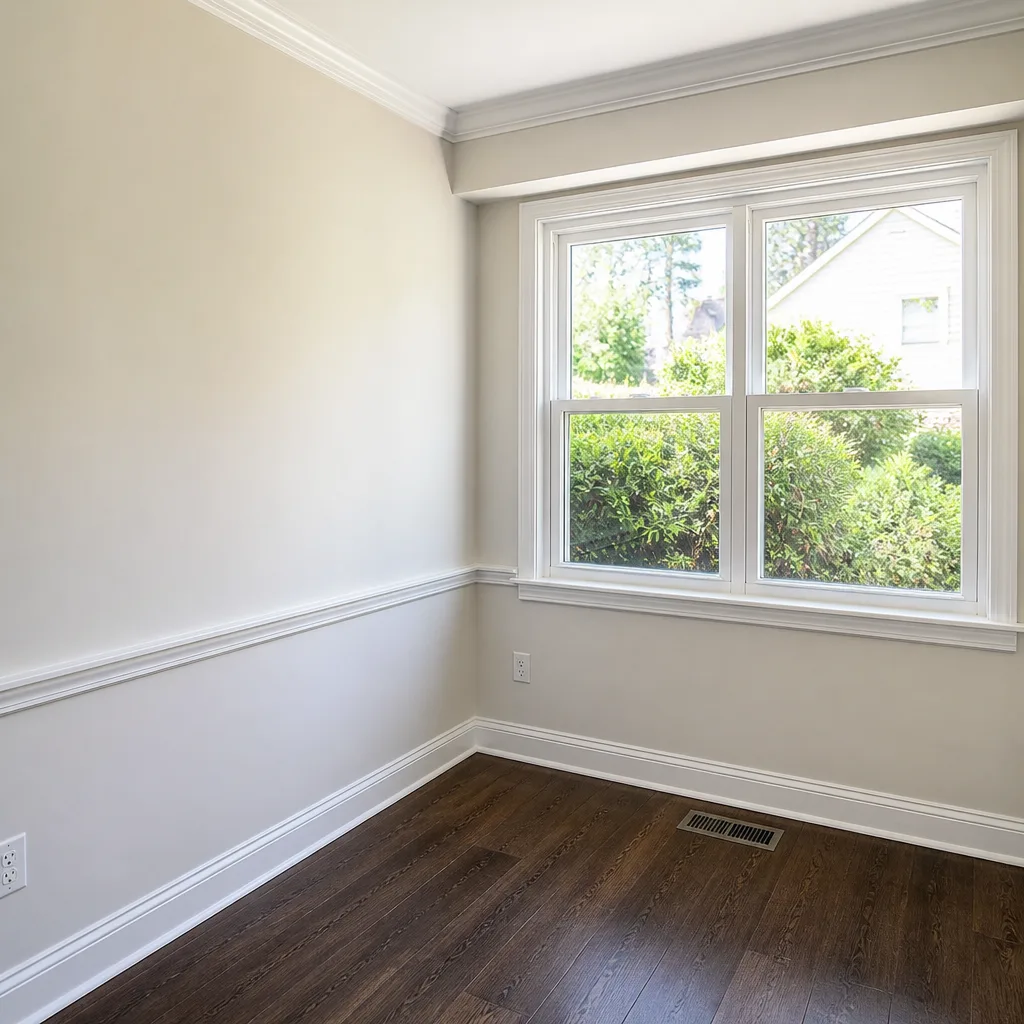
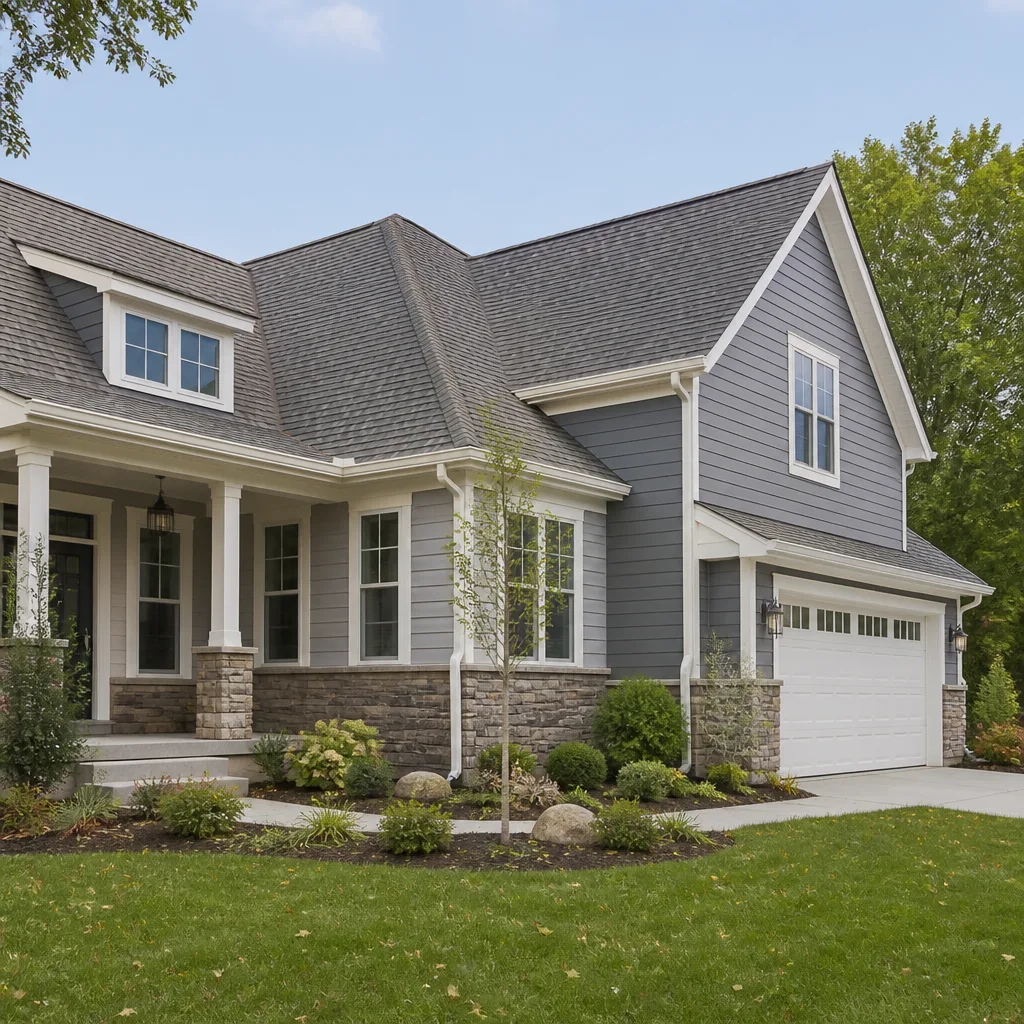
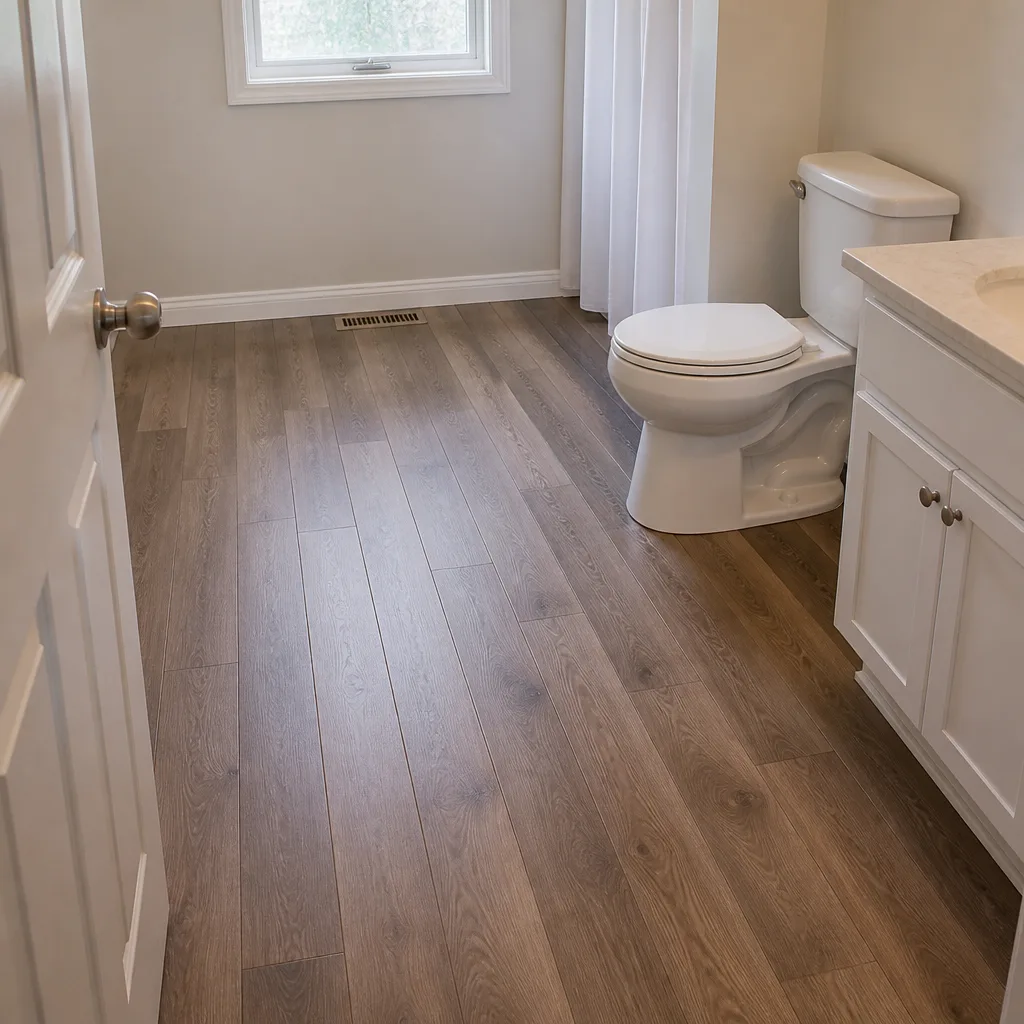
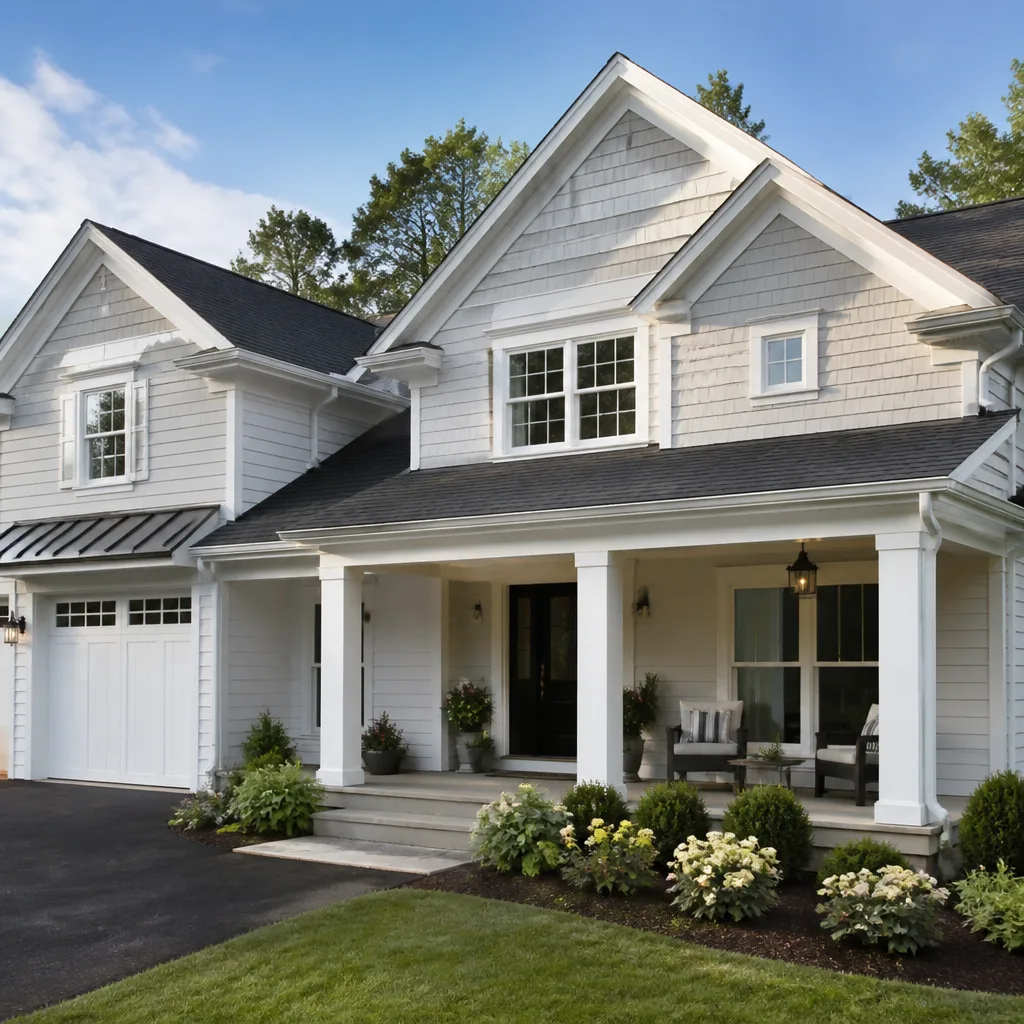
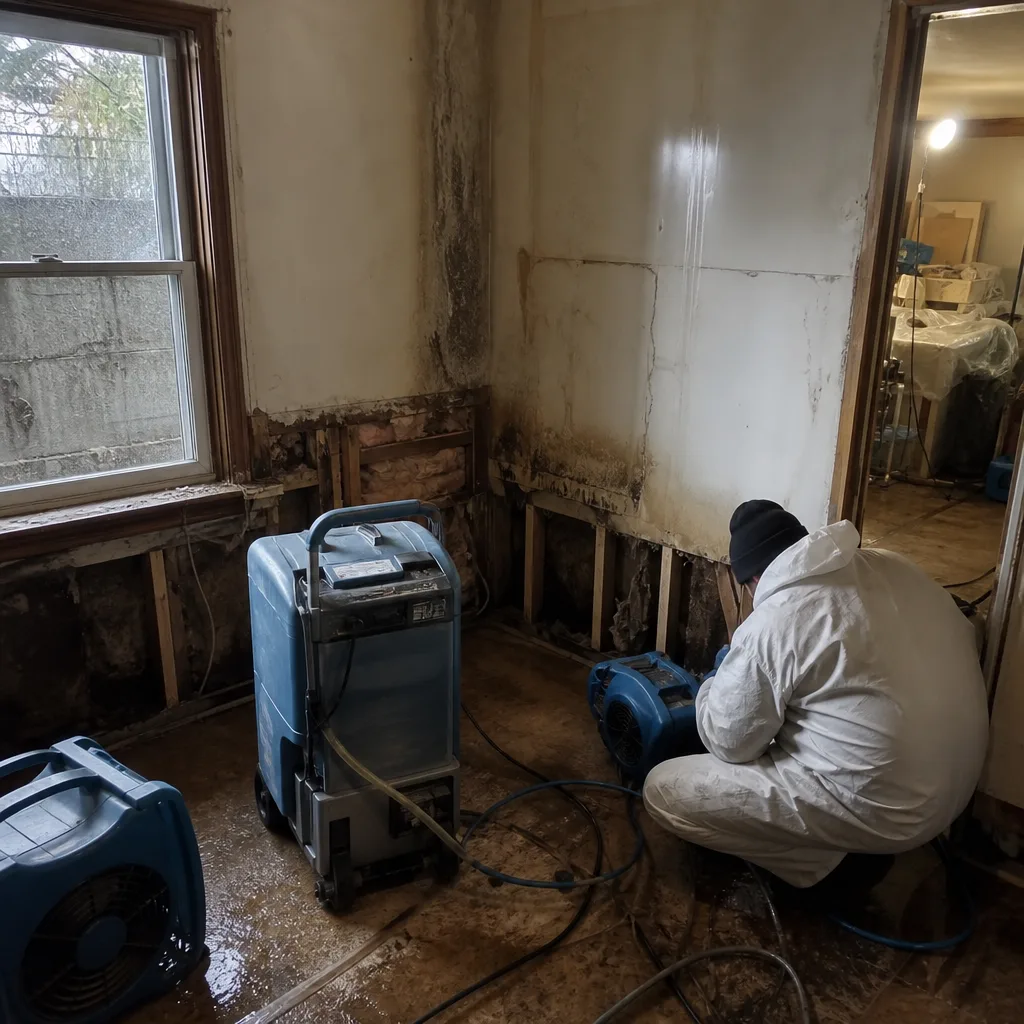 Before
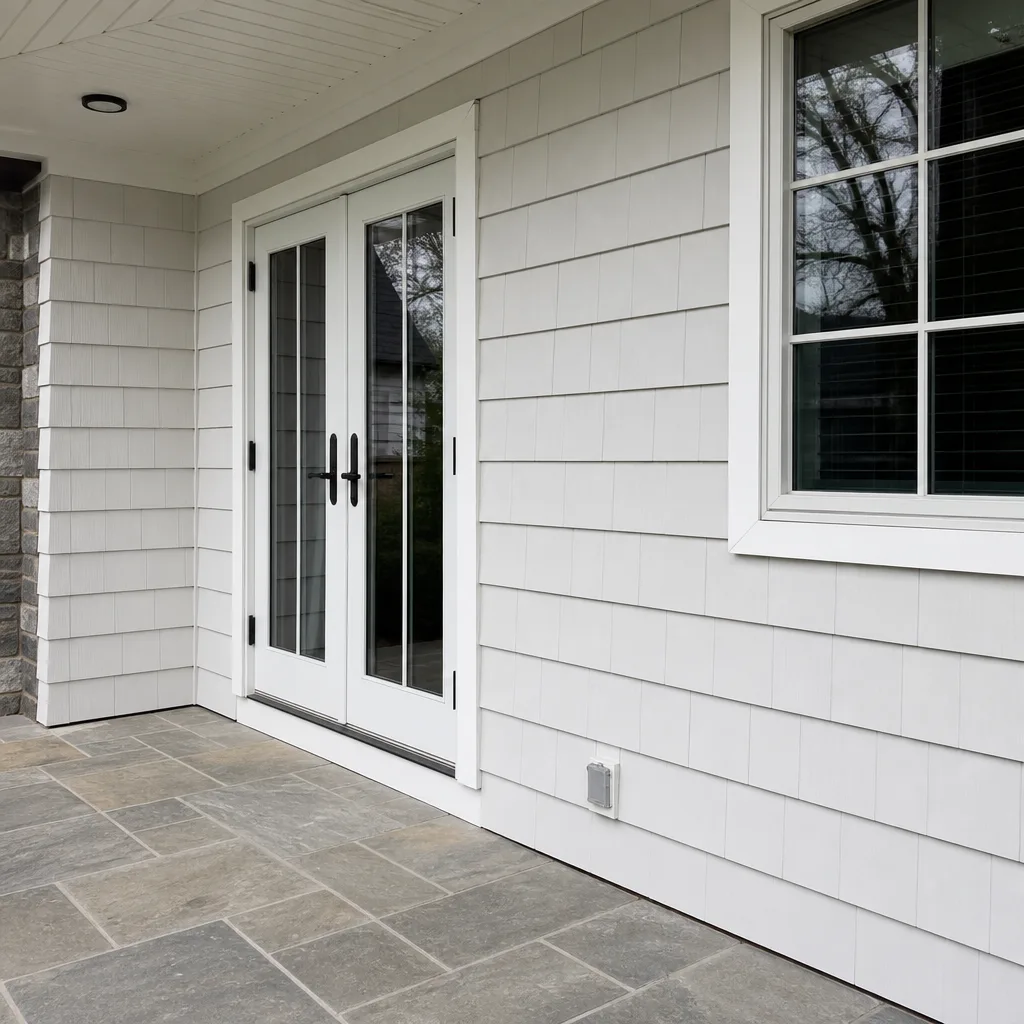 After
After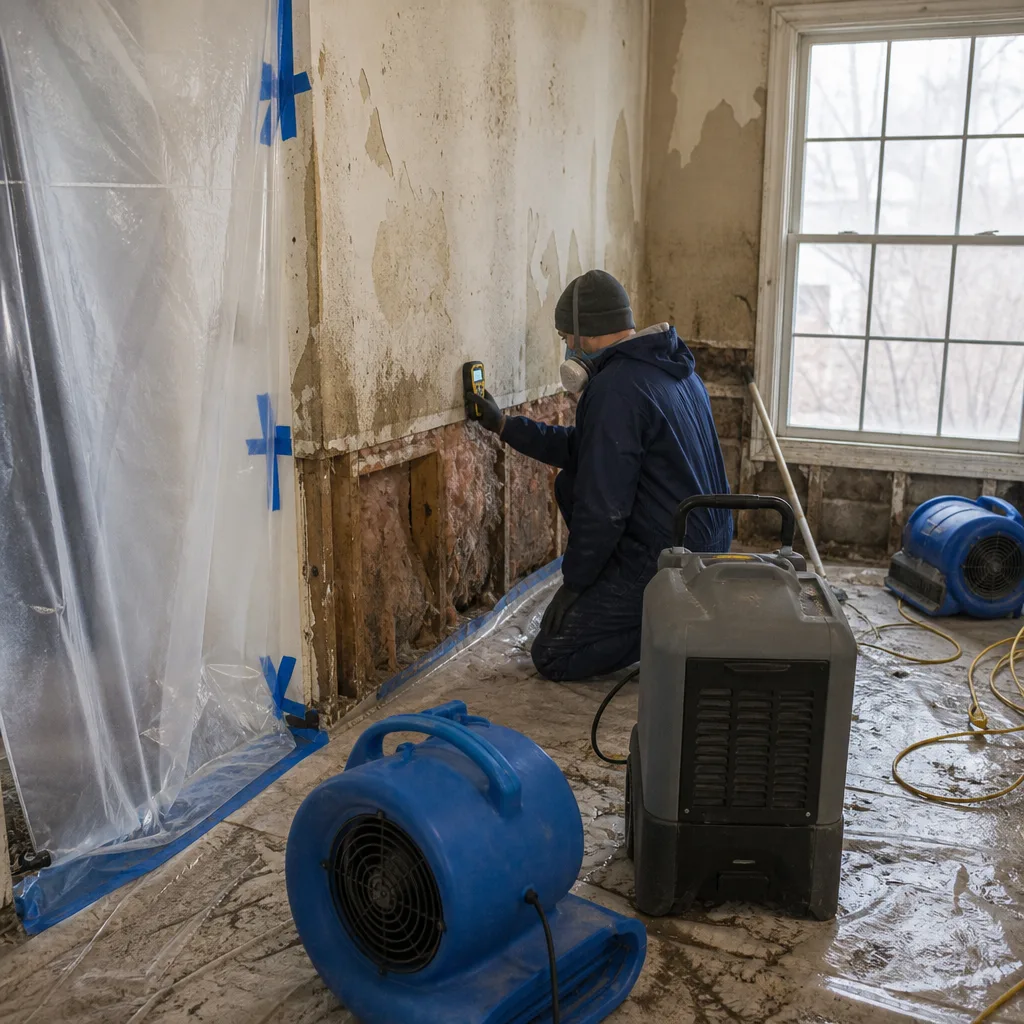 Before
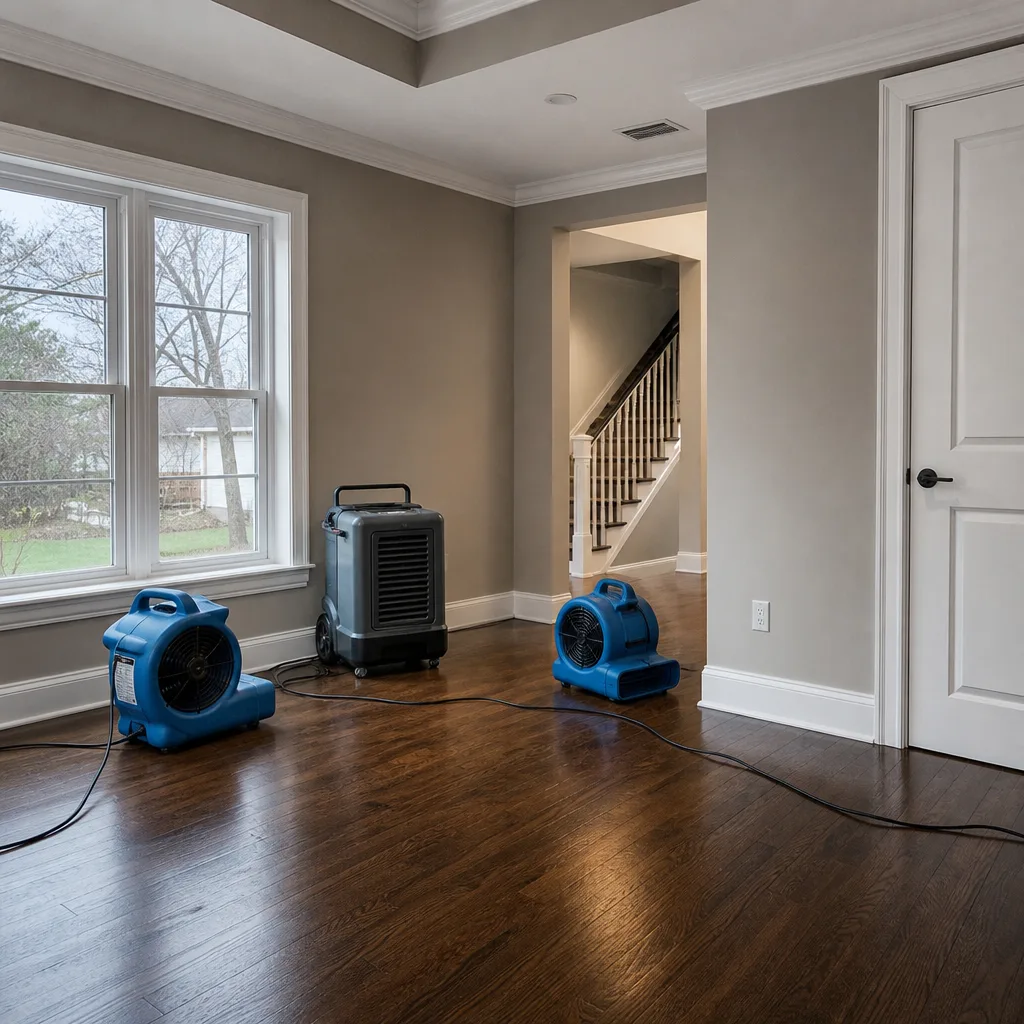 After
After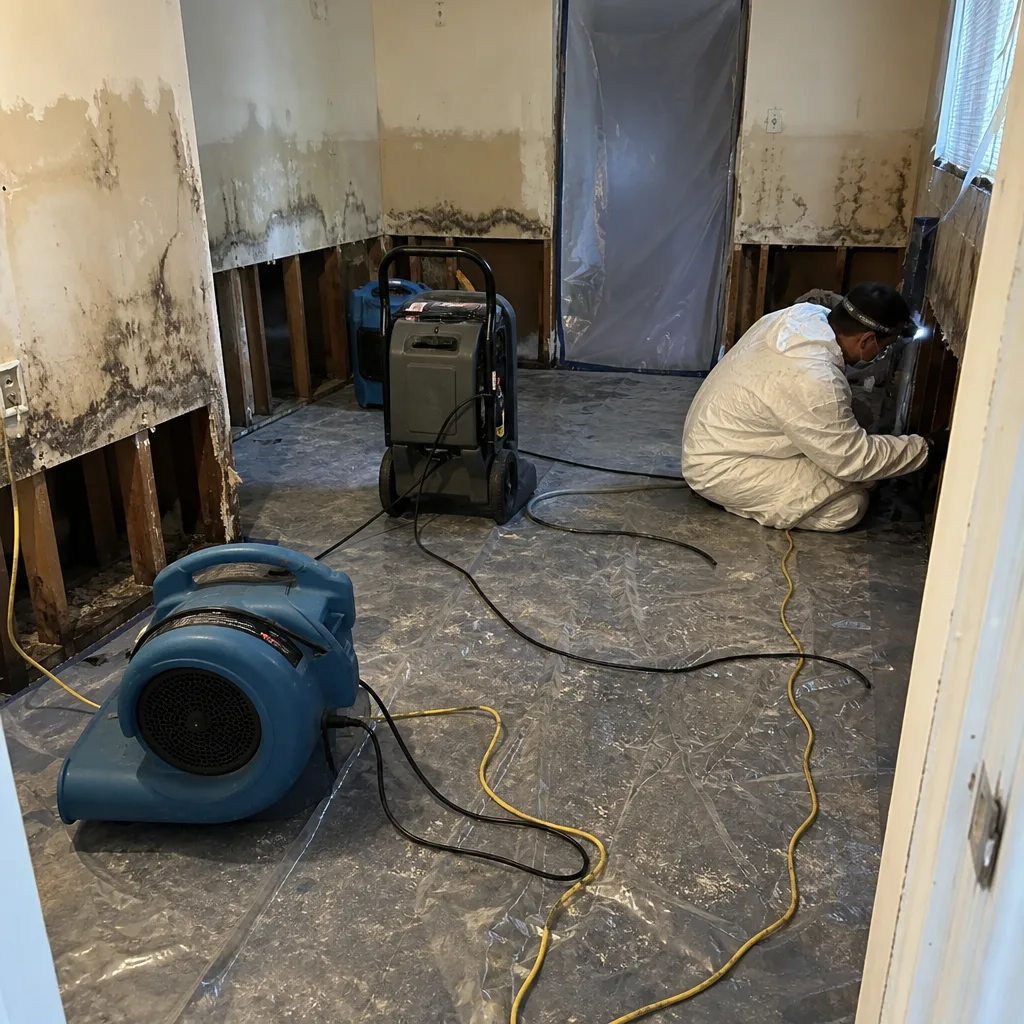 Before
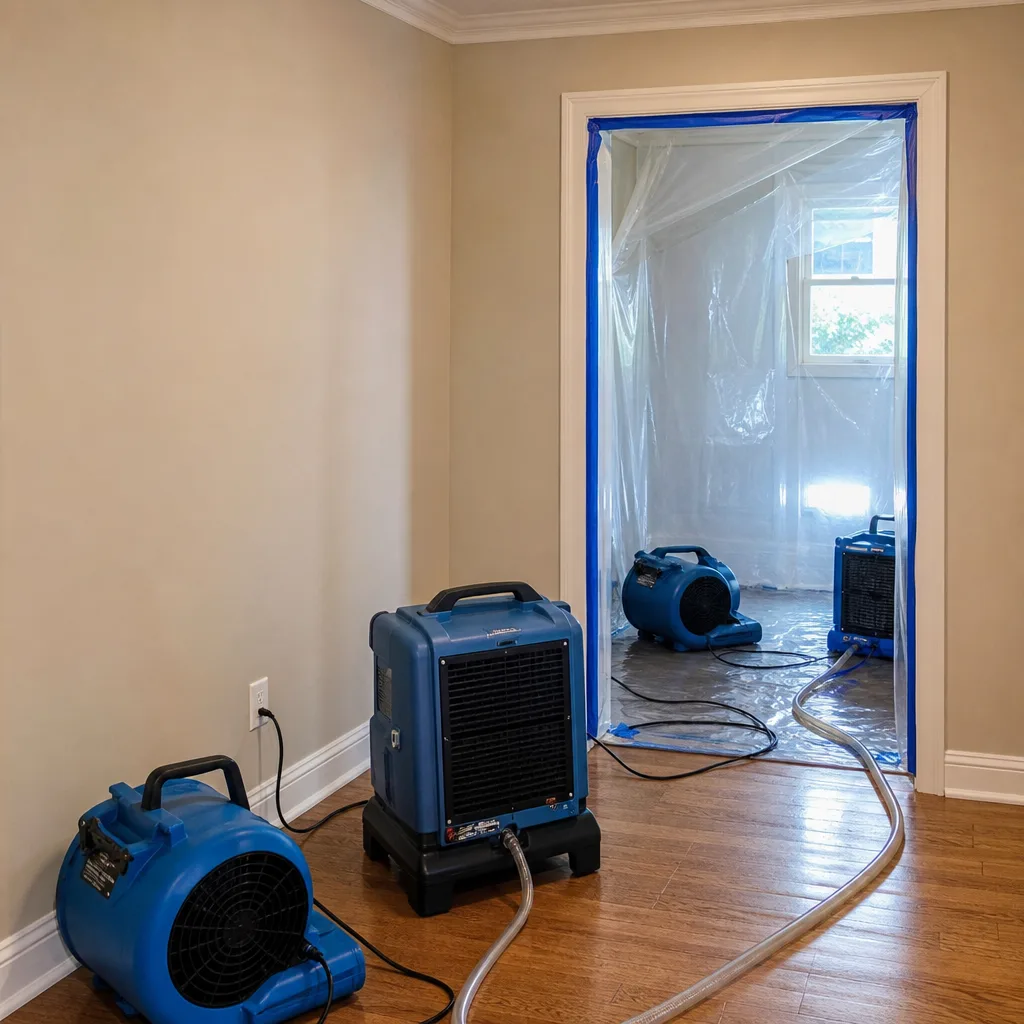 After
After24/7 Emergency Commercial Restoration in Great Neck Plaza
Commercial restoration in Great Neck Plaza runs about $2,800 to $11,500 for a typical basement-level water event, and most business owners need a crew on site within the hour, not the next morning. Floodline Restoration Co. answers live at (518) 873-4306 around the clock, every day, and dispatches a certified crew into the village from our New York City office immediately, not after a callback window. The first hour determines how much inventory, drywall, and business income you lose, especially in the low-lying blocks off Middle Neck Road where groundwater pushes up through slab cracks before anyone sees a drop on the floor. Our Commercial Restoration team arrives with moisture mapping, extraction, and structural drying running the same visit. The inspection is free, and we’ll tell you straight what needs doing and what doesn’t.
Understanding Commercial Restoration Severity in Great Neck Plaza Properties
Water in a Great Neck Plaza commercial space is rarely a single-category problem. Basement-level retail and storage units that sit below the village’s chronically high water table take in Category 3 water during tidal events, which means brackish groundwater contaminated with whatever the bay pushed in, not clean supply-line water. That changes containment, disinfection, and disposal standards immediately. We see Category 1 supply-line failures turn Category 2 within 24 hours because the ambient moisture in unventilated 1920s basements keeps saturated drywall wet long past the point where a mainland building would have air-dried. Soot from older mixed-use buildings carries residues from horsehair plaster, oil-based primitives, and decades of layered finishes, which responds differently to cleaning than modern drywall dust. For mold after water events, the elevated humidity from Little Neck Bay and Manhasset Bay keeps below-grade spaces damp enough to support colonizing growth in 24 to 48 hours, so we run containment and air scrubbing as standard practice on basement losses, not as an add-on. Salt-air corrosion multiplies the problem: garage-door springs that snap trap delivery trucks, and corroded cast-iron waste lines in pre-war basements fail at the joints where groundwater conductivity has eaten the pipe wall from outside. Each of these failure modes requires a different first response, and reading them wrong in the first hour spends your mitigation budget in the wrong place.
Why Great Neck Plaza Property Owners Choose Floodline Restoration Co.
- 45-minute response commitment: Crews stationed near Great Neck Plaza reach the village’s commercial district fast, and extraction is running the same visit, not the next morning.
- Live answer, 24/7: A real person picks up at 2 a.m., not a recording. You’ll never leave a message waiting for a disaster response.
- IICRC-certified crews: Our technicians hold WRT, FSRT, and AMRT certifications and carry IFA credentials, trained to the standard your insurer expects.
- Free visual inspection: We walk your commercial space, map the damage, and give you a straight read before anyone writes a line item.
- Direct insurance billing: We coordinate with your adjuster and bill the carrier directly, so you’re never playing messenger between two parties.
- One team, start to finish: The same background-checked, uniformed crew that reads the moisture map on day one handles daily readings, rebuilds what needs rebuilding, and hands you the log at the end.
Our Commercial Restoration Process
Inspection & Assessment
We arrive, map the loss with thermal imaging and moisture meters, and determine water category, affected building materials, and whether lateral migration has crossed into an adjacent occupancy. In Great Neck Plaza’s mixed-use blocks, that party-wall check happens before we touch a single drying unit.
Extraction & Stabilization
Standing water comes out with truck-mounted and portable extraction units. We stabilize the space, secure any hazard, and document everything for your carrier before mitigation begins.
Drying & Dehumidification
Dri-Eaz and Phoenix dehumidifiers paired with XPOWER air movers run on a moisture-mapped plan, not guesswork. Daily readings log relative humidity, grain counts, and drying progress until the dry standard is met. In below-grade Great Neck Plaza spaces, we hold the drying standard longer because ambient moisture fights the equipment.
Cleaning & Sanitization
Category 3 water or soot residues require different cleaning chemistry. We HEPA-vacuum, sanitize, and run air scrubbers where needed, then dispose of contaminated materials under Nassau County waste rules.
Specialty Treatment for Commercial Restoration
Document and inventory recovery follows for files, electronics, and stock. In Plaza mixed-use buildings, we also inspect and lubricate or replace salt-corroded garage-door hardware so deliveries and trash service aren’t blocked by a snapped spring days later.
Repairs & Restoration
Drywall, framing, paint, flooring, and finish carpentry come from the same crew. The 90-Day Done Right Promise, our Keystone Standard, goes into your hands in writing before we call the job closed.
Need Emergency Commercial Restoration in Great Neck Plaza Now?
Crews minutes away, answering live 24 hours a day. The sooner we start, the less it costs.
Working With Your Insurance Company
Commercial claims in Great Neck Plaza get complicated fast, especially when one water event crosses a shared wall between a retail unit and a residential apartment. We document from the first hour with photos, moisture readings, and a line-item scope that your adjuster can read without a translator. We never ask you to negotiate coverage on your own. Established in 2010 by Curt Bowman, we built the company around a dispatch board, and that means we know how to coordinate a three-policy claim without the delays that stall payouts. We speak directly to your adjuster, walk them through the moisture map, and supply the daily drying log they need to approve continued mitigation. Our goal is a square deal for you and a clean, closed file for them.
What We Provide Your Insurer
- Thorough documentation of the loss from hour one
- Photos of all damage, room by room, unit by unit
- Moisture readings and drying logs, updated daily
- A detailed, line-item scope of work
- Direct coordination with your carrier and adjuster
Built for Great Neck Plaza’s Loss Calendar
Great Neck Plaza’s commercial restoration losses follow a pattern no inland village sees. January and February bring deep freezes that burst aging galvanized supply lines in uninsulated 1920s wall cavities, often flooding a basement storage unit before the water shows in a visible line on the floor above. March and April thaw softens already-saturated ground, and groundwater pushes through slab cracks into basement-level retail spaces. Summer thunderstorms dump flash volumes that the village’s storm drains can’t carry when the tide is high, because tidal backpressure holds the water in the system where it came from. Nor’easters in the fall and early winter push brackish surge up Little Neck Bay, and that’s when Category 3 water appears in buildings blocks from any visible shoreline. Salt-air corrosion never takes a season off: garage-door springs on commercial blocks near Middle Neck Road lose their protective coating within two to three years, snap without warning, and trap delivery trucks or block trash pickup until a crew arrives. We schedule corrosion inspections for our commercial clients in September, before the first nor’easter.
Commercial Restoration Across Great Neck Plaza’s Neighborhoods
The village’s compact downtown block along Middle Neck Road carries the oldest inventory: 2- to 3-story brick mixed-use buildings from the 1920s and 1930s with retail at street level and residences above. Those are the properties where a second-floor supply line failure saturates horsehair-plaster party walls and moves laterally into the adjacent occupancy before either tenant notices. We know the response routes down Middle Neck Road, and we know which buildings share wall cavities, which makes the first-hour assessment faster. Around the Grace Avenue corridor and the residential blocks off Baker Hill Road, pre-war colonials and Tudors with luxury renovations, imported marble and custom millwork, drive restoration scopes higher when a basement flood reaches finished living space. The commercial strip near the Long Island Rail Road station handles constant foot traffic, so business interruption minimization means getting a storefront back open in days, not weeks. Over near the village’s eastern edge facing Little Neck Bay, elevated groundwater sits closer to foundation level, and we see more slab-crack seepage and corrosion-driven pipe failures there than anywhere else in the village. Each block has its own failure signature.
Specialized Commercial Restoration Services We Offer in Great Neck Plaza
Office & Retail Restoration
Storefronts and professional offices need to reopen fast without telling customers to come back next month. We extract, dry, clean, and rebuild with a single crew while documenting every step for your carrier. In the Plaza’s ground-level retail spaces, that often means handling salt-corroded door hardware and waterlogged inventory in the same visit.
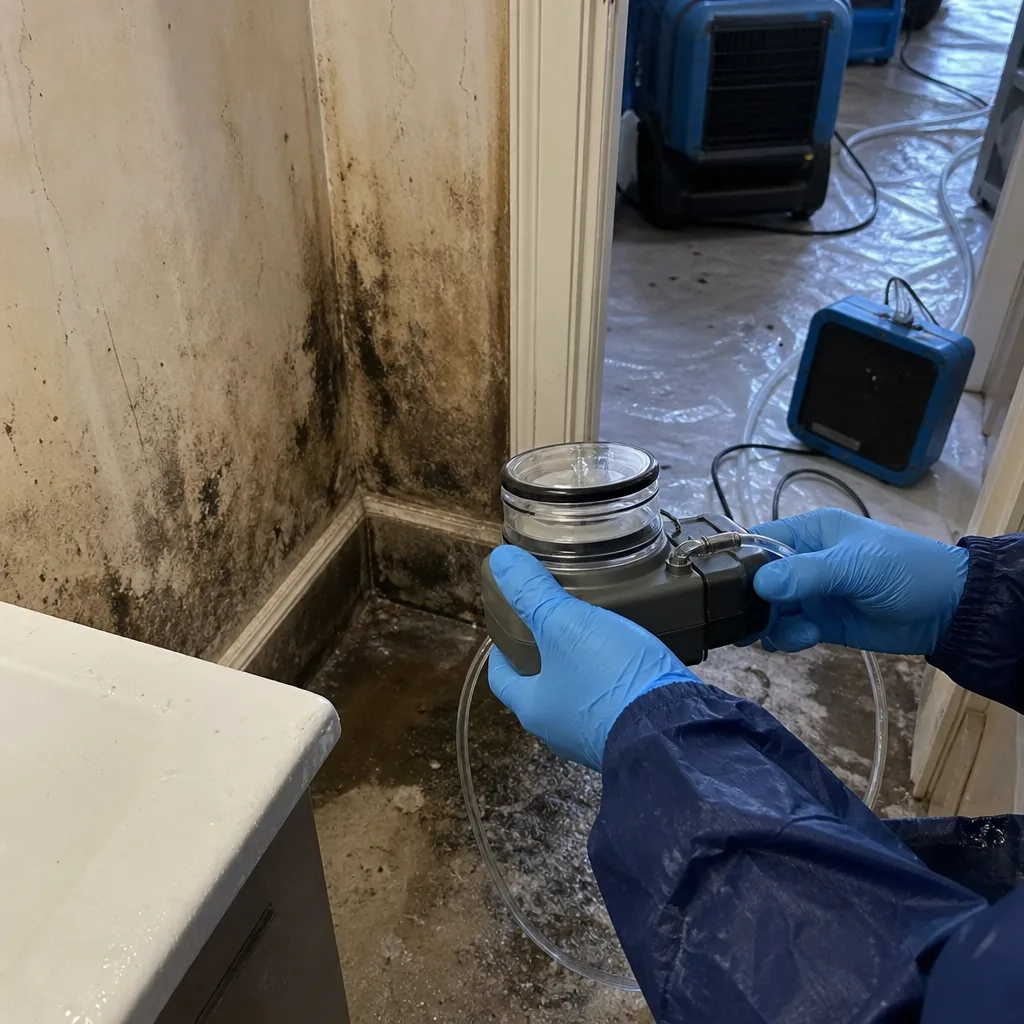
Multi-Unit & HOA Restoration
Great Neck Plaza’s mixed-use blocks create multi-unit, cross-occupancy claims routinely. Water from a burst pipe or roof failure travels through original party walls into adjacent units before visible staining appears. We scope each affected space separately, coordinate with the HOA board and the unit owners, and run one drying plan that serves the whole building, not one unit at a time.
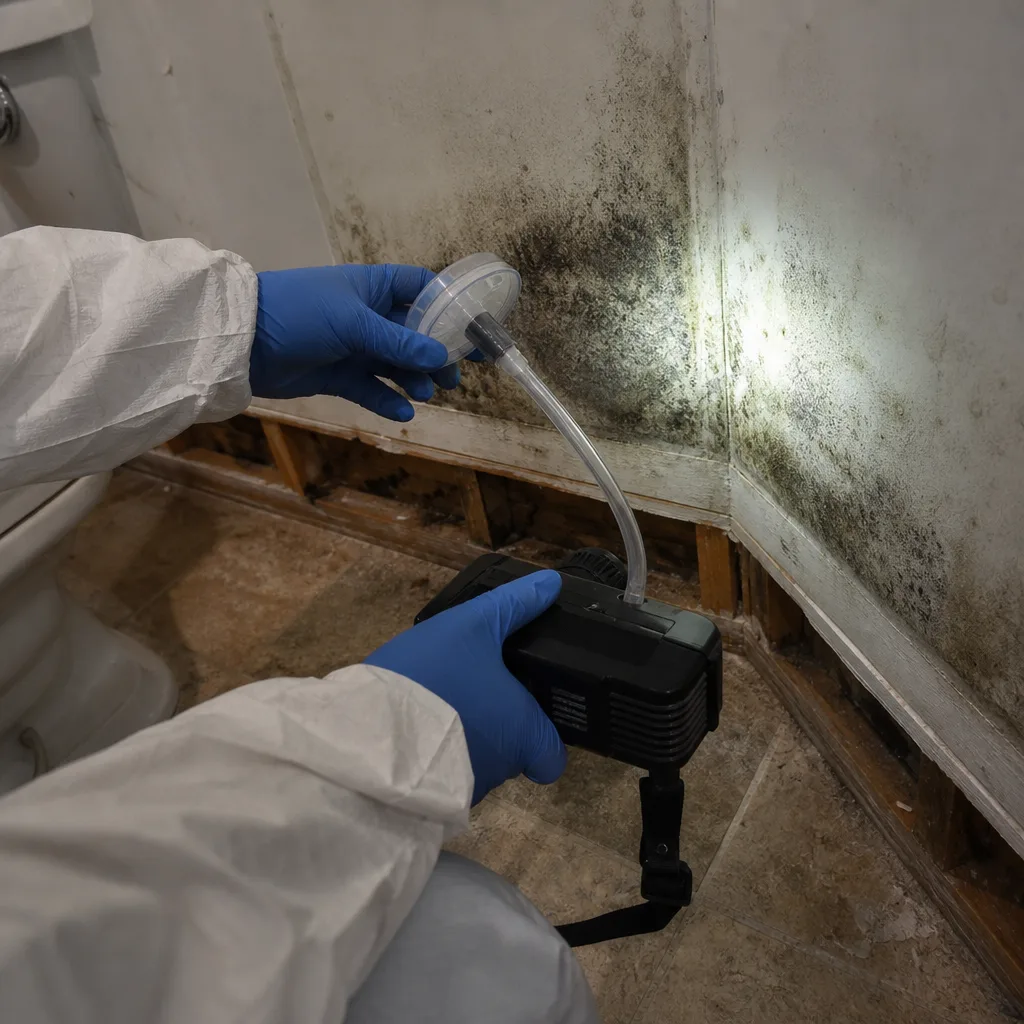
Industrial Facility Cleanup
Loading docks, mechanical rooms, and storage spaces in Great Neck Plaza’s older industrial corners carry the same groundwater and salt-air vulnerabilities as the retail blocks. We bring the same moisture mapping and containment protocols, scaled to larger square footage, and we handle hazardous residue disposal under Nassau County rules.
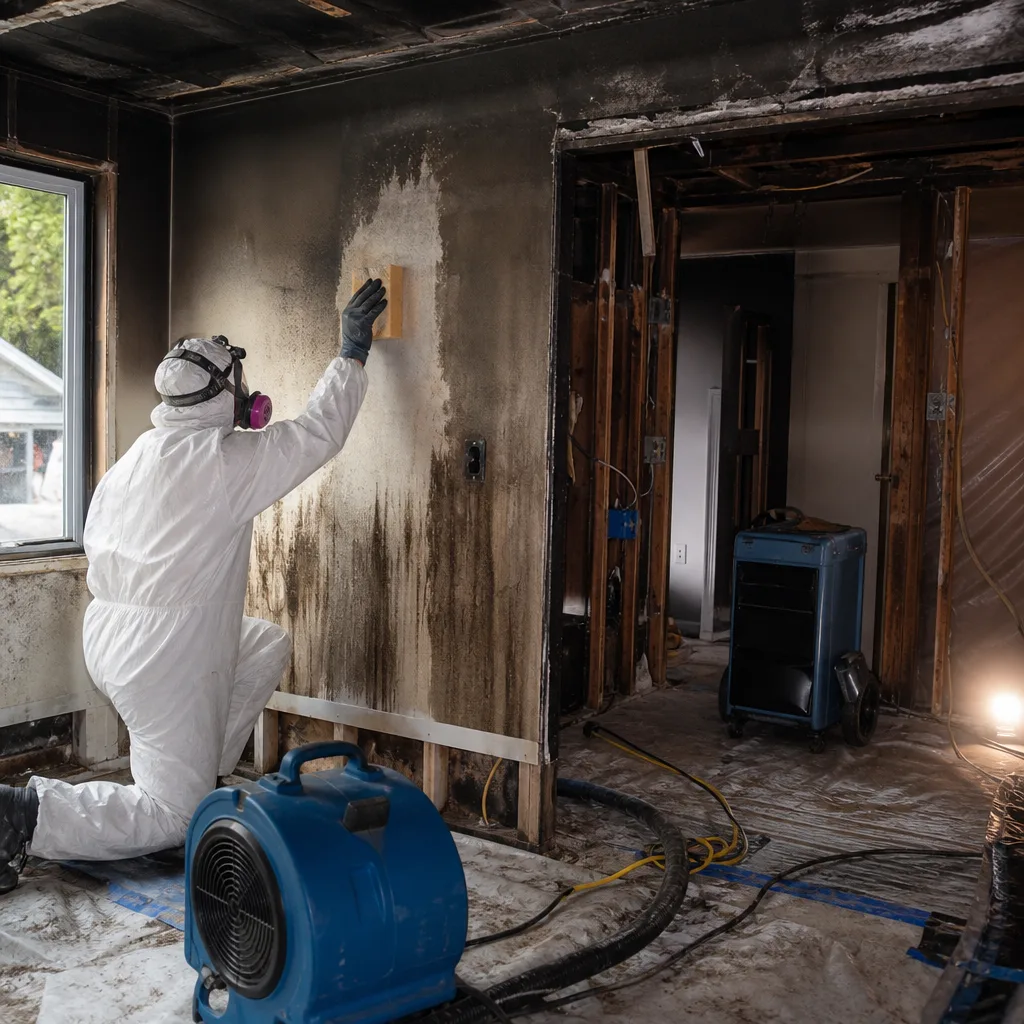
Large-Loss Response
When a nor’easter pushes surge into an entire commercial block, the scope stops being a single-unit cleanup. We deploy multiple crews, set command on site, and run extraction and drying across the whole property in parallel. Our dispatch board, not a sales call queue, is what makes that work.
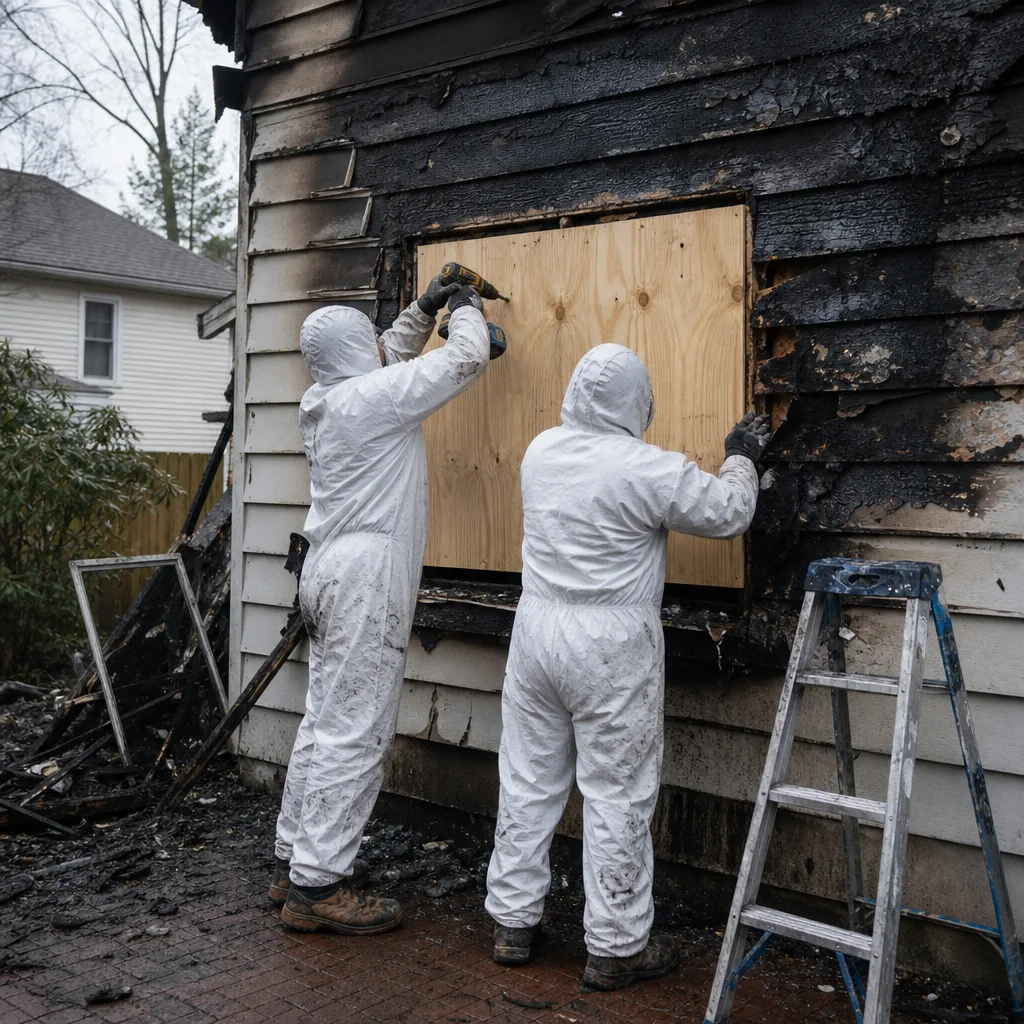
Business Interruption Minimization
Every day a Great Neck Plaza storefront stays dark costs revenue and customer trust. We sequence the work to reopen critical areas first, document every delay for your business-interruption claim, and keep the adjuster informed so your loss-of-income coverage pays what it should.
Document & Inventory Recovery
Commercial files, electronics, and stock absorb water fast in a basement-level flood. We inventory, freeze-dry where appropriate, dehumidify, and recover what’s salvageable, while logging the rest for your claim. In a high-humidity climate like Great Neck Plaza’s, that recovery has to start in the first 24 hours or you lose the paper, not just the space.
What happens when you call
- 1
A real person answersNo phone trees - you reach a local pro.
- 2
You get an upfront price rangeHonest numbers before anyone is dispatched.
- 3
A background-checked tech heads outLicensed & insured, dispatched right away.
- 4
You approve before work beginsNothing starts until you say go.
Commercial Restoration Costs in Great Neck Plaza, NY
A typical basement-level water extraction and drying for a small commercial unit in Great Neck Plaza runs $2,800 to $5,500 depending on square footage and water category. A Category 3 groundwater event in a mixed-use building’s storage space, with containment and disposal, typically lands between $6,000 and $11,500. Multi-policy claims crossing a shared party wall can reach $18,000 to $35,000 when two or three units require simultaneous structural drying and finish restoration. Salt-air corrosion repairs, replacing failed garage-door springs, corroded hinges, seized rollers, and damaged opener chains, add $350 to $1,100 per opening. What moves the price is how quickly we start, what category of water we’re handling, how far the water migrated laterally through plaster, and how much finished surface has to come out. Insurance covers the covered portions. The inspection is free, and you get a written scope before work starts, with a senior discount of 5% and $50 off any repair over $250 applied as standing offers, not as a one-time special.
We Also Serve Cities Near Great Neck Plaza
Our crews serve commercial clients throughout the surrounding peninsula and the broader North Shore: Commercial Restoration in Great Neck Plaza, plus Manhasset, North Hills, Great Neck, and Kings Point. The same live dispatch, the same certified crews, and the same 90-Day Done Right Promise apply wherever the water found you.
Serving Great Neck Plaza, NY - Our Local Coverage Area
We’re based in the Great Neck Plaza area and know this community well. Use the map below to see our service coverage - if you’re nearby, we can almost certainly help.
Great Neck Plaza Commercial Restoration Questions, Answered
How does the elevated water table in Great Neck Plaza change the category of water we extract from basement-level commercial spaces?
The high water table means basement flooding in Great Neck Plaza is frequently Category 3 water, even when the building sits blocks from any visible shoreline. Brackish groundwater pushed up by tidal backpressure from Manhasset Bay and Little Neck Bay carries contaminants that clean supply-line water doesn’t. We treat it as contaminated from the first reading, which means full containment, disinfection, and stricter disposal, not a simple extraction. Call (518) 873-4306 if you’re seeing water in a below-grade space and we’ll tell you what category you’re dealing with.
What is the typical lateral spread pattern our techs find through original horsehair-plaster party walls in the mixed-use blocks on Middle Neck Road?
Water from a failed supply line or roof leak travels through the horsehair-plaster cavity between two units, moving down and sideways before visible staining appears on either side. By the time either tenant notices, the water has often reached the neighbor’s basement. We moisture-map both occupancies before drying starts so neither unit gets a partial fix. A free inspection gives you the full map before you commit.
How do our crews handle multi-policy claims when a single water event crosses a shared wall or floor between a retail unit and a residential apartment?
We scope each affected space separately, document the lateral migration path with photos and moisture readings, and coordinate directly with each carrier or adjuster so the building gets one coherent drying plan. The homeowner or business owner never sits in the middle. We bill the carriers directly and keep the daily log updated for every policy involved.
Why do garage-door springs, hinges, and opener chains on commercial buildings near the water fail faster here than five miles inland?
Salt-laden air off Manhasset Bay corrodes the protective coating on torsion springs within two to three years, and salt spray works into hinge pivots, roller bearings, and opener chains the same way. When a spring snaps, a delivery truck can sit blocked at the dock or a trash pickup gets skipped. We replace failed hardware with coated or stainless components and run corrosion inspections in the fall, before the first nor’easter.
What does our crew do about elevated post-storm mold risk in basement-level storage spaces that are already chronically damp from the high water table?
Great Neck Plaza’s below-grade spaces stay damp year-round because the water table presses up from under the slab, which means mold can colonize wet drywall within 24 to 48 hours after a water event. We run containment and HEPA air scrubbing on basement losses as standard practice, not an add-on. The free inspection includes a moisture reading that tells us whether mold is already active before we open a wall.
How fast can you actually get to a commercial property in Great Neck Plaza?
Our dispatch is live around the clock, and crews stationed near the village normally reach a Great Neck Plaza commercial address within 45 minutes. Extraction starts the same visit. Call (518) 873-4306 and a real person will tell you exactly when the truck rolls.
Will my insurance cover commercial restoration in Great Neck Plaza?
Most commercial policies cover sudden water damage and storm-related losses, including Category 3 groundwater where flood or excess-water endorsements apply. We document from hour one, provide the line-item scope and drying log your adjuster needs, and bill the carrier directly. If you’re unsure whether your policy covers a specific event, we can walk through the first assessment with your adjuster on the phone.
What should I do in the first 30 minutes after a water event in my Great Neck Plaza commercial space?
Shut off the water source if you can do so safely, move salvageable inventory and documents to dry ground, and call (518) 873-4306. Don’t attempt to open walls or run household fans in a Category 3 situation. The first 30 minutes decide how much inventory, paper, and finished surface you lose.
Written by Curt Bowman, Owner at Floodline Restoration Co., serving Great Neck Plaza and the North Shore for over 42 years through work that stands behind itself in writing.