

Free visual inspection and a written scope of work before any mitigation begins - photos, moisture readings, and drying logs go in your claim file
The scope we write is the scope we bill. Anything new gets shown to you, in writing, before we touch it.


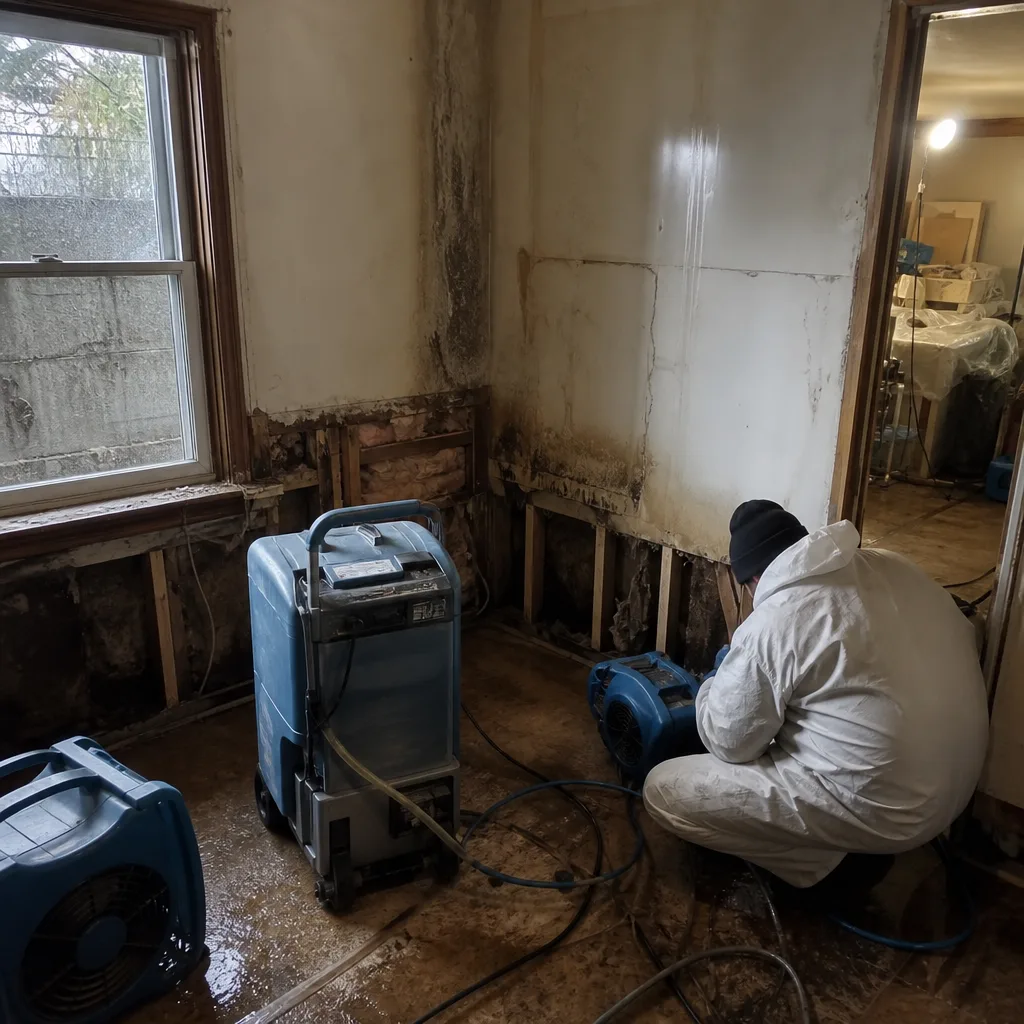 Before
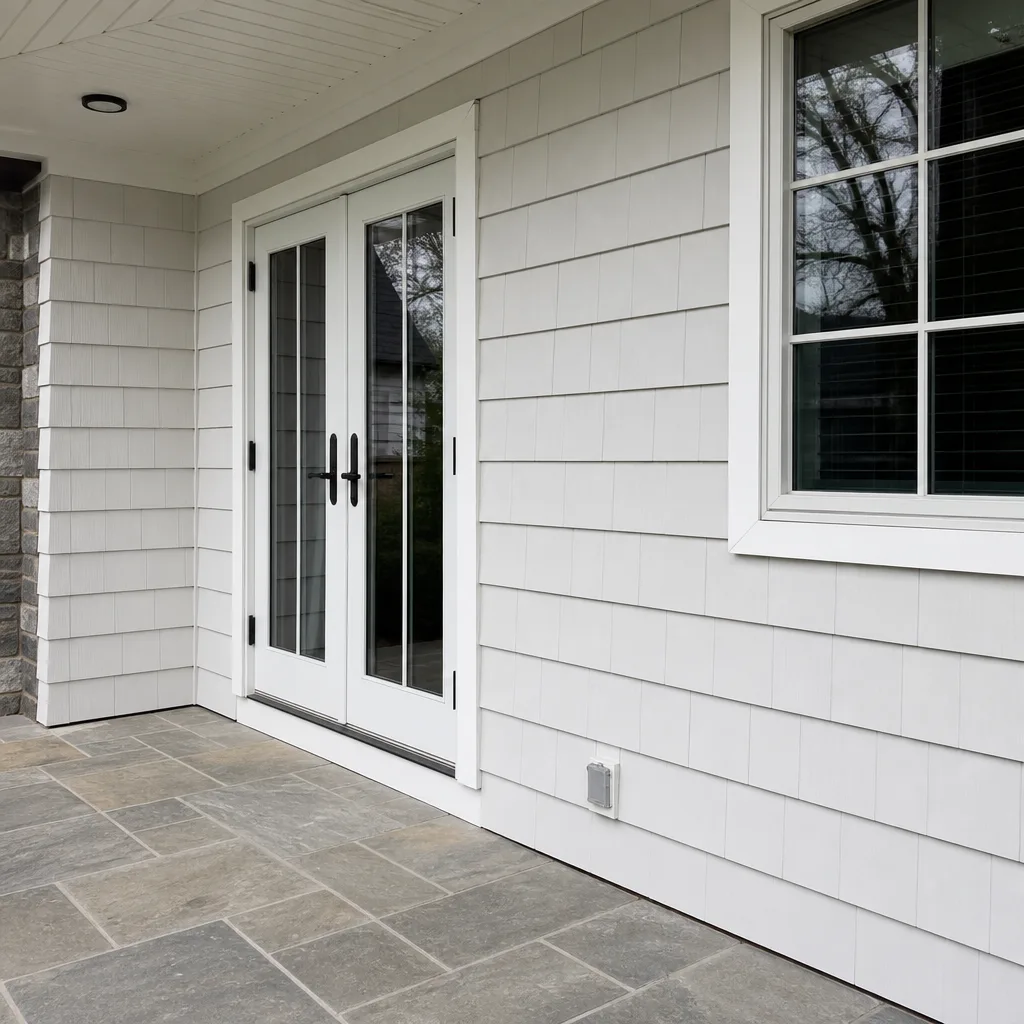 After
After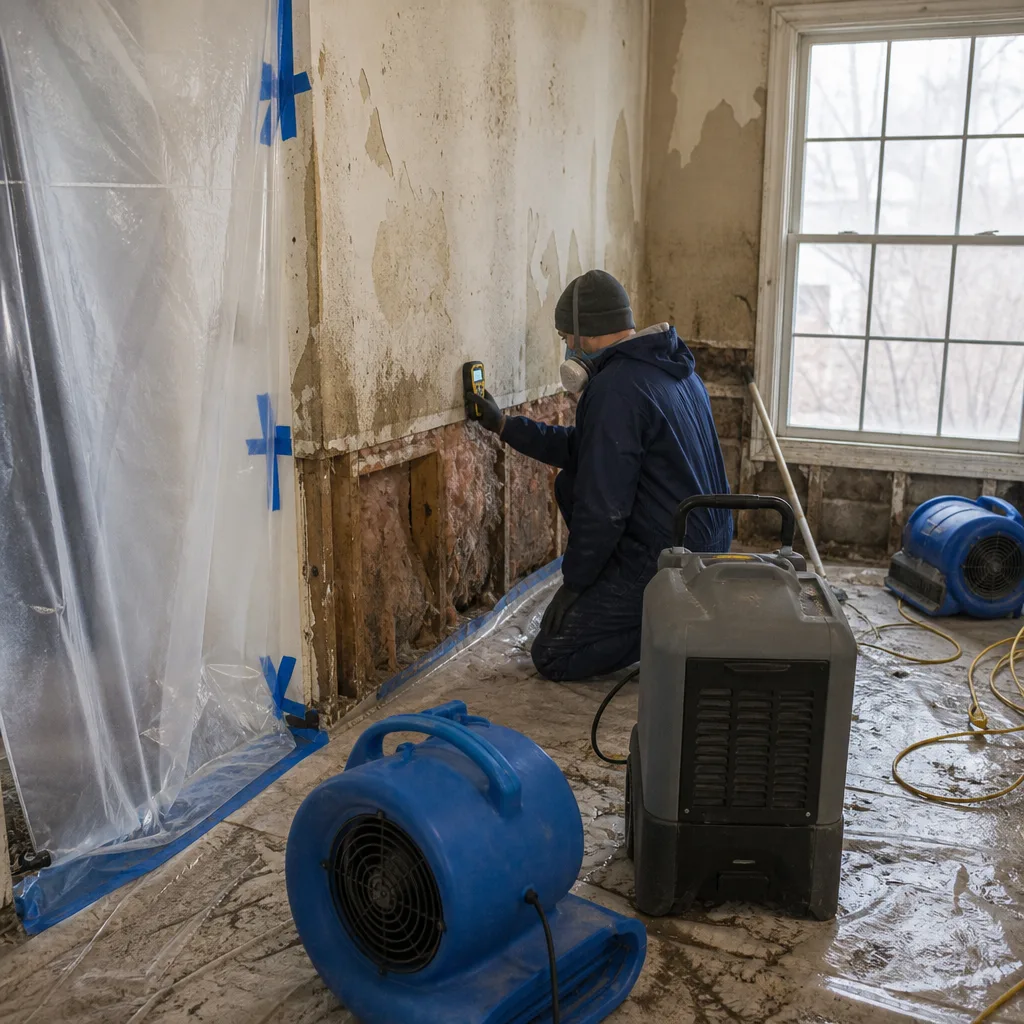 Before
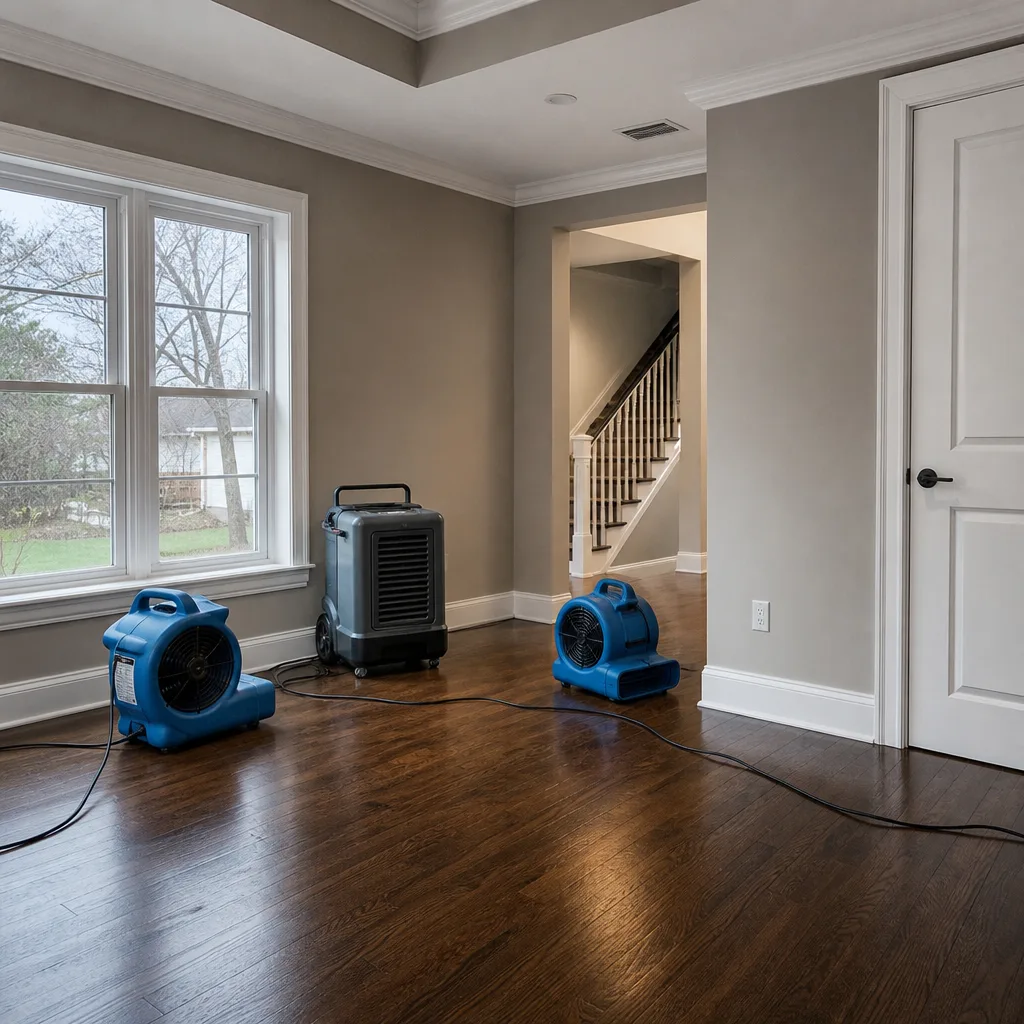 After
After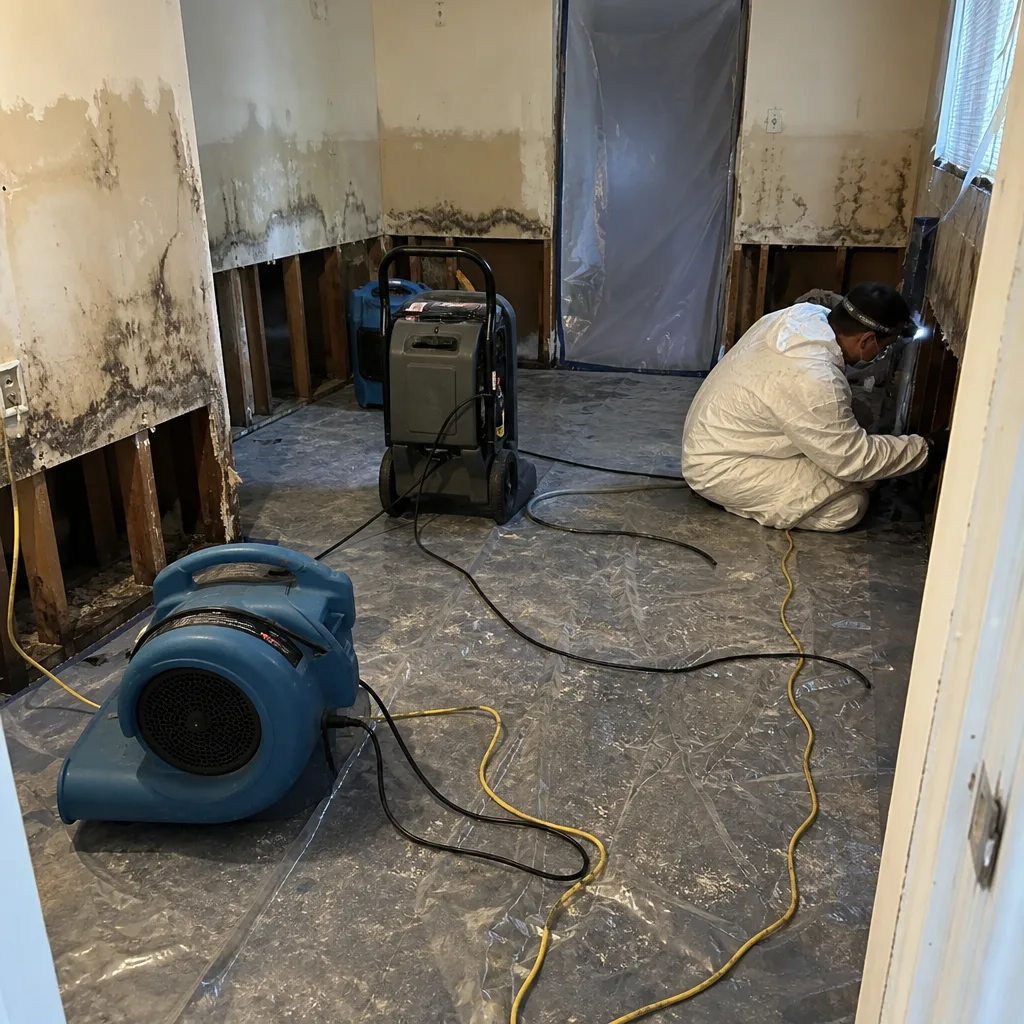 Before
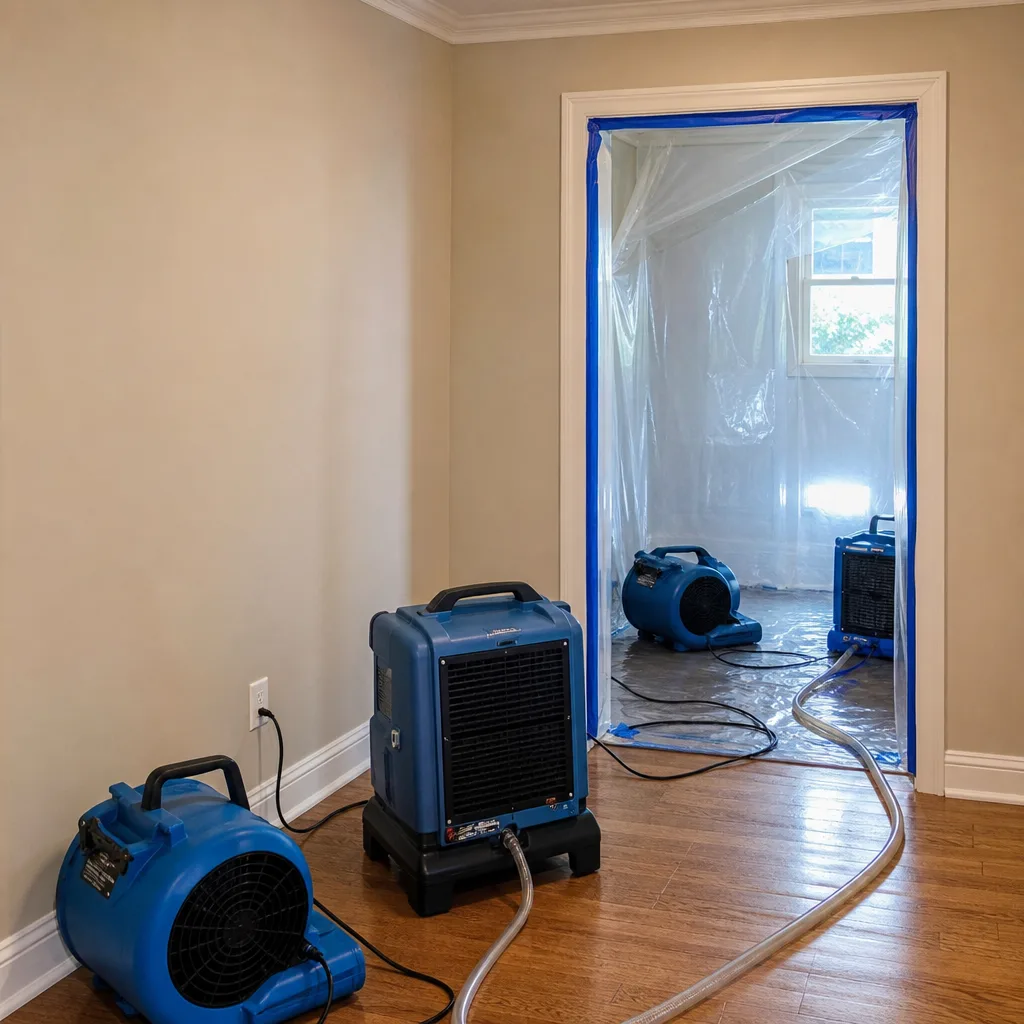 After
After24/7 Emergency Storm & Disaster Restoration in Great Neck
Storm & disaster restoration in Great Neck typically costs $1,800-$6,500 for water extraction and structural drying, and $8,000-$30,000+ when flood cuts, full stud-out, and rebuild are required. We answer the phone with a live dispatcher at two in the morning, and crews reach most Great Neck streets within 30-45 minutes of your call. The first hour decides whether your plaster walls and original floors can be saved or end up in a dumpster. Call (518) 873-4306 the moment water enters the house, not after the tide recedes.
Saltwater in a 1930s Colonial on Cedar Drive behaves nothing like clean tap water from a burst pipe in a 1990s split-level. That’s why our Storm & Disaster Restoration team treats Great Neck as its own job site, not a ZIP code on a dispatch board. We know what the harbor does to old-growth oak flooring, how long plaster holds before it lets go, and which mid-century finished basements on the peninsula can be saved rather than studded out.
Understanding Storm & Disaster Restoration Severity in Great Neck Properties
Water damage is classed by category, and on the Great Neck peninsula the category can shift before the rain stops. Category 1 is clean water from supply lines or straight rainfall. Category 2 carries detergents or biological contamination. Category 3 is black water: sewage, harbor surge, or runoff that has picked up whatever was in its path. A seasonally high water table here means heavy rainfall in a mid-block Cape can back the sanitary sewer up through a floor drain, turning a Category 1 seep into a Category 3 contamination event in under an hour. If a crew arrives and calls it “just wet carpet” without checking for sewage, you lose more than carpet.
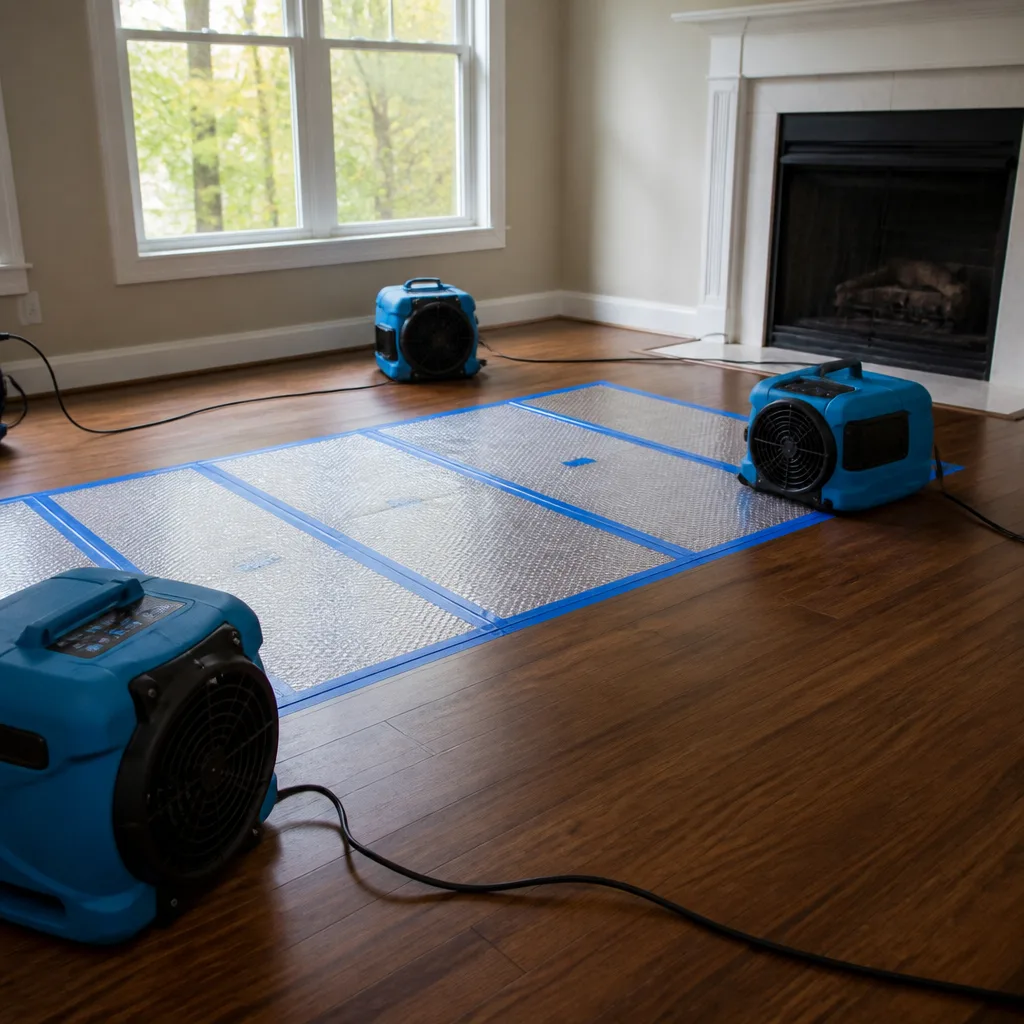
Structural drying in Great Neck’s pre-war housing stock is a preservation problem, not a plug-and-play fan job. Plaster-and-lath walls hold water differently than drywall: they wick slower, dry slower, and crack irreversibly if hit with too much airflow too fast. Old-growth hardwood floors expand and cup when exposed to standing water, but they can often be saved with Injectidry injection drying and low-grain refrigerant dehumidification, a slower and more deliberate process than the air-mover blitz that works on engineered flooring in newer Nassau County construction. Rush the drying here and you crack the plaster, delaminate the millwork, and turn a restorable room into a full rebuild. Our Great Neck crews read the moisture map first, then choose the gear and the schedule.
Why Great Neck Property Owners Choose Floodline Restoration Co.
- Live answer, 24 hours a day. A real dispatcher picks up the phone at 2 a.m., takes the address, and starts a crew toward your block before the call ends. No automated tree, no callback promise.
- Crews reach most Great Neck addresses in 30-45 minutes. We keep equipment staged and crews on rotation so response time isn’t a marketing line, it’s a dispatch board entry.
- IICRC-certified crews, trained to WRT and ASD standards. Wet and storm work is handled by technicians who have passed the water restoration and applied structural drying certifications, not by day laborers.
- Free visual inspection with a written scope. We walk the property, photograph the damage, take moisture readings, and hand you a line-item plan before any work begins. No open-ended “we’ll see how it goes” contracts.
- Direct insurance billing. We bill your carrier directly and speak with the adjuster on your behalf, so you don’t play messenger between a restoration company and an insurance desk.
- One crew from water line to finished rebuild. We are full-cycle Storm & Disaster Restoration. The same certified technicians who extract the water log the drying curve, and our own reconstruction team puts the walls back. No mid-job handoff to a subcontractor you’ve never met.
Our Storm & Disaster Restoration Process
Inspection & Assessment
We arrive, walk the property, and map the water. Thermal imaging finds moisture hidden in walls and under floors, and hygrometers give us baseline readings. Within the first hour you have a written scope and a straight answer about what can be dried and what must be removed.
Extraction & Stabilization
Standing water comes out with truck-mounted extraction units and submersible pumps for deeper flood cuts. We stabilize the structure immediately: board-up for broken windows, roof tarping for wind damage, and temporary shoring where surge has compromised framing.
Drying & Dehumidification
We set up a drying system matched to your home’s construction. Plaster-and-lath rooms get lower airflow and longer runtime; finished basements with terrazzo floors get injection drying rather than surface air. Daily moisture readings are logged and shared with you and your adjuster until the dry standard is met.
Cleaning & Sanitization
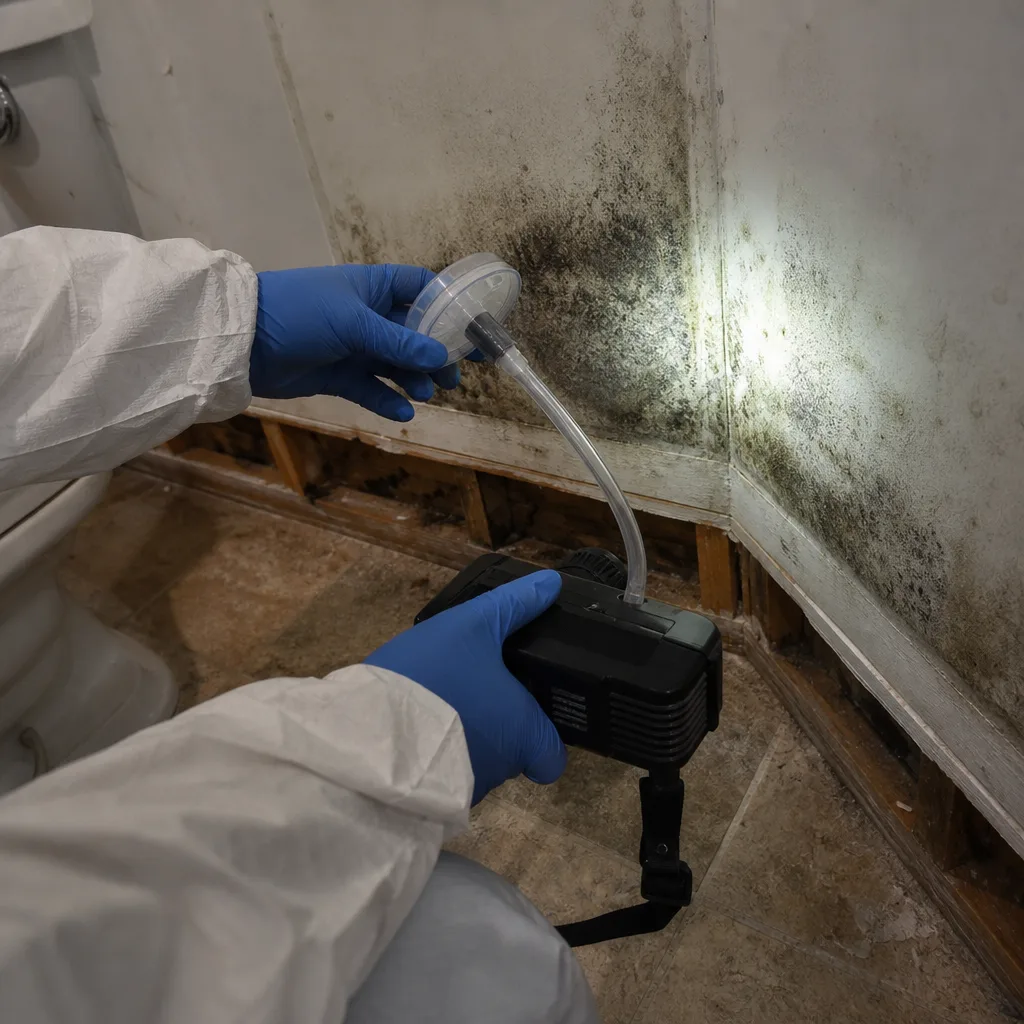
Flood water carries contaminants, especially when harbor surge or sewer backup is involved. We clean and sanitize all affected surfaces, using HEPA air scrubbers where mold spore or particulate control is required. Every surface that can be kept is treated before it’s rebuilt around.
Flood-Specific Treatment
Saltwater intrusion gets a dedicated protocol: flushing salts from masonry and framing, corrosion treatment on exposed metal, and targeted drying on period millwork. This is the step generic restoration firms skip, and it’s why their finished rooms smell like the harbor a year later.
Repairs & Restoration
When the property hits the dry standard, reconstruction begins. Plaster repair, floor refinishing, millwork restoration, and full stud-out rebuilds where required, all with our own crews. The 90-Day Done Right Promise covers the finished work, in writing.
Need Emergency Storm & Disaster Restoration in Great Neck Now?
Crews minutes away, answering live 24 hours a day. The sooner we start, the less it costs.
Working With Your Insurance Company
Flood and storm claims in Great Neck involve FEMA flood zones, post-Sandy elevation maps, and adjusters who have seen every shortcut. We document the loss from the first hour, photograph every room before anything is moved, and hand your carrier a moisture log they can’t argue with. When an adjuster orders full stud-out for a 1950s finished basement with knotty-pine paneling and terrazzo floors, our team negotiates from the data: if the moisture readings and drying curve support salvage, we make the case for it. No homeowner should lose period finishes because a claim was processed on a checkbox.
What We Provide Your Insurer
- Thorough documentation of the loss
- Photos of all damage, room by room
- Moisture readings and drying logs
- A detailed, line-item scope of work
- Direct coordination with your carrier
Built for Great Neck’s Loss Calendar
Great Neck’s storm damage season doesn’t follow a tidy calendar, but the patterns are predictable. January deep freezes burst supply lines in unheated pre-war crawlspaces, and the water drains down through finished basements before anyone notices. Spring thaw, with the peninsula’s high water table, turns every rainstorm into a potential basement seepage event along the low blocks near Manhasset Bay. Late summer brings thunderstorms that overload the storm drains on Middle Neck Road, sending runoff into below-grade garages and utility rooms. And from September through March, nor’easters push surge into Little Neck Bay, flooding the streets that have flooded for a century, only now with FEMA’s revised elevation maps parked on top of the old foundations. Every one of these events is a Category-to-category risk in a town where the houses were built before the term “waterproofing” existed in the building code.
Storm & Disaster Restoration Across Great Neck’s Neighborhoods
Response routes matter when the roads are flooded. We approach the waterfront along East Shore Road and Steamboat Road from the north, and the mid-peninsula neighborhoods through Baker Hill Road off Middle Neck Road. In University Gardens and the blocks around Great Neck Estates, the older pre-war Capes and Colonials have shallow crawlspaces that flood fast and dry slowly, so we stage extra low-profile drying equipment. Kings Point, on the north shore, sees wind-driven rain pushed up against the larger Gold Coast properties, where window and door failures let water into plaster walls that haven’t been opened in eighty years. Along the south side near the LIRR tracks and toward the Village of Great Neck plaza, the mix of mid-century ranches and older split-levels means more basement floods than envelope failures, and the finished basements down there are the ones where we fight to keep the terrazzo. The response pattern is the same across all of it: get there before the Category shifts.
When storm surge from a coastal nor’easter backfilled a 1930s Colonial on Cedar Drive, our crew arrived before the tide fully receded. Saltwater had wicked into the original plaster-and-lath walls and under the old-growth oak floors, so we started water extraction within the hour, installed containment, and logged moisture readings every four hours. Using Injectidry injection drying and low-grain dehumidification, we saved the millwork and avoided stud-out. The adjuster signed off on pre-loss condition after eleven days of drying logs.
Specialized Storm & Disaster Restoration Services We Offer in Great Neck
Flood Damage Restoration
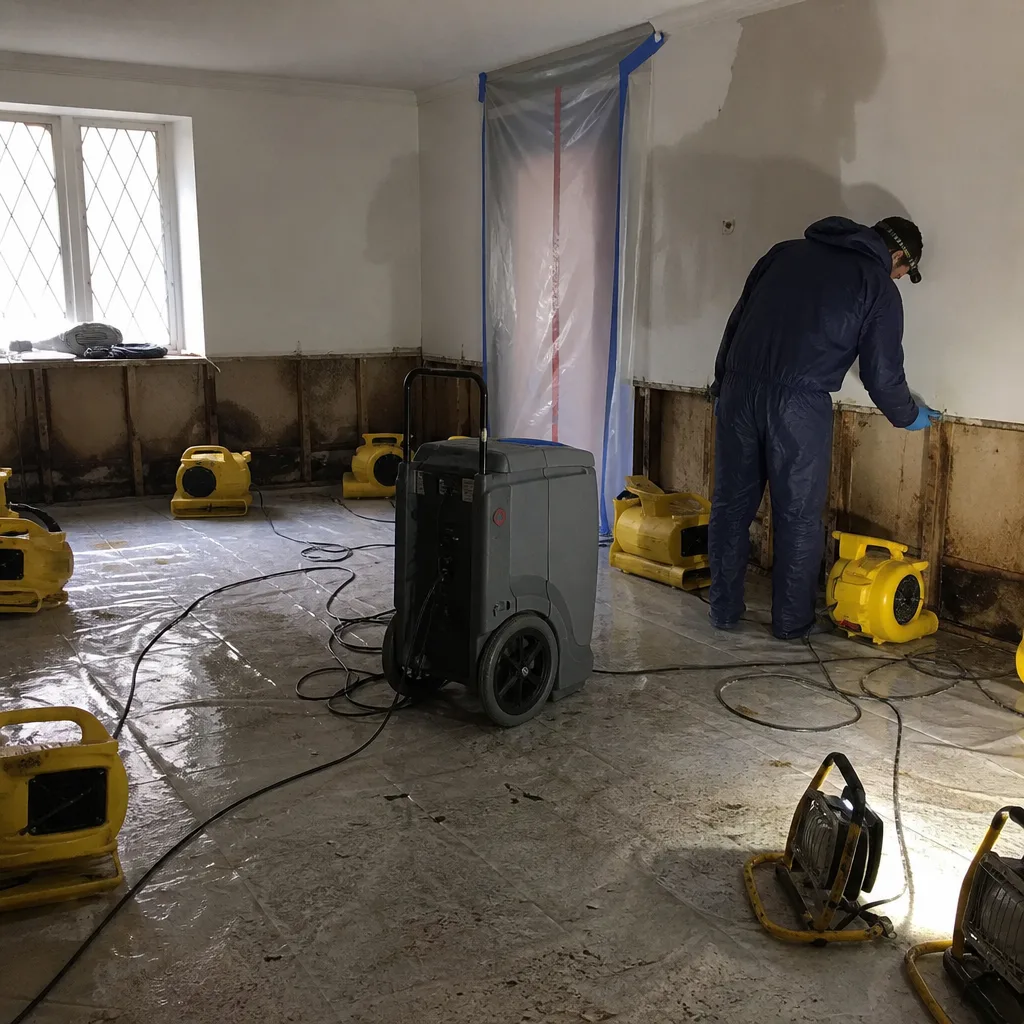
This is the work that owns most of our Great Neck dispatch board. Coastal surge, nor’easter rain, and high-water-table seepage all demand a fast, methodical response. We extract standing water, map moisture in walls and subfloors, and run the drying protocol that matches your home’s age and construction. Saltwater intrusion gets dedicated flushing and corrosion treatment. Sewage-contaminated water gets full Category 3 containment and sanitization. Call (518) 873-4306 the minute water crosses the threshold.
Emergency Board-Up
Wind-driven debris and fallen limbs take out windows, doors, and sometimes entire wall sections during Great Neck’s coastal storms. We board up openings within the first visit, using measured plywood and weather sealing so the house doesn’t take on more water while the restoration plan comes together. Board-up is also the step that satisfies your policy’s “protect from further damage” requirement, which adjusters do check.
Storm Damage Cleanup
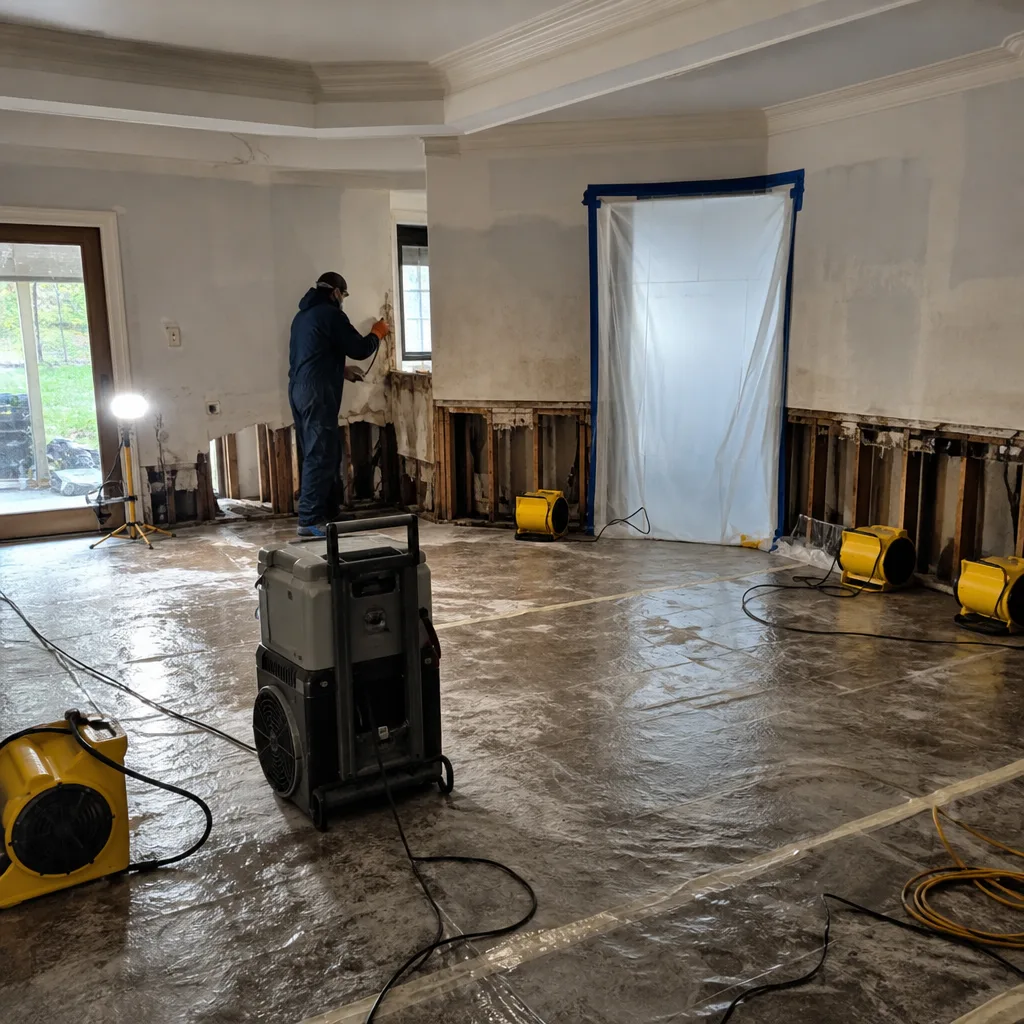
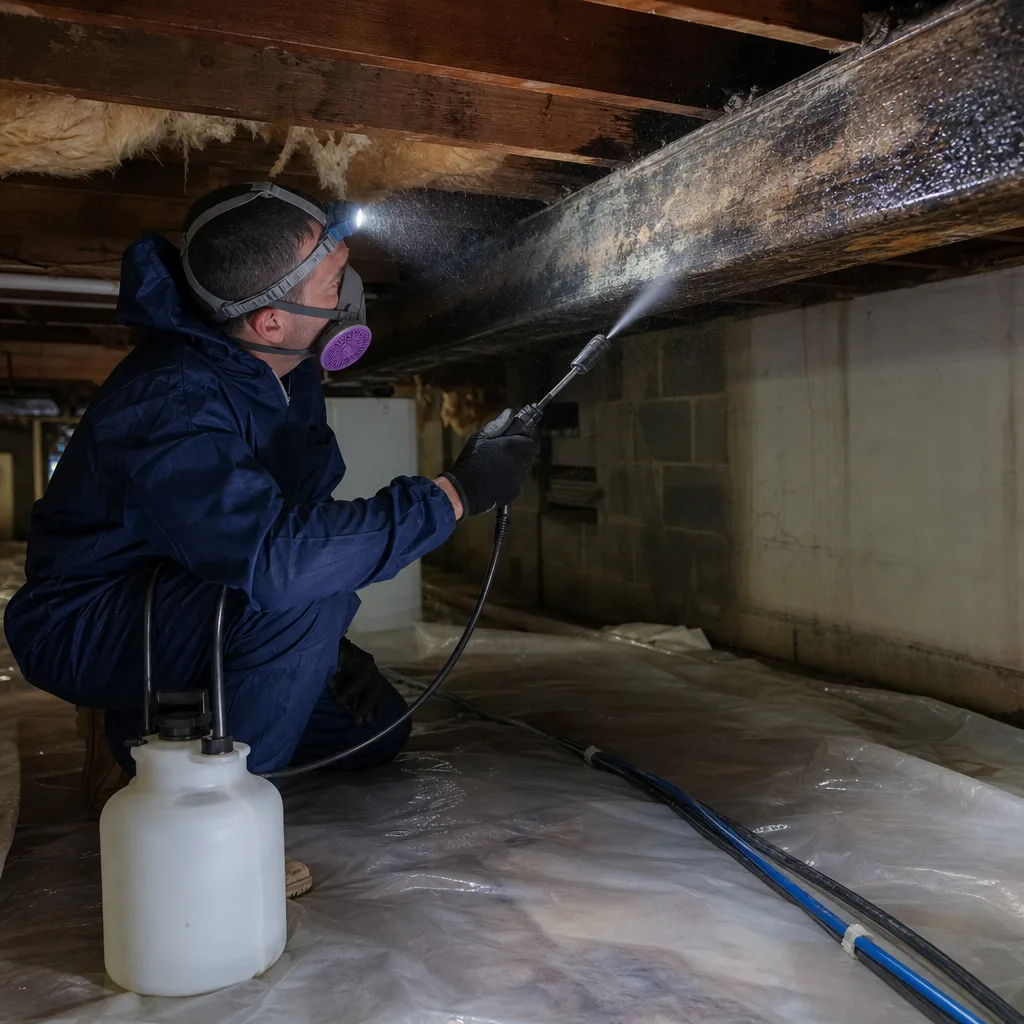
After the structural response, there’s the work of clearing what the storm left behind: wet insulation, soaked drywall, contaminated carpet, and the mud that surge pushes through doorways. We remove debris, clean and sanitize every surface that stays, and get the property to a dry, stable state where reconstruction can start. Cleanup on pre-war homes includes the care that plaster and millwork demand, and that’s the difference between a room you restore and a room you lose.
Roof Tarping
A nor’easter takes shingles and sheathing off the older roofs on the peninsula faster than most people expect. We tarp the roof the same day we get the call, with fasteners and sealing that hold up to the next storm, not just the next hour. This is emergency protection, not a permanent fix, but it stops the water that would otherwise run down inside your plaster walls all night.
Debris Removal
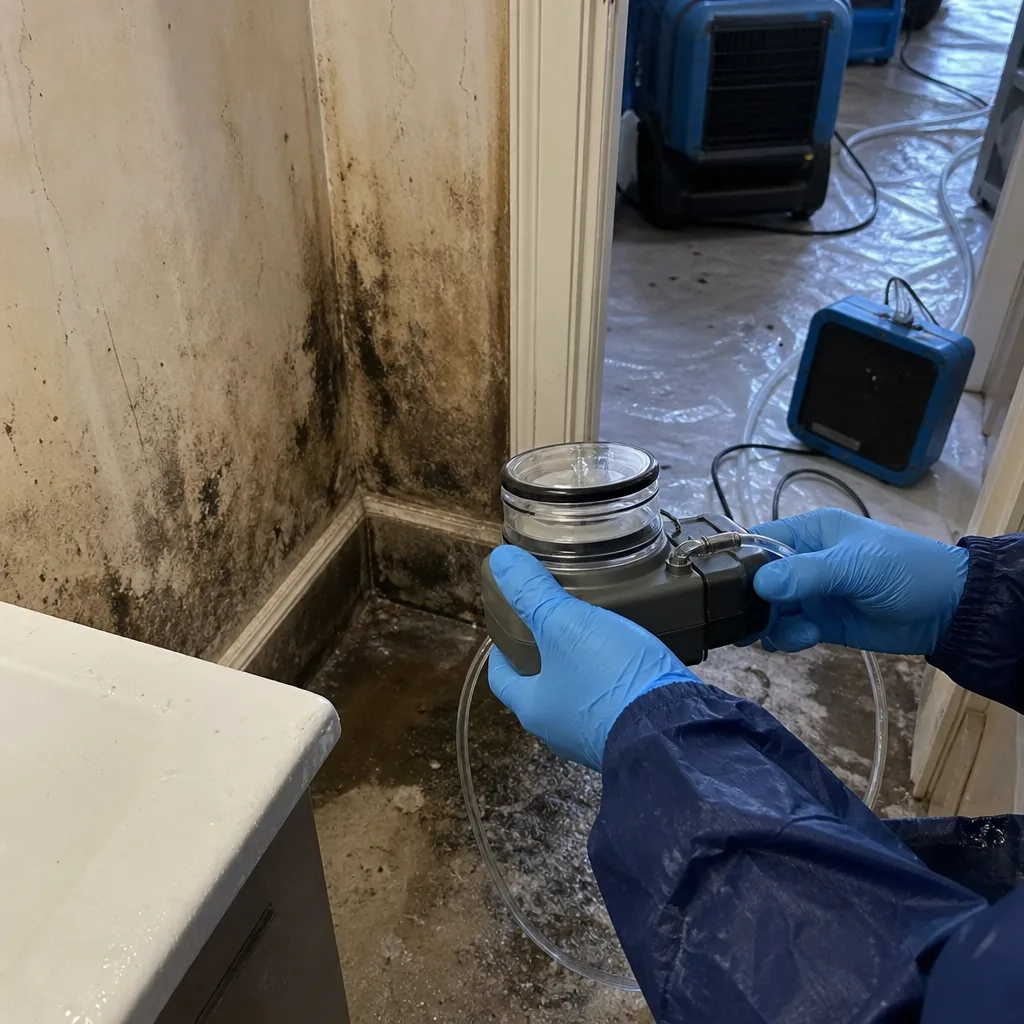
Fallen branches, soaked drywall, ruined carpets, and all the material a storm drags through your property need to come out before drying can work. We load and haul it, and we photograph everything as we go so the claim file stays complete. If the debris includes hazardous material or sewage-contaminated waste, we handle the disposal under the right protocols.
What happens when you call
- 1
A real person answersNo phone trees - you reach a local pro.
- 2
You get an upfront price rangeHonest numbers before anyone is dispatched.
- 3
A background-checked tech heads outLicensed & insured, dispatched right away.
- 4
You approve before work beginsNothing starts until you say go.
Storm & Disaster Restoration Costs in Great Neck, NY
What you’ll pay depends on what happened, where the water has been, and whether the claim is covered. Drying a single finished basement after a Category 1 seep in Great Neck runs $1,800-$4,200. Saltwater intrusion on a ground floor usually costs $4,500-$9,500 because of the extra flushing, corrosion treatment, and longer drying time. A full flood cut with stud-out on a mid-century finished basement runs $12,000-$30,000+, and that’s before the rebuild. A wind damage board-up with roof tarping typically runs $400-$1,200 on the day, with permanent repairs scoped separately. The free visual inspection is how you get a firm number instead of a range: we walk the property, take readings, and hand you a written scope before any invoice exists.
Insurance almost always covers sudden storm damage. What it doesn’t always cover is the full preservation work on period finishes. That’s a negotiation, not a denial. When our written scope and drying logs have the evidence, adjusters frequently approve salvageable finishes that a first pass would have written off. The fastest way to know what you’re facing: call (518) 873-4306 and have us look. Estimates are free.
We Also Serve Cities Near Great Neck
Our storm teams cover the full North Shore corridor. We serve Storm & Disaster Restoration in Great Neck plus the surrounding communities of Little Neck, Manhasset, Oakland Gardens, and Bayside. Same live dispatch, same training standards, same written 90-Day Done Right Promise.
Serving Great Neck, NY - Our Local Coverage Area
We’re based in the Great Neck area and know this community well. Use the map below to see our service coverage - if you’re nearby, we can almost certainly help.
Great Neck Storm & Disaster Restoration Questions, Answered
How fast does saltwater from Little Neck Bay corrode garage-door springs and rollers on Great Neck’s pre-war homes?
Saltwater starts corrosion on garage-door springs and rollers within 48 hours, and by the two-week mark, untreated hardware is failing. This matters in Great Neck because most pre-war homes here have original garage hardware or older replacement parts never designed for salt air exposure. During flood restoration we inspect the garage door as part of the scope: springs, hinges, rollers, track, opener chain, and fasteners. Salt-corroded springs get replaced with galvanized or coated units, and rollers get swapped to nylon where the track condition allows. It’s a small line item that prevents a spring failure on a cold morning months after the flood.
Does FEMA’s revised flood map require tearing out the 1950s knotty-pine basement after a surge in Great Neck?
Not automatically. FEMA maps influence insurance requirements, but whether a finished basement gets studded out after a flood depends on the water category, the wetting time, and the moisture readings during drying. In Great Neck specifically, many 1950s-60s basement finishes sit near or below the revised Base Flood Elevation lines, so carriers and adjusters often default to full demo. We push back where the data supports it: if the knotty-pine paneling and terrazzo floors can hit the dry standard and pass sanitation, we make the case for salvage. The conversation needs a moisture log, not a phone call. Call (518) 873-4306 before you sign a demo order.
Can you save original plaster walls after a coastal flood in Great Neck, or do they always get replaced?
Original plaster walls can often be saved, but only when the drying protocol respects the material. Plaster-and-lath from the 1920s-40s absorbs water slowly and releases it slowly, so the wrong response, which is too much airflow too fast, cracks the plaster and loosens it from the lath. We use lower-airflow, longer-runtime drying on plaster rooms, with injection drying where the wicking is concentrated. If the plaster is already delaminated when we arrive, or if the water sat for more than 72 hours, replacement becomes the honest answer. The condition is specific to each wall; that’s why we inspect and test, not guess.
How soon after a nor’easter should we start water extraction in a Great Neck waterfront home?
Within the first hour if the property is accessible, and never more than a few hours. Saltwater from Manhasset Bay and Little Neck Bay starts degrading plaster, hardwood, and framing immediately, and the high water table on the peninsula means the ground beneath the slab stays wet, extending the exposure. Every hour of standing water increases the chance that Category 1 becomes Category 3, and every hour of absorbed water increases the chance that period finishes can’t be saved. Call (518) 873-4306 while the rain is still falling if you see water entering the house.
What’s different about flood restoration for a 1920s Tudor in Great Neck versus a newer home in Nassau County?
The materials. A 1920s Great Neck Tudor has plaster-and-lath walls, old-growth hardwood floors, and custom millwork that were installed before modern building materials existed. Newer Nassau County homes are built with drywall and engineered flooring, which respond predictably to a standard air-mover drying setup and are often cheaper to replace than restore. A 1920s Tudor demands preservation-grade drying: slower, measured, and carefully logged, with the goal of keeping period materials rather than swapping them for new. That’s a different skill set, a different equipment list, and a different relationship with your adjuster. Our crews train for the old-house work specifically because Great Neck has so much of it.
Will my insurance cover storm damage restoration in Great Neck?
Sudden storm damage, meaning a tree through the roof, nor’easter-driven water through a wall, or wind damage that opens the envelope, is generally covered under standard homeowners policies. Flood damage from rising water, including coastal surge and tidal flooding, requires a separate flood policy, often through the National Flood Insurance Program. Great Neck’s FEMA Special Flood Hazard Areas make this distinction especially important. We work with both carriers and NFIP adjusters, and we handle the documentation and direct billing either way. Call (518) 873-4306 and we’ll walk you through what your policy actually covers before any work begins.
Do we need full remediation or just a cleaning after our Great Neck basement floods?
It depends on the water category and what got wet. Clean rainwater that is extracted within hours and dried correctly may only need cleaning and sanitization. Water that mixed with sewage, harbor surge, or street runoff is contaminated and requires removal of porous materials and full sanitization. In Great Neck’s older basements, the deciding factor is often what’s behind the finishes: a 1950s knotty-pine wall that soaked contaminated water is not cleanable by surface washing. A moisture inspection tells you which path is safe. Estimates are free, and we’ll show you the readings before we quote the work.
What should we do in the first 30 minutes after storm water enters our Great Neck home?
Make one phone call, and make it to us at (518) 873-4306. Do not enter the space if the water may be electrically energized or sewage-contaminated. If the water is clean and it is safe to move through, turn off electricity to the affected area at the breaker and move small valuables and rugs up off the floor. Do not use a household vacuum or try to dry the space with fans. Do not start pulling walls or floors apart yourself; what you open may contaminate what was still sealed. We’ll have a crew on the road before you’ve finished reading this sentence, and they’ll take it from there.
Call (518) 873-4306 for a free estimate. A live person answers, day or night, and a crew can be at your Great Neck door within the hour.
Written by Curt Bowman, Owner at Floodline Restoration Co., serving Great Neck and the North Shore since 2010.