
Last updated August 25, 2026
Free visual inspection and a written scope of work before any mitigation begins - photos, moisture readings, and drying logs go in your claim file
The scope we write is the scope we bill. Anything new gets shown to you, in writing, before we touch it.
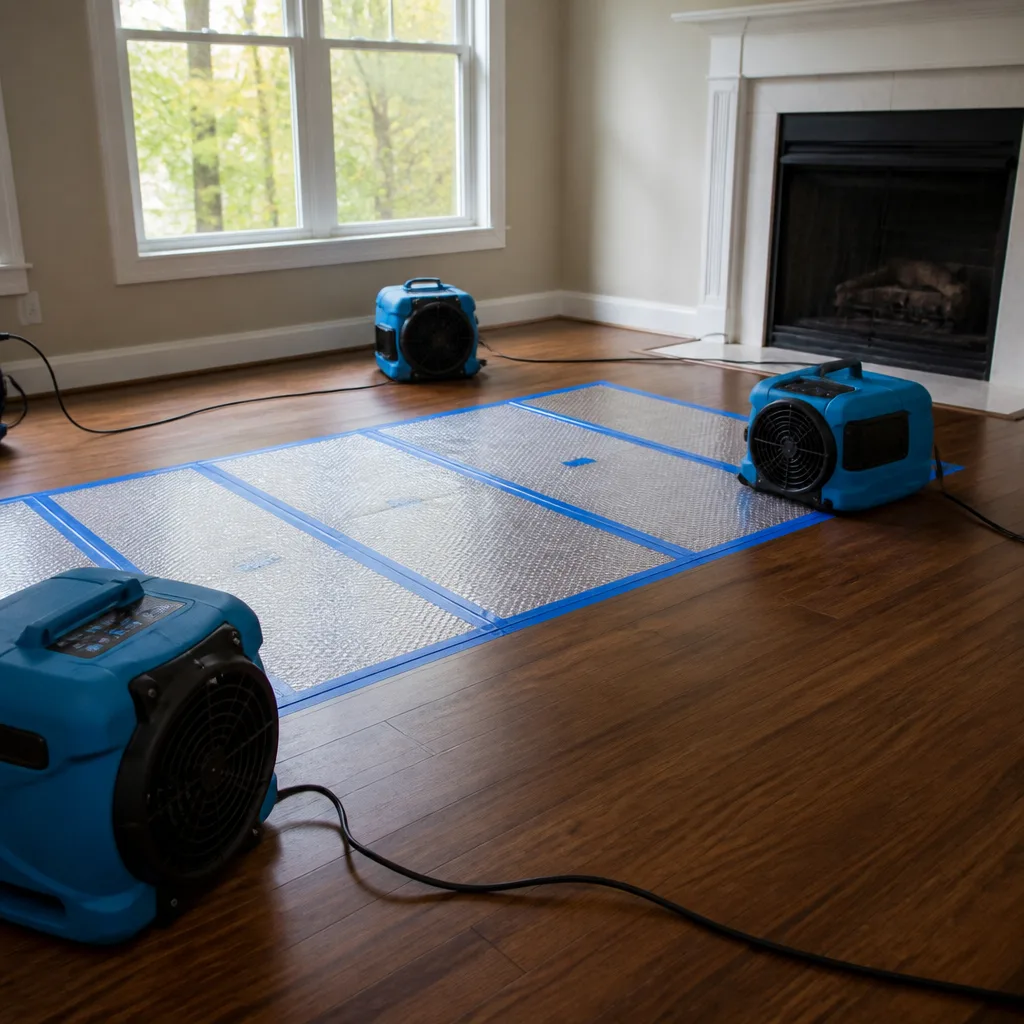

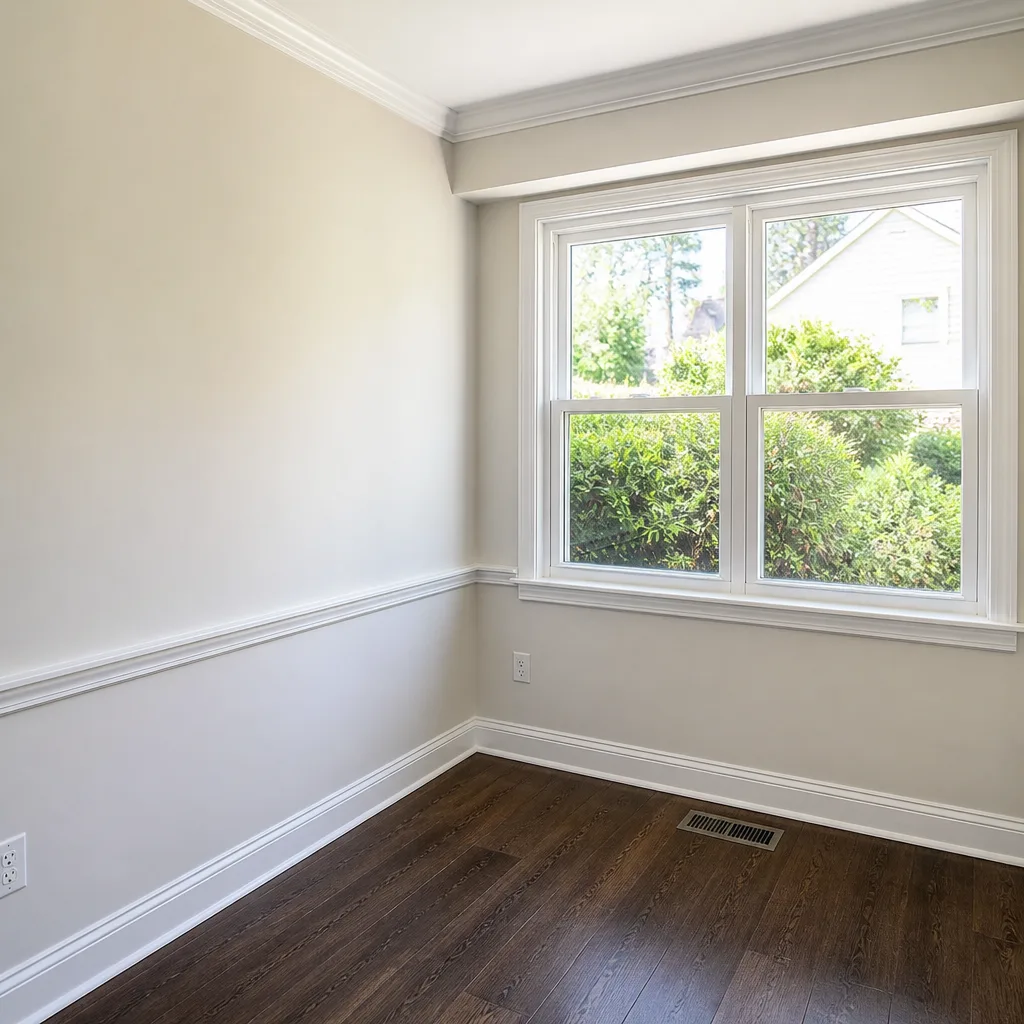

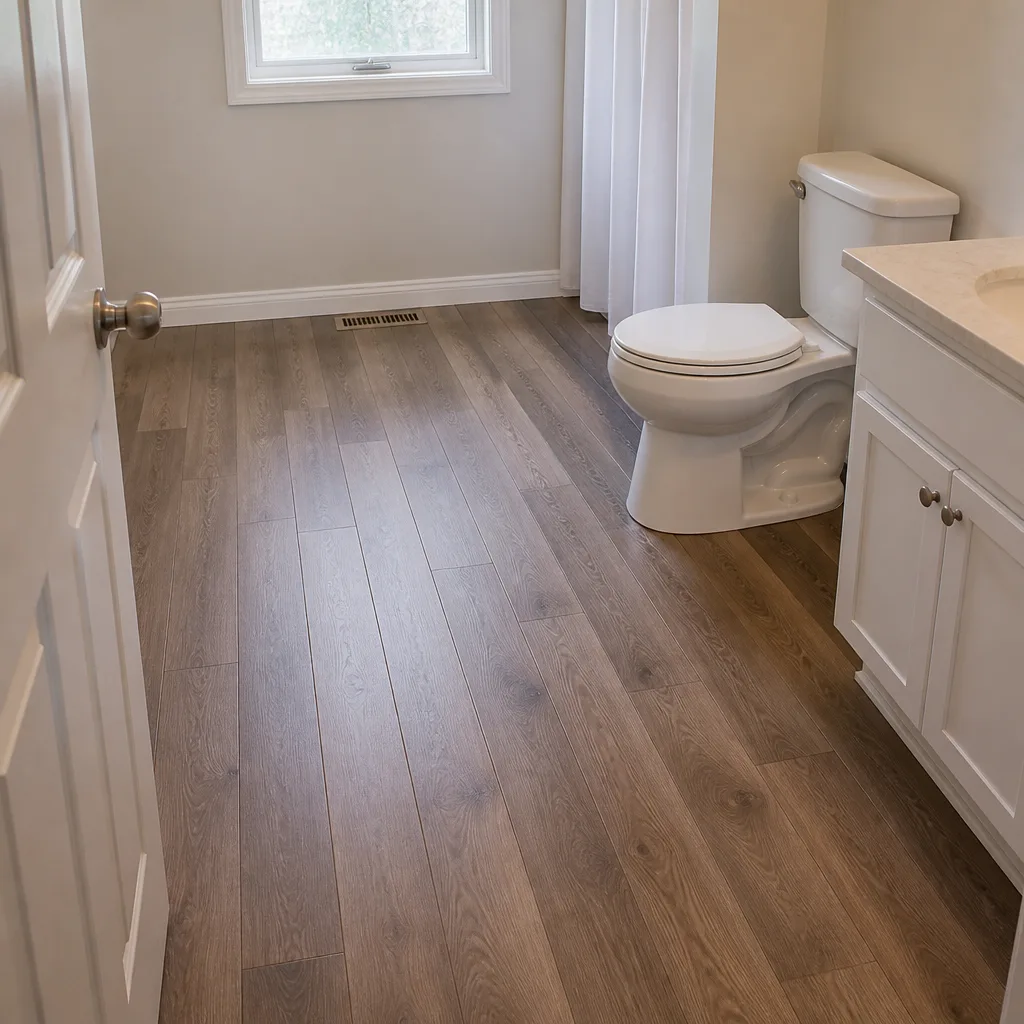

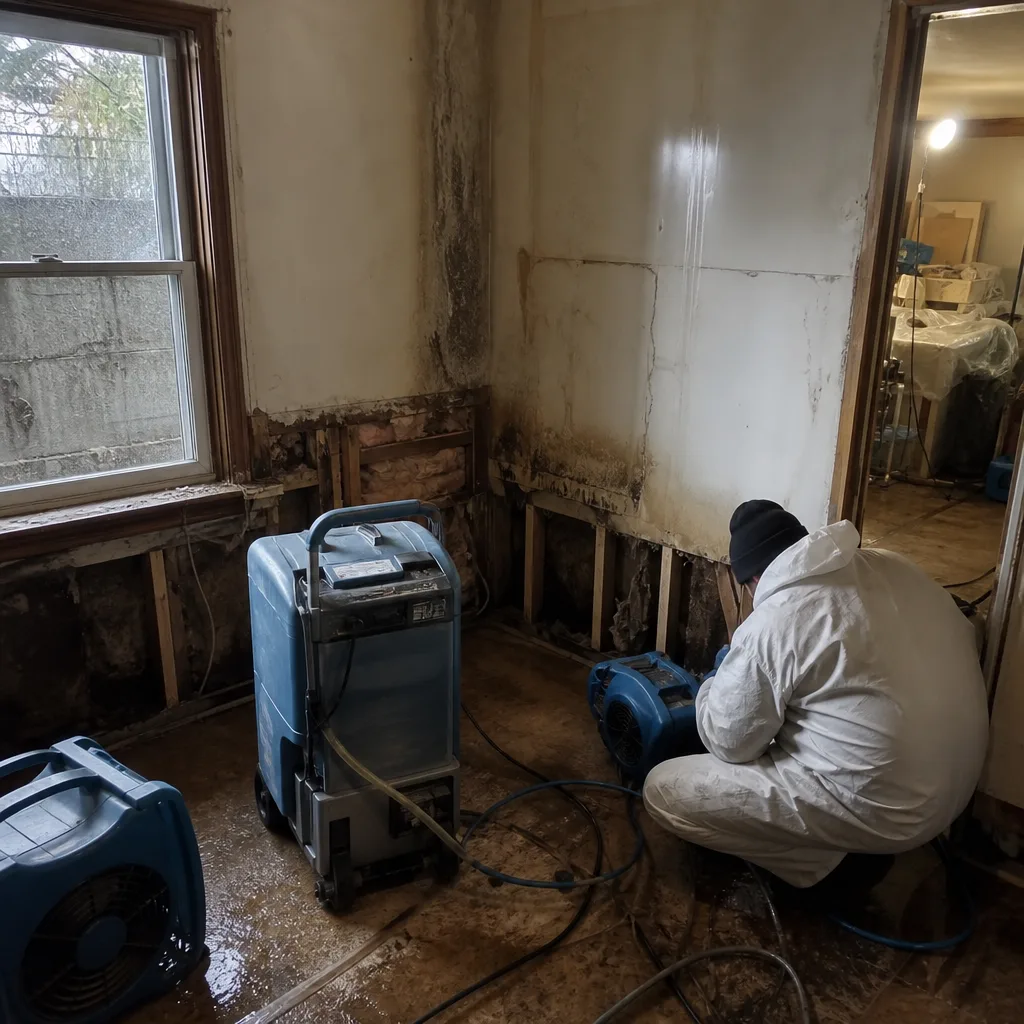 Before
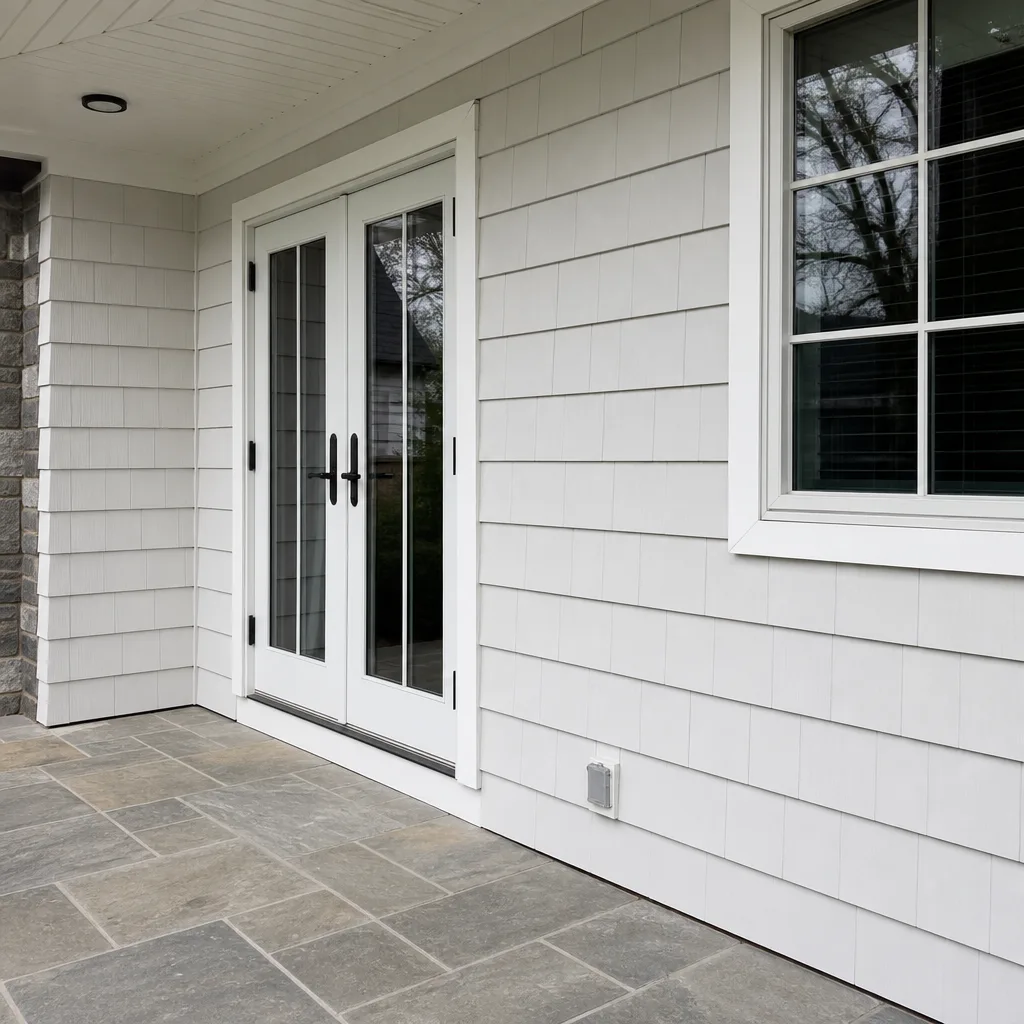 After
After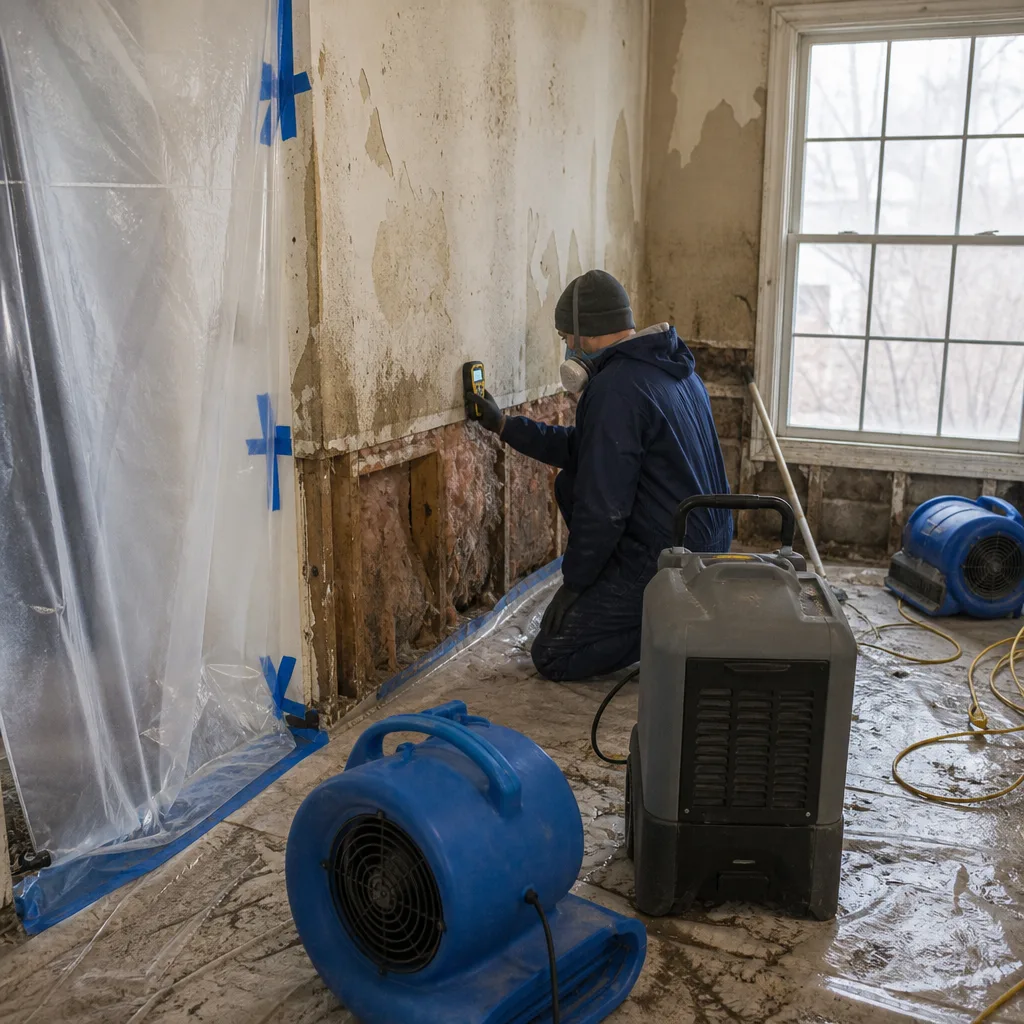 Before
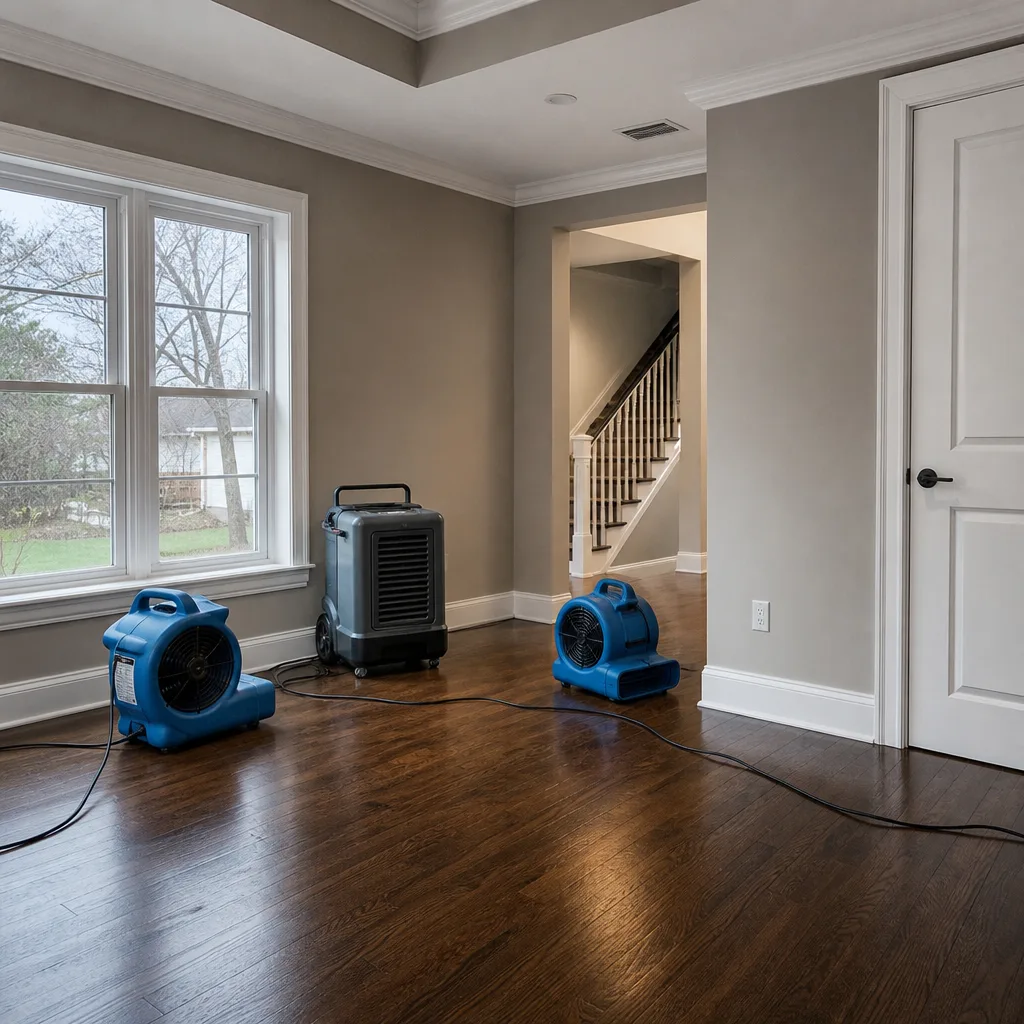 After
After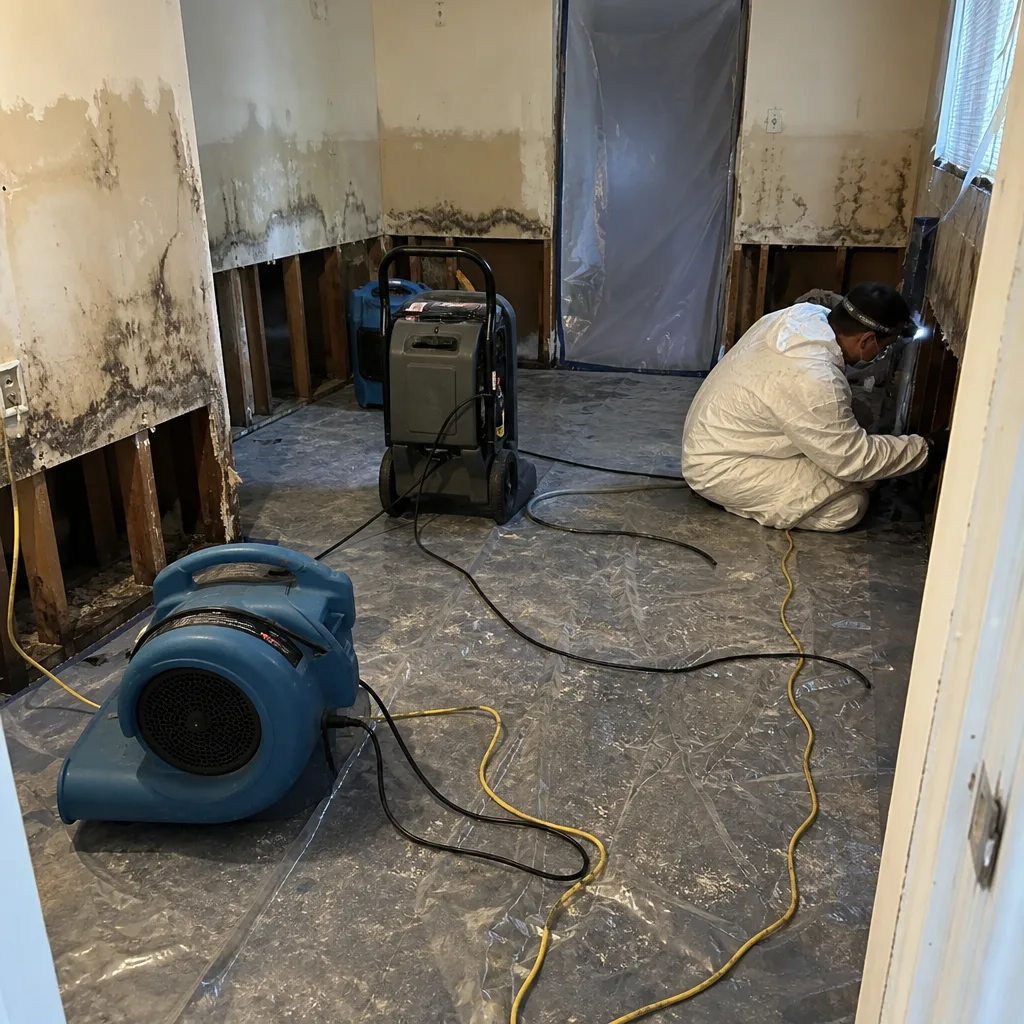 Before
 After
AfterWater Damage Restoration Maintenance Checklist for Great Neck Plaza Homeowners
Most Great Neck Plaza homeowners don’t discover a water problem until the baseboard swells or the meter starts spinning with every fixture off. The house gives quieter warnings first: a musty note in the stairwell, a cabinet door that sticks in August, a faint staining on the ceiling beneath the upstairs bath. By the time those signs appear, water has already been at work for weeks or months. This guide gives you a working maintenance checklist, built for Great Neck Plaza’s housing stock and weather patterns, so you catch trouble before it becomes a restoration job. We’ll walk through what to check monthly, what to leave alone, and when to pick up the phone.
Quick Answer
A water damage prevention checklist for Great Neck Plaza homeowners means checking supply lines, appliance hoses, sump pump operation, roof flashing, bathroom caulking, and basement moisture levels every season, with extra attention after nor’easters and spring thaws. Most water damage in our area starts with slow, silent leaks rather than sudden floods, and a 20 minute walkthrough four times a year prevents the vast majority of restoration calls we see.
Table of Contents
- Why Great Neck Plaza Homes Need a Different Checklist
- The Monthly Walkthrough: 10 Minutes That Prevent Most Damage
- The Seasonal Checklist: What Changes with Long Island Weather
- Appliances, Hoses, and Fixtures: The Usual Suspects
- Basement and Crawlspace Moisture Control
- Roof, Gutters, and Exterior Drainage
- After a Storm: The 72-Hour Window That Matters
- Common Mistakes to Avoid
- When to Call a Professional
- Frequently Asked Questions
Why Great Neck Plaza Homes Need a Different Checklist
Great Neck Plaza sits low and close to Manhasset Bay and Little Neck Bay, which means the water table runs high and the air carries salt and humidity through much of the year. Many of the homes here were built between the 1920s and 1960s, and a good number still have original cast iron drain lines, galvanized supply piping, and fieldstone or block foundations that wick moisture. That combination means the standard national checklist misses what actually fails in our village. We see more pinhole leaks in old copper, more sump pump failures during March and April, and more humidity driven mold in finished basements than nearly anywhere else we work on Long Island. A Great Neck Plaza checklist has to account for age, groundwater, salt air, and the freeze thaw cycles that work on old masonry every winter.
One more local factor: many Great Neck Plaza homes sit on small lots with mature trees. Roots find their way into clay sewer laterals and foundation drains, and leaf litter from those same trees clogs gutters faster than homeowners expect. The checklist below accounts for all of this.
The Monthly Walkthrough: 10 Minutes That Prevent Most Damage
Once a month, walk the house with your eyes on the joints and connections. You’re not doing repairs here. You’re looking for changes: a new stain, a soft spot, a drip that wasn’t there last month. In Great Neck Plaza, this walkthrough matters most in the shoulder seasons when temperature swings stress old pipes and seals.
- Check under every sink. Run the water, then feel the supply lines and shutoff valves for moisture. Look at the cabinet floor for warping or staining. Old shutoff valves in Great Neck Plaza homes often have hardened washers that leak only when turned.
- Inspect toilet supply lines and tank bolts. Rock the toilet gently. If it shifts, the wax ring is compressing and water is escaping with every flush. Check for condensation at the base, especially in bathrooms that run humid.
- Look at ceilings beneath bathrooms. A discolored patch, peeling paint, or a slight sag on a first floor ceiling tells you the upstairs plumbing is leaking slowly. The stain may be dry to the touch but the leak is still active inside the joist bay.
- Check the water heater. Look around the base for rust flakes, water beads, or a damp concrete floor. Listen for a hissing pressure relief valve. Most water heaters in Great Neck Plaza are in basements or utility closets where leaks go unnoticed for days.
- Inspect washing machine hoses. Rubber hoses fail without warning. Look for bulges, cracks, or rust at the crimped ends. If the hoses are more than five years old and rubber, replace them with braided stainless this month, not next month.
- Check visible piping in the basement. Run a flashlight along the ceiling joists. Green corrosion on copper, rust streaks on galvanized, or white mineral deposits at joints all mean active, recurring moisture.
Keep a small notebook or a note on your phone. Dates matter. When you call us about a problem, knowing how long a stain has been there changes the remediation plan and often the insurance conversation.
The Seasonal Checklist: What Changes with Long Island Weather
Great Neck Plaza gets four distinct seasons, and each one stresses a different part of the house. Run this checklist four times a year, at the change of each season.
Spring (March through May)
- Test the sump pump by pouring a five gallon bucket of water into the pit. The pump should cycle on and clear the water in seconds. If it doesn’t, clean the intake screen or call us before the next heavy rain.
- Check foundation walls for new efflorescence, the white chalky mineral deposits that indicate water is moving through masonry.
- Inspect downspout extensions. Melting snow and spring rain have to be discharged at least six feet from the foundation.
- Check the attic for condensation staining on the underside of the roof sheathing. Winter moisture trapped by poor ventilation shows up as dark streaks in spring.
Summer (June through August)
- Run the air conditioner and check the condensate drain line. A clogged line overflows into the air handler pan and then into ceilings or walls. In Great Neck Plaza’s humid summers, this is one of the most common calls we get in July and August.
- Inspect basement humidity levels. If the air feels heavy or surfaces feel tacky, run a dehumidifier and consider a hygrometer. Finished basements here should stay between 30 and 50 percent relative humidity.
- Check exterior hose bibs for drips at the packing nut after use. A slow drip behind the siding rots the wall cavity silently all summer.
Fall (September through November)
- Clean gutters and downspouts after the leaves drop. Clogged gutters in Great Neck Plaza overflow against the foundation in November rains and send water into basements through cove joints and cracks.
- Inspect roof flashing around chimneys, vents, and skylights. The nor’easter season starts in fall, and flashing that held through summer will open up under the first wind driven rain.
- Drain and winterize exterior spigots. Shut off the interior valve, open the exterior spigot, and leave it open. Frozen spigots split pipes inside the wall, and the leak doesn’t show until the first thaw.
Winter (December through February)
- Keep the house heated to at least 55 degrees, even when away. Pipes in Great Neck Plaza’s older exterior walls freeze faster than newer homes because of thinner insulation and unsealed rim joists.
- Check for ice dams after snow. Long icicles at the eave and ice buildup in the gutter mean heat is escaping through the attic and melting snow unevenly. That water backs up under shingles and into the house.
- Run water from every fixture you don’t use often, like guest baths and utility sinks, once a month. Moving water freezes slower, and this catches supply line failures early.
Appliances, Hoses, and Fixtures: The Usual Suspects
In our experience across Great Neck Plaza, appliance failures cause more indoor flooding than storms do. The failures are predictable, and they almost always trace back to a part that costs under thirty dollars but never got replaced. Here’s what we check on every job and what you can check at home.
- Washing machine hoses. Replace rubber hoses every five years, no exceptions. Braided stainless hoses last longer but still fail at the crimp. Check them monthly for bulges or rust. Shut off the water to the washer when you travel.
- Dishwasher supply and drain. Pull the bottom kick plate off once a year and look for water staining on the subfloor. A slow leak from the pump seal or supply connection rots the cabinet and floor before you see water in the kitchen.
- Refrigerator ice maker lines. These thin plastic or copper lines are under constant pressure and often routed through cabinets where they get pinched. Replace the plastic saddle valve style lines with a quarter turn shutoff and braided supply.
- Water heater. Most tank style heaters last 8 to 12 years in Great Neck Plaza’s water conditions. Once a year, drain a few gallons from the bottom valve to flush sediment. If the valve drips after you close it, replace it immediately. A slow dripping valve can fail catastrophically without warning.
- Sump pump. Test it monthly during wet seasons using the bucket method described above. Consider a battery backup if your pump is the only thing between your finished basement and the groundwater table. Many Great Neck Plaza homes need a backup more than a generator.
- Bathroom caulking and grout. Run a finger along the tub and shower seams. Cracked or missing caulk lets water wick into the wall cavity behind the tile. Recaulk any seam that flexes, separates, or shows mildew at the edges. This is a two hour job that prevents a five thousand dollar repair.
Basement and Crawlspace Moisture Control
Finished basements are common in Great Neck Plaza, and they’re the most expensive rooms in the house to lose to water. The checklist for basement moisture is partly inspection and partly habit.
Start with the walls. Run your hand along foundation walls in the spring and after heavy rain. Any dampness, even if it doesn’t bead, means the exterior waterproofing or grading isn’t doing its job. Check the cove joint, the seam where the wall meets the floor, which is the most common entry point for groundwater in our area. Hairline cracks can be monitored. Cracks wider than a quarter inch, or any crack that leaks during rain, needs professional evaluation.
Then check the floor for condensation. In July and August, concrete floors in Great Neck Plaza basements can sweat when warm, humid air hits the cool slab. That condensation gets mistaken for a foundation leak. Running a dehumidifier usually solves it. If moisture returns within hours of wiping the floor dry, it’s groundwater, not condensation, and the fix is drainage, not a bigger dehumidifier.
For homes with crawlspaces, check the vapor barrier every fall. The plastic sheeting should cover the entire dirt floor and run up the foundation walls at least six inches. Tears, gaps, and areas where the barrier has pulled back expose the house to ground moisture year round. Sealing crawlspace vents and adding a dehumidifier helps in Great Neck Plaza’s climate, where summer humidity invades through open vents more than it dries anything out.
Finally, keep an eye on the ceiling joists and the bottom of the first floor subfloor. Discoloration, staining, or sagging insulation are signs of a plumbing leak from above, not a foundation issue from below. The fix is different, and knowing which you’re dealing with saves time and money.
Roof, Gutters, and Exterior Drainage
The roof and the ground around your foundation are the two places where Great Neck Plaza’s weather enters your home. Both need seasonal attention.
Gutters and downspouts. Clean them in late fall and again in early spring. In between, watch for overflow during rain. Downspout extensions should carry water at least six feet from the foundation, and splash blocks alone aren’t enough on most Great Neck Plaza lots because the soil is dense and percolates slowly. Underground downspout drains should be tested by running a hose into them and watching the discharge point. If the water doesn’t come out, the line is clogged or collapsed, and rainwater is saturating the soil against your foundation instead.
Grading. Walk around the house after a heavy rain. Water should slope away from the foundation on all sides, with no ponding against the wall. Settled soil, sunken window wells, and patios that pitch toward the house all direct water where you don’t want it. Regrading the first few feet around the foundation is straightforward and prevents most basement water intrusion in Great Neck Plaza homes.
Roof flashing and penetrations. The shingles get the attention, but the flashing does the work. Chimney flashing, vent pipe boots, and skylight curbs are the first points to fail under wind driven rain. Check them from the ground with binoculars in the fall, and have a roofer look at any area showing rust, lifting, or missing sealant. Pipe boots last about ten years; in Great Neck Plaza’s salt air, you may get fewer.
After a Storm: The 72-Hour Window That Matters
When a nor’easter or summer thunderstorm rolls through Great Neck Plaza, water damage doesn’t always announce itself immediately. The real risk is what grows in the walls and under the floor in the days after the storm passes. The first 72 hours decide whether you’re dealing with a drying job or a mold remediation project.
- Within hours of the storm: Check the attic for water staining around roof penetrations, check the basement for seepage at the cove joint and cracks, and check window sills and door thresholds for water pooling on the interior side.
- Within 24 hours: Check for wet drywall by pressing lightly on walls and ceilings near windows, exterior doors, and plumbing chases. Drywall that flexes or feels soft has absorbed water. Check baseboards for swelling or separation from the wall.
- Within 48 to 72 hours: Sniff the air in normally closed rooms for musty or earthy odors. Check for visible mold growth, which can start as early as 48 hours in warm, humid conditions like Great Neck Plaza gets in summer and early fall.
- At any point: If you find active water intrusion, shut off the water at the main if it’s a plumbing issue, move valuables out of the path, and call a restoration company that can start extraction the same day. Do not wait through the weekend.
One note from our field experience: after a major storm, water often enters through a different point than where it shows up inside. A wet patch on a first floor ceiling may trace back to damaged flashing around a dormer two floors up. A wet basement wall on the north side may be groundwater rising from a saturated water table, not a leak from above. Tracing water takes time and moisture meters, not guesses.
Common Mistakes to Avoid
- Ignoring a small stain because it hasn’t spread. A ceiling stain that stays the same size for months means a slow leak that is still wetting the same area repeatedly. The drywall is holding the moisture, and the framing behind it is the real victim. In Great Neck Plaza’s older homes, slow leaks have been rotting joists for years before the stain even appears.
- Turning off the sump pump in winter to save electricity. Groundwater doesn’t freeze in our climate the way it does upstate. The pump can run in January just as easily as in April. A disconnected pump is how finished basements flood during a midwinter thaw.
- Using caulk to fix a foundation crack. Caulk seals the inside but the water pressure remains on the outside. The water finds another path, and the original crack keeps moving. Foundation cracks need injection or exterior excavation, not a bead of silicone.
- Running a box fan to dry a wet wall instead of a dehumidifier. Moving air evaporates surface water into the room, where it condenses on other surfaces or gets absorbed by drywall elsewhere. A dehumidifier pulls moisture out of the air and the materials. Box fans after a flood often make the problem bigger.
- Filing an insurance claim without documenting the damage first. Carriers in New York move faster when the homeowner has photos, a moisture map, and a written scope. Calling a restoration company before the adjuster arrives actually helps the claim, because professional documentation is what the carrier uses to approve the work.
- Waiting to see if the problem resolves itself. Water never dries inward on its own. It dries outward, through materials, and takes the framing and drywall with it. The longer water sits in a wall cavity in Great Neck Plaza’s humidity, the more likely you’re looking at mold remediation on top of the drying work.
When to Call a Professional
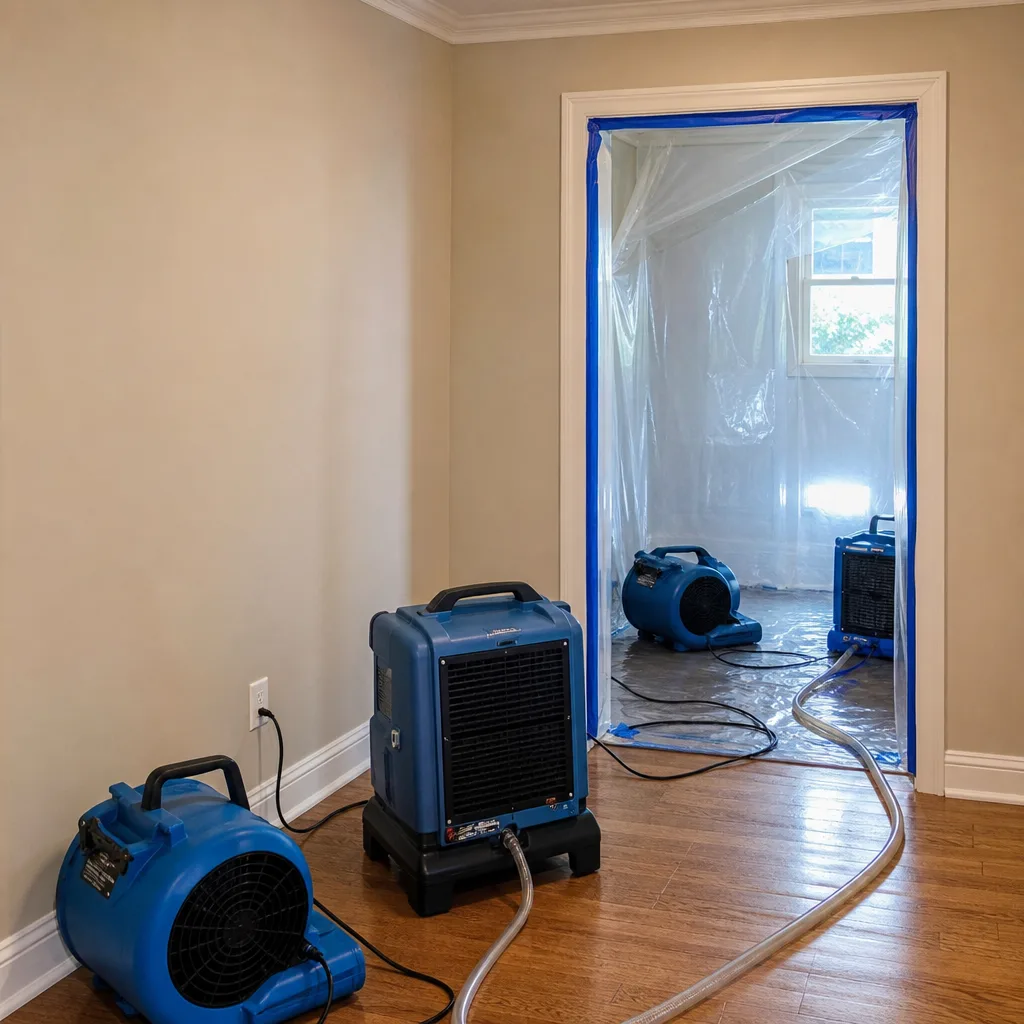
Some jobs are maintenance. Some are restoration. You’ll know the difference when you see it: water coming through a ceiling, a sump pump that can’t keep up, a sewer backup in the basement, a musty smell that won’t go away after you dry the visible area. Those are not checklist items. Those are calls. If water has touched drywall, insulation, or flooring for more than 24 hours, or if you see mold anywhere larger than a dinner plate, stop the DIY work and get a professional moisture assessment. The equipment matters: professional grade Dri-Eaz and Phoenix dehumidifiers and air movers pull moisture out of materials in ways rental units can’t. Floodline Restoration Co. offers free estimates in Great Neck Plaza, and our crews answer the phone at any hour. Call (518) 873-4306 if you see water where it doesn’t belong.
Frequently Asked Questions
Check the high risk areas monthly, and do a full seasonal walkthrough four times a year. Great Neck Plaza’s weather and older housing stock mean leaks develop faster here than in drier climates, and a monthly 10 minute check catches most problems before they require restoration.
In our experience, appliance hose failures and slow plumbing leaks cause more damage than storms or floods. Washing machine hoses, water heater failures, and old supply lines under sinks account for most of the water damage we see in the village. Storm related damage happens, but the silent leaks are what rot homes from the inside.
Mold can start growing within 48 to 72 hours in warm, humid conditions. Great Neck Plaza’s summer humidity accelerates this timeline compared to drier regions. If water has been sitting in a wall cavity or under flooring for more than two days, assume mold is possible and get a professional assessment.
Most policies cover sudden and accidental water damage, like a burst pipe or a failed water heater. They typically do not cover damage from gradual leaks, repeated seepage, or lack of maintenance. We document every job with photos and moisture readings, and we bill your carrier directly so you don’t have to manage the adjuster yourself.
For small amounts of surface water on concrete, yes, a dehumidifier and good air movement can work if you catch it within the first day. For water that has soaked into drywall, insulation, or flooring, or water that came from sewage or groundwater, you need professional grade equipment and a moisture map. Rental units don’t move air the same way Dri-Eaz and Phoenix equipment does, and incomplete drying leads to mold behind the walls.
Call a restoration company that answers the phone. Floodline Restoration Co. has a live dispatcher at all hours, every day, including Sunday at 2 a.m. We can start extraction the same visit, which stops the damage from spreading while you wait for a business hour to roll around. Call (518) 873-4306 and a person will pick up.
The Bottom Line
Water damage in Great Neck Plaza rarely starts with a dramatic flood. It starts with a hose that was five years old, a flashing that lifted in a nor’easter, a sump pump that failed in March, a caulk joint that cracked and never got resealed. The maintenance checklist above prevents most of the calls we get, and it costs nothing but time. Walk the house monthly. Check the seasonal items as the weather turns. Replace the parts that fail on a schedule, not after they fail. And when water shows up anyway, call a professional who can start extraction the same day and document everything for your insurance carrier. The line the water left is where we start.
Written by Curt Bowman, Owner at Floodline Restoration Co., serving Great Neck Plaza since 2010.