
Last updated August 25, 2026
Free visual inspection and a written scope of work before any mitigation begins - photos, moisture readings, and drying logs go in your claim file
The scope we write is the scope we bill. Anything new gets shown to you, in writing, before we touch it.
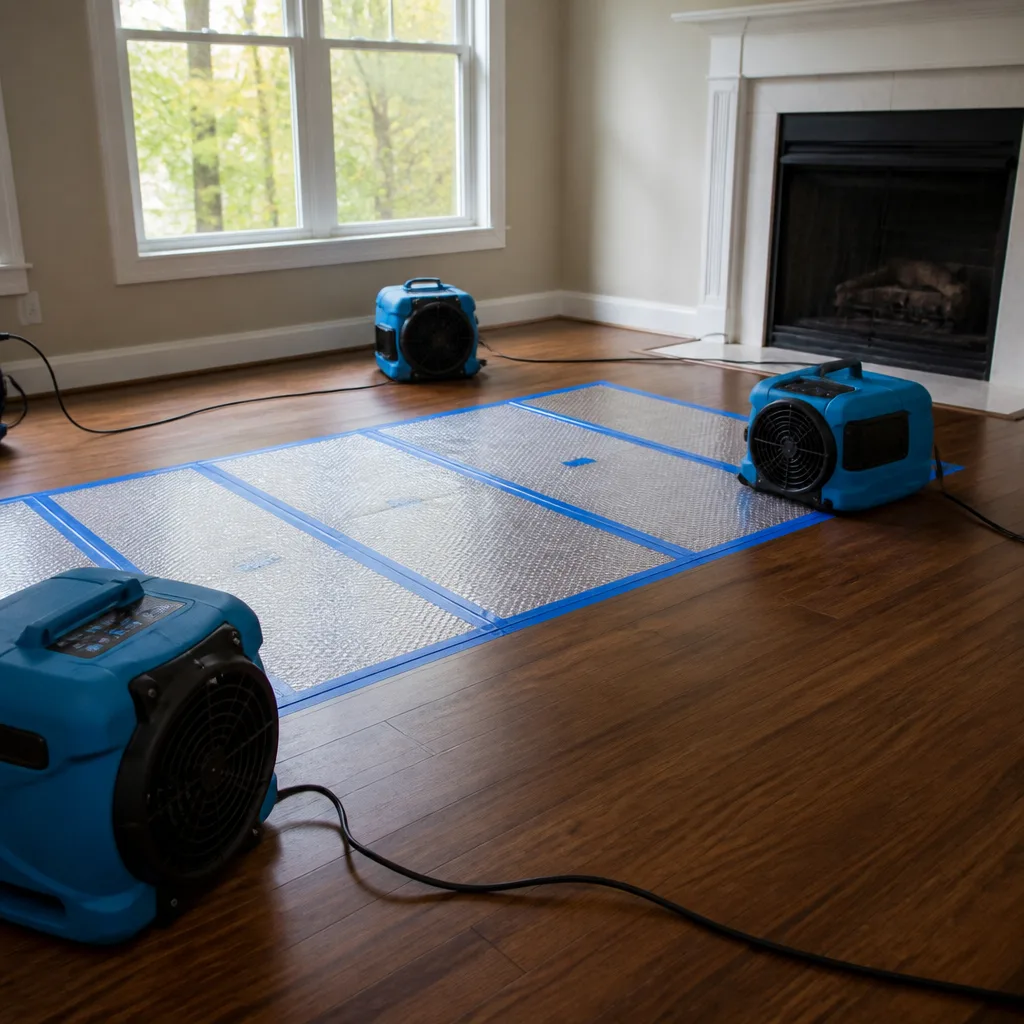

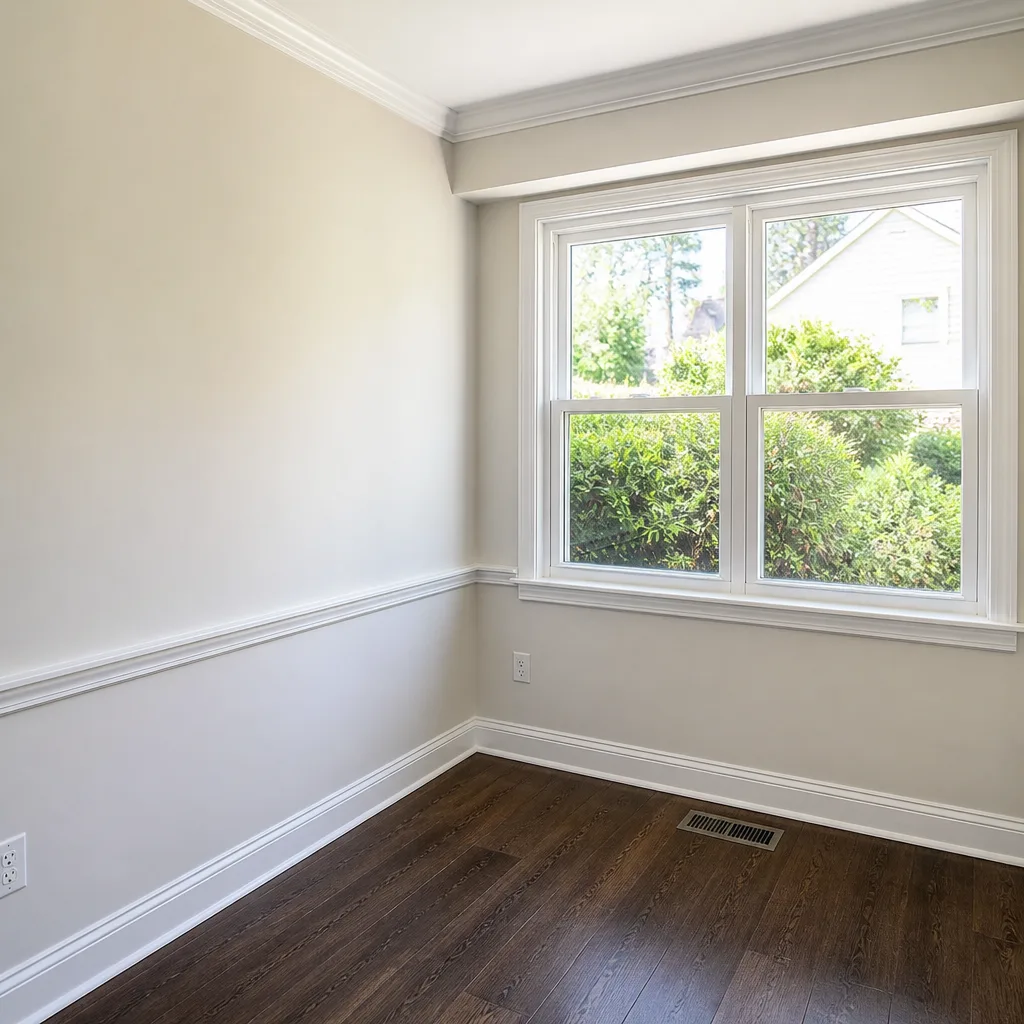

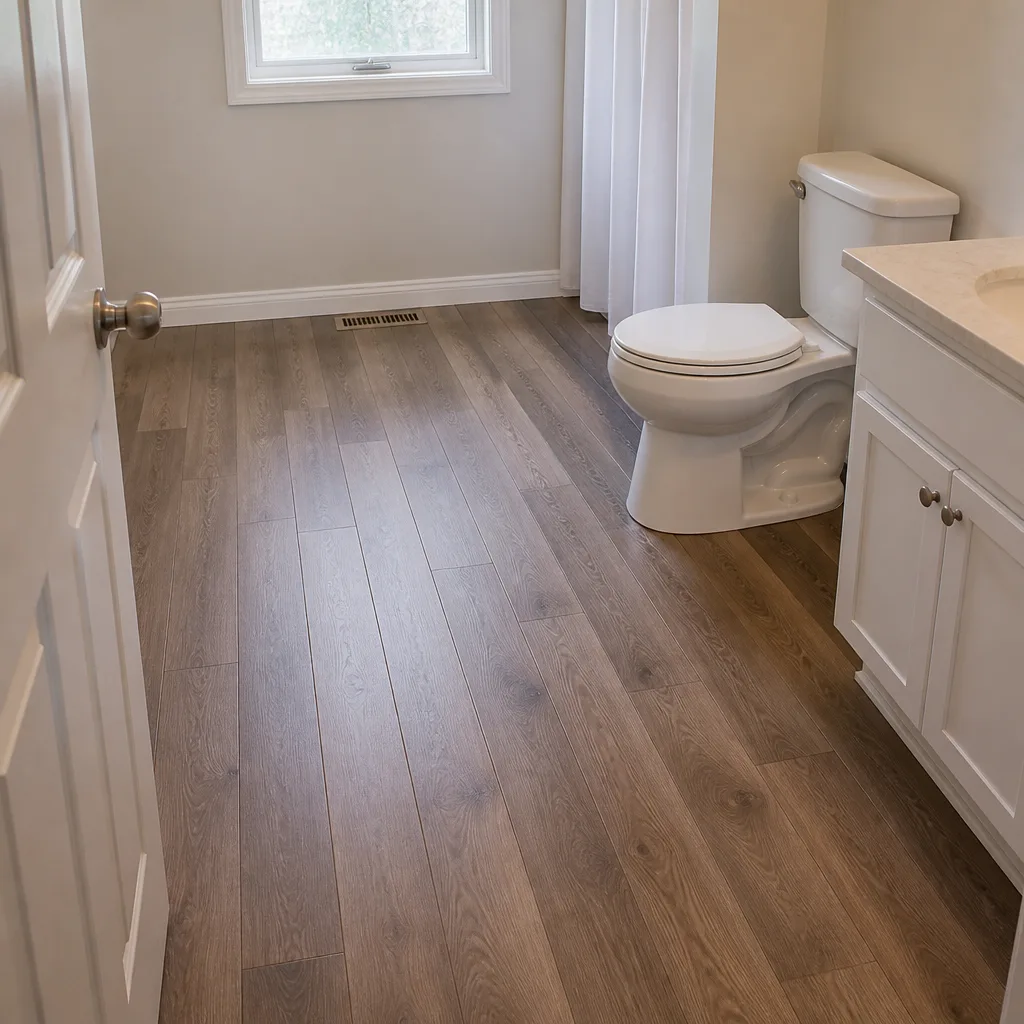

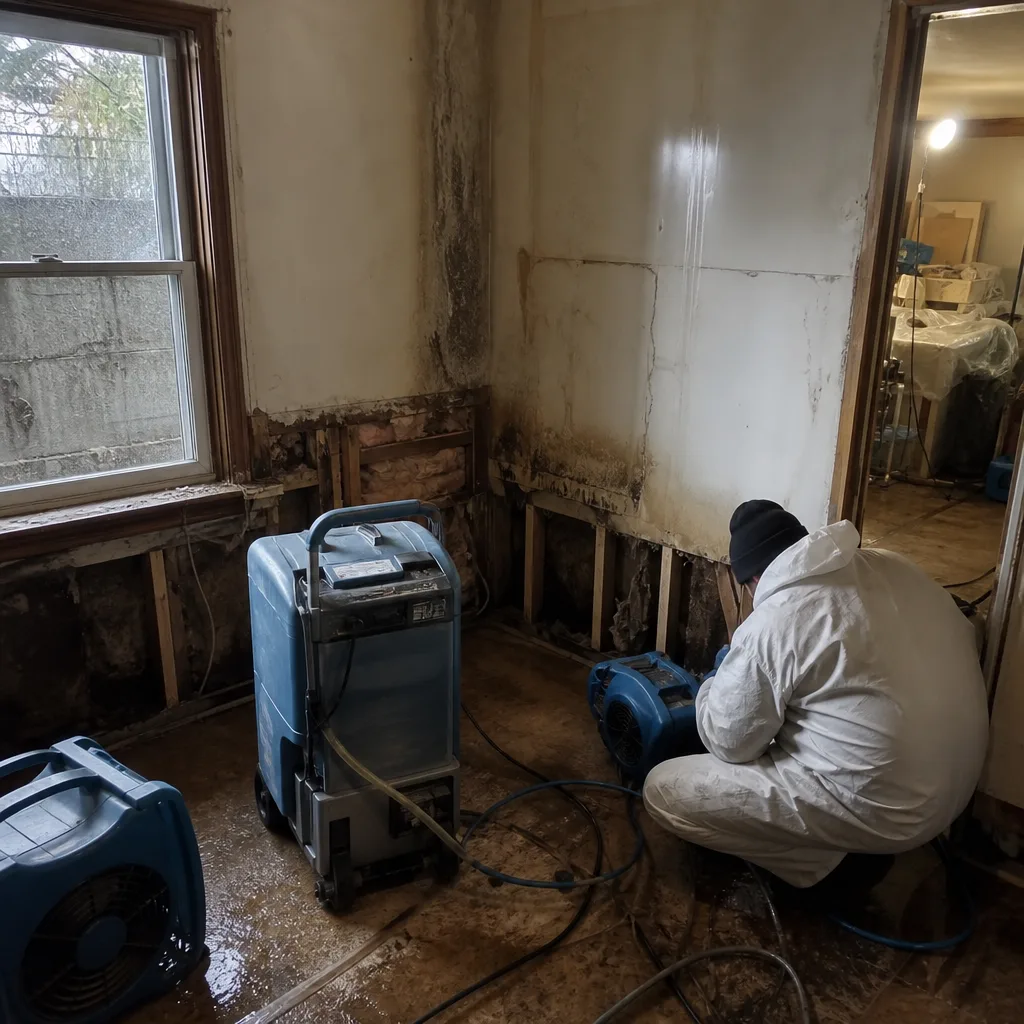 Before
 After
After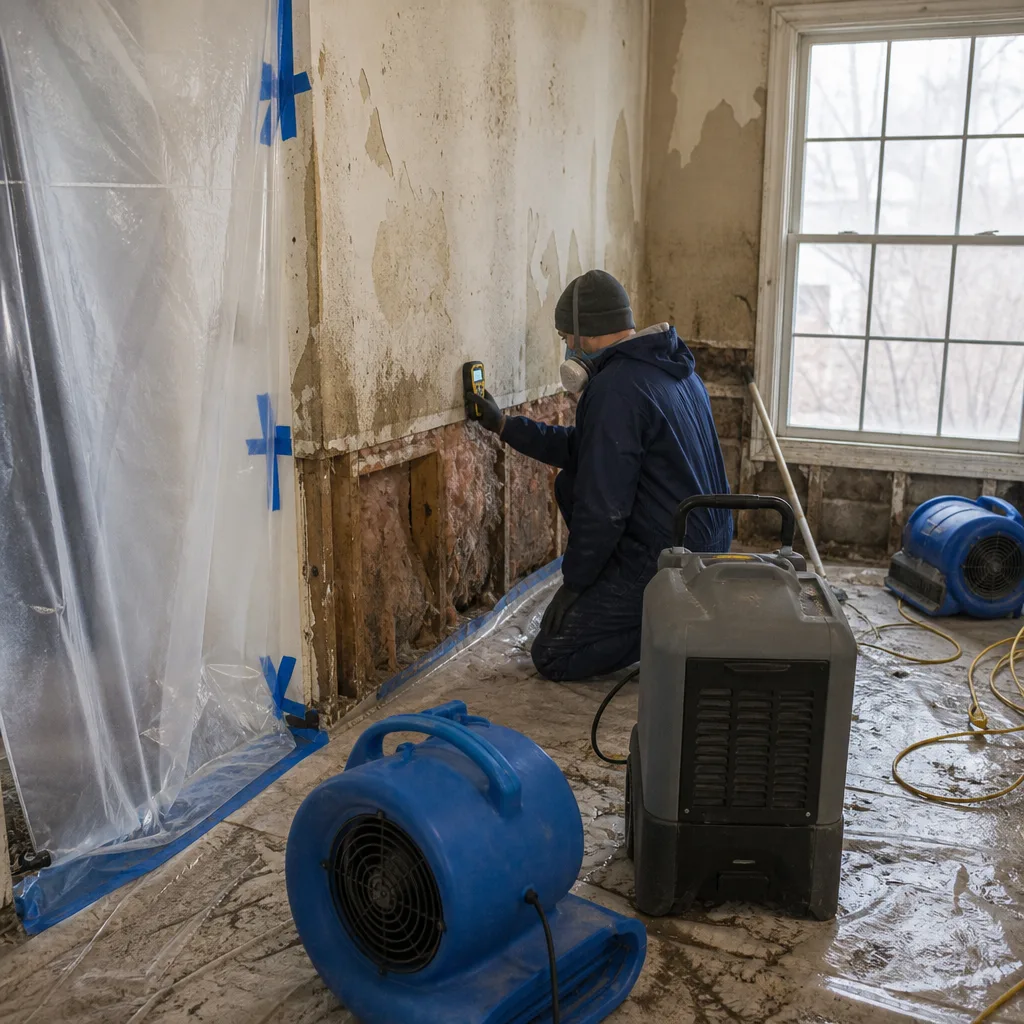 Before
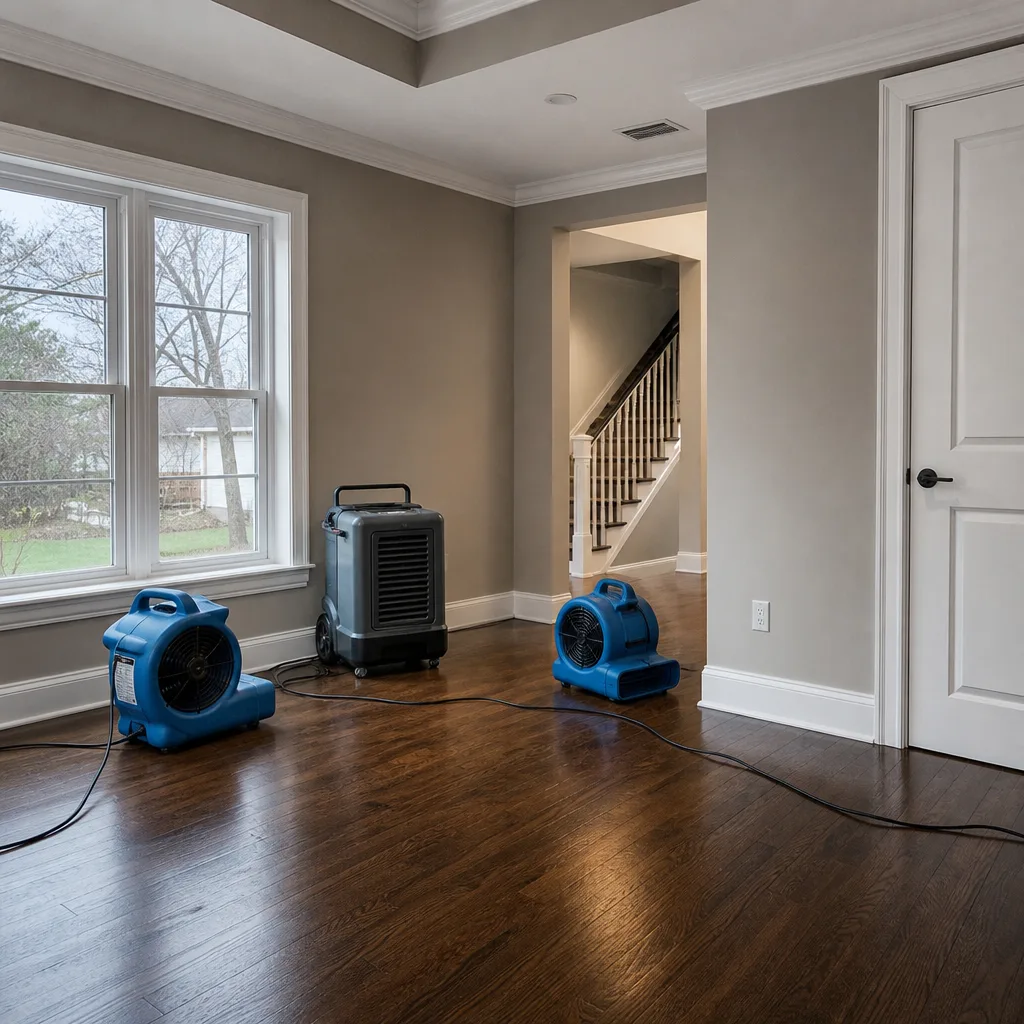 After
After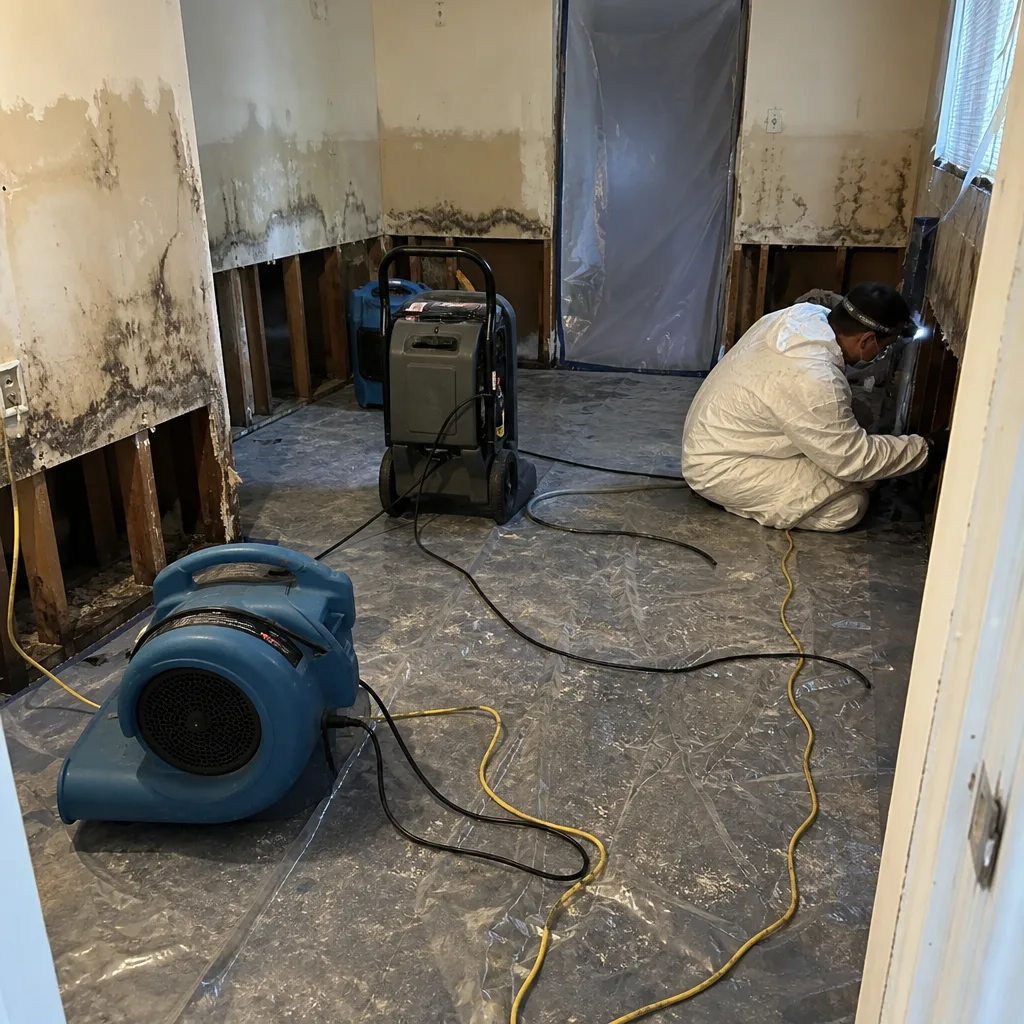 Before
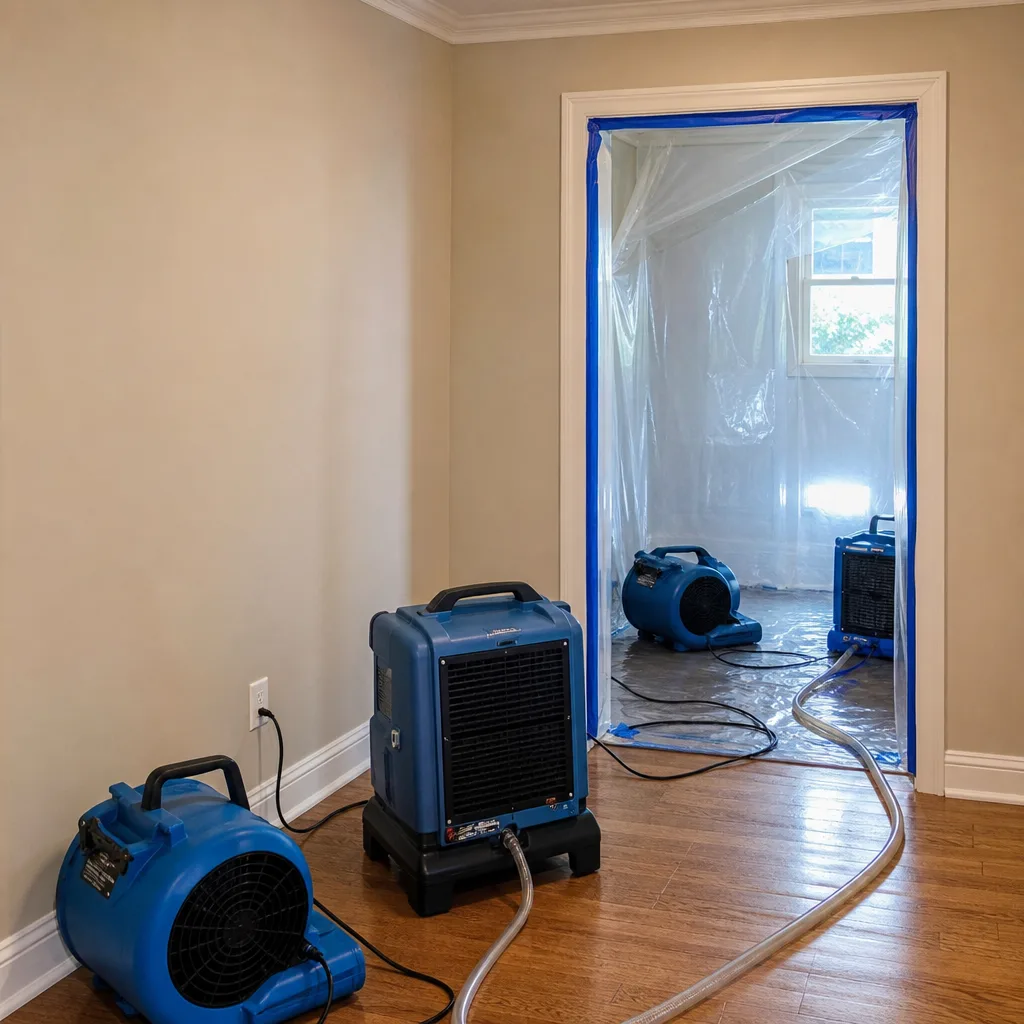 After
AfterDamage Restoration Warning Signs: A Great Neck Plaza Homeowner’s Reference Guide
Most Great Neck Plaza homeowners don’t get a warning before water finds its way in. They get a warped floorboard, a faint smell, a patch of paint that won’t stay put. The surprising truth: the damage you can see is usually weeks or months old by the time you notice it. Water doesn’t announce itself the day it arrives. It works quietly, behind baseboards and under floors, until the evidence finally breaks the surface. This guide covers the warning signs that matter in Great Neck Plaza specifically, what they mean, what to do first, and what you can safely check on your own before calling a professional. By the end, you’ll know how to catch damage early enough to keep a small repair from becoming a rebuild.
Quick Answer
The earliest warning signs of hidden damage in a Great Neck Plaza home are peeling or bubbling paint, baseboards pulling away from the wall, floors that cup or buckle, a musty smell that doesn’t clear with ventilation, and a water bill that climbs without explanation. Any one of these signals moisture where it shouldn’t be. Left alone for even two weeks, standing moisture in a Long Island home’s framing can support mold growth and compromise the structure. If you see two or more of these signs in the same room, that’s the cue to call a restoration professional for a moisture reading, not wait for the damage to declare itself.
Table of Contents
- Water Stains and Discoloration: Reading the Marks on Ceilings and Walls
- Warped Floors and Buckling: What Your Floors Are Telling You
- Musty Odors and Air Quality: The Smell Test
- Peeling Paint and Separating Baseboards: The Hidden Leak Indicators
- Unexplained Water Bill Spikes: The Numbers Don’t Lie
- Exterior Warning Signs: Grading, Siding, and Foundation Cues
- Window Condensation and Humidity: When Moisture Comes from Inside
- Common Mistakes to Avoid
- When to Call a Professional
- Frequently Asked Questions
- The Bottom Line
Water Stains and Discoloration: Reading the Marks on Ceilings and Walls
Water stains are the most honest warning sign a house gives you. They don’t hide. A brown or copper-colored ring on a ceiling, a yellow patch spreading down a wall, or a dark shadow that appears after a rainstorm all point to the same thing: water is entering, sitting, and drying in a cycle. In Great Neck Plaza, where many homes date back to the 1920s through 1950s, the culprits are usually roof flashing around chimneys, aging supply lines behind plaster walls, or sealant failure around second-floor windows. The stain pattern itself tells a story. A single dark spot that grows after rain is likely roof-related. A stain that spreads slowly and steadily regardless of weather is a plumbing leak. A stain with a dried white or chalky ring around it means water has pooled and evaporated more than once, which is a sign the leak has been active for weeks or longer.
What matters most is whether a stain is active or dormant. Here’s the test our technicians use on-site: press the edge of the stain with a finger. If the drywall or plaster feels soft, spongy, or cool to the touch compared to the surrounding surface, the leak is still feeding moisture into the material. If the stain is hard and brittle, it may be old, but don’t assume the problem is gone. Water can find a new path through framing and appear in a different spot entirely. The material around an active stain is the first place mold establishes in a Nassau County home, because paper-backed drywall and old lath-and-plaster both hold moisture longer than modern dense board. In our experience across Great Neck Plaza, a ceiling stain the size of a dinner plate usually means a roof leak that’s been active for three to eight weeks.
The practical step for a homeowner: mark the boundary of the stain lightly with a pencil, note the date, and check it in 24 hours. A stain that grows past the pencil line within a day or two is an active leak and needs a professional look before the affected area spreads into adjacent framing. A stain that doesn’t grow but feels damp should still be checked with a moisture meter, because surface appearance lags behind what’s happening inside the wall cavity.
Warped Floors and Buckling: What Your Floors Are Telling You
Flooring is the canary in the coal mine for hidden moisture, especially on the first floor of Great Neck Plaza homes. Hardwood that was smooth in December and suddenly feels ridged or cupped by August is responding to moisture from below or beside it. The technical term is cupping when the edges of individual boards rise higher than the center, which happens when the underside of the board absorbs more moisture than the top. Crowning is the reverse, and it appears later, after moisture has sat long enough to saturate the entire board and then dry unevenly. Both are structural changes to the wood fiber itself, not surface problems, and neither resolves on its own with a change of season.
Laminate and engineered flooring fail differently. You may notice the seams between planks starting to separate, or a springy, spongy feel when you walk across a room. In Great Neck Plaza homes with concrete slab foundations or basement-adjacent first floors, that spongy feeling usually indicates a plumbing leak in the slab or sustained groundwater pressure after heavy storms. Tile floors are the hardest to read because tile itself repels water, but the grout doesn’t. Grout that darkens, stays damp for hours after cleaning, or begins crumbling along traffic paths is wicking moisture from underneath.
One detail worth knowing: Great Neck Plaza sits at low elevation relative to Manhasset Bay, and the water table here runs high compared to inland Nassau communities. During the spring thaw or after consecutive days of heavy rain, hydrostatic pressure pushes groundwater up against foundation walls and under slabs. Floors that cup only during wet months and flatten out during dry spells are a classic signal of seasonal groundwater pressure, not a plumbing failure. The fix for groundwater is drainage, not a new water line, and the distinction matters when you’re getting quotes.
If you’re not sure, use a simple straightedge across the floor. A gap of more than 1/16 of an inch under a 3-foot level means enough moisture has entered the wood to change its shape. At that point, you need a moisture reading from the underside of the floor, which is a professional diagnostic, because treating the surface alone won’t reach the source.
Musty Odors and Air Quality: The Smell Test
If you’ve ever walked into a basement or first-floor room in a Great Neck Plaza home and thought “smells like an old house,” that’s not age. That’s moisture. The musty smell people associate with older homes is actually the metabolic output of mold colonies feeding on damp organic material, usually inside a wall cavity, under a floor, or behind a cabinet. The smell is present long before any visible mold appears, which makes your nose the earliest detection system you have.
Here’s how to use it in a structured way. Close the room’s door and windows for four to six hours, then walk in and take a deliberate breath. Notice where the smell is strongest: near the floor, along the baseboards, in a closet, under the sink. A musty smell strongest at floor level points to moisture under the flooring. Strongest near an exterior wall points to water entering from outside. Strongest near a bathroom wall or ceiling points to a pipe or fixture leak inside that wall.
Mold doesn’t need a catastrophic flood to establish. It needs three conditions: an organic food source, temperatures between 40 and 100 degrees, and a relative humidity above 60% at the surface. Great Neck Plaza’s summers regularly push indoor humidity past that threshold in under-ventilated rooms. That’s why a room that smells musty only in July and August is still a mold-driven air quality problem, not just a “damp spell.” The odor you’re detecting is microbial volatile organic compounds, and breathing them in concentrated amounts over months can irritate respiratory conditions, which is a particular concern in a community like ours with a significant senior population.
Air fresheners and dehumidifiers mask the symptom, not the problem. If you can smell must, the colony is already established enough to be producing off-gassing, and the fix is removing the moisture source and the contaminated material, not freshening the air around it. A damp crawlspace with exposed dirt is one of the most common sources in Great Neck Plaza, and many homeowners don’t connect a musty smell in the living room to a crawlspace they never enter.
Peeling Paint and Separating Baseboards: The Hidden Leak Indicators
Paint and baseboards fail long before drywall collapses, and they fail in patterns that point to specific causes. The key is learning to distinguish between age-related wear and moisture-driven failure. Paint that flakes off in tiny, brittle chips near the ceiling is usually age or poor adhesion. Paint that peels in large, flexible sheets or blisters into soft bubbles is moisture pushing the paint film off the surface. That distinction alone is enough to tell you whether you have a painting job or a water problem.
Baseboards tell a similar story. When a baseboard pulls away from the wall at the bottom edge, leaving a visible gap, the wood is swelling behind it. In Great Neck Plaza homes with steam heat radiators, check the baseboard near the radiator feed pipe first. A pin-hole leak in a supply line can spray a fine mist into the wall cavity that never puddles on the floor but soaks the framing and wicks down into the baseboard. By the time the baseboard gap appears, that leak has often been active for months.
Another specific spot: bathroom vanities and kitchen sink bases. If the caulk line where the baseboard meets the floor has turned dark, peeling, or split in a bathroom that’s otherwise well-maintained, suspect a wax ring failing on the toilet or a supply line weeping inside the vanity. In older Great Neck Plaza homes where bathrooms were added or renovated over the decades, sink and toilet flange placements sometimes don’t match modern fixture standards, and slow seepage at the floor level is common. The first sign is often not water on the floor but a baseboard that no longer sits tight.
The takeaway: don’t treat peeling paint and separating trim as cosmetic issues. They’re material responses to moisture, and they deserve a diagnostic look. A moisture meter pressed against a separated baseboard can tell you in thirty seconds whether the wall behind it is wet, and that measurement can tell you whether you’re scheduling a painter or a restoration crew.
Unexplained Water Bill Spikes: The Numbers Don’t Lie
Great Neck Plaza homeowners on the Water Authority of Great Neck North billing system get a water bill every quarter, and most have a sense of what their typical usage looks like. A bill that jumps 20% or more without a corresponding change in behavior, like filling a pool or hosting extended family, is a signal no one should ignore. In a home with aging copper or galvanized supply lines, a small leak can send thousands of gallons through the meter in a month without ever showing water on a floor. The water follows the path of least resistance, and inside a wall, that path often travels down through framing and into the soil below the foundation before it ever presents as a visible stain.
Here’s a simple diagnostic any homeowner can run. Pick a day when no one will be home for a few hours. Note the reading on your water meter before you leave. Make sure no faucets, toilets, or appliances are running. When you return, check the meter again. If the reading moved, you have a leak somewhere between the meter and your farthest fixture. Even a small movement matters. A toilet running silently can waste 200 gallons a day without ever being audible, and a hairline crack in a supply line can do considerably more.
Toilet flappers are the most common culprit and the easiest to confirm. Put a few drops of food coloring in the tank, wait 20 minutes without flushing, and check the bowl. If the color appears, the flapper is leaking. But if the toilet passes and the meter still moves, the leak is in the supply system, and in a 1920s or 1930s Great Neck Plaza home with original plumbing runs, that often means pinhole leaks in copper lines or failing solder joints that have been leaking into wall cavities. Those leaks don’t stop on their own, and the moisture they release doesn’t dry out inside a closed wall. It feeds mold and rots framing one day at a time.
The water bill is the most objective warning sign in this entire guide. It doesn’t rely on your eye or your nose. It’s a measured number, and when it rises without explanation, you have a leak you haven’t found yet. Finding it before the wall opens up on its own is the difference between a plumbing repair and a full restoration.
Exterior Warning Signs: Grading, Siding, and Foundation Cues
Most water damage starts outside the house, at the point where the building meets the ground. In Great Neck Plaza, where lots are closely spaced and drainage flows between properties,