
Last updated August 25, 2026
Free visual inspection and a written scope of work before any mitigation begins - photos, moisture readings, and drying logs go in your claim file
The scope we write is the scope we bill. Anything new gets shown to you, in writing, before we touch it.


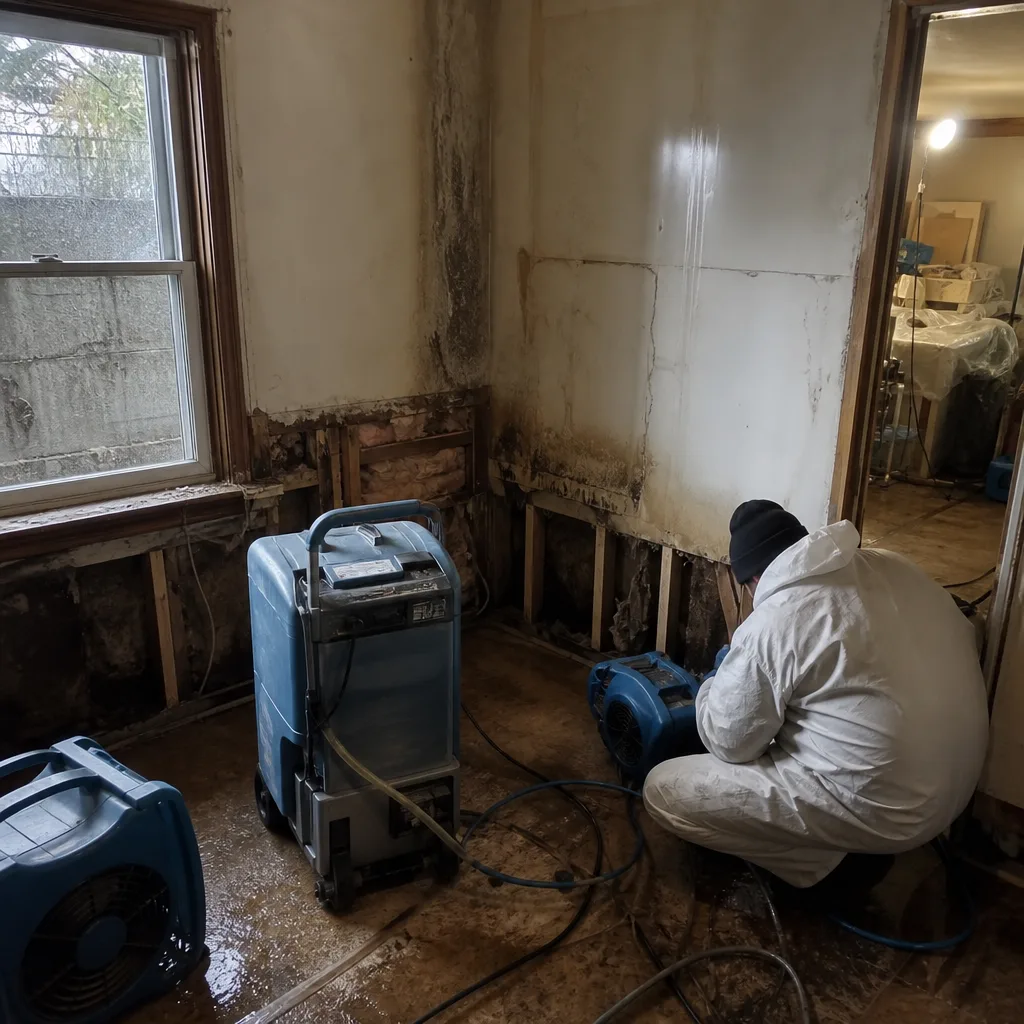 Before
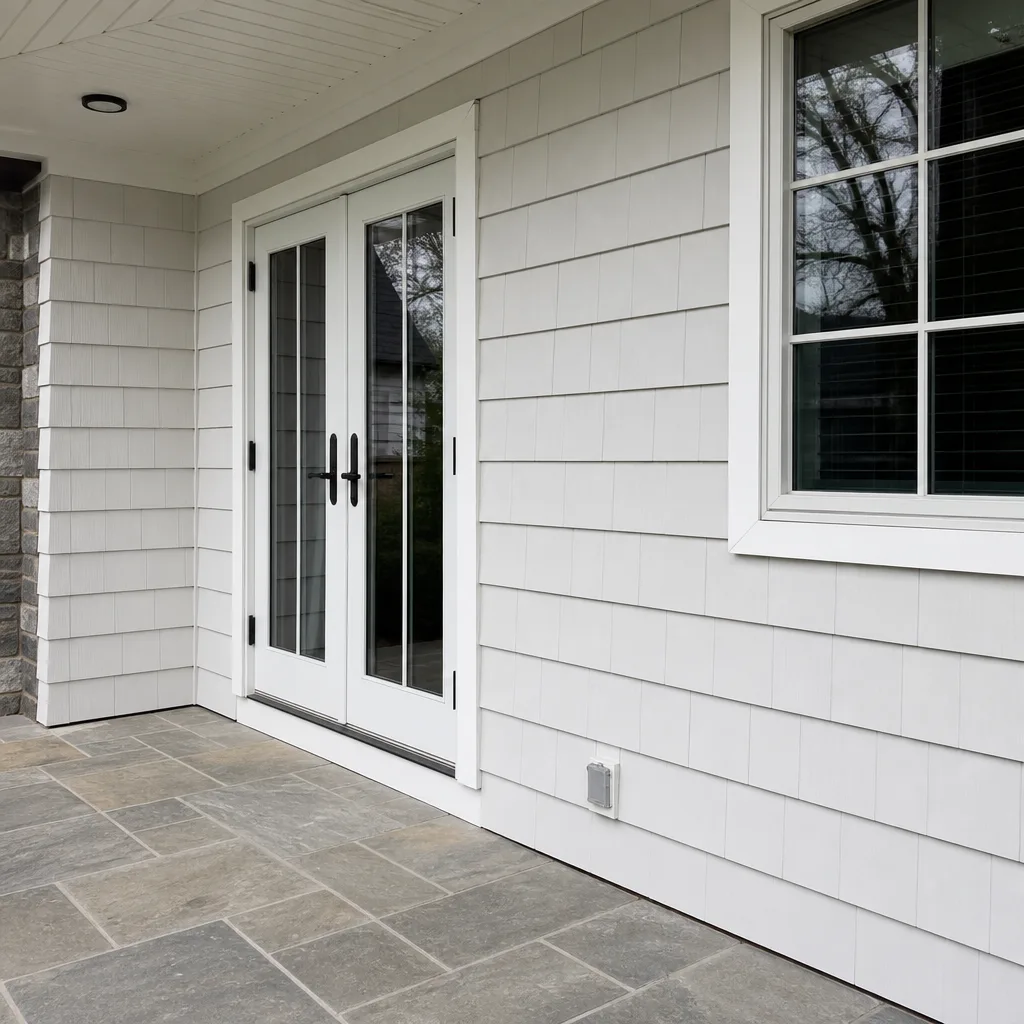 After
After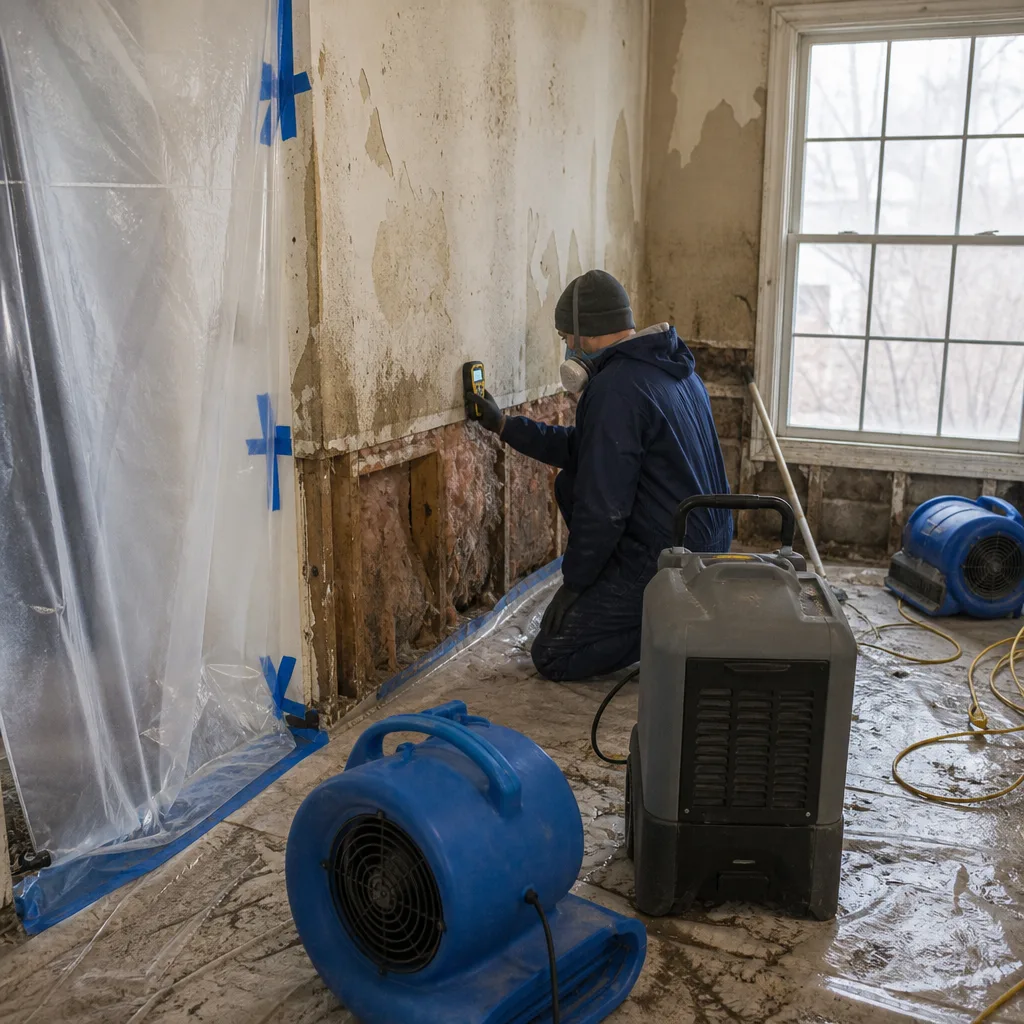 Before
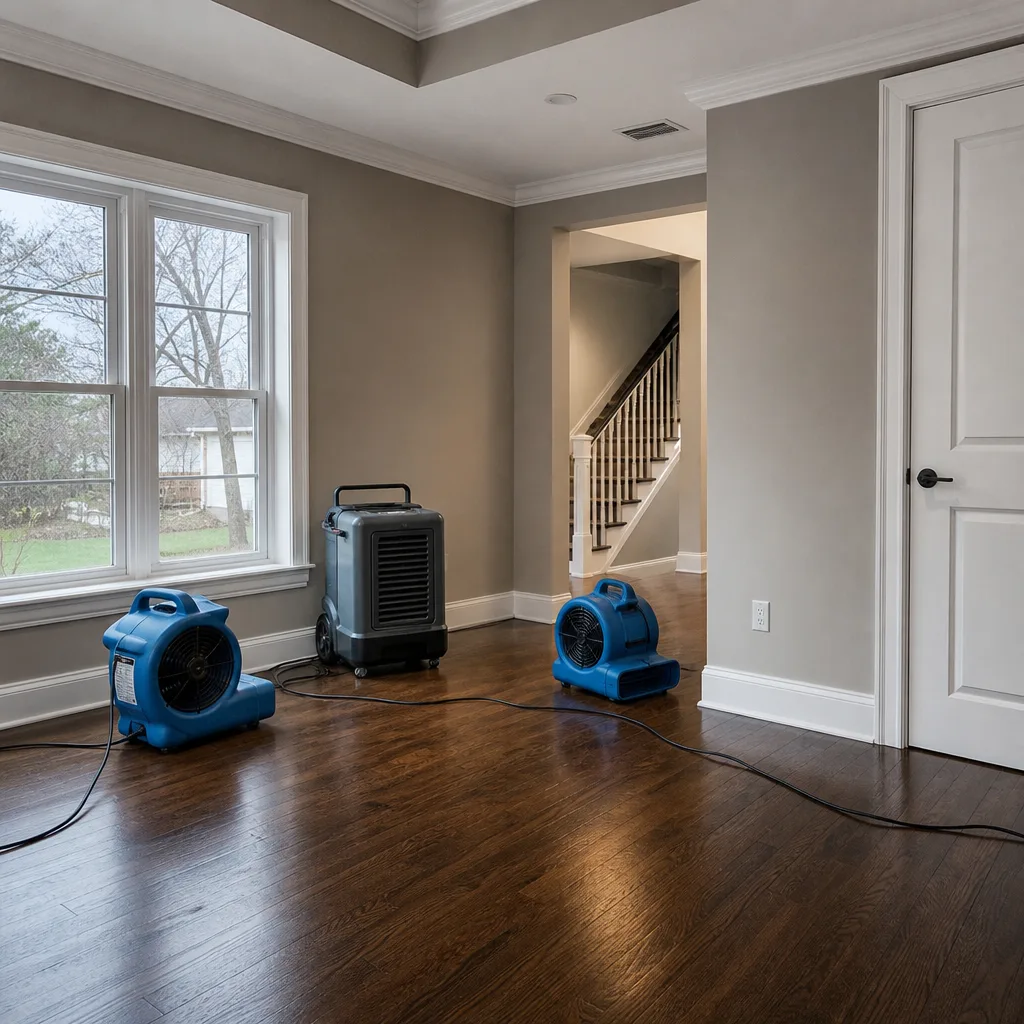 After
After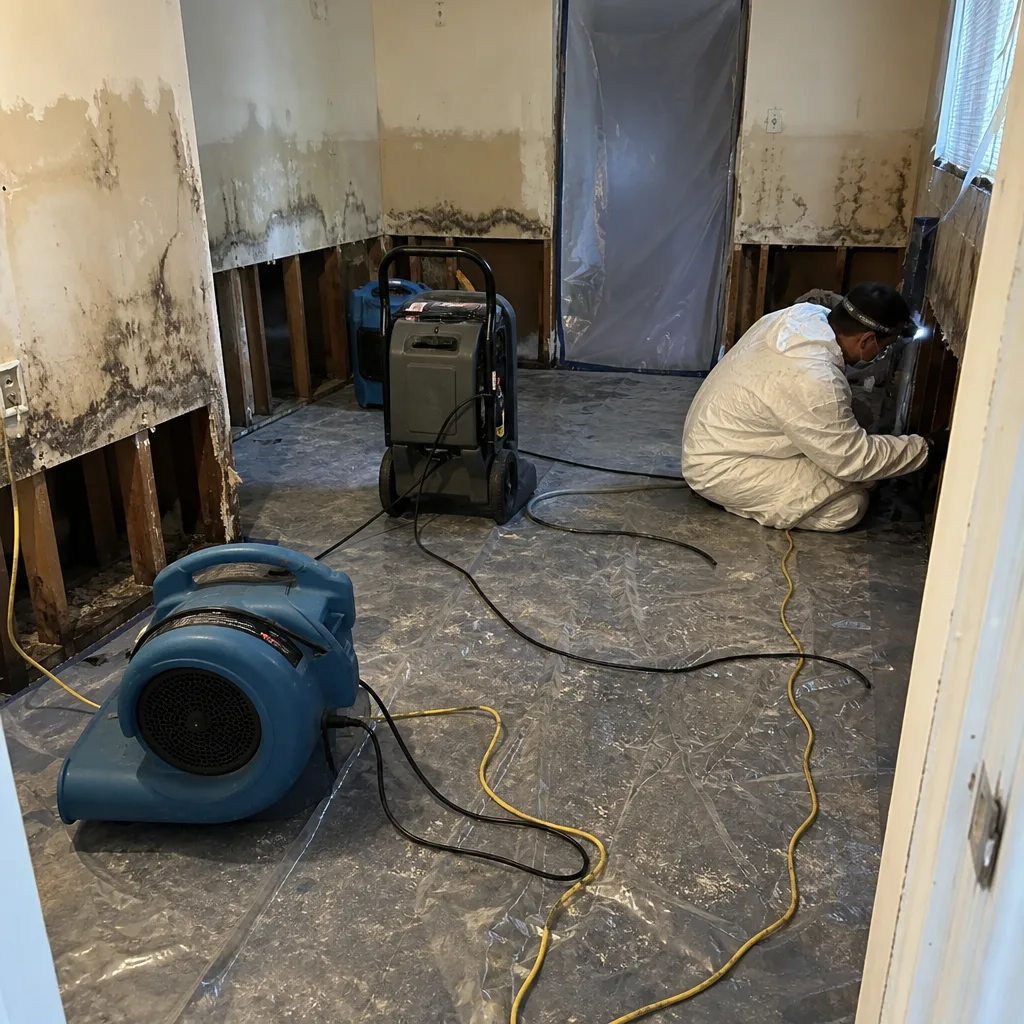 Before
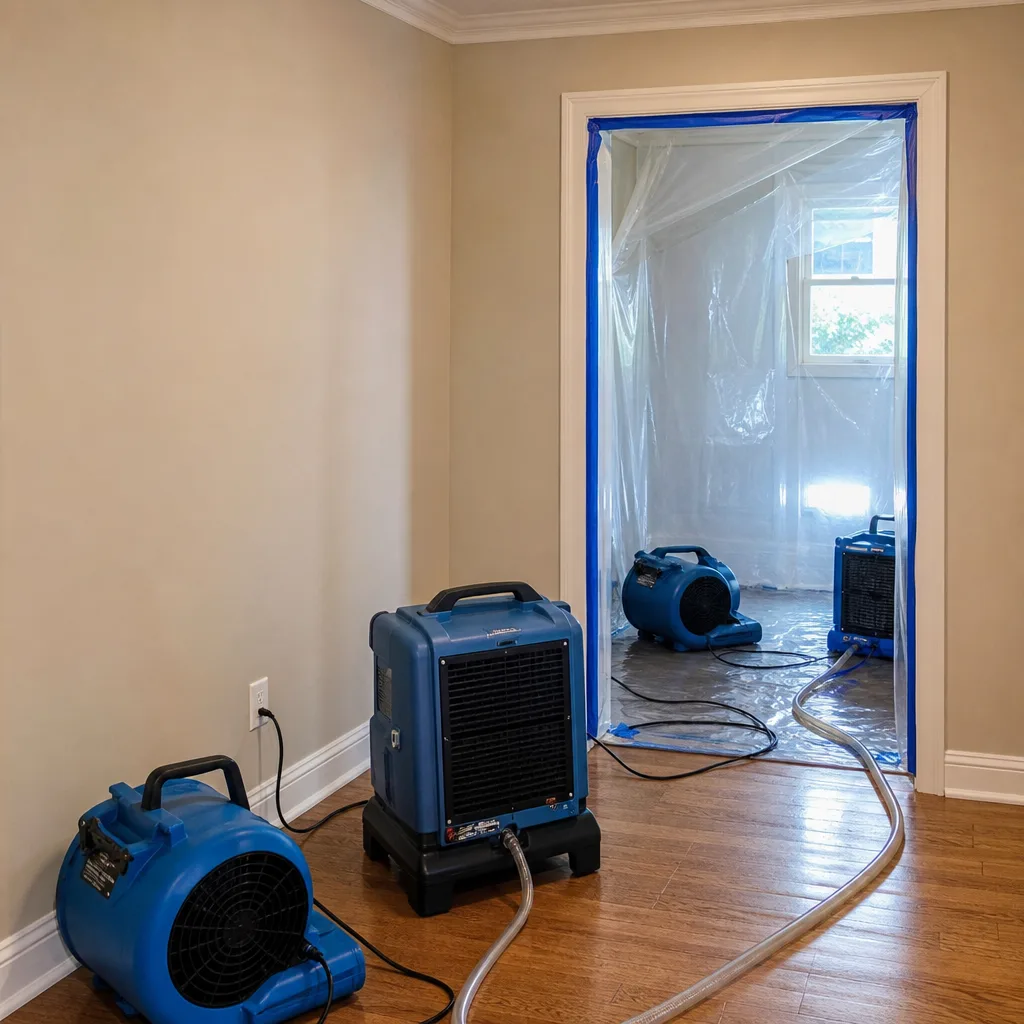 After
AfterDIY vs Professional Damage Restoration: The Great Neck Plaza Homeowner’s Decision Guide
Roughly half of the water damage claims we walk into at Floodline Restoration Co. started as a homeowner’s weekend project. A small leak behind a Great Neck Plaza bathroom vanity gets toweled up, a box fan runs for two days, and three weeks later the baseboard is black and the insurance adjuster is asking why the drying was never documented. This guide will show you exactly where the line sits between what a competent homeowner should tackle and what quietly becomes a five-figure mistake. We’ll cover costs, equipment realities, the insurance paperwork nobody tells you about, and the specific ways Long Island’s climate works against you.
Quick Answer
DIY makes sense for small, clean-water spills under about 10 square feet that you catch within the first hour and can fully dry within 24. Professional restoration is the right call when water has touched drywall, traveled under flooring, sat for more than a day, or carries any contamination from sewage or outside flooding. In Great Neck Plaza, most homes are 60 to 90 years old with plaster-over-lath construction that hides moisture longer than modern drywall homes, which means by the time you see a stain, the real damage is usually larger than you think.
Table of Contents
- The Real Cost of DIY: What You Save and What You Risk
- Rental Equipment vs Professional-Grade: The Honest Gap
- The Three Water Types: Why It Changes Everything
- How the Timeline Works: Hours to Weeks
- Insurance: The Paperwork That Decides Who Pays
- Mold: What DIY Can’t See
- What Great Neck Plaza Homes Are Up Against
The Real Cost of DIY: What You Save and What You Risk
The honest math on DIY water damage in Great Neck Plaza is straightforward. You’ll spend $150 to $400 renting a dehumidifier and air mover for a weekend, plus another $50 to $100 on cleaning supplies, moisture meters if you’re being thorough, and disposal costs. A small professional job on the same issue typically runs $800 to $2,500 depending on how far the water traveled. On paper, you save money. In practice, the calculation only works if three things are true: the water was clean, you caught it immediately, and you know exactly where it went.
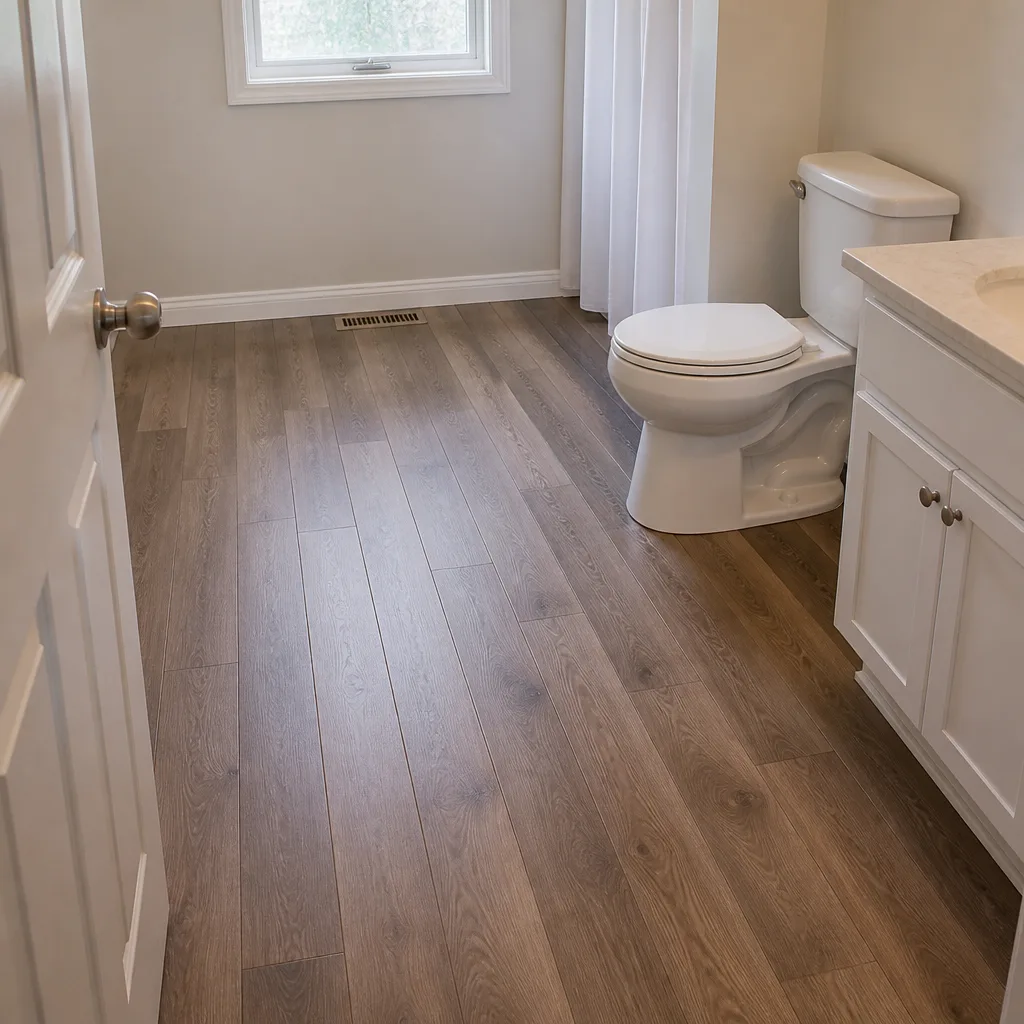
The hidden cost shows up when any of those three conditions fails. Water that seeps under vinyl plank flooring in a Great Neck Plaza condo doesn’t just disappear. It sits in the subfloor, wicking upward into the baseboards and sideways into adjoining rooms. You’re not seeing it because it’s moving through capillary action, not pooling on the surface. A moisture meter reading of 17% or higher in wood means the material is wet enough to support mold growth. In our experience, most homeowners who call us after attempting DIY drying find readings in the 22% to 30% range in areas they thought were bone dry.
There’s also the replacement-cost side. Drywall that stays wet past 48 hours often needs to be cut out, not dried. Flooring that cups or buckles can’t be sanded back to flat. Trim and millwork in the pre-war buildings around Great Neck Plaza is frequently original, which means matching it after a DIY failure is far more expensive than the initial professional dry-out would have been. We’ve seen a $900 mitigation job become a $14,000 rebuild because the wet spot sat untreated while the homeowner tried to manage it with towels and a household dehumidifier.
Rental Equipment vs Professional-Grade: The Honest Gap
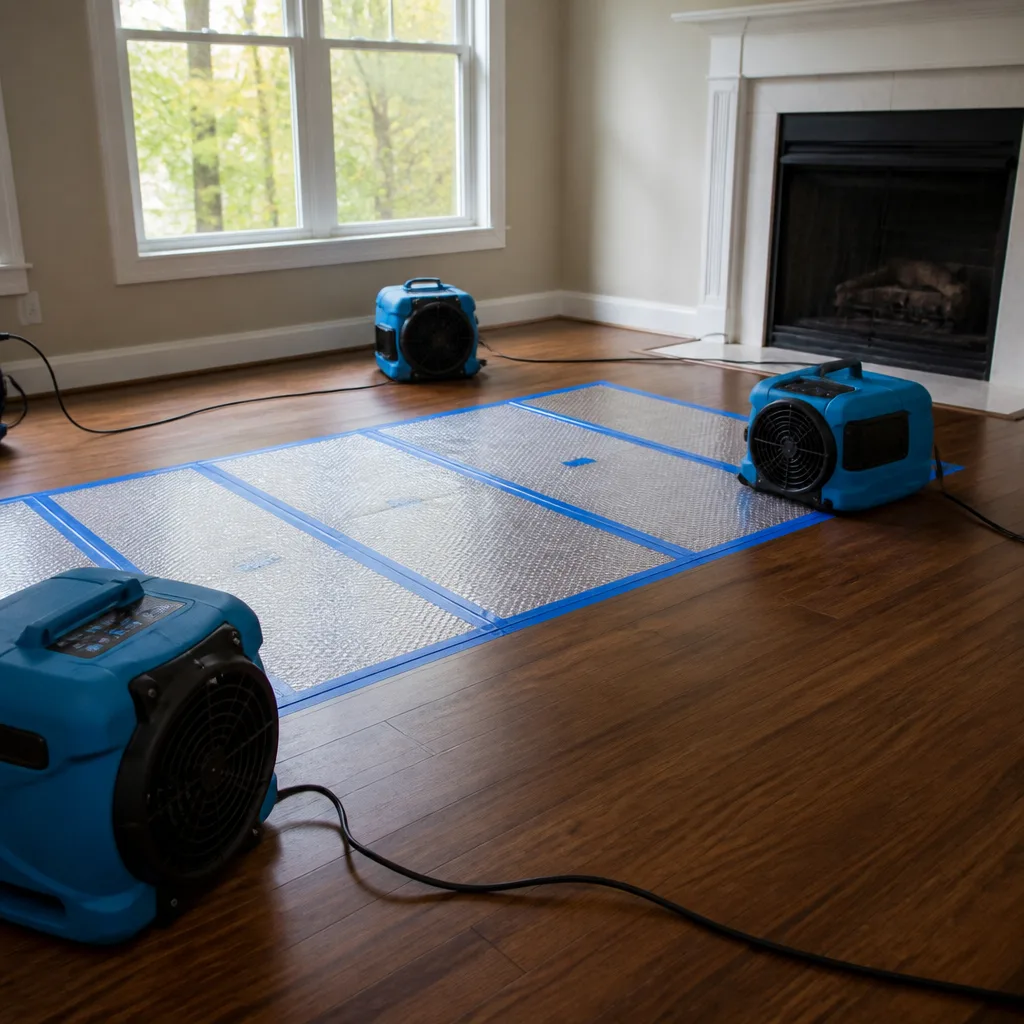
This is where the difference gets concrete. The box-store rental dehumidifier you’ll get for $40 a day pulls maybe 20 to 30 pints of water per day under ideal conditions. A professional-grade Dri-Eaz or Phoenix dehumidifier pulls 70 to 130 pints per day and keeps pulling efficiently at lower humidity levels, which matters because the last 20% of moisture is the hardest to remove and the most important. The air movement piece matters just as much. Rental air movers are fine for drying a damp carpet in an open room. What they don’t do well is create the targeted pressure systems that force air through wall cavities, under cabinets, and into floor systems. That’s where Injectidry systems come in, and you won’t find those at a rental counter.
The other gap is measurement. A professional crew doesn’t guess when drying is done. We set a dry standard based on the specific materials in your home, take daily moisture readings, and log them until the numbers fall back to normal. That log becomes the document your insurance carrier uses to close out the claim. If you dry it yourself and mold shows up in March, you don’t have a log. You have an argument you’ll probably lose.
The Three Water Types: Why It Changes Everything
Restoration professionals classify water damage into three categories, and the category decides whether you can safely DIY at all.
- Category 1: Clean water. This comes from a supply line, a faucet left running, or a water heater that leaks from the top. If you catch it fast and the affected area is small, this is the only category where DIY drying is reasonable. The water isn’t dangerous to touch, and materials dried quickly can usually stay in place.
- Category 2: Gray water. This is water that’s been used but not exposed to sewage, like dishwasher overflow, washing machine discharge, or water that’s been sitting in a sump pump for a few days. It contains bacteria and nutrients that feed mold. DIY cleaning is possible on small areas, but you need to disinfect properly, and the threshold for replacement is lower.
- Category 3: Black water. Sewage backups, flooding from outside, or any water that’s sat long enough to grow bacteria. This water is dangerous to touch without proper protection. Materials it touches, especially porous ones like carpet pad, drywall, and upholstery, need to be removed and disposed of. This is never a DIY job, and in Great Neck Plaza, where older sewer lines share space with mature tree roots, sewage backups are more common than most homeowners expect.
If you’re not sure which category you’re dealing with, treat it as the more serious one until you can confirm otherwise. The cost of overreacting is a phone call. The cost of underreacting is a mold problem in the walls.
How the Timeline Works: Hours to Weeks
The clock starts the moment water touches a porous surface, and it doesn’t care whether you’re ready to deal with it. Here’s a realistic picture of what happens when:
- Hour 0 to 1: Water spreads fast. It’s already moving into grout lines, under baseboards, and behind the toe kicks of cabinets. If you’re going to DIY this, you’re downstairs with towels and a wet vac right now, not reading this guide.
- Hours 2 to 6: Drywall begins absorbing water through its ends and edges. Wood starts to swell. Laminate flooring edges begin to cup. Mold spores, which are present in every home, are getting the moisture they need to activate.
- Hours 6 to 24: The first visible signs of microbial activity can appear on wet drywall and carpet pad. Painted surfaces may bubble. Metal fasteners start to rust or stain. Drywall that’s been wet this long is likely going to be cut out, not saved.
- Days 2 to 3: Mold colonies become visible on drywall, cardboard, and the back side of baseboards. The musty smell is usually strong now. Floor underlayment is saturated. The drying window has closed, and this has become a removal and replacement job.
- Day 4 and beyond: Mold spreads into wall cavities and behind vapor barriers. Structural framing starts to hold moisture long enough to cause deterioration. The mortgage of time you’ve spent has now compounded into a much larger restoration and rebuild, and your insurance adjuster may start asking questions about why mitigation didn’t happen sooner.
Here’s the part that surprises Great Neck Plaza homeowners the most: the drying phase, if done by professionals, usually takes three to five days, not weeks. The equipment moves more air, pulls more water, and reaches areas you can’t. What takes weeks is the rebuild afterward. The faster drying starts, the smaller the rebuild.
Insurance: The Paperwork That Decides Who Pays
Insurance companies expect you to take reasonable steps to prevent further damage, and they expect documentation of those steps. What they don’t expect is for you to be the restoration contractor. Your policy covers sudden and accidental water damage when it’s properly mitigated. If mold develops because drying wasn’t done correctly, many policies will deny that portion of the claim, because the language specifies coverage for the sudden event, not the secondary damage caused by inadequate response.
The advantage of professional restoration in the insurance conversation is the paper trail. Floodline Restoration Co. photographs the damage on arrival, creates a moisture map before any equipment goes in, logs daily readings, and documents everything the adjuster needs to process the claim. We bill the carrier directly on approved claims, so you’re not fronting money and waiting for reimbursement. A homeowner with a wet vac and a receipt from a rental counter has a much harder time proving the loss was handled properly, especially on older Great Neck Plaza homes where pre-existing conditions are often part of the adjustment conversation.
If you’re going to attempt any DIY work before calling your carrier, photograph everything first. Clear photos of the water source, the visible damage, and the affected area from multiple angles. Take them before you move anything or pull anything up. Those photos are your baseline evidence, and they’re worth more than any explanation you’ll give later.
Mold: What DIY Can’t See
Mold is the reason the DIY decision has a time limit. Bleach and elbow grease work on mold you can see on non-porous surfaces like tile and glass. They do nothing for mold in the wall cavity, under the flooring, or behind the baseboard. Mold colonies growing inside building materials release spores through gaps and electrical outlets, which means you can have a significant air quality problem in your living space while the visible surfaces look fine.
Professional mold remediation in Great Neck Plaza follows a specific protocol that’s impossible to replicate with consumer products. We contain the affected area with negative air pressure so spores don’t spread through the house during removal. We use HEPA-filtered air scrubbers to capture airborne spores. We remove the colonized materials under containment, clean the remaining surfaces with professional-grade antimicrobial products, and verify the result with post-remediation testing. None of that happens with a spray bottle from the hardware store.
The health angle matters too. Mold affects people differently. Some homeowners notice a musty smell or mild allergy symptoms. Others, especially older adults or people with respiratory conditions, can have more serious reactions. In the Great Neck Plaza area, where many residents are in the 55-plus group and have lived in their homes for decades, indoor air quality is not something to gamble on. If you can smell mold but can’t find it, you already have a hidden problem that needs professional equipment to locate.
What Great Neck Plaza Homes Are Up Against
Great Neck Plaza wasn’t built with water damage in mind. The building stock here runs older than most of Long Island, with much of the housing developed between the 1920s and 1960s. That means plaster walls over wood lath, not modern drywall on metal studs. Plaster is more porous than people assume, and it wicks water horizontally in ways that modern construction materials don’t. A leak in a second-floor bathroom in a Tudor-style home near the village center will travel down the wall cavity and show up as a stain in the living room ceiling, while the actual moisture may have spread across several joists and into the adjacent wall.
The climate compounds the problem. Long Island humidity runs high from late spring through early fall, which means materials that get wet in June dry slower than they would in a drier climate. Basement humidity in older Great Neck Plaza homes routinely sits above 60% in summer, which is high enough to support mold growth even without a water event. When a water event does happen, the ambient moisture in the air works against your drying efforts. A box fan in a humid basement will move wet air around. It will not dry anything.
Village codes and permit requirements are another layer. Renovation work on homes in the Village of Great Neck Plaza requires permits through the building department, and any significant rebuild after water damage needs to meet current code, not the code the home was originally built under. That can mean bringing electrical up to code, adding GFCI protection in areas that previously didn’t require it, or updating plumbing runs. A restoration contractor familiar with Great Neck Plaza’s specific requirements will plan for this from the start. A homeowner who doesn’t know the requirements learns about them when the inspector arrives.
Also worth knowing: Great Neck Plaza has a significant cooperative and condominium housing stock in addition to single-family homes. If you own a co-op or condo unit, your building’s rules and the master policy may dictate exactly who handles water damage and how it must be documented. In many cases, the building requires professional mitigation and proof of proper drying before reconstruction can begin. Check your proprietary lease or condo bylaws before assuming you’re free to handle it yourself.
Common Mistakes to Avoid
- Waiting to see if it dries on its own. It won’t. The materials in an older Great Neck Plaza home hold moisture like a sponge wrapped in plastic. Every hour you wait expands the damage zone and shrinks the salvageable area.
- Using a household dehumidifier and calling it done. A basement dehumidifier pulls 10 to 20 pints a day. A saturated floor system may hold five to ten times that much water. You’re not drying it; you’re slowing the rot.
- Putting bleach on mold. Bleach kills surface mold on non-porous materials but doesn’t penetrate porous surfaces, and the water content in bleach actually feeds the mold roots you can’t see. This is the most common DIY myth we encounter in Great Neck Plaza homes.
- Not photographing everything before touching anything. Your insurance claim depends on evidence. Once you’ve pulled up the carpet and thrown it out, the proof goes with it.
- Assuming the water stopped where the stain is. In plaster-and-lath construction, the visible stain is usually the exit point, not the boundary. Water traveled through the wall cavity to get there. The cavity needs to be dried, not just the stain painted over.
- Replacing materials before fully drying the space. We see this in finished basements around the village: the homeowner cuts out wet drywall, lets it air out for a weekend, then hangs new drywall over a still-wet frame. Six months later, the mold is back, and now it’s behind a fresh wall.
- Overlooking the source. The water showing up in your Great Neck Plaza basement might be a failed supply line, a cracked foundation, a failed sump pump, or a clogged exterior drain. If you don’t fix the source, the best drying job in the world just buys time until the next event.
When to Call a Professional
Call a professional when the water is anything other than clean and caught immediately. Also when water has touched drywall, plaster, flooring, or finished spaces. Also when the water has been sitting for more than a few hours. Also when you smell anything musty or see discoloration. Also when your insurance claim is large enough that documentation will matter. And always, without exception, when sewage is involved. If you’re reading this after the fact and wondering whether the DIY route worked, the fact that you’re wondering is probably your answer. Floodline Restoration Co. offers free estimates in Great Neck Plaza, call (518) 873-4306 and a certified technician will assess the situation with professional-grade moisture detection equipment before you commit to anything. If the problem turns out to be minor, we’ll tell you that too. A square deal means we don’t sell work that isn’t there.
Frequently Asked Questions
Insurance generally covers the sudden and accidental event, and reasonable attempts to prevent further damage are expected, but if inadequate DIY drying leads to mold or secondary damage, your carrier may deny the resulting claim. The key is documentation: photos before any work, receipts for anything you rent or buy, and a clear explanation of what you did. If a claim is significant, a professional restoration log becomes the strongest evidence you can hand your adjuster.
Same day in most cases. Floodline Restoration Co. answers the phone with a live dispatcher 24/7, so when you call at 2 a.m. from a Great Neck Plaza apartment with a burst pipe, you’re talking to a person who can dispatch a crew immediately. Equipment runs the same visit, and extraction starts before the sun comes up.
Water damage restoration is the drying and cleaning process that happens in the days after a water event. Mold remediation is the containment, removal, and cleaning process for when mold has already established itself. They’re related but different: proper restoration prevents the need for remediation, and remediation follows when restoration didn’t happen or didn’t succeed.
It depends on the water category, how far the water traveled, and what materials are wet. A small clean-water spill on tile you catch immediately can usually be dried without professional intervention. Clean water that’s seeped under flooring or into drywall is a different story, even if the visible area is small. For older Great Neck Plaza homes with plaster walls, any water in a wall cavity should be professionally assessed.
Typically three to five days, sometimes less for small areas and sometimes more for larger or more complex jobs. The drying time is determined by moisture readings, not a calendar. Equipment stays until materials reach the dry standard, and you get documentation of those readings. The rebuild after drying depends on scope, and that work is scoped, scheduled, and priced in writing before it starts.
Floodline Restoration Co. works directly with your carrier when you choose us. We document the damage, communicate the scope, submit our findings, and bill the carrier directly on approved claims. You stay informed at every step, but you don’t play messenger between us and your adjuster. If you have questions about coverage, call (518) 873-4306 and we’ll walk you through what to expect given your specific situation.
The Bottom Line
The DIY versus professional decision in Great Neck Plaza comes down to three questions: What kind of water are you dealing with? How far has it traveled? And how long has it been there? Clean water caught in the first hour on a small area is a weekend job. Everything else carries risks that will cost more than professional mitigation would have. The 90-Day Done Right Promise at Floodline Restoration Co. is the Keystone Standard: if it’s not done right, we make it right. In writing. No arguing. The line the water left is where we start, and we don’t hand the job off until the rebuild is finished by the same certified crew. For over 42 years, the company’s standard has been simple: done right, and backed in writing. Call (518) 873-4306 for a free estimate, anytime, day or night. A live person will answer.
Written by Curt Bowman, Owner at Floodline Restoration Co., serving Great Neck Plaza since 2010.