
Last updated August 25, 2026
Free visual inspection and a written scope of work before any mitigation begins - photos, moisture readings, and drying logs go in your claim file
The scope we write is the scope we bill. Anything new gets shown to you, in writing, before we touch it.


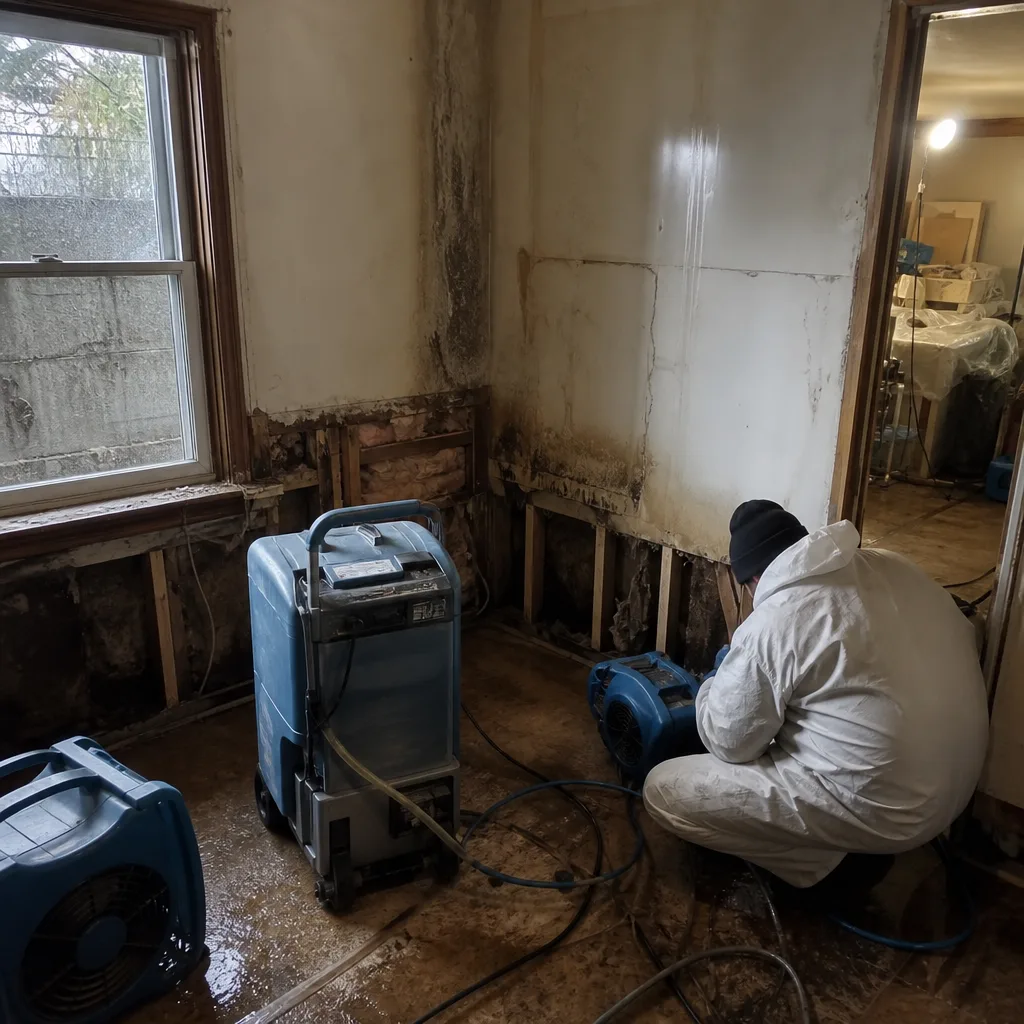 Before
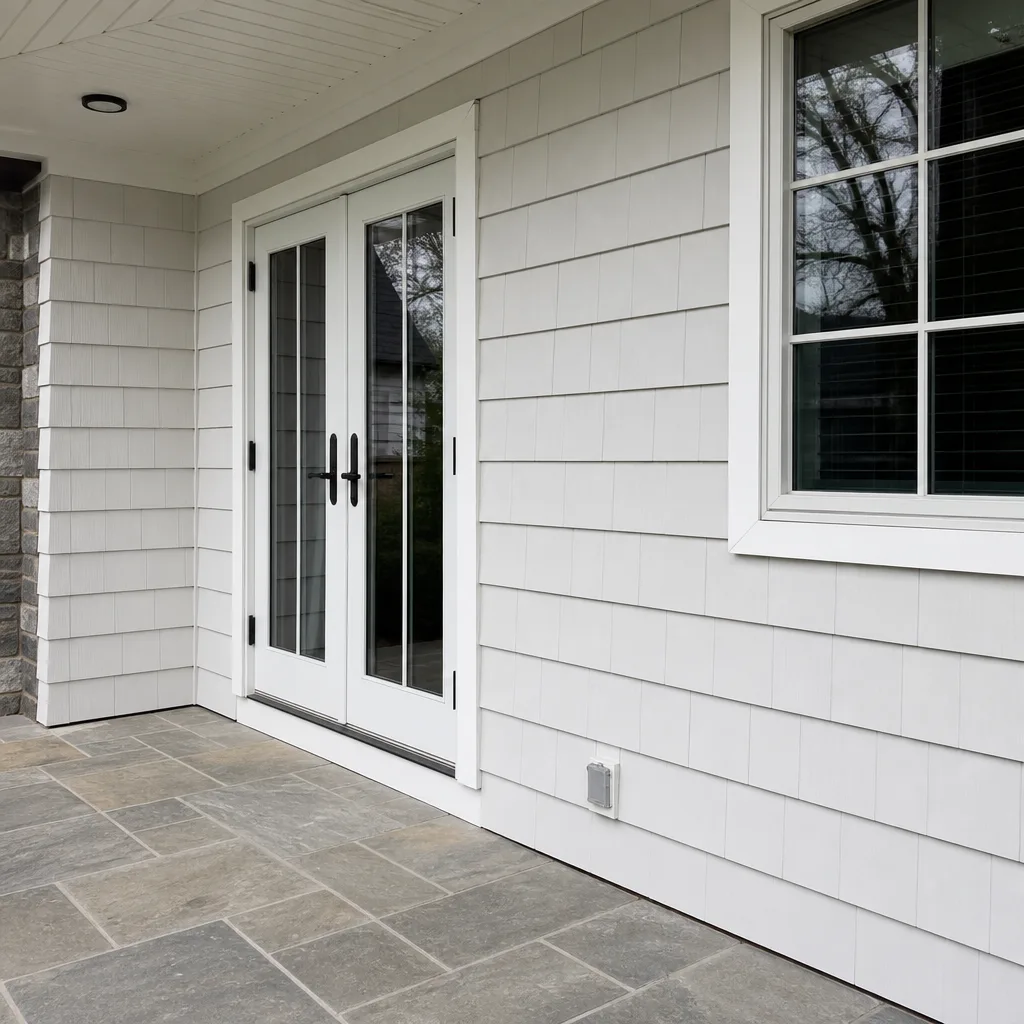 After
After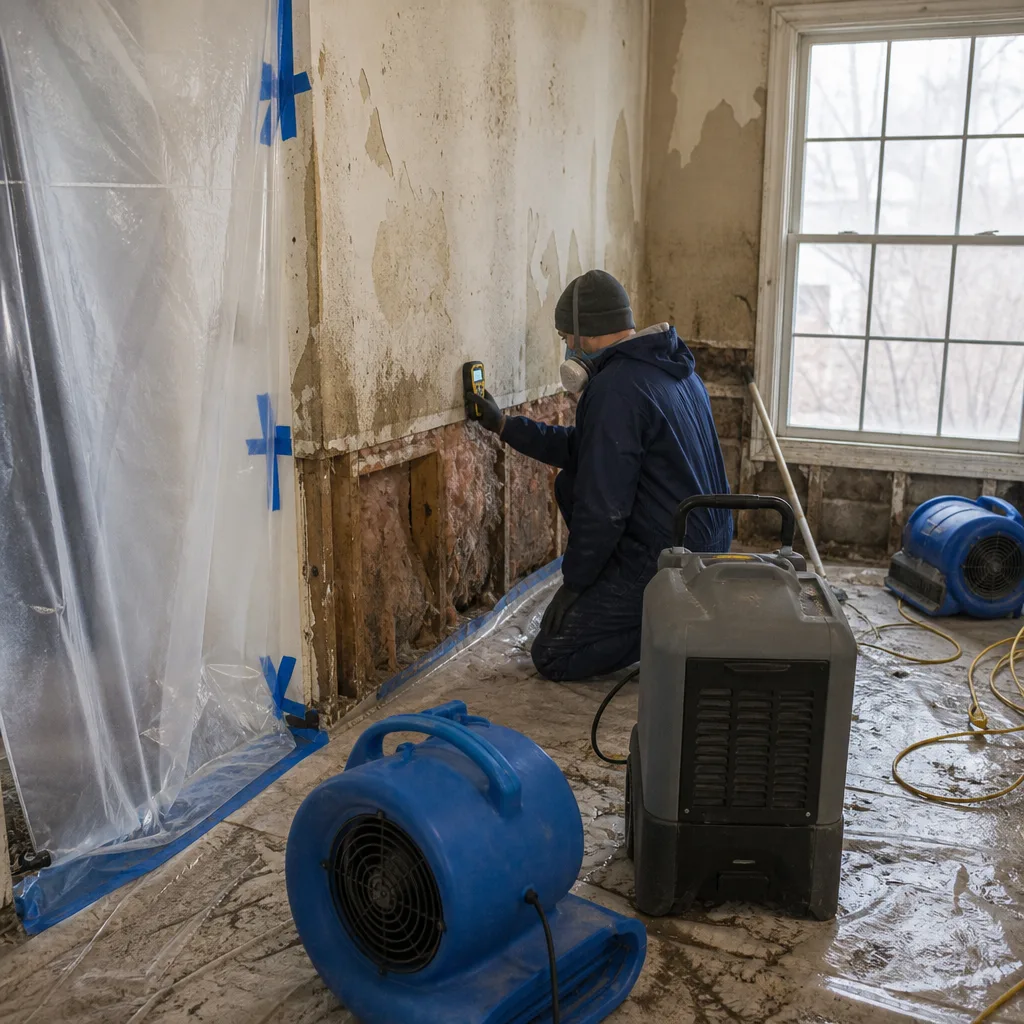 Before
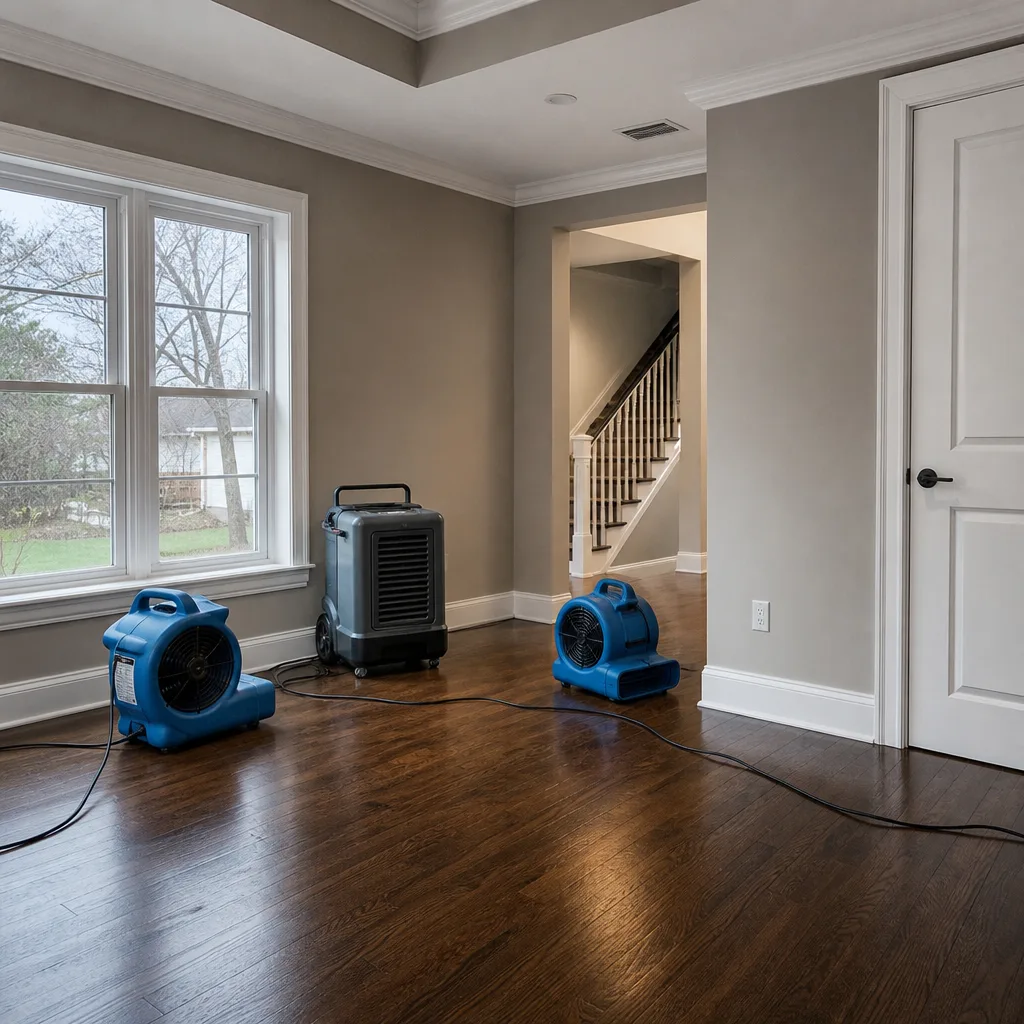 After
After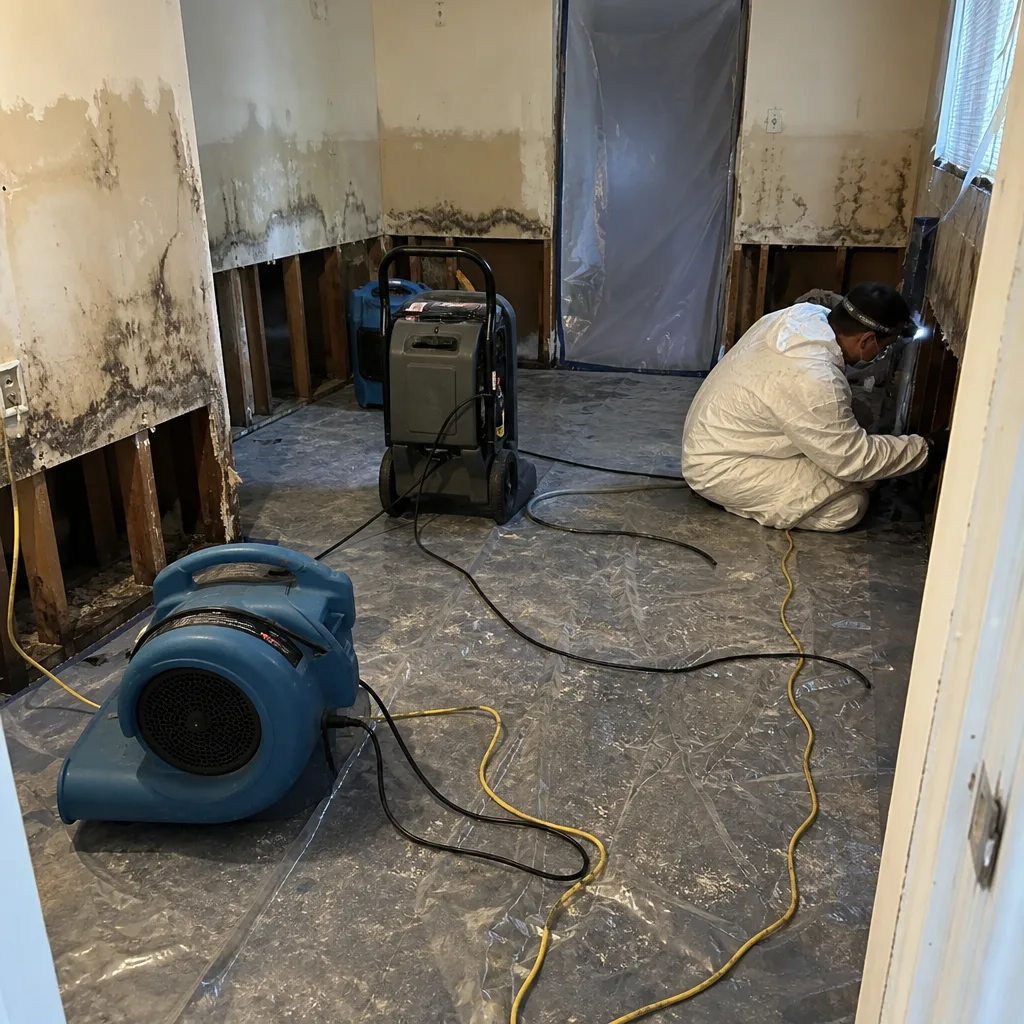 Before
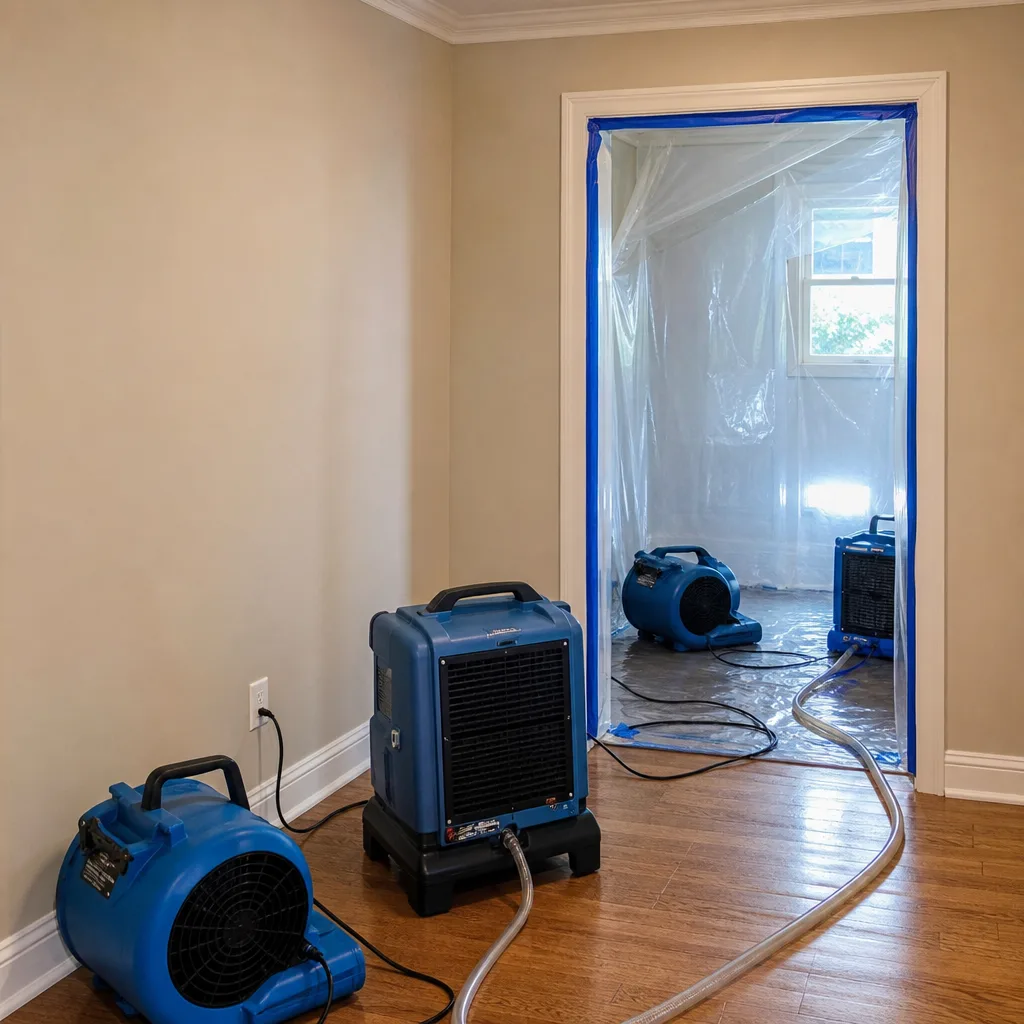 After
AfterThe Complete Guide to Damage Restoration in Great Neck Plaza
Most homeowners in Great Neck Plaza don’t discover they have a restoration problem until long after the event that caused it. Water travels behind baseboards, through subflooring, and into wall cavities for days or weeks before visible signs appear. By the time you see the stain on the ceiling or smell the must in the hallway, the damage has already been at work far longer than you realize. This guide walks through what actually happens during damage restoration in Great Neck Plaza, what it costs, how insurance works, and how to avoid the mistakes that turn a manageable repair into a six-month ordeal.
Quick Answer
Damage restoration in Great Neck Plaza typically costs between $1,200 and $12,000 depending on the type and extent of damage, with water mitigation on the lower end and full fire rebuilds on the higher end. Most water damage jobs in the area are completed within 3 to 7 days, and homeowners who act within the first 24 to 48 hours typically pay 40% less than those who wait. The single most important step is to stop the source and start professional drying immediately, because the longer water sits, the more it spreads and the more likely mold becomes.
Table of Contents
- How Water Damage Happens in Great Neck Plaza Homes
- What Restoration Actually Costs in Great Neck Plaza
- The Restoration Process, Step by Step
- Mold and the 48-Hour Rule
- How Insurance Claims Really Work
- Choosing a Restoration Company Without Getting Burned
- Fire and Smoke Damage: What’s Different
- What Makes Great Neck Plaza Homes Different
How Water Damage Happens in Great Neck Plaza Homes
Great Neck Plaza contains a high concentration of pre-war apartment buildings, co-ops, and older single-family homes, many built between 1920 and 1960. That matters because older plumbing systems fail in predictable ways. Galvanized steel supply lines corrode from the inside out. Cast iron drain pipes develop cracks at the joints. The original shut-off valves under sinks and behind toilets seize up over decades, so when a supply line bursts, the homeowner can’t stop the water without shutting down the building main. We regularly see spring failures in Great Neck Plaza bathrooms where the shut-off valve hasn’t been turned since the Reagan administration.
The most common sources of water damage in Great Neck Plaza, in order of frequency based on what we see on job sites:
- Supply line failures under sinks, behind toilets, and connected to washing machines. These are the top cause of sudden, high-volume water release.
- Water heater failures, especially in units installed in closets or interior utility rooms where a leaking tank floods multiple rooms before detection.
- Air conditioner condensate overflow, particularly in buildings with through-wall AC units that drain into wall cavities or onto neighboring units below.
- Radiator and steam pipe leaks, a signature of older Great Neck Plaza buildings with original heating systems.
- Roof and window leaks during heavy rain, especially in co-op buildings where the board controls exterior repairs and slow-moving approval processes allow water to enter repeatedly.
- Neighbor overflow from the unit above, which is why Great Neck Plaza restoration jobs so often involve coordination between multiple units and the building’s management company.
What surprises most homeowners is how quickly water moves through a structure. A burst supply line in a third-floor Great Neck Plaza apartment can deliver water to the lobby within an hour. We’ve seen water travel from a bathroom on Middle Neck Road down through the ceiling cavity, along the joists, and into a downstairs neighbor’s apartment two rooms over from the source. Water follows gravity and the path of least resistance, and in older buildings, that path is almost always the gap between the floor and the wall plate.
What Restoration Actually Costs in Great Neck Plaza
Restoration pricing in Great Neck Plaza runs slightly higher than the Nassau County average because of building access challenges, co-op and condo board requirements, and the age of the building stock. A straightforward water mitigation job, meaning extraction plus drying plus monitoring, typically costs between $3 and $6 per square foot of affected area. A full reconstruction including drywall replacement, flooring, paint, and trim runs $8 to $15 per square foot. Here’s what that looks like in real numbers for common scenarios:
| Scenario | Typical Cost Range | Timeline |
|---|---|---|
| Small bathroom supply line leak, caught within hours | $1,200 - $3,500 | 2-4 days |
| Water heater failure flooding a utility closet and adjacent room | $3,000 - $7,000 | 4-7 days |
| Apartment flood affecting ceilings and walls in multiple rooms | $5,000 - $12,000 | 7-14 days |
| Mold remediation in a single bathroom (behind tile, around tub) | $2,500 - $6,000 | 3-5 days |
| Fire damage cleanup in a kitchen (smoke, soot, odor) | $4,000 - $15,000 | 7-21 days |
| Sewage backup affecting a finished basement | $4,500 - $10,000 | 5-10 days |
| Full gut renovation after long-term leak and mold (one floor) | $15,000 - $40,000+ | 3-8 weeks |
These numbers reflect Great Neck Plaza market conditions as of 2025, including local labor rates, disposal fees, and the permit requirements of the Village of Great Neck Plaza Building Department. The village requires permits for any structural repair involving framing, plumbing, or electrical work, and those permits add $200 to $500 to a typical job depending on scope. A restoration company that handles the paperwork saves you a trip to Village Hall on Baker Hill Road.
The single biggest cost variable is time. A leak caught and dried within 48 hours usually means drywall repair and paint. A leak that went unnoticed for two weeks usually means mold remediation, insulation replacement, and potentially floor replacement. We’ve walked into Great Neck Plaza co-ops where a slow drip behind a kitchen cabinet ran for three months. The repair bill was $19,000. Had the homeowner caught it in week one, that bill would have been under $2,500. That’s not fearmongering; it’s arithmetic.
The Restoration Process, Step by Step
Every reputable restoration company in Great Neck Plaza follows roughly the same protocol, whether they advertise it or not. The difference is in the details: who does the work, what equipment they use, and whether they document what they did. Here’s what a proper restoration job looks like from first call to final walkthrough:
- Dispatch and assessment. You call, a live person picks up, and a crew is dispatched. The first crew on site does three things: stops the active water source if it’s still running, photographs everything for the insurance file, and maps the moisture with a meter to find how far the water traveled. This initial assessment usually takes 45 to 90 minutes.
- Extraction. Standing water is removed with truck-mounted or portable extraction units. In a Great Neck Plaza apartment building, portable extraction is often required because truck-mounted units can’t reach upper floors. Professional-grade extraction removes roughly 95% of the water by volume.
- Containment and demolition. Wet drywall, insulation, and carpet pad are removed to expose the wet framing. Any material that can’t be dried economically is cut out. In Great Neck Plaza pre-war buildings, this often reveals plaster and lath construction, which dries differently than drywall and requires experience to handle correctly.
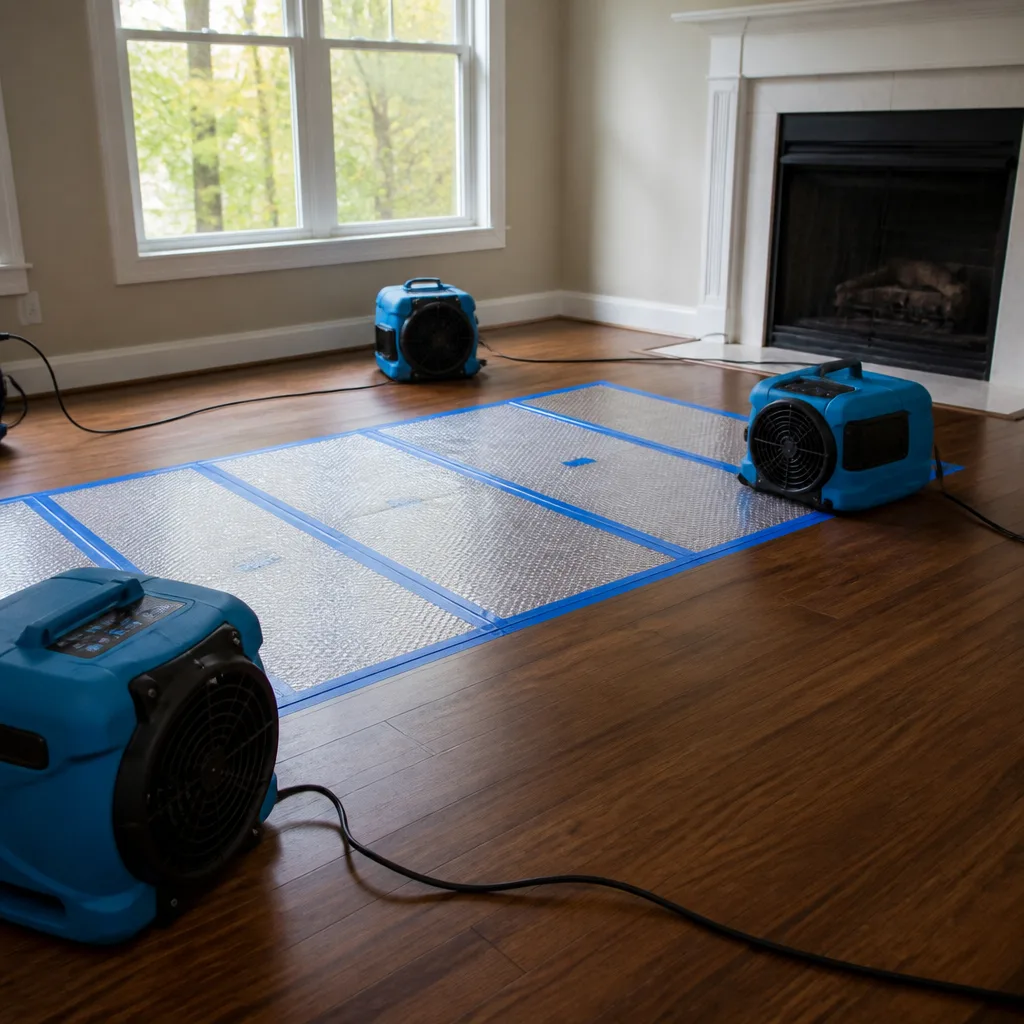
- Drying and dehumidification. Air movers and dehumidifiers are placed strategically based on the moisture map. We use Dri-Eaz and Phoenix equipment because the readings are accurate, the units are durable, and the drying curves are predictable. Daily moisture readings are logged until the structure reaches dry standard, typically 6% to 9% moisture content for wood in this climate.
- Sanitization and mold prevention. Affected surfaces are treated with antimicrobial agents to prevent mold spores from establishing. This step matters doubly in Great Neck Plaza’s humid summers, when ambient moisture slows natural drying.
- Reconstruction. New drywall, insulation, flooring, trim, and paint bring the space back to pre-loss condition. The best restoration companies use their own crews for this phase rather than subcontracting to a stranger, because the person who cut out the wet drywall knows exactly what the rebuild requires.
- Final documentation and walkthrough. You get the moisture log, the photo documentation, and a written scope of work showing what was done and why. This is the packet you hand to your insurance adjuster, and it’s the difference between a smooth claim and a fight.
That’s the sequence. Notice that steps 1 through 5 happen fast, sometimes all on the same day, while step 6 may take a week or more depending on material availability. We’ve been doing this in Great Neck Plaza since 2010, and the jobs that go smoothly are always the ones where the homeowner called within hours, not days.
Mold and the 48-Hour Rule
Mold needs three things to grow: moisture, organic material (drywall paper, wood, carpet backing), and temperatures above about 40°F. Great Neck Plaza summers provide all three in abundance. Under ideal conditions, mold spores that land on a wet surface begin colonizing within 24 to 48 hours. That’s not an estimate pulled from a training manual; it’s the standard published by the IICRC and confirmed by every job site we’ve worked on Long Island.
The 48-hour rule matters because of what it means for your options. Within the first 48 hours, the fix is usually drying. After 48 hours of continuous moisture, the conversation shifts to remediation: controlled demolition, negative air pressure containment, HEPA filtration, and antimicrobial treatment. The cost differential is significant, often 3 to 5 times the price of early intervention.
What should you look for in a Great Neck Plaza home?
- Visible mold in the colors of black, green, brown, or white, especially in corners, behind furniture, or on baseboards.
- Musty odor that persists after cleaning, particularly in bathrooms, closets, and under-sink cabinets where moisture hides.
- Stains on ceilings or walls that appear to be growing or changing color, especially in a ring pattern.
- Peeling paint or bubbling drywall, classic indicators of moisture trapped behind the surface.
- Warped baseboards or door trim in rooms below bathrooms or kitchens, suggesting water is traveling downward through the structure.
A note on mold testing: you don’t necessarily need a $500 air sample to know you have a mold problem if you can see it or smell it. Testing is most useful when you suspect hidden mold, when you’re buying or selling a home, or when your insurance carrier requires documentation. If you do test, use a local independent lab, not a lab retained by the remediation company. We recommend that to every Great Neck Plaza homeowner, because it eliminates any question about impartiality.
One persistent myth is that bleach kills mold. It doesn’t, or at least not permanently on porous surfaces. Bleach kills surface mold but doesn’t penetrate drywall or wood, so the roots survive and the mold returns. Professional remediation removes contaminated material or treats it with EPA-registered antimicrobials designed for porous surfaces. If a contractor tells you bleach is fine, find a different contractor.
How Insurance Claims Really Work
Most Great Neck Plaza homeowners have some form of property insurance, whether it’s a co-op policy, a condo policy, or a standard homeowner’s policy. What varies widely is what’s covered, what the deductible is, and most importantly, how well the claim is documented. The documentation is where restoration companies earn their fee or cost you thousands.
Here’s what the claim process actually looks like from the homeowner’s side:
- Initial damage occurs. You discover water, fire, or storm damage and call your restoration company first, not your insurance company. The restoration company photographs everything before any cleanup begins.
- Mitigation begins immediately. Your policy requires you to mitigate further damage. Wait too long to dry things out and the carrier can deny coverage for the secondary damage, arguing that you failed in your duty to protect the property.
- You file the claim. Your restoration company provides the photo documentation, moisture readings, and a line-item scope of work. This packet goes to your adjuster.
- Adjuster review. The insurance adjuster visits, reviews the documentation, and either approves the scope or challenges it. When the documentation is thorough and the scope is defensible, adjusters typically approve it. When the documentation is thin, the claim becomes a negotiation.
- Direct billing. The restoration company bills the insurance carrier directly for the covered portion of the work. The homeowner pays the deductible and any non-covered items. This is where a restoration company with direct billing experience saves you from playing messenger.
The most common insurance mistake in Great Neck Plaza is treating the claim as an afterthought. The restoration begins, the homeowner calls the insurer a week later, and by then the evidence that showed the original damage extent has been demolished and discarded. The carrier then has room to argue that the damage was pre-existing or less extensive than claimed. The fix is simple: photograph everything before anything gets touched, and use a restoration company that documents as a standard practice, not as a favor.
Choosing a Restoration Company Without Getting Burned
Damage restoration attracts more than its share of questionable operators, especially in the wake of big storms when demand spikes. We’ve been in Great Neck Plaza long enough to have cleaned up after companies that took deposits, started demolition, and disappeared. Here’s what separates a square deal from a risk:
- Live dispatch vs. answering service. Call at 9 p.m. or 6 a.m. If a machine answers, hang up. If a person answers and can tell you when a crew will arrive, you’re talking to a real restoration company.
- Certifications in hand, not just mentioned. IICRC, RIA, and IFA certifications mean the technicians have trained to a standard. Ask for proof. Be suspicious if the answer is vague.
- Background-checked and uniformed. Restoration crews work in your home, often when you’re not there. You want vetted employees, not subcontracted day labor. A uniform tells you the company stands behind its people.
- One crew from start to finish. Ask whether the company that does the extraction also handles the rebuild. If the answer is no, you’ll be managing two contractors and the finger-pointing that follows any gap in the work.
- A written scope before work starts. Any company that won’t give you a written scope of work before beginning demolition has something to hide. The scope protects you and the contractor.
- Local roots. A company that’s been serving Great Neck Plaza for years has a local reputation to protect. A company that swept in after a storm may be gone by next spring. Ask where the company is based and how long they’ve served Nassau County.
We founded Floodline Restoration Co. in 2010, built around a dispatch board rather than a sales desk. Curt Bowman, our owner, is reachable during normal business hours for customers who want to talk to the person whose name is on the truck. That may seem unremarkable, but in an industry where the salesperson rarely sees a job site, it’s the exception. See more about how we work on the Floodline Restoration Co. home page.
Fire and Smoke Damage: What’s Different
Fire restoration is a different animal from water restoration. The water is a known substance with predictable behavior. Fire damage involves smoke penetration, soot residue, chemical byproducts, and odor that embeds itself in every porous material in the room. Here’s what Great Neck Plaza homeowners need to know:
Soot is not dirt. Soot is an acidic, oily residue that etches surfaces and continues causing damage long after the fire is out. Soot on metal surfaces begins corroding within 24 to 48 hours. Soot on drywall penetrates the paper facing. You can’t paint over soot; it bleeds through. Professional cleaning uses dry chemical sponges and specialized degreasers, and it needs to happen fast.
Smoke travels further than fire. In a kitchen fire contained to one room, smoke damage typically extends through the entire apartment and often into neighboring units through the building’s ventilation. Restoration requires cleaning every exposed surface, including inside cabinets, behind appliances, and on the ceiling.
Odor removal requires more than air freshener. Professional fire restoration uses hydroxyl generators or ozone treatment, combined with sealing of structural materials, to remove smoke odor. Any contractor that promises to “spray something” and make the smell go away is not doing fire restoration; they’re doing deodorant.
Water damage follows fire damage. When the fire department puts out a fire, they use water, and lots of it. Every fire restoration is also a water restoration, because the water from suppression has soaked the same materials the fire damaged. Mold becomes a risk within days if drying doesn’t run parallel to smoke cleanup.
What Makes Great Neck Plaza Homes Different
Great Neck Plaza is unlike the surrounding villages in ways that affect restoration work directly. The village is dense, with a high proportion of multi-family housing, co-ops, and condominiums. Building access is often through a common lobby, up an elevator, and down a hallway. That means equipment has to be carried in, not wheeled through a garage. Portable extraction units, stair-climbing hand trucks, and floor protection from the building entrance to the unit are all part of the job.
Co-op and condo board requirements add a layer of procedure. Many Great Neck Plaza buildings require certificates of insurance listing the board and management company as additional insureds before work begins. Some require work hours to be limited to weekdays. Others have elevator reservation policies for moving equipment. A restoration company without co-op experience will burn hours fighting these requirements. One that has worked the buildings along Middle Neck Road and the side streets off Cutter Mill Road already knows the drill.
The building stock itself presents challenges. Pre-war construction means plaster walls instead of drywall in many units. Plaster takes longer to dry and, when water-damaged, requires more skilled repair. Original hardwood floors, common in the pre-war co-ops, respond to water differently than modern engineered flooring and can sometimes be saved if drying starts quickly. The radiators in older buildings may still be connected to a functioning steam system, and a water damage event in an apartment can affect the heat distribution through the building, an issue restoration crews need to flag to building management.
Finally, Great Neck Plaza sits close enough to Manhasset Bay and the Long Island Sound that ambient humidity is persistently high, especially from June through September. That humidity slows drying times compared to inland areas and makes mold prevention more urgent. Our drying plans in Great Neck Plaza routinely add a day or two to the dry-standard timeline compared to jobs further inland, and we set up equipment accordingly.
Common Mistakes to Avoid
- Waiting to call because “it’s just a little water.” Water damage compounds daily. What costs $1,500 to fix on day one costs $4,000 on day five. The water doesn’t stop spreading because you stopped looking at it.
- Running a household fan on the wet area and hoping for the best. Household fans circulate air but don’t remove moisture. Without dehumidification, you’re just moving wet air around, and the moisture spreads further into the structure.
- Assuming the landlord or co-op board handles everything. In Great Neck Plaza rental and co-op situations, responsibility splits vary. The building may be responsible for the common elements, but the unit’s interior finishes are often your problem. Know your lease or proprietary lease before the flood.
- Hiring the cheapest bid without checking credentials. Restoration is one trade where the cheapest bid is often the most expensive by the time the mistakes get corrected. Ask for certifications, references, and a written scope.
- Not documenting before demolition. Once the wet drywall is in a dumpster, you can’t photograph it for the adjuster. Photos of the pre-demolition damage are the single most valuable insurance tool you have.
- Attempting DIY mold removal without containment. Improper mold removal spreads spores to previously clean areas. Professional remediation sets up negative air pressure containment for a reason.
- Ignoring the source because the visible damage is small. A small ceiling stain can mean a failing pipe inside the ceiling cavity. Paint over the stain without fixing the pipe and you’ll be painting again in a month.
When to Call a Professional
Some things you can handle. A puddle under a sink that appeared five minutes ago and hasn’t touched anything porous is a towel-and-mop situation. But call a restoration company when water has touched drywall, flooring, or insulation; when the source is unknown; when mold is visible or the smell is present; when sewage is involved; when fire or smoke has damaged the structure; or when more than one room is affected. The line the water left is where we start. Floodline Restoration Co. offers free estimates in Great Neck Plaza. Call (518) 873-4306 and a live person will answer, day or night.
Frequently Asked Questions
Most water damage restoration jobs in Great Neck Plaza take 3 to 7 days from start to finish, including extraction, drying, and basic reconstruction. Larger jobs involving multiple rooms, custom finishes, or co-op board approvals may take 2 to 3 weeks. The drying phase alone typically runs 3 to 5 days, and reconstruction follows.
Most homeowner, co-op, and condo policies in Great Neck Plaza cover sudden and accidental water damage, such as a burst pipe or appliance failure, minus your deductible. Gradual leaks and flood damage from rising water are typically excluded. Your restoration company should provide photo documentation and a written scope to support the claim, and bill the carrier directly where coverage applies. Call (518) 873-4306 if you’re unsure whether your situation is covered.
In Great Neck Plaza, Floodline Restoration Co. answers calls with a live dispatcher 24 hours a day, 7 days a week. A certified crew can typically reach a Great Neck Plaza address within 60 to 90 minutes of the call, and extraction starts on the same visit. The faster water is removed, the less structural damage and the lower the final bill.
If mold is visible on more than a small patch of drywall or the moisture source has been active for more than 48 hours, full remediation is usually necessary rather than surface cleaning. Cleaning alone leaves the mold roots in the porous material, and the problem returns. A professional assessment with moisture mapping will tell you which path is right for your situation.
A restoration company with direct insurance billing experience handles the adjuster communication, providing the moisture logs, photo documentation, and line-item scope the adjuster needs to approve the claim. You should never have to play messenger between the restoration company and the carrier. If a company expects you to handle that shuttle, find one that doesn’t.
The Village of Great Neck Plaza requires building permits for structural repairs involving framing, plumbing, or electrical work. Cosmetic repairs such as paint, trim, and flooring typically don’t require permits. Your restoration company should handle the permit paperwork as part of the scope of work.
The Bottom Line
Damage restoration in Great Neck Plaza is a race against time, and the homeowners who win are the ones who act within hours, document everything, and work with a company that handles the job from first extraction to final coat of paint. Understand what your co-op or condo policy covers before you need it. Keep the number of a restoration company with live dispatch saved in your phone. And when the damage happens, don’t wait to see if it gets better on its own. It won’t. The line the water left is where restoration starts, and the sooner that line is mapped, dried, and rebuilt, the sooner your home is whole again.
Written by Curt Bowman, Owner at Floodline Restoration Co., serving Great Neck Plaza since 2010.