
Last updated August 25, 2026
Free visual inspection and a written scope of work before any mitigation begins - photos, moisture readings, and drying logs go in your claim file
The scope we write is the scope we bill. Anything new gets shown to you, in writing, before we touch it.


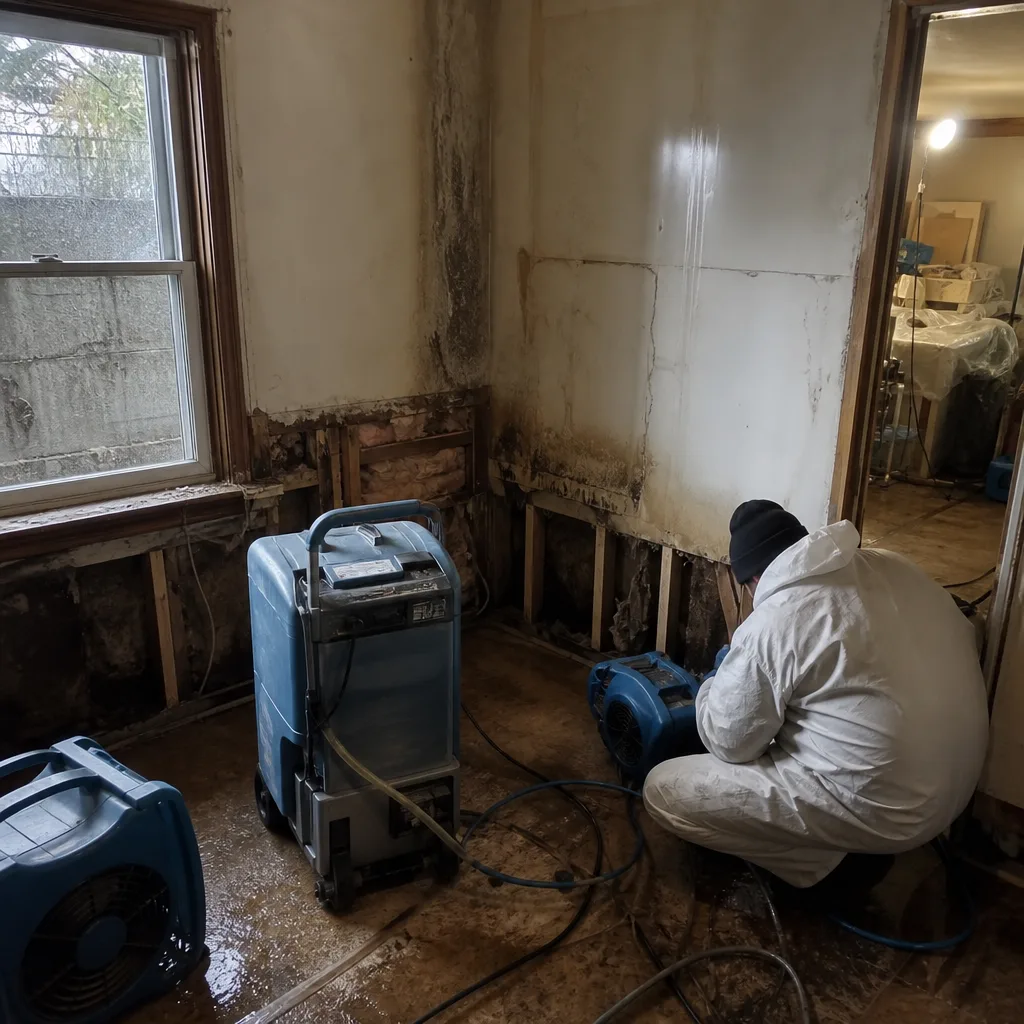 Before
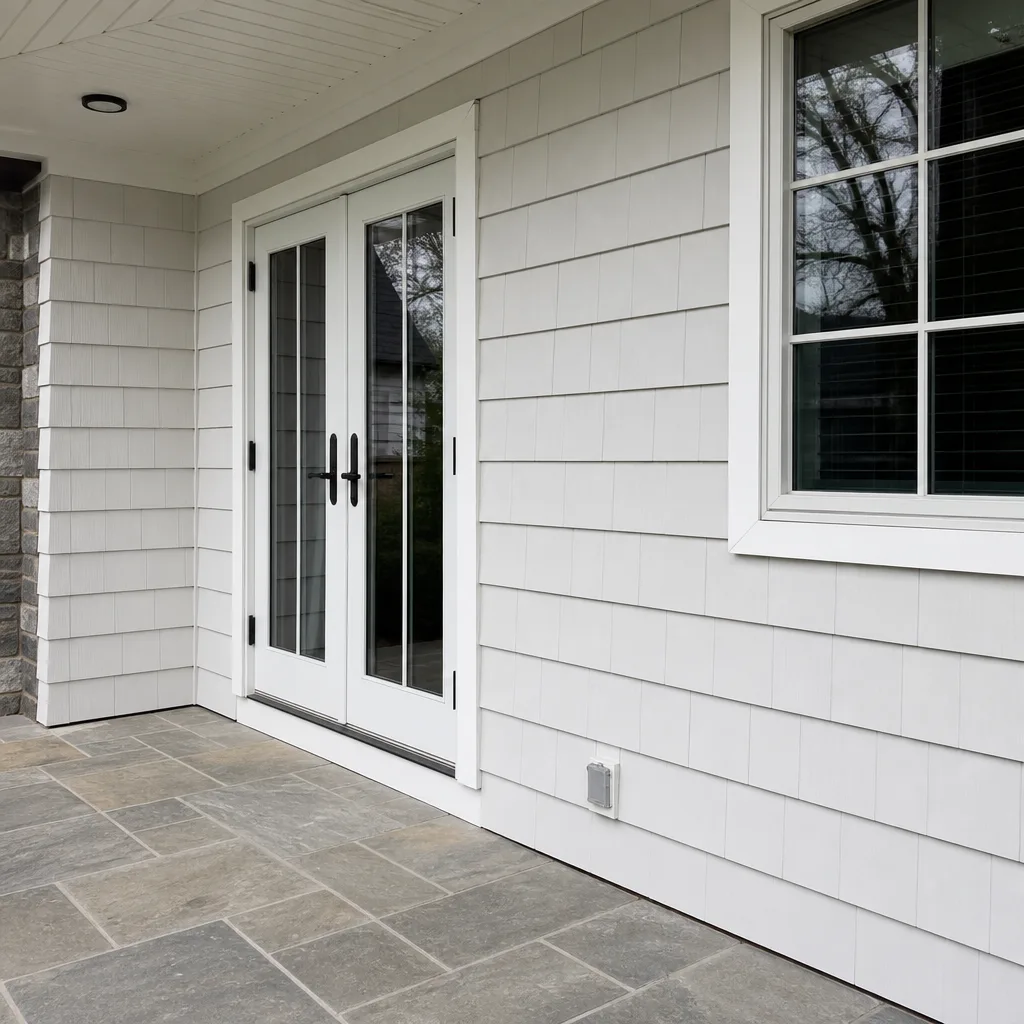 After
After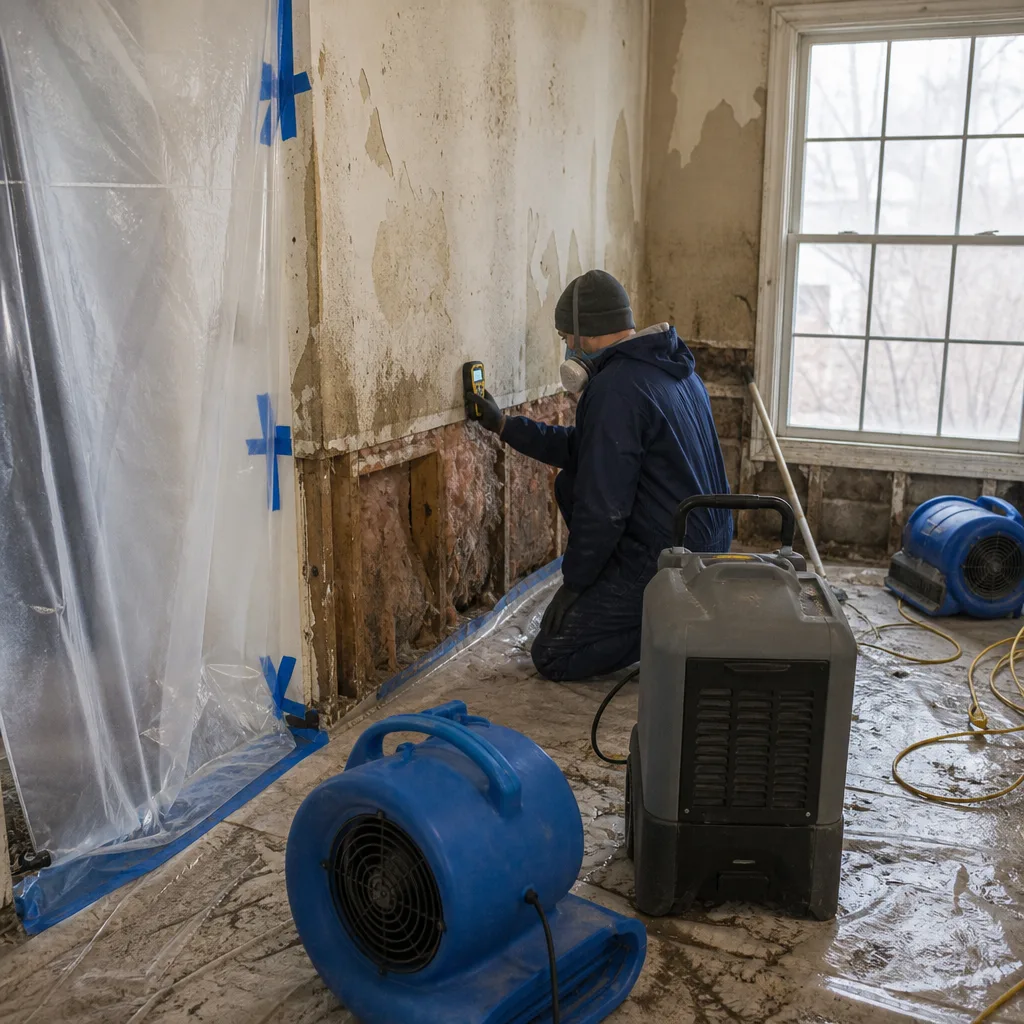 Before
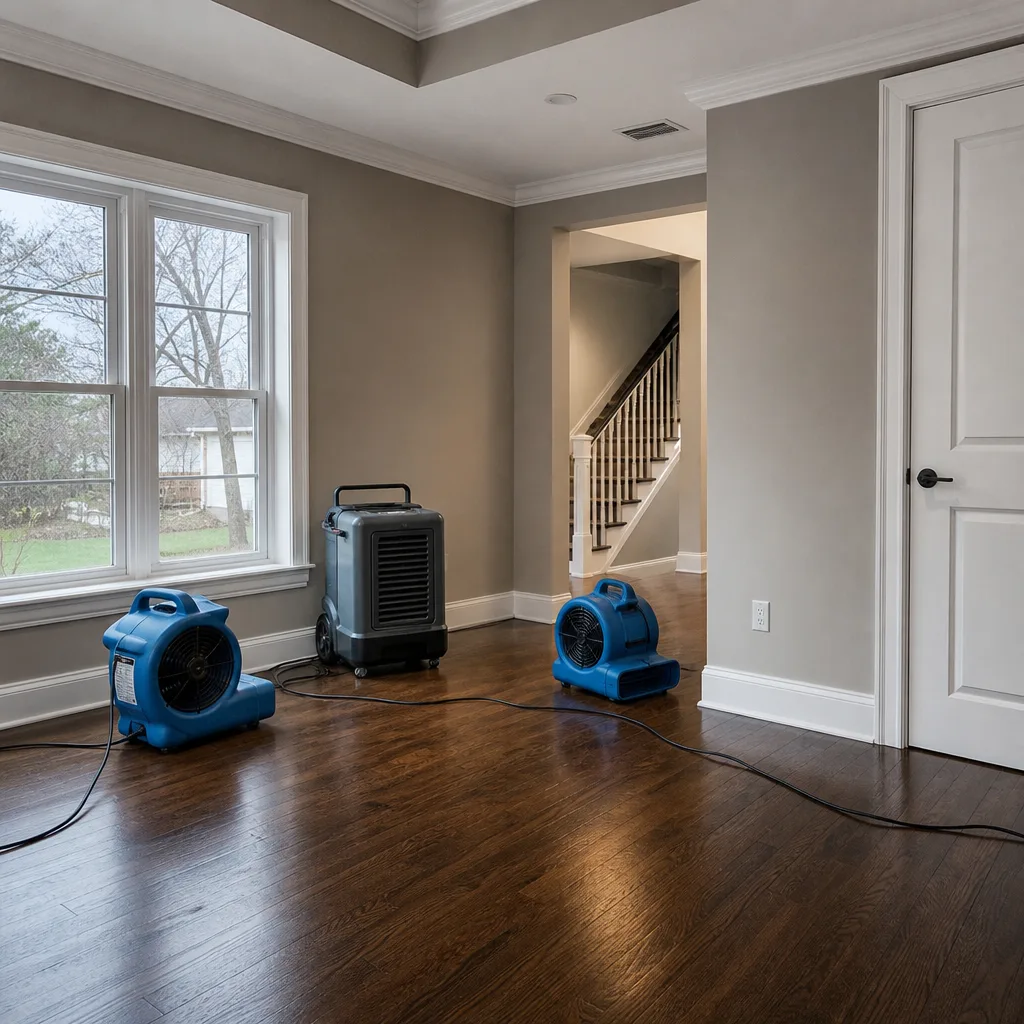 After
After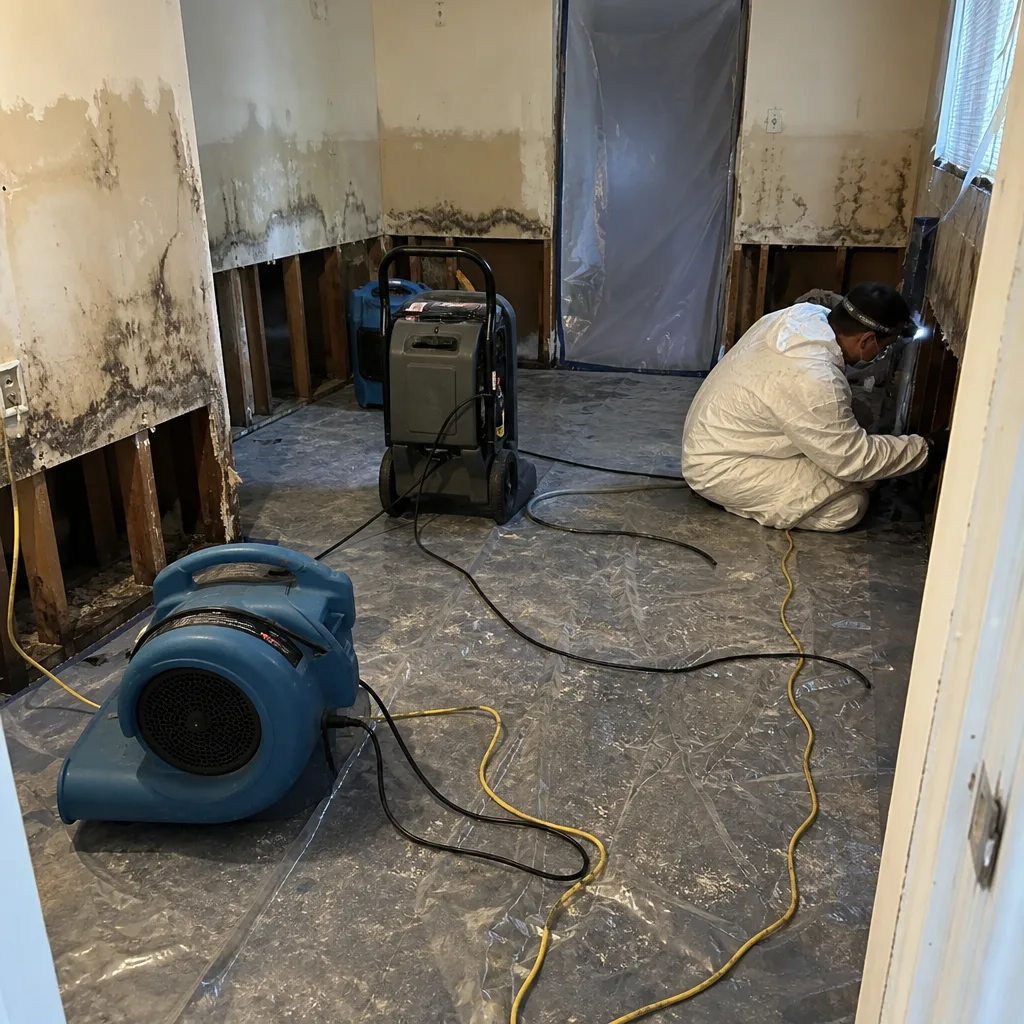 Before
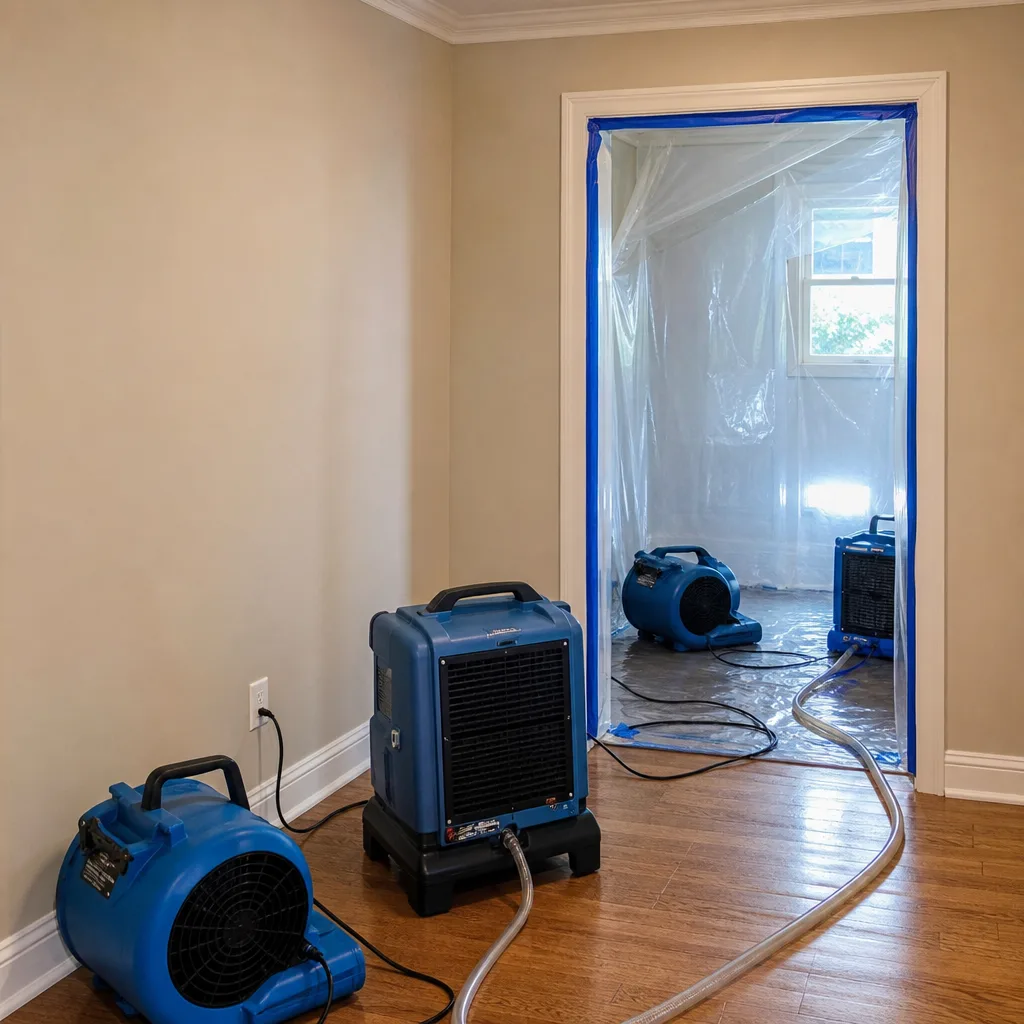 After
AfterDamage Restoration Cost Breakdown: The Great Neck Plaza Homeowner’s Reference for 2026
Most Great Neck Plaza homeowners discover what restoration actually costs the day water is already moving through the ceiling. By then, the price isn’t a number on a menu, it’s a race between what gets dried now and what gets rebuilt later. This guide walks through the real line items, the Great Neck Plaza factors that move the numbers, and what a square-deal restoration bill should look like in 2026. You’ll learn what’s reasonable, what’s a red flag, and where the money actually goes.
Quick Answer
In Great Neck Plaza, water damage restoration typically runs $2,500 to $7,500 for a contained room event, $8,000 to $25,000 for a multi-room or sewer-related loss, and $30,000 to $100,000+ when fire, storm, or mold remediation extends into reconstruction. Most insurance-covered losses leave the homeowner paying only the deductible, typically $500 to $2,500. The single biggest cost driver is time: water that sits for 48 hours can double the bill compared to water extracted the same day.
Table of Contents
- Water Damage Restoration: What It Costs in Great Neck Plaza
- Mold Remediation: Cost Per Square Foot and What Drives It
- Fire and Smoke Damage: The Most Variable Restoration Bill
- Sewage Cleanup: Why the Number Starts Higher
- Storm and Disaster Restoration: Coastal Weather, Basement Flooding, and the Real Cost
- How Insurance Actually Pays: Deductibles, Claims, and Direct Billing
- When Restoration Becomes Reconstruction: The Rebuild Line Items
Water Damage Restoration: What It Costs in Great Neck Plaza
Water damage is the most common restoration call we handle in Great Neck Plaza, and the pricing follows a predictable structure. The cost has three layers: extraction, drying, and repair. Extraction is the cheapest layer and the most urgent. Drying is the layer homeowners underestimate. Repair is where the bill climbs if drying was shortchanged.
A contained bathroom or laundry-room leak with same-day response typically runs $2,500 to $4,500. That covers water extraction, equipment placement, 3 to 5 days of drying, and minor repairs like baseboard replacement or drywall patching. A kitchen or finished-basement event spreads wider, usually $5,000 to $9,000, because finished spaces hide water behind cabinetry and under flooring where drying takes longer.
Great Neck Plaza’s housing stock matters here. Many of the homes east of Middle Neck Road were built in the 1940s and 1950s, with plaster walls and hardwood floors that hold water differently than the drywall and engineered flooring in newer construction. Plaster absorbs water slowly, which buys time, but it also hides moisture longer. Hardwood refinished by hand in a pre-war house costs far more to replace than the vinyl plank in a 1990s walk-up. These differences move the repair line by thousands.
Here’s a line-item view of a typical $5,000 water damage bill in Great Neck Plaza:
- Emergency response and extraction: $400 to $800
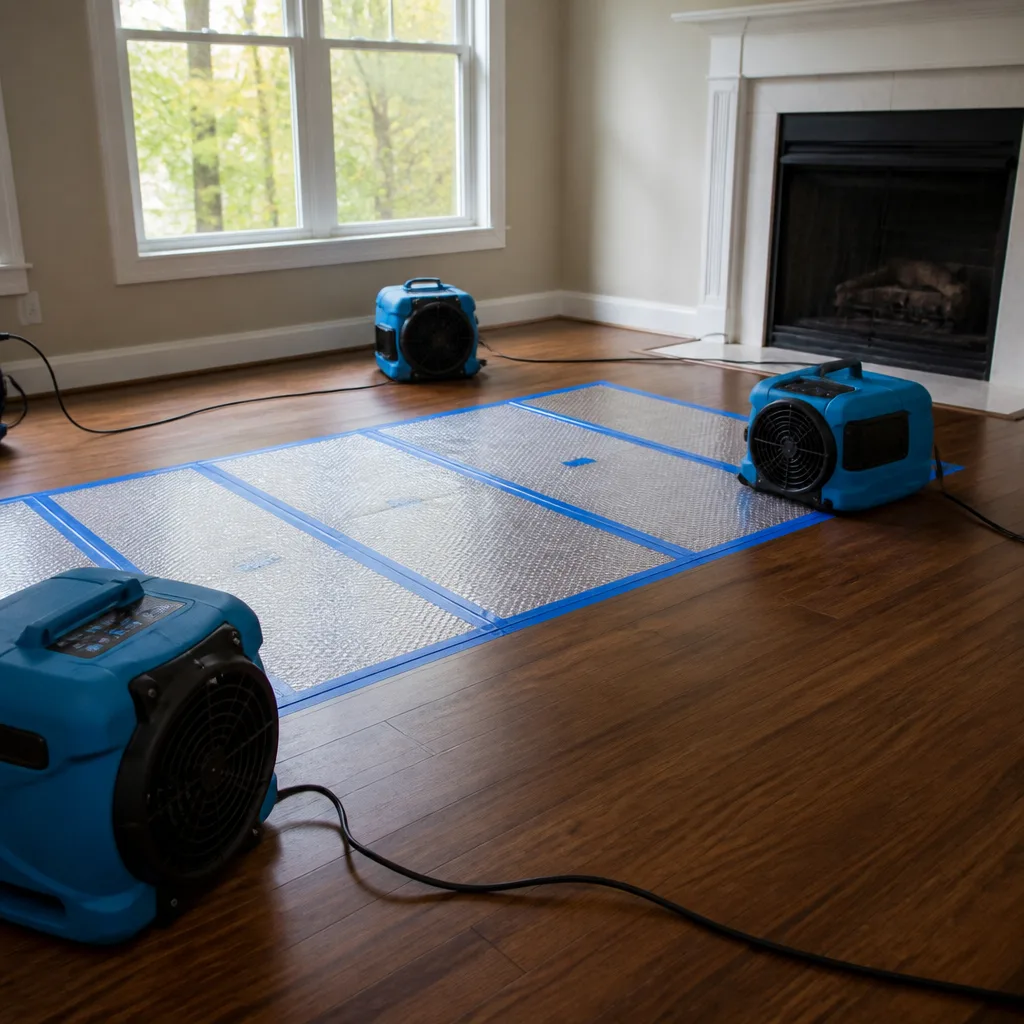
- Equipment placement (air movers, dehumidifiers, floor mats): $150 to $300 per day, typically 3 to 5 days
- Moisture mapping and daily readings: $200 to $400
- Drywall removal and disposal: $500 to $1,200
- Baseboard and trim replacement: $400 to $1,000
- Flooring repair or replacement: $800 to $2,500
- Antimicrobial treatment: $150 to $400
- Final inspection and documentation: $100 to $250
One number that surprises homeowners: the drying equipment line. Professional-grade gear from Dri-Eaz and Phoenix pulls water out of materials a shop vac can’t touch. But it runs on electricity and it takes days. That’s not padding. A sheet of drywall that measures 17% moisture on day one needs to reach below 12% before it’s stable. Skipping that step saves $600 today and costs $4,000 in mold work next spring.
Mold Remediation: Cost Per Square Foot and What Drives It
Mold remediation in Great Neck Plaza generally runs $12 to $35 per square foot of affected area, with most jobs landing between $3,000 and $12,000. Small contained jobs, like a bathroom ceiling or a closet wall, fall at the low end. Crawlspace mold and HVAC contamination land at the top, because containment, negative air, and clearance testing add labor and equipment.
The number most homeowners see first is the inspection fee, typically $200 to $500. A reputable company applies that fee toward the remediation if you proceed. The inspection includes moisture readings, visual assessment, and sometimes air sampling. Air samples run $60 to $150 per cassette when lab analysis is included. We tell Great Neck Plaza homeowners to get sampling only when the mold source is unclear or a clearance test is needed for a real estate transaction. Guessing doesn’t help; moisture meters do.
The containment step is where the cost splits from simple cleaning. Mold remediation follows a containment protocol that a handyman with bleach will not perform. Full containment means sealing the work area with 6-mil poly, running a negative air machine through a HEPA filter, and controlling the airflow so spores don’t move through the house during removal. That costs $800 to $2,000 on a typical job, and it’s non-negotiable in the homes around Great Neck Plaza where forced-air systems connect every room.
A typical 200-square-foot bathroom remediation in Great Neck Plaza breaks down like this:
- Inspection and moisture mapping: $250 to $450
- Containment and negative air setup: $900 to $1,500
- Material removal (drywall, insulation, trim): $700 to $1,400
- HEPA vacuuming and surface treatment: $350 to $700
- Drying and post-remediation verification: $400 to $800
- Rebuild of removed materials: $800 to $2,000
Two things drive mold cost higher than any other factor: the age of the leak and the humidity of the season. Great Neck Plaza sits close enough to Manhasset Bay that summer humidity keeps basements damp from June through September. A slow drip behind a kitchen cabinet that went unnoticed through a humid August is a far bigger remediation than the same leak caught in February. That’s why we recommend checking under sinks and around water heaters quarterly, and running a dehumidifier in finished basements during the warm months.
Fire and Smoke Damage: The Most Variable Restoration Bill
Fire restoration costs more per square foot than any other category except full reconstruction, and the range is enormous: $8,000 for a stovetop fire contained to one wall, $50,000 to $150,000 for a room-and-contents loss, and $200,000+ when structural framing is compromised. The bill has three distinct parts: structural cleaning, contents cleaning, and odor removal. Each is priced separately, and each requires different equipment.
Smoke damage, not the flame itself, is what spreads the bill through the house. A kitchen fire contained to the range hood sends smoke through the ductwork, into closets, behind furniture, and into the fibers of every curtain and article of clothing in the house. Cleaning that residue requires professional-grade techniques and time. We’ve seen a $4,000 fire turn into a $30,000 smoke restoration because the homeowner waited two weeks before calling. Soot is acidic. It etches surfaces and sets into paint the longer it sits.
Here’s a step-by-step sequence for how a professional fire restoration in Great Neck Plaza is scoped and priced:
- Assessment and stabilization: $500 to $1,500. Board-up, tarping, electrical disconnect, and a room-by-room damage map.
- Soot and char removal: $2,000 to $8,000. Dry sponge cleaning, HEPA vacuuming, and disposal of unsalvageable materials.
- Contents pack-out and cleaning: $1,500 to $10,000. Every item is cataloged, cleaned, and stored or shipped to a specialty cleaner.
- Odor neutralization: $1,000 to $4,000. Ozone or hydroxyl treatment, thermal fogging, duct cleaning.
- Structural repair and repainting: $3,000 to $40,000. Depends entirely on what burned and what was cut out.
Great Neck Plaza homes with older kitchens, meaning original cabinetry from the 1960s and 1970s, often cost more to restore after a fire because replacement cabinets must be custom-matched or the entire kitchen rebuilt. Newer developments with standard cabinet sizes and engineered materials can sometimes be restored with fewer custom pieces. The age of your home is a cost line you don’t see until the adjuster’s report comes back.
Sewage Cleanup: Why the Number Starts Higher
Sewage cleanup starts higher than clean-water extraction because the material is classified as Category 3 water: unsanitary, potentially infectious, and legally requiring disposal of absorbent materials. A sanitary sewer backup in a Great Neck Plaza basement typically runs $4,000 to $12,000 depending on the spread and whether the finished area’s flooring and drywall are affected. The line items are similar to water damage, but with three additions: personal protective equipment and containment, biocide application, and waste disposal fees.
Category 3 means carpet, padding, upholstered furniture, and porous building materials that contacted the water must be removed, not dried. That single rule doubles the material line compared to a clean-water event. The drying equipment still runs, but it runs on surfaces that remain after the disposal work is done. Tile and concrete can be cleaned and dried in place. Drywall below the water line gets cut out. Insulation behind it goes too.
Municipal sewer lines in Great Neck Plaza are aging, and the village experiences backups more frequently after heavy rain when stormwater infiltrates older pipes. If your basement drain backs up during a summer downpour, you’re likely dealing with combined infiltration, not a simple clog. That distinction matters for insurance: backups caused by municipal system overload are sometimes excluded from standard policies without a specific endorsement. We’ll cover that in the insurance section below.
Storm and Disaster Restoration: Coastal Weather, Basement Flooding, and the Real Cost
Great Neck Plaza sits at a modest elevation, and the streets closest to the LIRR tracks and the lower sections near Grace Avenue are the first to see basement water during heavy rain events. Storm restoration costs mirror water damage costs but with higher extraction volumes, and they often involve multiple rooms or a full basement at once. A typical basement flood from a storm event runs $6,000 to $18,000 in Great Neck Plaza, with the upper end reflecting finished basements with drywall, carpet, and furnishings.
What separates storm work from a plumbing leak is the water volume and the contamination level. Groundwater that rises through a foundation carries silt, lawn chemicals, and whatever accumulated in the soil. We treat it as Category 2 water at minimum, meaning carpet and pad are removed, and hard surfaces get full antimicrobial treatment after extraction. A plumbing leak from a supply line is Category 1 and often restorable in place. The difference is roughly $1,500 to $3,000 on an average basement.
The response sequence for a Great Neck Plaza storm flood follows the same order every time:
- Call within the first hour: live dispatch answers, and a crew is scheduled the same visit, not next day.
- Extraction begins immediately: submersible pumps for standing water over 2 inches, then truck-mounted extraction for the rest.
- Contents are moved and elevated: furniture gets blocked up or removed to prevent wicking and permanent staining.
- Baseboards are pulled and walls are drilled: flood cuts at 12 to 24 inches depending on how high the water reached.
- Drying equipment is placed and mapped: air movers and dehumidifiers positioned based on a moisture map, not guesswork.
- Daily readings are logged: the log is shared with you and your carrier until the dry standard is met.
Storms also produce the highest number of homeowner insurance claims in the area, and the adjuster will ask for a moisture log and photo documentation. A restoration company that hands you a written log and photographs at every stage makes the claim faster and less contested. That documentation is part of the job, not an add-on.
How Insurance Actually Pays: Deductibles, Claims, and Direct Billing
Most restoration bills in Great Neck Plaza are paid by insurance, with the homeowner responsible for the deductible. Your deductible is the number on your policy declarations page, typically $500, $1,000, or $2,500 for a standard homeowners policy. The rest of the approved scope is paid by the carrier, subject to policy limits and exclusions.
Here’s what matters in practice. Your policy covers the categories of damage: sudden and accidental water damage, fire, storm, and often mold remediation when it results from a covered water loss. It excludes gradual damage, meaning a slow leak you knew about for months is likely denied. It also excludes flood damage from rising groundwater or surface water unless you carry a separate flood policy through the National Flood Insurance Program or a private carrier. That exclusion surprises Great Neck Plaza homeowners every time a basement floods during a heavy storm. A plumbing leak is covered. Groundwater rising through the slab is not, unless you have flood coverage.
The claims process follows a predictable sequence:
- Call your carrier within 24 hours: late reporting is a common denial reason.
- Document everything before anything is removed: photos and video of standing water, damaged materials, and the source.
- Select a restoration company that bills the carrier directly: you should not be financing the claim out of pocket and waiting for reimbursement.
- The adjuster reviews the scope and estimates: your restoration company should coordinate with the adjuster and provide the moisture log and photo documentation.
- Work proceeds, and the carrier pays the approved amount: you pay the deductible, and the restoration company handles the rest directly with the carrier.
One more thing worth knowing: Great Neck Plaza replacement costs run higher than the national average because labor rates in Nassau County are above the national norm. That’s good and bad. Good because your policy’s dwelling coverage is likely adequate if it’s been updated in the last five years. Bad because an adjuster using a regional pricing database from three years ago may understate what a rebuild actually costs here. This is where a restoration company that rebuilds as well as restores can sit with the adjuster and talk line items, not just categories.
When Restoration Becomes Reconstruction: The Rebuild Line Items
Restoration is the emergency work. Reconstruction is the put-it-back work. They are priced differently, scheduled differently, and require different skills. In Great Neck Plaza, rebuild work after a water or fire loss typically runs $80 to $250 per square foot depending on finishes, and it’s scoped and priced in writing before work begins, like any remodel.
The rebuild phase is where you want the same crew that did the drying. When a different contractor inherits a dried-out house, the first week is spent re-documenting what the first company did and didn’t do. When the same crew handles it from day one, the moisture log they kept becomes the rebuild plan. They know which wall cavities were opened, which studs dried to standard, and which flooring was removed. That continuity is the difference between a rebuild that lasts and one that hides problems behind fresh drywall.
Typical rebuild cost drivers in Great Neck Plaza:
- Kitchen replacement: $25,000 to $75,000 depending on cabinet quality and appliance level
- Bathroom replacement: $15,000 to $40,000
- Basement build-back (unfinished): $15,000 to $35,000
- Basement build-back (finished): $35,000 to $80,000
- Flooring throughout main level: $8,000 to $25,000
- Drywall, paint, and trim per room: $2,500 to $6,000
These numbers assume standard-grade finishes. Custom millwork, original plaster restoration, and period-appropriate details in the older apartment buildings and pre-war houses around Great Neck Plaza push the cost higher, sometimes significantly. A carve-in plaster repair on a 1940s co-op wall is not the same line item as a drywall patch in a 1990s condo.
Common Mistakes to Avoid
- Waiting a day to call. Water migrates downward and sideways through framing. A Saturday-morning leak becomes a Sunday-night mold incubation if left alone. The cost difference between same-day extraction and 48-hour response is routinely double.
- Using a dehumidifier from the hardware store instead of professional drying. A residential unit pulls 10 to 20 pints per day. A professional Phoenix dehumidifier pulls 130+ pints and is positioned based on a moisture map. The hardware-store approach leaves hidden moisture behind finished walls.
- Signing with a company that subcontracts the rebuild. You want the same crew that read the moisture log rebuilding the wall. A mid-job handoff means your rebuild plan comes from someone who never saw the wet framing.
- Accepting a verbal scope with no written line items. A restoration bill should be itemized like a mechanic’s invoice. If a company won’t put the scope in writing before work starts, that’s the red flag that matters most.
- Assuming insurance covers everything. Groundwater flooding, gradual leaks, and sewer backups often require specific endorsements. Read your policy now, not during the emergency. A five-minute call to your agent in calm weather beats a coverage surprise at 2 a.m. in a storm.
- Chasing the cheapest estimate. In Great Neck Plaza, labor rates and material costs are what they are. A bid 40% below every other bid isn’t a deal. It’s someone planning to cut drying time, skip containment, or disappear before the rebuild.
When to Call a Professional
Call a professional the moment water touches drywall, flooring, or any finished surface in your Great Neck Plaza home. The same goes for smoke from any fire beyond a stovetop flash, any sewage backup, and any visible mold larger than a dinner plate. These are not DIY situations, and the cost of professional response is a fraction of the cost of a botched job. When water reaches the walls in a Great Neck Plaza basement, the clock is running on both the damage and the insurance claim.
Floodline Restoration Co. offers free estimates in Great Neck Plaza. Call (518) 873-4306 and a live dispatcher answers, any hour, any day. We’ll send a background-checked, uniformed technician who reads the moisture map on arrival and hands you a written scope before any work begins.
Frequently Asked Questions
Water damage restoration in Great Neck Plaza typically costs $2,500 to $7,500 for a contained room event and $8,000 to $25,000 for a multi-room or basement loss, with most homeowners paying only their insurance deductible. The range depends on how far the water traveled and how quickly extraction began.
Insurance typically covers mold remediation when the mold results from a covered water loss, such as a burst pipe or a sudden appliance failure. It does not cover mold from gradual leaks or from humidity issues that developed over years. A moisture log that ties the mold to the covered event makes the claim far harder to deny.
At Floodline Restoration Co., a live dispatcher answers the phone 24 hours a day, and a certified crew is dispatched the same visit. For water emergencies in Great Neck Plaza, that same-day response means extraction equipment is running before the water spreads further into framing and flooring.
If the affected area is more than about 10 square feet of visible mold or the water sat for more than 24 to 48 hours, you need full remediation with containment, not a surface cleaning. A visual cleaning without moisture mapping leaves hidden growth behind walls, and the problem returns within months.
Floodline Restoration Co. bills your carrier directly and coordinates with the adjuster throughout the claim. We provide the moisture log, photo documentation, and line-item scope the adjuster needs to approve the work, so you don’t play messenger between two parties who should be talking to each other.
The 90-Day Done Right Promise is our written guarantee that if the work isn’t done right, we make it right, with no arguing and no paperwork battles. It applies to the full scope of restoration and rebuild work we perform, and it’s handed to you in writing before the job closes.
The Bottom Line
Great Neck Plaza restoration costs in 2026 follow a clear pattern: water damage runs $2,500 to $25,000 depending on spread, fire and smoke run $8,000 to $150,000 depending on the room, mold runs $12 to $35 per square foot, and sewer work starts at $4,000. Insurance covers most of it, leaving you with a deductible. The cost variables you control are response speed, documentation quality, and whether the same crew handles both drying and rebuild. Done right and documented, restoration is a claim you close and forget. Done poorly, it’s a bill that keeps coming back.
Written by Curt Bowman, Owner at Floodline Restoration Co., serving Great Neck Plaza since 2010.