
Last updated August 25, 2026
Free visual inspection and a written scope of work before any mitigation begins - photos, moisture readings, and drying logs go in your claim file
The scope we write is the scope we bill. Anything new gets shown to you, in writing, before we touch it.
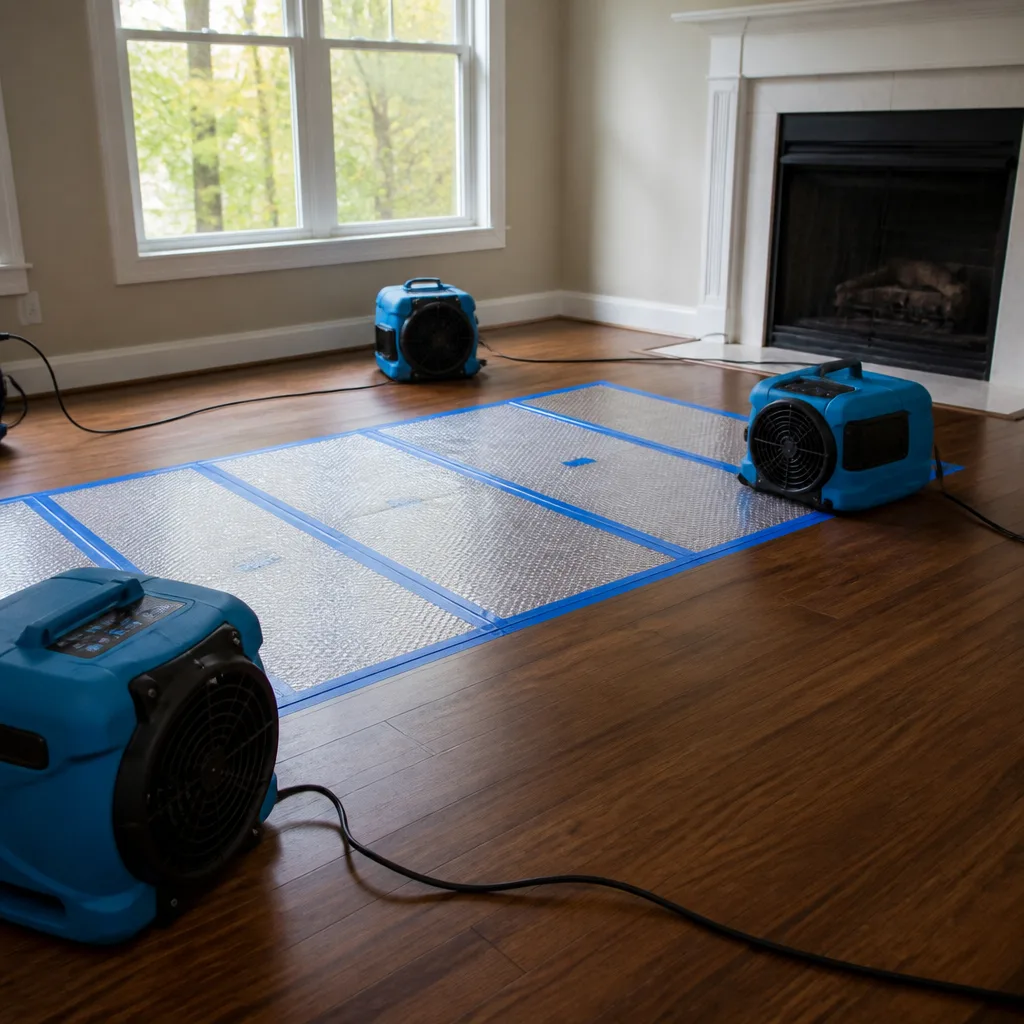
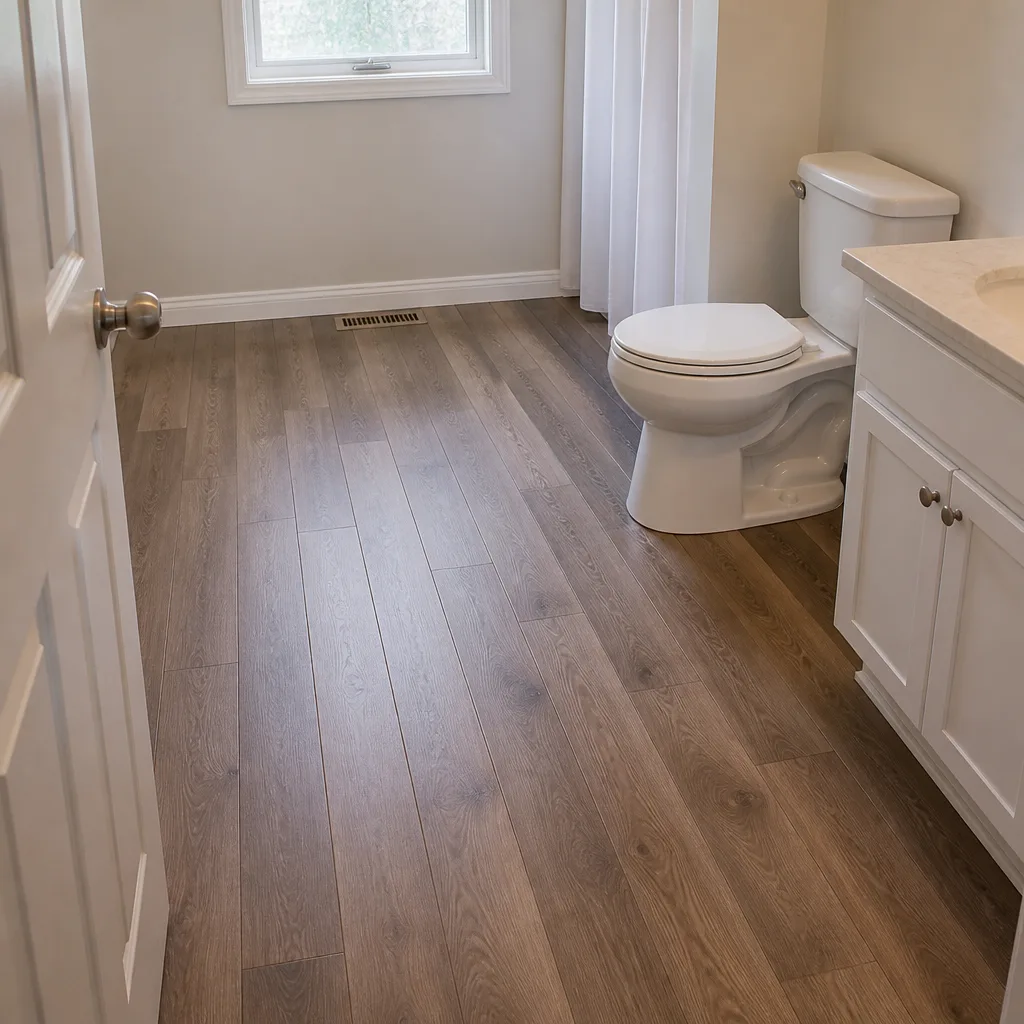

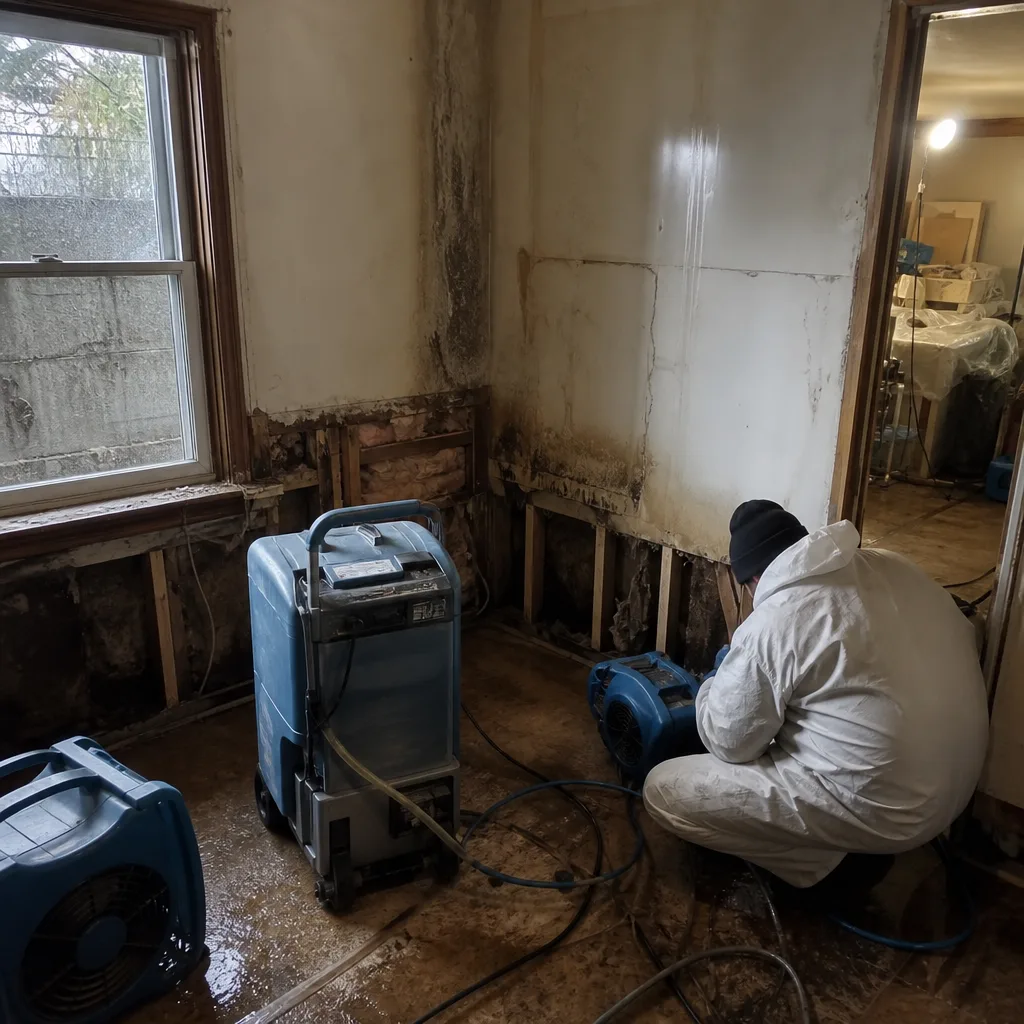 Before
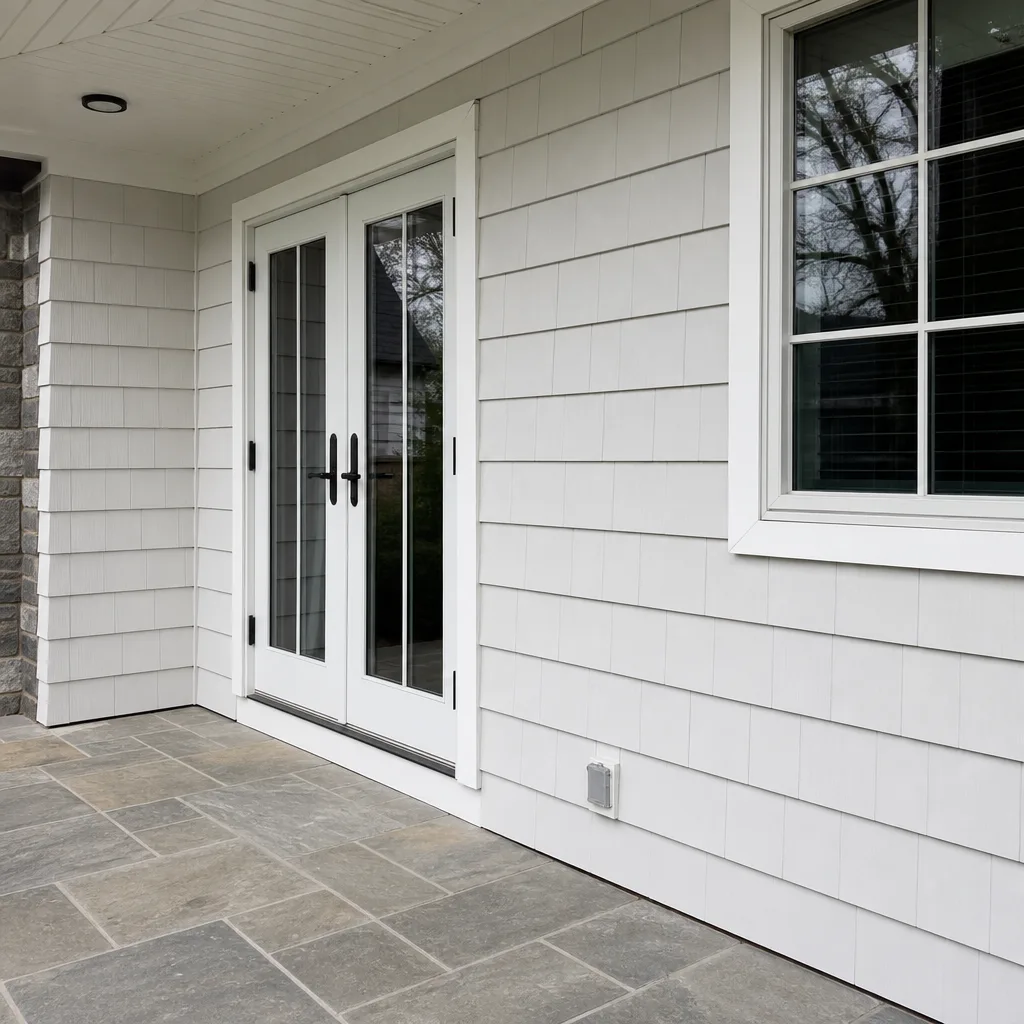 After
After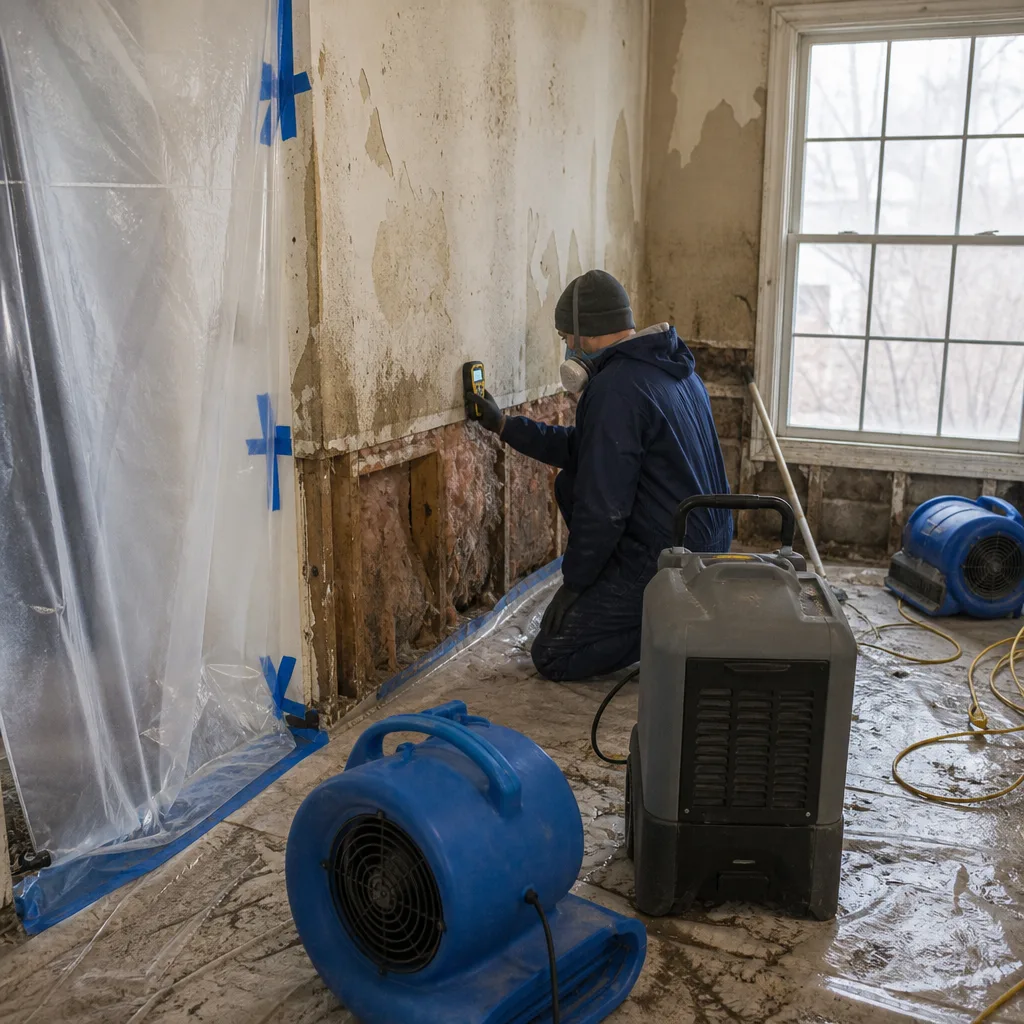 Before
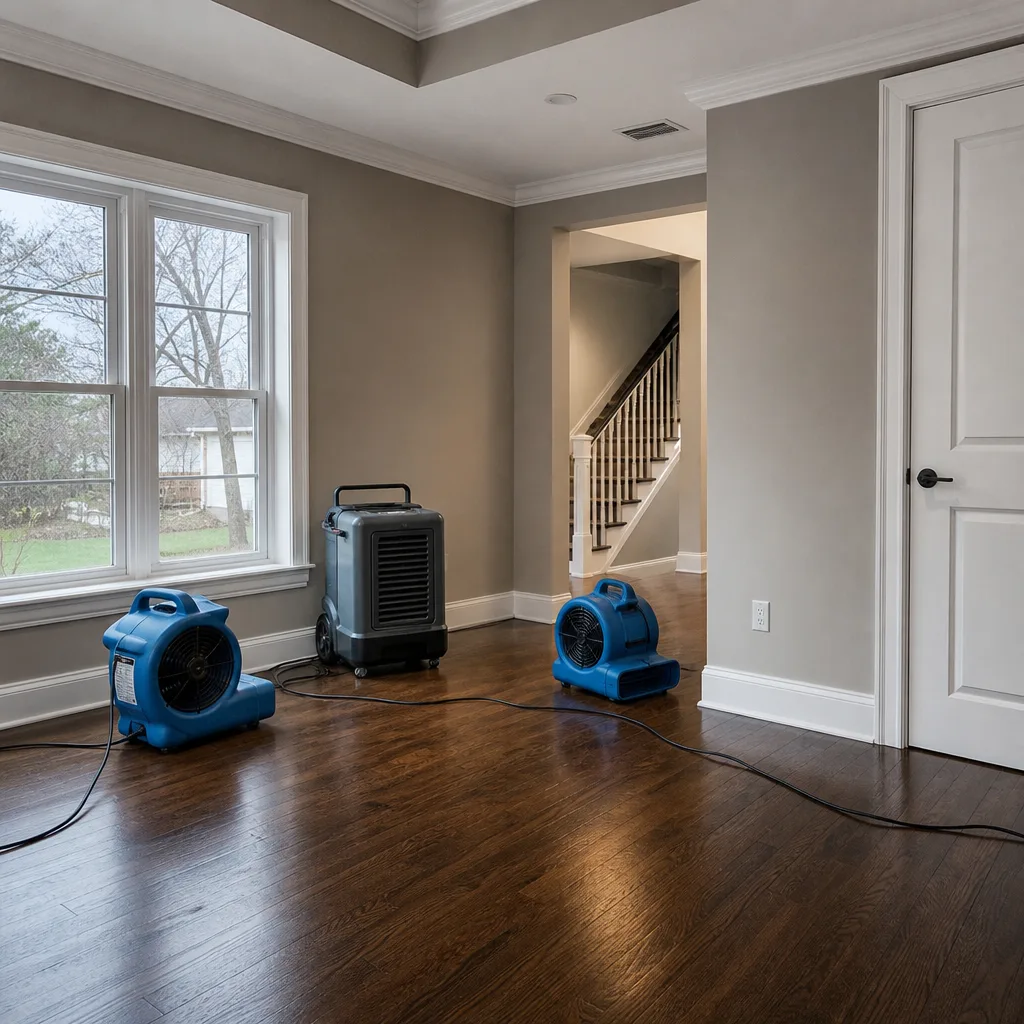 After
After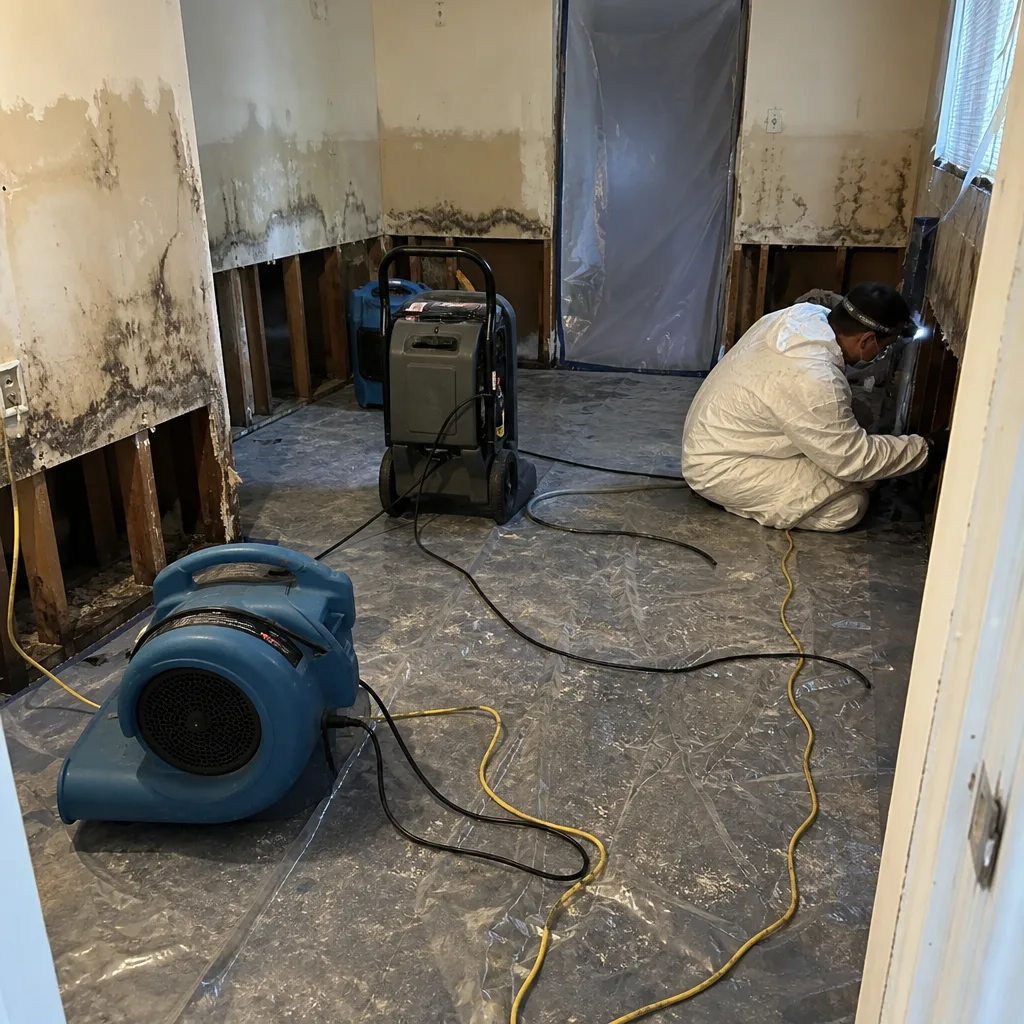 Before
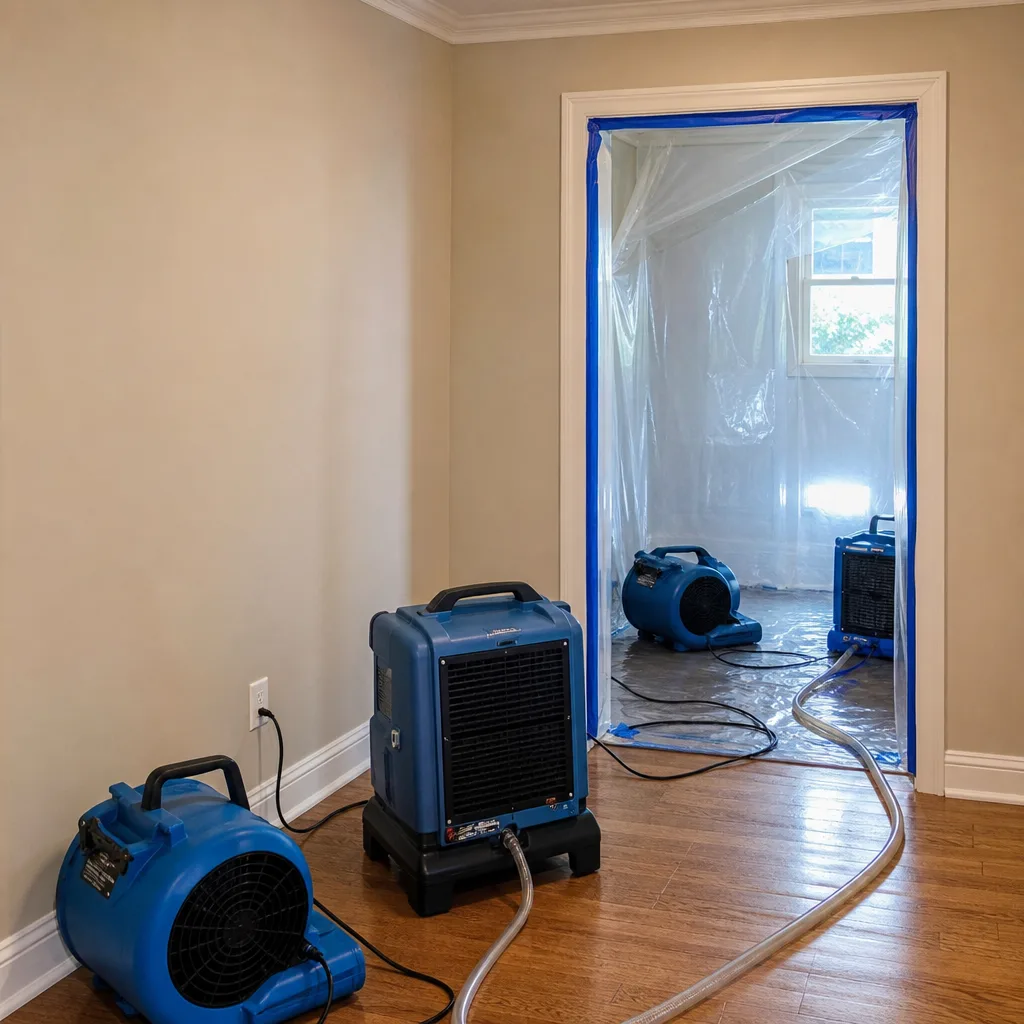 After
AfterDamage Restoration Permits, Codes & Inspections in NY: What You Need to Know
Here’s a number most New York homeowners don’t expect: after a serious fire or flood, the paperwork can take longer than the physical repairs. A typical water-damage rebuild in Nassau County might require three separate inspections before the walls are even closed back up. The repair crew can be done in two weeks. The permit file can stay open for two months. This guide will walk you through what actually needs a permit, which codes govern restoration work in New York, how inspections work, and where Great Neck Plaza sits in all of it. No fluff. Just what you need before the first hammer swings.
Quick Answer
In New York, restoration work that goes beyond cosmetic repair, meaning anything involving structural framing, electrical, plumbing, or changes to a building’s footprint or egress, generally requires a local building permit and subsequent inspections. Simple finish replacement like paint, trim, carpet, or cabinets usually does not. Each municipality enforces the New York State Uniform Code differently, so the only reliable answer for a specific address in Great Neck Plaza is a call to the Village building department before work begins.
Table of Contents
- When a Permit Is Required for Restoration Work
- The Codes That Govern Restoration in New York
- How Great Neck Plaza Handles Restoration Permits
- The Inspection Process, Step by Step
- Permit Fees and Typical Timelines
- Insurance, Claims, and the Permit Paper Trail
- Common Mistakes to Avoid
- When to Call a Professional
When a Permit Is Required for Restoration Work
The short rule: if the damage affected anything behind the wall or below the floor, assume it needs a permit until you’re told otherwise. In New York, the trigger for a permit is not how much water came in or how many square feet burned. It’s what the repair touches.
Here’s what typically requires a permit for restoration work in Great Neck Plaza and across Nassau County:
- Structural repairs: Replacing studs, sill plates, floor joists, roof rafters, or any load-bearing member.
- Electrical work: Any new wiring, panel work, or replacement of circuits damaged by water or fire. A licensed electrician must pull this permit.
- Plumbing work: Replacing supply lines, drain lines, water heaters, or any fixture connection that was compromised.
- HVAC or duct replacement: If the fire or flood damaged ductwork, furnaces, or air handlers, the mechanical permit comes into play.
- Egress changes: If a fire escape route, window size, or door swing changes during the rebuild.
- Demolition beyond finishes: Tearing out drywall is fine without a permit. Tearing out a load-bearing wall is not.
What usually does not require a permit:
- Replacing drywall, insulation, paint, or trim.
- Installing new carpet, tile, or floating floor over an intact subfloor.
- Replacing cabinets, vanities, or countertops without moving plumbing.
- Swapping a damaged door or window for the same size in the same opening.
The line between “cosmetic” and “permitted” gets blurry fast. In our experience working in Great Neck Plaza, a flooded finished basement that needs studs, insulation, drywall, and electrical outlets replaced will almost always trigger both a building permit and an electrical permit. A flooded basement that needs flooring and baseboard replacement usually will not.
The Codes That Govern Restoration in New York
New York State operates under the New York State Uniform Fire Prevention and Building Code, which is itself based on the International Code Council family of codes. The state updates these on a cycle. Municipalities adopt them locally, sometimes with amendments. That means the code book in Great Neck Plaza is the same code book used in Buffalo, but the way the local building department interprets and enforces it can differ.
The specific codes that matter most for restoration work:
- Building Code of New York State (BCNYS): Governs structural integrity, fire resistance, egress, and general construction requirements.
- Residential Code of New York State (RCNYS): The residential-specific version covering one- and two-family homes, which is where most restoration work in Great Neck Plaza happens.
- Existing Building Code of New York State (EBCNYS): This one matters a lot for restoration. It applies to repair, alteration, and change of occupancy in buildings that already exist. It sets the rules for when you can repair something in kind versus when you must bring it up to current code.
- Energy Conservation Construction Code of New York State (ECCCNYS): If restoration work opens up exterior walls or replaces insulation, energy code requirements for insulation values and air sealing kick in.
- Plumbing Code and Mechanical Code of New York State: These govern water supply, drainage, venting, heating, and cooling systems.
- Electrical Code (often NFPA 70 via local adoption): Nassau County and many Long Island villages enforce the National Electrical Code through local licensing and inspection.
The EBCNYS is the one homeowners rarely hear about but should. It contains the “50% rule” concept. If the cost of repairs to a building exceeds 50% of the building’s value, the structure may need to be brought into full compliance with current code, not just the code it was built under. For older homes in Great Neck Plaza, where a 1920s colonial might have a much lower replacement value than a newer build, a serious fire or flood can cross that threshold faster than owners expect.
The EBCNYS also contains the concept of “substantial structural damage.” If a building’s structural system is damaged beyond a defined percentage, the repaired structure must meet current code for the affected systems. A restoration contractor who knows this code section can often save a homeowner from expensive full-code upgrades by documenting that damage stayed below the threshold.
How Great Neck Plaza Handles Restoration Permits
Great Neck Plaza is an incorporated village. That matters. The Village of Great Neck Plaza has its own building department, its own application forms, and its own fee schedule, separate from the Town of North Hempstead and separate from Nassau County. Homeowners sometimes assume they’re dealing with one entity. They’re not.
The Village building department reviews permit applications, issues permits, performs inspections, and issues certificates of occupancy or completion. For restoration work in Great Neck Plaza, the building permit application process works like this:
- Submit a building permit application with a description of the damage and the scope of proposed repair.
- Attach the contractor’s license and insurance certificate, or a signed statement if the owner is acting as general contractor.
- For structural, electrical, or plumbing work, attach drawings or specifications prepared and sealed by a New York State-licensed design professional.
- Pay the permit fee based on the Village’s fee schedule, which is typically calculated from the estimated cost of work.
- The department reviews the application. Simple permits can issue in days. Complex structural work can take weeks.
- Once issued, the permit must be posted on the property and inspections are scheduled as work progresses.
One thing we’ve seen consistently in Great Neck Plaza: the Village takes unpermitted work seriously. A contractor doing structural work without a permit can face stop-work orders and fines. A homeowner who sells the house later with unpermitted work in its history can face title problems at closing. The safest path is to find out the requirements before demolition starts, not after.
Village hall is at 71 Barstow Road in Great Neck Plaza, and the building department is the right first call for any restoration permit question. Building Department staff will tell you what needs a permit for your specific address and what does not.
The Inspection Process, Step by Step
Getting the permit is step one. Passing the inspections is where the job actually gets approved. Restoration work follows a logical inspection sequence tied to the stages of the repair. Each inspection must be scheduled, and the work cannot proceed past certain points until the inspector signs off on the previous stage.
A typical restoration rebuild in Great Neck Plaza follows this inspection sequence:
- Rough framing inspection: After the structure is exposed and new framing is in place, but before insulation and drywall cover it. The inspector checks studs, joists, headers, and structural connections.
- Electrical rough inspection: Before walls are closed, the electrical inspector verifies that new wiring, boxes, and circuits meet code. This inspection is usually performed by a third-party electrical inspection agency approved by the Village, not by the Village building inspector directly.
- Plumbing rough inspection: Before drywall goes up, supply and drain lines are checked, and fixtures are pressure-tested.
- Insulation and energy inspection: If exterior walls were opened, the insulation level and air-sealing details must be visible before drywall covers them. The inspector is verifying compliance with the energy code.
- Final building inspection: After the work is complete, the building inspector checks the finished condition, including smoke and carbon monoxide detectors, handrails, and general life safety items.
- Certificate of Occupancy or Certificate of Completion: If the work touched anything structural or life-safety-related, the Village issues a document at the end. For restoration work in an existing home, this is usually a Certificate of Compliance or Completion rather than a full Certificate of Occupancy.
Each inspection is scheduled through the building department, typically with 24 to 48 hours’ notice. If an inspector fails the inspection, the contractor corrects the issue and schedules a re-inspection. Re-inspections can carry additional fees. A contractor who understands the sequence plans ahead so inspectors are not waiting around and homeowners are not living in a construction zone longer than necessary.
Permit Fees and Typical Timelines
Permit fees in New York restoration work are tied to the cost of construction. In Great Neck Plaza, the Village publishes its fee schedule, and fees typically range from a few hundred dollars for simple work to several thousand for a major structural rebuild after a fire.
What you can expect, based on the type of work:
- Cosmetic repair, no permit: $0 in permit fees. No inspections. Work can start immediately.
- Minor repair permit (small electrical or plumbing replacement): Typically $100 to $400 in fees. One or two inspections. 1 to 2 weeks total.
- Moderate restoration (one or two rooms, new wiring, some framing): $400 to $1,500 in permit fees across building, electrical, and plumbing permits. 4 to 6 inspections. 3 to 6 weeks total.
- Major restoration (structural rebuild, full electrical, new HVAC): $1,500 to $5,000 or more in combined permit fees. 8 to 12 inspections. 2 to 4 months total.
These ranges reflect what we’ve seen on jobs in Great Neck Plaza and the surrounding North Shore villages. The fee schedule changes, and every job is different. The number on the permit application is calculated from the contractor’s estimated cost of work, which is one reason an accurate written scope matters so much. An understated scope means an understated permit fee, which can come back to bite you at the final inspection.
On timelines: the inspection schedule is the bottleneck, not the physical work. A contractor who knows the Great Neck Plaza building department, knows which third-party electrical inspection agency does the reviews, and knows how to stage work around inspection windows will finish faster than a contractor doing the same work who does not know the local rhythm.
Insurance, Claims, and the Permit Paper Trail
Insurance companies care about permits more than most homeowners realize. A claim for water damage, fire damage, or storm damage will almost always involve a line item for “building permit” in the estimate the adjuster writes. The permit fee is a covered cost. The inspection process is part of the covered scope.
What matters for the homeowner:
- Documentation: The permit, the inspection records, and the final sign-off are part of the claim file. If you ever sell the house, the buyer’s title company will ask for proof that completed work was permitted and inspected. “We never pulled one” is not an answer that gets a closing done.
- Direct billing: Homeowners who work with a restoration company that bills the carrier directly do not have to front the permit fee or any other line item out of pocket and wait for reimbursement. The carrier pays the contractor, and the permit fee is part of that payment.
- Photo documentation: The before, during, and after photos of the damaged areas, filed with the permit application and the insurance claim, help prove the scope of work when questions come up later. A restoration company that documents every stage makes the adjuster’s job easier, and an easy adjuster is a faster claim.
One common point of confusion: some homeowners think their insurance policy means the contractor handles permits, or that the permit is the contractor’s problem. Legally, the property owner is responsible for ensuring required permits are obtained. In practice, a licensed contractor pulls the permit on the owner’s behalf. The key is making sure it actually happens. A reputable restoration contractor in Great Neck Plaza will list the permit as a line item in the written scope and will not start structural work without it.
Common Mistakes to Avoid
- Patching over the problem instead of getting a proper evaluation. A contractor who says “we don’t need a permit for this” without checking with the Village building department is guessing. We’ve seen owners in Great Neck Plaza inherit unpermitted work that leaked, settled, or shorted out, and the repair cost double what the original job should have cost.
- Letting the contractor work while the permit is pending. The permit application goes in, the contractor starts demo, and the Village finds out. Stop-work orders are expensive to unwind. The permit must be issued before work that requires it begins.
- Hiring the cheap bid without a written scope. A low number without a detailed scope of work usually means the permit and inspection line items were left out. They come back later as change orders.
- Skipping the final inspection to “save time.” An open permit is a cloud on the property. The work may look done, but if the final inspection was never scheduled, the file is not closed, and it will surface during the next real estate transaction.
- Treating the 50% rule as a formality. In an older home, repair costs can climb past 50% of structure value faster than you think. A contractor who knows the EBCNYS can sometimes stage work to keep you under the threshold, but only if the evaluation happens before work starts.
- Assuming the Village handles electrical inspections internally. In Great Neck Plaza, many electrical inspections are performed by third-party agencies. The homeowner needs to know which agency, and the electrician needs to coordinate that inspection from day one.
When to Call a Professional
If the work touches structure, electrical, plumbing, or anything a building inspector would want to see, you want a professional who has pulled permits in Great Neck Plaza before. If the damage came through an insurance claim, you want a restoration company that documents in the format carriers expect and bills the carrier directly, so the permit, the inspections, and the invoices all move through one channel. If you are not sure whether your specific job needs a permit, that’s also a reason to call. Floodline Restoration Co. home offers free estimates in Great Neck Plaza and will tell you straight what needs a permit and what does not. Call (518) 873-4306.
Frequently Asked Questions
No permit is required for replacing drywall, insulation, trim, or paint in kind. A permit is required if the repair involves structural framing, electrical wiring, or plumbing changes behind that drywall. If the water damage was significant enough to require stud or electrical replacement, expect the building department to require permits.
Simple permits typically issue within a few days to two weeks. Structural work requiring sealed drawings can take three to six weeks for plan review before the permit issues. The inspection schedule adds time on top, so major restoration work often takes two to four months from first permit to final sign-off.
Yes, permit fees and inspection costs are standard covered line items in most restoration claims. The adjuster’s estimate usually includes them. Working with a restoration company that bills the carrier directly means you do not front these costs out of pocket. Call (518) 873-4306 if you want to know how direct billing works on your specific claim.
The unpermitted work creates a title issue. Buyers’ lenders and title companies ask for permit records, and an open or missing permit file can delay or kill a closing. In some cases, you may need to have the work retroactively inspected, opened up, or corrected. This is one of the most expensive ways to save a few hundred dollars.
Technically yes. A homeowner can act as their own general contractor and pull their own permit for work on their own home. In practice, this means you are accepting liability for the work and the inspections. Most homeowners in Great Neck Plaza are better served by a licensed contractor who carries insurance and stands behind the completed work in writing.
The Existing Building Code sets thresholds for when repairs trigger full compliance. A qualified restoration contractor or design professional can evaluate where your project falls. If the damage stays below the threshold, you can repair in kind without upgrading the entire structure. Getting this evaluation done early, before the permit application is filed, is the smartest money you’ll spend on the project.
The Bottom Line
Restoration permits in New York are not optional once the work touches structure, electrical, or plumbing. The Village of Great Neck Plaza has its own building department and its own way of doing things, and the sooner you know the rules for your specific address, the smoother the job goes. Pull the permit. Schedule the inspections. Keep the paper trail. Use a restoration company that knows Great Neck Plaza, documents everything, bills the carrier directly, and stands behind the finished work in writing. That’s how you get a restoration job done right the first time, with no surprises at the end.
Written by Curt Bowman, Owner at Floodline Restoration Co., serving Great Neck Plaza since 2010.