
Last updated August 25, 2026
Free visual inspection and a written scope of work before any mitigation begins - photos, moisture readings, and drying logs go in your claim file
The scope we write is the scope we bill. Anything new gets shown to you, in writing, before we touch it.
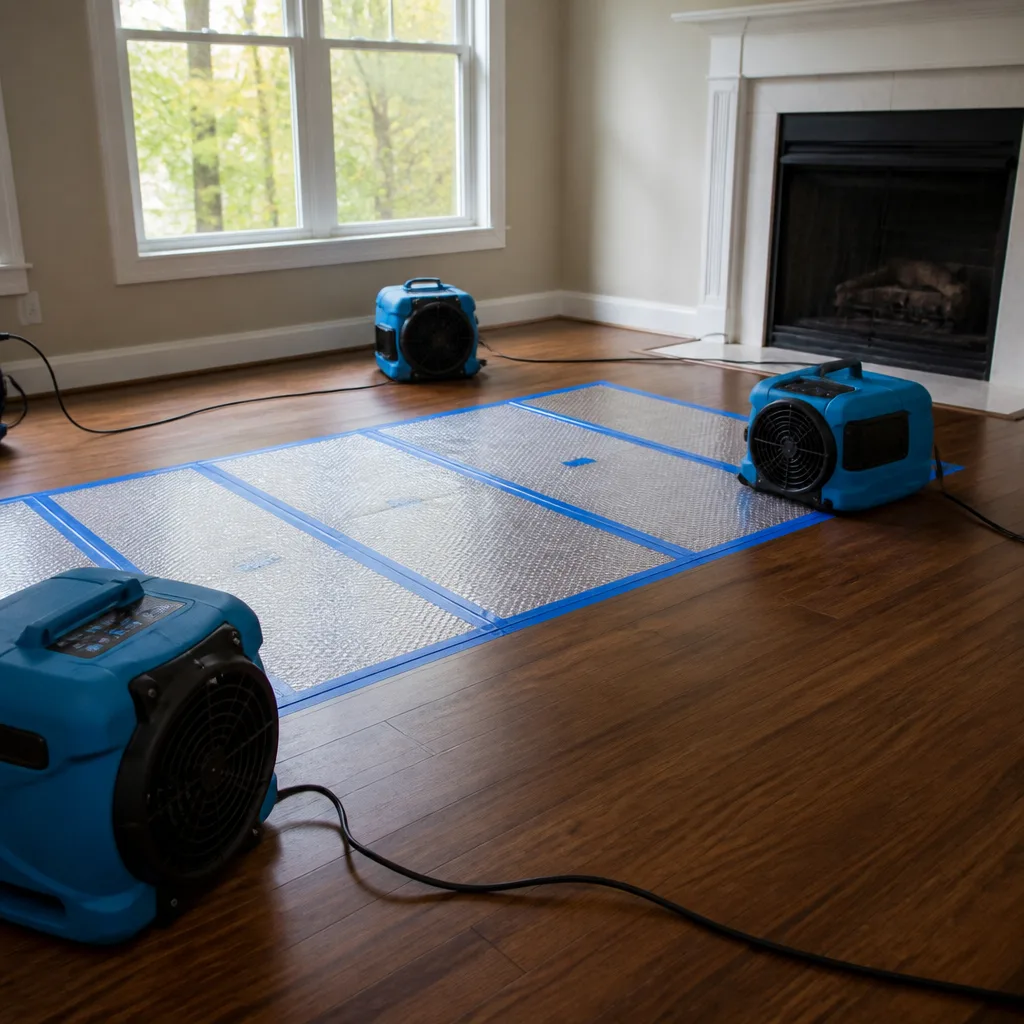





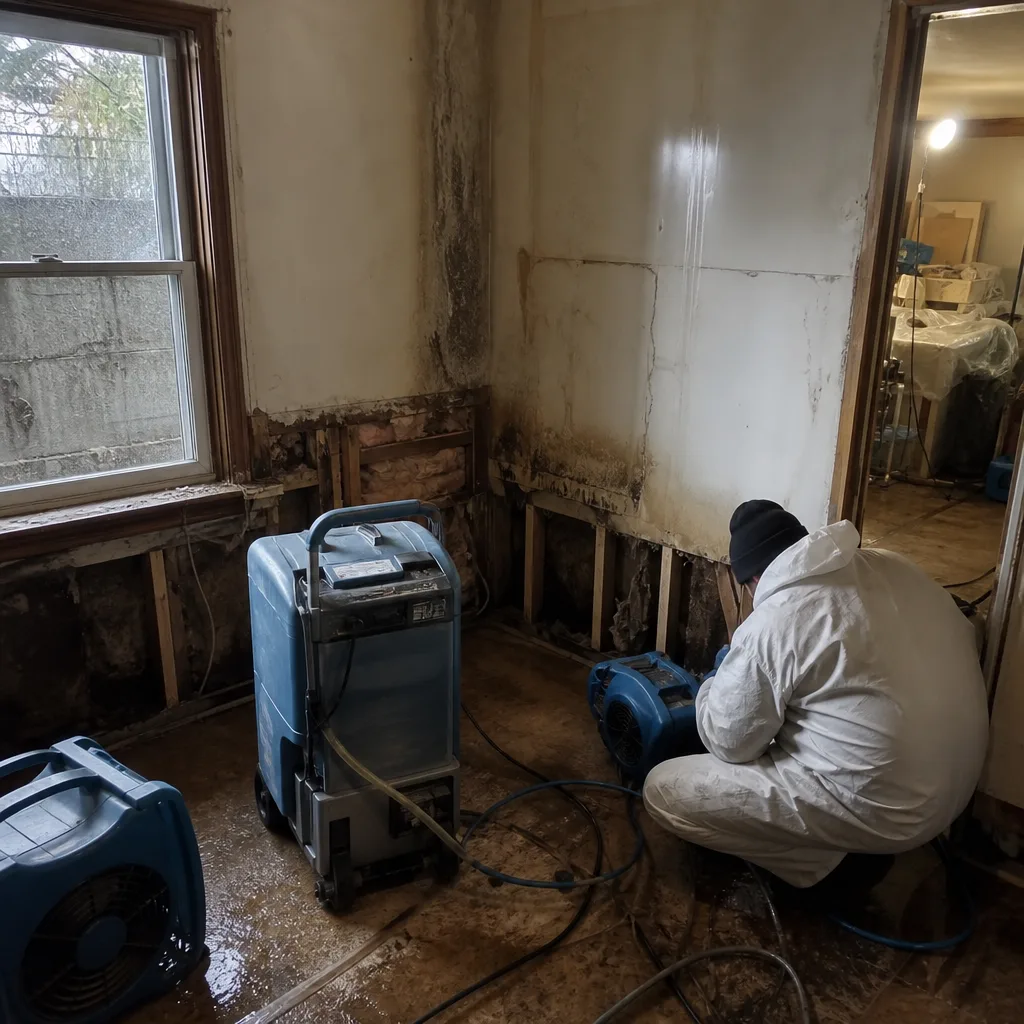 Before
 After
After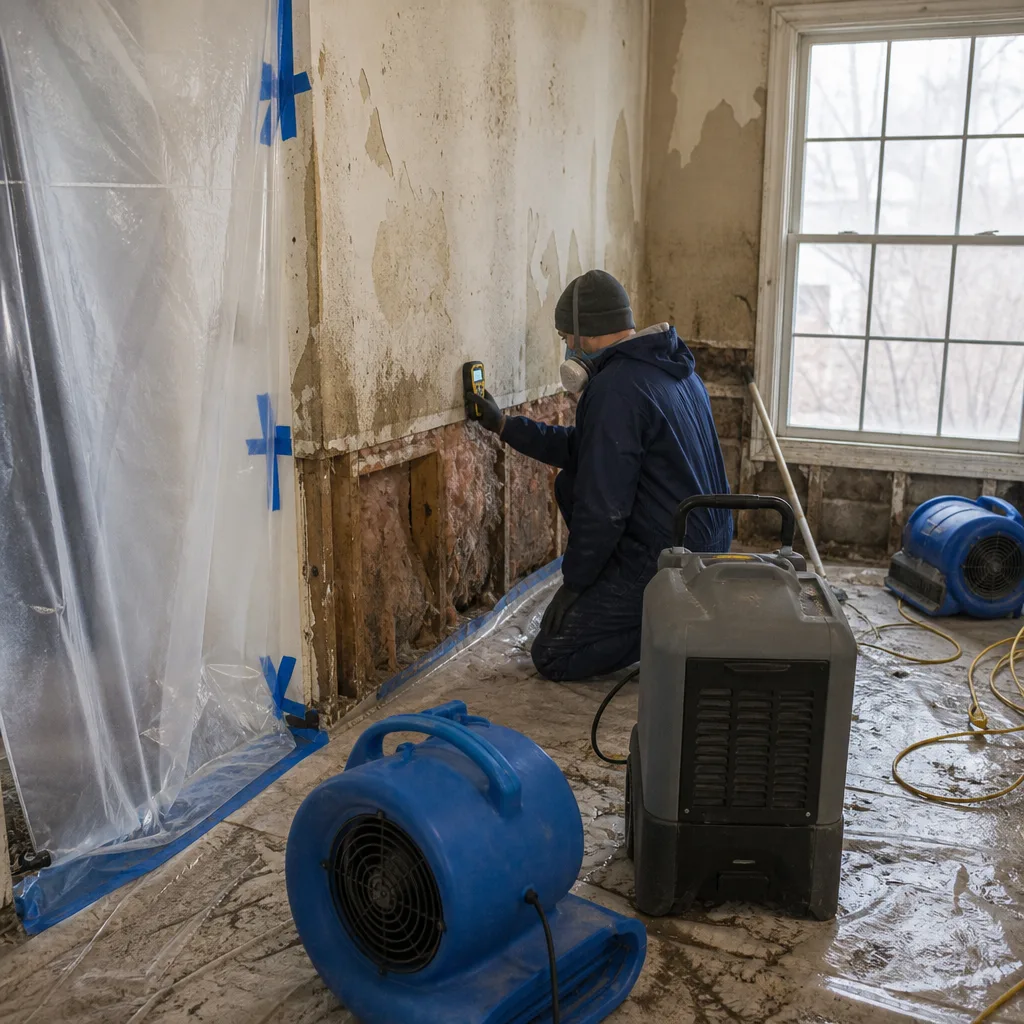 Before
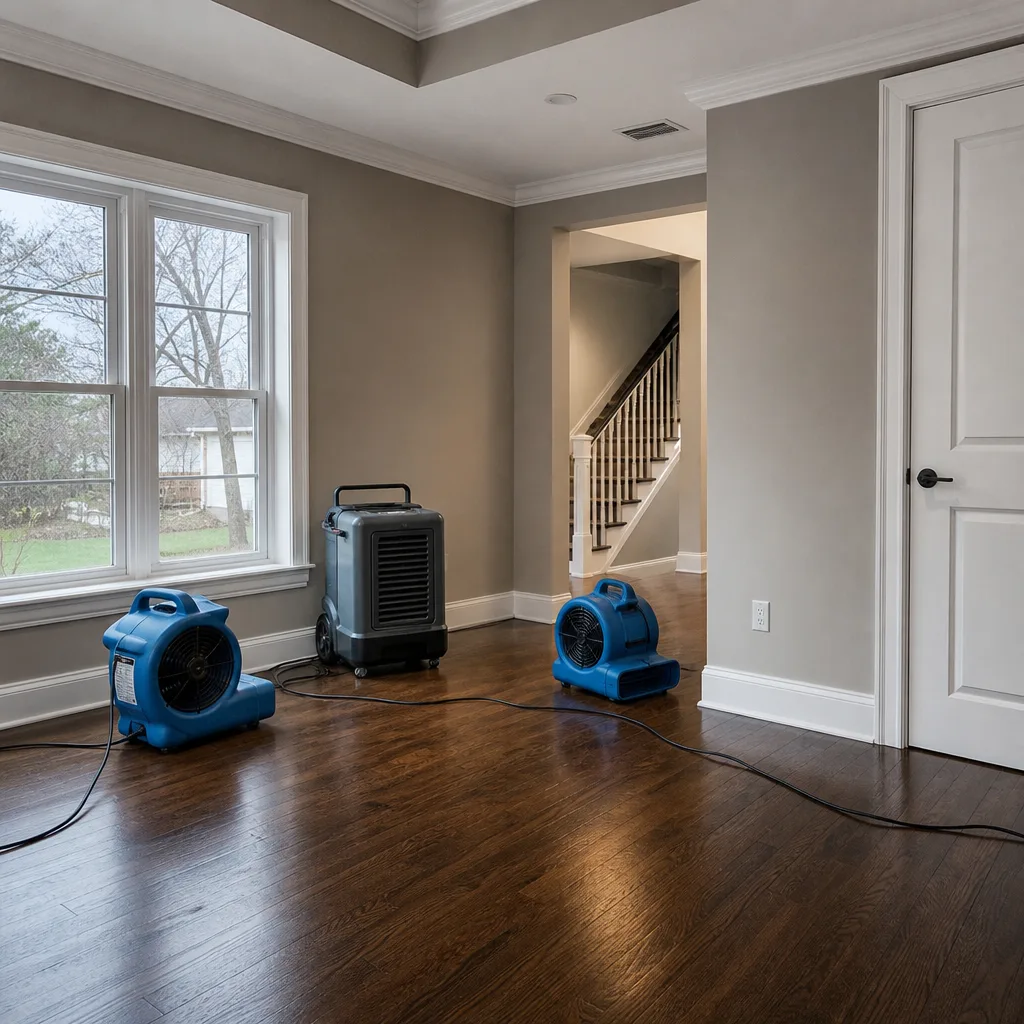 After
After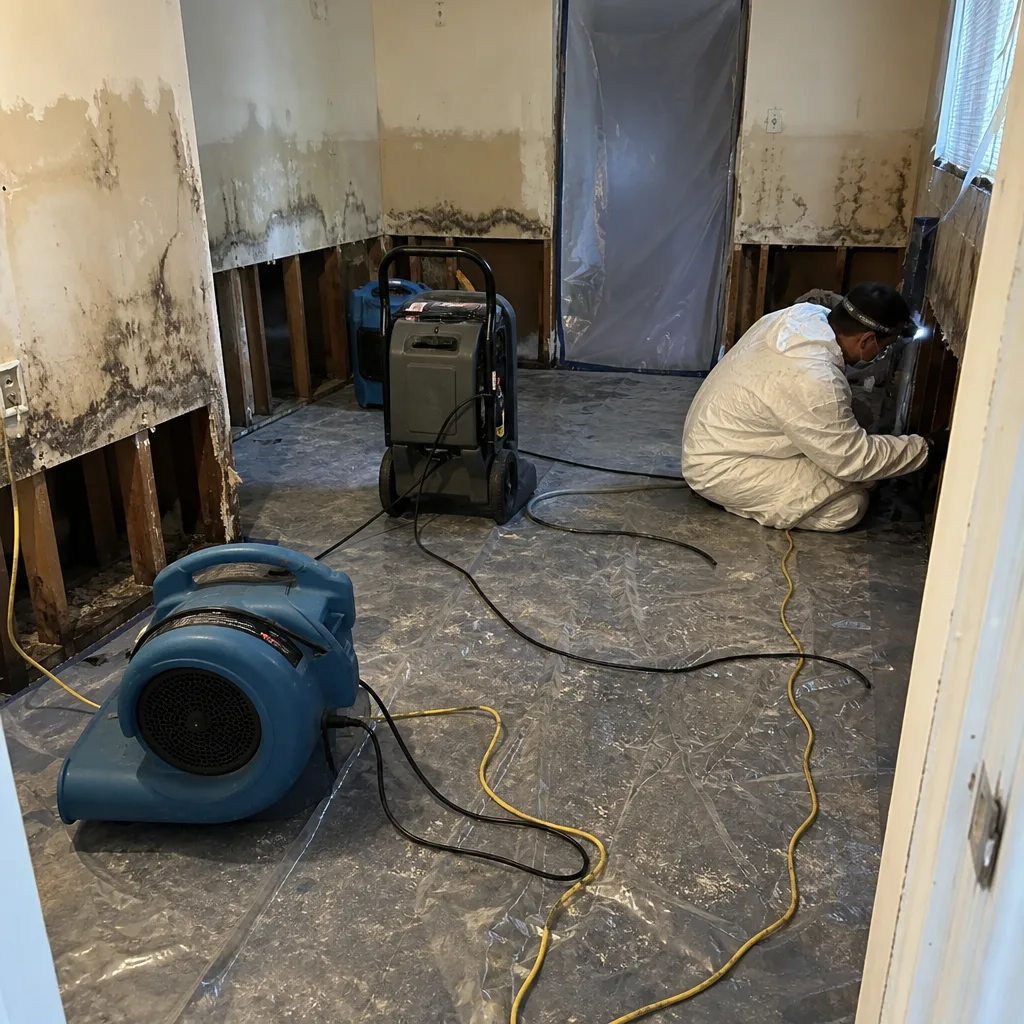 Before
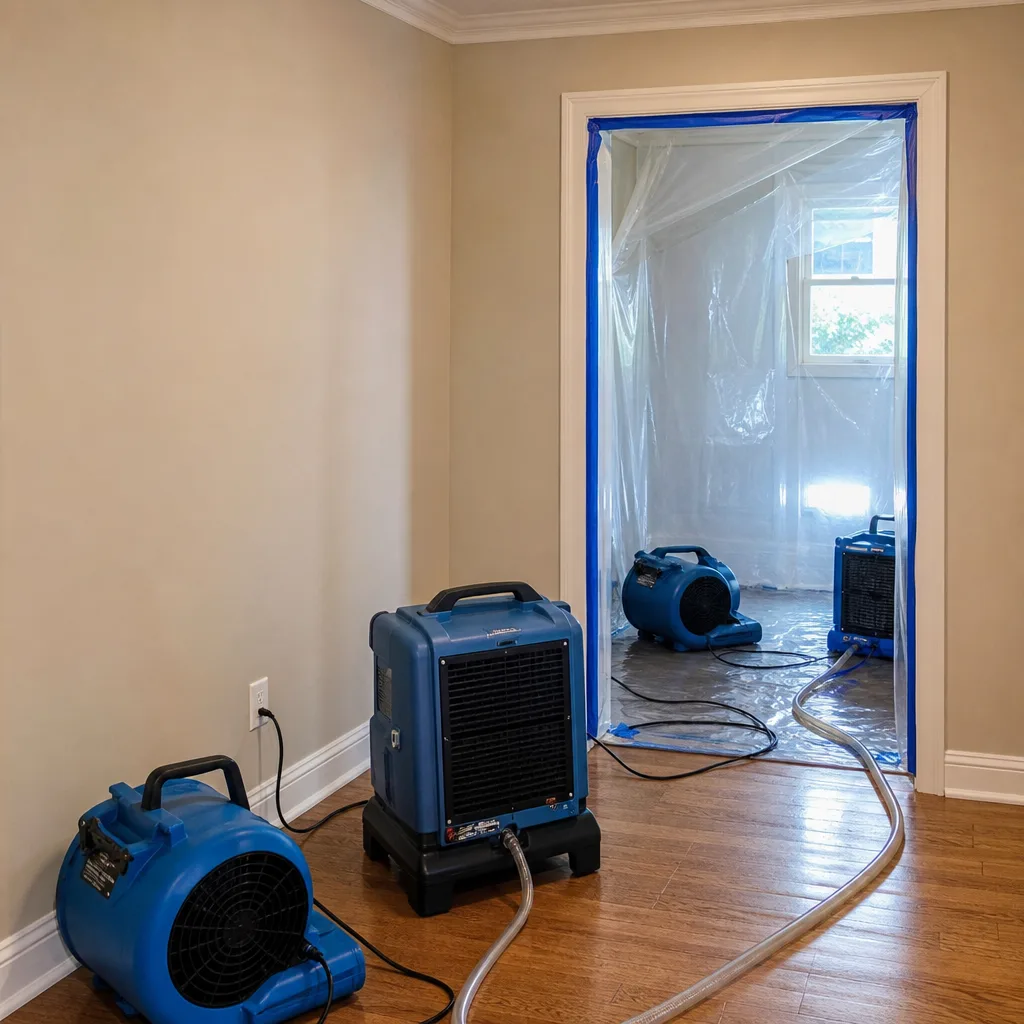 After
AfterHow to Hire a Damage Restoration Contractor in Great Neck Plaza: A Step-by-Step Guide
Most homeowners in Great Neck Plaza call a restoration contractor exactly once or twice in their lives, and always under stress. The water is rising, the smoke is still settling, or the mold is spreading behind the baseboard. What they don’t know is that the first three phone calls they make will determine whether the job gets done right or gets done twice. This guide walks you through exactly how to vet, hire, and work with a damage restoration contractor in Great Neck Plaza, so you never pay for the same repair a second time.
Quick Answer
Hiring a damage restoration contractor in Great Neck Plaza comes down to five steps: verify the contractor’s certifications and insurance before signing anything, get a written scope of work and price before crews arrive, confirm they handle direct insurance billing, insist on documented moisture or damage readings from day one, and choose a company that handles both mitigation and rebuild so you don’t end up playing project manager between two crews. If a contractor hesitates on any of these, keep looking.
Table of Contents
- Questions to Ask Before You Sign Anything
- Step-by-Step Hiring Process
- How Insurance and Documentation Actually Work
- Certifications, Equipment, and What They Mean
- Red Flags That Should Send You Looking Elsewhere
- What Makes Great Neck Plaza Different
- Common Mistakes to Avoid
- When to Call a Professional
- Frequently Asked Questions
- The Bottom Line
Questions to Ask Before You Sign Anything
Before a contractor sets foot in your Great Neck Plaza home, you should have answers to six questions. These questions are the difference between a square deal and a mess you’ll be untangling for months.
1. Are you certified, and can you show me the paperwork?
Restoration certifications matter because water damage, mold, and fire cleanup involve health risks that painting or flooring never will. The three certifications you want to hear are IICRC (Institute of Inspection, Cleaning and Restoration Certification), RIA (Restoration Industry Association), and IFA (Institute of Inspection, Cleaning and Restoration Certification’s floor care arm). These are not marketing badges. They mean the technician has passed written exams and demonstrated field competence in water extraction, drying science, and contamination control. In Great Neck Plaza, where many homes were built before modern ventilation and drainage standards, a certified technician knows how to spot hidden moisture that an uncertified handyman will miss. Ask to see the certificate. A reputable contractor will have it ready.
2. Will I get a written scope of work before you start?
This is the single most important question you ask. A written scope of work lists every task the contractor will perform, the materials and equipment involved, and the price for each line item. It’s not an estimate. It’s a contract that defines what “done” means. Great Neck Plaza homeowners who skip this step are the ones who later find out the quote didn’t include drywall replacement, or that the drying equipment rental was billed separately at twice the market rate. Floodline Restoration Co. gives every homeowner a written scope before work begins, and the price on that scope is the price on the bill. No surprises means no surprises.
3. Do you bill my insurance carrier directly?
Restoration work in Great Neck Plaza runs from a few thousand dollars for a small leak to well over forty thousand for a full fire rebuild. Most homeowners can’t float that out of pocket while they wait for reimbursement. A contractor that bills the carrier directly, with photo documentation and daily moisture logs, removes the biggest administrative burden from your shoulders. You want a company that has done this hundreds of times and knows what adjusters need to approve a claim. You don’t want to be the one faxing pictures and arguing about line items at nine at night.
4. What equipment do you use, and who does the daily readings?
Professional restoration depends on professional-grade equipment. Names like Dri-Eaz, Phoenix, and XPOWER are the standard for commercial drying. B-Air and Injectidry are specialized tools for drying hard-to-reach cavities and floors. The specific brand matters less than this: the contractor should be able to name their equipment and explain why they use it. More important is the question of daily readings. A proper drying job includes moisture readings taken every day until the structure hits the dry standard. The same person should read the map on day one, track the daily progress, and hand you and your carrier a moisture log when the job is done. If a contractor can’t describe this process, they’re guessing.
5. Who handles the rebuild?
This is where Great Neck Plaza homeowners get burned most often. Many restoration companies only do mitigation: they extract the water, set up the drying equipment, and then walk away, handing you a list of contractors to call for the rebuild. That leaves you playing general contractor, coordinating schedules, and resolving disputes between two companies that don’t answer to each other. Ask up front: does your company do the rebuild? Floodline Restoration Co. handles every phase from first extraction to finished rebuild, so you never face a mid-job handoff or an inherited crew. One contract, one crew, one point of accountability.
6. What’s your guarantee, in writing?
Any contractor can say they stand behind their work. Very few put it in writing. Ask for the specific guarantee: what happens if the work fails, who fixes it, and what it costs you. The answer should be immediate and specific. Floodline Restoration Co. gives every customer the 90-Day Done Right Promise, known internally as the Keystone Standard, tied to a values code that’s literally spelled out: Krafted right, Every time, Your home first, Standing behind it. If it’s not done right, we make it right. No paperwork battles, no arguing. That’s the standard a Great Neck Plaza homeowner should expect.
Step-by-Step Hiring Process
Here’s the sequence we recommend to every homeowner in Great Neck Plaza, drawn from fifteen years of watching what goes right and what goes wrong.
- Stop the source, if you safely can. Shut off the water valve or the power, but never touch electrical panels, gas lines, or sewage water yourself. A phone call to a professional is faster than a trip to the emergency room.
- Take photos before anything moves. Document the standing water, the visible damage, the soaked drywall line. These photos are your insurance claim’s foundation. Shoot wide shots and close-ups, from multiple angles.
- Call your contractor, not your insurance company first. Your insurance policy requires you to mitigate damage promptly. A restoration company can start extraction and drying the same day, often the same visit. The insurance call can happen while the equipment is already running.
- Ask the six questions from the section above. Get the certifications, the written scope, the equipment names, the billing arrangement, the rebuild policy, and the guarantee. If the answers are vague, call someone else.
- Get the scope in writing before crews arrive. This is the contract. Read it line by line. Ask about anything you don’t understand. A good contractor explains the scope in plain language, not jargon.
- Confirm direct insurance billing and documentation. Make sure the contractor will send photos, moisture readings, and equipment logs directly to your adjuster. You should never be the messenger.
- Ask for a daily update and a moisture log at the end. A professional restoration includes daily readings. You should see the numbers trending down. The final log goes to you and your carrier, in writing.
- Keep the same crew from start to finish. The crew that reads the moisture map on day one should be the crew that takes the final readings and does the rebuild. Handoffs create gaps, and gaps create delays.
This process works whether you’re dealing with a burst pipe in a Great Neck Plaza co-op, a sewage backup in a garden apartment, or a kitchen fire in a single-family home on Middle Neck Road. The principles don’t change. The details do, and a good contractor knows the difference.
How Insurance and Documentation Actually Work
Here’s what most Great Neck Plaza homeowners don’t realize until they’re in the middle of a claim: insurance adjusters don’t dispute damage. They dispute documentation. A claim lives or dies on the quality of the paper trail, not on the severity of the water.
Your restoration contractor should be generating documentation at every step. Photos before work begins. Moisture readings taken on day one and every day after. Equipment logs showing what was running and for how long. A written scope of work with line-item pricing. A final moisture log proving the structure hit the dry standard. This is the file your adjuster reviews, and it’s the file that gets your claim approved.
Direct billing matters more than most homeowners know. When a contractor bills your carrier directly, the contractor has a financial interest in submitting complete, accurate documentation the first time. When you pay out of pocket and seek reimbursement, you’re the one assembling the file, chasing the adjuster, and eating the cost of any missed line item. The homeowner never plays messenger. That’s the arrangement you want.
In Great Neck Plaza, where many homes are co-ops and condos with building-specific insurance requirements, you want a contractor who has worked with the carriers that dominate the local market. They know how to handle subrogation clauses, deductible allocations, and the reality that a unit-owner’s claim and a building-wide claim can overlap. This isn’t a side issue. It’s often the difference between a smooth claim and a stalled one.
Floodline Restoration Co. handles direct insurance billing on every job, with photo documentation and adjuster coordination built into the process. We’ve seen too many Great Neck Plaza homeowners turn a $6,000 water claim into a six-month headache because the paperwork was incomplete. It doesn’t have to be that way.
Certifications, Equipment, and What They Mean
You’ll hear a lot of acronyms when you’re hiring a restoration contractor. Here’s what actually matters.
IICRC certification is the baseline credential in the restoration industry. It covers water damage restoration, applied structural drying, mold remediation, and fire and smoke restoration. A technician with IICRC certification has passed a proctored exam and demonstrated hands-on competency. When a Great Neck Plaza contractor says their technicians are certified, ask for the specific certification. It should match the job: water damage certification for a water job, mold remediation certification for mold.
RIA certification comes from the Restoration Industry Association, the oldest trade group in the field. RIA’s certifications focus on the business side of restoration: project management, estimating, and documentation standards. A company with RIA-certified leadership is less likely to underbid a job and then walk away when the scope grows.
IFA certification is the floor covering arm of the industry’s inspection standards. It matters when your restoration involves hardwood floors, carpet, or tile that needs to be saved rather than replaced. Great Neck Plaza has a stock of older homes with original oak and pine floors that a careless drying job can cup or warp permanently. IFA training is the difference between saving those floors and replacing them.
Equipment matters just as much. Dri-Eaz and Phoenix are the two dominant brands in commercial drying. Their dehumidifiers and air movers are calibrated to industry standards, and a proper drying setup uses the right number of units for the square footage. XPOWER makes industrial-grade air movers for airflow across wet surfaces. B-Air and Injectidry handle specialty drying: B-Air for high-volume air movement, Injectidry for drying inside wall cavities without tearing out the drywall. When a contractor can tell you which equipment they’ll use and why, you’re talking to a professional. When they wave their hand and say “fans and dehumidifiers,” you’re not.
Red Flags That Should Send You Looking Elsewhere
Great Neck Plaza homeowners have good instincts. The problem is that damage restoration is a high-pressure industry, and some contractors have learned to exploit urgency. Here are the signs that you should hang up and call someone else.
- The quote changes as soon as the crew arrives. If the price on the phone is different from the price in writing, walk away. A legitimate contractor gives you a written scope before work starts and honors it.
- The contractor won’t name their certifications. “We’re experienced” is not a certification. IICRC, RIA, and IFA are specific credentials. If the answer is vague, the training is probably vague too.
- They refuse to document the drying process. A professional restoration includes daily moisture readings and a final log. A contractor who can’t or won’t provide this is either cutting corners or doesn’t own the meters to take the readings.
- They ask for a large upfront payment. Restoration companies that bill insurance directly don’t need a big deposit from you. If a contractor wants 50% up front, that’s a warning sign, not a standard practice.
- They don’t do rebuild, and they don’t have a referral. A mitigation-only contractor leaves you holding the bag for the rebuild. If they can’t handle it themselves, they should have a standing relationship with a licensed builder. If they say “just find anyone,” you’re about to become a general contractor against your will.
- They pressure you to sign on the spot. Urgency is real in water damage. That does not mean you should sign a contract without reading it. A reputable contractor in Great Neck Plaza will explain the scope, give you the written estimate, and let you review it. Pressure tactics are a signal the company has something to hide.
- The guarantee is verbal. If the guarantee isn’t in writing, it doesn’t exist. Ask for the specific terms. Floodline Restoration Co.’s 90-Day Done Right Promise is given in writing on every job. That’s the bar.
What Makes Great Neck Plaza Different
Restoration is not one-size-fits-all, and Great Neck Plaza has specific characteristics that change how a job should be handled. Here’s what a local contractor knows that an out-of-town crew won’t.
First, the housing stock. Great Neck Plaza has a high concentration of multi-family buildings, co-ops, and condos, along with a smaller stock of single-family homes. Water damage in a co-op unit is different from water damage in a freestanding house. The water source may be in a neighboring unit, the building’s plumbing may be the responsible party, and the building management or co-op board may need to be involved from day one. A contractor who has worked in Great Neck Plaza knows how to handle these situations without making you the go-between.
Second, the age of the buildings. Many Great Neck Plaza structures date from the 1920s through the 1960s. That means plaster walls instead of drywall in some units, older electrical and plumbing systems, and original hardwood floors that are worth preserving. A drying strategy that works on modern drywall can destroy plaster and warp old-growth oak. The moisture readings tell the story, and a contractor who knows Great Neck Plaza is looking for exactly those risks.
Third, the plumbing profile. Our technicians see a lot of steam-pipe leaks and aging supply lines in the older buildings around Great Neck Plaza. The water tends to travel down through multiple units, which means the source is often not in the unit where the damage shows. We’ve dealt with leaks in Great Neck Plaza where the visible damage was three floors below the actual break. A local contractor knows to look up, not just down.
Fourth, the insurance landscape. Great Neck Plaza homeowners carry a mix of standard homeowners policies, co-op unit-owner policies, and building master policies. The claim process varies depending on which policy responds, and the contractor needs to document accordingly. A company that has handled hundreds of Great Neck Plaza claims knows what carriers need to see.
Finally, the access issues. Great Neck Plaza is dense. Parking is tight, buildings have service elevators or none at all, and moving professional-grade drying equipment into a sixth-floor co-op unit is not the same as backing a truck up to a suburban driveway. A contractor with local experience plans for this. An out-of-town crew learns about it the hard way, and you pay for the learning curve.
For more on how we approach water damage specifically, see the Floodline Restoration Co. home page and our detailed service guides.
Common Mistakes to Avoid
- Waiting to call because “the water is only an inch deep.” Water wicks up drywall at a rate of about an inch per hour. What looks like a minor spill in a Great Neck Plaza basement can be a four-foot drywall replacement by morning. Call now, not tomorrow.
- Hiring a general handyman for water restoration. A handyman can patch drywall. A handyman cannot read a moisture map, calibrate a Dri-Eaz dehumidifier, or document drying for an insurance adjuster. Restoration is a specialty, and it needs a specialist.
- Paying out of pocket when your policy covers direct billing. Many Great Neck Plaza homeowners don’t realize their policy allows the contractor to bill the carrier directly. They pay upfront, submit a claim, and spend months chasing reimbursement. Ask about direct billing on the first call.
- Skipping the written scope because the contractor “seems honest.” In Great Neck Plaza, where the cost of living runs high, a restoration job can grow quickly. The written scope protects you when the drywall comes out and there’s more damage behind it. Never start work without it.
- Choosing the cheapest quote without checking certifications. The cheapest contractor is often the one who skips equipment, skips daily readings, and skips the rebuild. You’ll pay twice: once for the cheap fix and once for the professional who has to undo it. In our experience, the second bill is always higher than the first would have been.
- Letting the mitigation contractor walk before the rebuild is arranged. A dried-out house is not a restored house. If the mitigation crew finishes and hands you a list of random contractors, you’re about to spend weeks coordinating a rebuild. Hire a full-cycle company from the start.
When to Call a Professional
Some damage is obvious: standing water from a burst pipe, a kitchen fire, sewage backing up into a basement. But other situations are easier to rationalize away. A small water stain on the ceiling. A musty smell in the closet. A patch of discolored grout near the shower. Here’s the rule: if you can see water, smell mold, or trace the path of a leak through a wall, the damage is already worse than it looks. Water moves sideways. Mold grows in darkness. By the time you notice it, the problem has been growing for days or weeks. A professional inspection is a phone call, not a commitment. Floodline Restoration Co. offers free estimates in Great Neck Plaza, call (518) 873-4306 and a certified technician will assess the damage with professional-grade moisture meters, not just a visual look.
Frequently Asked Questions
Water damage restoration in Great Neck Plaza typically ranges from $1,200 to $4,500 for a standard category 1 (clean water) leak with extraction, drying, and minor repairs. Category 3 (sewage) jobs, multi-floor leaks, or damage requiring full rebuild run higher, often $8,000 to $25,000 or more depending on scope. The only way to get an exact number is a written scope after an on-site assessment. Call (518) 873-4306 for a free estimate in Great Neck Plaza.
Most homeowners and co-op unit-owner policies cover sudden and accidental water damage, fire, and storm damage, though coverage varies by carrier and the specific cause. Sewage backup coverage is often an add-on endorsement. A restoration contractor that bills your carrier directly and documents every step of the job makes the claim process significantly easier, and Floodline Restoration Co. handles direct insurance billing with photo documentation and adjuster coordination on every job.
Floodline Restoration Co. answers the phone with a live dispatcher 24 hours a day, 7 days a week. In most cases, a certified crew reaches Great Neck Plaza homes the same day, and extraction is running during that first visit. The speed matters because every hour of standing water expands the damage and the bill. Call (518) 873-4306 and a live person picks up.
If mold covers more than about ten square feet, or if it’s growing behind walls or under flooring, a surface cleaning will not address the source. Mold remediation requires containment, negative air pressure, professional-grade antimicrobial treatment, and air quality verification. A visual inspection with moisture meters tells you which path you need. Floodline Restoration Co. provides a written assessment before any remediation work begins, so you know the scope before you pay for it.
A full-cycle restoration company with direct billing handles adjuster coordination for you. That means the contractor sends the photos, moisture logs, equipment documentation, and written scope to the carrier, and the contractor bills the carrier directly. You should not be the one explaining line items over the phone. In Great Neck Plaza, where building master policies and unit-owner policies can overlap, this coordination is even more important.
Shut off the water source if you can do so safely. Take photos of everything: standing water, soaked walls, damaged belongings, the full room from every angle. Then call a restoration contractor. The first hour is when mitigation is cheapest and fastest. Waiting even one day lets water migrate through drywall, flooring, and into neighboring units, which is a particular concern in Great Neck Plaza’s many multi-family buildings. Call Floodline Restoration Co. at (518) 873-4306 for immediate dispatch.
The Bottom Line
Hiring a damage restoration contractor in Great Neck Plaza is not about finding the cheapest bid or the fastest crew. It’s about finding a company that verifies its credentials, puts its scope and its guarantee in writing, bills your carrier directly, documents every step with professional-grade equipment, and handles the job from first extraction to finished rebuild without handing you off. A company that’s been in town long enough to know Great Neck Plaza’s older buildings, co-op dynamics, and insurance landscape. A company that answers the phone with a live person at two in the morning. That’s the standard. Ask for it by name.
Written by Curt Bowman, Owner at Floodline Restoration Co., serving Great Neck Plaza since 2010.