
Last updated August 25, 2026
Free visual inspection and a written scope of work before any mitigation begins - photos, moisture readings, and drying logs go in your claim file
The scope we write is the scope we bill. Anything new gets shown to you, in writing, before we touch it.
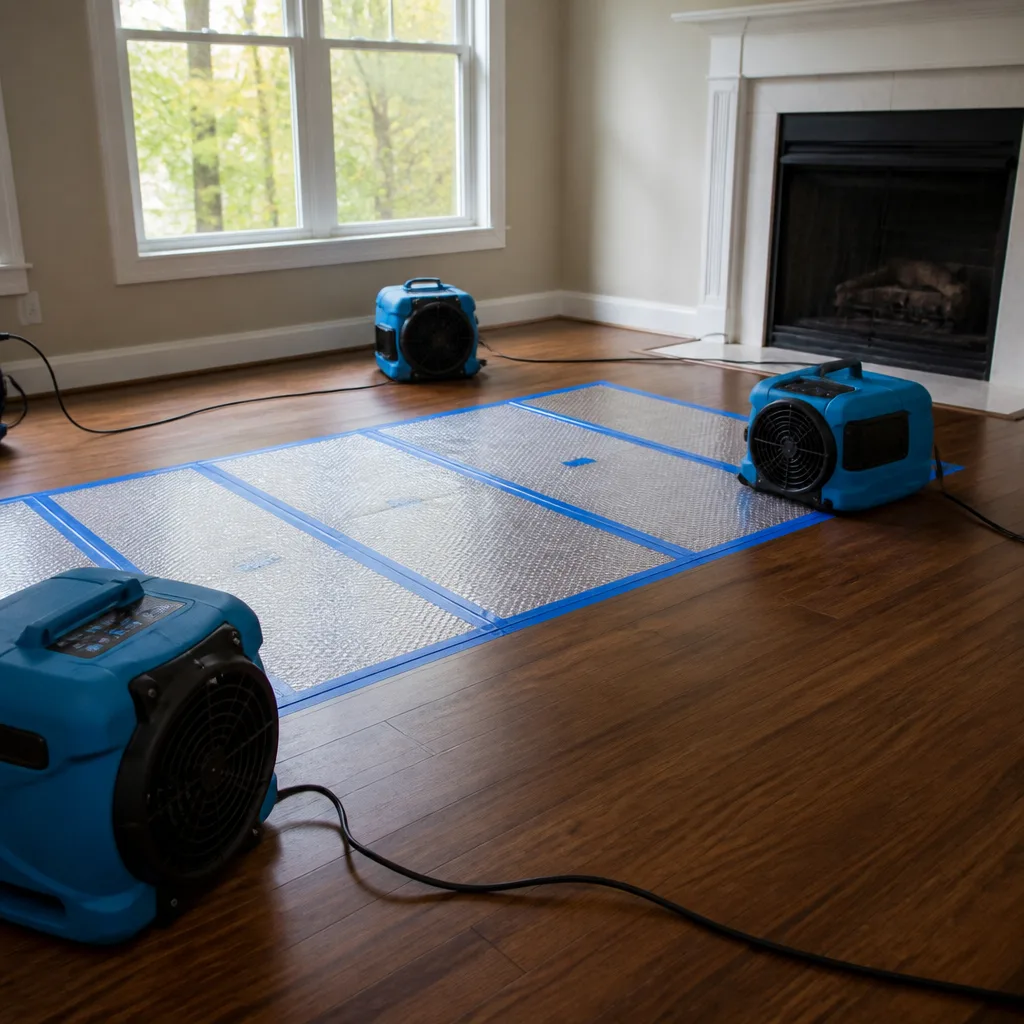



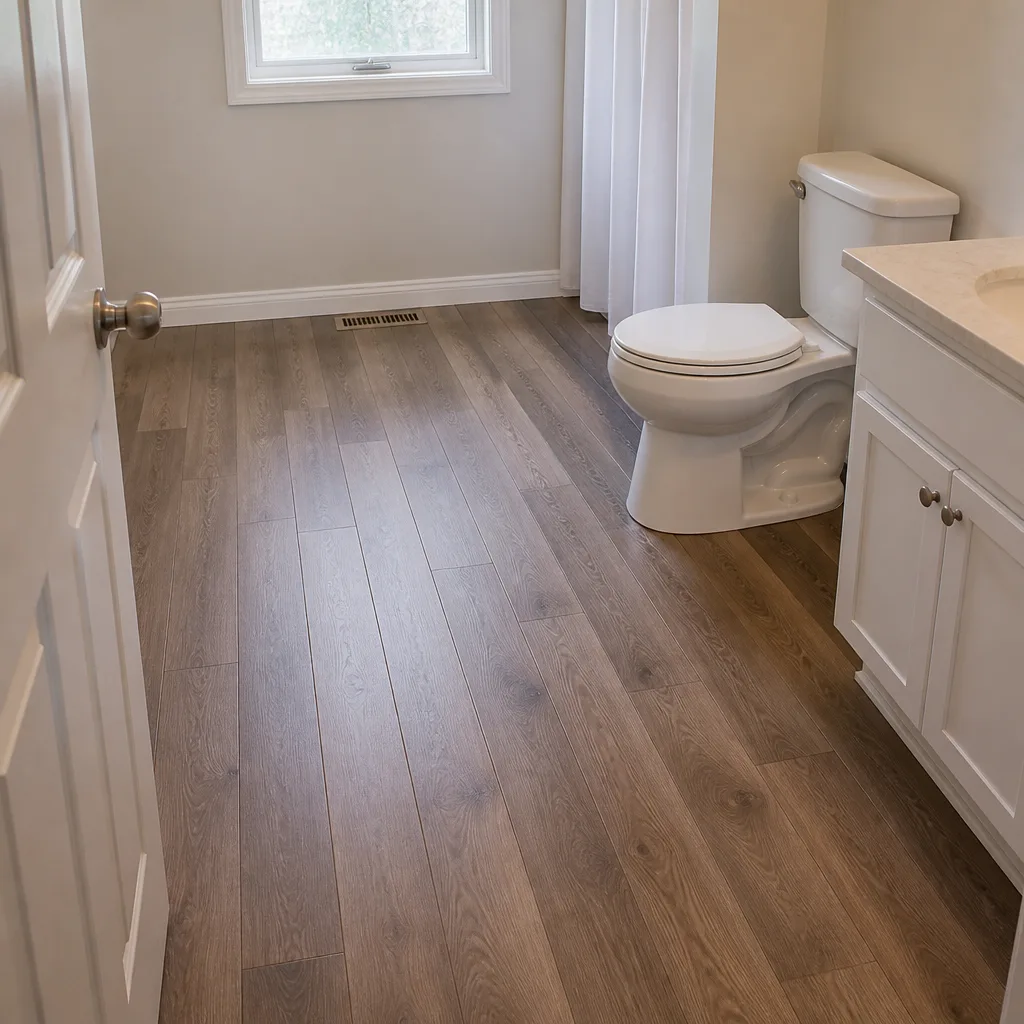

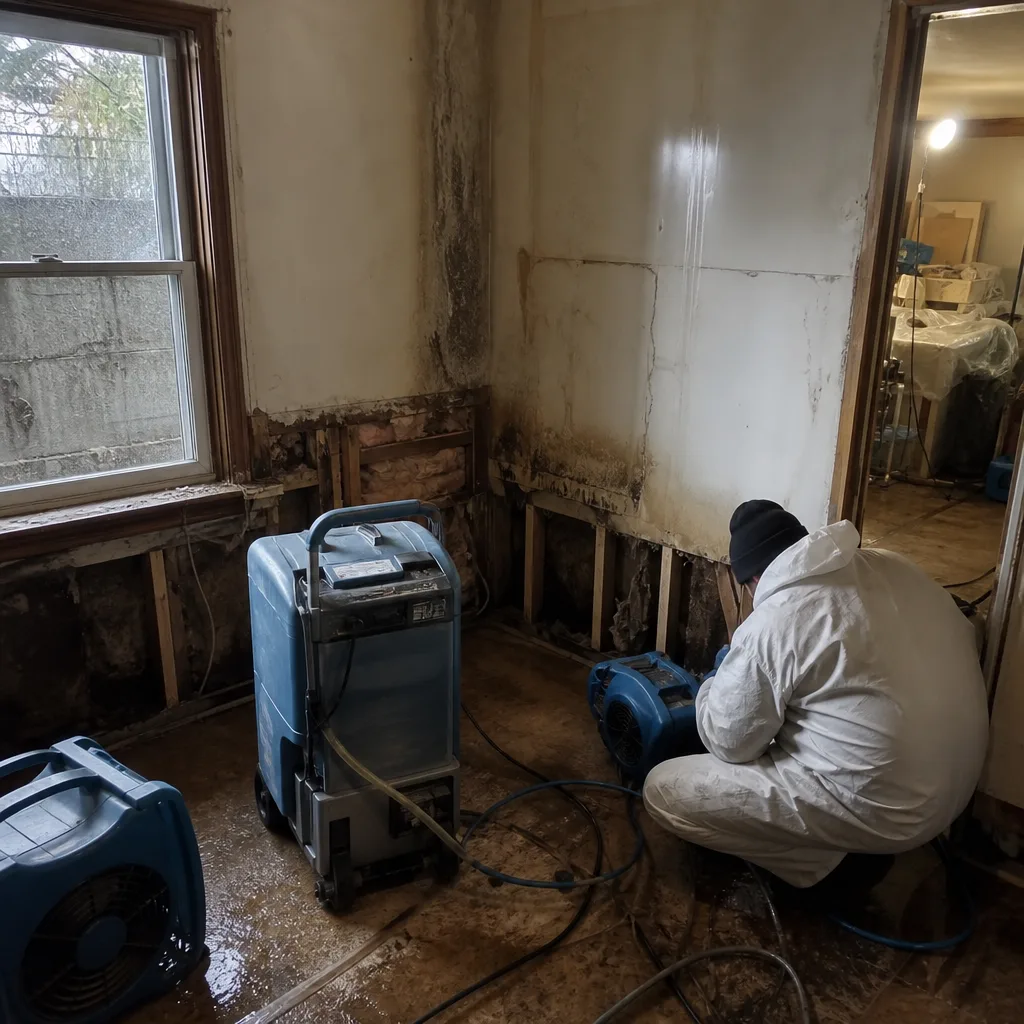 Before
 After
After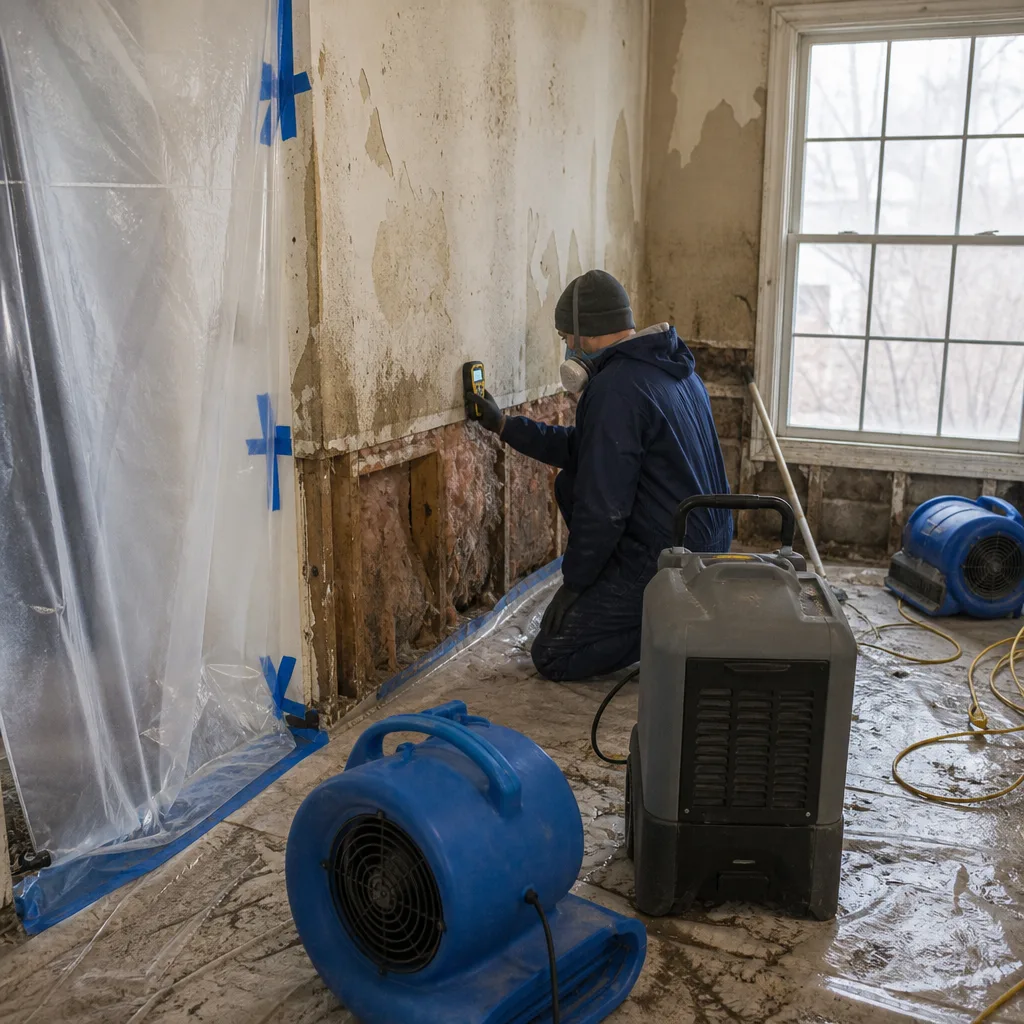 Before
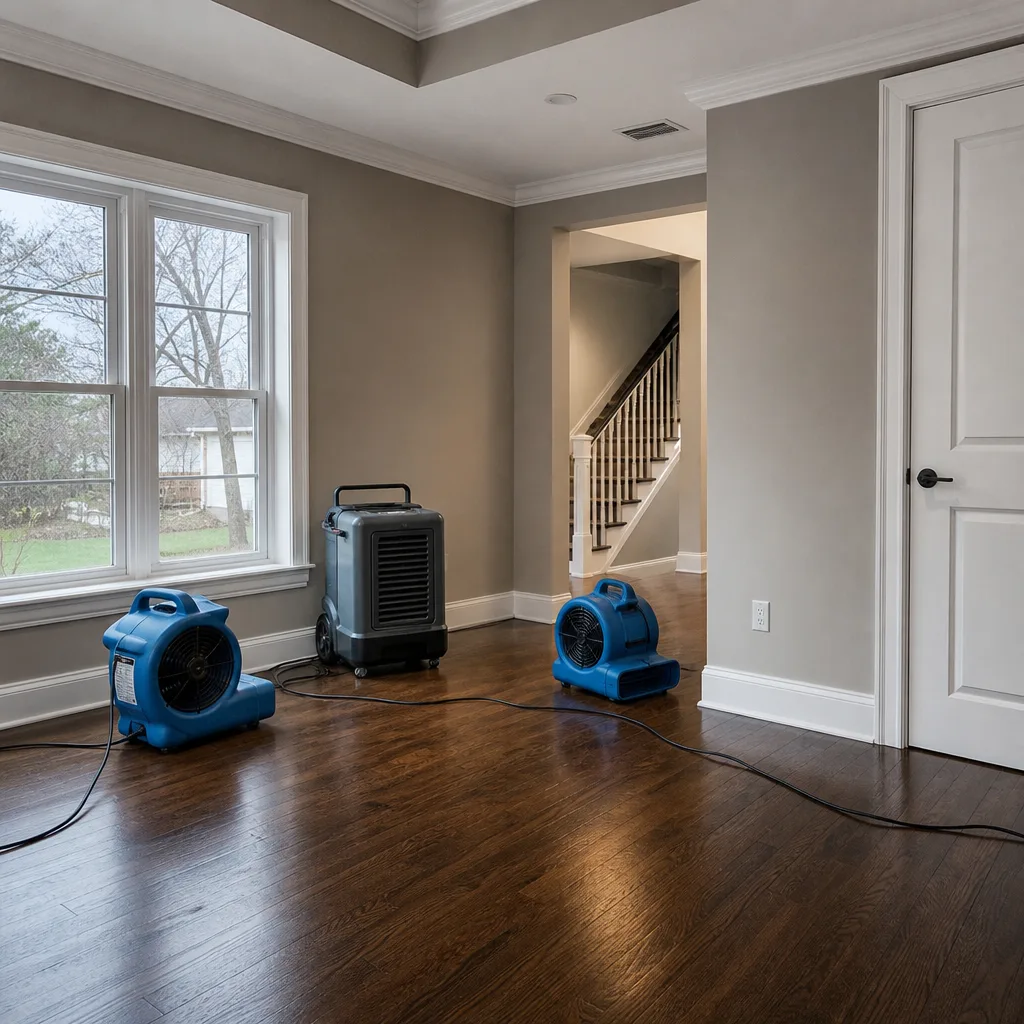 After
After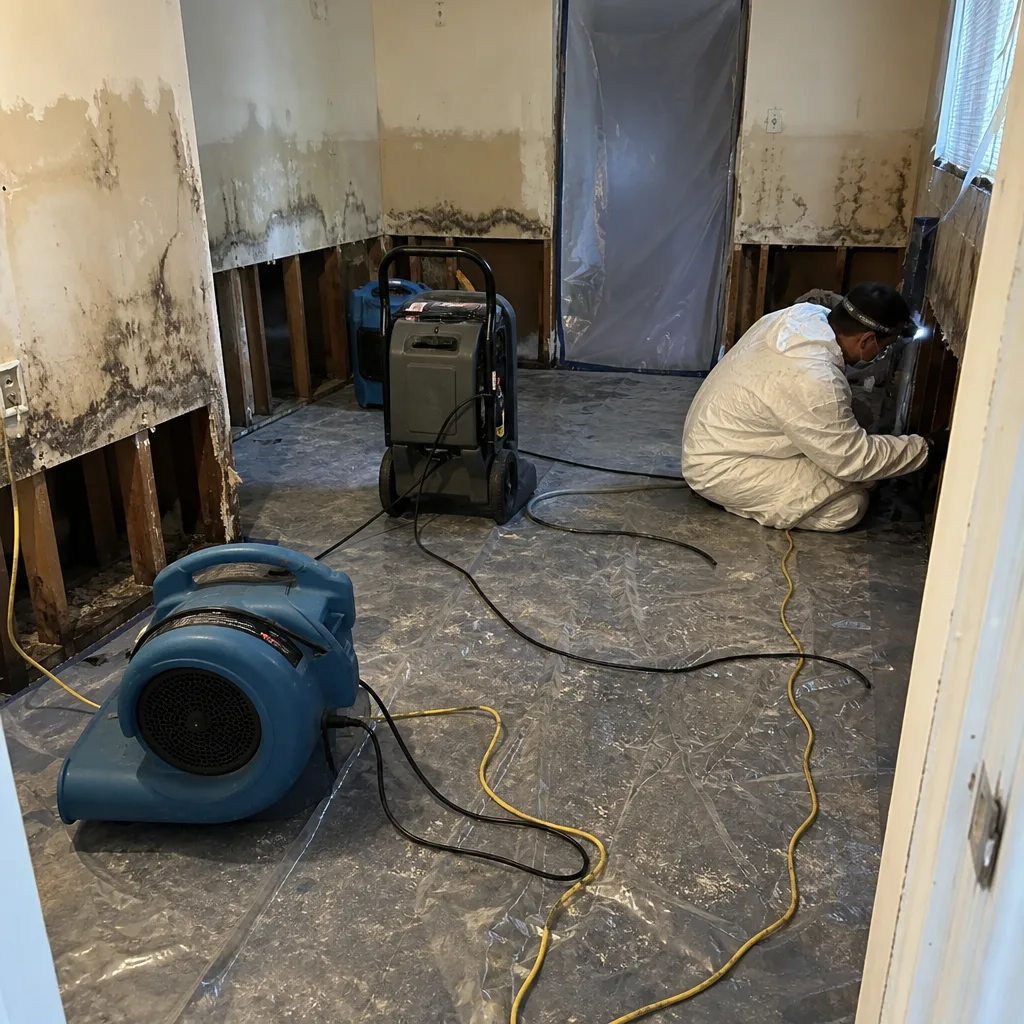 Before
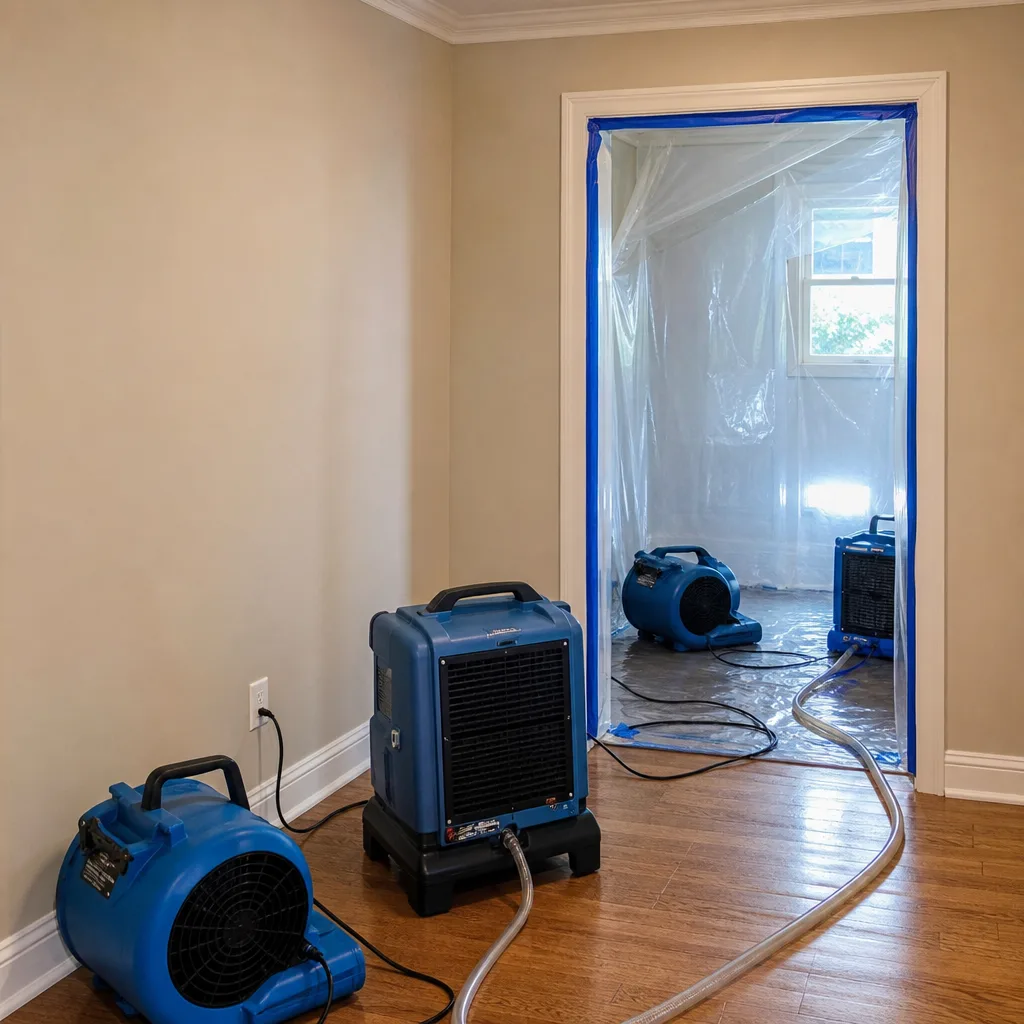 After
AfterSeasonal Damage Restoration Care for Great Neck Plaza: Year-Round Homeowner’s Guide
Most Great Neck Plaza homeowners don’t think about water damage until they’re standing in it. But here’s what 42 years of restoration work has taught us: the overwhelming majority of serious damage in this village follows a predictable seasonal calendar. A pipe that freezes in February, a sump pump that quits during March rains, a condensation drip that becomes a mold colony by August. This guide walks through every season in Great Neck Plaza, what fails, why it fails, and what you can do before the water shows up. You’ll learn the early warning signs, the maintenance tasks that actually matter, and when to stop watching and start calling.
Quick Answer
The key to year-round damage prevention in Great Neck Plaza is seasonal attention to the four systems that fail most often: plumbing, drainage, roofing, and humidity control. Expect to spend about 60 to 90 minutes per season on inspection and maintenance, focus on the specific failure points for that time of year, and call a certified restoration professional at the first sign of water intrusion or visible mold. Most expensive repairs start as small, fixable problems that went unnoticed for a few weeks.
Table of Contents
- Winter in Great Neck Plaza: Frozen Pipes and Ice Dams
- Spring Thaw and Rain: Basement Flooding and Sump Pump Failure
- Summer Humidity: Mold, Condensation, and Hidden Leaks
- Fall Preparation: Gutters, Grading, and Pre-Winter Checks
- The Four Systems That Fail Most Often in Great Neck Plaza
- How to Track Moisture in Your Home Year-Round
- Common Mistakes to Avoid
- When to Call a Professional
- Frequently Asked Questions
- The Bottom Line
Winter in Great Neck Plaza: Frozen Pipes and Ice Dams
Great Neck Plaza winters are not brutal by upstate standards, but they’re cold enough to freeze pipes, especially in older homes with unheated basements, crawl spaces, and exterior walls. The village has a high concentration of houses built between 1920 and 1960, many with original plumbing routed through uninsulated spaces. When temperatures drop below 20 degrees for more than a few hours, the risk climbs sharply.
The pipes that freeze first are almost always the ones you can’t see: supply lines running through exterior walls, pipes under kitchen sinks on outside walls, and hose bibs that were never drained. A frozen pipe is dangerous for two reasons. First, the ice blockage itself stops water flow. Second, and far more serious, the expanding ice can split copper or crack PVC. You won’t know until the thaw comes, and then you have a full-pressure leak inside a wall cavity.
What to Check Each Winter
- Hose bibs: Disconnect all garden hoses before the first hard freeze. A connected hose traps water in the bib, which freezes and cracks the pipe inside the wall.
- Unheated spaces: Open cabinet doors under sinks on exterior walls during cold snaps. This lets house heat reach the pipes.
- Thermostat settings: Never set the heat below 55 degrees, even if you’re away for a week. It’s cheaper than a pipe repair and a flooded living room.
- Draft points: Check where pipes enter the house from the street. Seal gaps around the foundation penetration with caulk or expanding foam.
Ice Dams on Long Island Roofs
Ice dams are a recurring problem in Great Neck Plaza because of the freeze-thaw cycle. Snow accumulates on the roof, heat from the attic melts the bottom layer, water runs down to the cold eaves, and refreezes. The ice builds up, backs water up under the shingles, and you get a leak that travels down inside walls. By the time you see a water stain on the ceiling, the damage has been happening for days.
The fix is almost always about attic insulation and ventilation, not just raking snow. A properly insulated attic stays cold enough that snow doesn’t melt from below. In homes we’ve worked on throughout Great Neck Plaza, the difference between a well-ventilated attic and a poorly vented one is dramatic. One house on Middle Neck Road had recurring ceiling damage every winter; the root cause was a bathroom exhaust fan venting directly into the attic, warming it just enough to trigger the melt cycle.
Spring Thaw and Rain: Basement Flooding and Sump Pump Failure
Spring is the busiest season for water damage restoration in Great Neck Plaza, and it’s not close. March and April bring two simultaneous pressures: snowmelt saturating the soil and heavy rain falling on already-wet ground. The water table rises, hydrostatic pressure builds against foundation walls, and every small crack becomes a water entry point.
March and April in Great Neck Plaza
The soil around Long Island is a mix of sandy loam and clay. Clay expands when wet and holds water against the foundation. In neighborhoods across Great Neck Plaza, particularly homes on the lower-lying streets near the LIRR tracks, spring groundwater is a fact of life. Basements with a history of dampness get worse, and basements that have always been dry suddenly aren’t.
Sump pumps do the heavy lifting in spring, and that’s the problem. A pump that ran fine all winter can fail the first time it’s asked to run continuously during a March storm. The most common failures we see are:
- Switch failure: The float switch sticks or the electronic sensor fails, so the pump never turns on.
- Power loss: The same storm that floods your basement also knocks out power. No battery backup means no pumping.
- Discharge line freeze: If the discharge line wasn’t properly drained in fall, ice can block it and burn out the pump motor.
- Overwhelmed capacity: A pump rated for occasional use can’t keep up with continuous inflow during a multi-day rain event.
What to Do Before Spring Rains
- Test your sump pump by pouring water into the pit and confirming it activates and discharges outside.
- Check the discharge line for clogs, damage, or low spots where water pools and freezes.
- Consider a battery backup or water-powered backup pump if your basement has finished space or stored belongings.
- Walk the perimeter of your home and check that soil slopes away from the foundation, not toward it.
- Clean out basement floor drains with a plumber’s snake. A clogged drain during a flood turns a wet floor into a flooded basement.
In our experience, the houses that avoid spring flooding in Great Neck Plaza are the ones where a homeowner spends a single afternoon in early March doing these checks. The houses that flood are the ones where the sump pump hasn’t been tested since the day it was installed.
Summer Humidity: Mold, Condensation, and Hidden Leaks
Summer in Great Neck Plaza brings a different kind of water problem. It’s not dramatic like a burst pipe or a flooded basement. It’s slow, quiet, and persistent. Long Island humidity averages 65 to 75 percent from June through August. That moisture finds its way into basements, crawl spaces, attics, and wall cavities. When it does, mold follows.
Mold needs three things: organic material, moisture, and time. Every home has organic material in the form of drywall paper, wood framing, and dust. The only variable you control is moisture. Keep indoor relative humidity below 55 percent in summer, and mold can’t establish itself. Above 60 percent, you’re providing the conditions it needs.
Where Summer Moisture Comes From
- Condensation on cold surfaces: Cold water pipes “sweat” in humid air. That water drips onto insulation, floor joists, or stored belongings.
- Air conditioning condensation: AC units produce gallons of condensate daily. If the drain line clogs or the drip pan cracks, that water goes somewhere it shouldn’t.
- Foundation seepage: Even without rain, humid outdoor air can condense on cool concrete foundation walls below grade.
- Crawl space evaporation: Unsealed crawl spaces allow moisture from the ground to evaporate directly into the structure above.
- Bathroom and kitchen exhaust: If fans vent into the attic instead of outside, every shower adds moisture to the roof structure.
Signs That Summer Moisture Is Becoming a Problem
- A musty smell in the basement that gets stronger in July and August
- Visible condensation on windows, pipes, or concrete walls
- Peeling paint or bubbling drywall in basements or bathrooms
- Discoloration on ceiling tiles or around AC vents
- Allergy symptoms that get worse at home but improve away from home
We’ve seen mold take hold in Great Neck Plaza homes in as little as five to seven days when conditions are right. The remediation process is far more involved than most homeowners expect, often requiring containment, negative air pressure, and removal of affected drywall and insulation. A dehumidifier running in the basement during July and August costs a fraction of what a mold remediation costs.
Fall Preparation: Gutters, Grading, and Pre-Winter Checks
Fall is the season for prevention. The work you do in October and early November in Great Neck Plaza determines what happens in January, February, and March. It’s the least urgent season for damage restoration, which makes it the most important for maintenance.
The Fall Checklist That Prevents Winter Damage
- Clean gutters and downspouts: Great Neck Plaza has a mature tree canopy. Maple, oak, and sweetgum leaves fill gutters every fall. Clogged gutters overflow, water runs down the side of the house, saturates the soil at the foundation, and triggers basement seepage. Downspout extensions should carry water at least four feet from the foundation.
- Check roof condition: Walk around the house with binoculars and look for missing, cracked, or curling shingles. Check flashing around chimneys and vents. A small roof leak discovered in October is a repair. The same leak discovered in February is a restoration job.
- Drain and shut off exterior water: Shut off the interior valve that supplies exterior hose bibs, then open the bib outside to drain remaining water. Leave it open for the winter.
- Test the sump pump again: Yes, you tested it in spring. Test it again in fall before the ground freezes and the discharge line can freeze.
- Check window and door seals: Water gets in through gaps as often as through leaks. Check caulking around windows, weatherstripping on doors, and any penetrations through exterior walls.
- Service the HVAC system: Condensation from heating systems can leak, and furnace condensate lines clog with mineral buildup over time. A fall service visit catches this before winter.
Fall is also the right time for a professional inspection if you have any history of water issues. Timing matters. Restoration companies, including Floodline Restoration Co. home, are far less busy in October than in March. You can get an assessment scheduled at your convenience rather than as an emergency.
The Four Systems That Fail Most Often in Great Neck Plaza
Across every season, four building systems account for the large majority of water and mold damage we see in Great Neck Plaza homes. Understanding how they fail, and the warning signs, is the foundation of year-round protection.
1. Plumbing and Supply Lines
Pipes fail in three ways: freezing, corrosion, and mechanical failure at joints. In older Great Neck Plaza homes, galvanized steel supply lines are common and are nearing the end of their service life. They corrode from the inside, slowly restricting flow and eventually developing pinhole leaks. Copper pipes are better but still fail at solder joints, especially in areas with water quality issues that accelerate flux corrosion. Modern PEX is resilient, but connections still depend on proper installation.
Warning signs: Reduced water pressure, rust-colored water, visible corrosion on exposed pipes, unexplained water stains on ceilings below bathrooms.
2. Foundation and Below-Grade Water Entry
Basement and crawl space water entry in Great Neck Plaza is driven by groundwater, not surface water. The water table on Long Island is high, and in spring it rises to within a few feet of the surface in some areas. Water enters through floor cracks, wall cracks, cove joints between floor and wall, and around pipe penetrations. No amount of interior sealing fixes water that’s coming through the floor because of hydrostatic pressure. The water has to be managed: drainage, sump pumping, and exterior waterproofing.
Warning signs: Damp spots on basement floors after rain, efflorescence (white powdery mineral deposits) on concrete walls, water lines on walls showing past levels, a sump pump that runs constantly in spring.
3. Roofing and Flashing
Roof leaks have a sneaky characteristic: the water rarely shows up where the leak is. Water enters at a flashing failure near a chimney, travels along a rafter, and drips down in a bedroom closet fifteen feet away. The original leak can be tiny. The damage by the time it’s discovered can be extensive.
Warning signs: Water stains on ceilings or upper walls, especially after winter thaws, peeling paint near roof edges, wet insulation in the attic, daylight visible through the roof deck.
4. HVAC and Condensation Management
Every air conditioner, furnace, and heat pump produces condensation. That water has to go somewhere. In summer, AC units can produce 5 to 20 gallons of condensate per day depending on humidity. If the drain line clogs, the water backs up into the drip pan, overflows, and damages whatever is below, often drywall ceilings or hardwood floors. In winter, high-efficiency furnaces produce acidic condensate that corrodes drain lines if they’re not serviced.
Warning signs: Water pooling around the indoor air handler, stains on ceilings below HVAC equipment, musty smells near vents, mold growth inside ductwork.
How to Track Moisture in Your Home Year-Round
You don’t need professional equipment to catch most moisture problems early. A few inexpensive tools and a regular checking routine will identify issues before they become emergencies.
Tools Worth Having
- Digital hygrometer: A $15 to $25 device that reads indoor relative humidity. Place one in the basement, one in the main living area. Check readings monthly. Baseline for Great Neck Plaza should be 45 to 55 percent indoors.
- Moisture meter: A pin-type meter costs $30 to $50 and measures moisture content in drywall, wood, and other materials. If you see a stain but aren’t sure if it’s active, a meter tells you in seconds.
- Infrared thermometer: The $20 to $40 kind works fine. Use it to find cold spots on walls and ceilings that indicate missing insulation, which creates condensation points.
The Monthly Walkthrough
- Check basement humidity reading. Above 60 percent means you need to run a dehumidifier or find the moisture source.
- Visually inspect the basement floor perimeter and cove joints for dampness or efflorescence.
- Check under sinks and around toilets for drips, corrosion, or soft spots in cabinet bottoms.
- Look at ceilings under bathrooms and kitchens for any new water stains or discoloration.
- Check the water heater for rust at the base and corrosion around fittings. Water heaters typically last 8 to 12 years.
- If you have a sump pump, verify the pit is dry or pumping properly and the discharge line is intact.
When we perform a professional assessment in a Great Neck Plaza home, we use professional-grade moisture mapping equipment, including Dri-Eaz and Phoenix meters, to create a room-by-room moisture profile. The homeowner version with a basic meter is less precise but still valuable for catching problems early. The important thing is regularity. A monthly check that takes twenty minutes beats an annual surprise.
Common Mistakes to Avoid
- Ignoring a small stain because it’s “not getting worse.” Water damage doesn’t always spread visibly. A stain that looks stable can hide active mold growth inside the wall cavity. The moisture source may be slow but continuous, and the damage compounds over months.
- Running a dehumidifier without finding the water source. A dehumidifier manages symptoms. It doesn’t fix the leak, the seepage, or the condensation problem. If your basement needs a dehumidifier running 24/7 in a normal summer, there’s a water source that needs addressing.
- Using a homeowner-grade pump for a serious basement flood. Big-box store pumps move 1,800 to 2,200 gallons per hour. Professional extraction equipment moves 10,000 to 20,000 gallons per hour. By the time you’ve pumped for a full day, the water has already saturated drywall and wicking up the walls.
- Caulking cracks from the inside as a waterproofing strategy. Interior sealants trap water in the foundation wall. Hydrostatic pressure just pushes through elsewhere or builds until the wall itself fails. Water needs to be managed from the outside or collected and pumped, not sealed inside.
- Delaying a call because “insurance will fight the claim.” A reputable restoration company with direct insurance billing, like Floodline Restoration Co. home, documents damage with photos and moisture logs, coordinates with your adjuster, and bills the carrier directly. Waiting because you dread the paperwork just extends the damage timeline.
- Assuming a finished basement is dry because it doesn’t smell. Vapor barriers and drywall hide moisture. Behind a finished wall, a slow leak can support mold growth for months before you see or smell anything. A moisture meter reading behind finished walls, especially in basements, is the only reliable check.
When to Call a Professional
Some jobs are maintenance. Some are emergencies. The line is usually clear. If water is actively entering your home, if you see visible mold larger than a dinner plate, if a sewage backup has occurred, or if water has penetrated walls, ceilings, or flooring, you need professional restoration equipment and training, not a shop vacuum and a fan. Drywall that has been wet for more than 48 hours almost always needs to be removed and replaced. Carpet that has been saturated with contaminated water should be discarded. The longer the water sits, the more it wicks up walls and soaks into subflooring, and the repair scope grows by the hour. Floodline Restoration Co. home offers free estimates in Great Neck Plaza. Call (518) 873-4306 and a live dispatcher will answer, day or night.
Frequently Asked Questions
You should test your sump pump at least twice a year: once in early March before spring rains and once in early October before winter. Pour a bucket of water into the pit and confirm the pump activates, discharges outside, and shuts off. Also check the discharge line for clogs both times.
Keep indoor relative humidity between 45 and 55 percent year-round. Below 45 percent risks static and wood shrinkage. Above 60 percent supports mold growth. During Long Island’s humid summers, a basement dehumidifier is usually necessary to stay in range.
Most homeowners policies cover sudden, accidental water damage from a burst pipe, including the cost of extraction, drying, and repairs to damaged materials. Coverage depends on the specific policy language and the cause of the burst. A restoration company that bills insurance directly can document the damage, coordinate with your adjuster, and help you through the claim. Call (518) 873-4306 if you need help navigating this.
Floodline Restoration Co. answers the phone with a live person 24/7 and dispatches crews from nearby, typically reaching Great Neck Plaza homes within 30 to 60 minutes of a call. The goal is to have extraction equipment running on the same visit.
A small mold spot under 10 square feet on a non-porous surface, like tile or glass, can be cleaned with soap and water or a diluted bleach solution. Mold on drywall, carpet, insulation, or any porous material usually means the material itself is contaminated and should be professionally removed. If the mold covers more than about 10 square feet, or if you have respiratory issues, call a professional. Mold spores become airborne during cleaning, and improper handling spreads contamination.
Check it with a moisture meter. Active stains read high moisture content and feel cool or damp to the touch. Old, dried stains read dry and often have a ring or tide mark around the edge. If you don’t have a meter, tape a piece of plastic wrap over the stain for 24 hours. Condensation on the underside of the plastic indicates active moisture behind the ceiling. Call (518) 873-4306 for a free assessment if you’re uncertain.
The Bottom Line
Seasonal damage prevention in Great Neck Plaza comes down to four predictable systems, four seasonal checkpoints, and a consistent monthly routine. You don’t need to be an expert. You need to be regular. Check plumbing, drainage, roofing, and humidity control at the right times of year. Address small issues before they become restoration projects. Know when to call for professional help, and have a number ready for the moments when prevention fails. Floodline Restoration Co. has served Great Neck Plaza since 2010, with certified technicians trained to IICRC, RIA, and IFA standards, professional-grade equipment from Dri-Eaz and Phoenix, and a written 90-Day Done Right Promise on every job. Call (518) 873-4306 anytime; a live person answers, day or night.
Written by Curt Bowman, Owner at Floodline Restoration Co., serving Great Neck Plaza since 2010.