

Free visual inspection and a written scope of work before any mitigation begins - photos, moisture readings, and drying logs go in your claim file
The scope we write is the scope we bill. Anything new gets shown to you, in writing, before we touch it.
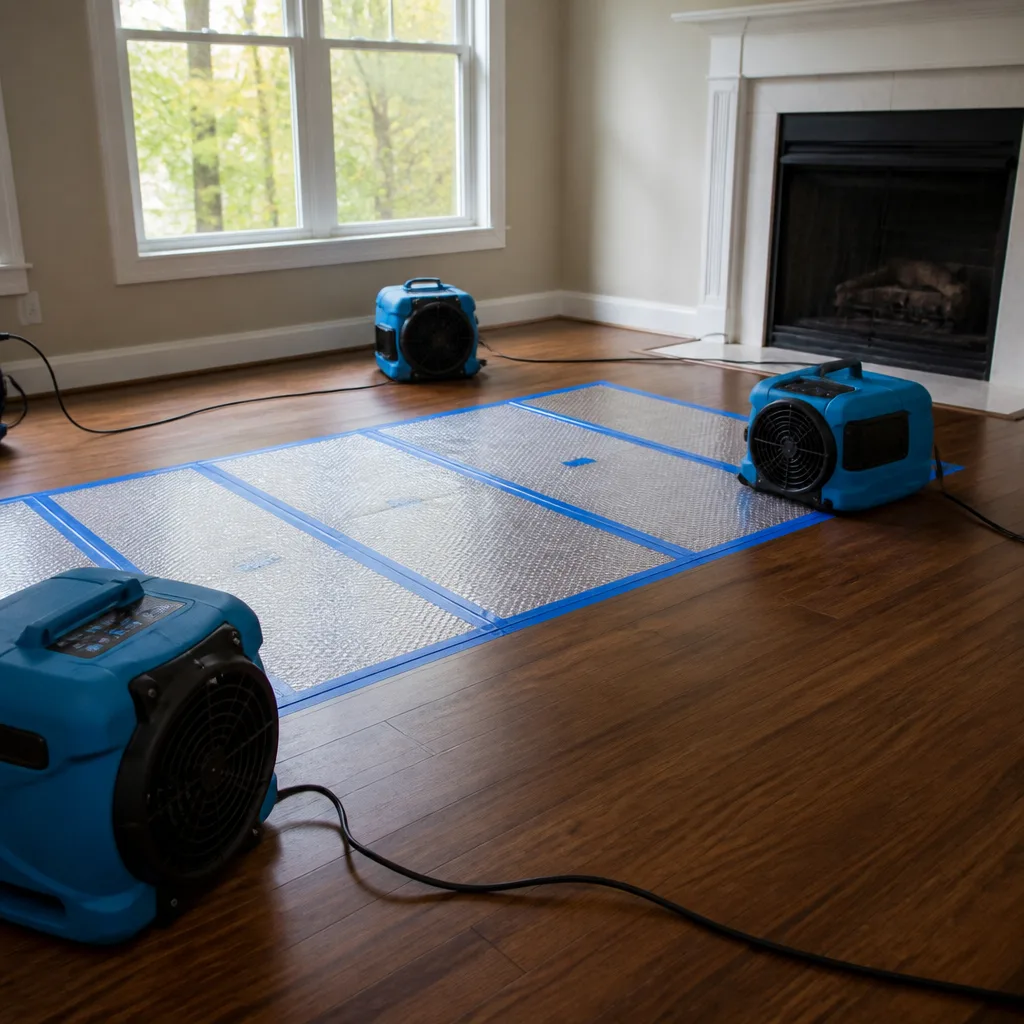
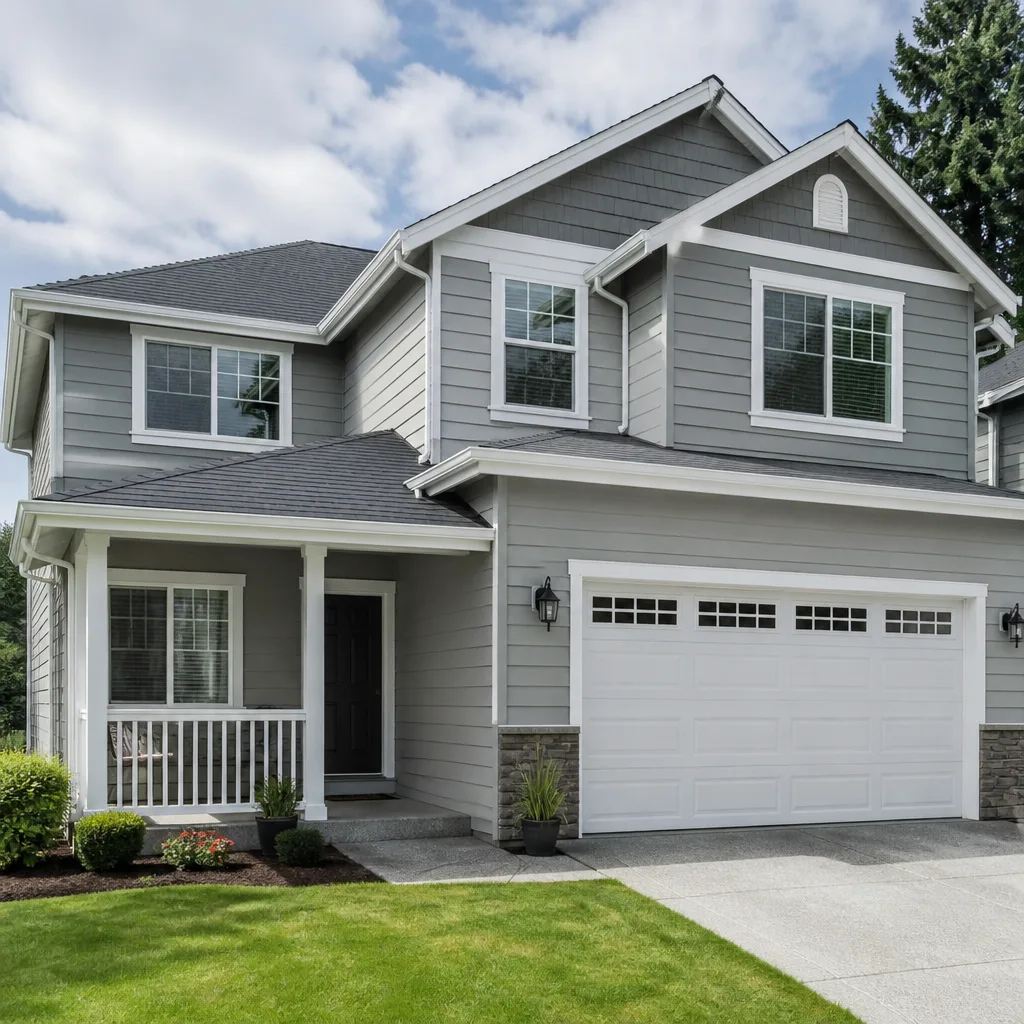
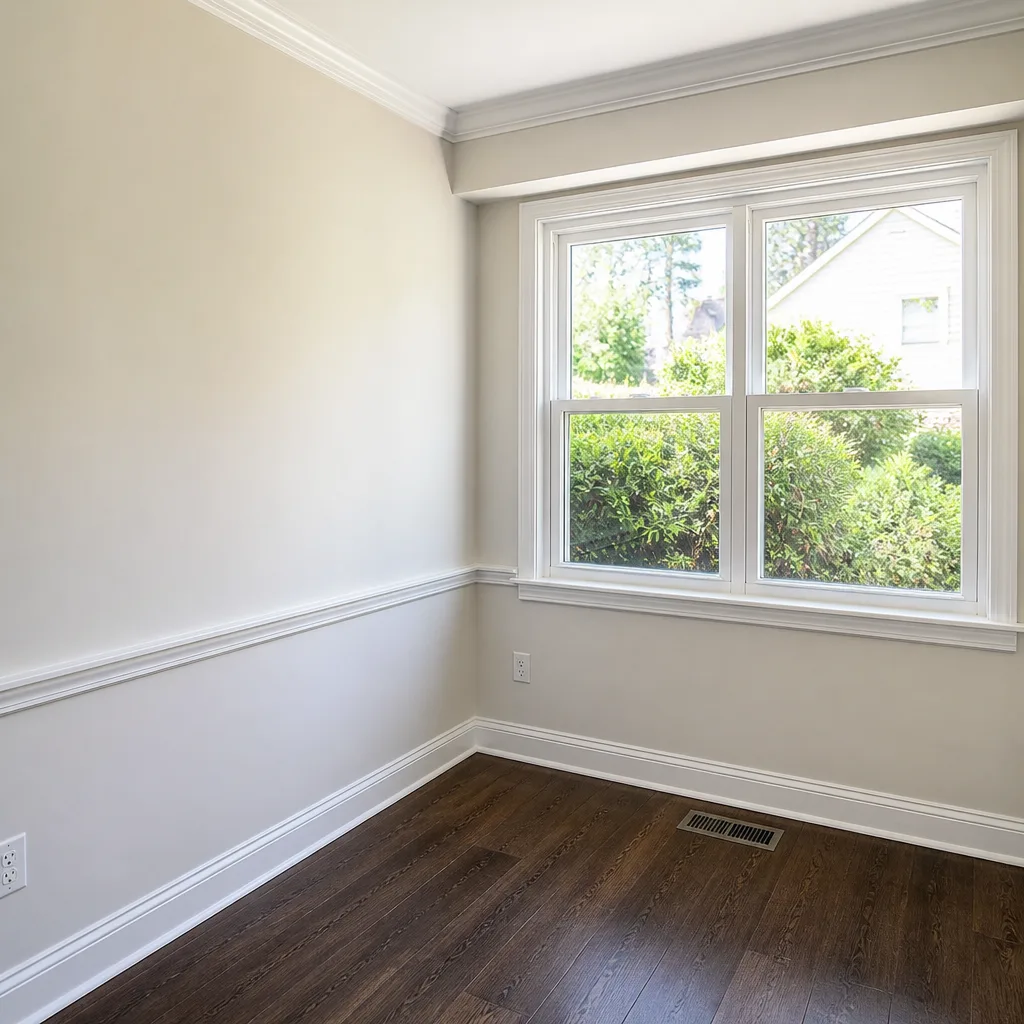
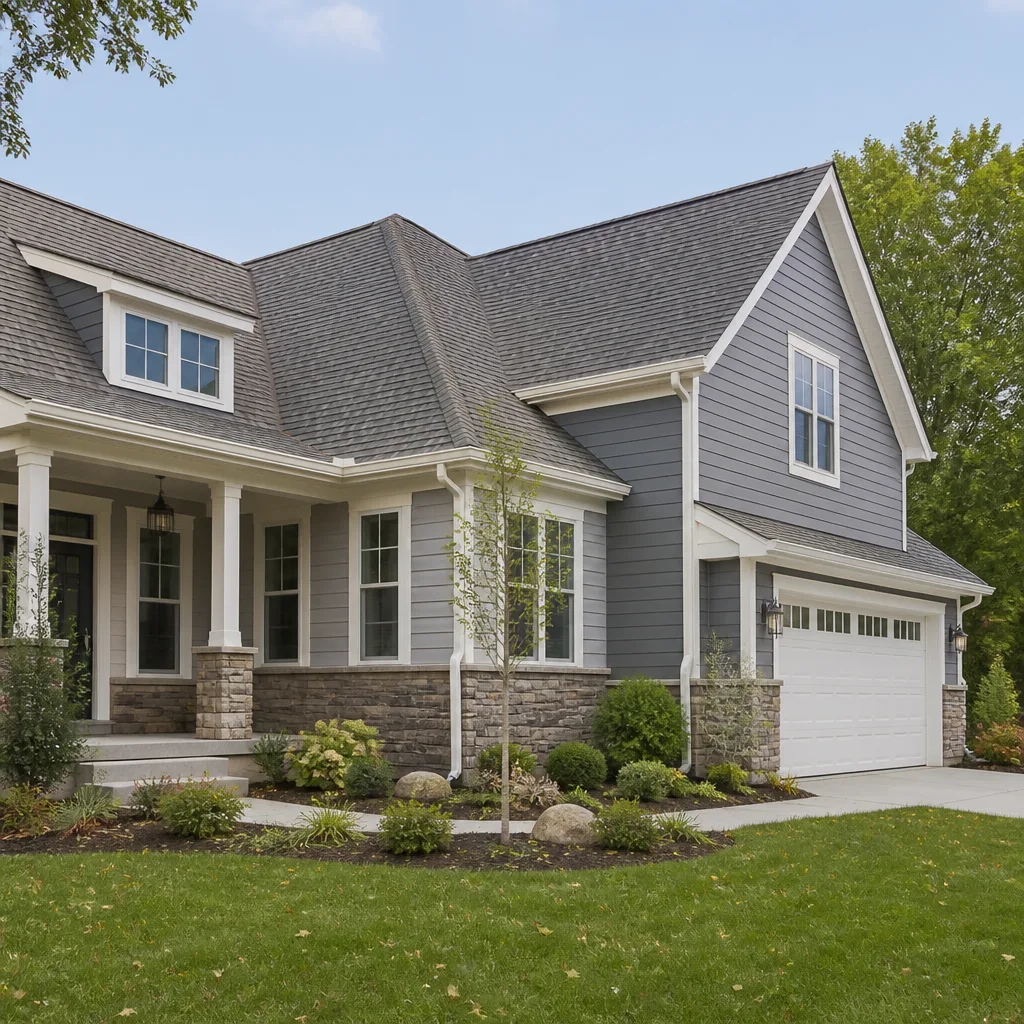
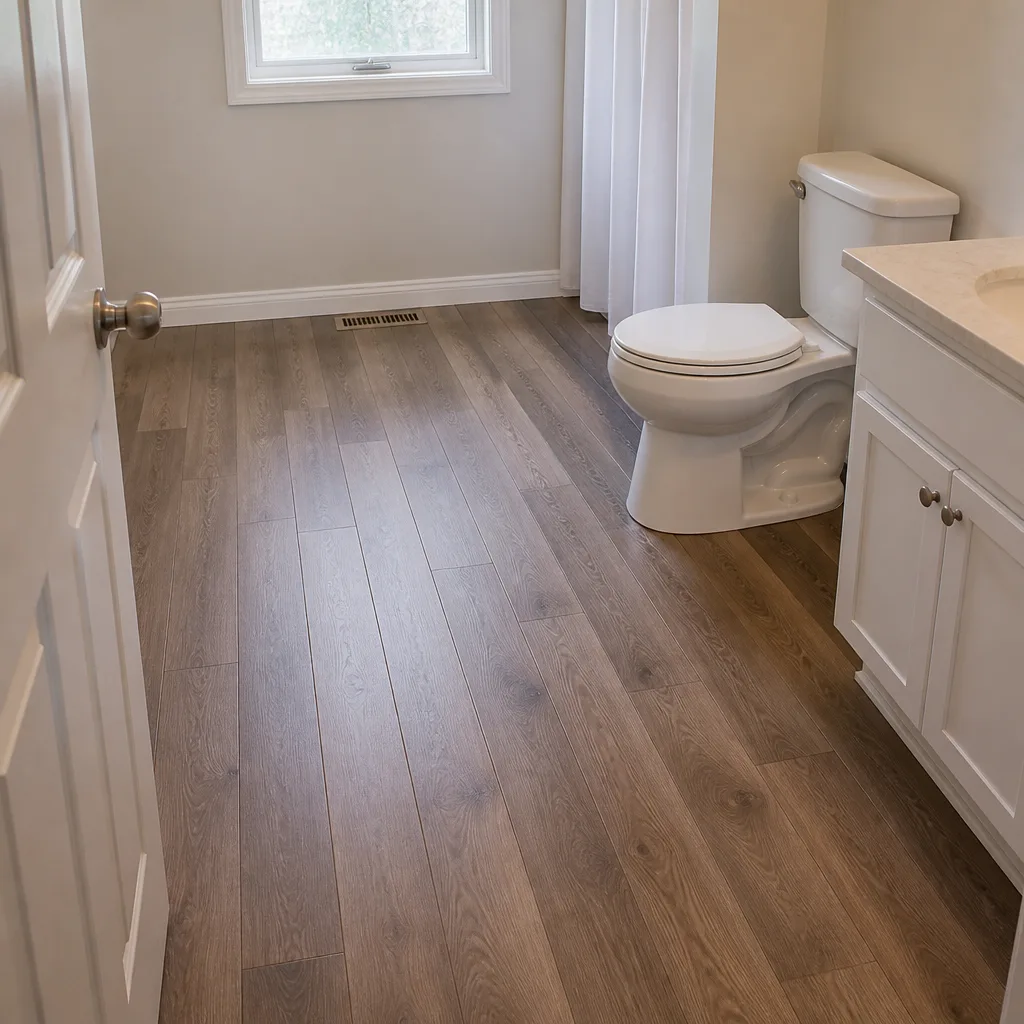

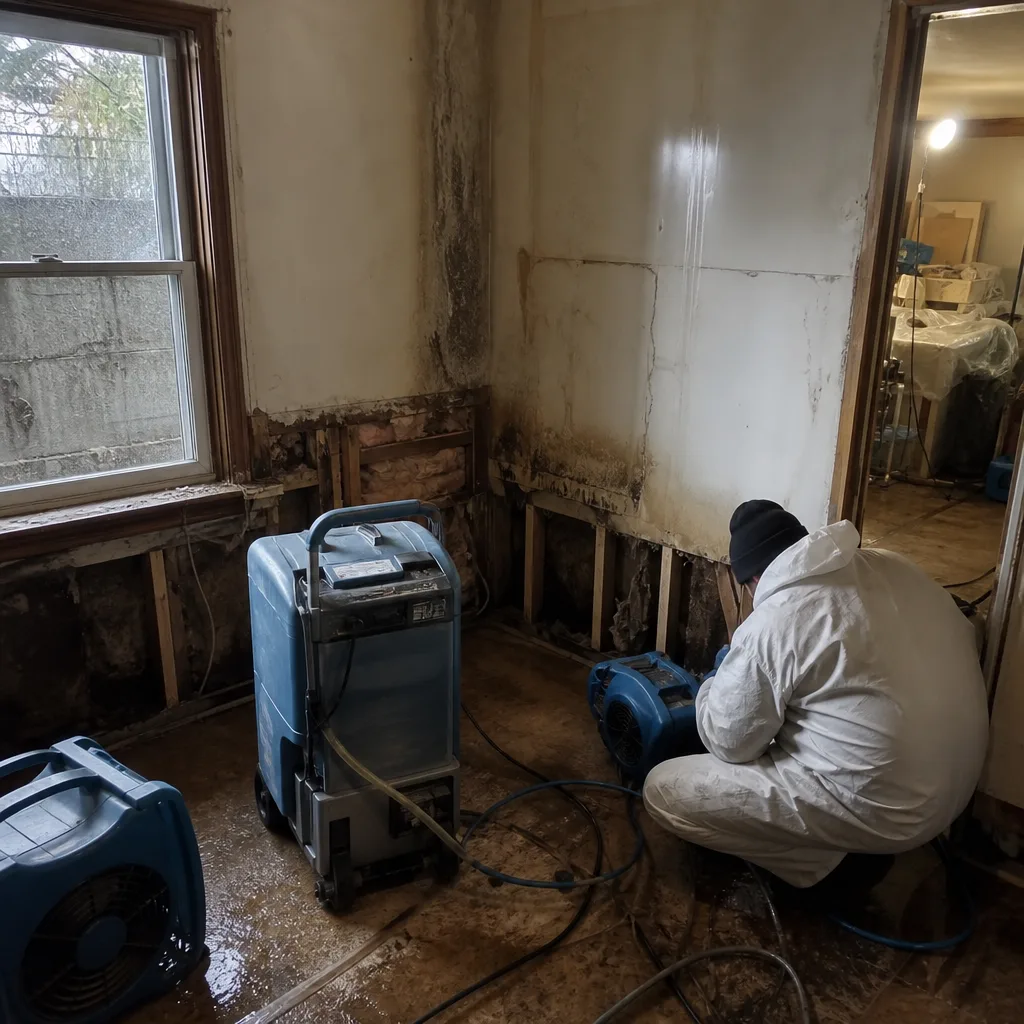 Before
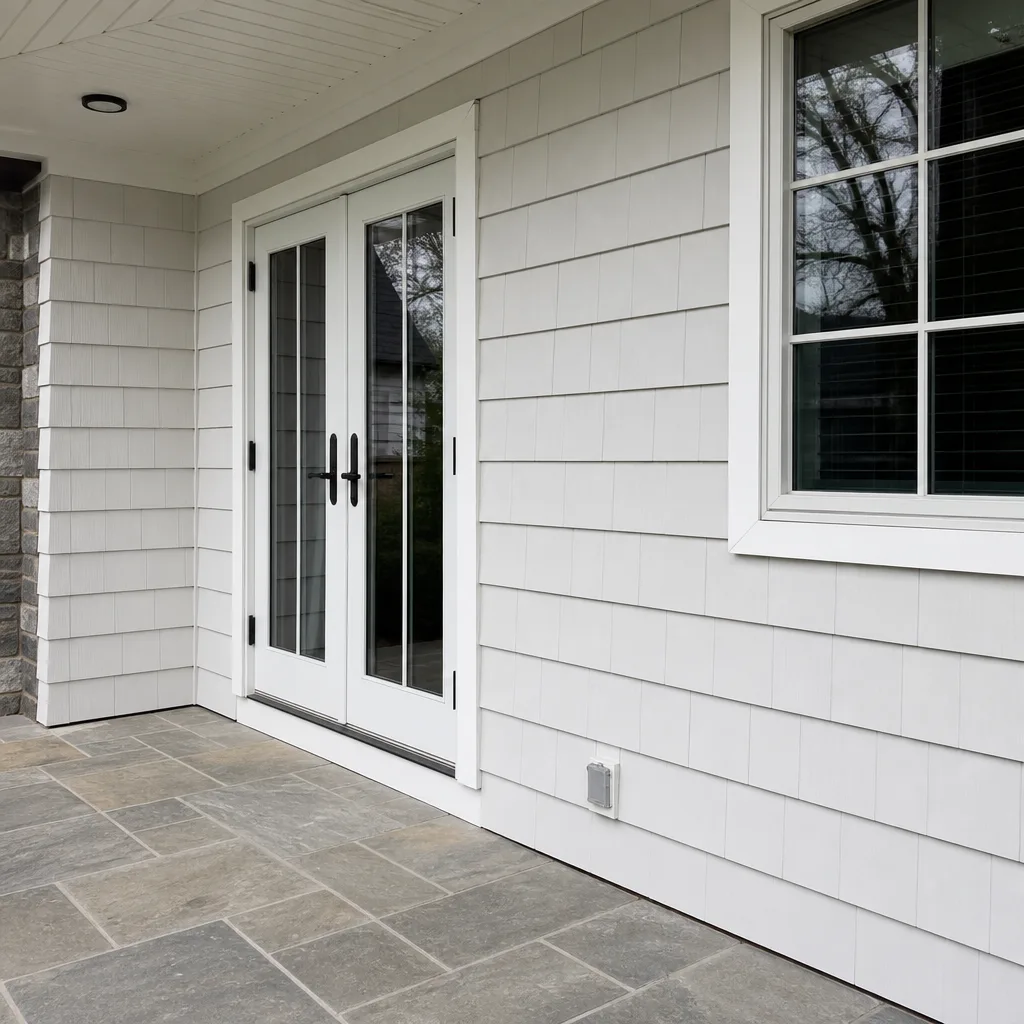 After
After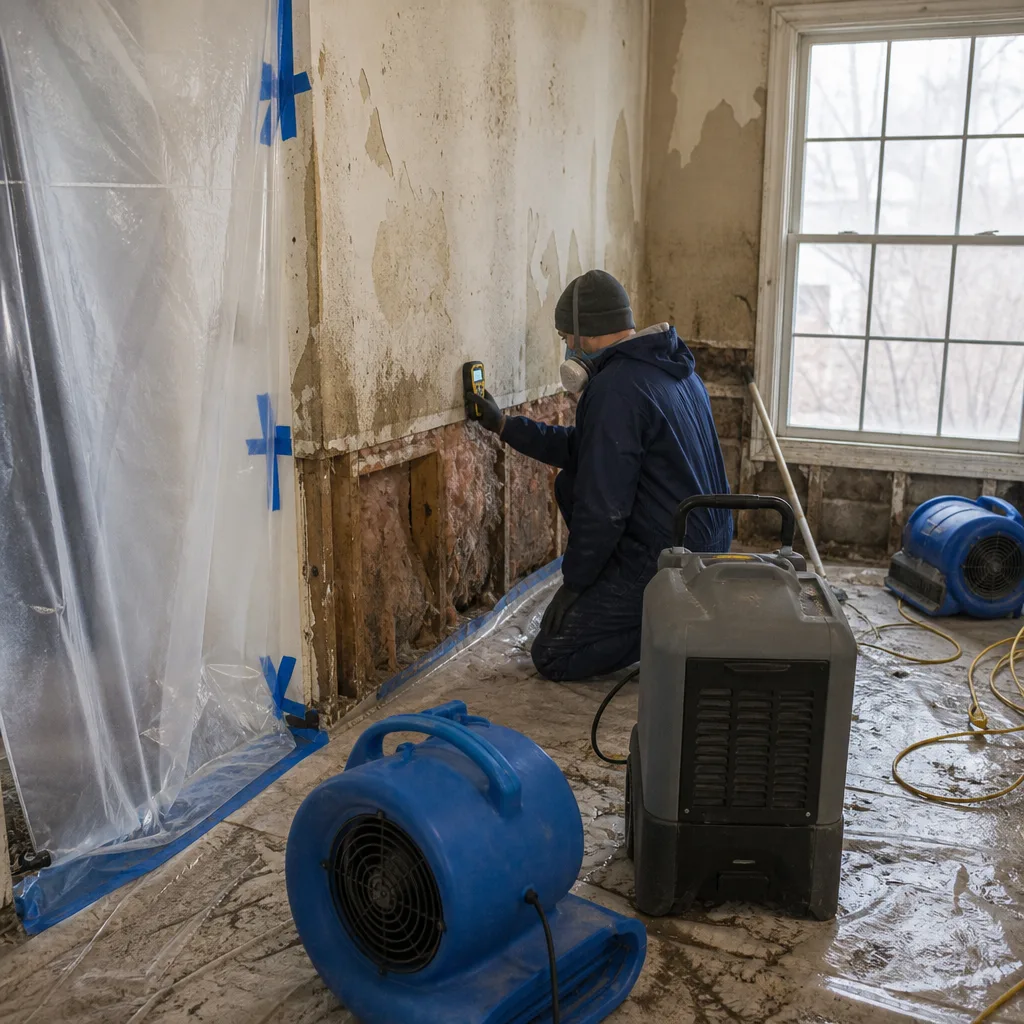 Before
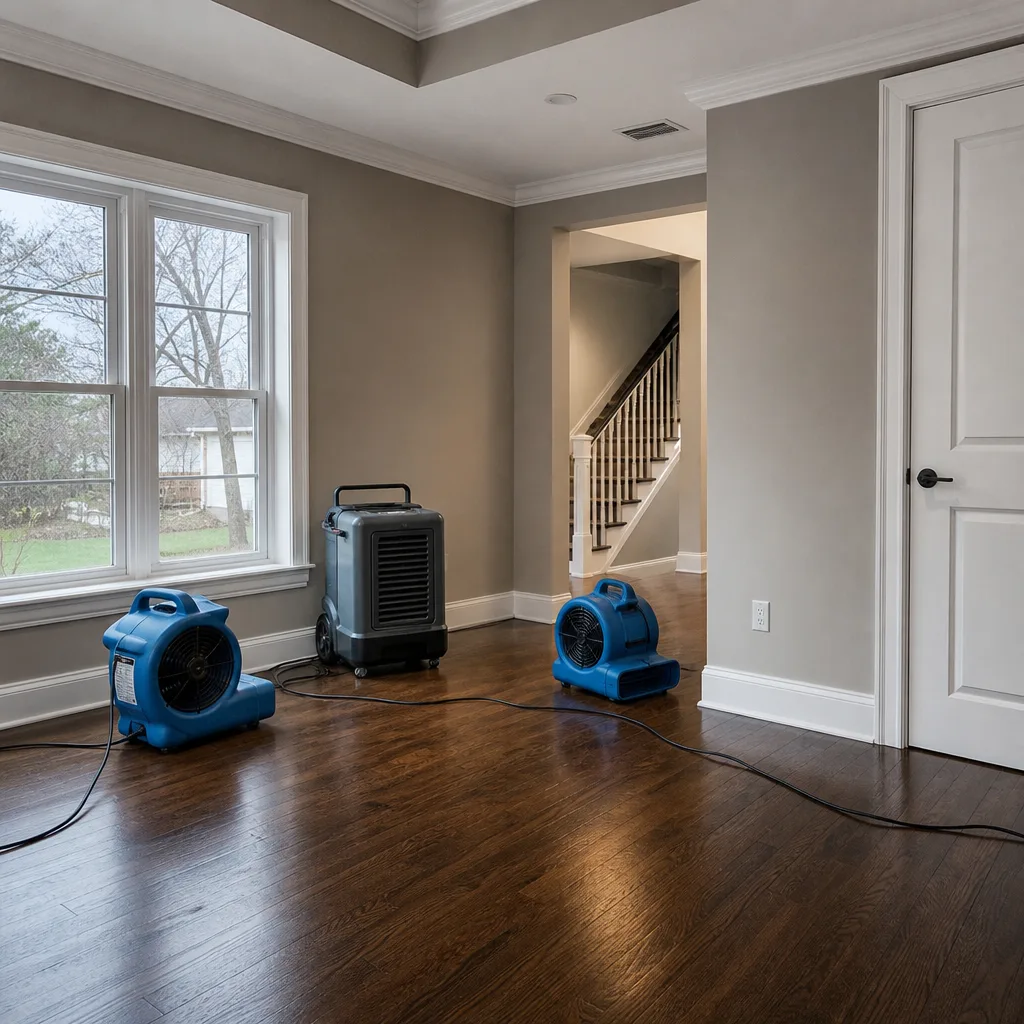 After
After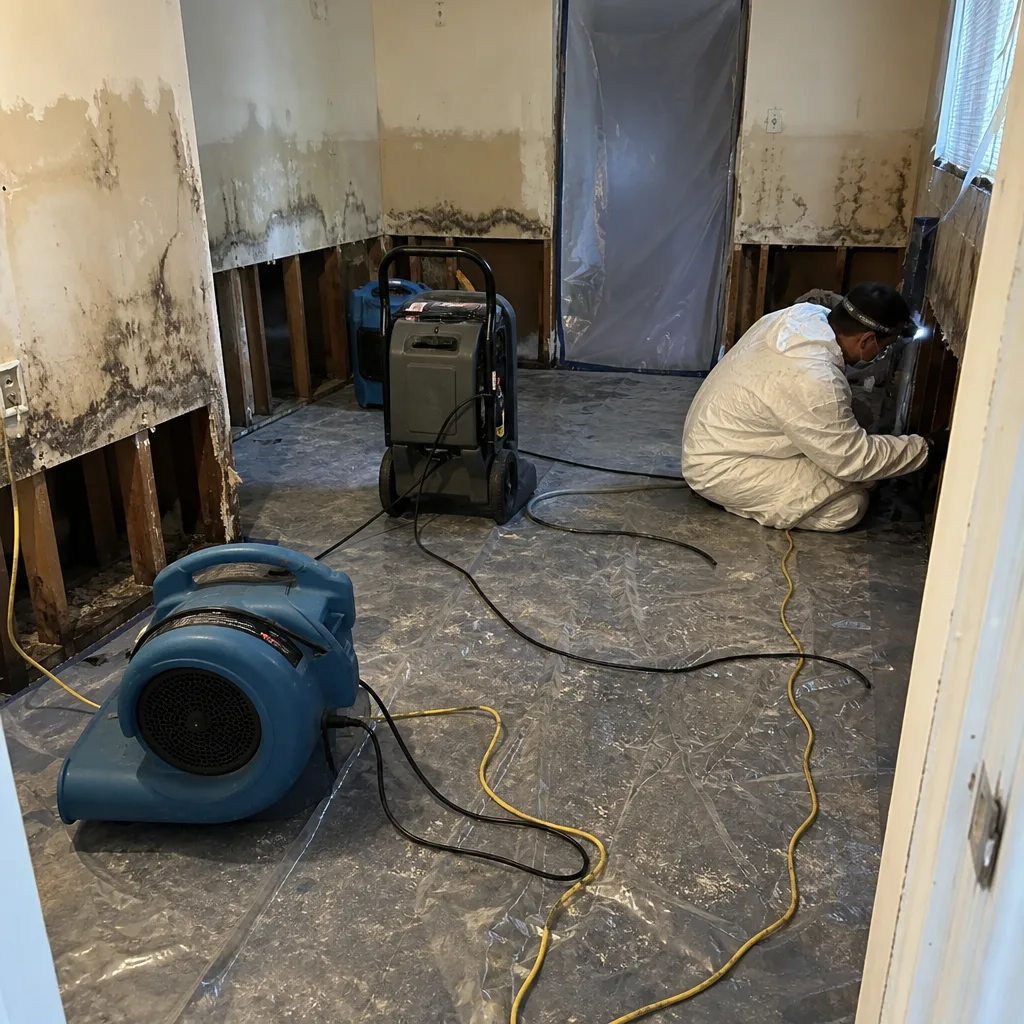 Before
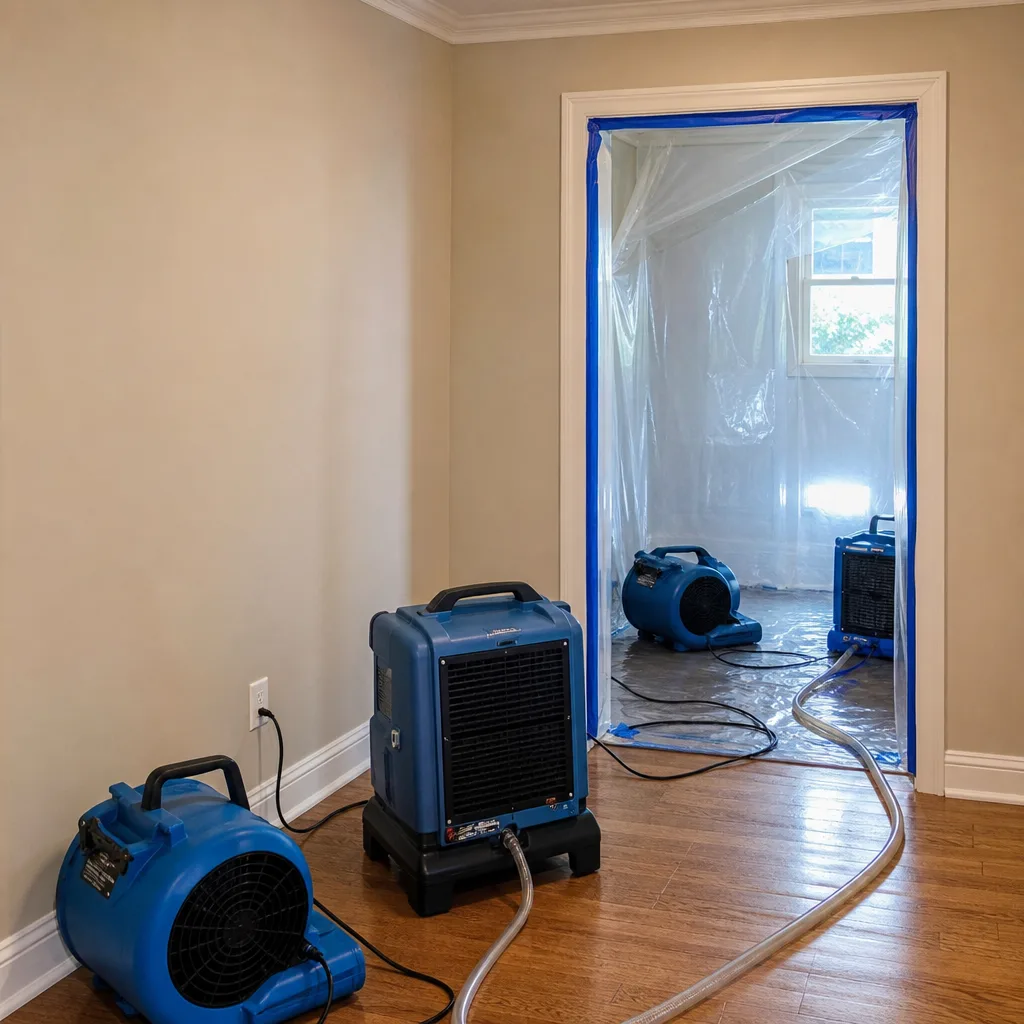 After
After24/7 Emergency Reconstruction & Cleanup in Great Neck
When a nor’easter pushes Manhasset Bay over its banks or a 1930s supply line finally lets go inside a plaster-and-lath wall, you need a crew that understands what Great Neck homes are actually made of. Floodline Restoration Co. answers live around the clock at (518) 873-4306, and our certified teams can be on-site anywhere on the peninsula within 45 minutes of your call. The first hour after water enters a pre-war Colonial determines whether original hardwood floors can be saved or must be cut out. Our crews arrive with moisture meters, thermal imaging, and commercial-grade drying equipment already loaded. We walk the property, map the migration, and start extraction the same visit. You get a written scope before any reconstruction work begins, and a live person on the phone no matter the hour.
Understanding Reconstruction & Cleanup Severity in Great Neck Properties
Great Neck’s housing stock, dominated by 1920s-1940s Colonials, Tudors, and Capes, behaves differently after water damage than newer suburban construction. Plaster-and-lath walls absorb water slowly, but once saturated, the plaster keys that hold the finish to the lath can fail, and the wall face loses its bond. Old-growth hardwood floors cup and warp on a delayed schedule, meaning moisture readings taken on day one may not reveal the full extent of damage until day five. We categorize every loss using IICRC standards: Category 1 clean water from a supply line, Category 2 grey water from sump failures or washing machine overflows, and Category 3 black water from tidal surge or sewage backup. For Water Damage Restoration - Great Neck homeowners, this matters. In Great Neck specifically, a basement seepage event that looks like clean groundwater is frequently Category 2 because of the peninsula’s seasonally high water table and aged drainage systems. Category 3 losses on the Manhasset Bay or Little Neck Bay side require full containment, antimicrobial treatment, and often stud-out demolition before reconstruction can begin. Rushing any of this in a house with custom millwork and plaster finishes means irreversible loss. We don’t rush. We measure.
Why Great Neck Property Owners Choose Floodline Restoration Co.
- 45-minute response commitment across Great Neck, from Kensington to Saddle Rock and every block between.
- 24/7 live answer by a dispatcher in New York, not a recording, so a real person starts your file at 2 a.m. and a crew moves immediately.
- IICRC-certified crews trained in WRT (Water Restoration Technician) and AMRT (Applied Microbial Remediation Technician) standards, background-checked and uniformed on every job.
- Free visual inspection before any work begins, so you get an honest read on scope and cost with no obligation.
- Direct insurance billing with documentation compiled to industry standards, so you never play messenger between us and your adjuster.
- One team from extraction to reconstruction, because Great Neck’s period finishes need a single crew that remembers where the moisture started and how it moved.
Our Reconstruction & Cleanup Process
Inspection & Assessment
We map moisture with thermal imaging and hygrometers, identifying hidden migration behind knotty-pine paneling, under terrazzo, and inside plaster-and-lath walls. You get a finding in plain language, not a sales pitch.
Extraction & Stabilization
Our Commercial Restoration in Great Neck team uses commercial extractors to remove standing water while our crew stabilizes sagging ceilings, wet plaster, and at-risk flooring. In Great Neck basements below the post-Sandy flood elevation, stabilization often means full containment before demolition.
Drying & Dehumidification
Dri-Eaz dehumidifiers and high-velocity air movers run on a moisture-mapped schedule, with daily readings logged until pre-loss conditions are met. Plaster walls and old-growth floors get the slow, measured dry they require.
Cleaning & Sanitization
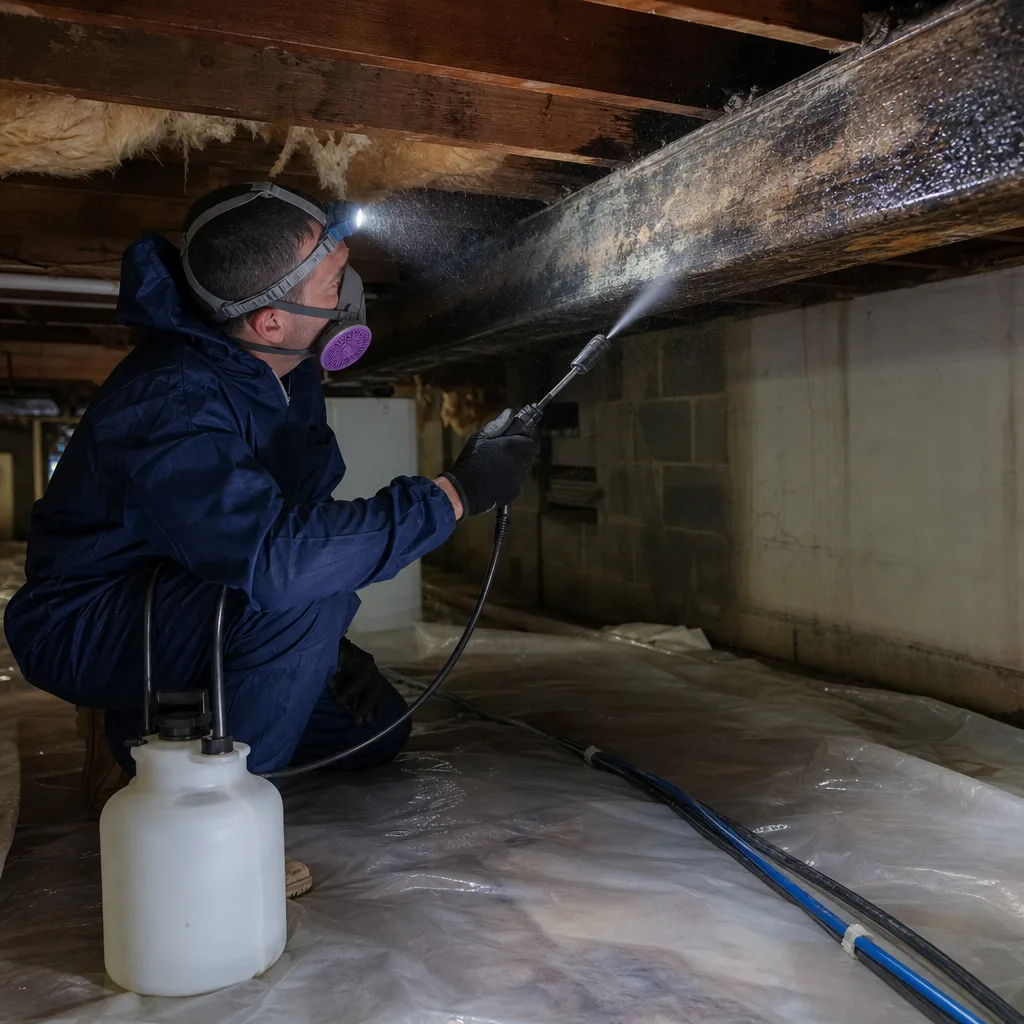
HEPA air scrubbers clear the workspace while antimicrobials treat affected surfaces. For Category 2 and 3 losses on the peninsula, this step includes full pack-out of contents when required.
Specialty Treatment for Historic Finishes
Plaster repair, hardwood floor refinishing, millwork restoration, and terrazzo cleaning are performed by technicians who understand pre-war materials. We treat what can be saved and document why something cannot.
Repairs & Restoration
Drywall, flooring, trim, and paint go back in to match the existing character. Every scope is approved in writing before the first line of reconstruction, and the whole job is backed by the 90-Day Done Right Promise.
Need Emergency Reconstruction & Cleanup in Great Neck Now?
Crews minutes away, answering live 24 hours a day. The sooner we start, the less it costs.
Working With Your Insurance Company
We document from the first hour, because Great Neck adjusters want the same thing you do: proof of what happened and a defensible scope. Floodline Restoration Co. photographs every affected room, logs moisture readings daily, and builds a line-item estimate in the format carriers expect. Curt Bowman and our claims team speak directly with your adjuster, so you don’t have to interpret drying logs or argue about whether original millwork can be salvaged. We’ve handled hundreds of post-Sandy claims on the peninsula, and we know which documentation triggers a faster approval and which gaps cause delays. The 90-Day Done Right Promise means the work is guaranteed in writing, and that documentation goes to your insurer as part of the file.
What We Provide Your Insurer
- Thorough documentation of the loss
- Photos of all damage, room by room
- Moisture readings and drying logs
- A detailed, line-item scope of work
- Direct coordination with your carrier
Built for Great Neck’s Loss Calendar
January and February in Great Neck mean frozen supply lines inside uninsulated exterior walls of 1920s Colonials, with ice damming on steep Tudor rooflines adding secondary water intrusion. March brings snowmelt and the first real test of basement drainage systems that were installed long before FEMA redrew the flood maps. Late spring is sump-pump season, and a high water table on the peninsula turns what looks like a simple basement seepage into a Category 2 loss. Summer thunderstorms dump heavy rain on saturated ground, pushing water through foundation cracks along Middle Neck Road and into below-grade rec rooms. Fall nor’easters are the dangerous ones: storm surge along Manhasset Bay and Little Neck Bay can deliver Category 3 black water into finished basements in under an hour. Floodline Restoration Co. tracks these seasonal patterns and stages equipment accordingly, because we know when Great Neck homeowners are most likely to call. The answer is always the same: a live person, a fast truck, and a crew that knows the difference between a plaster repair and a stud-out.
Reconstruction & Cleanup Across Great Neck’s Neighborhoods
Kensington’s grand Colonials sit on generous lots, but their below-grade spaces are notoriously damp, and mid-century basement finishes there often hide mold behind paneling that a visual inspection alone will miss. Mold Remediation in Great Neck requires more than a surface look. In Saddle Rock, homes along the Little Neck Bay shoreline take the brunt of tidal surge, and we regularly respond to Category 3 events requiring full pack-out, containment, and structural drying before reconstruction can even be scoped. The blocks south of Northern Boulevard near Great Neck Plaza mix pre-war Tudors with 1950s Cape Cods, where original hardwood floors are frequently salvageable if drying starts within hours, not days. On the Manhasset Bay side, including areas near Steppingstone Park, finished basements built before the post-Sandy FEMA revisions sit at or below the current flood elevation, and insurers often require full stud-out after any water claim, a reality homeowners push back on hard. Our crews know these streets and the specific failure patterns each neighborhood produces.
Specialized Reconstruction & Cleanup Services We Offer in Great Neck
Full-Service Reconstruction
We rebuild what the water took. In Great Neck that means matching plaster profiles, sourcing period-appropriate trim, and refinishing floors rather than replacing them. One crew, one scope, one guarantee, from first cut to final coat.
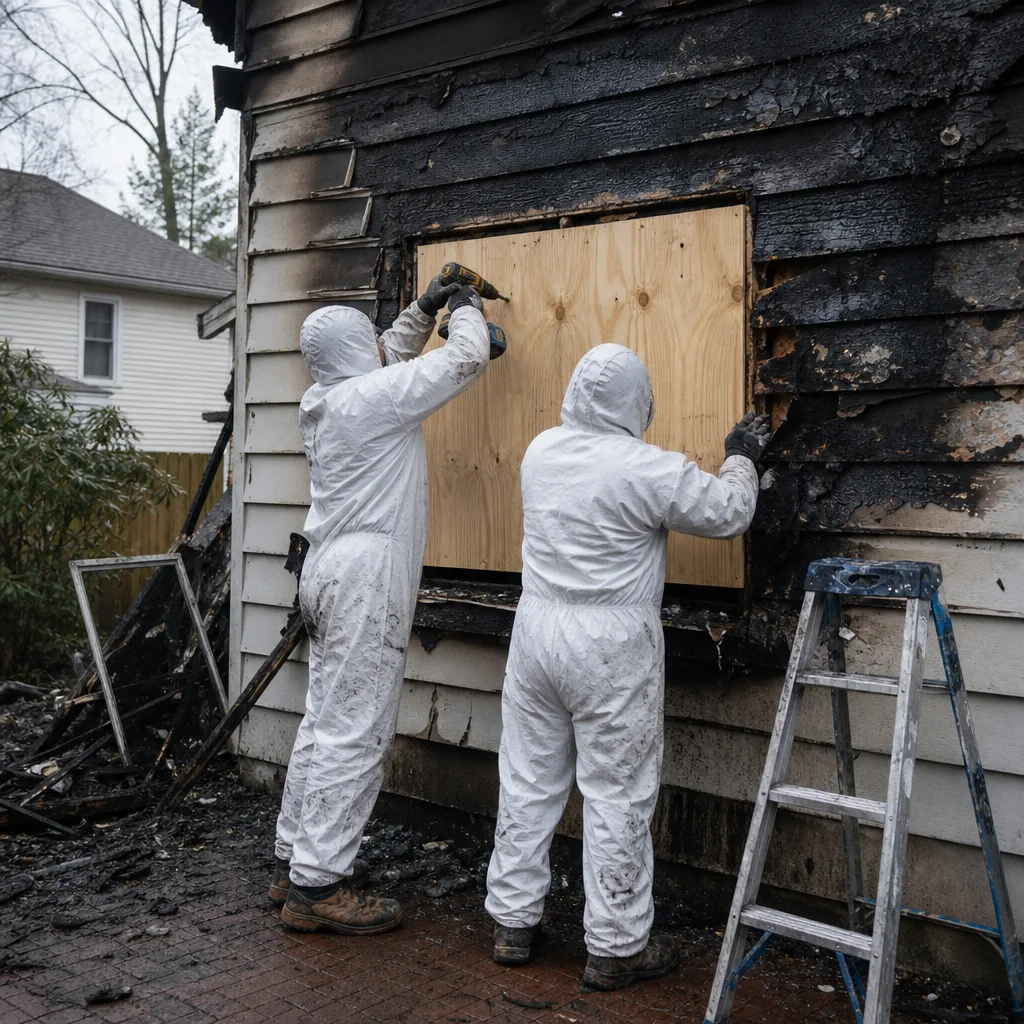
Drywall & Flooring Repair
When a plaster wall can’t be saved, we install drywall with the same profile and texture, then prime and paint to match. Hardwood floors get sanded and refinished on a schedule that respects the wood’s moisture content, not a calendar deadline.
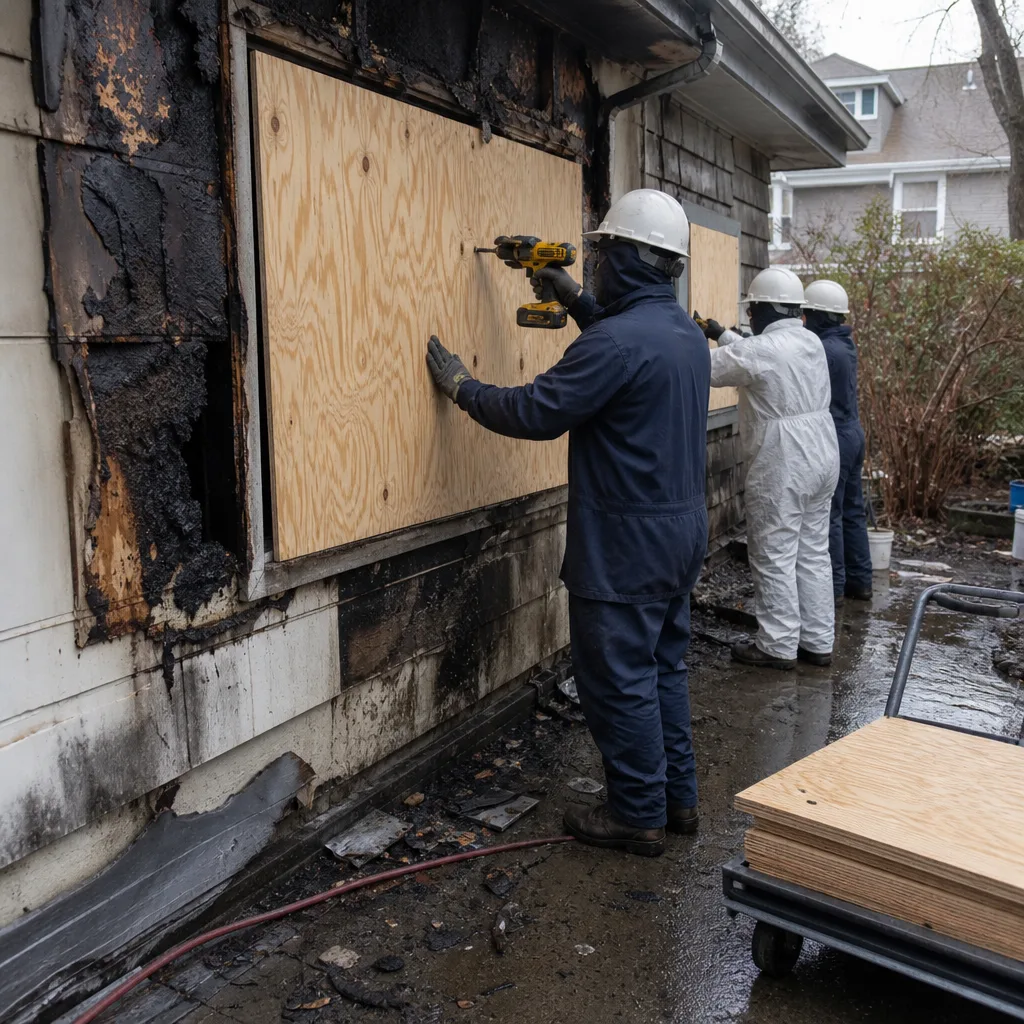
Contents Restoration & Pack-Out
Furniture, rugs, books, and keepsakes from a 1930s Great Neck home need more than a wet-vac. We pack out, inventory, clean, and store contents while the structure dries, then return them once the envelope is stable. Photo documentation accompanies every item for your insurer.
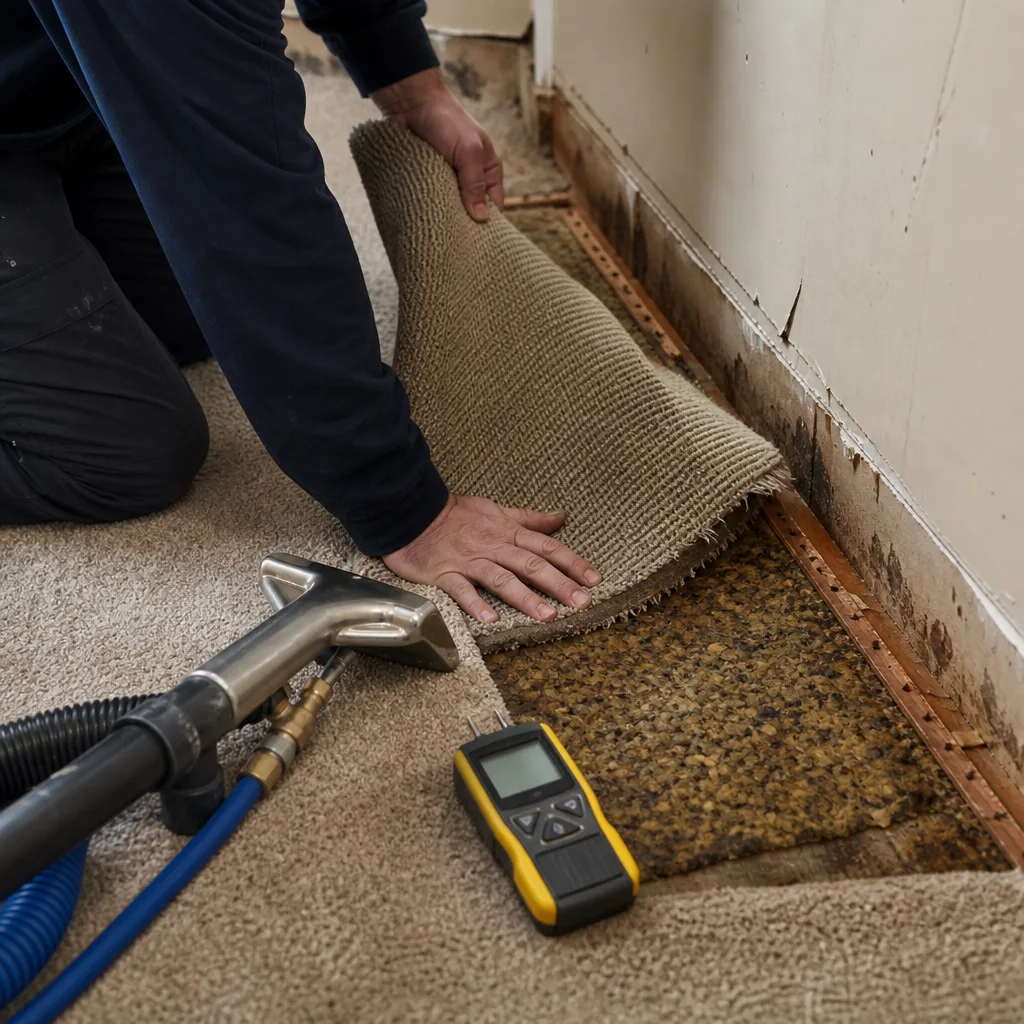
Carpet & Upholstery Cleaning
After a Category 1 loss, salvageable carpet and upholstery get hot-water extraction, antimicrobial treatment, and deodorization. We assess honestly: if the material was saturated with grey water, we tell you it’s a replace, not a clean.
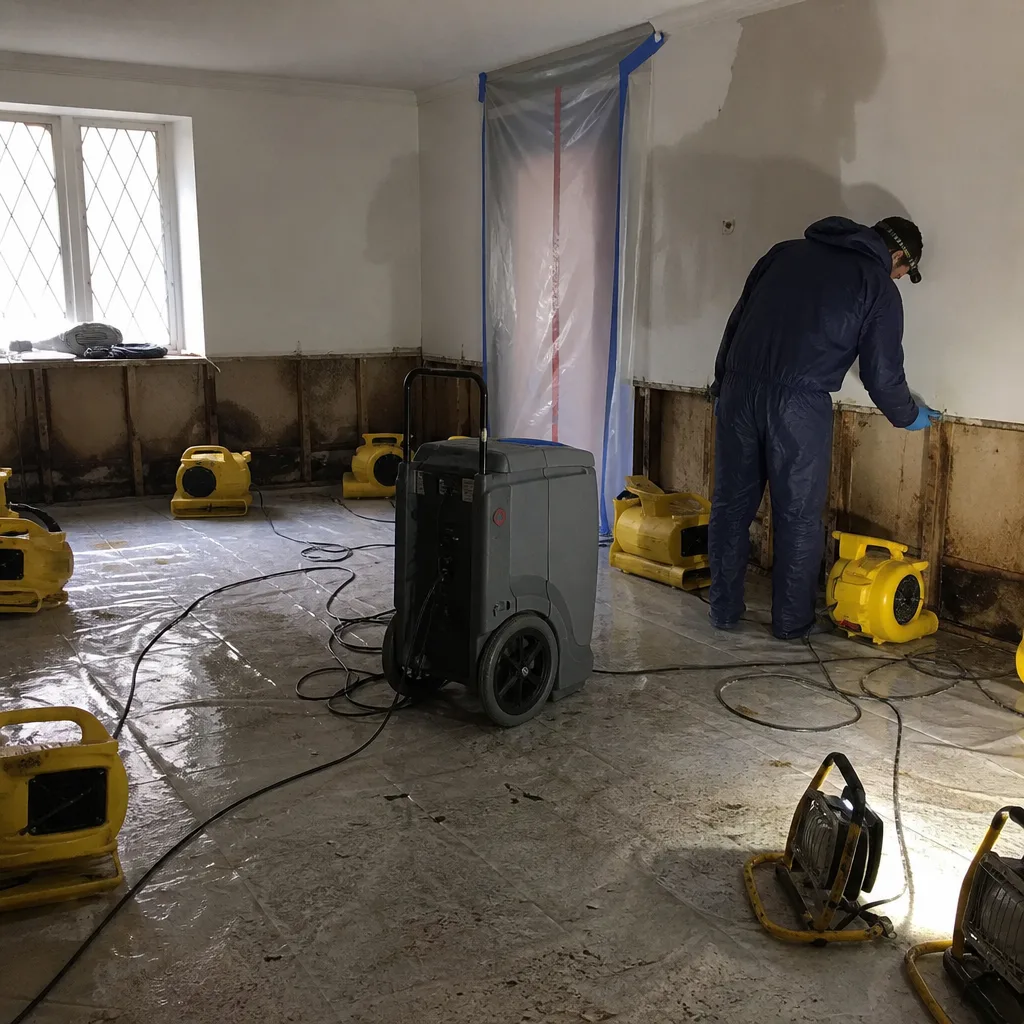
Post-Construction Cleanup
Plaster dust from a Great Neck Tudor renovation is fine and pervasive. Our crews run HEPA air scrubbers during and after reconstruction, wipe every surface, clean ductwork, and leave the house livable on the day we hand back the keys.
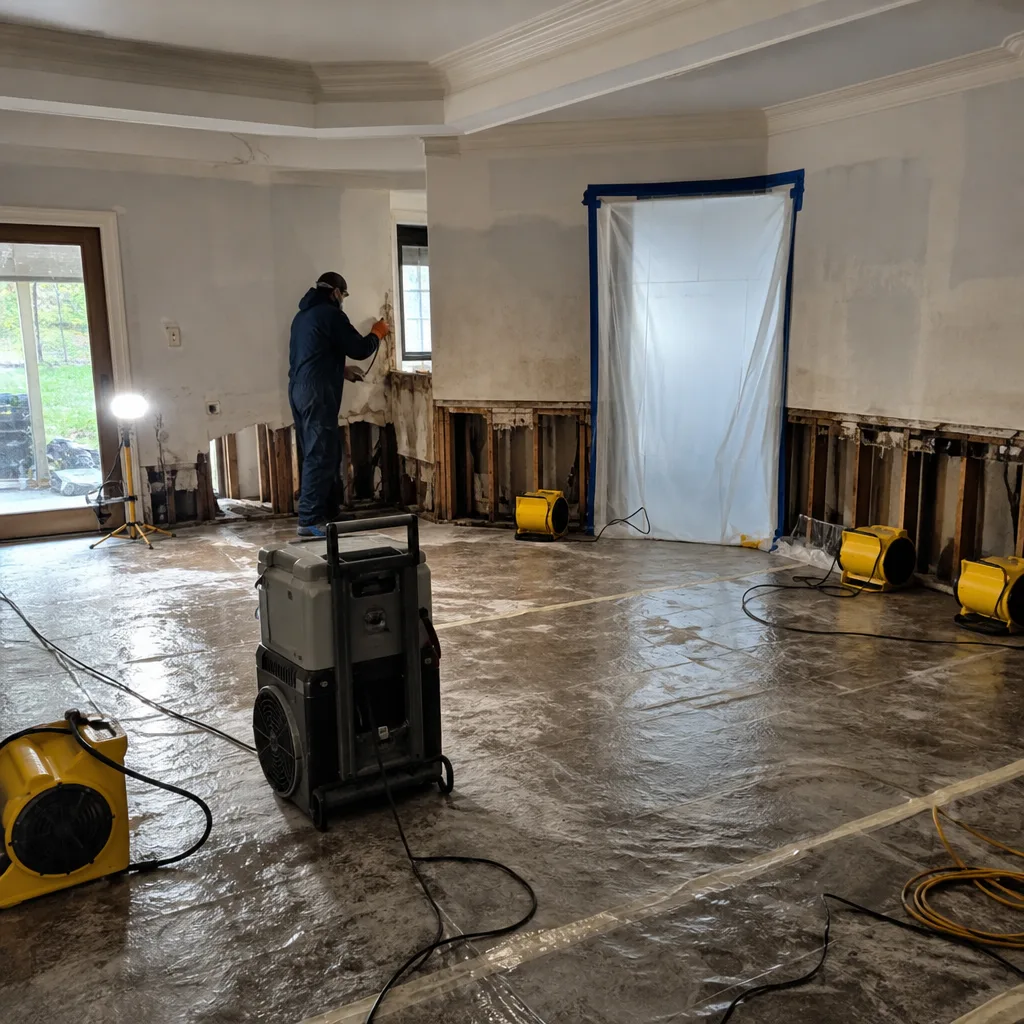
Insurance Claim Documentation
Moisture readings, drying logs, thermal imaging captures, and a line-item scope formatted for carrier review. This is the paperwork that gets claims approved, and we’ve been building these files on the peninsula for years.
What happens when you call
- 1
A real person answersNo phone trees - you reach a local pro.
- 2
You get an upfront price rangeHonest numbers before anyone is dispatched.
- 3
A background-checked tech heads outLicensed & insured, dispatched right away.
- 4
You approve before work beginsNothing starts until you say go.
Reconstruction & Cleanup Costs in Great Neck, NY
A typical full-service Reconstruction & Cleanup job in Great Neck runs $4,500-$27,000, depending on whether the loss requires structural drying alone or full stud-out of a finished basement with reconstruction. Drywall and flooring repair after a Category 1 water loss in a pre-war Colonial usually lands between $3,500 and $9,500. Contents pack-out and restoration adds $2,000-$7,000 depending on volume and treatment requirements. Post-construction cleanup after a reconstruction job ranges $1,200-$4,800. The variables that move price: square footage, category of water, whether plaster vs. drywall, floor type, and how long the water sat before extraction started. Insurance covers most covered perils, and we file directly, so your out-of-pocket is typically the deductible. Call (518) 873-4306 for a free visual inspection and a written scope.
We Also Serve Cities Near Great Neck
Floodline Restoration Co. covers the communities that ring Great Neck, including Little Neck, Manhasset, Oakland Gardens, and Bayside. If your home sits on the peninsula or just beyond, the same 45-minute response commitment and the same 90-Day Done Right Promise apply.
Serving Great Neck, NY - Our Local Coverage Area
We’re based in the Great Neck area and know this community well. Use the map below to see our service coverage - if you’re nearby, we can almost certainly help.
Great Neck Reconstruction & Cleanup Questions, Answered
Does Floodline Restoration handle reconstruction on Great Neck’s pre-war homes without requiring full stud-out demolition of finished basements?
We do whenever the category of water and the structural condition allow it. In a finished basement with drywall, Category 1 losses can often be dried in place with containment and dehumidification. But in a post-Sandy FEMA flood zone with Category 2 or 3 water behind 1950s knotty-pine paneling, insurers usually require stud-out. Our job is to document honestly and advocate for the least destructive scope the carrier will accept. Call (518) 873-4306 and we’ll walk the space with you.
How quickly can you start water extraction in Great Neck after a nor’easter surge floods a basement on the Manhasset Bay side?
Within 45 minutes of your call, no matter the hour. Our dispatch is live 24/7, and crews are stationed across the peninsula during storm events. Extraction starts the same visit, followed by containment and the first moisture map so drying begins on the right foot. Estiamtes are free.
Can you save original hardwood floors in a 1920s Great Neck Colonial that took water from a burst pipe or tidal flooding?
Often yes, especially with Category 1 water from a burst supply line. Old-growth hardwood responds well to slow, measured drying with daily moisture logging. Tidal floodwater is another story: salt and contaminants degrade the wood and the subfloor, and salvage rates drop sharply. We assess every floor individually and give you a straight answer on salvage versus replacement.
Does Floodline Restoration help with insurance claim documentation for a 1950s finished basement that sits below the post-Sandy FEMA flood elevation line?
Yes, this is a specialty of ours on the peninsula. We document the pre-loss condition, log every moisture reading, photograph the full extent of migration behind paneling and under floors, and format the scope in the language carriers recognize. That file goes directly to your adjuster, and we follow it through to approval.
What’s your approach to post-construction cleanup after a reconstruction job in a Great Neck Tudor with plaster dust and lead-paint remediation?
HEPA air scrubbers run during and after the work, every surface gets wiped with damp cloth and HEPA-vacuumed, and ductwork is cleaned if necessary. If lead paint is disturbed, we follow RRP containment protocols and document the cleanup for your records. You get the house back clean enough to live in the day we finish.
How long does full reconstruction take in Great Neck compared to other parts of Nassau County?
Figure two to six weeks for structural drying plus reconstruction on a typical Great Neck basement loss, versus one to three weeks in newer construction. Pre-war plaster, custom millwork, and hardwood floors simply take longer to dry and refinish correctly. Rushing the schedule is what causes premature finish failure. We schedule for materials, not just labor.
Are your technicians certified and background-checked for work inside occupied Great Neck homes?
Every technician is background-checked, uniformed, and trained to IICRC, RIA, and IFA standards. Curt Bowman has built the company around a dispatch board, not a sales desk, and the people who walk through your door are employees we know by name.
What should I do in the first 30 minutes after a water loss in my Great Neck home?
Call (518) 873-4306. Then, if it’s safe, shut off the water source. Do not enter standing water that may be in contact with electrical outlets. Do not turn on ceiling fans or try to dry the area with a home dehumidifier, plaster walls need professional-grade equipment and a measured approach. Photograph what you can from a safe distance, and let our crew take it from there.
Floodline Restoration Co. has served Reconstruction & Cleanup in Great Neck with the same standard: a live person on the phone, a full-cycle crew that handles extraction through rebuild, and a written 90-Day Done Right Promise on every job. We don’t hand off mid-project to a sub we’ve never met, and we don’t leave you to argue with an adjuster over a moisture log. In Great Neck, where pre-war plaster, original hardwood, and mid-century basement finishes sit inside FEMA-mapped flood zones, the right drying protocol is not a commodity. It’s the difference between a house that recovers and a house that never feels the same. Call (518) 873-4306 for a free visual inspection and a written scope. No surprises on the bill. The line the water left is where we start.
Written by Curt Bowman, Owner at Floodline Restoration Co., serving Great Neck and surrounding communities.