

Free visual inspection and a written scope of work before any mitigation begins - photos, moisture readings, and drying logs go in your claim file
The scope we write is the scope we bill. Anything new gets shown to you, in writing, before we touch it.

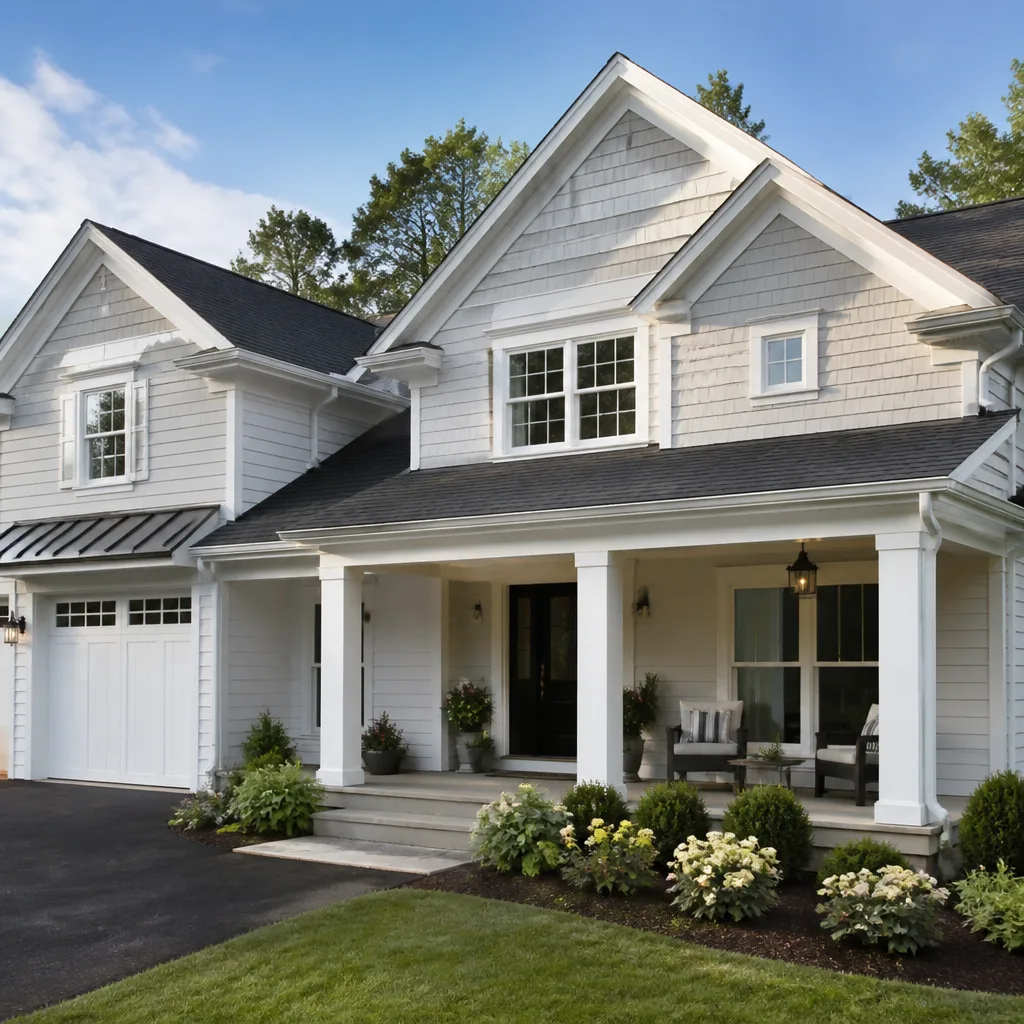
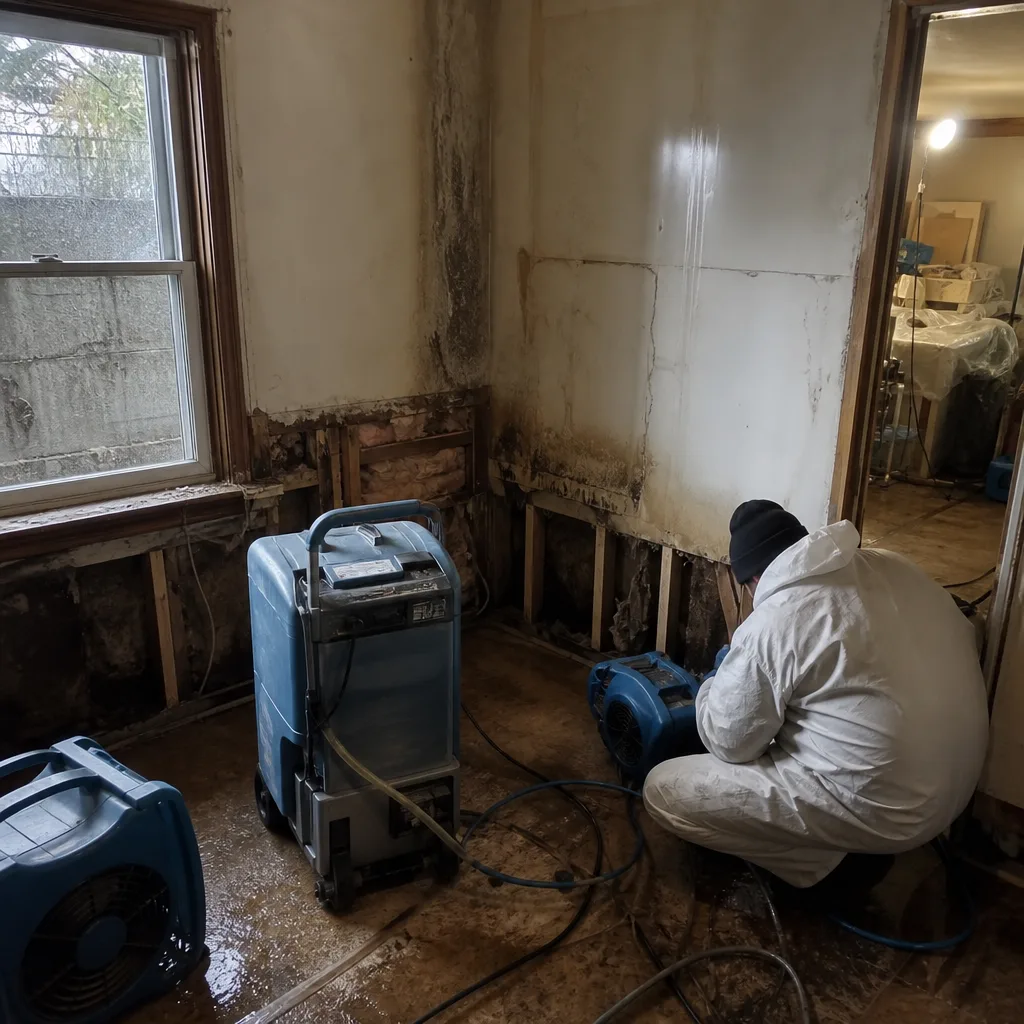 Before
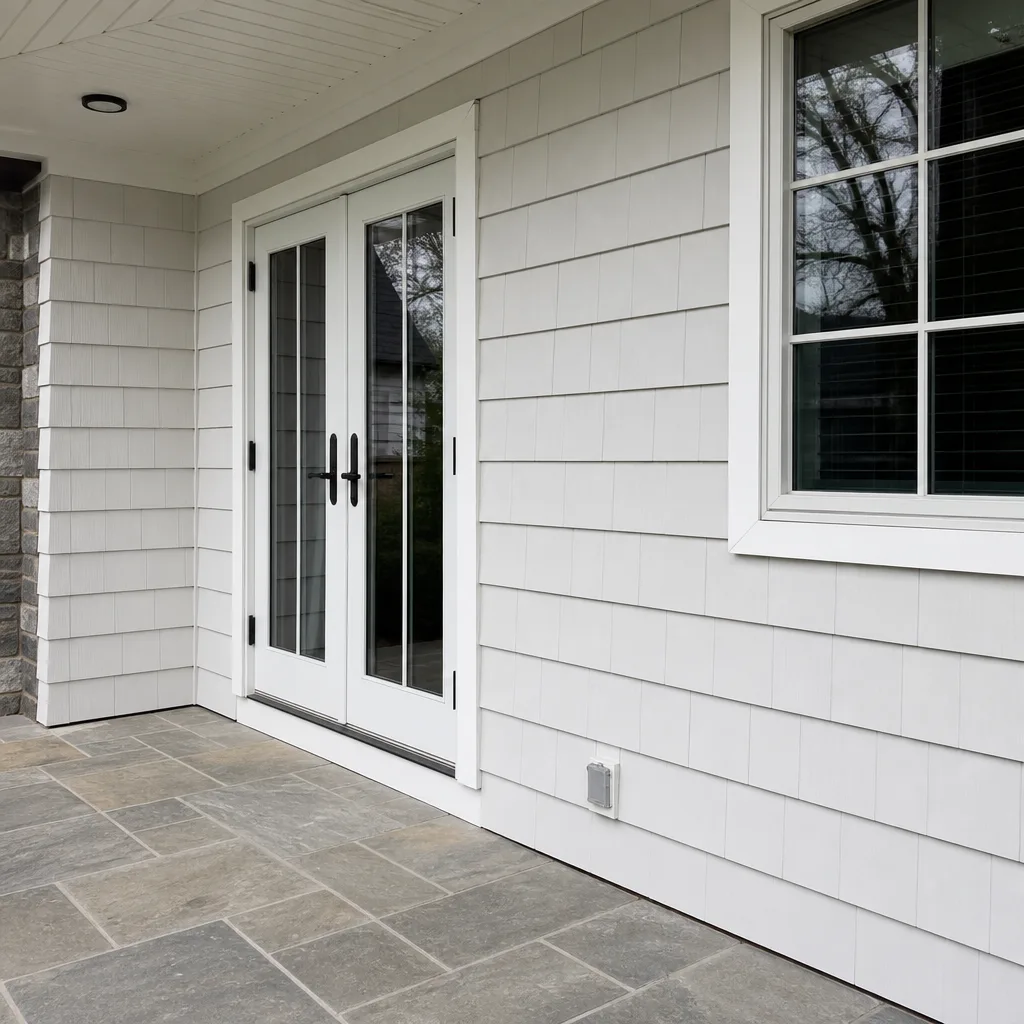 After
After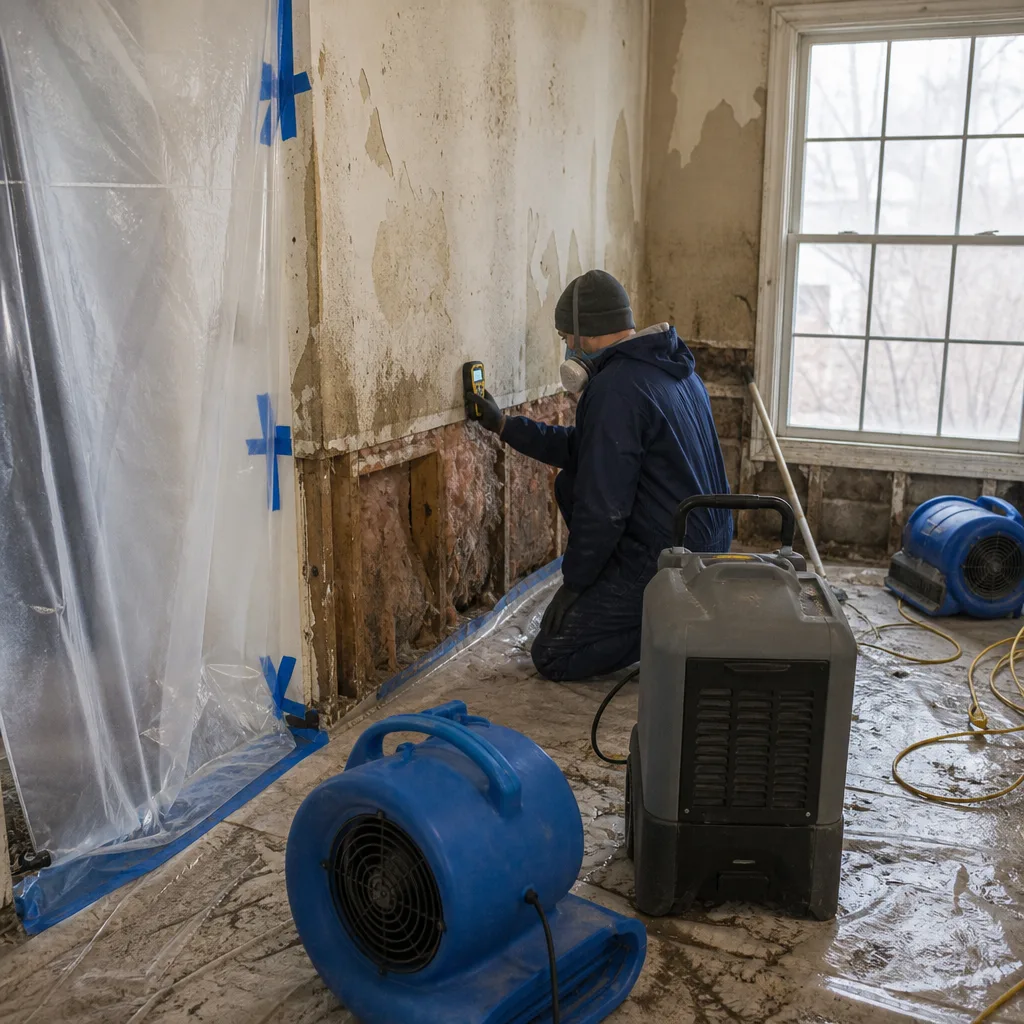 Before
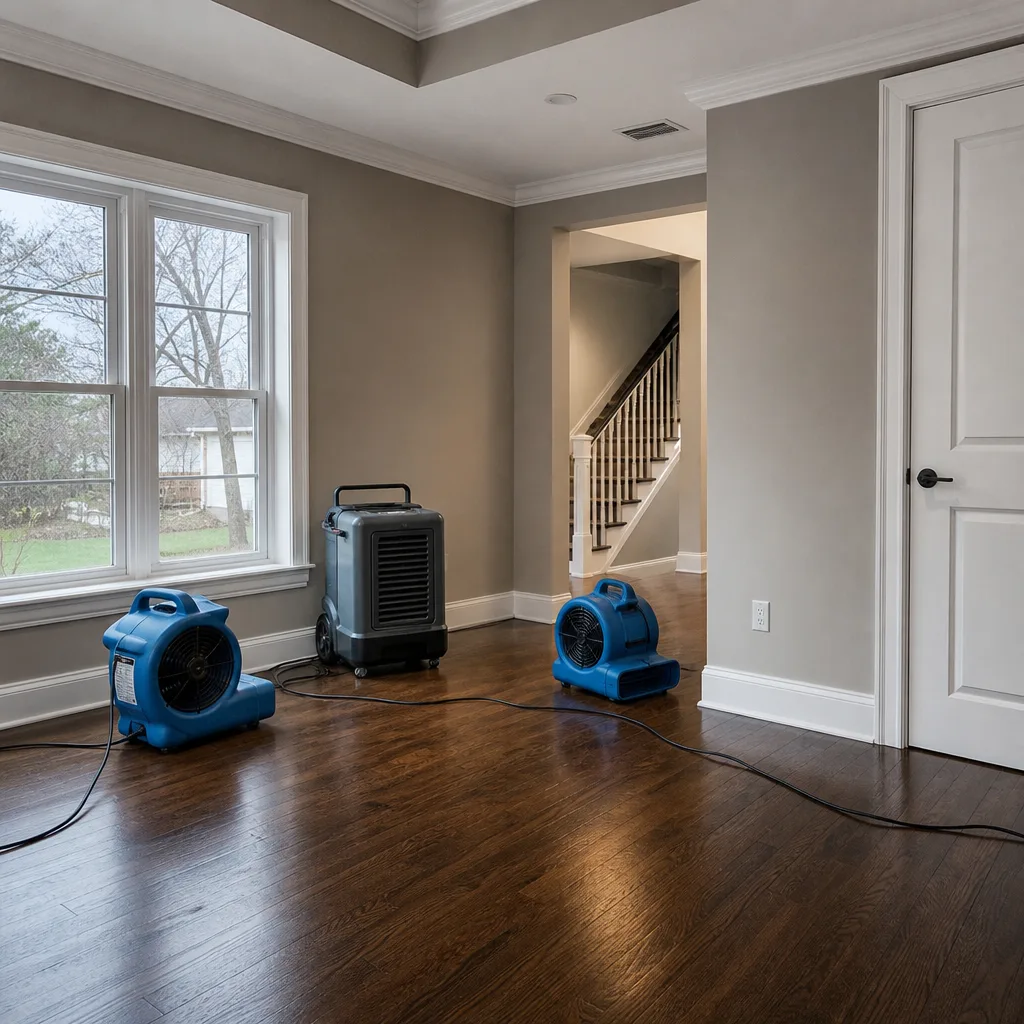 After
After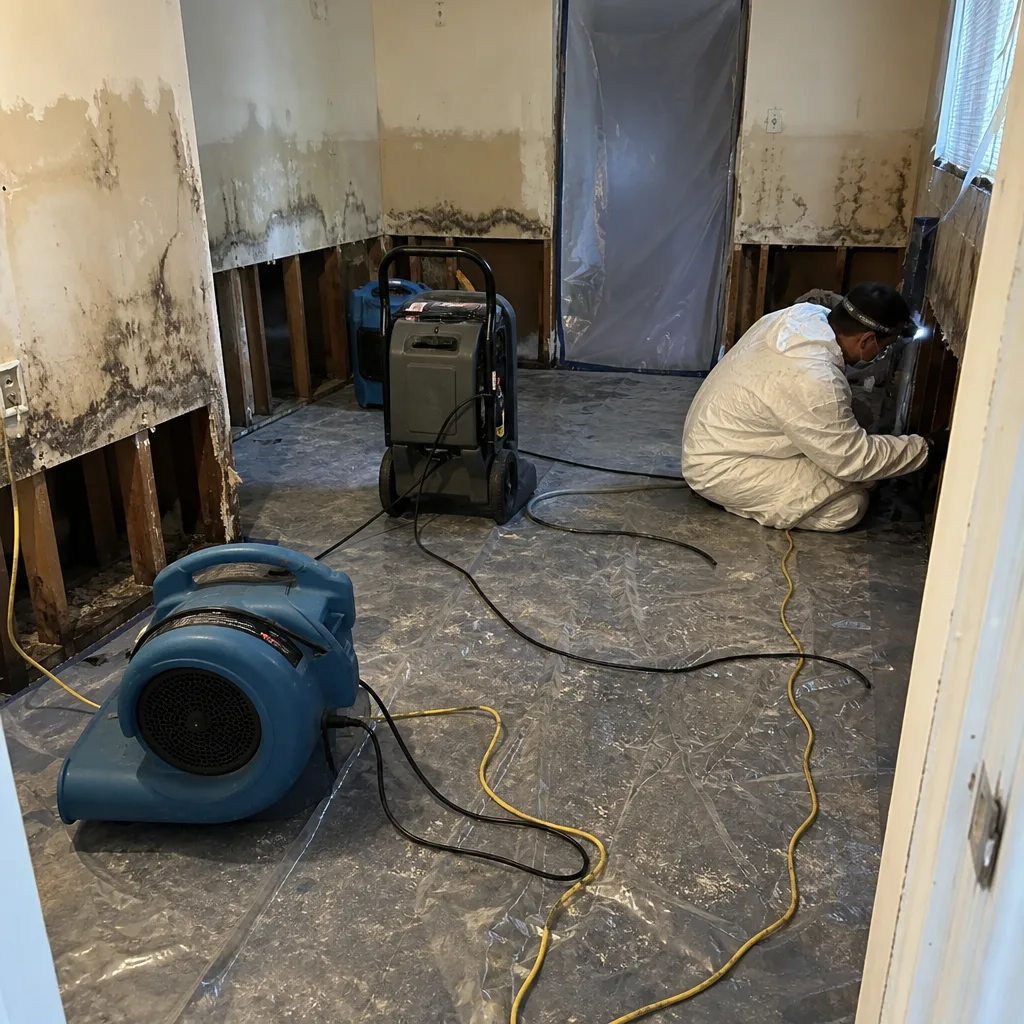 Before
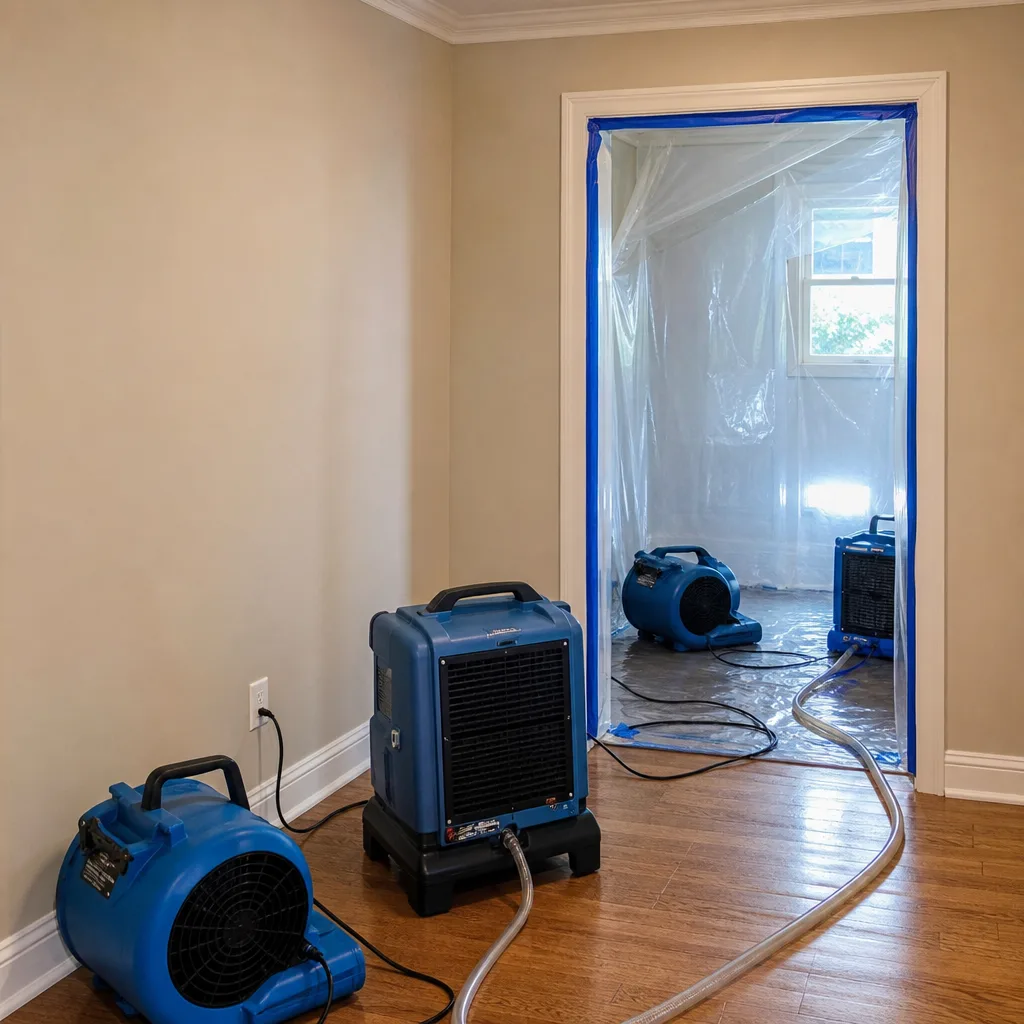 After
After24/7 Emergency Storm & Disaster Restoration in Douglaston
Storm damage in Douglaston moves fast, and so do we. A live dispatcher answers at (518) 873-4306 around the clock, every day of the year, and a certified crew can reach your block in Douglas Manor, Douglaston Hill, or anywhere else in the neighborhood within 45 minutes of your call. The first hour after a nor’easter surge, a tree limb through the roof, or a bay-driven flood matters more than most homeowners realize: water is already wicking up through original plaster and into balloon-frame cavities by the time you finish mopping the floor. We arrive with professional-grade extraction equipment, assess the full extent of the damage with thermal imaging, and start pulling water out on that first visit. Call now, and you’ll speak to a person who knows Douglaston’s housing stock and storm history, not a recording.
Understanding Storm & Disaster Restoration Severity in Douglaston Properties
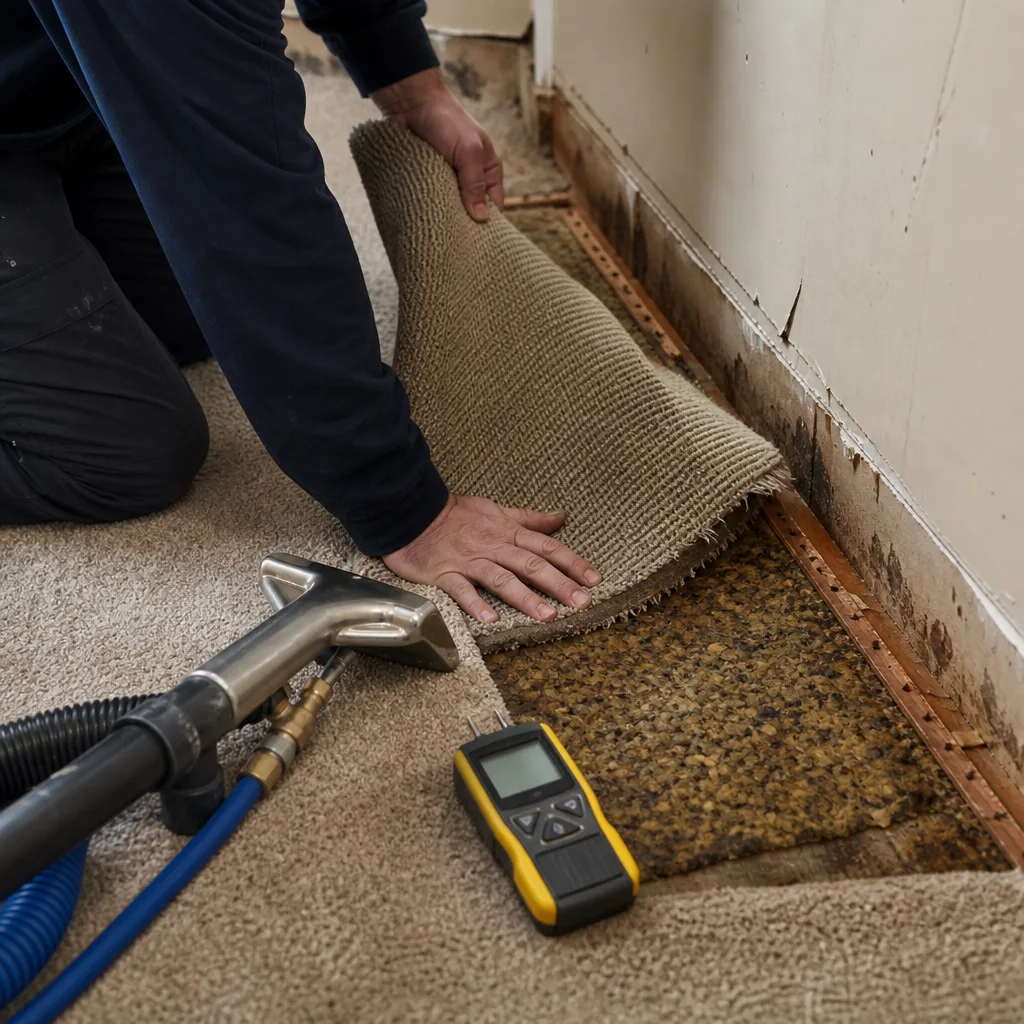
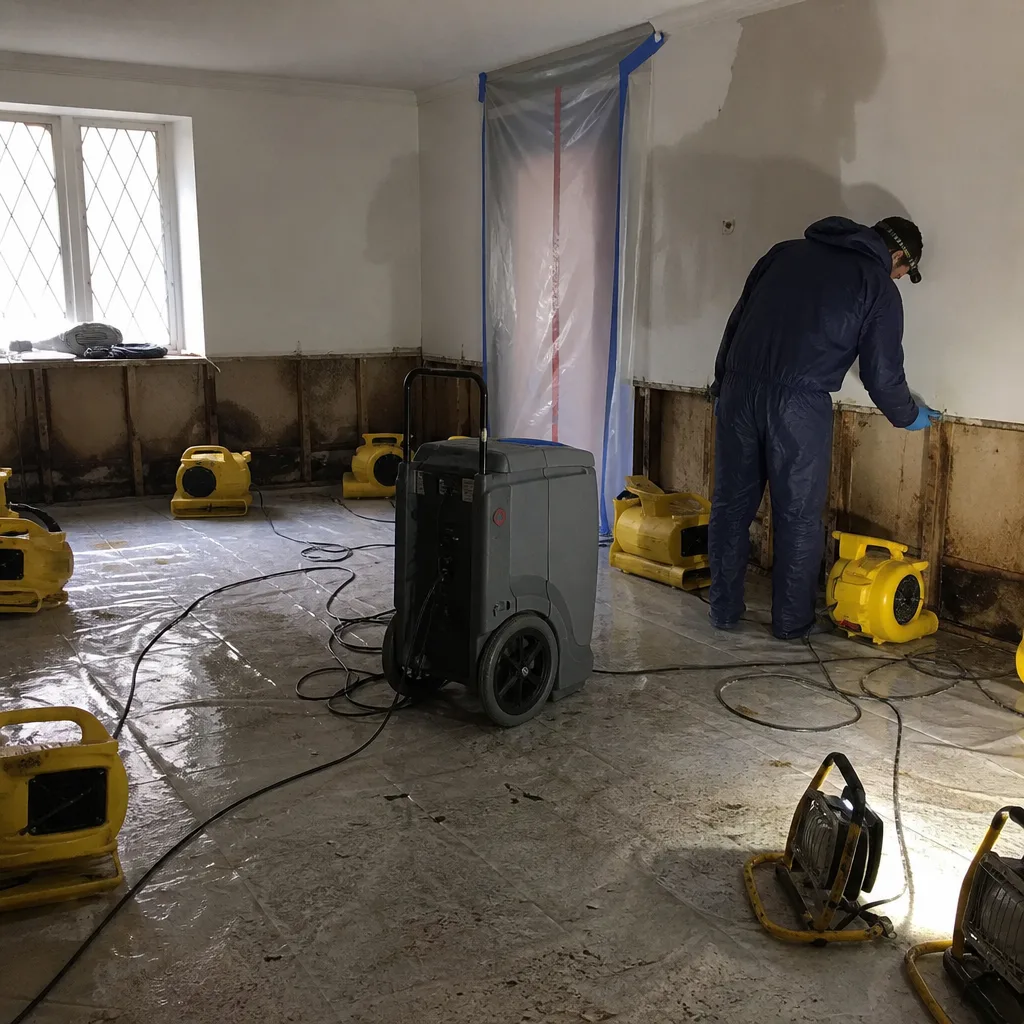
Not all storm water is equal, and in Douglaston the difference between a Category 1 leak and a Category 3 contamination event often comes down to the age of the building and its proximity to Little Neck Bay. Category 1 water is clean, typically from a broken supply line or roof leak during a rainstorm. Category 2 carries some contamination. Category 3 water, what our crews pulled out of Shore Road basements during Sandy and what we still see after hard nor’easter surges, contains sewage, salt, and sediment that make full extraction, sanitization, and structural drying non-negotiable. We use moisture mapping across floors, walls, and ceiling cavities, combined with Dri-Eaz LGR dehumidifiers and Phoenix air movers, to drive moisture content down to the dry standard before any rebuild work begins. In Douglaston’s pre-war Colonials and Tudors, original horsehair plaster and uninsulated framing hold moisture longer than modern drywall, which means the drying phase takes longer and must be monitored daily. Skipping readings or cutting only at the visible stain line leaves hidden reservoirs that bloom into mold weeks later. Salt-crystallization testing matters here too, especially in bayside homes that took on tide water during Sandy. Salt pulls moisture from the air and keeps materials damp long after they look dry.
Why Douglaston Property Owners Choose Floodline Restoration Co.
- 45-minute response commitment across Douglaston. Our dispatch board tracks every active crew in Queens, so the closest team reaches Douglas Manor, Douglaston Hill, and the Little Neck Bay shoreline without delay.
- A live person answers, every time. You call, a dispatcher picks up. No automated phone tree, no callback request. At 2 a.m. during a nor’easter, that’s the difference between containment and a total gut.
- IICRC-certified crews with WRT and ASD training. Our technicians carry Water Restoration Technician and Applied Structural Drying certifications, and they follow RIA and IFA standards on every job. A background-checked, uniformed team enters your home.
- Free visual storm damage inspection. Before any work starts, we walk the property with you and show you exactly what we found, what needs to be done now, and what can wait. You get the full picture before signing anything.
- Direct insurance billing. We document everything, submit the claim paperwork, and communicate with your adjuster directly. You don’t play messenger between Floodline Restoration Co. and the carrier.
- One team from first extraction to finished rebuild. The same certified crew that sets up containment on day one reads the moisture log daily and rebuilds what needs rebuilding. No handoffs to strangers, no inherited crews.
Our Storm & Disaster Restoration Process
Inspection & Assessment
We arrive with thermal imaging cameras and hygrometers, map every affected surface, and identify the water category. In Douglaston homes, this includes checking for salt residue in bayside properties and assessing whether historic plaster can be saved or must be removed.
Extraction & Stabilization
Standing water comes out first. We run truck-mounted extraction units and start emergency board-up or roof tarping on the same visit to stop further intrusion through broken windows, damaged roofs, or compromised doors.
Drying & Dehumidification
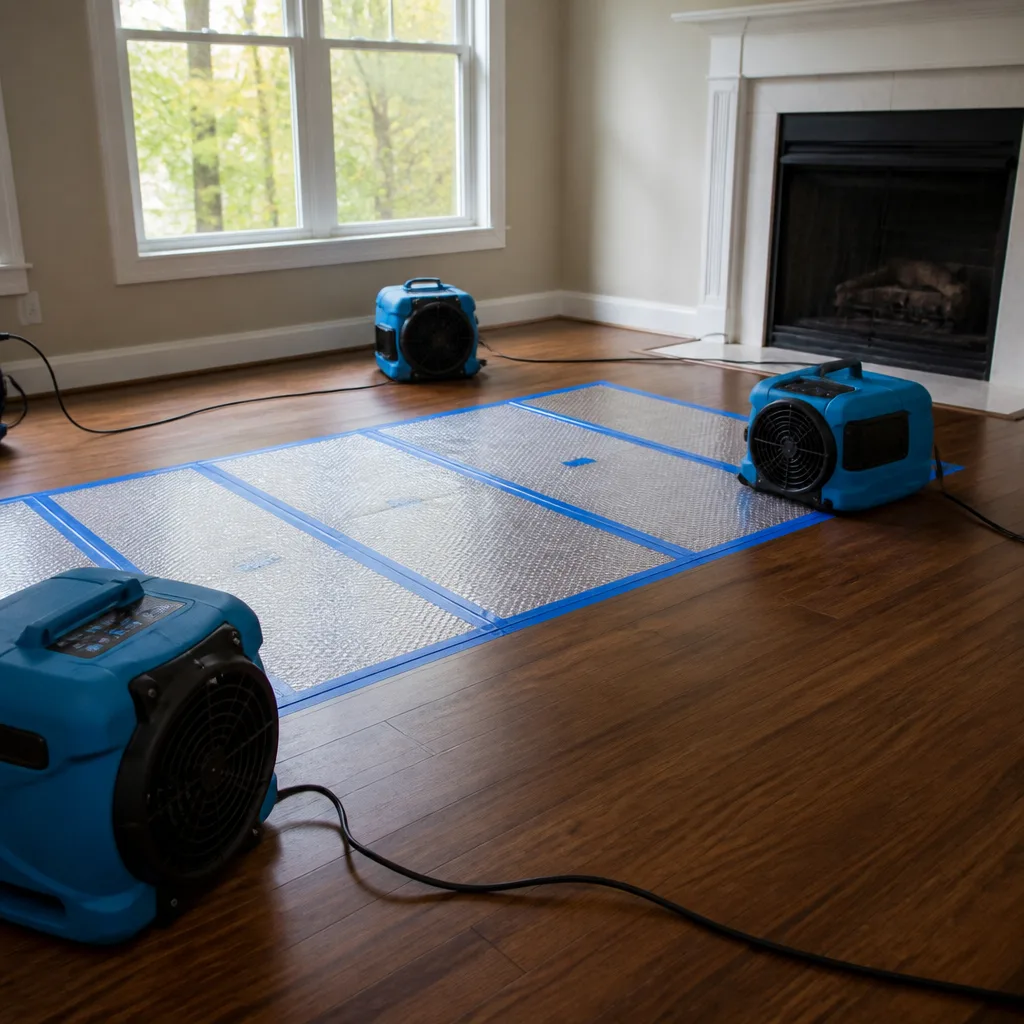
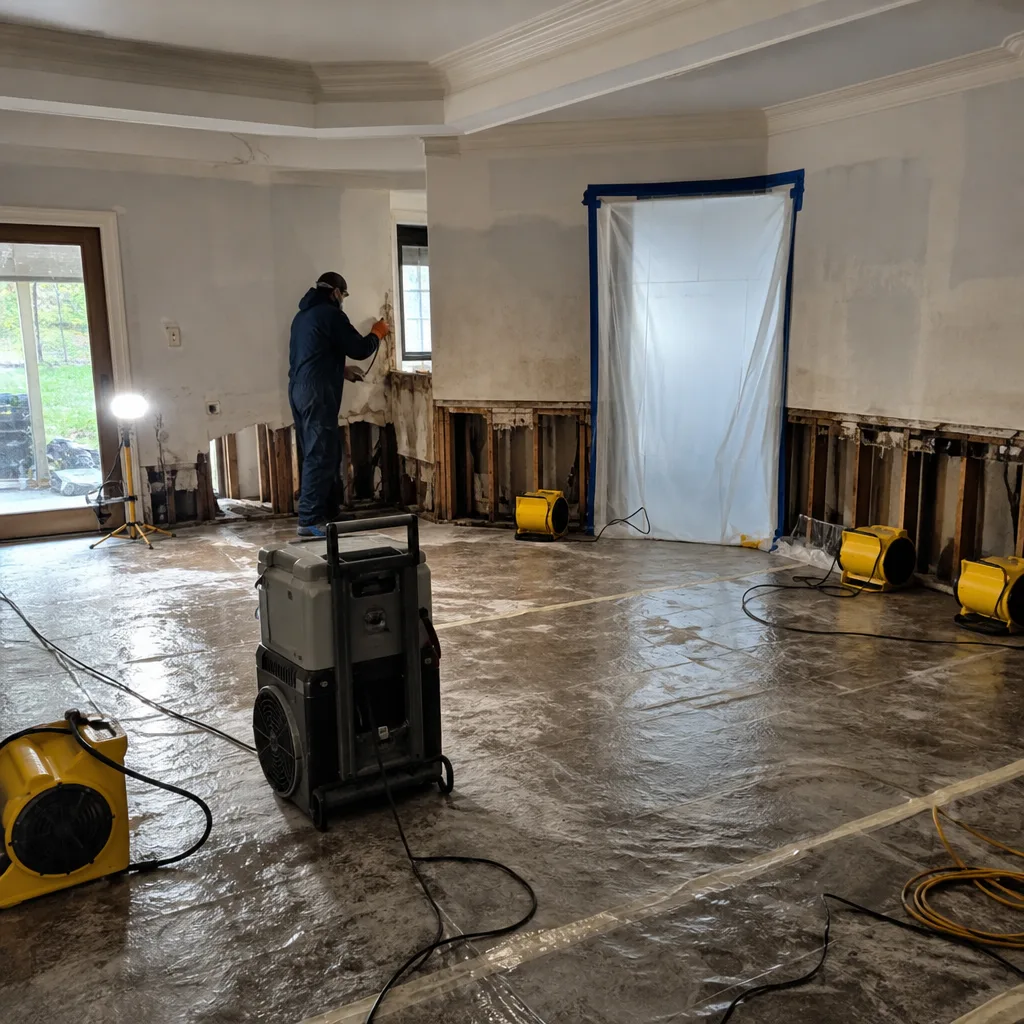
Dri-Eaz and Phoenix dehumidifiers plus XPOWER air movers create directed airflow through wall cavities and under floors. We log moisture readings every visit and provide the drying log to you and your insurer.
Cleaning & Sanitization
After drying reaches target, we clean and sanitize affected surfaces. For Category 3 water from bay flooding, this includes antimicrobial treatment and HEPA vacuuming to remove salt, sediment, and any biological contaminants.
Salt Testing & Specialty Treatment
In Douglas Manor homes exposed to Sandy-era salt water, we test for residual salt crystallization in masonry and framing before closing anything up. Untreated salt reactivates with any new moisture event and accelerates rot behind finished walls.
Repairs & Restoration
The same crew that did the extraction rebuilds what was removed, matching original moldings, plaster profiles, and period trim in historic homes. Reconstruction work is scoped in writing before it starts, with a firm price and timeline.
Need Emergency Storm & Disaster Restoration in Douglaston Now?
Crews minutes away, answering live 24 hours a day. The sooner we start, the less it costs.
Working With Your Insurance Company
Insurance claims after a Douglaston storm event come down to documentation. The adjuster wasn’t there when the water came in, so what they see is what we give them. We start documenting from the first hour: photos of standing water, moisture readings before and after drying, room-by-room damage logs, and a line-item scope of work that uses industry pricing standards. We talk to your adjuster directly, send everything the carrier needs, and follow up so the claim moves. You get a copy of every document, and you’re never left guessing what was submitted. For policyholders in Douglas Manor and Douglaston Hill, we know the repetitive-loss documentation patterns that insurers expect after bay flooding and storm surge events.
What We Provide Your Insurer
- Thorough documentation of the loss
- Photos of all damage, room by room
- Moisture readings and drying logs
- A detailed, line-item scope of work
- Direct coordination with your carrier
Built for Douglaston’s Loss Calendar
Douglaston’s storm damage calendar runs the full twelve months, but the patterns shift with the seasons. January and February bring deep freezes that burst aging cast-iron and galvanized supply lines in the pre-war homes of Douglaston Hill and along Marathon Parkway. March and April thaw saturates the ground, and basement seepage rises through old stone foundations in Douglas Manor, especially after a wet winter. Summer brings sudden thunderstorms that overwhelm the local sewer system and send flash water into low-lying streets near Little Neck Bay. August through October is nor’easter season, and that’s when we see the worst of it: bay surge, wind-driven rain through aging roofs, and tree limbs through windows on Shore Road and Douglas Road. November and December bring coastal storms again, plus the first interior pipe bursts of the cold season. One pattern holds across every season in this neighborhood: the original materials in Douglaston’s historic homes hold water longer, hide damage deeper, and demand more careful drying than anything built after 1970.
Storm & Disaster Restoration Across Douglaston’s Neighborhoods
Douglas Manor runs along the Little Neck Bay shoreline and takes the hardest hit from nor’easter surge. Streets like Shore Road, Grosvenor Street, and Arleigh Road sit low enough that three feet of Category 3 water inside a ground floor is a documented, repeatable event, not a hypothetical. We respond here with full extraction, salt testing, and a written drying plan. Douglaston Hill, with its landmarked Colonials and Tudors along 243rd and 244th Streets, sees more wind damage and roof failures than flooding. Here the challenge is architectural: any exterior repair, from a new door to a rebuilt porch railing, needs Landmarks Preservation Commission approval, and we handle that paperwork with the LPC while emergency stabilization proceeds. The blocks near the Douglaston LIRR station and along Douglaston Parkway are a mix of mid-century and early-1900s housing where burst supply lines and rain intrusion through aging windows are the common loss types. Up near the Long Island Expressway side of the neighborhood, tree falls and wind uplift are the bigger weather threats. Wherever your home sits in Douglaston, our Storm & Disaster Restoration crews plan the response around your block’s actual risk profile.
Specialized Storm & Disaster Restoration Services We Offer in Douglaston
Storm Damage Cleanup
After a nor’easter or severe thunderstorm moves through Douglaston, our crew handles the full cleanup: broken glass, fallen limbs, wet insulation, contaminated carpet, and everything storm water leaves behind. We separate salvageable from unsalvageable, and you get a written list before anything is disposed of.
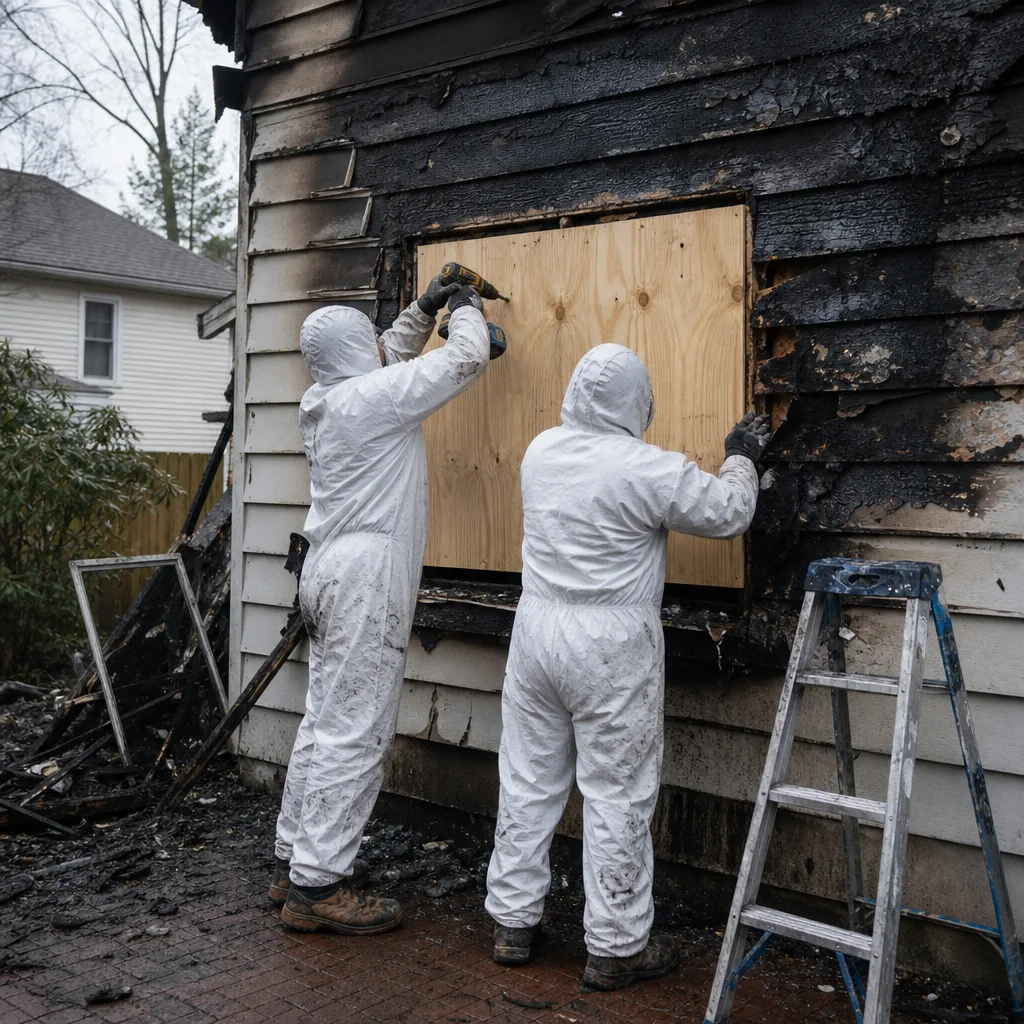
Flood Damage Restoration
Bay surge and tidal flooding in Douglas Manor demand a specific approach: Category 3 water extraction, salt-crystallization assessment, antimicrobial treatment, and structural drying with daily moisture logs. We’ve handled flood damage in Douglaston’s bayside homes since 2010, and we know what the water leaves behind.
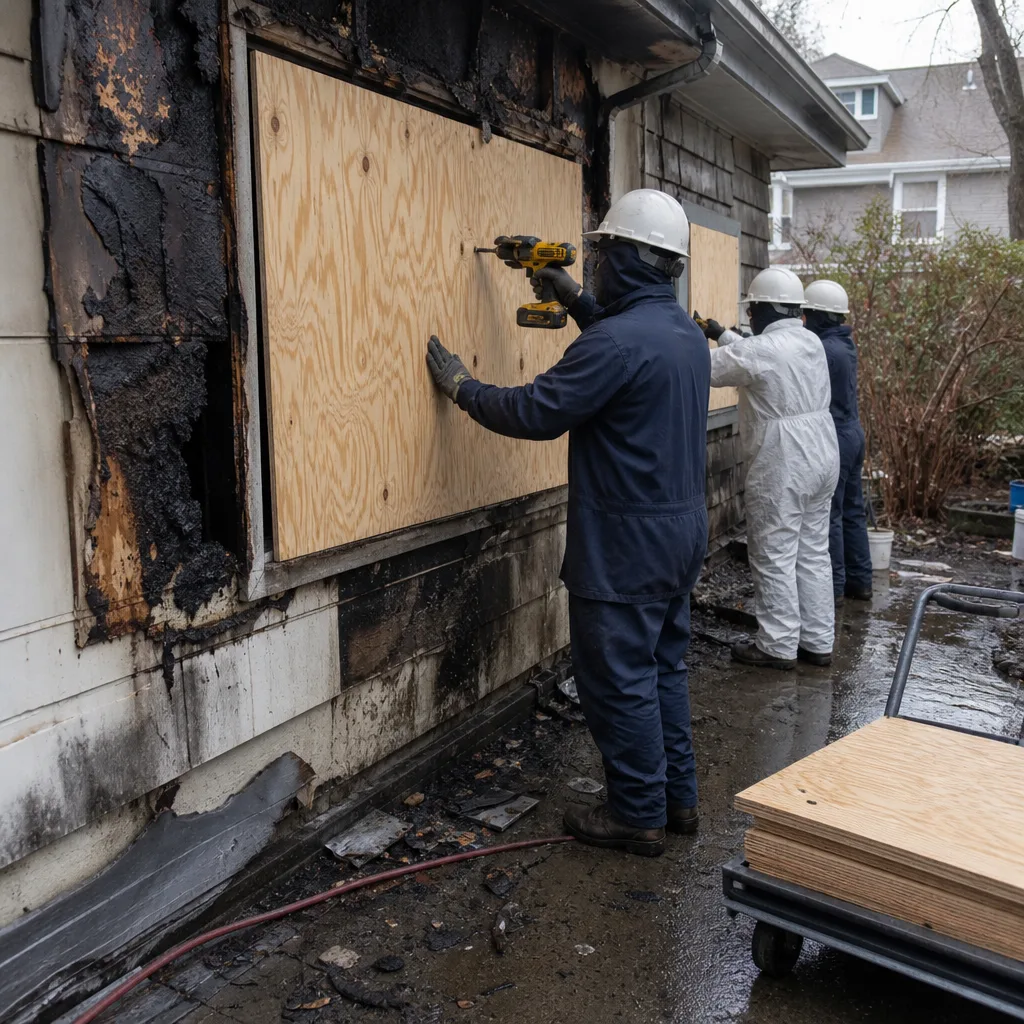
Emergency Board-Up
When a tree limb goes through a window on Douglaston Parkway or a nor’easter blows out a door on Shore Road, we board up the opening within hours. For Douglas Manor homeowners, we coordinate with the HOA’s ARB requirements the same night so the temporary board-up doesn’t become a permanent violation.
Roof Tarping
Wind-damaged roofs on Douglaston Hill’s Colonials and the Edwardian homes of Douglas Manor need emergency tarping before rain gets into the attic. We secure heavy-duty tarps and schedule a permanent repair scope. Tarping stops the active leak; it’s not the fix, but it buys you time to make the right call on materials and approvals.
Debris Removal
Storm debris removal in Douglaston means more than hauling branches. We remove wet drywall, saturated plaster, waterlogged furniture, and contaminated carpet, and we document everything for your insurance claim. Debris is separated by type and disposed of properly, with a written manifest for your records.
What happens when you call
- 1
A real person answersNo phone trees - you reach a local pro.
- 2
You get an upfront price rangeHonest numbers before anyone is dispatched.
- 3
A background-checked tech heads outLicensed & insured, dispatched right away.
- 4
You approve before work beginsNothing starts until you say go.
Storm & Disaster Restoration Costs in Douglaston, NY
Storm damage costs in Douglaston track with the age and construction of the home. Emergency board-up and roof tarping typically runs $400 to $900 for a standard opening. Flood extraction and drying in a Douglas Manor basement starts around $2,800 and goes up based on square footage and how long the water sat. Full storm damage cleanup after a nor’easter, including debris removal and sanitization, lands between $4,000 and $9,000 for a single floor. Reconstruction after major flood damage, where historic plaster, trim, and floors need replacement, can run $18,000 to $45,000 or more in landmarked properties where materials and LPC compliance add cost. The free visual inspection we offer gives you a firm, written scope before any bill is discussed. In many cases, the insurance claim covers most of the work. Our direct billing to your carrier means you’re not floating thousands of dollars while waiting on a reimbursement check.
We Also Serve Cities Near Douglaston
Our crews handle storm and disaster restoration in the communities around Douglaston, including Great Neck Plaza, Manhasset, North Hills, and Great Neck. The same certified technicians, equipment, and written guarantee cover every job, whether you’re on Shore Road or a few minutes east over the Nassau line.
Serving Douglaston, NY - Our Local Coverage Area
We’re based in the Douglaston area and know this community well. Use the map below to see our service coverage - if you’re nearby, we can almost certainly help.
Douglaston Storm & Disaster Restoration Questions, Answered
Does Douglas Manor’s HOA require approval before we tarp or board up storm damage?
Emergency tarping and board-up can proceed immediately in Douglas Manor; the HOA considers storm-stabilization work exempt from prior review because delayed action threatens the structure. However, any replacement that becomes visible and permanent, like a new exterior door or window, needs ARB approval first. We coordinate with the Douglas Manor management office during the emergency so temporary protection doesn’t turn into a compliance problem. Call us at (518) 873-4306 and we’ll handle the ARB conversation while your home gets stabilized.
Will your dehumidifiers and air movers violate Douglas Manor’s quiet hours during drying?
We schedule our drying equipment around Douglas Manor’s quiet-hour covenants. The dehumidifiers and air movers run on timers that respect the community’s evening and overnight noise limits, and we adjust the drying plan to maintain structural targets without running any equipment during prohibited hours. If your property needs aggressive drying, we’ll discuss the schedule with you and, if needed, with the HOA management office before equipment goes in.
How do you handle salt water from Little Neck Bay flooding differently than regular water damage?
Salt water from Little Neck Bay flooding leaves salt crystals behind in masonry, framing, and even in the pores of plaster. We test bayside Douglas Manor homes for residual salt loading before closing any cavity, because salt attracts moisture and keeps materials damp long after visible drying is complete. The treatment includes extraction, then targeted cleaning of salt residue, then monitored drying until the material is dry through its depth, not just on the surface.
Can you match the original plaster and moldings in a Douglaston Hill historic home after storm damage?
Yes. We’ve rebuilt lime-plaster walls and matched period moldings in Douglaston Hill’s landmarked Colonials and Tudors. The process requires a plaster specialist, not a drywall crew, and the materials take longer to cure. For homes under Landmarks Preservation Commission review, we document the existing profiles and submit the proposed repair details with the LPC application.
What happens if storm damage requires replacing a Douglas Manor entry door that has a specific HOA-approved style?
We source the replacement door to match the ARB-approved profile and paint color from the Douglas Manor palette before installation. Our team coordinates with the HOA management office to get the replacement door approved in writing, so the repair doesn’t trigger a violation. Temporary board-up goes up immediately; the permanent door gets installed once the ARB review clears it. Call (518) 873-4306 for a free inspection and we’ll walk the approval path with you.
How fast can you actually get to a Douglaston home after a storm?
We commit to a 45-minute response time for emergency storm damage across Douglaston, including Douglas Manor, Douglaston Hill, and the bayside streets near Little Neck Bay. That’s measured from the moment you call to the moment our truck pulls up. Our dispatchers track active crews and reroute the closest team when a storm call comes in.
Will my insurance cover storm and flood damage in Douglaston?
Storm damage from wind, falling trees, and rain intrusion is typically covered under a standard homeowners policy. Flood damage from Little Neck Bay surge requires a separate flood insurance policy, which most Douglas Manor homeowners carry given the area’s FEMA flood-zone designation. We provide photo documentation, moisture logs, and a line-item scope that your adjuster can process regardless of which policy applies.
What should I do in the first 30 minutes after storm damage hits my Douglaston home?
Call us. Before you move anything, photograph the visible damage with your phone for the insurance file. If water is actively coming in through a broken window or damaged roof, shut off power to the affected area if you can do so safely, then move small valuables to higher ground. Don’t enter standing water that may be in contact with electrical outlets. Call (518) 873-4306 and we’ll talk you through the next steps while a crew heads your way.
Written by Curt Bowman, Owner at Floodline Restoration Co., serving Douglaston and the surrounding Queens communities since 2010.