

Free visual inspection and a written scope of work before any mitigation begins - photos, moisture readings, and drying logs go in your claim file
The scope we write is the scope we bill. Anything new gets shown to you, in writing, before we touch it.
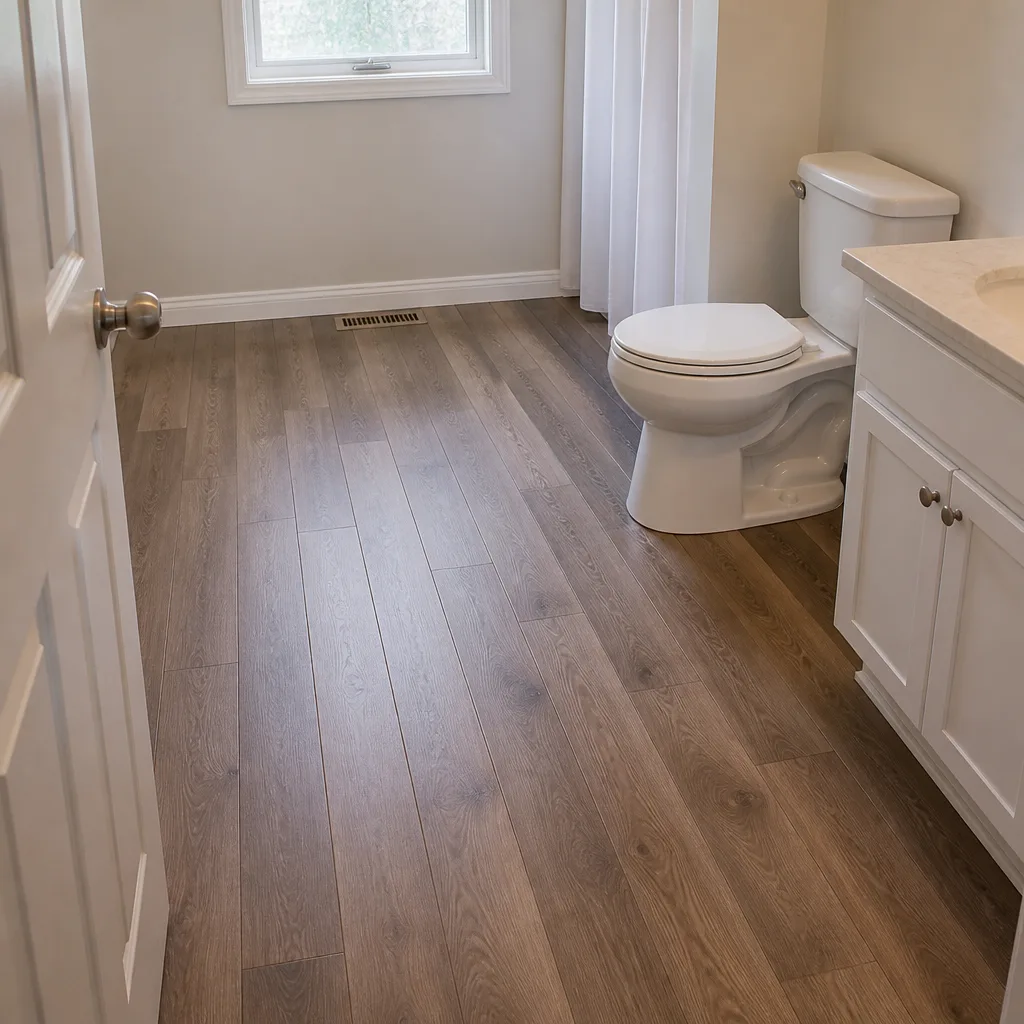
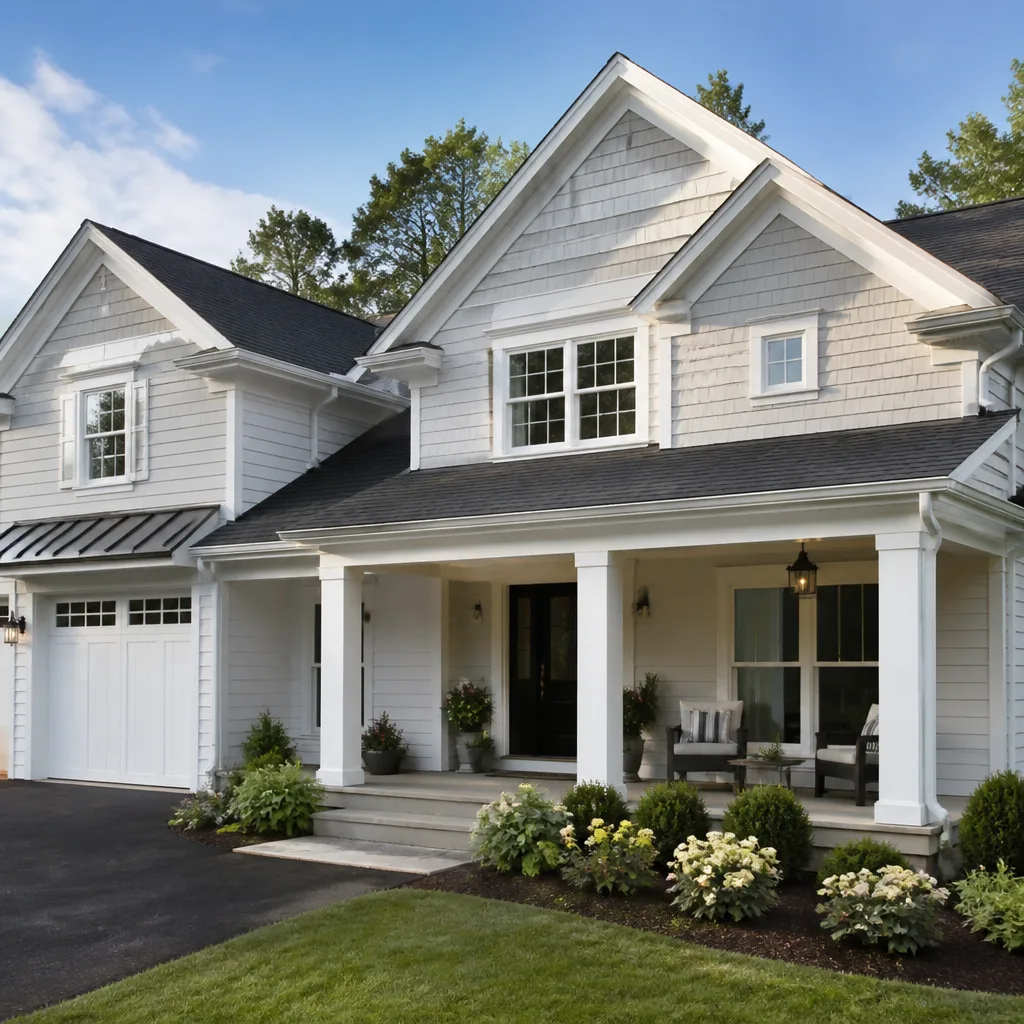
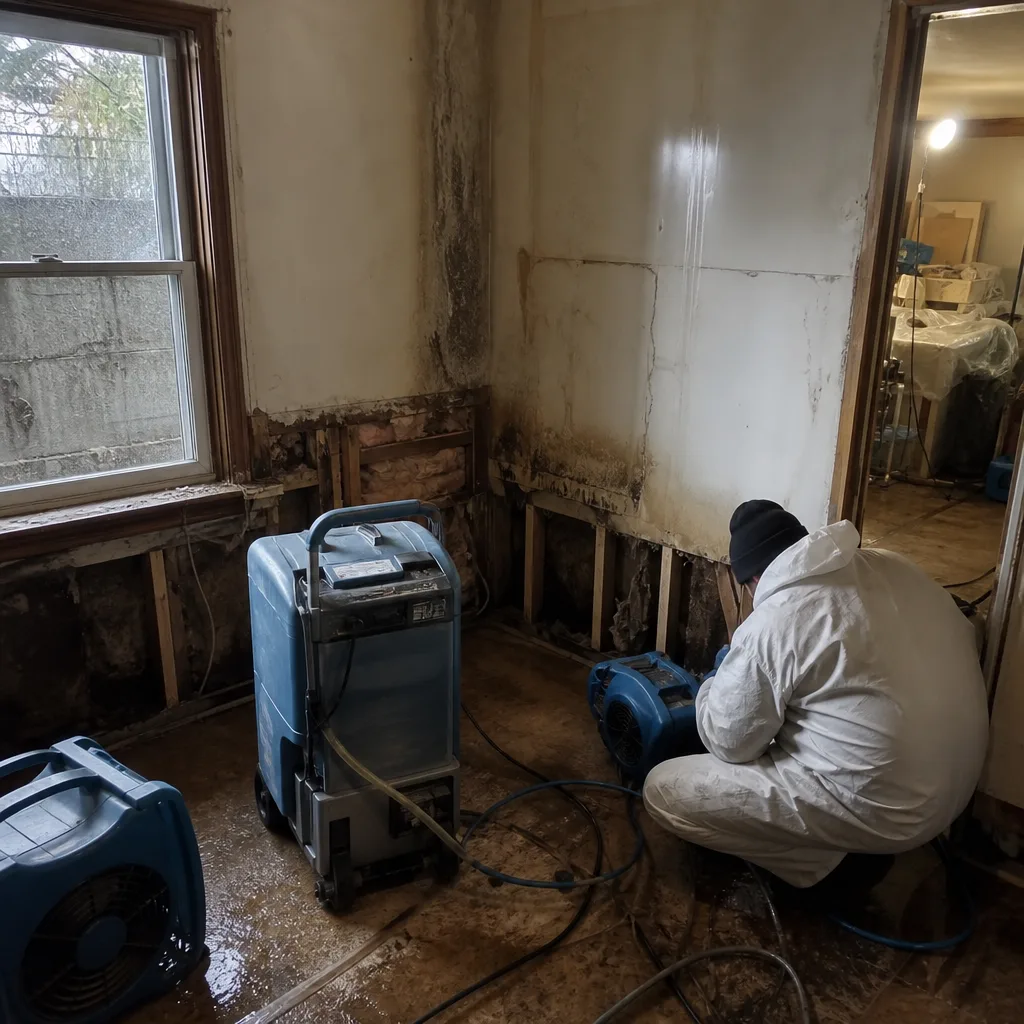 Before
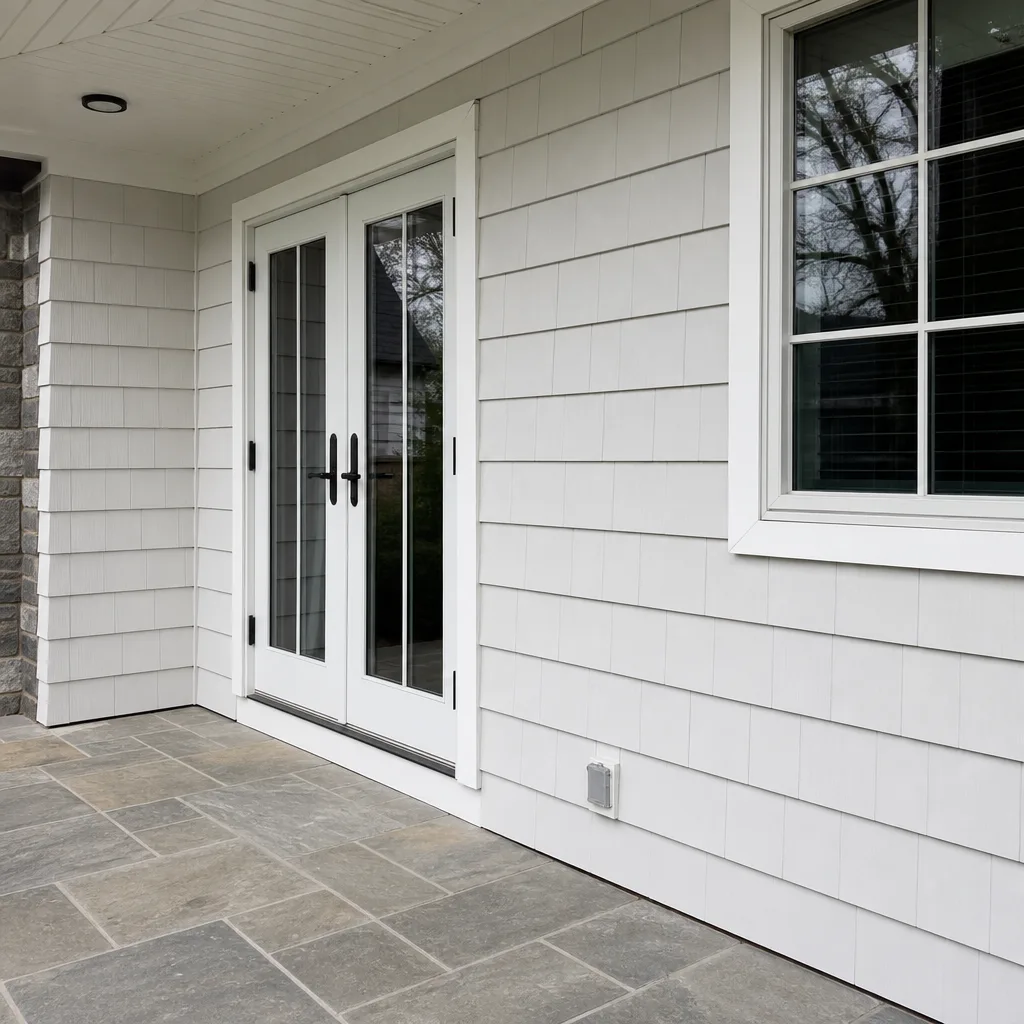 After
After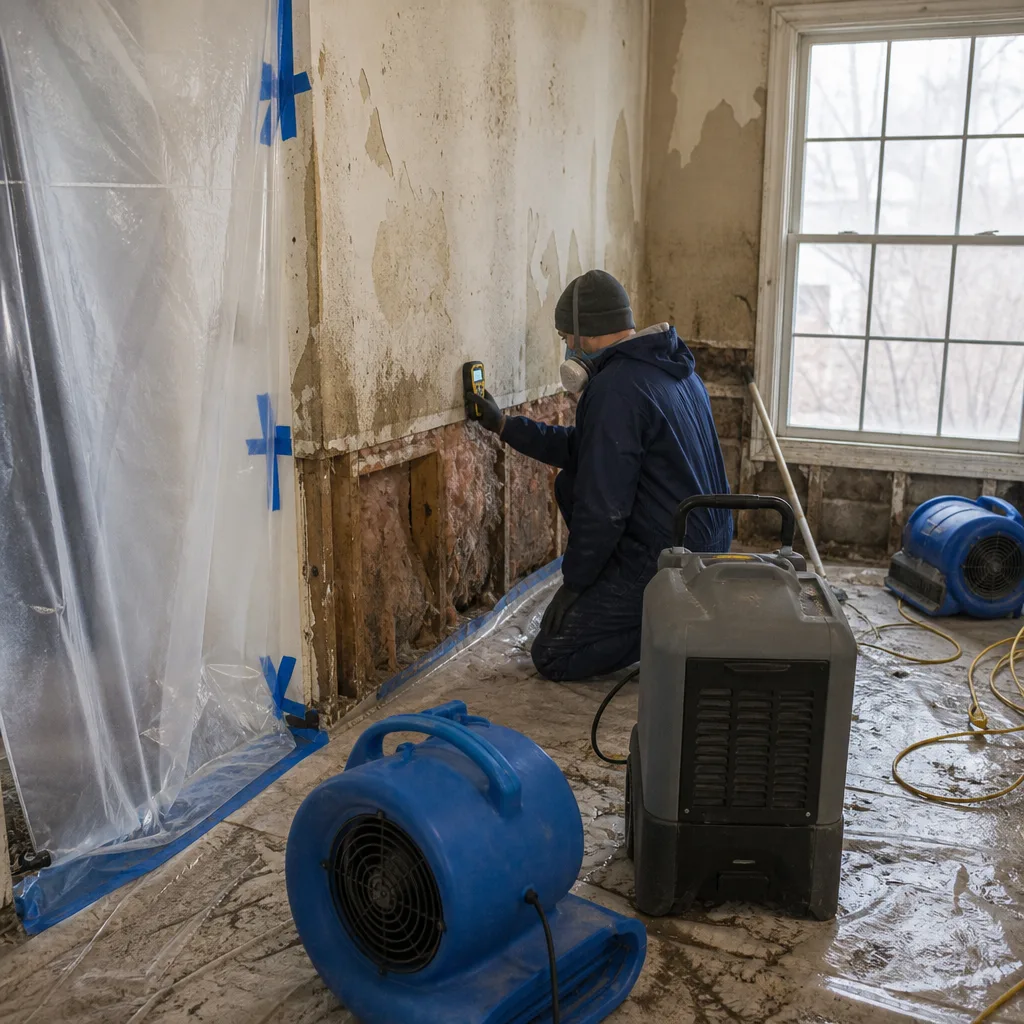 Before
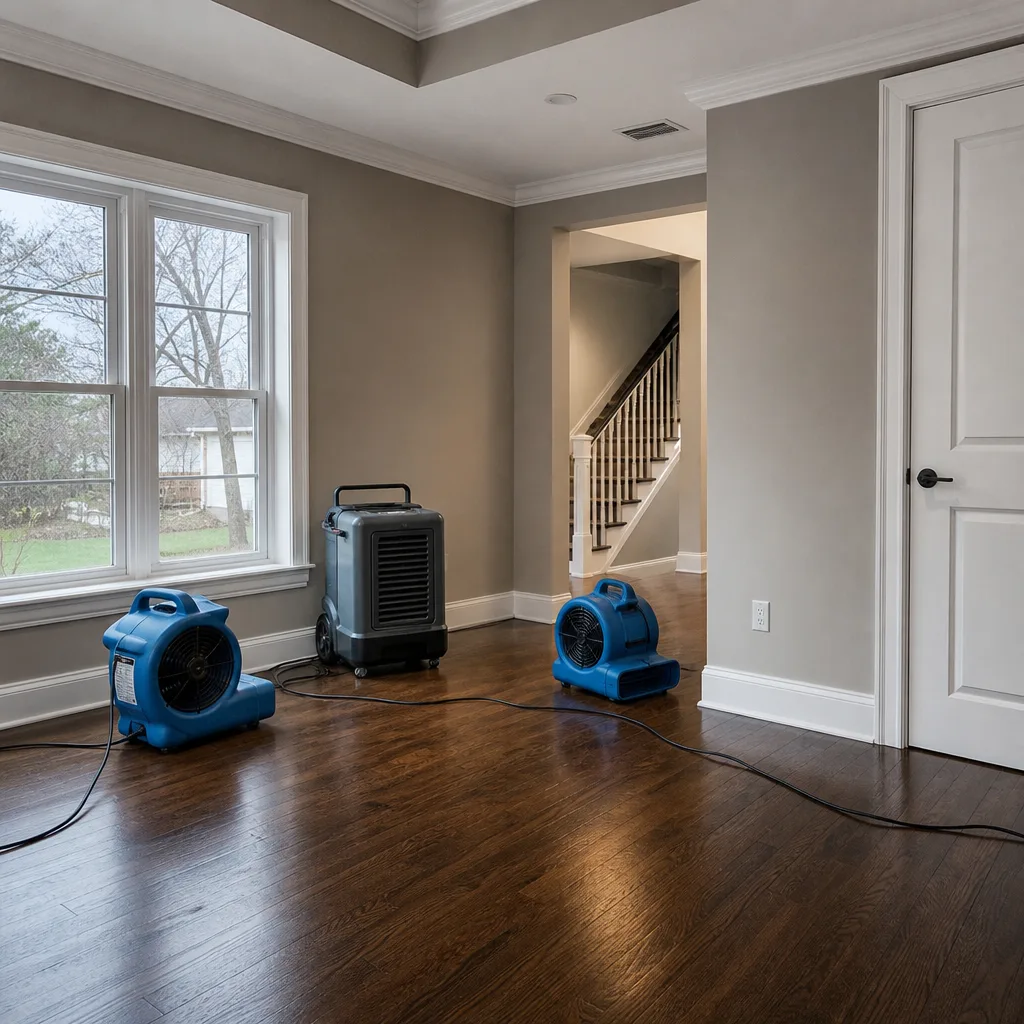 After
After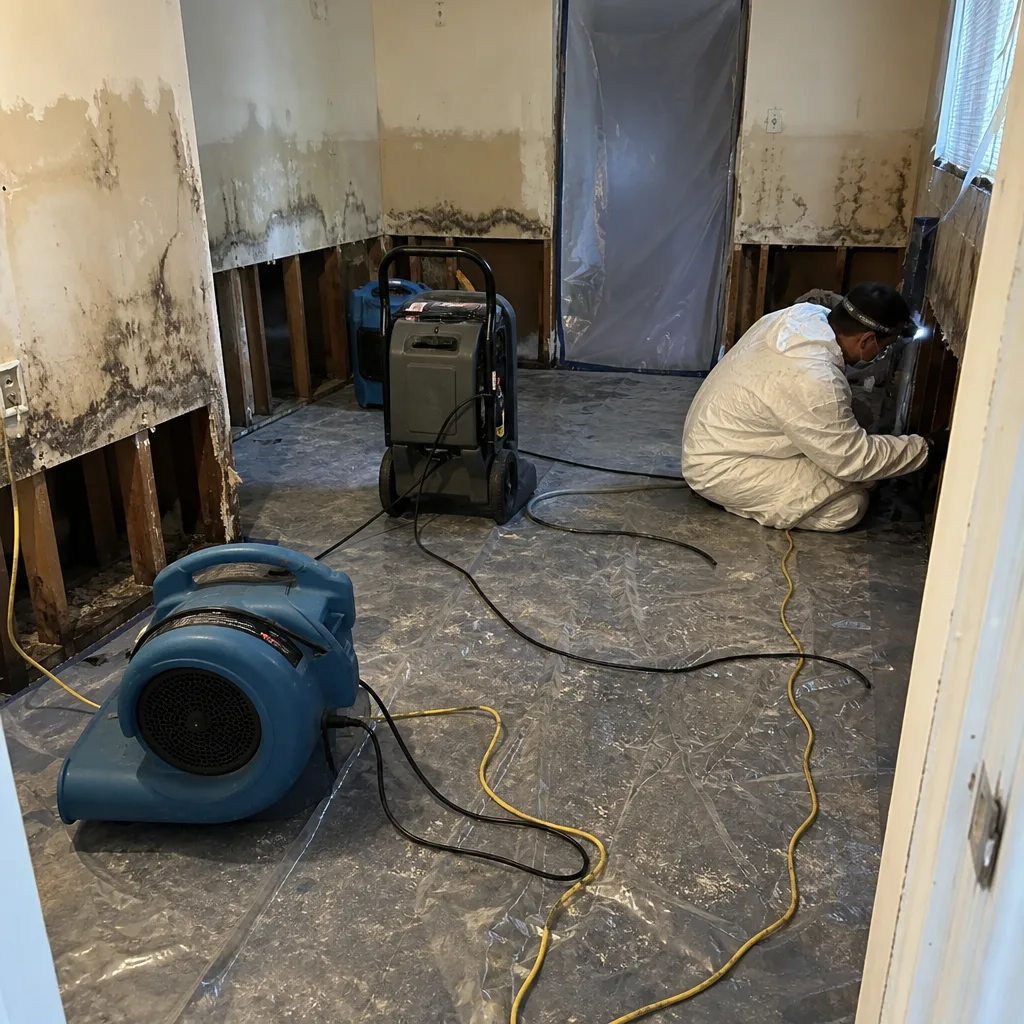 Before
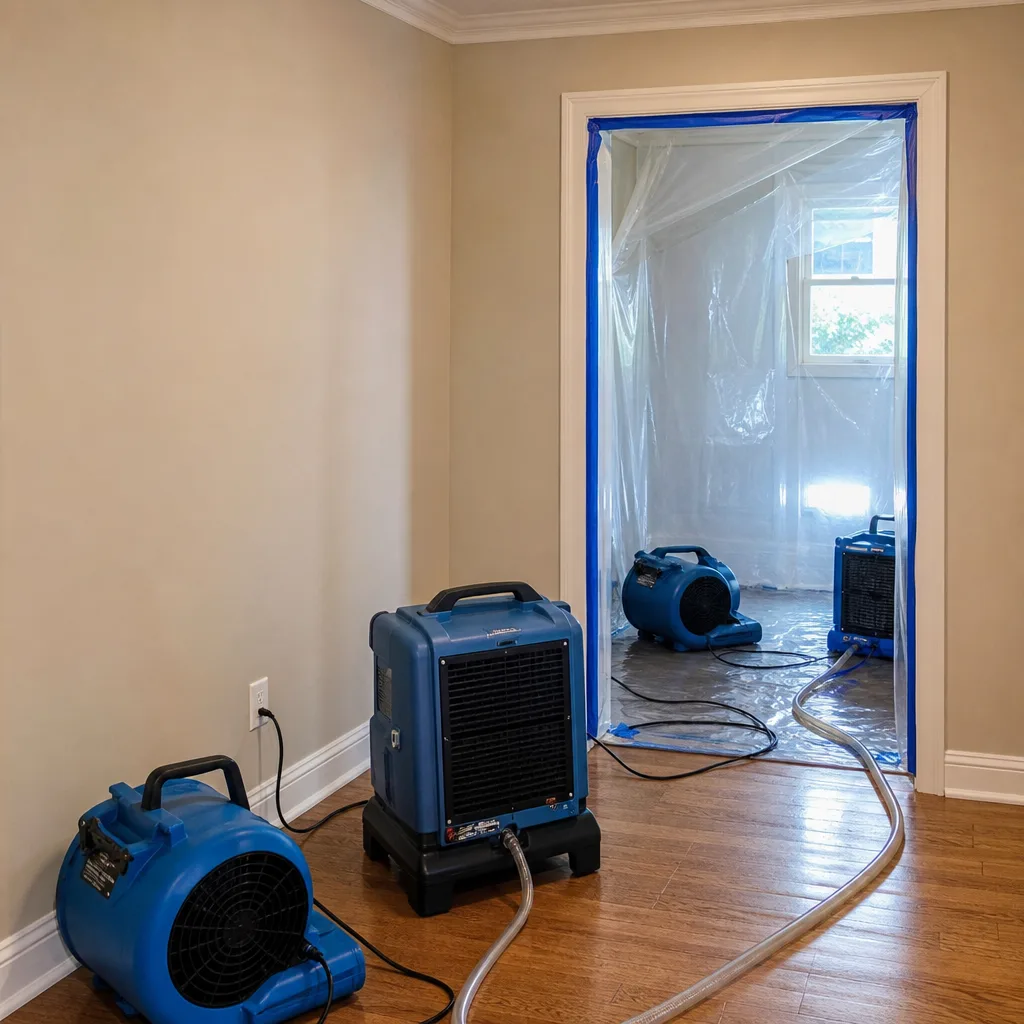 After
After24/7 Emergency Storm & Disaster Restoration in Manhasset
Storm and disaster restoration in Manhasset is about speed first and craftsmanship second. When a nor’easter drives Manhasset Bay tidal surge into a finished basement on Plandome Road or a January freeze bursts a supply line inside a 1920s colonial on Shelter Rock Road, the first hour determines whether you’re looking at a cleanup or a rebuild. Our crews are dispatched inside the Manhasset area around the clock, with a live person answering the phone at (518) 873-4306 every hour of every day. We arrive fast because we know what those first hours cost. The free visual inspection tells us exactly what we’re dealing with: Category 1 clean water, Category 2 gray water, or Category 3 tidal surge carrying salt, sewage, and debris. Every minute that Category 3 water sits against original oak flooring and horsehair plaster is a minute it wicks further into the structure. We start extraction the same visit.
Understanding Storm & Disaster Restoration Severity in Manhasset Properties
Storm damage in Manhasset rarely behaves the way it does in standard suburban homes. The housing stock here dates largely to the 1920s through 1950s: Colonial Revival, Tudor, and Cape Cod homes built with horsehair plaster over wood lath, old-growth oak and fir flooring, slate or clay tile roofs, and masonry walls with enormous thermal mass. That means water moves differently. A Category 3 surge from Manhasset Bay carries saline water, sewage, and organic matter. It saturates porous plaster, wicks up through solid oak flooring, and hides inside brick pockets long after the standing water is gone. Moisture mapping with thermal imaging and hygrometers is not optional here. We classify the water correctly the first time, because misclassifying tidal surge as Category 1 clean water leads to failed clearance tests days later and mold growth in wall cavities no one opened. The older the house, the more hidden the water travels. Structural drying requires understanding of lath-and-plaster assemblies and the way 1920s masonry holds moisture against interior surfaces for weeks if not addressed properly.
Why Manhasset Property Owners Choose Floodline Restoration Co.
- 45-minute response commitment. We dispatch crews to Manhasset addresses immediately. A certified tech is on site fast, with extraction running the same visit.
- 24/7 live answer, never an automated system. A dispatcher picks up at two in the morning. You speak to a person who knows what to do next.
- IICRC-certified crews. Our techs carry WRT, FSRT, and AMRT certifications. They’re trained to IICRC, RIA, and IFA standards and show up background-checked and uniformed.
- Free visual inspection. We assess the damage, classify the water, and give you a clear picture before any work begins.
- Direct insurance billing. We bill your carrier directly. You never play messenger between us and your adjuster.
- One team from extraction to reconstruction. The same crew that reads the moisture map on day one handles daily readings, dries the structure, and rebuilds what needs rebuilding.
Our Storm & Disaster Restoration Process
Inspection & Assessment
We arrive, walk the loss, and classify the water. For storm surge on Manhasset Bay, that means Category 3 saline contamination. Thermal imaging and moisture meters map how far water has wicked beyond the visible line, including into horsehair plaster and behind baseboards.
Extraction & Stabilization
Standing water comes out immediately using truck-mounted extraction systems. We also stabilize the structure: tarp the roof, board up broken windows, and shut down compromised electrical where needed. Emergency board-up and roof tarping prevent secondary damage while the drying begins.
Drying & Dehumidification
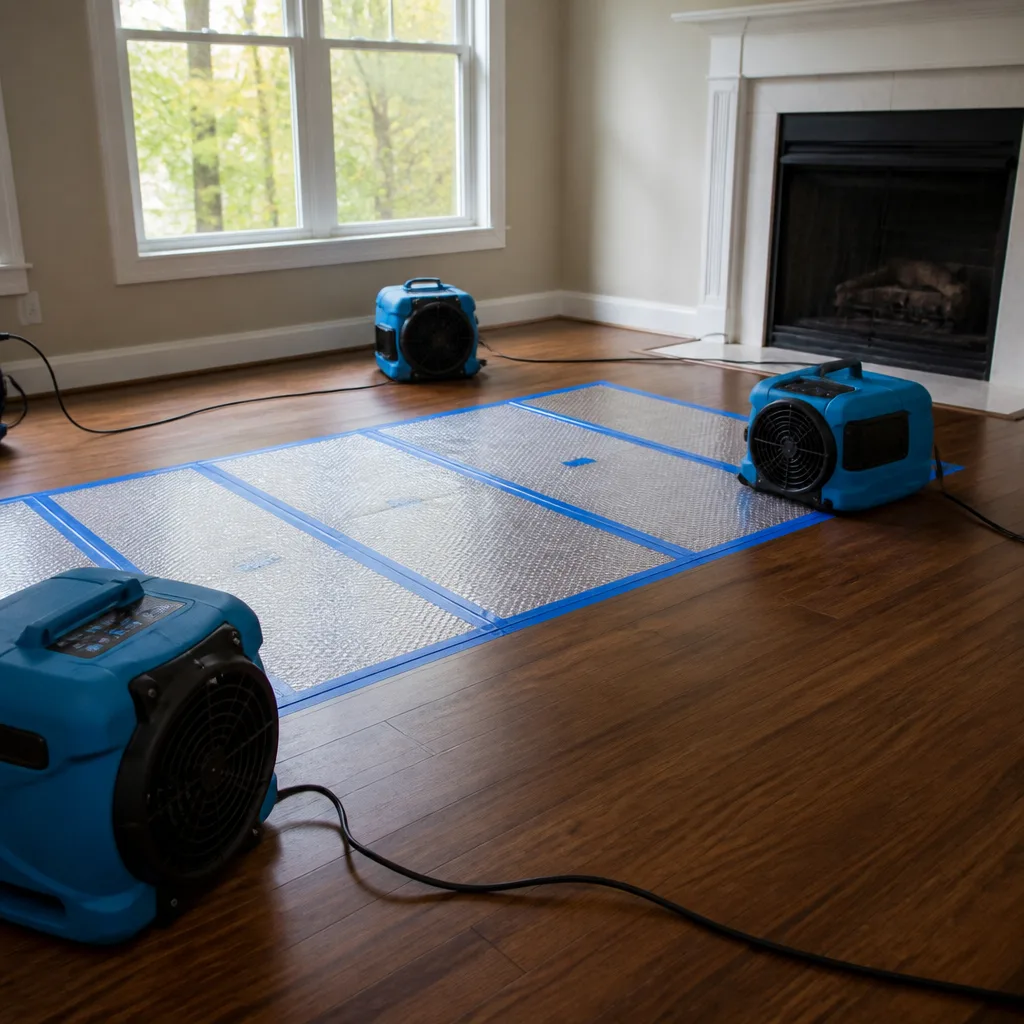
Professional-grade Dri-Eaz and Phoenix air movers and dehumidifiers are placed based on moisture readings, not guesswork. Daily readings are logged until the dry standard is met. Injectidry systems handle water trapped in wall cavities without tearing out all the plaster.
Cleaning & Sanitization
Surfaces exposed to Category 3 water get antimicrobial treatment and HEPA air scrubbing. XPOWER air scrubbers run throughout the affected zone during cleanup so airborne contamination doesn’t spread to clean areas of the house.
Specialty Storm Treatment
For Manhasset’s period homes, this includes salt residue removal from masonry, corrosion control on exposed metals, and careful inspection of slate roofing and flashing where wind damage opened seams. We handle debris removal from yard and roof as part of the same scope.
Repairs & Restoration
The same certified crew rebuilds what needs rebuilding: drywall, flooring, millwork, masonry, and roofing. Materials are matched to pre-loss condition. The job is not handed off. The 90-Day Done Right Promise stands behind the work in writing.
Need Emergency Storm & Disaster Restoration in Manhasset Now?
Crews minutes away, answering live 24 hours a day. The sooner we start, the less it costs.
Working With Your Insurance Company
Storm damage claims in Manhasset move differently because the homes are expensive and the adjusters know it. We document everything from the first hour: photos room by room, moisture readings with time stamps, drying logs updated daily, and a detailed line-item scope of work that reflects the actual pre-loss condition of your home. When an adjuster sees a 1930s Tudor with custom millwork and original leaded glass, the claim demands specificity. We provide it. We communicate directly with your carrier so you don’t have to translate restoration terminology over the phone. If a scope dispute arises, we have the documentation to support the claim. Direct insurance billing means the carrier pays us directly for covered work. You handle your deductible. We handle the rest.
What We Provide Your Insurer
- Thorough documentation of the loss
- Photos of all damage, room by room
- Moisture readings and drying logs
- A detailed, line-item scope of work
- Direct coordination with your carrier
Built for Manhasset’s Loss Calendar
Manhasset’s storm losses follow a pattern that anyone who has lived here long enough knows by heart. January and February bring deep freezes that burst supply lines in older homes with uninsulated rim joists and crawl spaces. Water runs for hours before anyone notices, soaking finished basements full of stored belongings and finished walls. March and April thaw brings groundwater seepage through 1920s foundations that were never waterproofed to modern standards. Summer thunderstorms dump inches of rain in an hour, overwhelming gutters and sending water through window wells and basement stairs. Then comes the real season: nor’easter season. Sustained northeast winds drive Manhasset Bay water inland through low-lying bayfront streets and into basements that sit below base flood elevation. Each year the same homes face the same exposure, and each year the freeze-thaw cycles attack slate rooflines and brick masonry a little harder. Ice dam intrusion opens the roof; the next storm sends water through the opening. The claims compound.
Storm & Disaster Restoration Across Manhasset’s Neighborhoods
The bayfront streets near Plandome Road and Shore Road face the most direct tidal surge exposure. These are the homes where nor’easter waves roll across lawns and into finished basements. The damage is fast-moving and Category 3. Further inland, around Shelter Rock Road and Northern Boulevard, the losses shift toward wind-driven rain intrusion, downed trees, and the kind of roof damage that lets water into attics and top-floor ceilings. The older estates along Park Avenue and Colonial Court, with their slate roofs and original masonry, face a different problem: slow, hidden water from ice dams and wind-lifted flashing that penetrates wall cavities and ceiling assemblies without ever forming standing water. By the time a stain appears on a bedroom ceiling, the insulation is soaked and the plaster is wicking. Each neighborhood has its own failure pattern, and our crews know them because we respond to all of them.
Specialized Storm & Disaster Restoration Services We Offer in Manhasset
Flood Damage Restoration
Manhasset Bay storm surge produces a specific kind of flood damage. The water is saline, contaminated, and driven inland by sustained northeast winds. It enters through doors, window wells, and foundation cracks. Our flood restoration crews classify the water correctly, extract it immediately, and dry the structure to the standard required for high-value period construction. Finished basements below base flood elevation get the full scope: removal of saturated materials that cannot be saved, structural drying of original joists and subfloor, and documentation against pre-loss condition.
Storm Damage Cleanup
Wind-driven rain, falling branches, and airborne debris leave a mess that goes well beyond water. We handle debris removal from roofs, yards, gutters, and window wells. We remove wind-blown insulation from attics. We clean salt residue from masonry and glass where bay water carried it in. The goal is a property that is not just dry but clean and safe to walk through.
Emergency Board-Up
When a window breaks or a door gets blown open during a storm, the opening invites more damage. We board up with plywood cut and secured to keep rain, debris, and animals out. On a 1920s home with original window frames, we fasten carefully so the frames don’t get damaged by hasty board-up work.
Roof Tarping
A wind-lifted section of slate or a punctured roof membrane needs immediate coverage. We tarp with heavy-duty material secured against the next wind event. Roof tarping stops the active leak so interior drying can proceed. It also prevents the kind of secondary water damage that turns a small roof opening into a whole-ceiling replacement.
Debris Removal
Fallen trees, broken branches, and storm-blown debris block access and create hazards. We clear it as part of the restoration scope. If a large limb penetrated the roof, we remove it carefully, document the penetration point for the insurance claim, and tarp until permanent repairs begin.
What happens when you call
- 1
A real person answersNo phone trees - you reach a local pro.
- 2
You get an upfront price rangeHonest numbers before anyone is dispatched.
- 3
A background-checked tech heads outLicensed & insured, dispatched right away.
- 4
You approve before work beginsNothing starts until you say go.
Storm & Disaster Restoration Costs in Manhasset, NY
Storm restoration pricing in Manhasset runs higher than in towns with newer housing stock, and for good reason. Emergency water extraction with truck-mounted equipment typically runs $1,200 to $3,500 for a standard basement flood. Structural drying with air movers and dehumidifiers adds $1,500 to $4,500 depending on square footage and the number of affected rooms. Roof tarping runs $500 to $1,500 for a typical Manhasset home. Emergency board-up costs $350 to $900 for windows and doors. Debris removal varies by volume but typically falls between $400 and $2,500. The bigger variable is the restoration work itself: repairing horsehair plaster, replacing custom millwork, or matching vintage oak flooring can push total claims into the tens of thousands. Insurance often covers most of it when documented properly. For out-of-pocket work, we have a firm price before starting. The free inspection gives you a real number, not a guess.
We Also Serve Cities Near Manhasset
Our crews also serve the communities around Manhasset: Great Neck, Port Washington, Little Neck, and Sea Cliff. Each has its own housing stock and its own storm exposure, and we know them all.
Manhasset Storm & Disaster Restoration Questions, Answered
How do you restore the horsehair plaster walls in a 1920s Manhasset colonial after a nor’easter floods the basement?
We first map moisture inside the wall cavities using thermal imaging and moisture meters, then use Injectidry systems to dry the plaster in place wherever possible. Horsehair plaster holds its shape even when wet, and tearing it out destroys a wall profile that costs tens of thousands to reproduce. We only cut out what cannot be dried, and we preserve all original profiles for restoration.
What’s the first step for a finished basement below base flood elevation in Manhasset after storm surge?
The first step is classifying the water and mapping how far it has wicked. Surge water is Category 3, which means saturated carpet, drywall, and insulation must be removed. We contain the affected area, set up HEPA air scrubbing, and extract standing water immediately. Then we document everything against pre-loss condition for your claim. Call (518) 873-4306 for an immediate assessment.
My Manhasset slate roof leaked during a nor’easter-can you handle both the water damage and the roof tarping?
Yes. Our Storm & Disaster Restoration team handles the roof tarping and the interior water damage as one scope of work. We tarp the roof to stop the active leak, map the water inside the ceilings and walls, dry the structure, and prepare the repair scope for your adjuster.
Why do adjusters often underestimate water damage in Manhasset Bay estates after a coastal storm?
Because the water travels far beyond the standing water line. A finished basement below base flood elevation with horsehair plaster and oak flooring will wick water twelve feet or more beyond where the water pooled. An adjuster who sees only the visible line will under-scope the loss. Our moisture mapping proves the true extent and we provide the documentation to support the full claim.
How quickly do you respond to a burst pipe or storm flood in a Manhasset Tudor with original wood paneling?
We respond within 45 minutes to any Manhasset address. A live dispatcher answers at any hour and sends a certified crew immediately. For original wood paneling, speed matters because the panels can cup and warp permanently once saturated.
How long does structural drying take in a Manhasset home with plaster walls?
Most structural drying jobs in Manhasset run three to seven days. Plaster walls and masonry construction hold moisture longer than modern drywall assemblies. We take daily moisture readings and give you the log. The dry standard is met when readings show the structure is dry, not when the calendar says so.
Can my family stay in the house during restoration?
It depends on the scope. For isolated basement floods, often yes. For Category 3 surge water, we typically advise staying elsewhere during initial extraction and sanitation, especially if the HVAC system is involved. We give you a straight answer on the first visit.
What should I do in the first 30 minutes after storm water enters my Manhasset home?
Shut off power to the affected area if you can do so safely. Move valuables and important documents to a dry floor. Call (518) 873-4306. Do not walk through standing water that may be electrically charged or contaminated. Our dispatcher will guide you through the next steps while the crew is on the way.
Serving Manhasset, NY - Our Local Coverage Area
We’re based in the Manhasset area and know this community well. Use the map below to see our service coverage - if you’re nearby, we can almost certainly help.
Get Storm & Disaster Restoration in Manhasset Started Now
Storm damage does not wait for a convenient hour, and neither do we. If water is in your home right now, call (518) 873-4306. A live person answers. A certified crew responds. The work is documented, the scope is written before work begins, and the 90-Day Done Right Promise stands behind every job we complete. Founded in 2010 by Curt Bowman, Floodline Restoration Co. has built its reputation on one idea: a square deal, done right, backed in writing. We will be there when we say.
Written by Curt Bowman, Owner at Floodline Restoration Co., providing storm and disaster restoration services in Manhasset, NY.