

Free visual inspection and a written scope of work before any mitigation begins - photos, moisture readings, and drying logs go in your claim file
The scope we write is the scope we bill. Anything new gets shown to you, in writing, before we touch it.
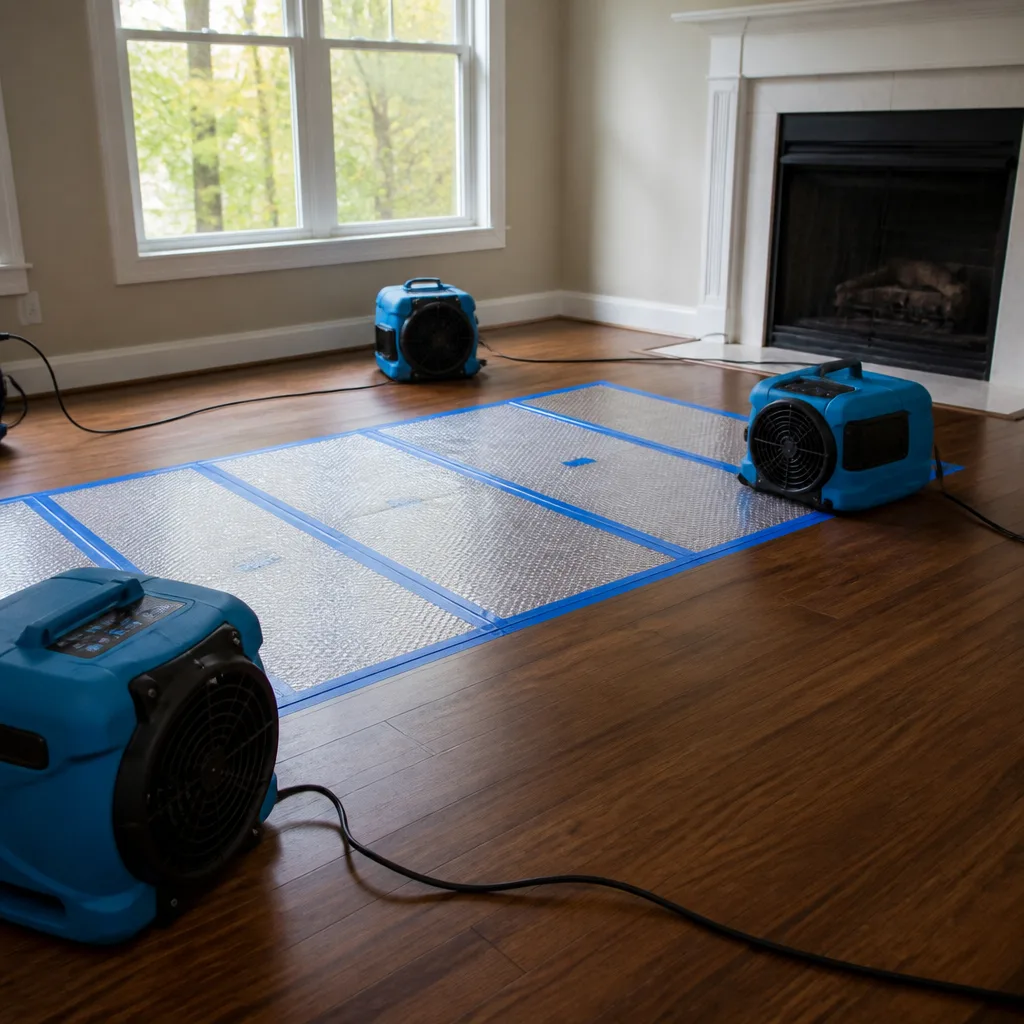
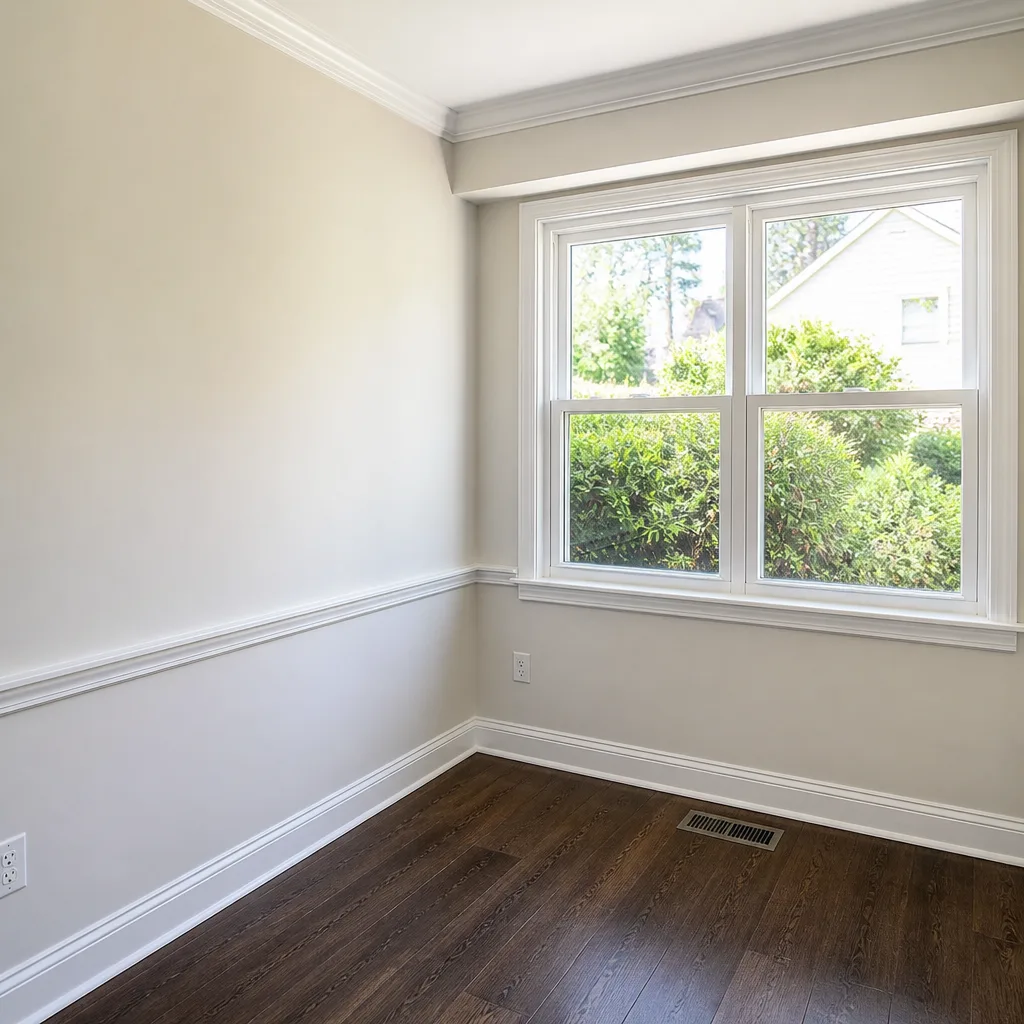

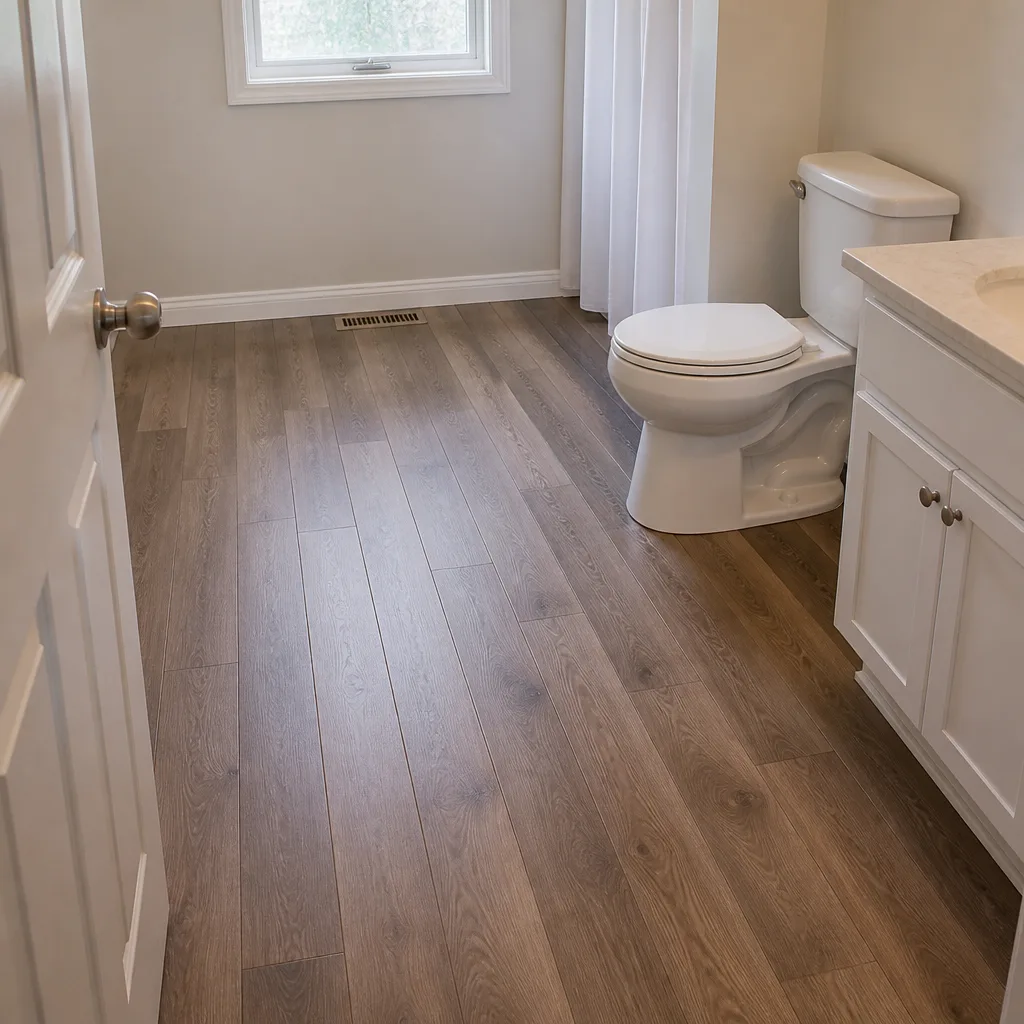

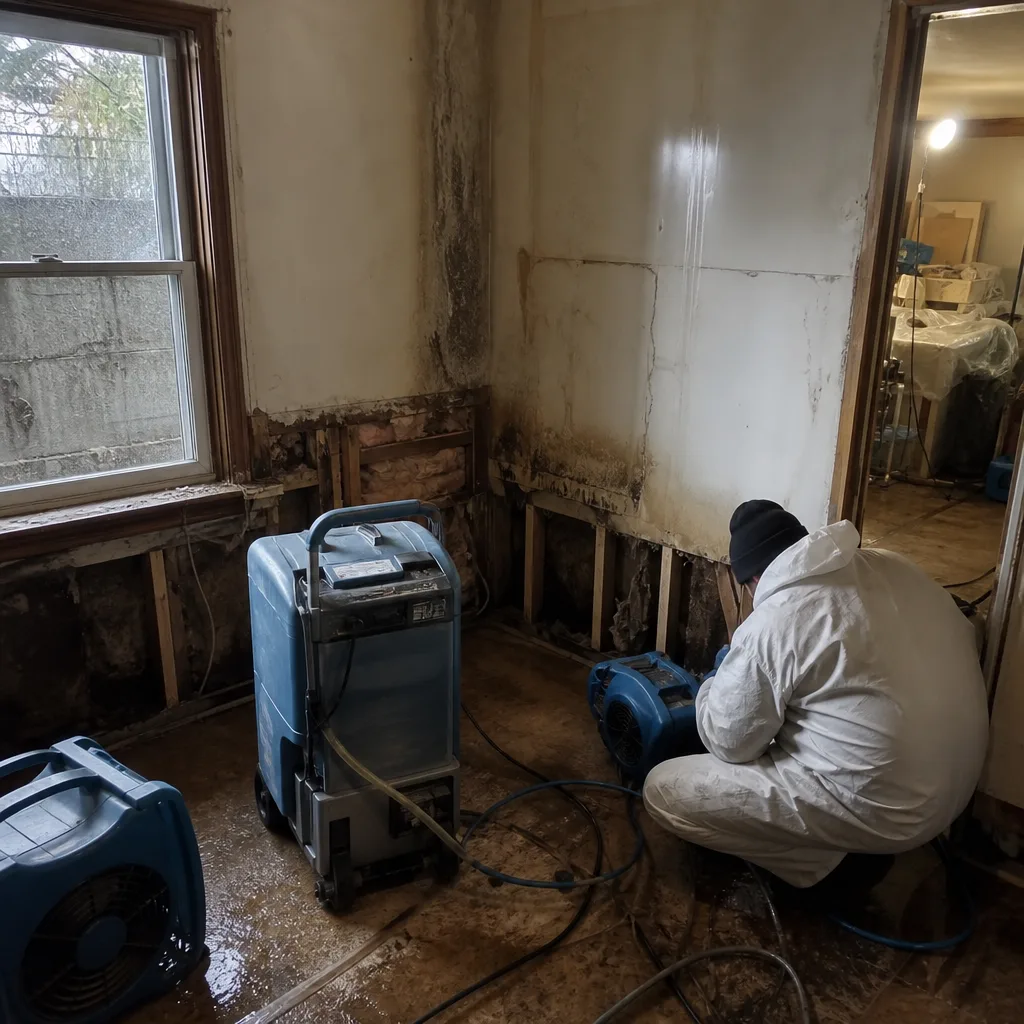 Before
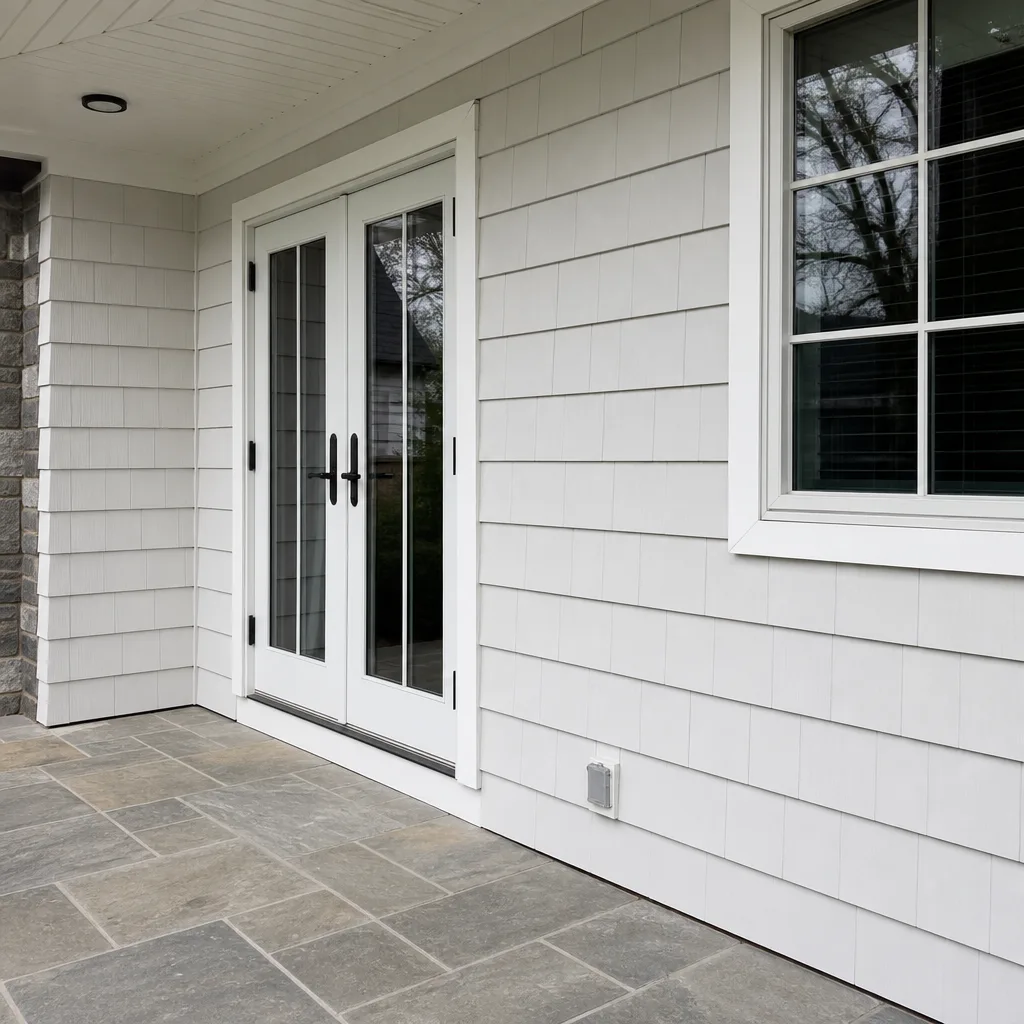 After
After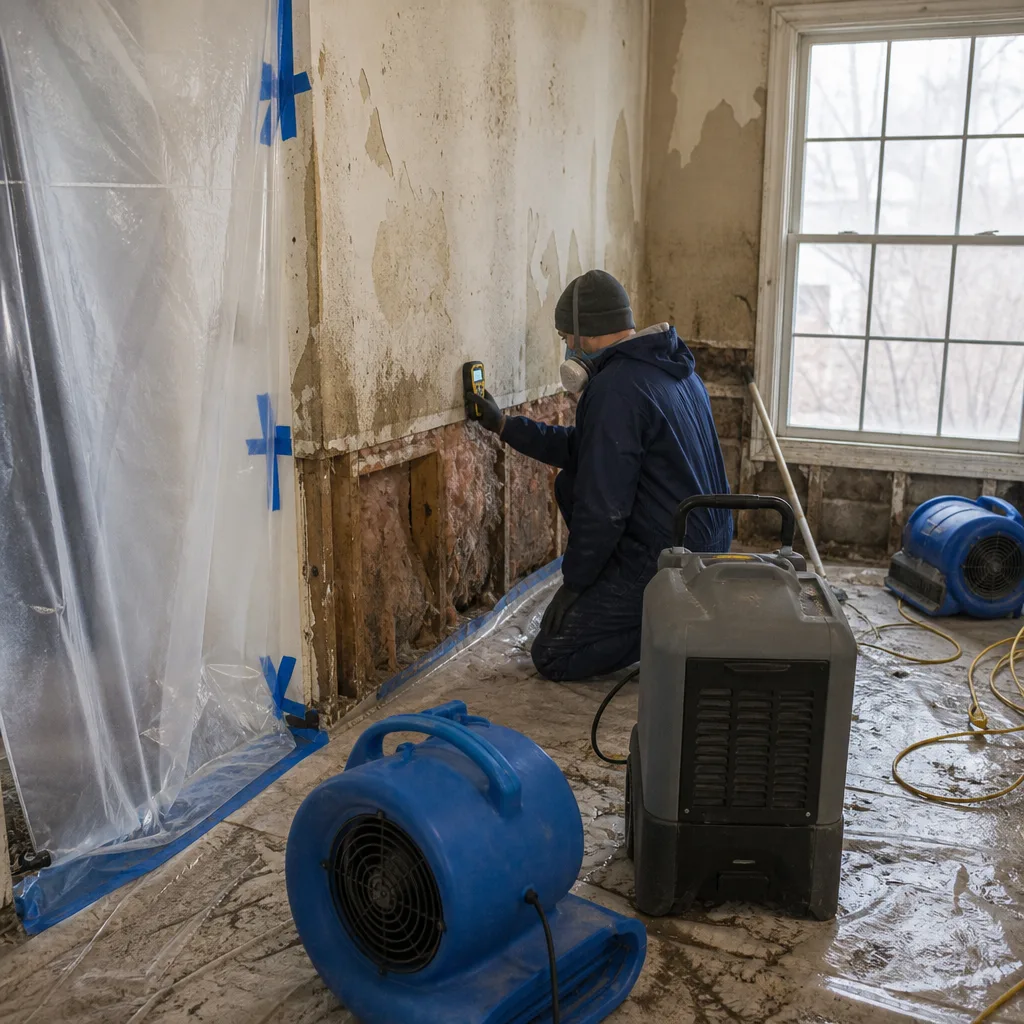 Before
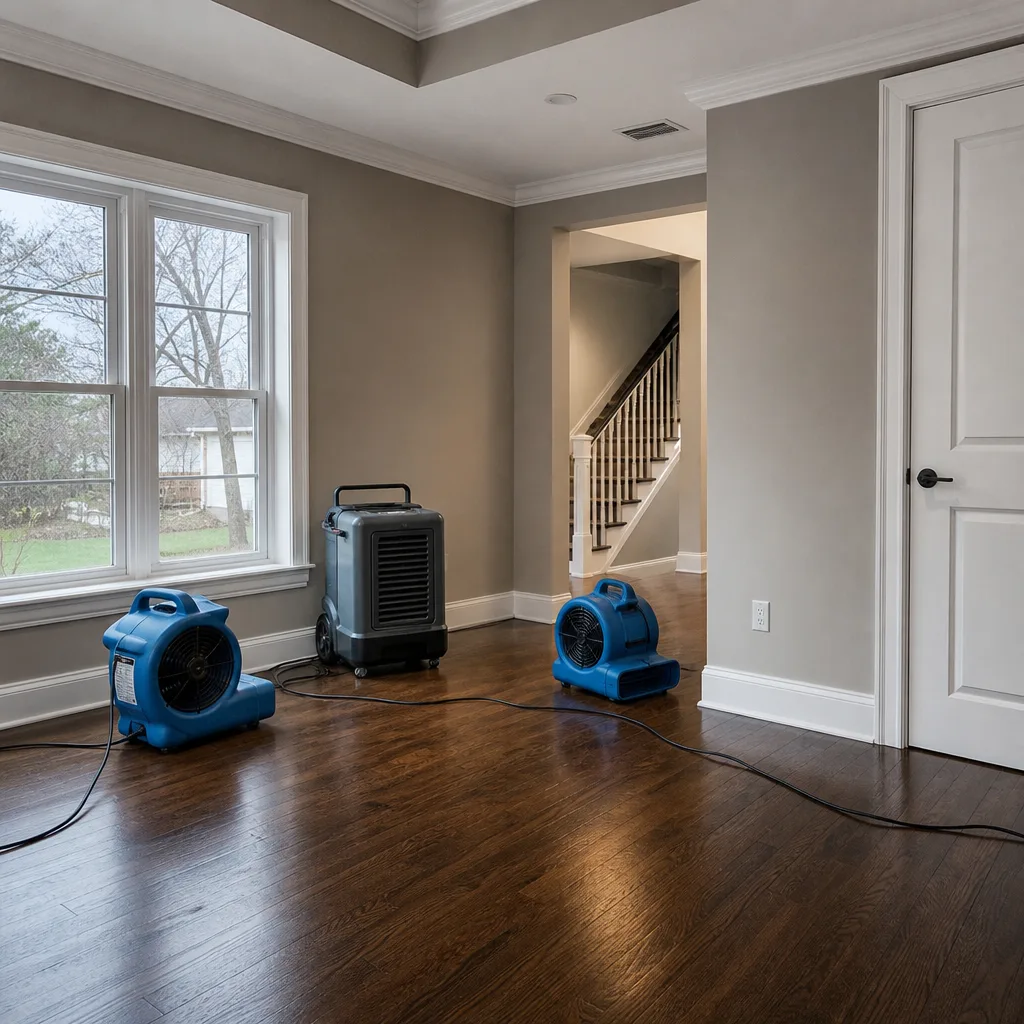 After
After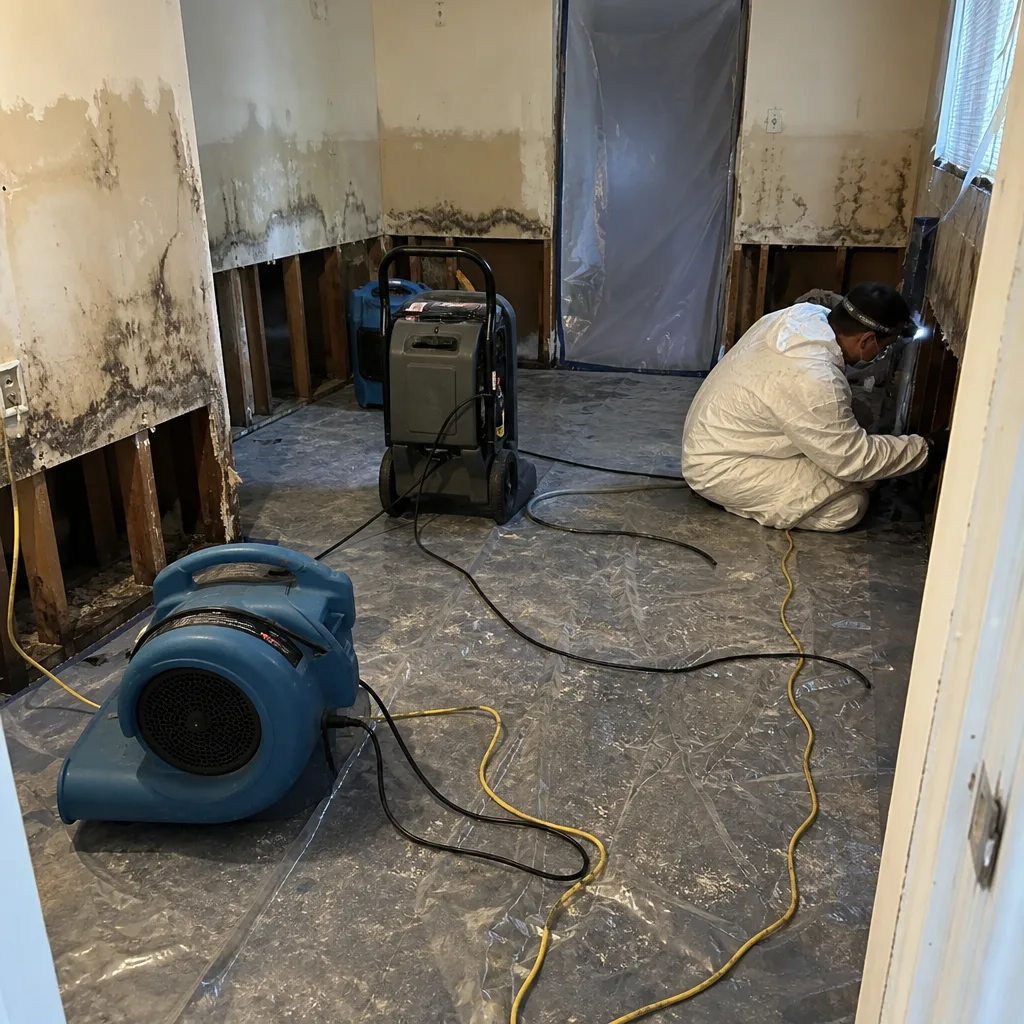 Before
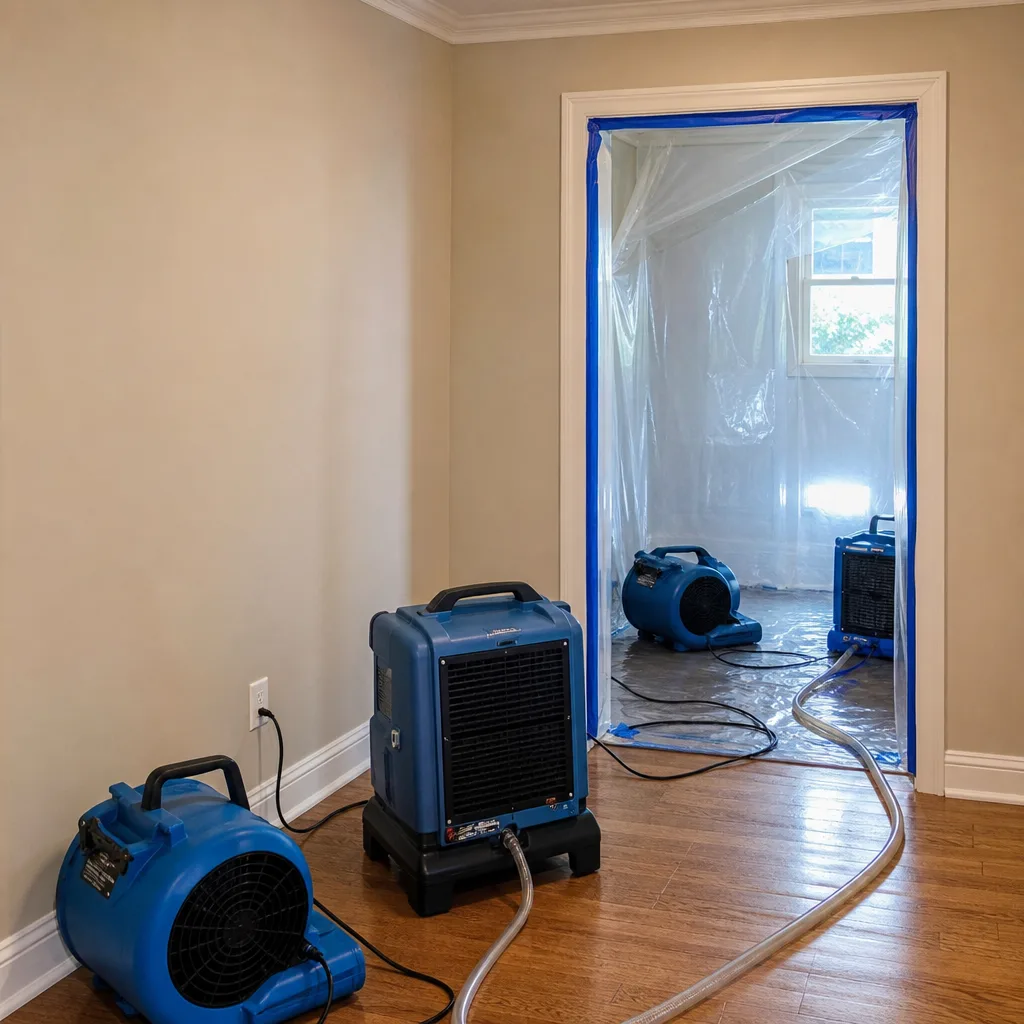 After
After24/7 Emergency Storm & Disaster Restoration in Great Neck Plaza
Storm damage in Great Neck Plaza moves fast, and so do we. If wind-driven rain has breached your roof, surge water has entered a basement-level space on Middle Neck Road, or a downed limb has opened your building to the weather, call (518) 873-4306 right now. A live dispatcher answers at two in the morning, not a recording, and a certified crew from our Storm & Disaster Restoration team is dispatched into Great Neck Plaza immediately. The first hour matters because water on original plaster and hardwood begins wicking laterally within minutes, and the village’s chronic high water table means hidden moisture rarely dries on its own. We’ll arrive, assess the full extent of the loss, and start extraction or board-up the same visit.
Understanding Storm & Disaster Restoration Severity in Great Neck Plaza Properties
Not all storm water is the same. We classify intrusion the way the IICRC teaches: Category 1 is clean water from a supply line or rainwater before it contacts building materials. Category 2 carries significant contamination, the kind you get when Long Island Sound surge mixes with street runoff, fuel residue, and whatever the tide pushed up from the storm drains. Category 3 is grossly contaminated water, the reality when Manhasset Bay backs up through the sanitary system or sewage mixes with floodwater. Great Neck Plaza’s 1920s-1940s mixed-use blocks complicate every category. The original horsehair-plaster party walls between a retail storefront and the apartments above act like vertical wicks. What begins as a Category 1 roof leak above a shop on Bond Street frequently becomes a Category 2 loss in the residential unit next door before either occupant notices the damp. That shift changes the entire remediation scope, from what gets removed to what gets sanitized to what gets rebuilt.
Why Great Neck Plaza Property Owners Choose Floodline Restoration Co.
- 45-minute response commitment: We dispatch crews stationed near the village the moment your call ends, and we’ll be there when we say.
- A live person answers, every hour of every day: No phone tree, no callback queue. A dispatcher picks up, takes the address, and starts the clock.
- Certified crews on every job: Our technicians hold IICRC certifications in water damage restoration and structural drying, and are trained to RIA and IFA standards.
- Free visual inspection: We walk the full loss with you, moisture meter and thermal camera in hand, before any work begins. No charge, no obligation.
- Direct insurance billing: We document the loss, generate a line-item scope, and coordinate directly with your adjuster. You never play messenger between us and the carrier.
- One crew from first extraction to final coat of paint: Floodline Restoration Co. does not hand your building off to a reconstruction subcontractor. The same certified team dries it, repairs it, and stands behind it.
Our Storm & Disaster Restoration Process
Inspection & Assessment
We map moisture across every affected surface with thermal imaging and penetrating meters, then classify the water by category. In Great Neck Plaza, that means checking both sides of party walls and reading basement masonry for groundwater intrusion, not just surface dampness.
Extraction & Stabilization
Standing water comes out with truck-mounted and portable extraction units. If wind or impact left openings, we board up and tarp at the same visit, so no additional rain enters the structure overnight.
Drying & Dehumidification
We build a drying plan around the building’s age and materials. In a 1930s mixed-use building, that means aggressive structural drying with Dri-Eaz dehumidifiers, XPOWER air movers, and daily moisture readings, because original plaster and masonry hold water far longer than modern drywall.
Cleaning & Sanitization
Every affected surface is cleaned to the category of water involved. Category 2 and 3 losses get antimicrobial treatment and controlled disposal of saturated porous materials. We protect unaffected areas with containment and HEPA-filtered air scrubbers.
Specialty Treatment
Storm losses in Great Neck Plaza often involve multi-unit lateral spread through party walls, elevated groundwater, and saltwater contamination. We address each specifically: salt residue removal, masonry drying, wall cavity inspection, and post-remediation moisture verification.
Repairs & Restoration
Once drying goals are met and verified with documentation, our own reconstruction crew handles the rebuild. Plaster repair, millwork restoration, flooring, and paint, all done by the same uniformed team that did the extraction.
Need Emergency Storm & Disaster Restoration in Great Neck Plaza Now?
Crews minutes away, answering live 24 hours a day. The sooner we start, the less it costs.
Working With Your Insurance Company
Storm and flood claims in Great Neck Plaza are rarely simple. A single event often touches multiple policies: the commercial tenant’s, the residential unit’s, and sometimes the building owner’s master policy. We handle all of it from the first hour. Our crews photograph every affected area before demolition begins, document moisture readings room by room, and generate a line-item scope that speaks the language carriers understand. When your adjuster visits, we walk the site with them, answer their questions directly, and make sure nothing gets missed. Founded in 2010 by Curt Bowman, Floodline has spent over a decade learning exactly what adjusters require to approve claims without delay.
What We Provide Your Insurer
- Thorough documentation of the loss
- Photos of all damage, room by room
- Moisture readings and drying logs
- A detailed, line-item scope of work
- Direct coordination with your carrier
Built for Great Neck Plaza’s Loss Calendar
Storm losses in Great Neck Plaza follow a predictable rhythm, and we’ve built our response around it. January and February bring the deep freezes that burst supply lines in uninsulated basement-level spaces, sending water through old cast-iron pipe runs across the low-lying blocks near the LIRR station. March and April deliver nor’easters, the storms that push surge up Long Island Sound and into the tidal tributaries that wrap the peninsula, flooding basements blocks from the shoreline. July and August bring thunderstorm flash flooding, the kind that overwhelms street drains and sends runoff into retail stairwells and below-grade storage. September through November brings the tropical remnants and coastal wind storms that tear flashing, peel roofing, and test every aging drain system in the downtown core. In every season, the elevated water table between Manhasset Bay and Little Neck Bay keeps below-grade masonry saturated long after the storm passes, which is why we never pronounce a basement dry on surface readings alone.
Storm & Disaster Restoration Across Great Neck Plaza’s Neighborhoods
Great Neck Plaza is small, about one-third of a square mile, but the building stock changes block by block. Along Middle Neck Road, the village’s central commercial spine, three-story brick mixed-use buildings from the 1920s and 1930s dominate, with retail at street level and apartments above. These are the properties where a single roof failure routinely cascades into two or three occupancies, because the original party walls carry water between units faster than tenants can report a leak. The residential streets around Maple Drive and Barstow Road hold pre-war colonials and Tudors, many renovated with imported marble and custom millwork that push restoration scopes and costs well above Nassau County averages. Near the Great Neck Plaza LIRR station and along Grace Avenue, the commercial blocks sit low and close to the tidal tributaries, making them the first to take on storm surge and the slowest to dry. Each area demands a different drying plan, a different demolition approach, and a different conversation with the adjuster.
Specialized Storm & Disaster Restoration Services We Offer in Great Neck Plaza
Storm Damage Cleanup
When wind, rain, or falling debris compromise your Great Neck Plaza property, cleanup is the first step and the one that determines everything after. We clear saturated debris, remove water-damaged materials, and secure the property against further weather. In the village’s older buildings, we pay special attention to wall cavities and floor systems, where storm water hides long after the visible surfaces look dry.
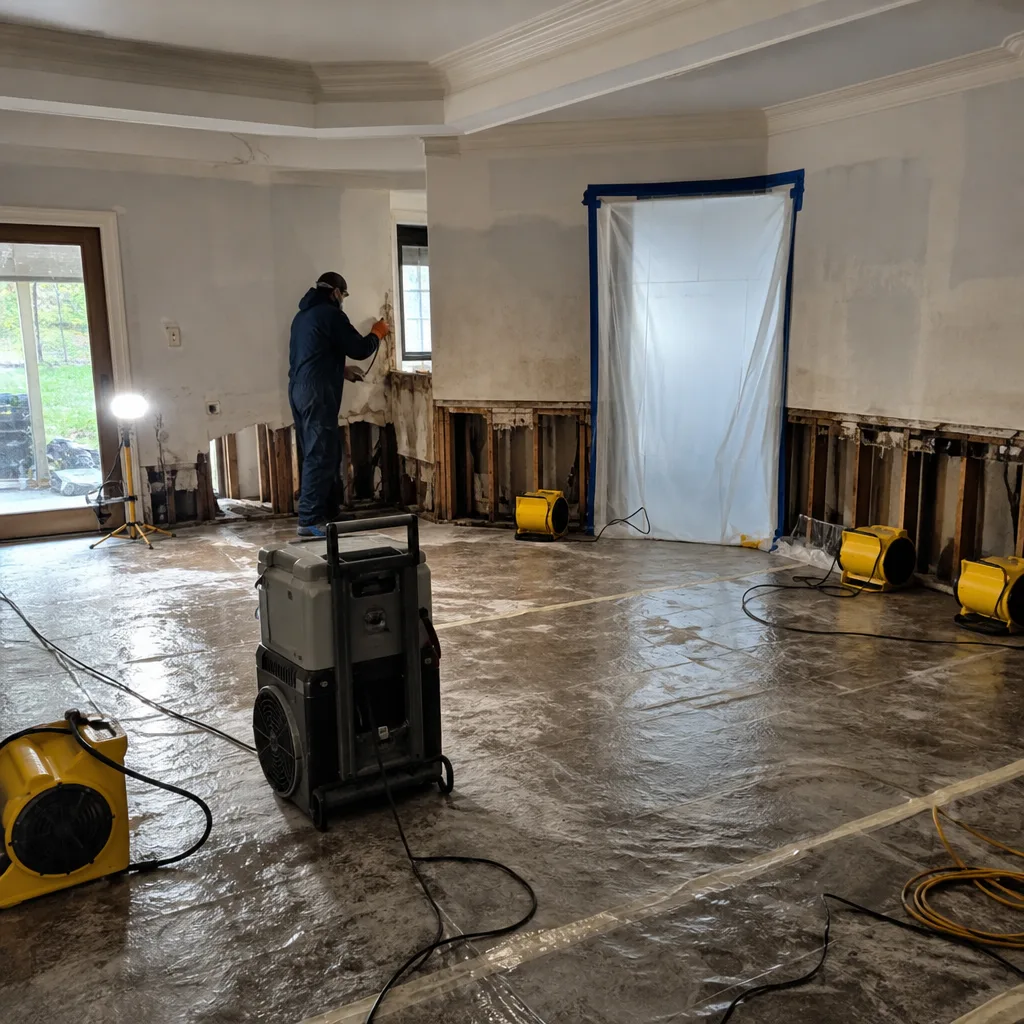
Flood Damage Restoration
Flooding in Great Neck Plaza is rarely a simple matter of pumping out a basement. The chronically elevated groundwater between Manhasset Bay and Little Neck Bay keeps masonry and plaster saturated for weeks unless structural drying is applied correctly. We map moisture daily, run Dri-Eaz dehumidifiers and Phoenix air movers in tandem, and don’t stop until readings return to the building’s documented pre-loss baseline. For Category 2 and 3 floodwater, we add containment, sanitization, and controlled disposal per IICRC standards.
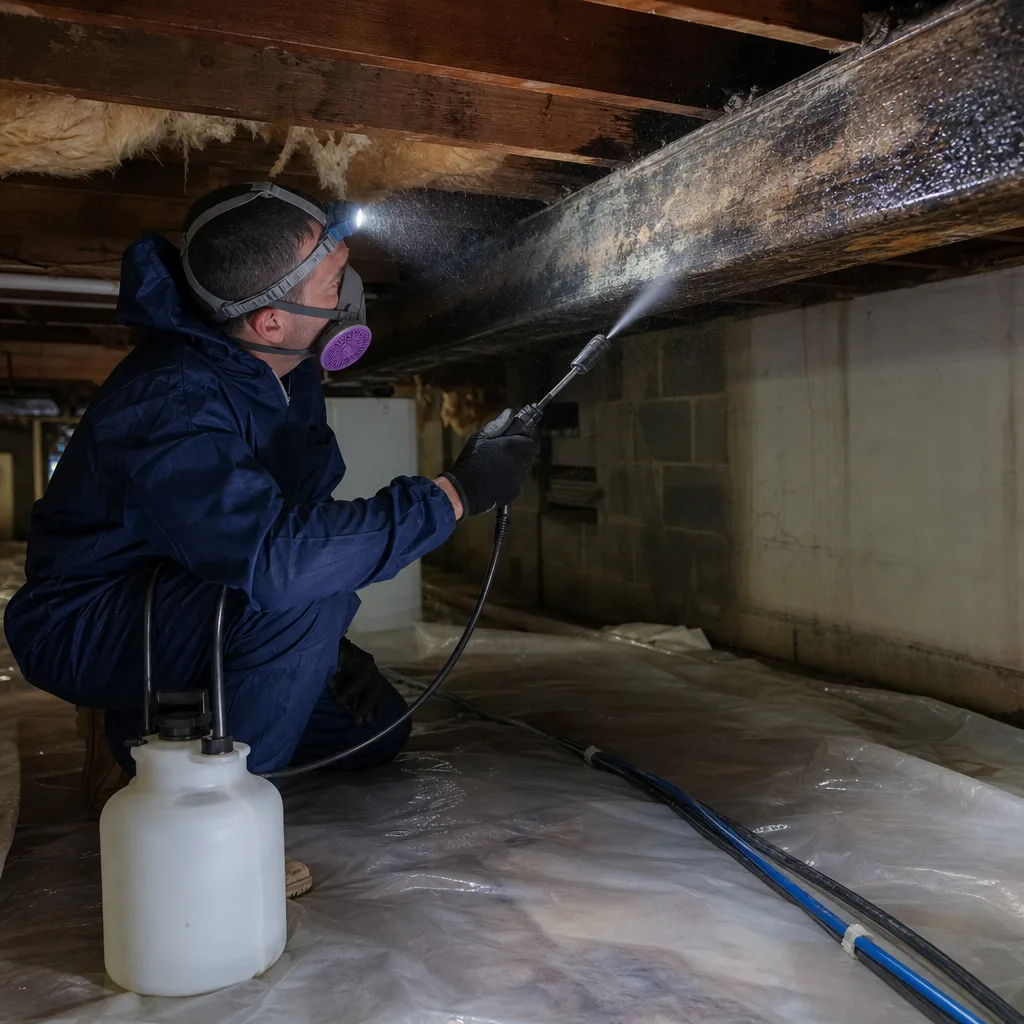
Emergency Board-Up
A broken storefront window on Middle Neck Road or a wind-damaged door on Bond Street cannot wait for business hours. We board up openings the same visit we arrive, using materials sized to the opening and installed to hold against the next band of weather. Board-up isn’t just security; it’s the first line of defense against additional water intrusion.
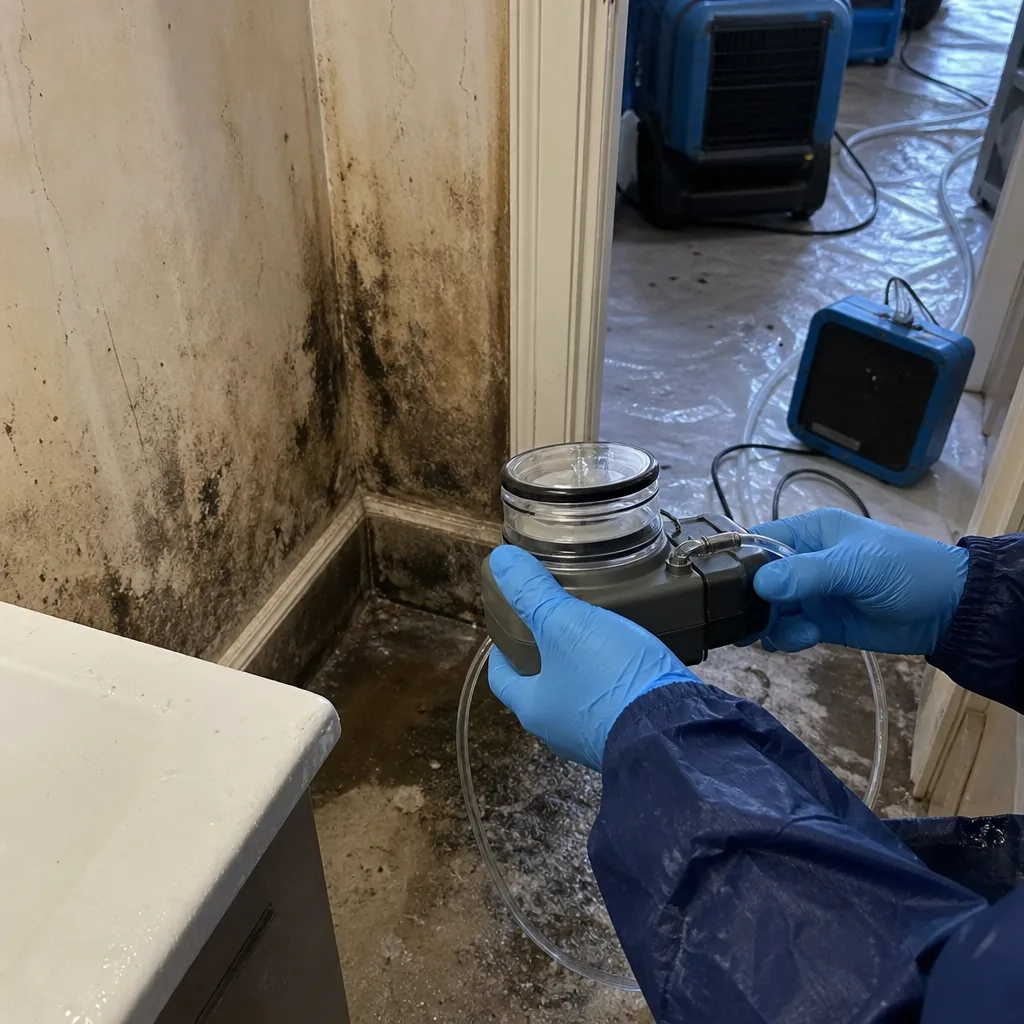
Roof Tarping
When wind peels a section of membrane or tears flashing on a 1940s retail roof, the gap lets rain into the ceiling cavity within minutes. We tarp the affected area as a temporary fix, then assess whether the roof needs patch repair or full replacement. The goal is simple: stop more water from entering while the permanent repair is scoped and scheduled.
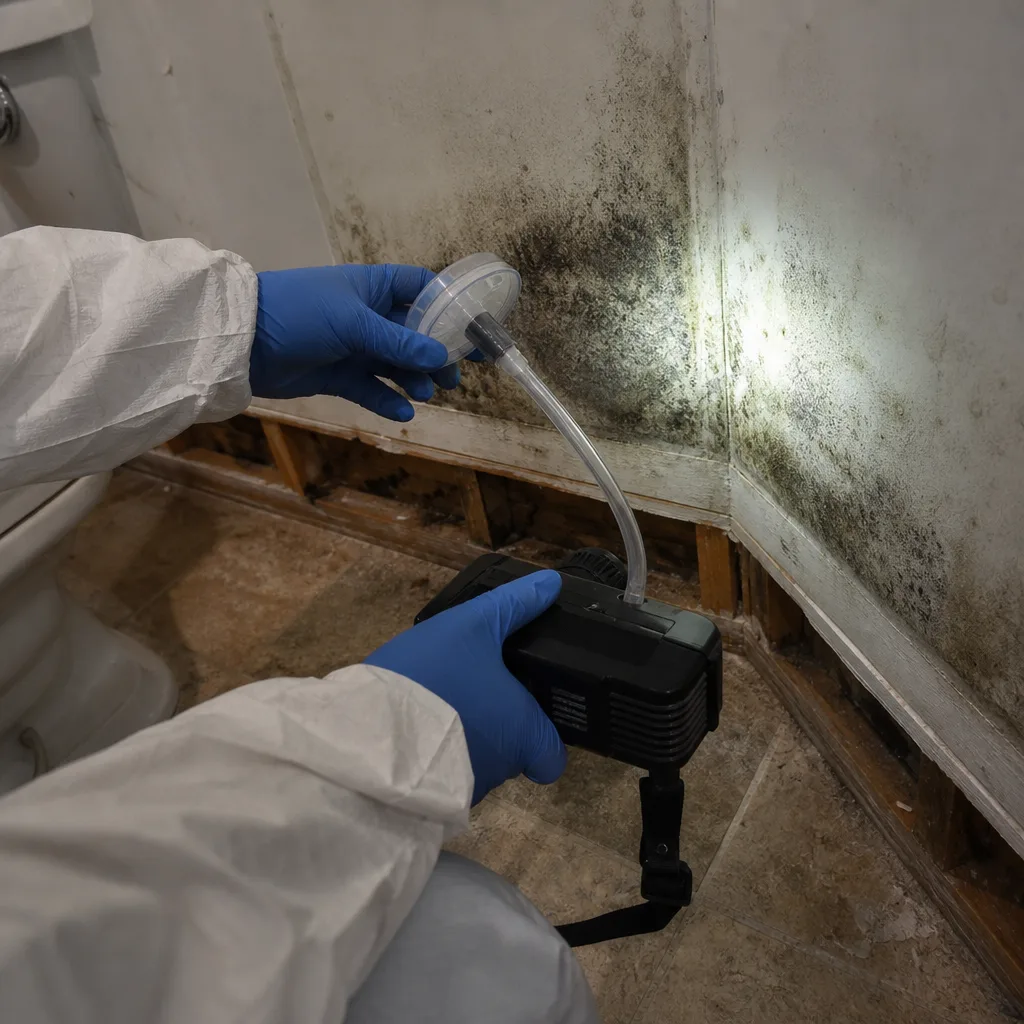
Debris Removal
Downed limbs, wind-blown building materials, and storm-carried debris around your property pose both a safety hazard and a moisture trap. We remove storm debris from structures and grounds, then check for hidden damage where debris struck or collected. In Great Neck Plaza’s compact commercial core, debris often lands against shared walls and basement stairwells, which is where we look first.
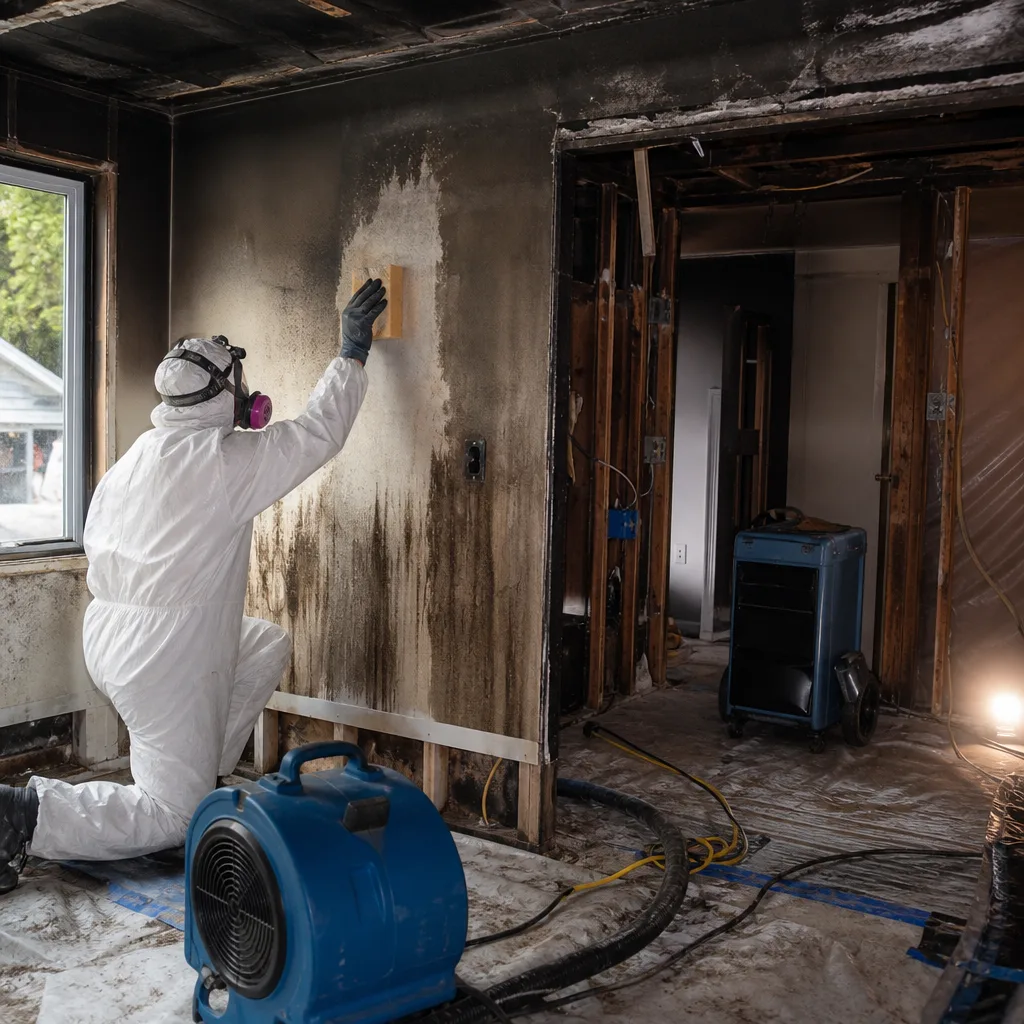
What happens when you call
- 1
A real person answersNo phone trees - you reach a local pro.
- 2
You get an upfront price rangeHonest numbers before anyone is dispatched.
- 3
A background-checked tech heads outLicensed & insured, dispatched right away.
- 4
You approve before work beginsNothing starts until you say go.
Storm & Disaster Restoration Costs in Great Neck Plaza, NY
Here are the honest ranges for Great Neck Plaza’s market. Flood damage restoration in a typical 1930s mixed-use building here runs $3,000 to $12,000 depending on how many occupancies are affected and whether the water reached wall cavities. Storm damage cleanup after a wind or rain event runs $1,500 to $6,000. Emergency board-up services typically cost $350 to $900 per opening, and roof tarping runs $400 to $1,200 depending on roof pitch and access. Debris removal starts around $250 and runs upward based on volume and access. What moves the price in Great Neck Plaza specifically is lateral spread through party walls, because what starts as one unit’s loss routinely becomes two or three. Insurance covers most storm-related losses, and we bill your carrier directly. The fastest path to a firm number is a free visual inspection, after which you get a written scope before any work begins.
We Also Serve Cities Near Great Neck Plaza
Our crews serve the communities around Great Neck Plaza with the same 24/7 live dispatch and the same written guarantee. That includes Storm & Disaster Restoration response in Manhasset, North Hills, Great Neck, and Kings Point. If your property sits in one of these nearby villages, the same certified team, the same direct insurance billing, and the same 90-Day Done Right Promise apply.
Serving Great Neck Plaza, NY - Our Local Coverage Area
We’re based in the Great Neck Plaza area and know this community well. Use the map below to see our service coverage - if you’re nearby, we can almost certainly help.
Great Neck Plaza Storm & Disaster Restoration Questions, Answered
During a nor’easter, my storefront in Great Neck Plaza flooded from storm surge. How quickly can mold start growing on the wet plaster walls, and what should I do first?
Mold can begin growing on wet plaster within 48 to 72 hours in Great Neck Plaza’s humid coastal climate, and the village’s chronically elevated groundwater means below-grade spaces stay wet longer, accelerating onset. First, call (518) 873-4306 so we can begin extraction and set containment, then shut off power to the affected area if it is safe to do so. Do not attempt to dry plaster walls with household fans; they simply push moisture deeper into the horsehair and lath. Our crew will map the full moisture profile and begin structural drying the same visit.
My 1930s mixed-use building has water in the basement after a coastal storm, but the water came from the adjacent store’s burst pipe. Is this Category 1 or Category 2 water, and does it change what gets removed?
It is Category 1 water at the source, because a clean supply line fed it, but it becomes Category 2 the moment it passes through building materials, especially the original horsehair-plaster party walls common in Great Neck Plaza’s 1930s buildings. That shift matters because Category 2 water requires more aggressive removal and sanitization. In practice, this means we’re often tearing out saturated plaster, lath, and flooring that a Category 1 scope would have tried to dry in place. Call (518) 873-4306 and we’ll classify everything on site and walk you through what goes and what can be saved.
After a storm, my upstairs apartment in a Great Neck Plaza commercial block had water migrate from the vacant store below. The adjuster says only the store’s policy applies. Is that normal here?
It may be what the adjuster initially says, but it is not how Great Neck Plaza’s mixed-use losses usually resolve. Lateral water migration through shared party walls is so common in the village’s 1920s-1940s blocks that multi-policy scopes are the norm, and a single-policy scope frequently leaves hidden moisture in the adjacent occupancy. We document the full path of water migration with thermal imaging and moisture readings, then coordinate directly with the adjuster to demonstrate that the loss extends beyond the store’s footprint. That documentation typically opens the second or third policy that should have been in play from the start.
I own a pre-war Tudor in Great Neck Plaza with a finished basement that flooded during the last nor’easter. The water receded, but the moisture readings on my plaster walls stay high. Do I need full structural drying or just dehumidification?
You need full structural drying. Dehumidification alone will not pull water out of the masonry and original plaster behind your finished walls, especially with Great Neck Plaza’s elevated water table keeping the foundation saturated from the outside. Without proper drying, the moisture stays trapped and mold begins within days. We run Dri-Eaz dehumidifiers and XPOWER air movers with daily moisture readings until the walls return to their pre-loss baseline, which in a pre-war Tudor typically takes four to seven days. Call (518) 873-4306 for a free inspection and we’ll tell you honestly whether drying can save your finishes or whether selective demolition is the smarter path.
The roof of my 1940s brick retail building on Bond Street was damaged by a windstorm and rainwater poured into the ceiling. You offer roof tarping, but do I need to pack out the tenant’s inventory before you start?
No, and this is where our process saves you and your tenant real money. We start with roof tarping the same visit to stop additional water, then set containment below the affected ceiling area. That containment isolates the work zone, so we can cut out wet ceiling materials, run drying equipment, and eventually rebuild, without moving inventory or closing the sales floor for weeks. The tenant can often remain open through much of the process. Call (518) 873-4306 and we’ll walk the site with you before anything comes out.
How quickly can you actually get to my Great Neck Plaza property in an emergency?
Most emergency calls in Great Neck Plaza get a crew dispatched within 45 minutes, because we keep crews staged in and around the village specifically for storm response. A live dispatcher answers at any hour, takes your address, and starts the clock immediately. Our commitment is simple: we’ll be there when we say, and extraction or board-up begins the same visit.
Will my insurance cover storm damage to my Great Neck Plaza building?
Most storm-related damage is covered under standard property policies, but coverage depends on the specific cause: wind-driven rain, falling debris, and surge flooding often trigger different policy provisions and deductibles. Flooding from rising water is typically a separate flood policy. We handle the documentation from the first hour, bill your carrier directly, and coordinate with your adjuster so you don’t have to navigate the fine print under stress. The written scope we provide before work starts is designed to maximize legitimate coverage and avoid denied claims.
What should I do in the first 30 minutes after storm water enters my Great Neck Plaza property?
Call (518) 873-4306 first, before you touch anything. Then shut off power to the affected area if it can be done safely, and move any small valuables out of standing water. Do not enter rooms where water may have reached outlets or appliances. Do not use a shop vac on saturated plaster; the vibration can delaminate it. The single most important step is getting a certified crew on site quickly, because Great Neck Plaza’s older buildings spread water laterally through party walls faster than most property owners realize. We’re answering now, and we’ll be there when we say.
Written by Curt Bowman, Owner at Floodline Restoration Co., serving Great Neck Plaza and the surrounding Nassau County communities.