
Free visual inspection and a written scope of work before any mitigation begins - photos, moisture readings, and drying logs go in your claim file
The scope we write is the scope we bill. Anything new gets shown to you, in writing, before we touch it.
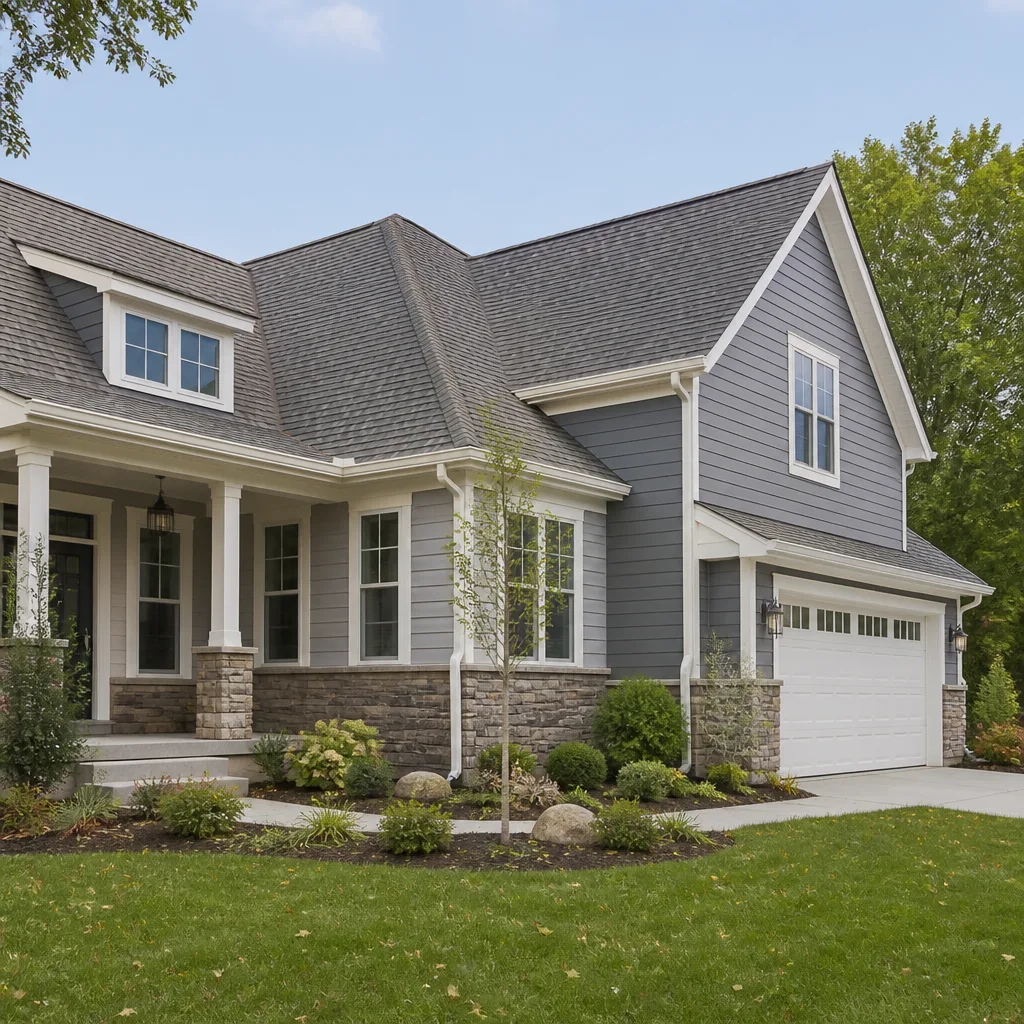
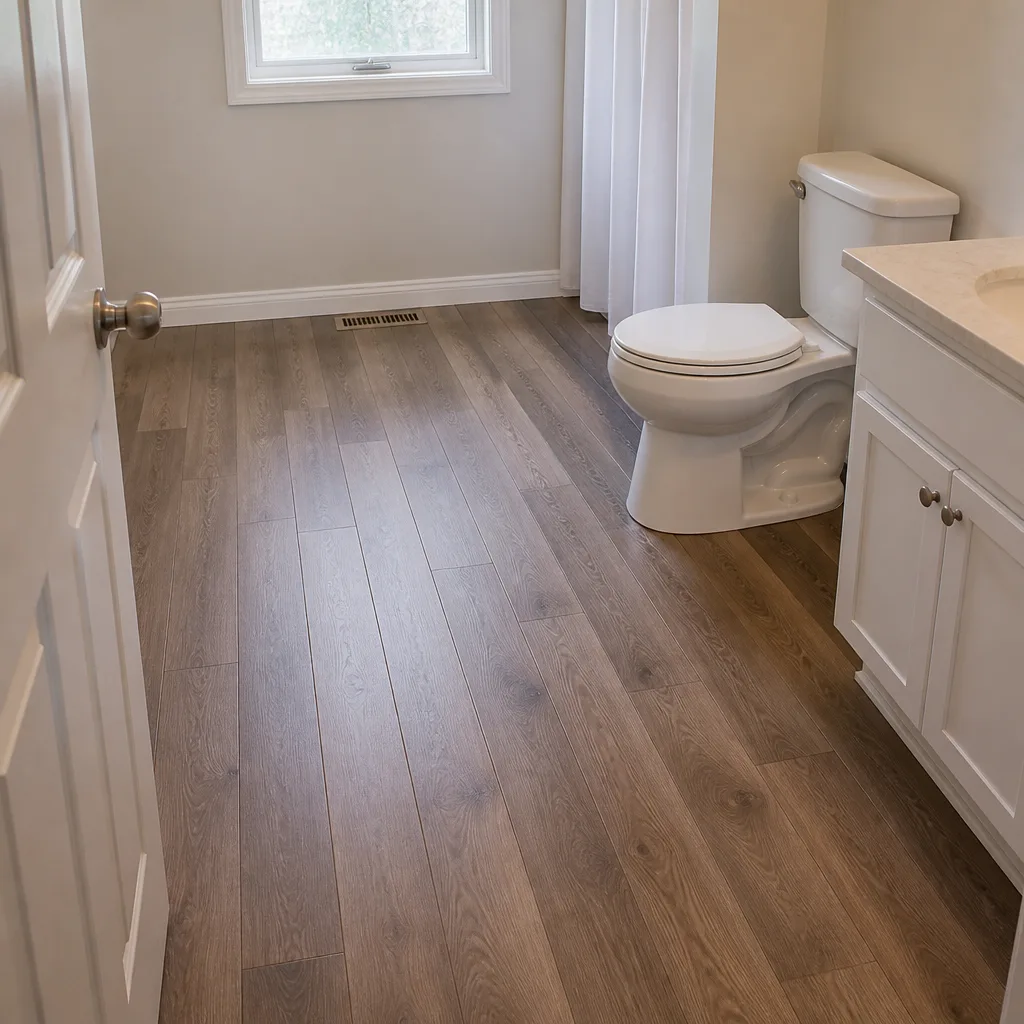
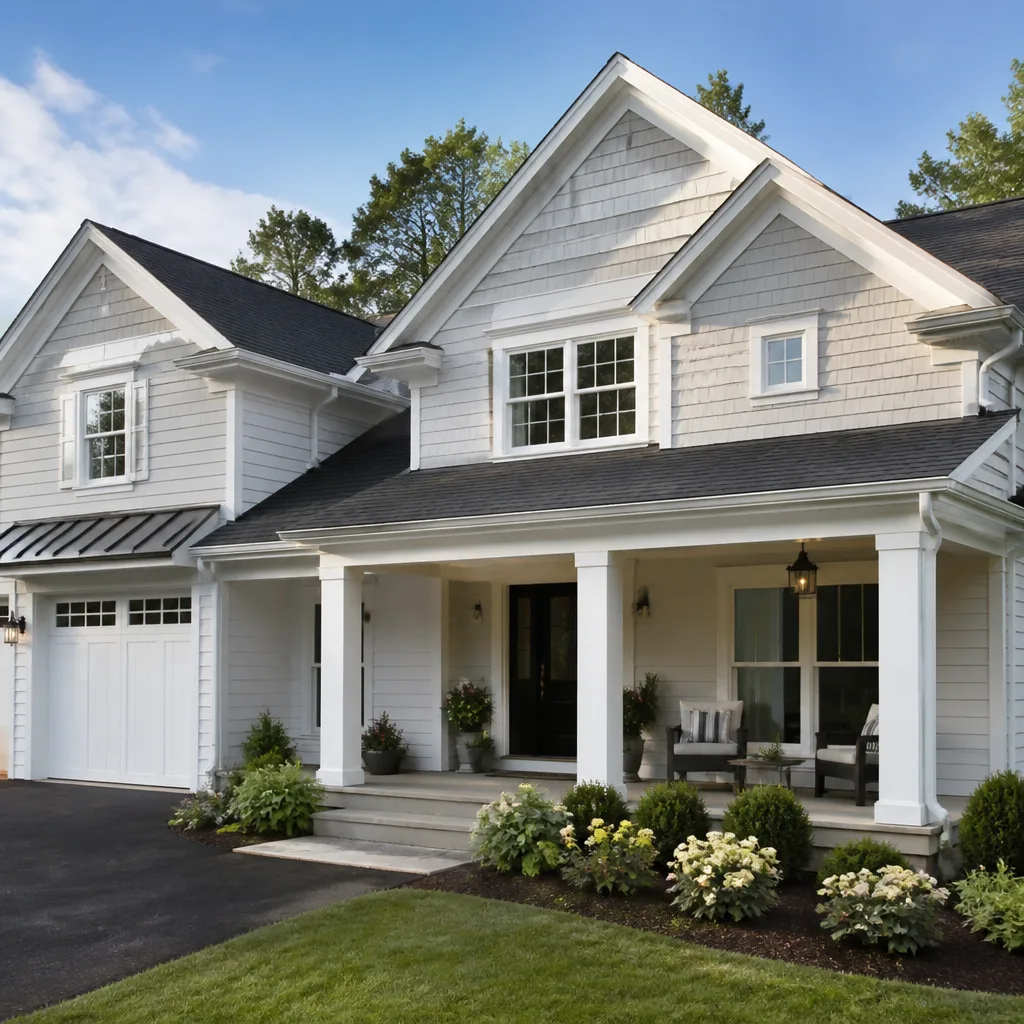
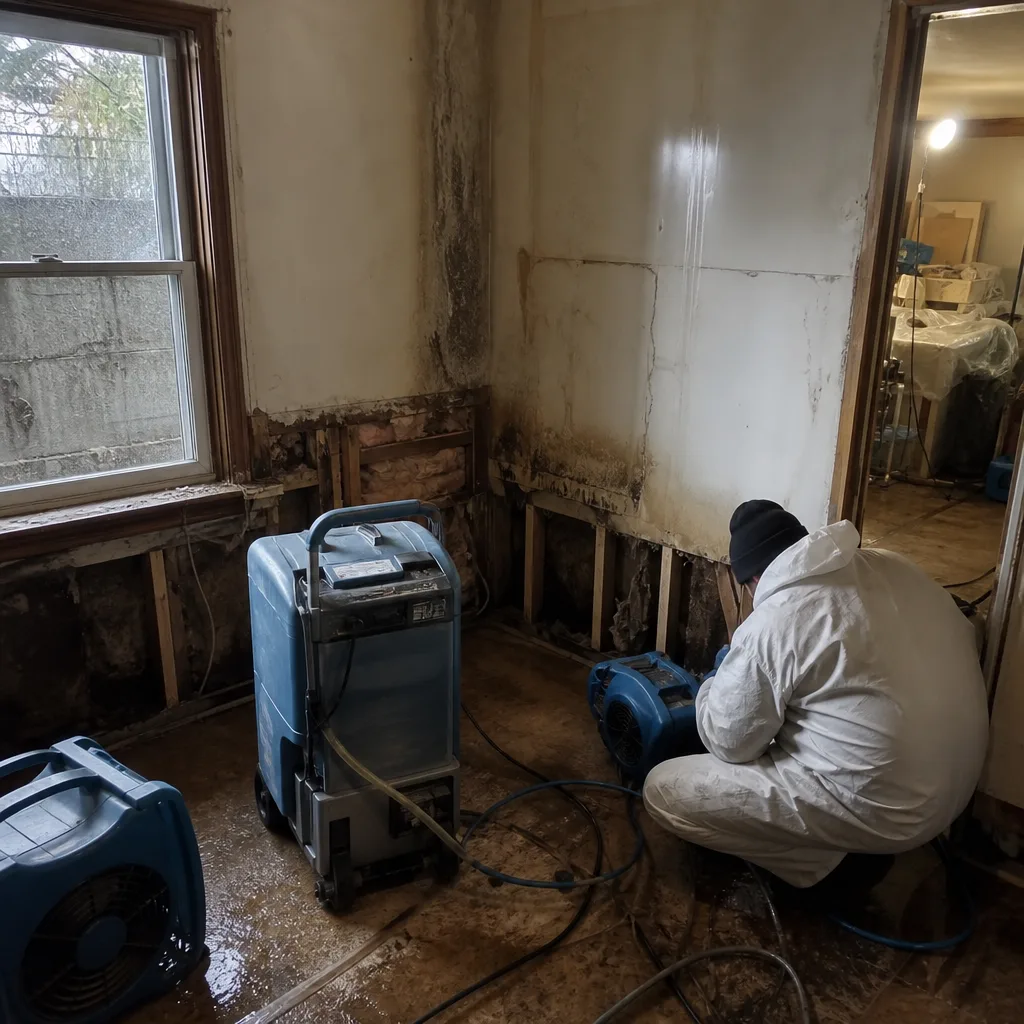 Before
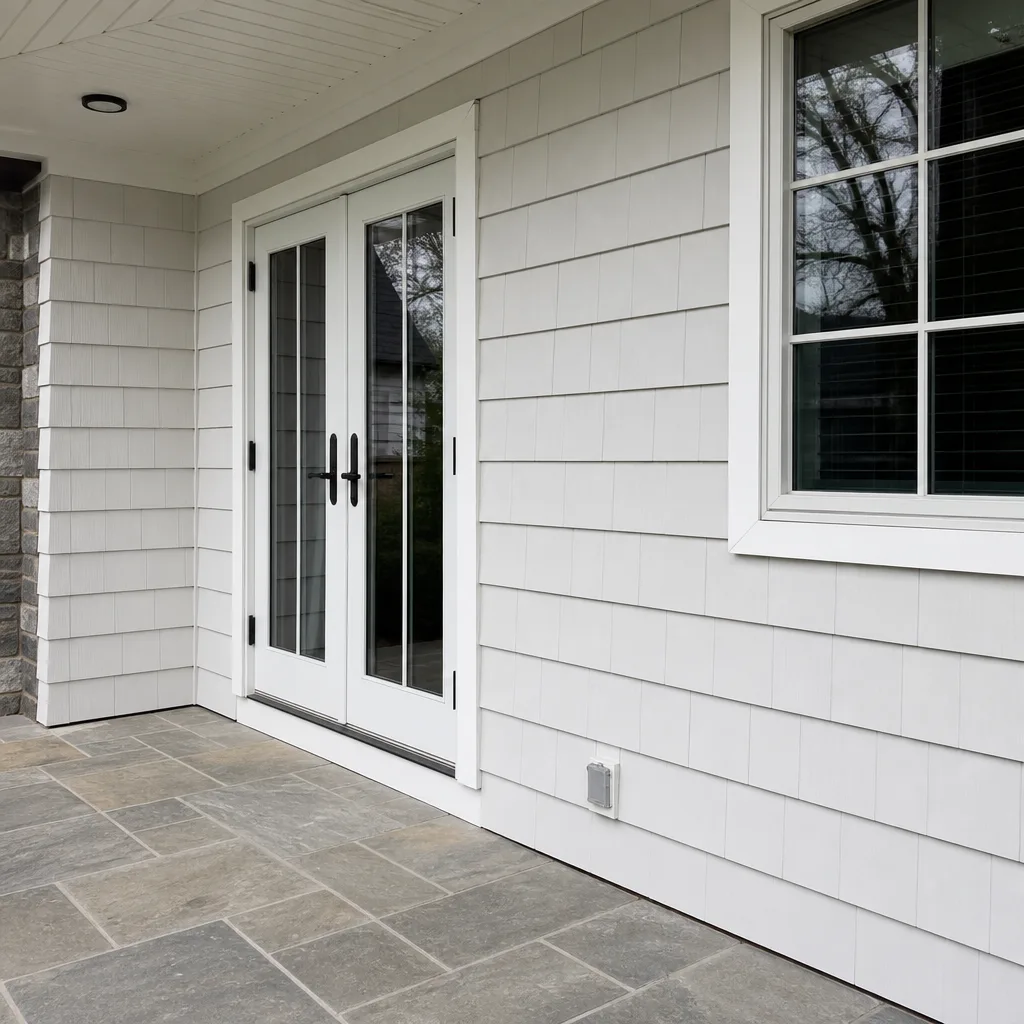 After
After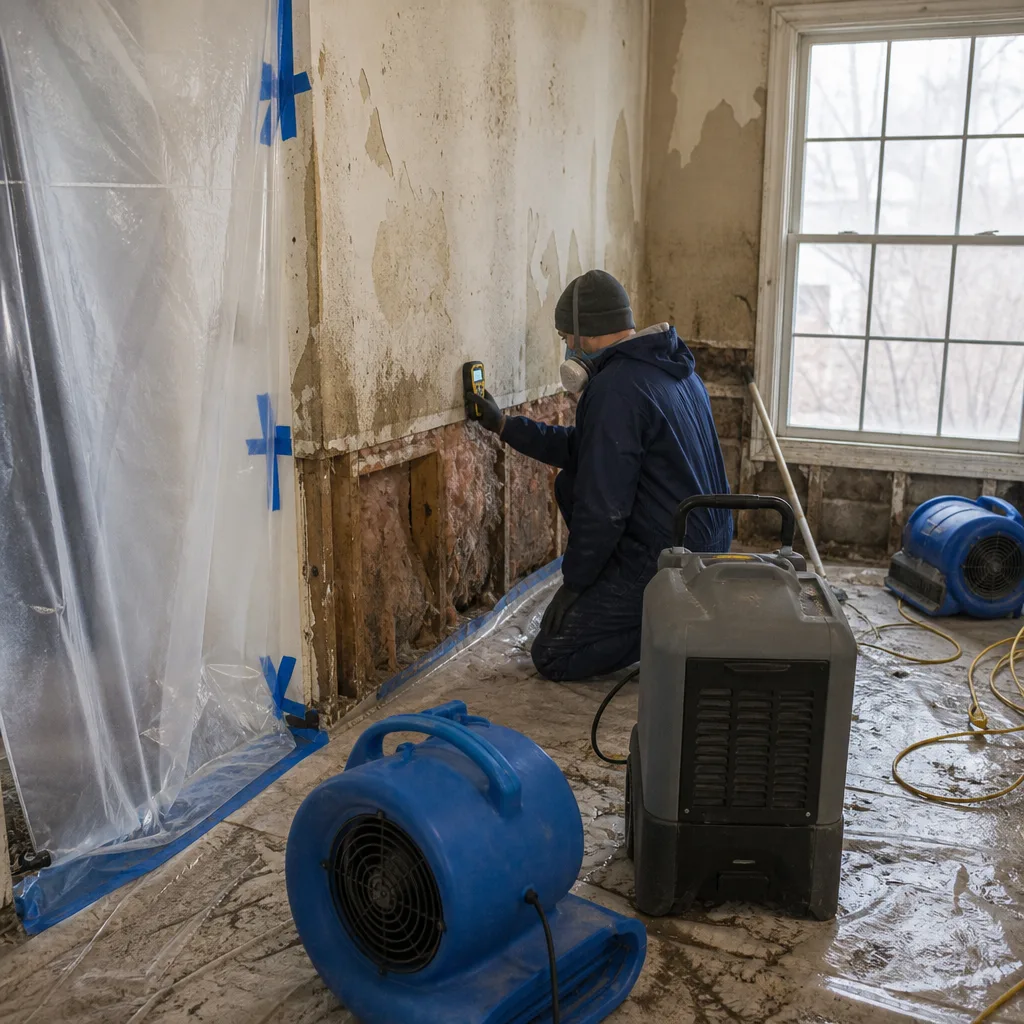 Before
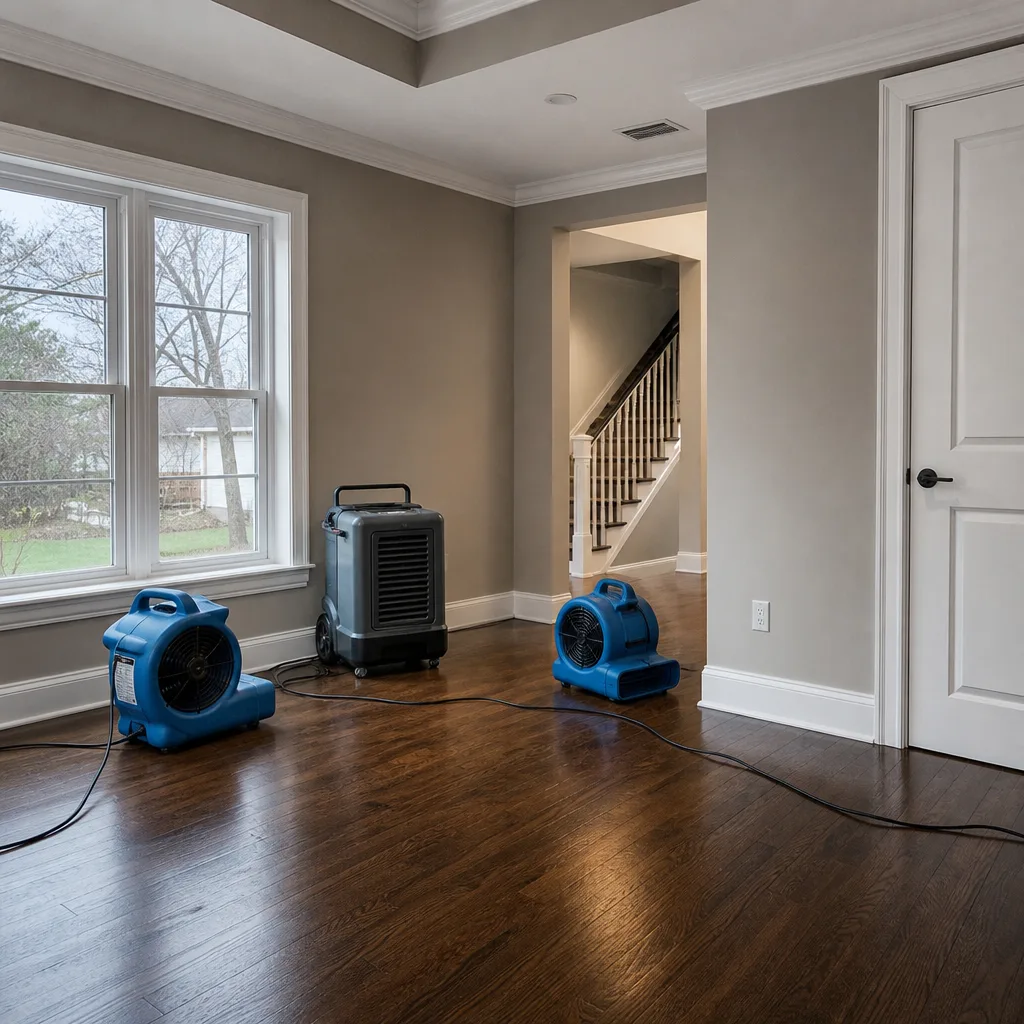 After
After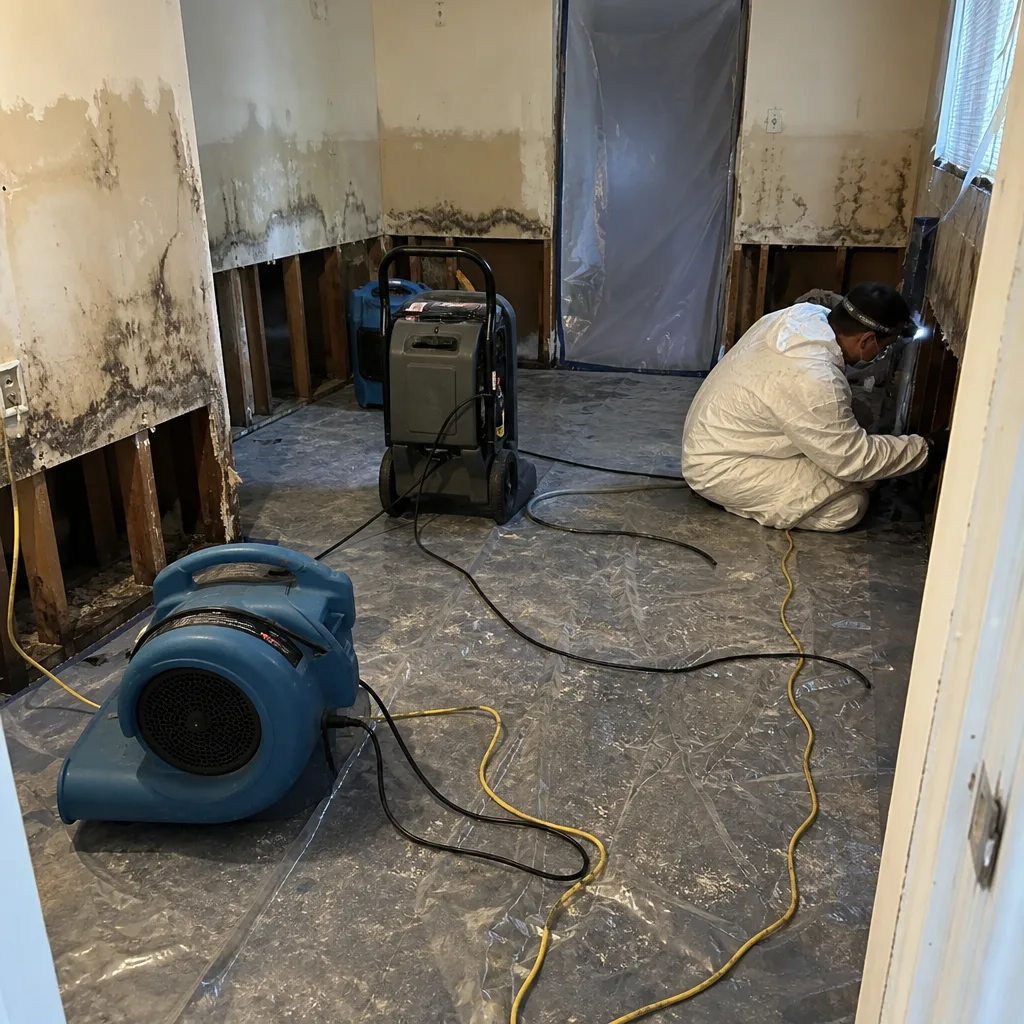 Before
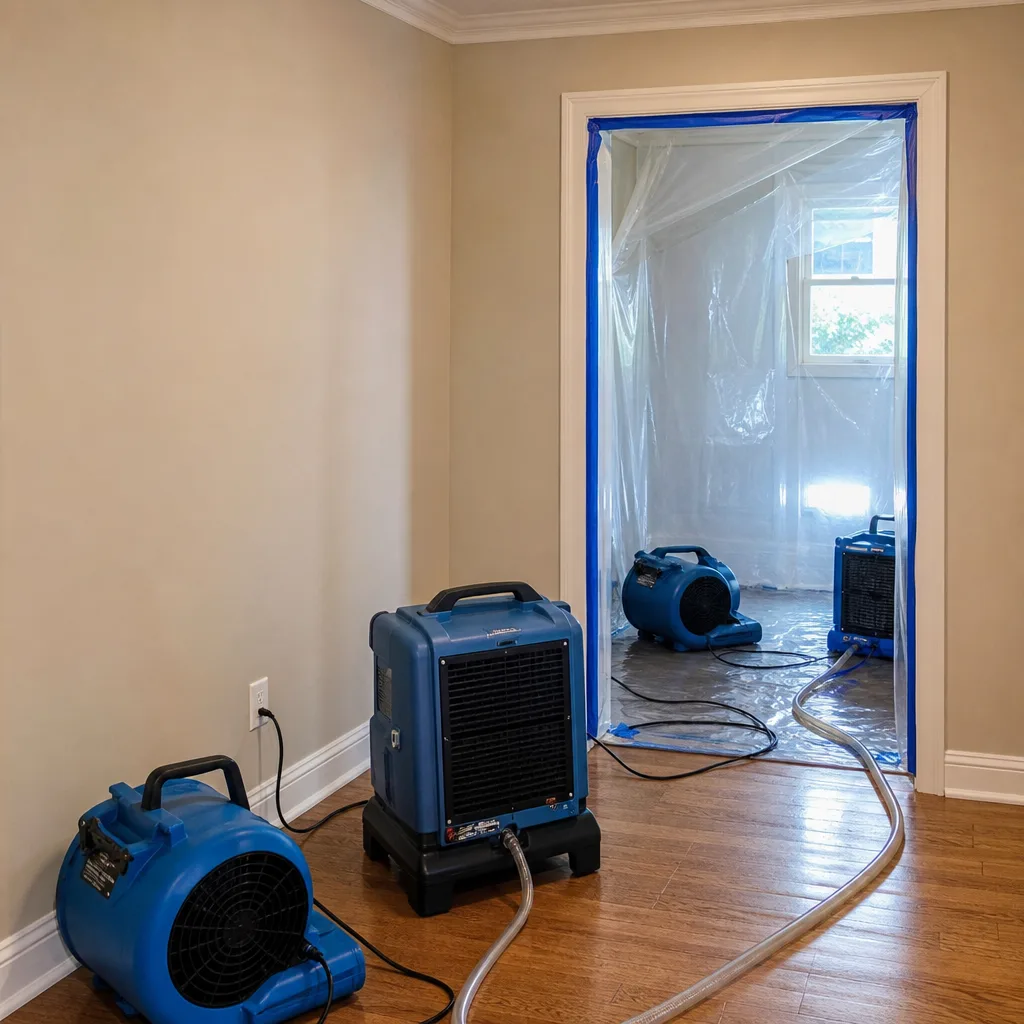 After
After24/7 Emergency Mold Remediation in Port Washington
Mold does not wait for business hours, and neither do we. Floodline Restoration Co. answers live at (518) 873-4306 around the clock, every day of the year. When you call from Port Washington, a real dispatcher picks up, not a recording. We route a certified crew toward your street while you are still on the phone. Our free visual inspection tells you what you are actually dealing with before any work is authorized. On the North Shore peninsula, every hour a hidden mold bloom sits unattended means more drywall to pull, more framing to treat, and a bigger bill. The first hour matters. Call now.
Mold remediation in Port Washington typically runs $1,800-$6,500 for a contained treatment area, depending on how far moisture has traveled, and we are usually on site within 45 minutes for emergency calls across the peninsula.
Understanding Mold Remediation Severity in Port Washington Properties
Not all mold calls are the same job. A musty crawl space in a mid-century split-level off Sandy Hollow Road is a different animal than black mold blooming behind baseboards in a 1920s Manorhaven bungalow that took Category 3 saltwater during a nor’easter. We classify severity by three factors: the water source that fed the growth, the square footage of visible contamination, and what the moisture map shows hiding inside cavities.
Containment is the first word that matters. On any job over about 10 square feet of visible growth, we run HEPA air scrubbers and set negative air pressure with physical barriers before opening a single wall. That stops spores from riding your HVAC returns through a three-zone Victorian. We measure spore counts before and after, and we do not call the job done until clearance testing meets the standard for the occupied space. Port Washington’s older housing stock, much of it built before flood-conscious construction, means mechanical systems often sit at grade level. That puts the furnace and duct runs directly in the splash zone when groundwater rises, which is exactly when mold turns a wet basement into an air-quality problem on every floor.
Why Port Washington Property Owners Choose Floodline Restoration Co.
- 45-minute response commitment – When you call from Port Washington, we commit to having a certified crew rolling toward you within 45 minutes. Emergency dispatch is built around a board, not a sales desk, and it has worked that way since 2010.
- 24/7 live answer, every time – Call at 2 a.m. during a storm. A person answers. Not a recording, not an answering service that promises a callback. A dispatcher who can put a crew in motion.
- IICRC-certified crews, WRT and AMRT – Our technicians train to the IICRC’s Water Restoration Technician and Applied Microbial Remediation Technician standards. They are background-checked, uniformed, and they carry their certifications to every job.
- Free visual inspection – Before any scope is written, we walk the property with you. You see what we see. No pressure, no obligation, no charge for the look.
- Direct insurance billing – We bill your carrier directly. You are not playing messenger between Floodline and an adjuster. We prepare the paperwork, send the photos, and advocate for the scope that actually fixes the problem.
- One team, start to finish – The same certified crew that sets containment on day one handles the drying log, the antimicrobial treatment, and the rebuild. No mid-job handoff to a subcontractor you have never met.
Our Mold Remediation Process
Inspection & Assessment
We start with thermal imaging and moisture meters to map where water traveled, not just where mold is visible. In Port Washington homes with a history of saltwater intrusion, we probe wall cavities for saline residue that standard meters miss. You get a written scope before any work begins.
Containment & Stabilization
HEPA air scrubbers go in, negative pressure goes on, and the affected area is sealed with physical barriers. This prevents cross-contamination when we start opening walls. For multi-zone older homes, we isolate HVAC returns in the work area.
Drying & Dehumidification
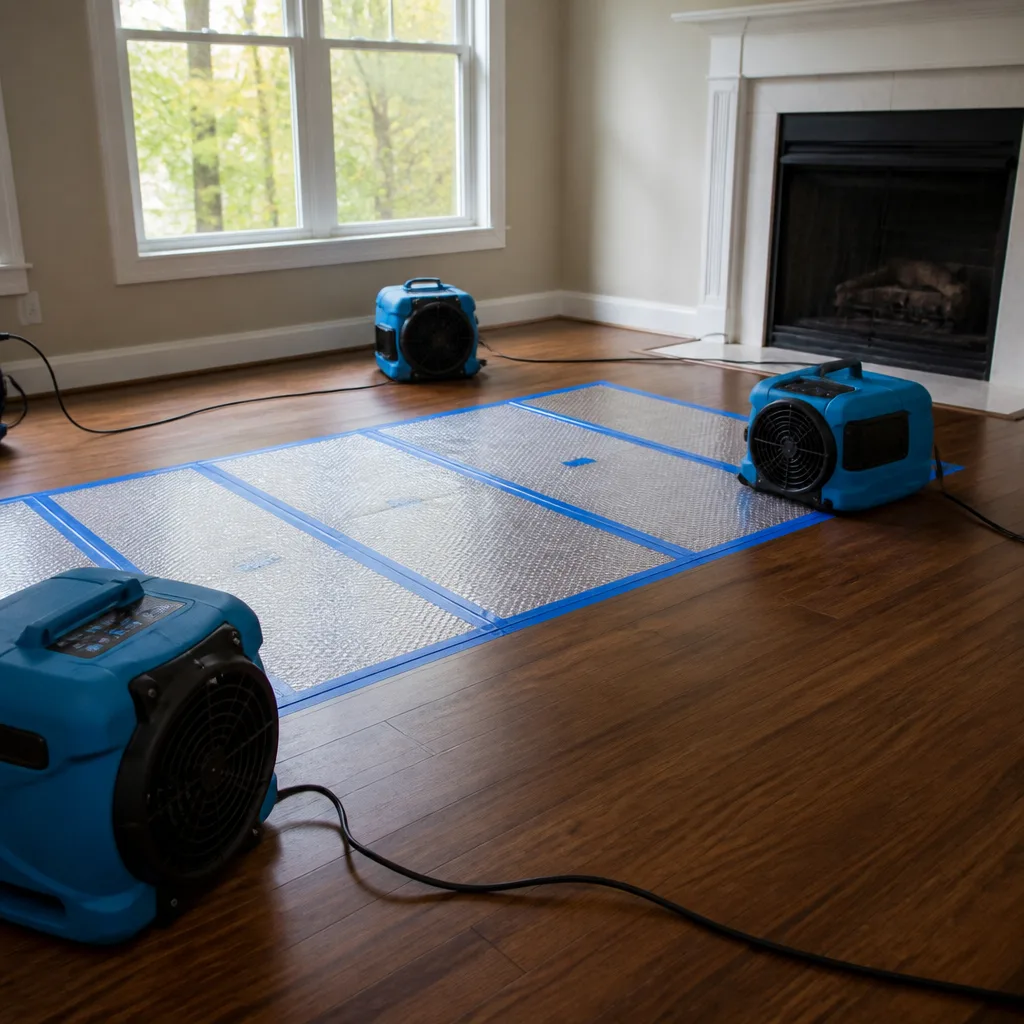
Professional-grade Dri-Eaz dehumidifiers and XPOWER air movers run until daily hygrometer readings hit the dry standard for the structure, not just the air. We log every reading and hand that log to you and your carrier.
Cleaning & Sanitization
Framing gets wire-brushed and treated with an antimicrobial agent. Salt-damaged surfaces get specific treatment because salt crystals left in place keep wicking moisture. This is the step freshwater-only crews skip, and it is why mold returns.
Air Scrubbing & Clearance
HEPA scrubbing continues through the work. Before containment comes down, we test the air inside the work zone against the air outside. The numbers have to match or the job is not closed.
Repairs & Restoration
Same crew, same work order. We rebuild what was removed: drywall, trim, flooring, insulation. The 90-Day Done Right Promise applies to the finished job, in writing, no arguing.
Need Emergency Mold Remediation in Port Washington Now?
Crews minutes away, answering live 24 hours a day. The sooner we start, the less it costs.
Working With Your Insurance Company
Mold claims get scrutinized. Carriers want proof of cause, proof of scope, and proof the work actually fixed the problem. We have handled enough Port Washington claims to know exactly what documentation an adjuster needs to approve a scope without weeks of back-and-forth. Documentation starts the first hour: photos of the water source, moisture readings from the affected area, and a written cause-of-loss statement. We prepare industry-standard, line-item scopes using the same estimating software your carrier uses, and we send them directly. You do not chase the adjuster. We do.
What We Provide Your Insurer
- Thorough documentation of the loss
- Photos of all damage, room by room
- Moisture readings and drying logs
- A detailed, line-item scope of work
- Direct coordination with your carrier
Built for Port Washington’s Loss Calendar
Port Washington’s mold season is not one season. It is the whole calendar, because the peninsula takes weather from two directions at once. January deep freezes burst supply lines in uninsulated crawl spaces under pre-war colonials. Spring thaw lifts the water table and pushes groundwater through fieldstone foundations in Manorhaven and along Manhasset Bay. Summer thunderstorms drop two inches in an hour, overwhelming the storm drains on Main Street and sending water into split-level walkouts. And then there is nor’easter season, when storm surge from Hempstead Harbor and Manhasset Bay can meet in the middle of the peninsula. Every one of those events puts water where it should not be, and mold starts colonizing within 24 to 48 hours if the structure is not dried correctly. We know this calendar because we work it every year.
Mold Remediation Across Port Washington’s Neighborhoods
Response routes matter when mold is spreading. Our crews know the difference between a waterfront Victorian off Shore Road and a mid-century colonial up near Sands Point or along Beacon Hill Road. Homes in Manorhaven, especially the low-lying blocks near the marina, take saltwater in the basement during coastal storms and need aggressive cavity drying plus salt-specific antimicrobial treatment. The older stock around Port Washington Boulevard and the Main Street corridor runs on aging plumbing and steam heat, so winter supply-line bursts and radiator leaks feed interior mold behind walls where it goes unnoticed until the smell gives it away. Up the hill toward Sands Point, larger Gold Coast-era estates often have multiple HVAC zones and finished basements – more square footage, more ductwork, more places for spores to travel when containment is not set correctly. And on the western edge along Hempstead Harbor, crawl spaces under bay-front homes stay humid even without a storm. That is where we find the quiet mold problems: rim joists, sill plates, and the underside of subflooring. Knowing the housing stock is not trivia. It changes where we probe first.
Specialized Mold Remediation Services We Offer in Port Washington
Mold Inspection & Testing
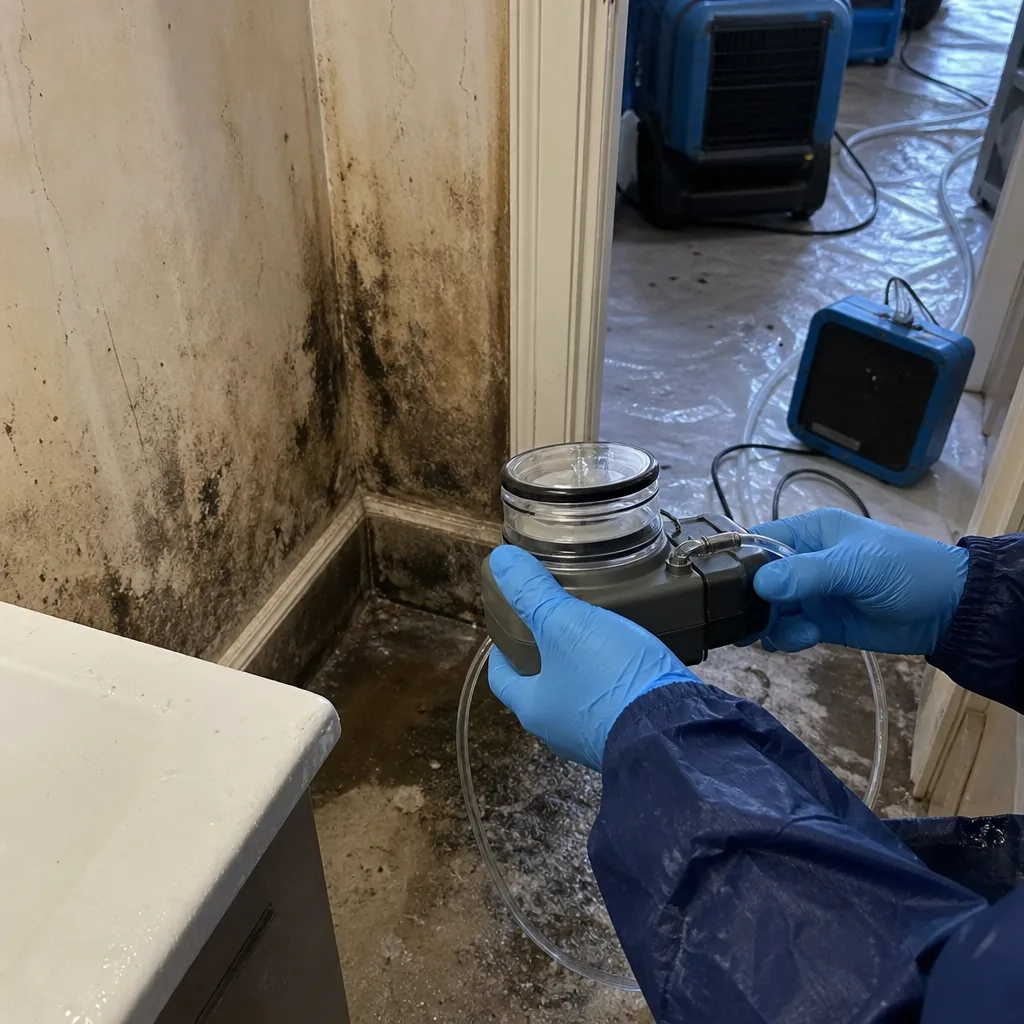
Before any work is quoted, we find out what kind of mold you have and how far it has traveled. We use thermal imaging to find moisture you cannot see, take air and surface samples when the situation calls for it, and give you a plain-English report that tells you what is there, where it came from, and what it will take to remove it. Not every dark stain is mold, and not every mold needs a full containment job. We tell you the difference.
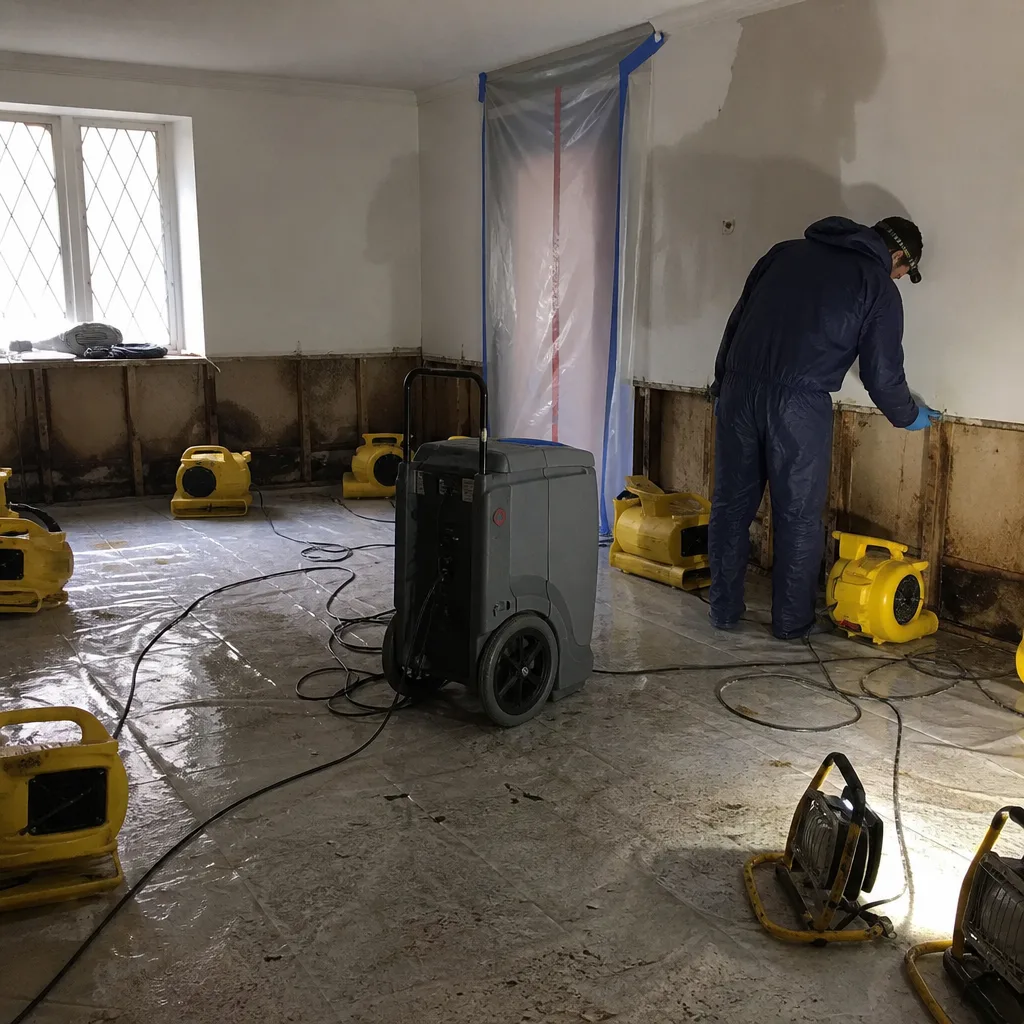
Mold Removal
Physical removal works better than chemical fogging, which is why we cut out contaminated drywall rather than spraying over it. We bag and remove contaminated material inside containment, clean the framing, and dry the structure to the standard. A Port Washington basement that took saltwater flood needs more than surface cleaning if you do not want mold back by spring.
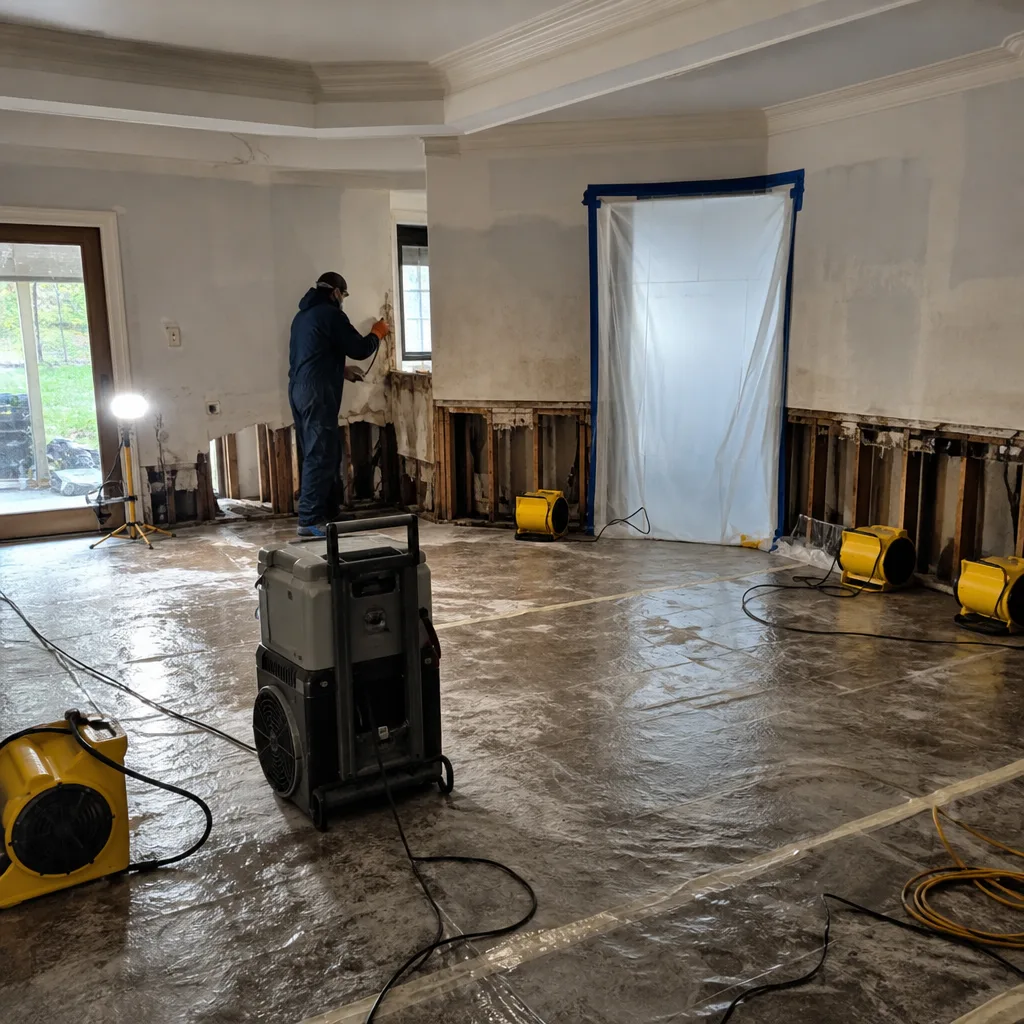
Black Mold Remediation
Stachybotrys, the black mold people worry about, grows on chronically wet organic material, which means drywall, ceiling tile, and framing soaked by floodwater or persistent plumbing leaks. We treat it with full containment, HEPA air scrubbing, physical removal, antimicrobial treatment, and clearance testing. The process is disciplined, and we do not cut corners on containment in an occupied home.
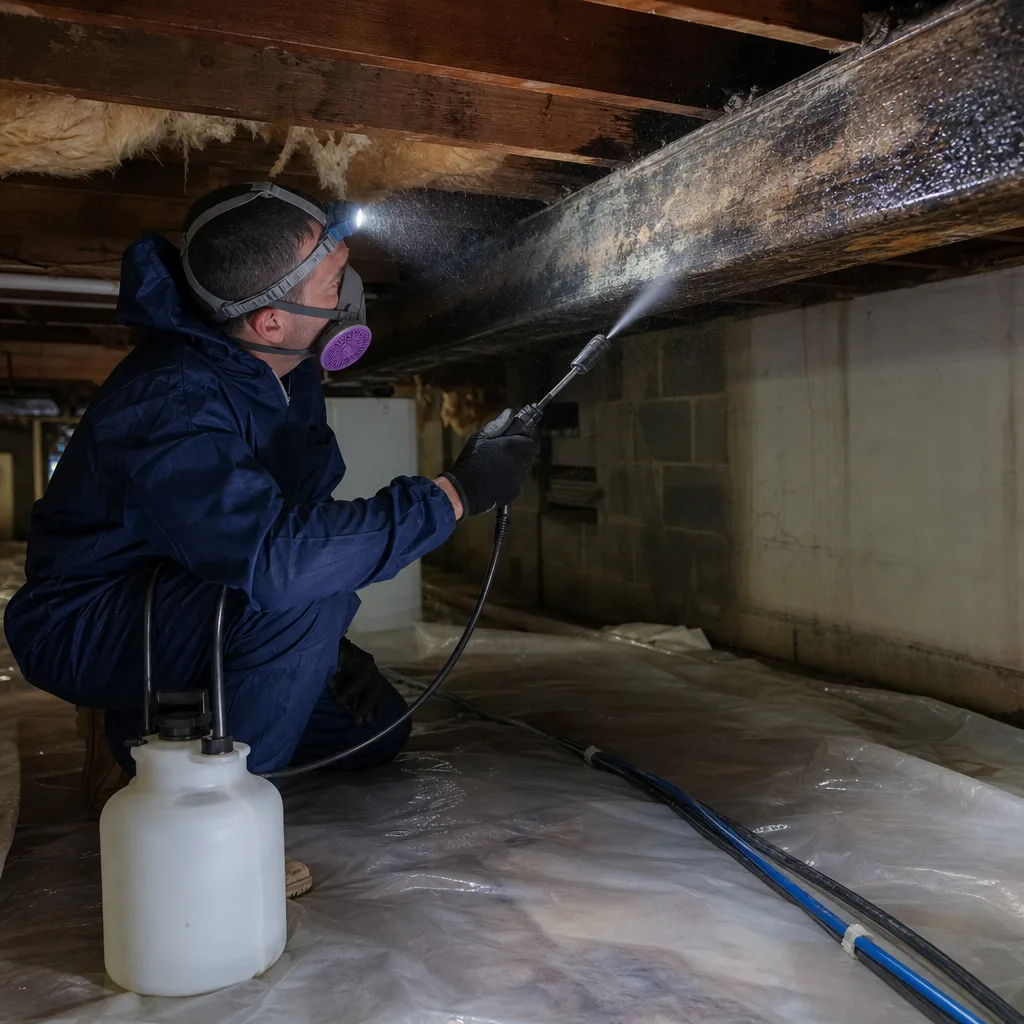
Air Quality Restoration
Mold does not need to be visible to be in the air. If your Port Washington home smells musty or your family is having respiratory issues that improve when you leave the house, we run air sampling and, where the data supports it, full HEPA air scrubbing with negative pressure. We also clean HVAC returns, because mold spores that get into ductwork get redistributed to every room on every heating cycle.
Crawl Space Treatment
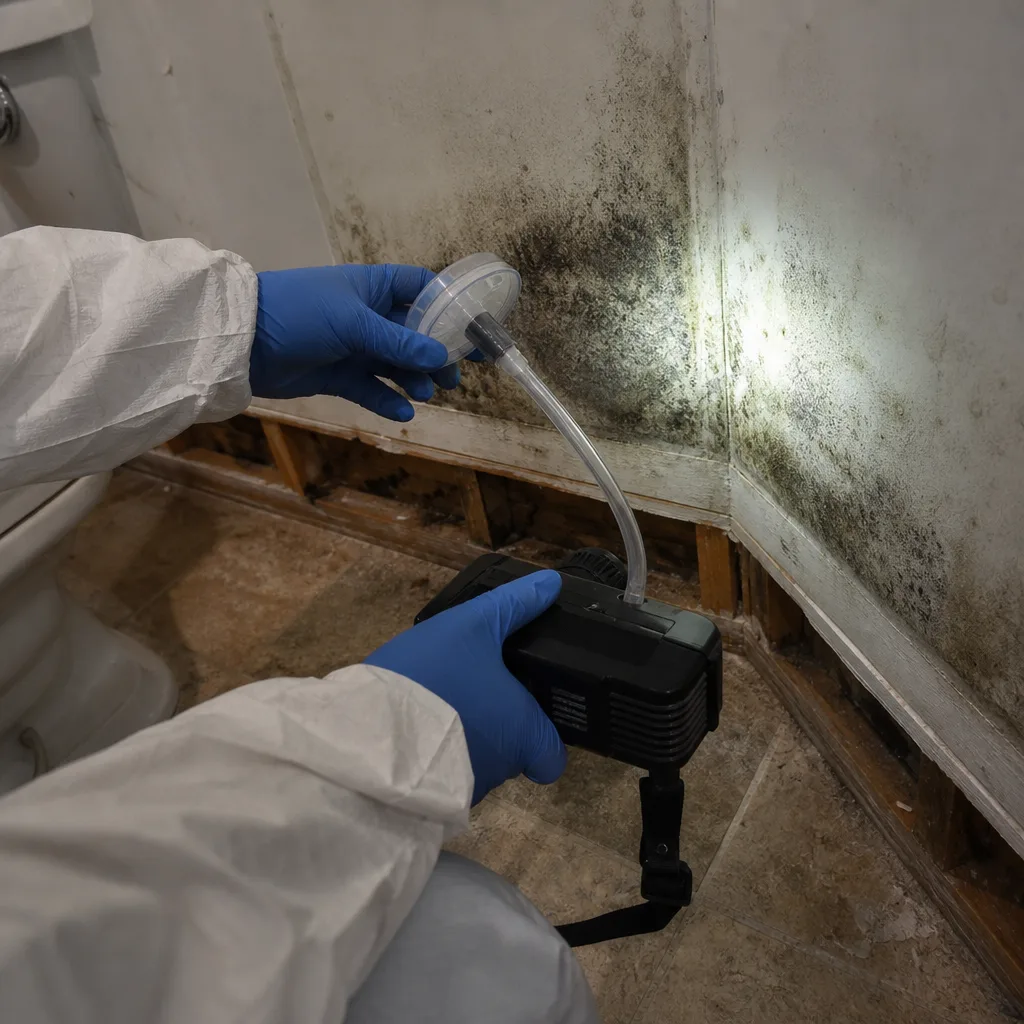
Crawl spaces under North Shore homes are where mold problems start and get missed for years. We treat rim joists, sill plates, and subflooring with targeted drying and antimicrobial application, then address the moisture source so the problem does not come back. We do not recommend encapsulation as a default; we recommend what your specific crawl space actually needs after seeing it and reading the moisture levels. A $900 targeted treatment that solves a humidity problem costs less than a $15,000 encapsulation someone sold you without taking a moisture reading.
What happens when you call
- 1
A real person answersNo phone trees - you reach a local pro.
- 2
You get an upfront price rangeHonest numbers before anyone is dispatched.
- 3
A background-checked tech heads outLicensed & insured, dispatched right away.
- 4
You approve before work beginsNothing starts until you say go.
Mold Remediation Costs in Port Washington, NY
Here is what Port Washington homeowners actually pay. A contained single-room mold removal with drying, antimicrobial treatment, and clearance testing typically runs $1,800-$3,500. A basement that took saltwater flooding and needs cavity drying, wall removal up to the water line, and full rebuild usually lands between $4,500 and $8,500. Crawl space mold treatment on the accessible perimeter runs $900-$2,800 depending on square footage and how much contaminated insulation needs to come out. Whole-home air scrubbing after a significant bloom, where containment covers multiple zones, can run $6,000-$12,000. What moves the price: how far the water traveled inside cavities, whether HVAC ducts are contaminated, and whether the foundation is a fieldstone 1920s wall or poured concrete from the 1960s. Insurance typically covers mold remediation when it stems from a covered water event like a burst supply line or storm flood. If it is from long-term humidity or deferred maintenance, the carrier will likely deny, which is why the free inspection matters: you get a firm written scope before anyone touches a wall.
Standard offers always apply: $50 off any repair over $250, $89 seasonal tune-up, and a 5% senior and veteran discount. Call (518) 873-4306 for an exact, written quote.
We Also Serve Cities Near Port Washington
Our crews run daily routes through Sea Cliff, Manhasset, Great Neck, and Little Neck. If you are in a neighboring town and smelling must in the basement, the same 45-minute response commitment applies across the North Shore, and dispatch is coordinated from our New York City office.
Serving Port Washington, NY - Our Local Coverage Area
We’re based in the Port Washington area and know this community well. Use the map below to see our service coverage - if you’re nearby, we can almost certainly help.
Port Washington Mold Remediation Questions, Answered
Why does mold return in Manorhaven homes even after a standard mold remediation?
Because the company doing the work treated the water like freshwater and never addressed the salt load. Salt crystals left in wall cavities keep wicking moisture out of the air into the framing and drywall. You get a clean wall and a hidden moisture trap. The fix is cavity probing for saline residue, salt-specific antimicrobial treatment, and drying logs that prove the framing actually hit the dry standard. A Manorhaven basement that took Category 3 saltwater needs a saltwater protocol, not a generic one.
How fast can mold start after a Manhasset Bay flood in Port Washington?
Colonization begins within 24 to 48 hours in warm weather. In a heated home, it is usually faster. Mold spores are already present in every home; what they need is moisture and organic material, and a flooded basement gives them both. That is why extraction and drying need to start the same day. Call (518) 873-4306 and we can have a crew on site within 45 minutes.
Does saltwater from Hempstead Harbor require different mold remediation than freshwater damage?
Yes. This is the single biggest factor on the Port Washington peninsula. Salt draws moisture through hygroscopic action, so a wall that a moisture meter reads as dry can still have salt crystals pulling humidity from the air. We use Injectidry mats to pull salt-laden moisture from cavities, and we apply antimicrobial treatment specific to saline-contaminated framing. Skipping this step is the number one reason mold comes back months after a job is closed on the North Shore.
Why is moisture mapping needed after a storm in the AE flood zone near the bay?
Because water travels farther than the visible flood line. In an AE-zone home near Manhasset Bay or Hempstead Harbor, the bottom two to three feet of wall cavities can be saturated by storm surge even when the floor looks dry. Moisture mapping with thermal imaging and penetrating meters shows you the full extent before you write a scope. It also gives your insurance carrier the documentation they need to approve the full remediation instead of just the visible damage. Without the map, you get a partial fix.
What should I do if I smell mustiness in my crawl space but see no standing water after a nor’easter?
Do not ignore it. That smell means mold is already active somewhere in the crawl space, likely on the rim joists or sill plates, and the moisture may be coming from salt residue pulling humidity or a groundwater intrusion you cannot see. Call for a free inspection. We will take moisture readings and thermal images and show you exactly where the problem is before any work is quoted. The $89 seasonal tune-up covers a crawl space inspection this time of year.
Can I stay in my Port Washington home during mold remediation?
Usually, yes, for contained single-room work. We seal the work zone with physical barriers and run negative air pressure, so your living spaces stay separate from the contaminated area. For whole-home blooms, multi-zone contamination, or medical sensitivity in the household, we will recommend temporary relocation in writing. Most Port Washington jobs we handle are occupied during the work.
Will insurance cover mold remediation after a nor’easter flood in Port Washington?
If you have NFIP flood insurance, storm-surge mold remediation is covered as part of the flood claim when mold results from the covered water. Private homeowners policies vary by carrier and often cap mold coverage with sub-limits. We handle claim documentation from hour one: photos, moisture logs, cause-of-loss statements, and the line-item scope submitted directly to your adjuster. You do not chase the paperwork; we do.
How fast can Floodline actually get to a mold call in Port Washington?
We commit to 45 minutes for emergency response across the peninsula. Dispatch lives in our New York City office, and crews are staged around the North Shore, so we are not driving from another county when you call. The dispatcher picks up live, confirms your address, and routes the closest certified crew. You will have a real arrival window on the first call, not a four-hour voicemail loop.
Written by Curt Bowman, Owner at Floodline Restoration Co. Serving Port Washington and the North Shore since 2010.