

Free visual inspection and a written scope of work before any mitigation begins - photos, moisture readings, and drying logs go in your claim file
The scope we write is the scope we bill. Anything new gets shown to you, in writing, before we touch it.


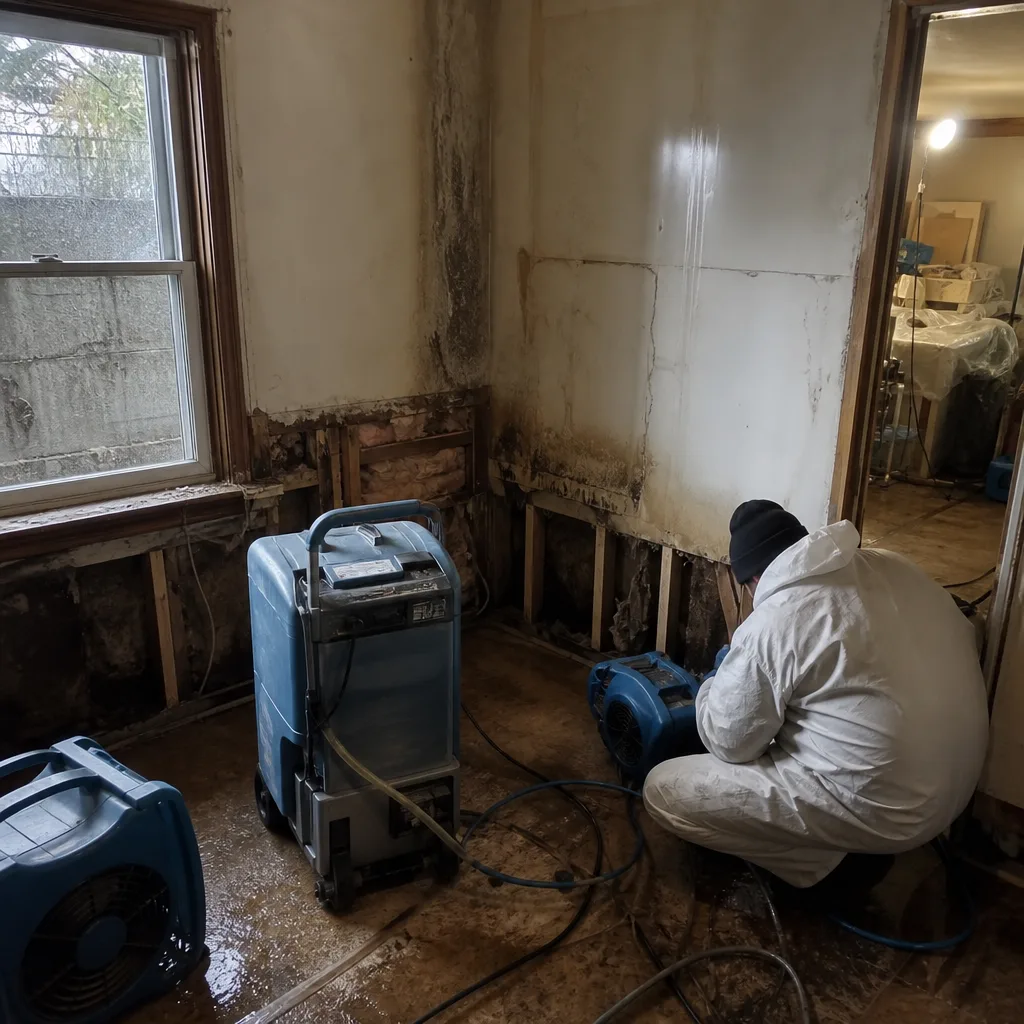 Before
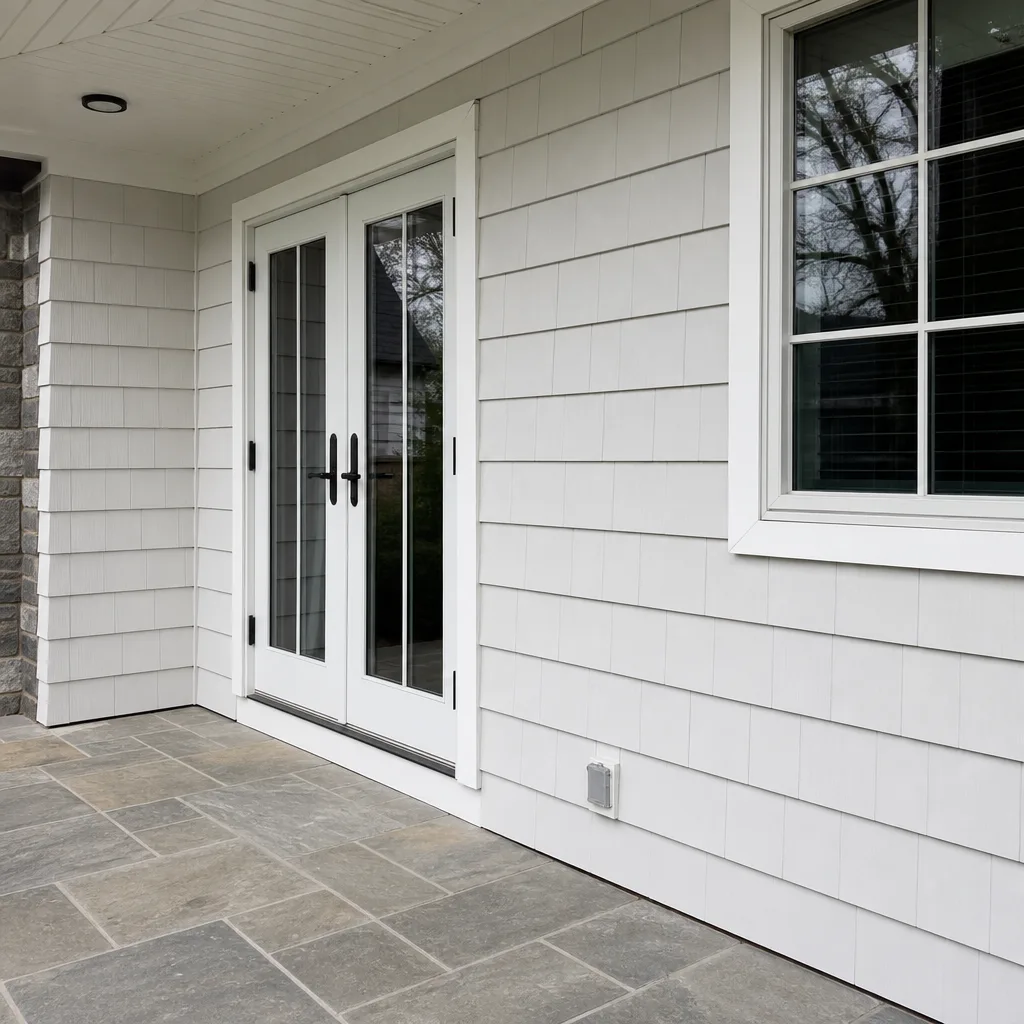 After
After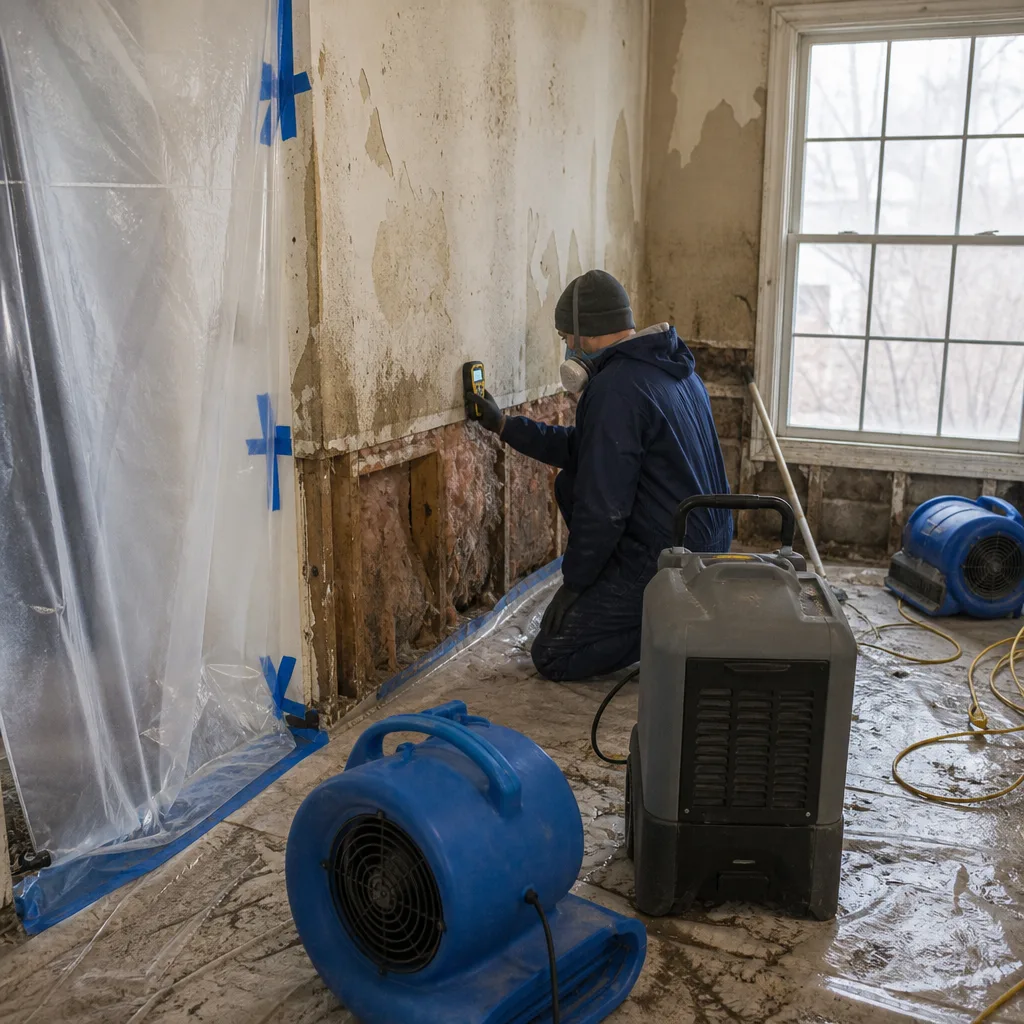 Before
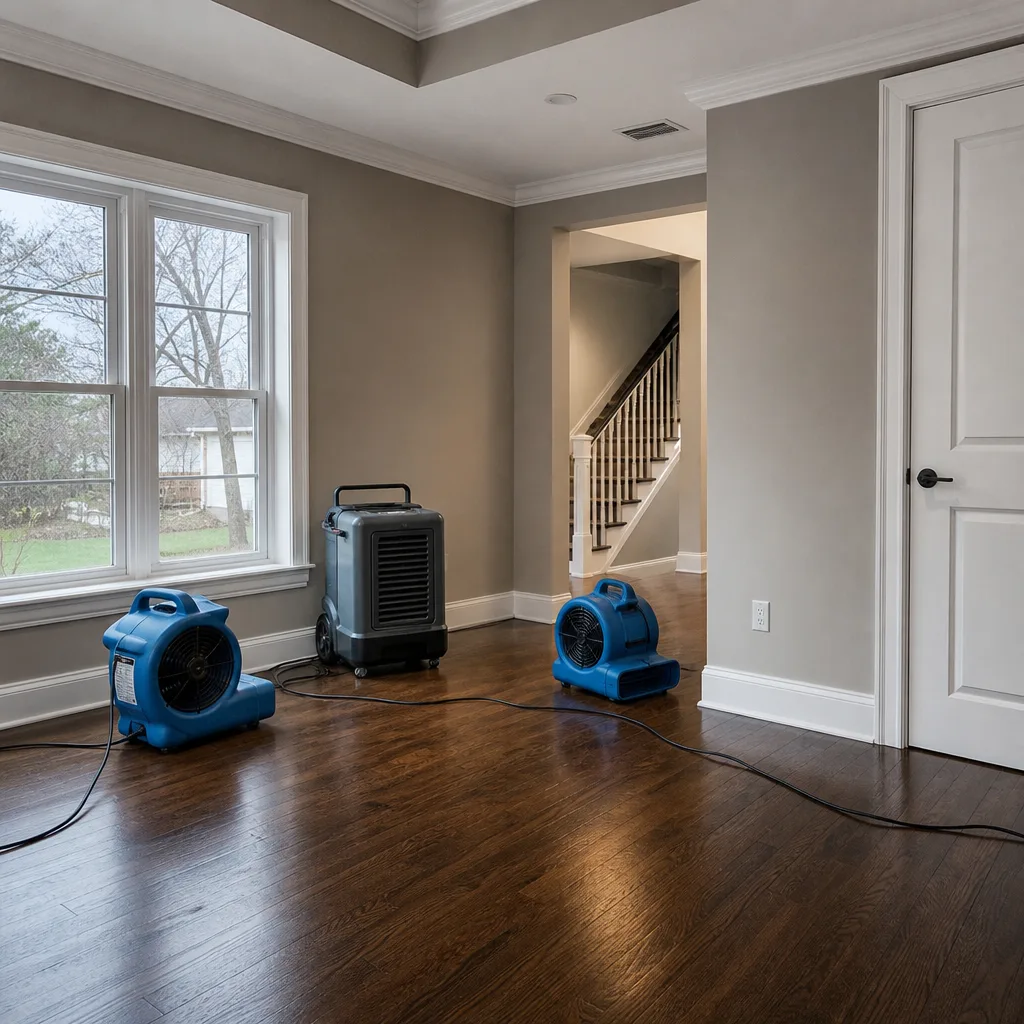 After
After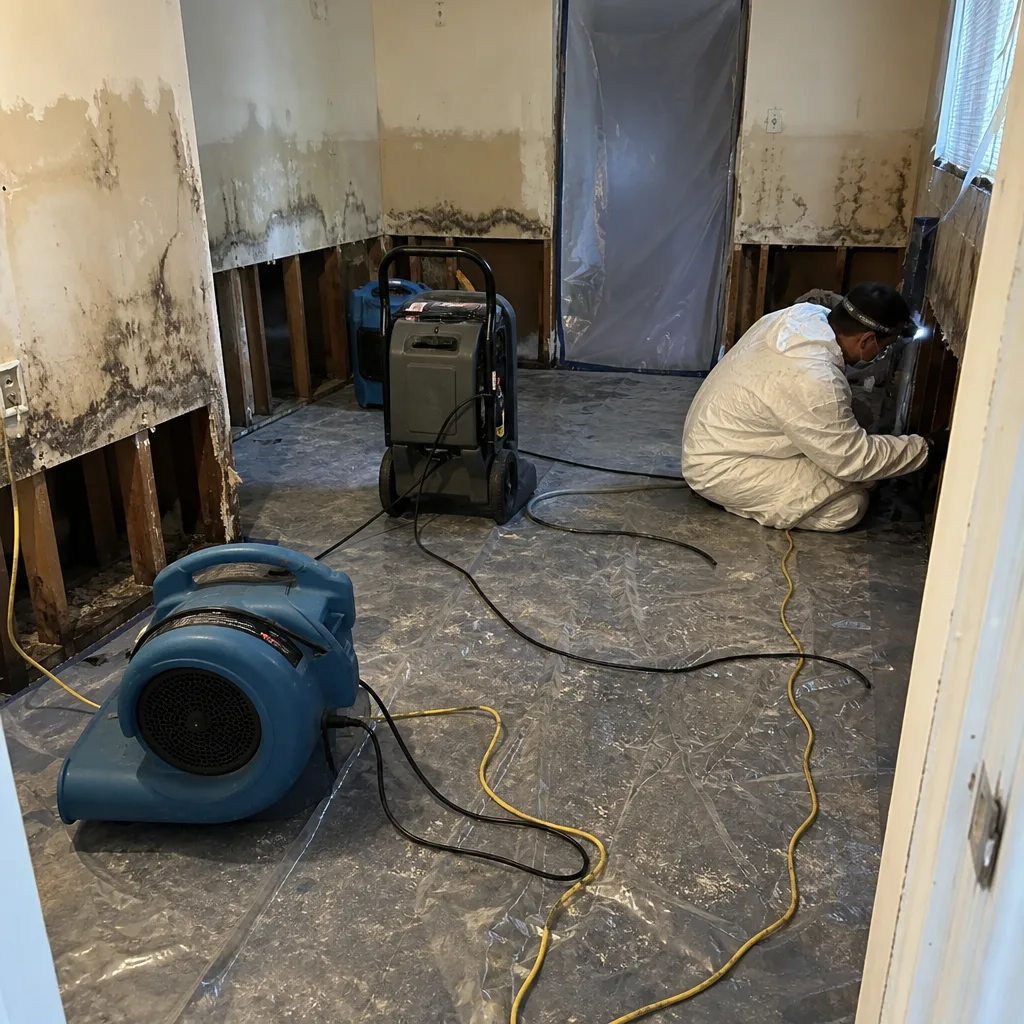 Before
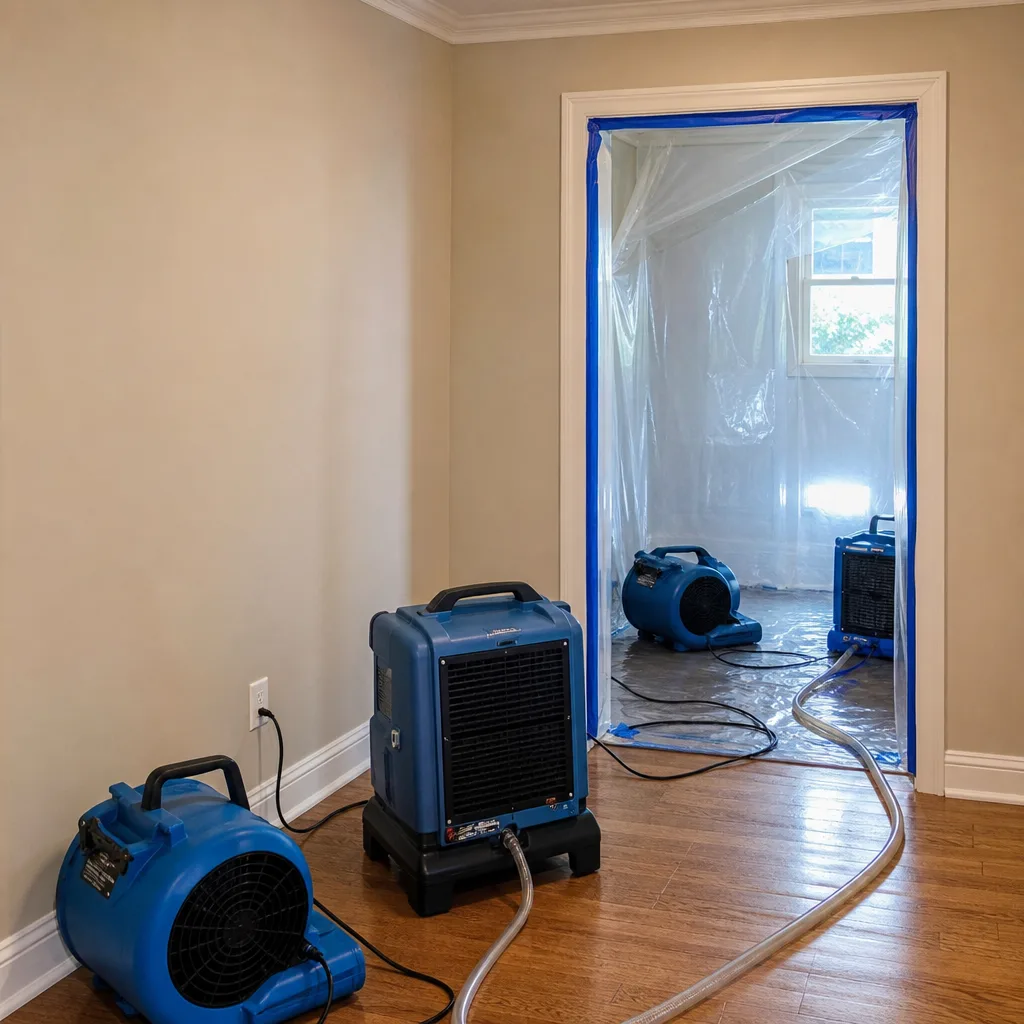 After
After24/7 Emergency Sewage Cleanup in Great Neck
Sewage cleanup in Great Neck typically costs $1,800-$6,500 depending on how far category 3 water has wicked into plaster-and-lath walls, hardwood floors, or a finished basement, and most jobs can be started the same day you call. Our crews are dispatched from the New York City office and reach Great Neck homes within 45 minutes, with a live person answering the phone at (518) 873-4306 at two in the morning, not a recording. Sewage water is classified as category 3, meaning it carries bacteria, viruses, and parasites that make the first hour after a backup the difference between a contained cleanup and a full stud-out demolition. When a sewer lateral backs up into a Great Neck basement, the water doesn’t wait for business hours, and neither do we.
Understanding Sewage Cleanup Severity in Great Neck Properties
Not all sewage water is the same, and the age of Great Neck’s housing stock changes how we read the damage. Category 1 water is clean at the source, category 2 carries significant contamination, and category 3 is what we’re dealing with in sewer backups: water containing human waste, pathogens, and whatever else washed through the municipal system. In a 1920s Colonial with original plaster-and-lath walls, category 3 water doesn’t just sit on the surface. It wicks upward through the lime plaster, saturates the old-growth floorboards beneath, and migrates along the sill plates into adjacent rooms faster than in drywall construction.
Our technicians are certified to IICRC standards in water restoration and applied microbial remediation, and they use moisture mapping with thermal imaging and hygrometers to find where the sewage actually went, not just where it’s visible. In Great Neck, that distinction matters more than in newer towns. Plaster walls look dry on the surface long after the interior cavity is still soaked, and by the time staining appears, the lath behind it has been wet for days. We read the moisture map, not the visible stain, and that changes the scope before demolition starts.
Why Great Neck Property Owners Choose Floodline Restoration Co.
- 45-minute response commitment to Great Neck addresses – our dispatch board shows the nearest certified crew and sends them immediately, with the owner’s name and ETA before they arrive.
- A live person answers, 24 hours a day, every day – no automated phone tree, no answering service that takes a message. You call, a dispatcher who knows Great Neck picks up, and the clock starts.
- IICRC-certified crews trained to WRT and AMRT standards – background-checked, uniformed, and experienced with sewage extraction, not a rotating subcontractor who’s never seen a plaster wall.
- Free visual inspection with a written scope before work begins – you see the plan, the line items, and the price. No pressure, no surprises on the bill.
- Direct insurance billing – we bill your carrier, document the loss from the first hour, and talk to your adjuster so you don’t have to play messenger.
- One team from extraction to reconstruction – the same certified crew that extracts the sewage is the crew that dries, rebuilds, and hands you the 90-Day Done Right Promise in writing.
Our Sewage Cleanup Process
Inspection & Assessment
We arrive, walk the property, and run moisture mapping with thermal imaging. In Great Neck’s pre-war homes, this means checking plaster walls, subfloor cavities, and any adjacent finished basement space that might share a sill plate with the loss area. You get a clear, written scope before a single piece of material is removed.
Extraction & Stabilization
We extract standing category 3 water using truck-mounted extraction units and portable extractors for tight basement spaces. Containment goes up immediately to stop sewage aerosols from spreading into the rest of the house, and affected materials are either stabilized for drying or removed if they can’t be saved.
Drying & Dehumidification
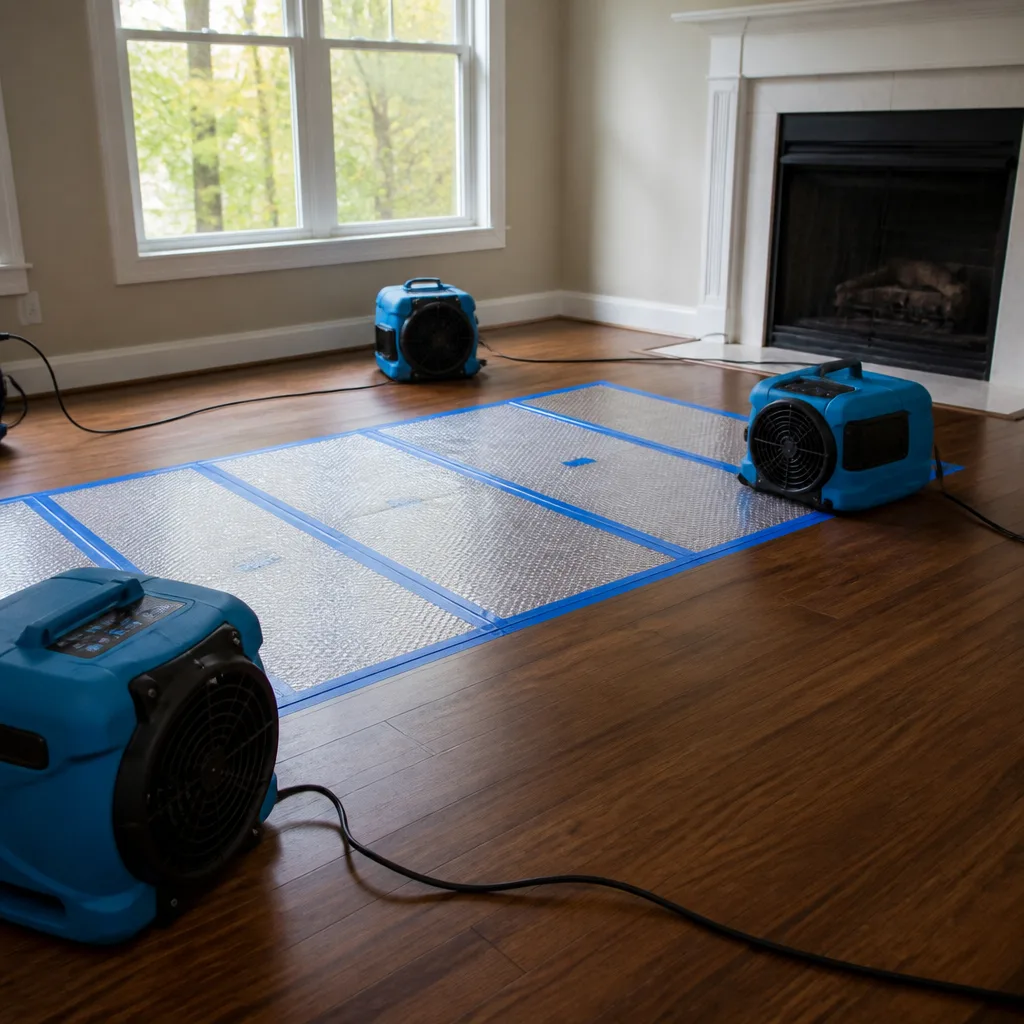
We deploy Dri-Eaz dehumidifiers and Phoenix air movers configured to the specific room layout and wall construction. Plaster-and-lath dries differently than drywall, so we run daily moisture readings and adjust the equipment layout until the dry standard is met. You get the moisture log, and so does your insurer.
Cleaning & Sanitization
All affected surfaces are cleaned with professional-grade antimicrobial agents registered for category 3 water. HEPA air scrubbers run throughout the process to capture airborne particulates. We clean what can be saved and document what can’t, with photos and a written rationale for your adjuster.
Sewage-Specific Treatment
Floor drains are camera-scoped to check the lateral for root intrusion or offset joints, because in Great Neck’s high-water-table sections near Little Neck Bay, a backup is rarely a one-time event. We treat the source, not just the symptom, and recommend a backflow prevention valve when the lateral shows repeated failure.
Repairs & Restoration
The same crew that extracted the sewage rebuilds what was removed. That means matching period trim, restoring original hardwood floors where possible, and handling the insurance scope so the finished basement doesn’t lose its original character. The job ends with the 90-Day Done Right Promise in writing.
Need Emergency Sewage Cleanup in Great Neck Now?
Crews minutes away, answering live 24 hours a day. The sooner we start, the less it costs.
Working With Your Insurance Company
Sewage backups in Great Neck are usually covered under a standard homeowners policy or a separate water backup endorsement, but the claim hinges on documentation. We document the loss from the first hour: photos of every affected room, moisture readings on every surface, a line-item scope of work, and a drying log that shows the property is actually dry, not just looking dry. Our team communicates directly with your adjuster, walks them through the moisture map, and negotiates the scope so you’re not stuck explaining why a 1930s plaster wall can’t be dried like a sheetrock partition. We’ve handled enough claims on Middle Neck Road, Kensington, and the waterfront streets off East Shore Road to know what carriers need and what owners deserve.
What We Provide Your Insurer
- Thorough documentation of the loss
- Photos of all damage, room by room
- Moisture readings and drying logs
- A detailed, line-item scope of work
- Direct coordination with your carrier
Built for Great Neck’s Loss Calendar
Great Neck’s peninsula geography drives a sewage backup calendar that inland Nassau County doesn’t share. January and February bring deep freezes that crack aging cast-iron laterals under Kings Point Road and the surrounding side streets, while thaw cycles shift the ground enough to offset joints that have been settling for ninety years. Spring rains saturate the high water table near Little Neck Bay and Manhasset Bay, and basement floor drains in mid-block Colonials start backing up with groundwater mixed with sewage. Summer thunderstorms overwhelm the combined storm and sanitary lines in the older sections of the village, pushing category 3 water backward through floor drains in homes that sit below the revised FEMA flood elevations. And when a nor’easter piles storm surge into the bays, the backflow pressure on those original cast-iron laterals turns a routine rain event into a finished-basement loss. We plan our Great Neck response around that calendar.
Sewage Cleanup Across Great Neck’s Neighborhoods
Response routes and building types change block by block in Great Neck. The waterfront streets off East Shore Road and around Steppingstone Park sit lowest against Little Neck Bay’s surge, and homes there see storm-driven backups where sewage and saltwater mix in finished basements. The larger 1920s Tudors and Colonials along Middle Neck Road and in the Village of Kensington tend to have deeper basements, original cast-iron laterals, and finished rec rooms added in the 1950s and 60s. That’s where we see the highest stakes: knotty-pine paneling, terrazzo floors, and owners who will fight tooth and nail to avoid a full stud-out.
Over toward the Great Neck Plaza area, the housing shifts to somewhat newer construction, but many still sit mid-block where a high water table turns every heavy rain into a test of the lateral. The neighborhoods around Allenwood Park and the side streets off Baker Hill Road bring their own pattern: older Capes with shallower basements where sewage backup means wicking into the first-floor joists within hours. Each area has its own signature, and our crews know the routes and the building stock well enough to arrive with the right equipment the first time.
Specialized Sewage Cleanup Services We Offer in Great Neck
Sewage Backup Cleanup
When a lateral backs up through a basement floor drain in Great Neck, the water is category 3 and the clock is running. We extract sewage, set containment, and camera-scope the lateral to find whether the backup was a one-time blockage or a structural failure in an original cast-iron line. Most sewer backup jobs in Great Neck run $2,200-$5,800 depending on how far the water migrated and whether finished space is involved. We handle the whole scope, from first extraction to putting the rec room back together.
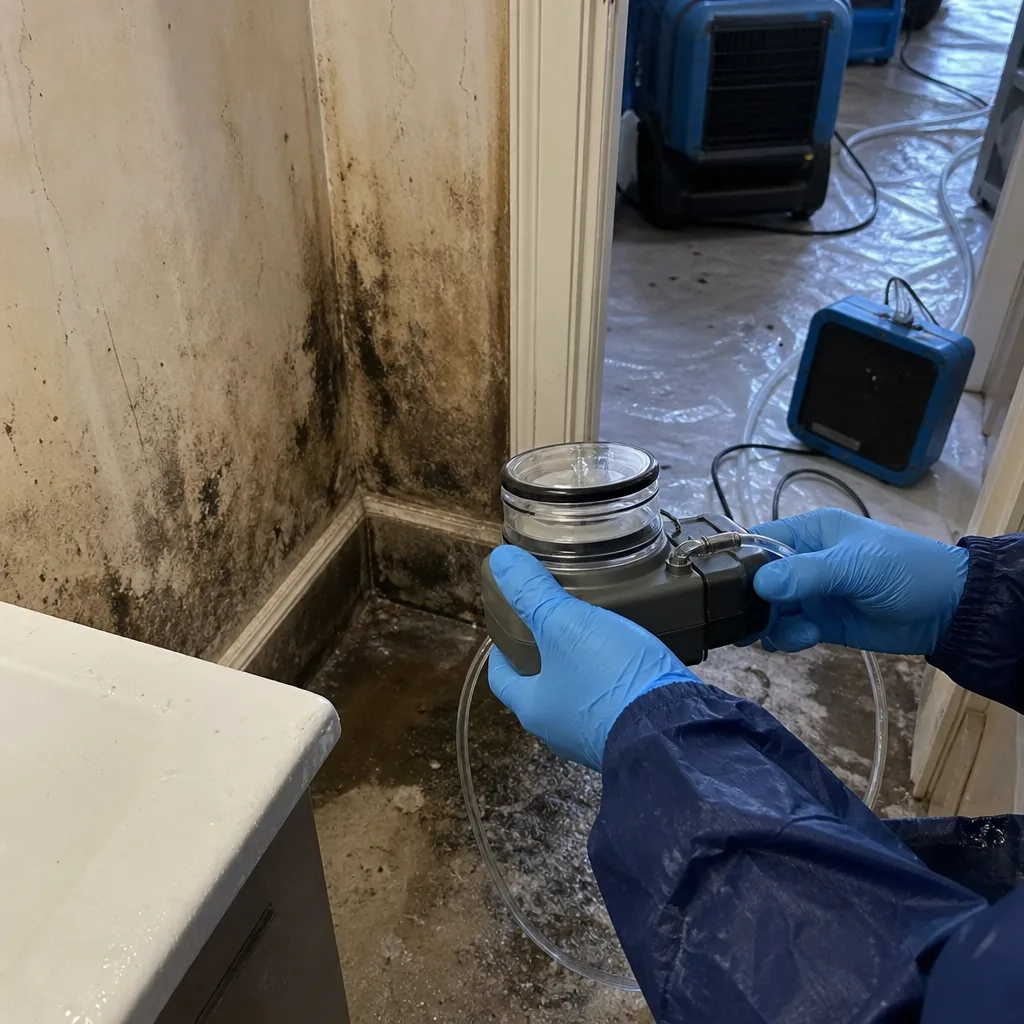
Black Water Extraction
Black water is the industry term for category 3 sewage water, and it delivers higher stakes than any other class of water damage. We remove it with truck-mounted extraction, remove saturated porous materials that can’t be sanitized, and treat affected hard surfaces with registered antimicrobials. In Great Neck’s pre-war homes, black water extraction often means opening plaster walls from the base up to remove saturated lath, because drying that assembly in place would leave pathogens trapped inside the wall cavity for months.
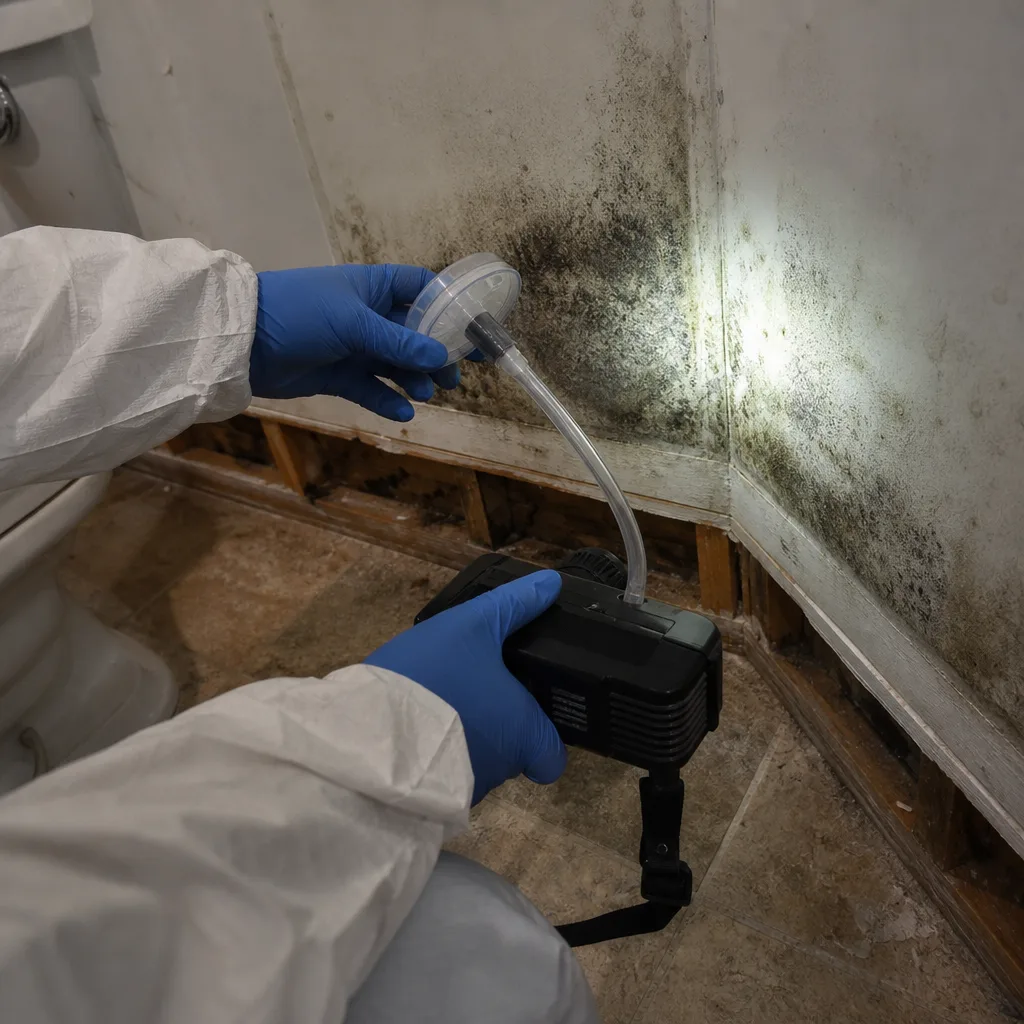
Crawl Space Sewage Removal
Many Great Neck Capes and older homes have crawl spaces rather than full basements, and when a sewer line breaks underneath, sewage pools in the dirt and the odor infiltrates the whole house. We remove the contaminated soil, sanitize the framing, and run dehumidifiers until the space is dry. The job isn’t finished until the sewage smell is gone and the source is fixed. Crawl space sewage removal in Great Neck typically runs $1,800-$4,200 depending on access and contamination depth.
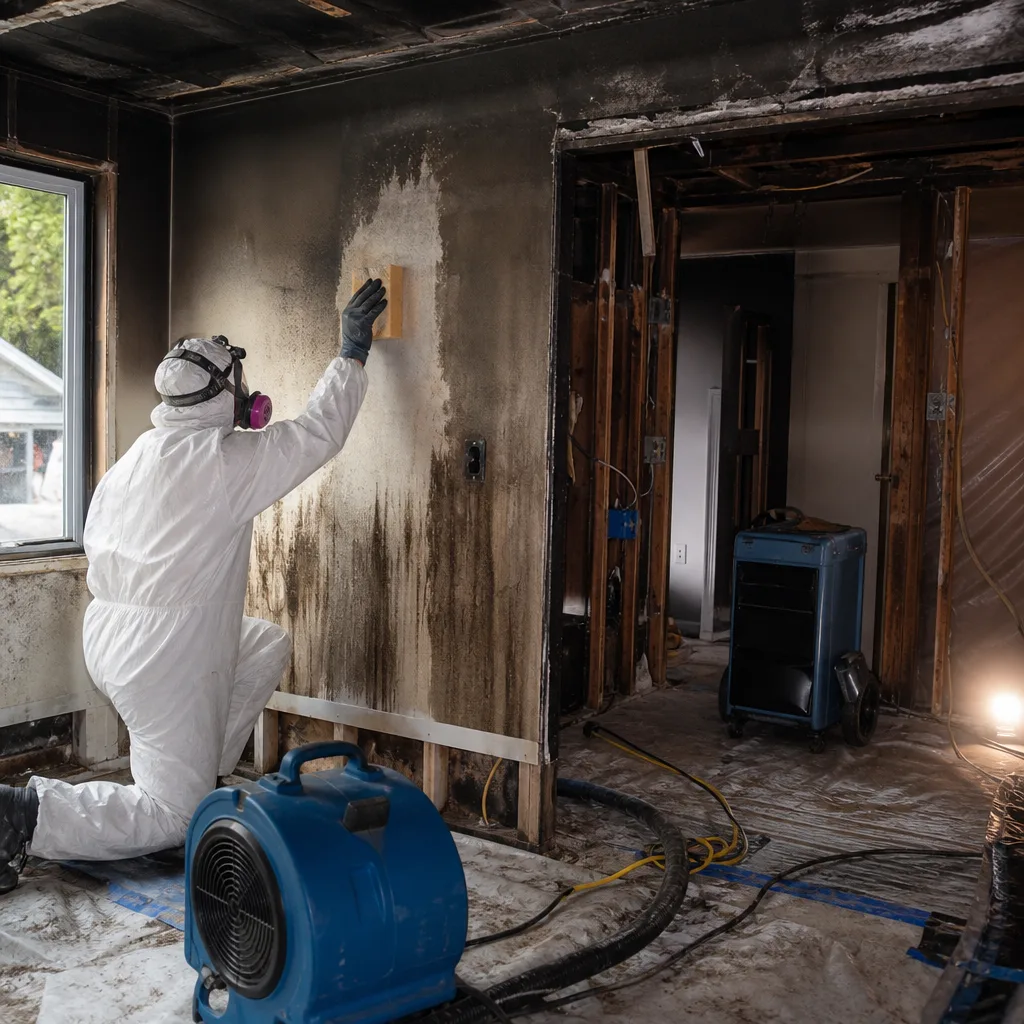
Toilet Overflow Cleanup
A toilet overflow in a Great Neck home with original hardwood floors is a different job than in a newer house. Clean water from the tank mixes with whatever was in the bowl, and the resulting category 2 or category 3 water seeps between floorboards and into the subfloor. We extract, dry with a focused equipment layout, and sand-and-refinish salvageable flooring where possible. The 1930s Tudor on Middle Neck Road is a good example: one basement toilet overflow wicked into the adjacent 1950s rec room within hours.
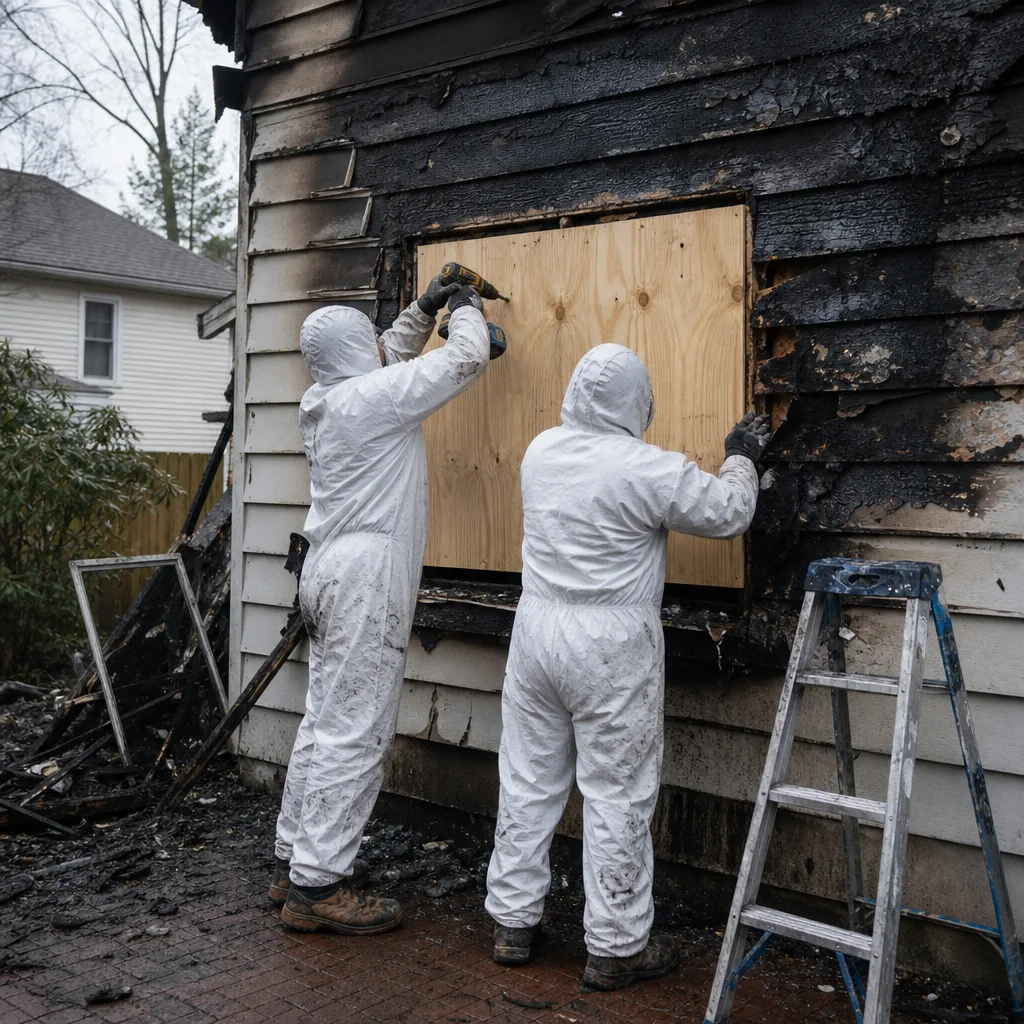
Septic Failure Cleanup
Some Great Neck properties still operate on aging septic systems, particularly on larger lots away from village sewer lines. When a septic field fails and backs up into the house, we handle the indoor contamination while you coordinate the system repair. We document everything for your insurer and make sure the interior space is safe to occupy before the outdoor repair is scheduled.
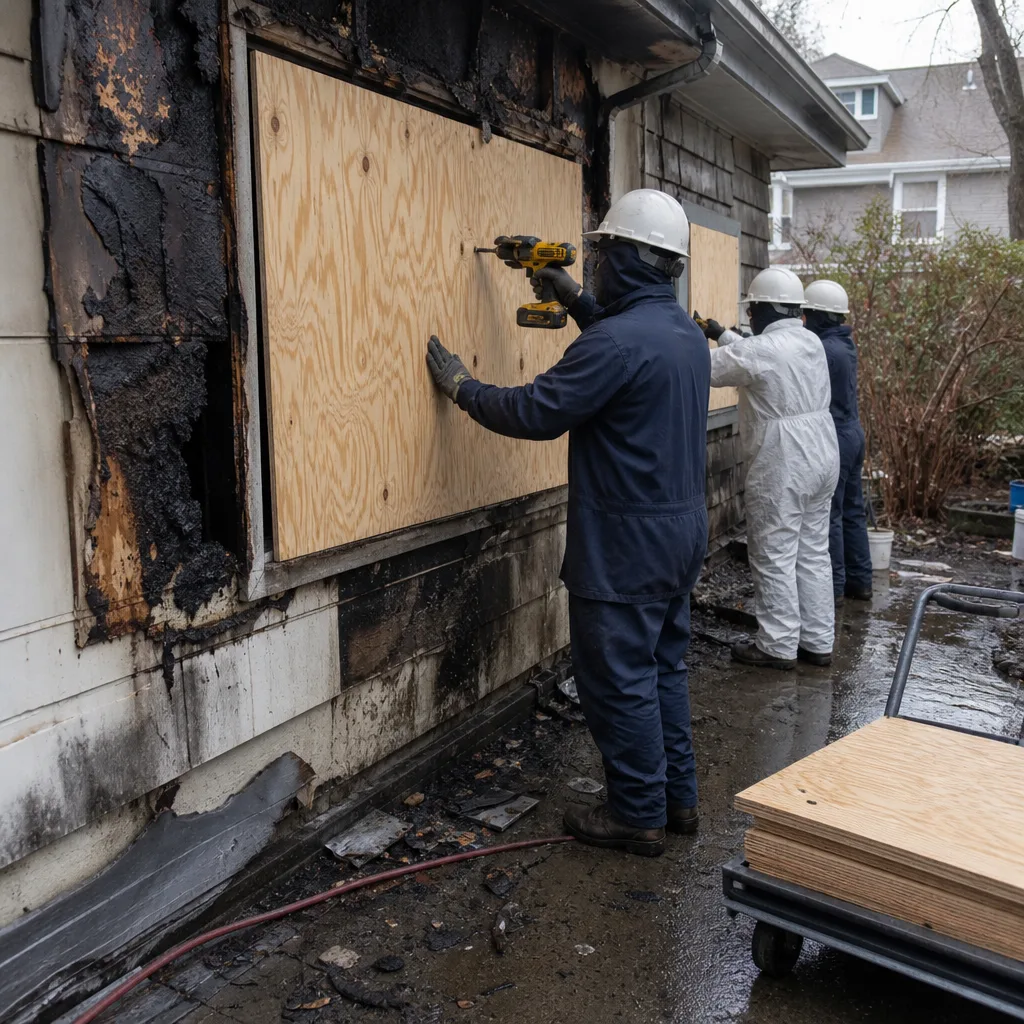
Sanitization & Disinfection
After sewage extraction, every affected surface must be cleaned and treated. We use hospital-grade antimicrobials registered for category 3 water, run HEPA air scrubbers throughout the process, and verify the space is safe for occupancy. In Great Neck homes where family members may have respiratory sensitivities, containment and air quality matter as much as the visible cleanup.
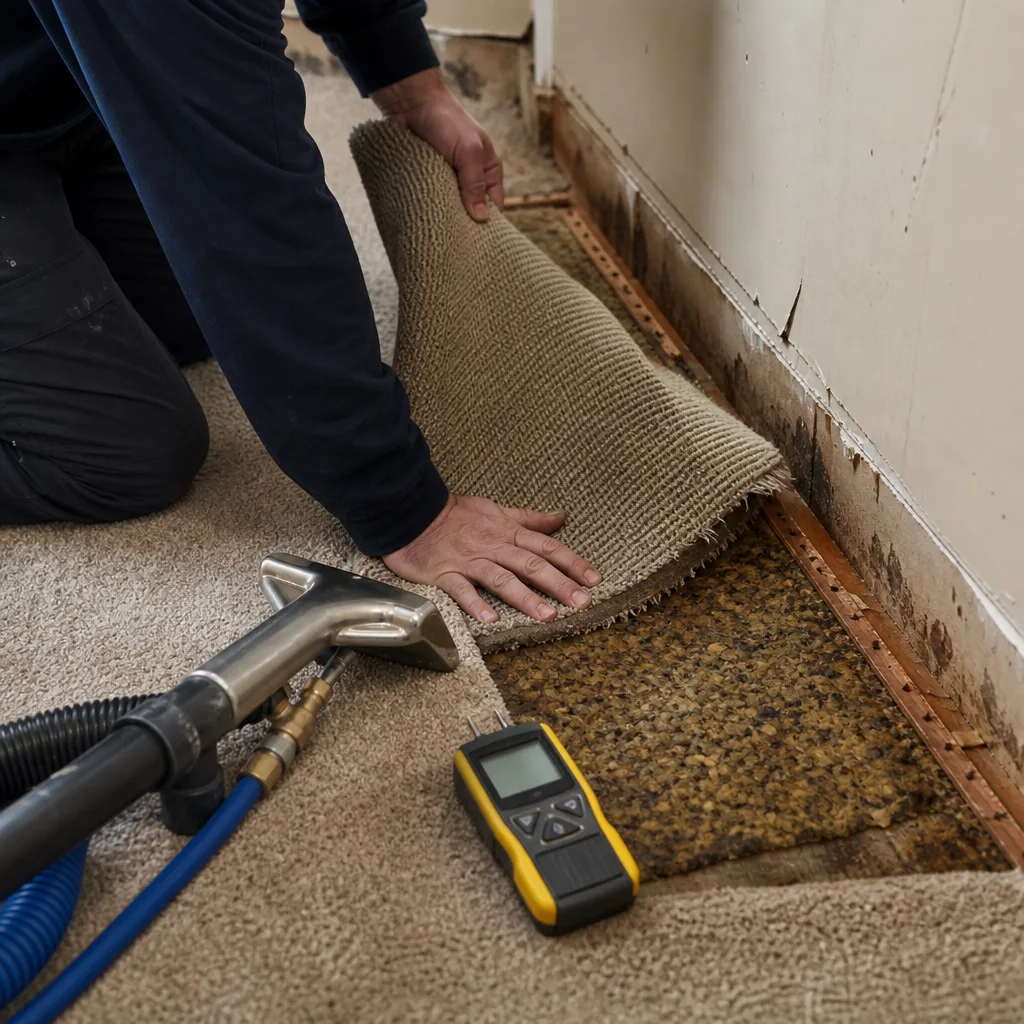
What happens when you call
- 1
A real person answersNo phone trees - you reach a local pro.
- 2
You get an upfront price rangeHonest numbers before anyone is dispatched.
- 3
A background-checked tech heads outLicensed & insured, dispatched right away.
- 4
You approve before work beginsNothing starts until you say go.
Sewage Cleanup Costs in Great Neck, NY
Great Neck’s market runs higher than inland Nassau County for a reason: the housing stock demands more labor and more care. Here’s what homeowners can expect:
| Service | Typical Range in Great Neck |
|---|---|
| Toilet overflow, contained to one bathroom | $900-$1,800 |
| Sewage backup in an unfinished basement | $1,800-$4,200 |
| Sewage backup in a finished basement | $3,200-$6,500 |
| Black water extraction with plaster wall removal | $2,500-$5,800 |
| Crawl space sewage removal | $1,800-$4,200 |
| Full stud-out and rebuild of a 1950s rec room | $12,000-$28,000 |
What moves the price is how far category 3 water migrated, whether finished space is involved, and whether the lateral needs repair or replacement before the interior work can be guaranteed. Insurance covers most sewage backups in Great Neck when a water backup endorsement is in place, and we bill the carrier directly. The free visual inspection is the fastest way to get a firm number; call (518) 873-4306 and we’ll have a certified technician walk the property and put a written scope in your hands.
We Also Serve Cities Near Great Neck
Our crews regularly handle sewage cleanup in Great Neck and the surrounding communities, including Little Neck, Manhasset, Oakland Gardens, and Bayside. Each area has its own building stock and drainage patterns, and our familiarity with those local conditions means the crew that shows up already knows what they’ll find.
Serving Great Neck, NY - Our Local Coverage Area
We’re based in the Great Neck area and know this community well. Use the map below to see our service coverage - if you’re nearby, we can almost certainly help.
Great Neck Sewage Cleanup Questions, Answered
Does Great Neck’s history of hurricane surge change how sewage cleanup is scoped for pre-war basements?
Yes. Many Great Neck basements finished in the 1950s and 60s sit below the post-Sandy FEMA flood elevation, which means insurers often require full stud-out after a sewage loss. Without a contractor who can document drying logs, moisture readings on plaster walls, and salvageable materials with photos, the adjuster wins and the owner loses original finishes. We build that documentation from the first hour so the scope reflects what actually needs removal, not a blanket demolition order. Call (518) 873-4306 for a free inspection of your basement’s specific situation.
What’s the most common cause of sewage backups in Great Neck’s older Colonials and Tudors?
The original cast-iron sewer laterals installed in the 1920s and 1930s are failing. Decades of settling, root intrusion, and corrosion leave them cracked or offset, and during heavy rain or a nor’easter, groundwater infiltrates the lateral and pushes sewage back through floor drains. We camera-scope the line during every sewage job because treating the interior without finding the lateral’s condition means the same backup returns with the next storm. Call (518) 873-4306 to schedule an inspection.
Can a mid-century rec room’s knotty-pine paneling be saved after a sewage backup, or is it always a loss?
Knotty-pine paneling that sat in category 3 water for more than a few hours will almost always be a loss. The seams wick sewage into the tongue-and-groove joints, and no surface cleaning reaches inside those joints. But paneling that was not directly contacted can often be saved with proper containment, HEPA air scrubbing, and careful drying. We document which sections actually got wet, with photos and moisture readings, so the adjuster sees why only some panels need removal rather than the entire room. Call (518) 873-4306 and we’ll map the damage precisely.
How do you handle adjusting expectations when an adjuster wants full demo but the owner wants salvage in Great Neck’s historic homes?
We bring data. The adjuster’s default after a sewage loss below flood elevation is full stud-out, but our moisture logs, category mapping, and material documentation show what actually absorbed sewage and what didn’t. We’ve gone to the mat for owners of 1920s Tudors and 1950s rec rooms with drying data that proves terrazzo floors, old-growth joists, and intact plaster panels can be saved. We negotiate directly with the carrier, and when the documentation is solid, the scope shrinks. Call (518) 873-4306 for an assessment of what can realistically be salvaged in your home.
Is basement sewage cleanup in Great Neck different from inland Nassau County towns?
Yes, in three specific ways. First, the peninsula’s storm surge and high water table create backflow pressure that inland towns don’t face, so lateral camera-scoping is standard on every Great Neck sewage job. Second, plaster-and-lath walls and original hardwood floors can’t be force-dried like drywall without warping and delaminating, which changes the drying timeline and the equipment layout. Third, the presence of mid-century finished basements below flood elevation means insurance scopes are more contested here than anywhere else in Nassau County. Call (518) 873-4306 for a Great Neck-specific assessment.
How fast can a crew actually reach a Great Neck address?
Our standard commitment is 45 minutes from your call to a truck rolling up outside. Dispatch is coordinated from the New York City office, and we keep crews positioned near major routes across Great Neck and the surrounding villages. A live person answers at (518) 873-4306 at any hour, and you’ll hear the technician’s name and ETA before we hang up. For a sewage backup spreading through a basement, that response time is often the difference between a $2,000 containment and a $15,000 rebuild.
How long does sewage drying and remediation actually take in a Great Neck home?
Most sewage jobs in Great Neck take 4-7 days from first extraction to final clearance, but that varies with the construction. Plaster-and-lath walls dry slower than drywall, and we run daily moisture readings rather than relying on a fixed timeline. A contained basement bathroom overflow might be dry in 3 days, while a finished rec room with sewage wicked into period millwork could run 7-10 days. You’ll get the moisture log showing the daily readings, and we don’t call it dry until the numbers say it’s dry. Call (518) 873-4306 to discuss your specific timeline.
What should a Great Neck homeowner do in the first 30 minutes after discovering a sewage backup?
Shut off the water main if the source is a fixture, move people and pets out of the affected area, and don’t run any more water into the drains. Don’t attempt to clean category 3 sewage yourself, especially in an older home where contaminated water has likely started wicking into plaster and wood already. Turn off the HVAC system to prevent sewage aerosols from circulating, open windows if weather allows, and call (518) 873-4306. Our dispatcher will walk you through immediate steps and have a crew en route to your Great Neck address in under an hour.
Written by Curt Bowman, Owner at Floodline Restoration Co., serving Great Neck and greater Nassau County since 2010.