

Free visual inspection and a written scope of work before any mitigation begins - photos, moisture readings, and drying logs go in your claim file
The scope we write is the scope we bill. Anything new gets shown to you, in writing, before we touch it.
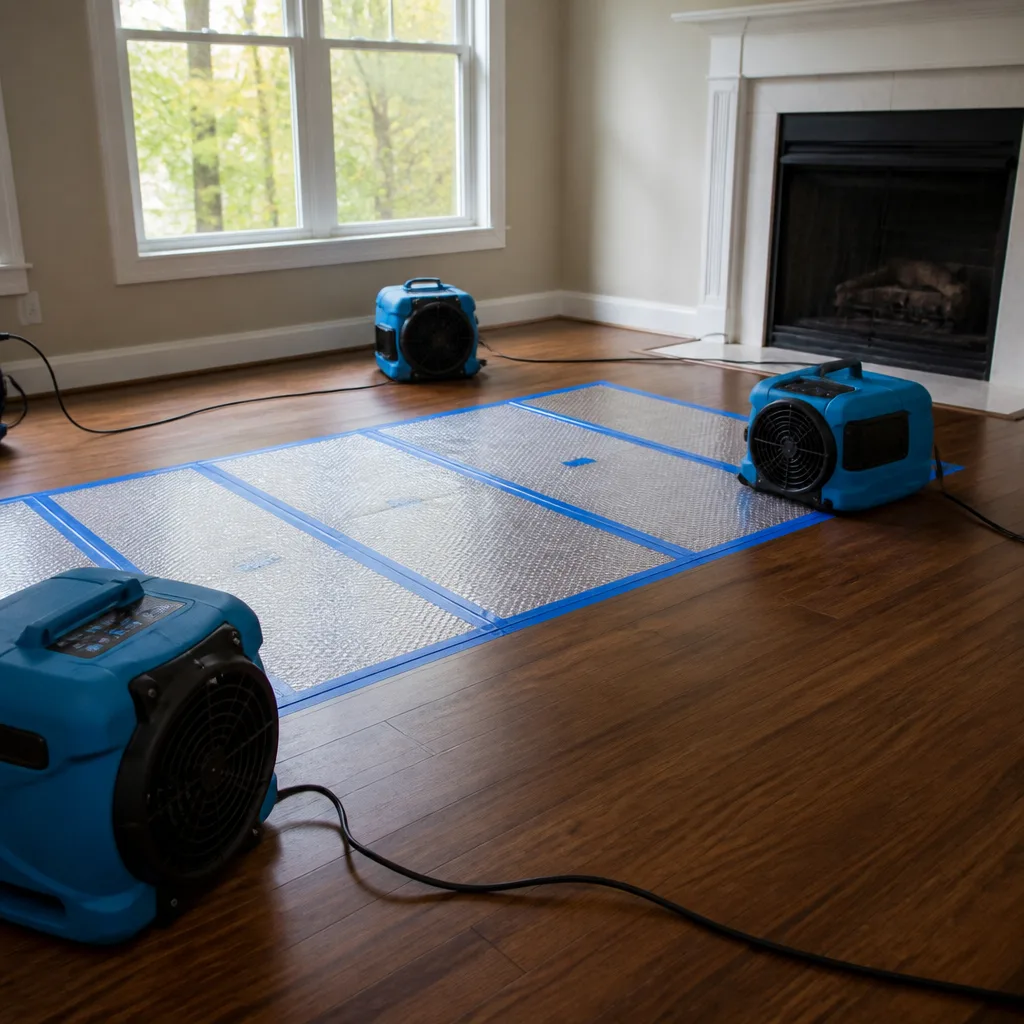

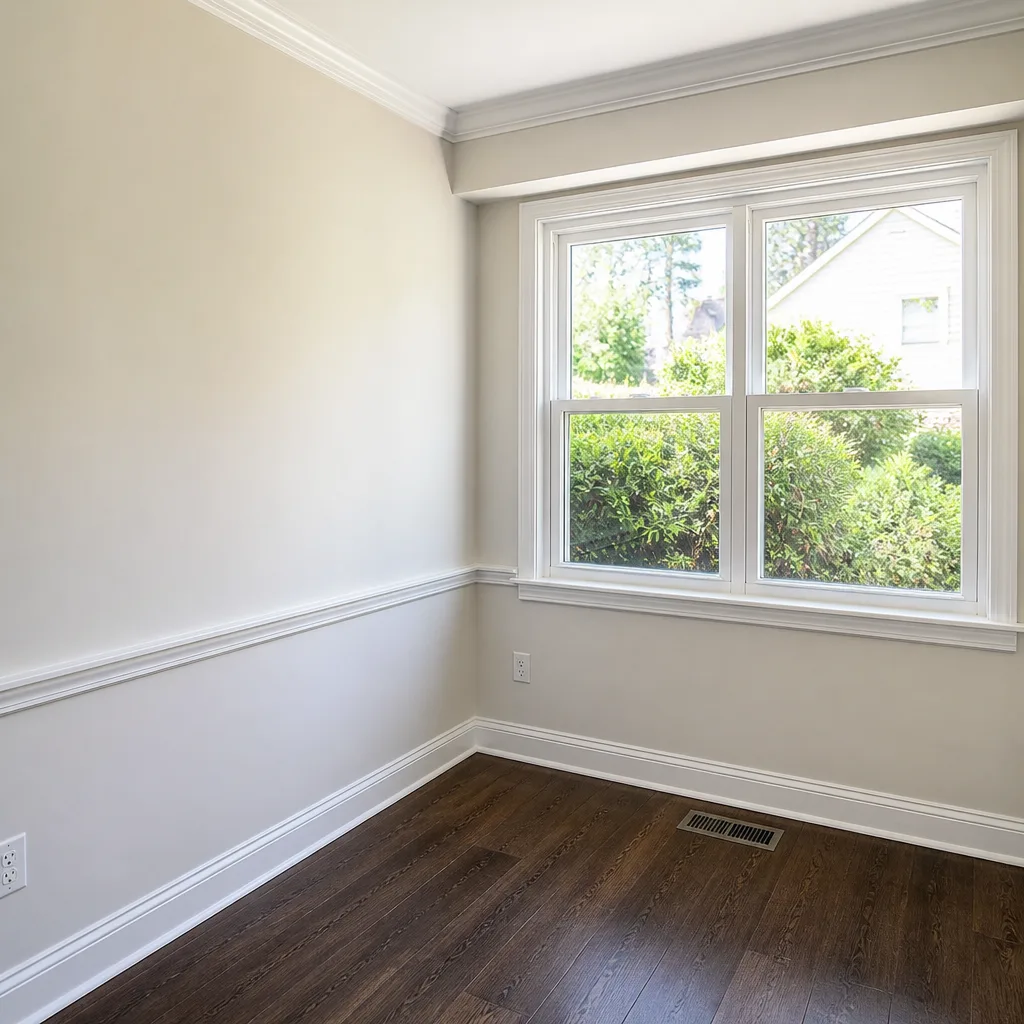

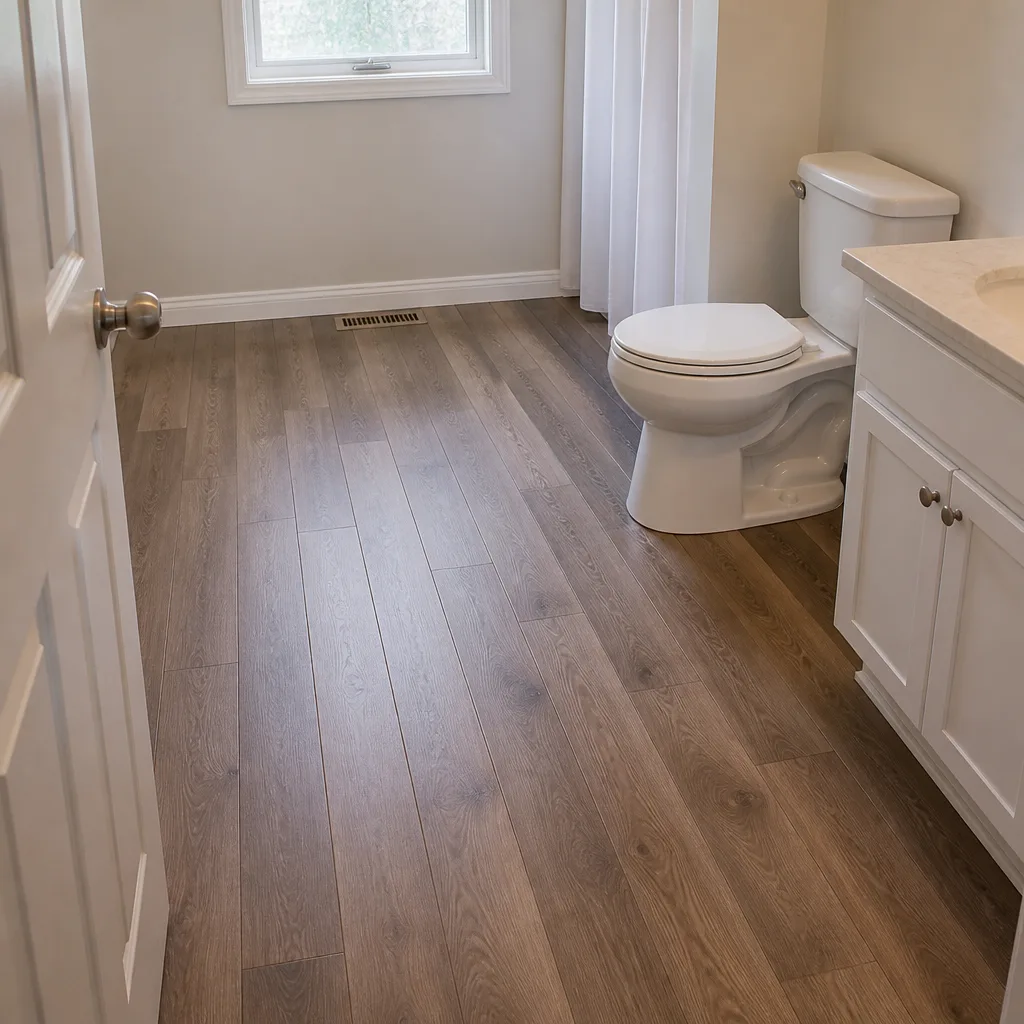

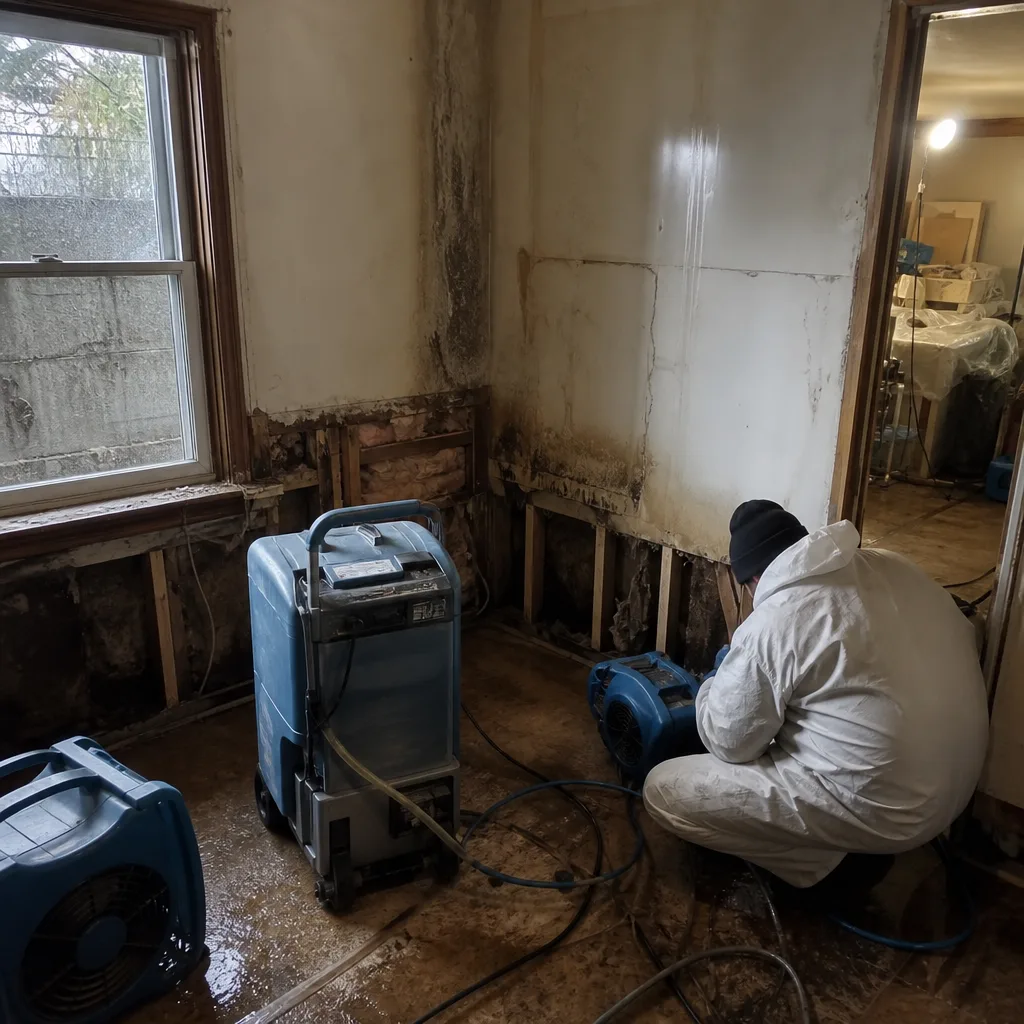 Before
 After
After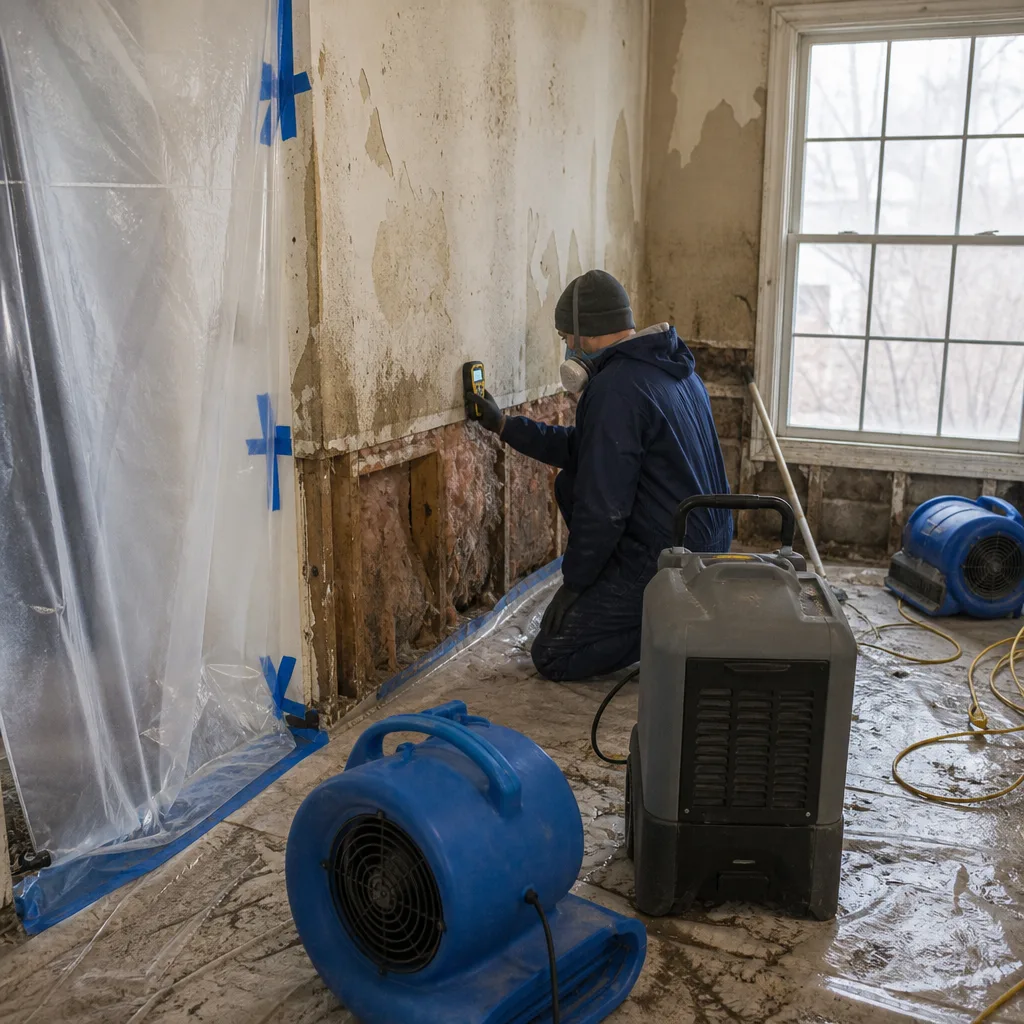 Before
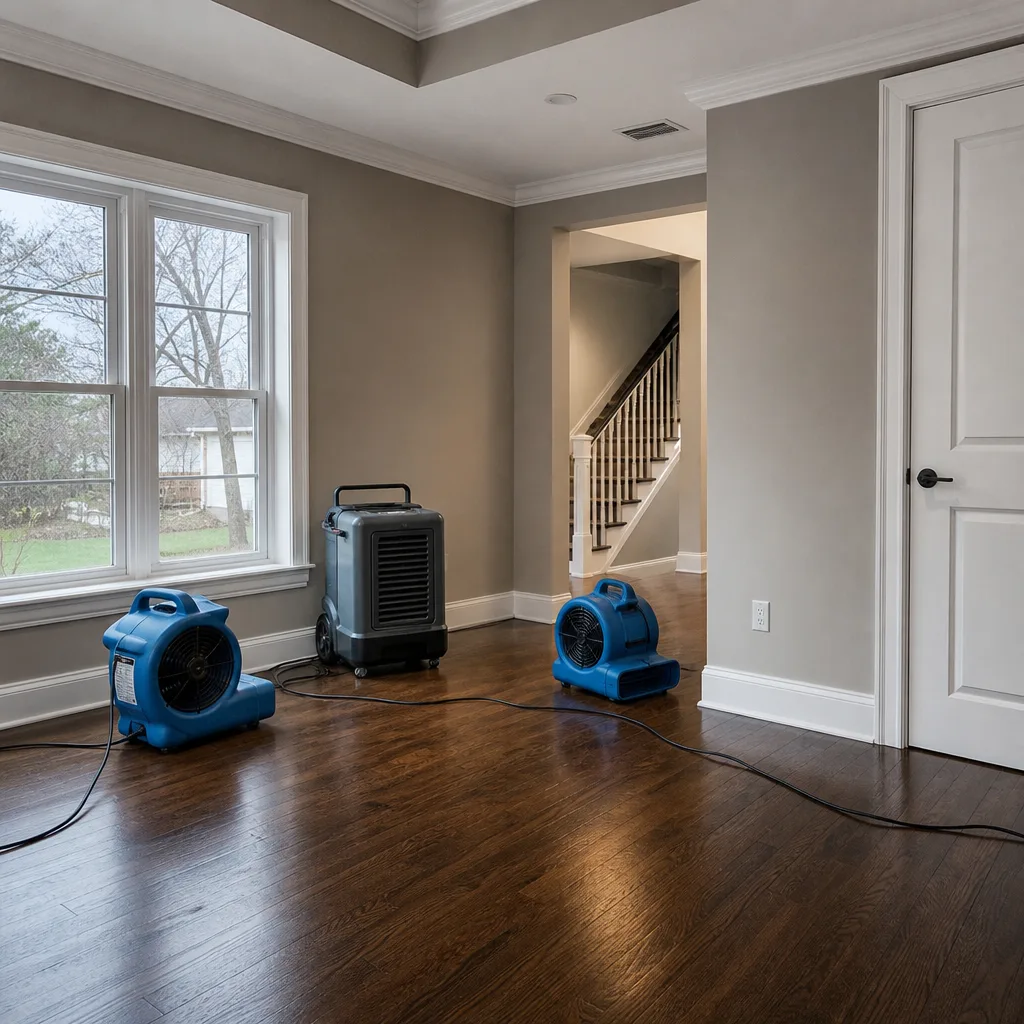 After
After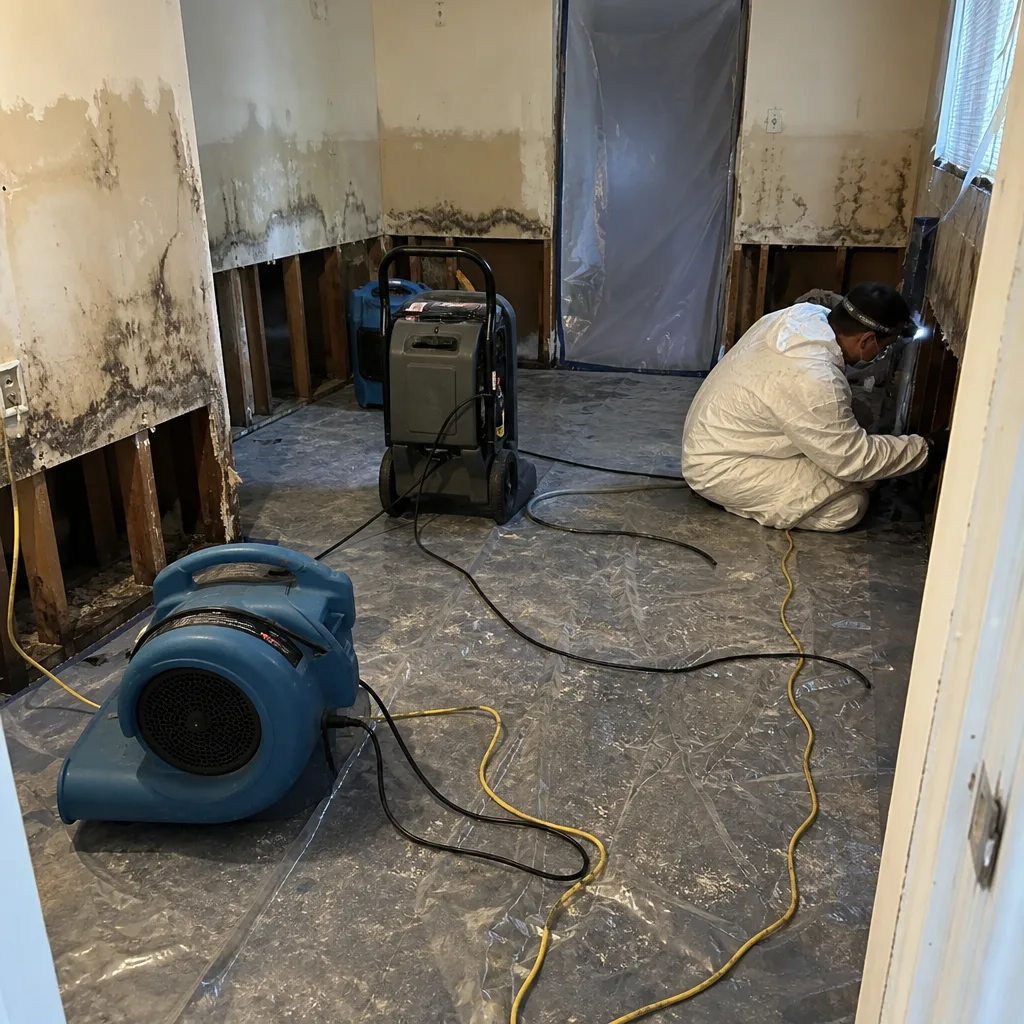 Before
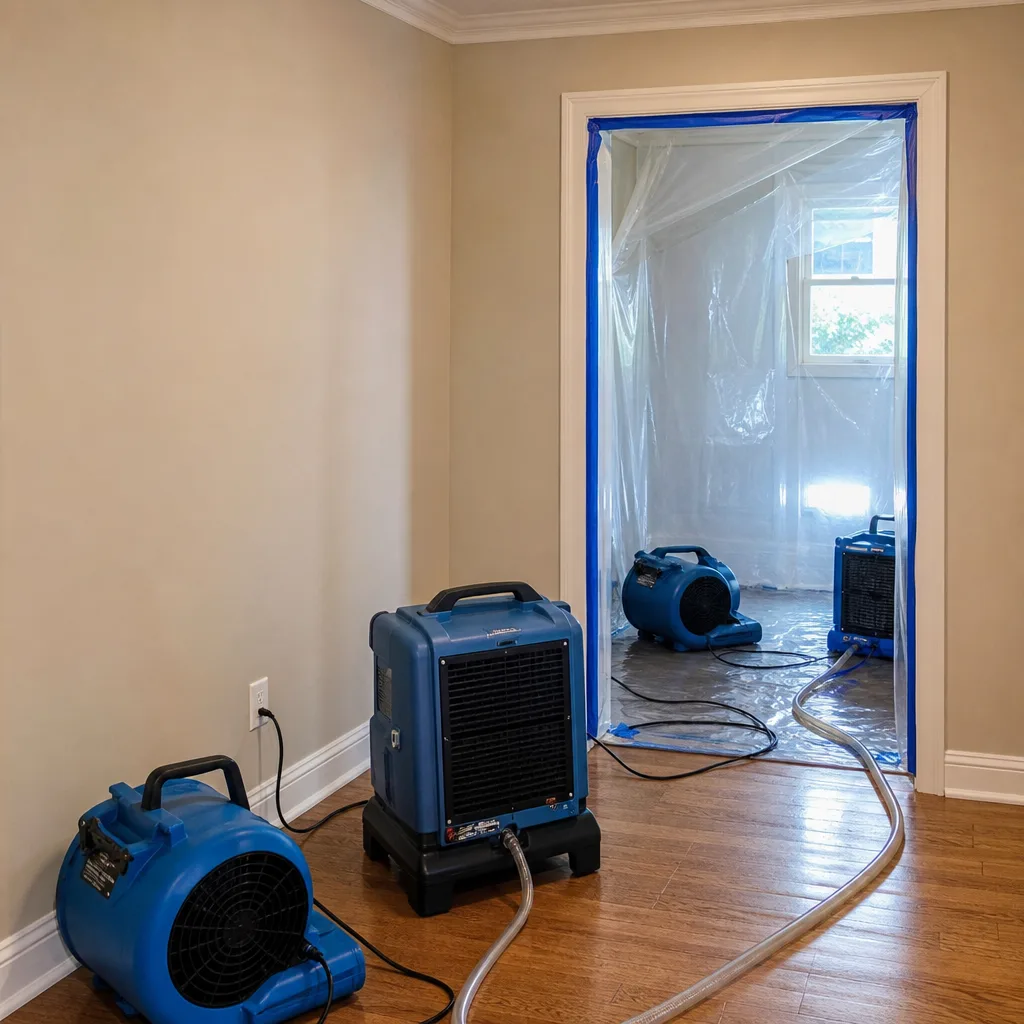 After
After24/7 Emergency Sewage Cleanup in Little Neck
Raw sewage backing up into a Little Neck basement is a Category 3 water loss, which means it carries bacteria, viruses, and parasites that can make your family sick. We answer the phone live at (518) 873-4306 every hour of every day, and our sewage cleanup crews reach Little Neck streets fast because we know the neighborhood, the access constraints, and the dual-jurisdiction permitting reality along the Nassau border. The first hour matters: sewage wicks into plaster-on-lath walls and saturates flooring fast, spreading contamination into joist bays and behind baseboards. A free visual inspection by a uniformed, background-checked technician tells you exactly what you’re facing, and we give you a written scope before any work starts.
Understanding Sewage Cleanup Severity in Little Neck Properties
Sewage cleanup severity turns on one thing: whether the water is Category 1, 2, or 3. Category 1 is clean water from a broken supply line. Category 2 is gray water with some contamination, like a washing machine overflow. Category 3 is black water: raw sewage, toilet backflow, or storm surge mixed with waste. Little Neck homes built between the 1920s and 1950s complicate matters because most have full basements with plaster-on-lath walls, not drywall. Plaster absorbs moisture deeply and holds it. Sewage wicking behind lath can stay hidden for days, and that hidden moisture breeds mold within 48 hours. We run moisture mapping with thermal imaging and hygrometers before containment begins so we’re not guessing about what’s wet. On a 1930s Tudor near Northern Boulevard, the visible damage was a soaked floor, but the thermal scan showed sewage had climbed eighteen inches up the plaster behind a built-in cabinet. If we’d skipped the mapping, that would have been a mold discovery three weeks later.
Why Little Neck Property Owners Choose Floodline Restoration Co.
- 45-minute response commitment: A live dispatcher confirms your address in Little Neck and a crew is rolling within 45 minutes, not hours later.
- 24/7 live answer, every time: You get a real person on the phone at 2 a.m., never an automated system or a voicemail.
- IICRC-certified crews: Our technicians hold IICRC WRT and ASD certifications, plus RIA and IFA training, so they know the difference between dry, damp, and dangerously contaminated.
- Free visual inspection: We assess the damage, check for hidden sewage wicking, and give you a written scope before any work is authorized.
- Direct insurance billing: We bill your carrier directly and coordinate with the adjuster, so you’re not playing messenger between Floodline and the insurance company.
- One team from extraction to reconstruction: The same Floodline crew that pumps the sewage out is the crew that rebuilds, backed by the 90-Day Done Right Promise in writing.
Our Sewage Cleanup Process
Inspection & Assessment
We identify the sewage source, classify the water category, and map moisture throughout the affected area. A thermal imaging camera finds hidden wet pockets inside walls and under floors, which matters in Little Neck’s older homes where plaster hides contamination.
Extraction / Stabilization
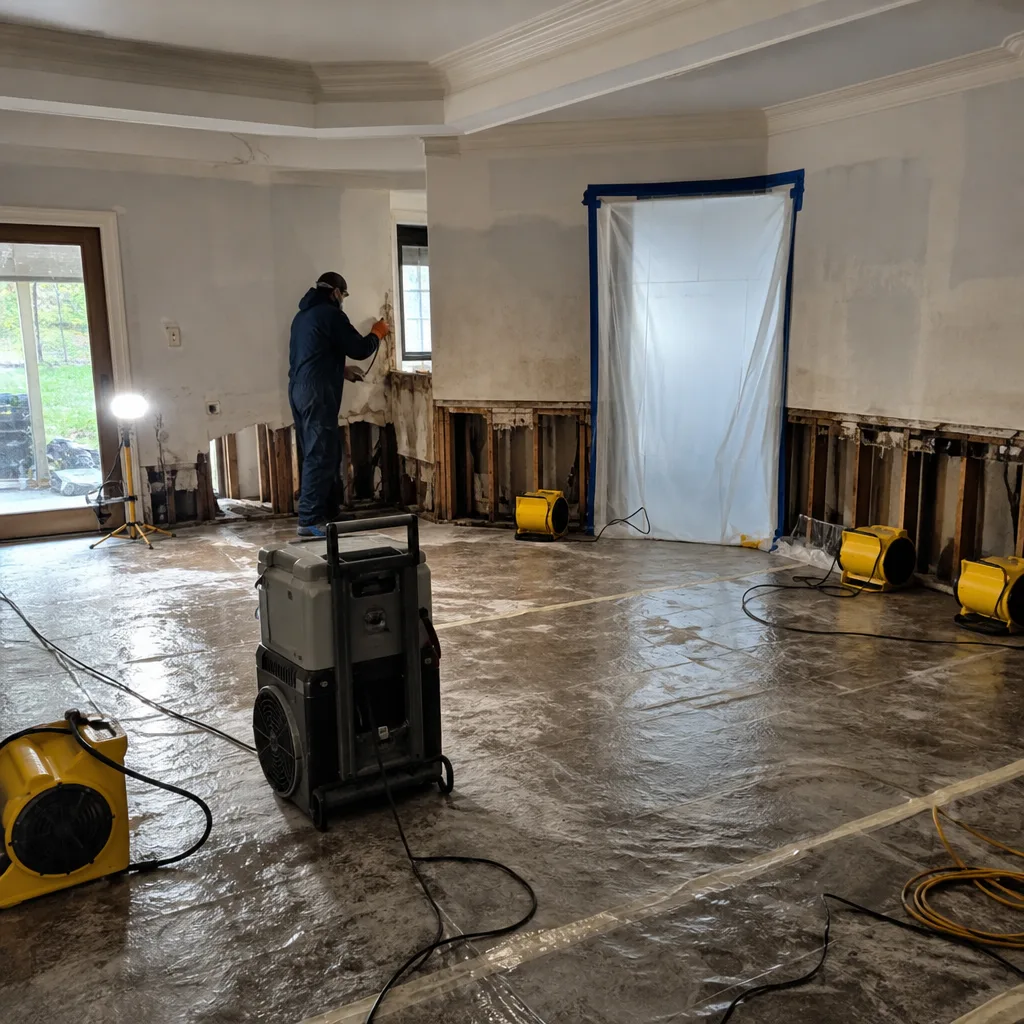
We pump out standing black water using professional-grade extraction equipment, then shut off the water source if it’s still feeding the loss. In tight Little Neck basements with low clearances, our techs work carefully to avoid disturbing contaminated materials and spreading pathogens.
Drying & Dehumidification
We set Dri-Eaz air movers and a Phoenix dehumidifier to pull moisture out of plaster, framing, and flooring. Daily moisture readings track progress until the dry standard is met, and we give the log to you and your adjuster.
Cleaning & Sanitization
Every contaminated surface gets treated with EPA-registered antimicrobials. We HEPA-vacuum and disinfect, plus run air scrubbers to capture airborne sewage aerosols, especially in small, tightly built basements common in Little Neck.
Containment & Specialty Treatment
We seal off the affected area with containment barriers before cutting into walls or pulling flooring. This prevents sewage odors and pathogens from migrating into finished living spaces. For plaster-on-lath homes, we check for sewage wicking behind the lath and treat it directly.
Repairs & Restoration
Once the space is dry and sanitized, the same Floodline crew handles rebuild: framing, flooring, trim, paint. No handoff to a subcontractor, no second company showing up. And it’s all covered by the 90-Day Done Right Promise.
Need Emergency Sewage Cleanup in Little Neck Now?
Crews minutes away, answering live 24 hours a day. The sooner we start, the less it costs.
Working With Your Insurance Company
We’ve spent over 42 years learning how insurance carriers think, and we put that to work for you from the first hour. When our crew arrives in Little Neck, we photograph every inch of the damage before we touch anything. We log moisture readings, document the Category 3 classification, and build a line-item scope of work that speaks the adjuster’s language. Then we bill your carrier directly and talk to the adjuster ourselves. You shouldn’t have to argue about whether sewage-damaged plaster needs removal. We document it, we substantiate it, and we stand behind the work with the 90-Day Done Right Promise.
What We Provide Your Insurer
- Thorough documentation of the loss
- Photos of all damage, room by room
- Moisture readings and drying logs
- A detailed, line-item scope of work
- Direct coordination with your carrier
Built for Little Neck’s Loss Calendar
Little Neck has a sewage backup calendar all its own. The deep freezes of January and February crack aging cast-iron waste lines and freeze-thaw supply pipes in uninsulated basement walls, especially in the 1920s-era Colonials off Marathon Parkway. Spring thaw brings groundwater pushing into cracked sewer laterals, and a wet March means basement seepage that overwhelms floor drains. Summer thunderstorms dump inches of rain in an hour, and the storm drains along Northern Boulevard back up when they’re overwhelmed, sending sewage into the lowest-lying basements. Then come the nor’easters, when Little Neck Bay pushes tidal surge into bay-adjacent streets and mixes with sewer overflow. Our Sewage Cleanup team knows each season’s failure pattern because we’ve worked them all, and because our crews serve Little Neck specifically, not just passing through from somewhere else.
Sewage Cleanup Across Little Neck’s Neighborhoods
Little Neck isn’t one kind of block, and sewage cleanup needs change street by street. Down near Little Neck Bay, along the waterside blocks off West End Drive, storm surge can push Category 3 water into basements that are already below grade, and cleanup has to account for saltwater contamination mixed with sewage. Up around Marathon Parkway and 249th Street, the 1930s and 1940s Tudor Revivals sit tight to one another, and we navigate narrow driveways and side yards with extraction equipment sized for the clearance. The blocks east of the Cross Island Parkway corridor, closer to the Nassau line, are where the dual-jurisdiction reality applies: one house on the block answers to NYC DOB, the neighbor across the line answers to Nassau County. Near Little Neck Parkway and Northern Boulevard, the commercial strips sit over older combined sewer lines that back up during heavy rain. We’ve pumped sewage out of homes on Glenwood Street, from Douglaston-adjacent blocks, and from the leafy streets west of the LIRR tracks.
Specialized Sewage Cleanup Services We Offer in Little Neck
Sewage Backup Cleanup
A backed-up floor drain or waste line in a Little Neck basement requires full Category 3 protocol: containment, extraction, removal of saturated porous materials, and sanitization. Because so many homes here predate 1950, we always check for sewage wicking behind plaster walls before we call the space dry.
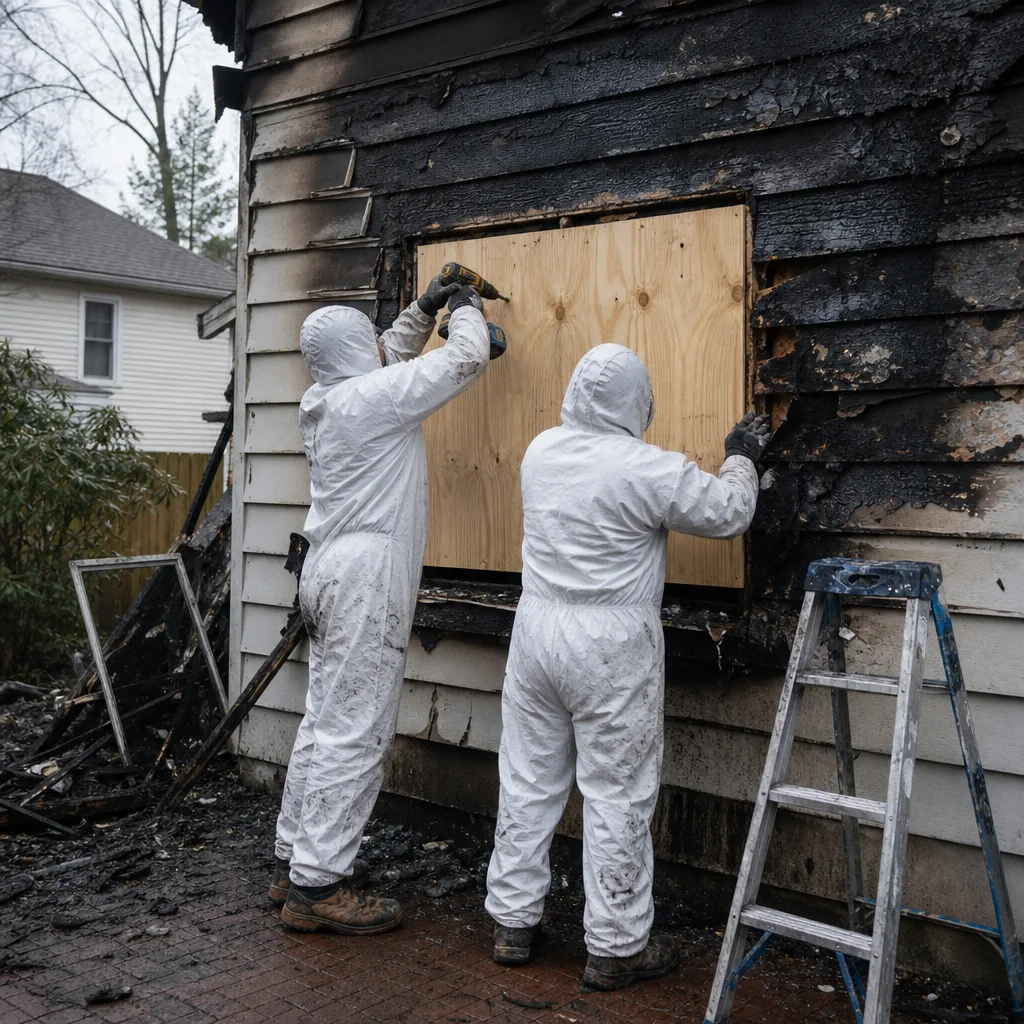
Black Water Extraction
Black water is what we call sewage, toilet backflow, and storm surge mixed with waste. We pump it out with professional-grade extraction equipment, and in tight Little Neck basements we use low-profile tools to reach corners and under stairwells where standing water hides.
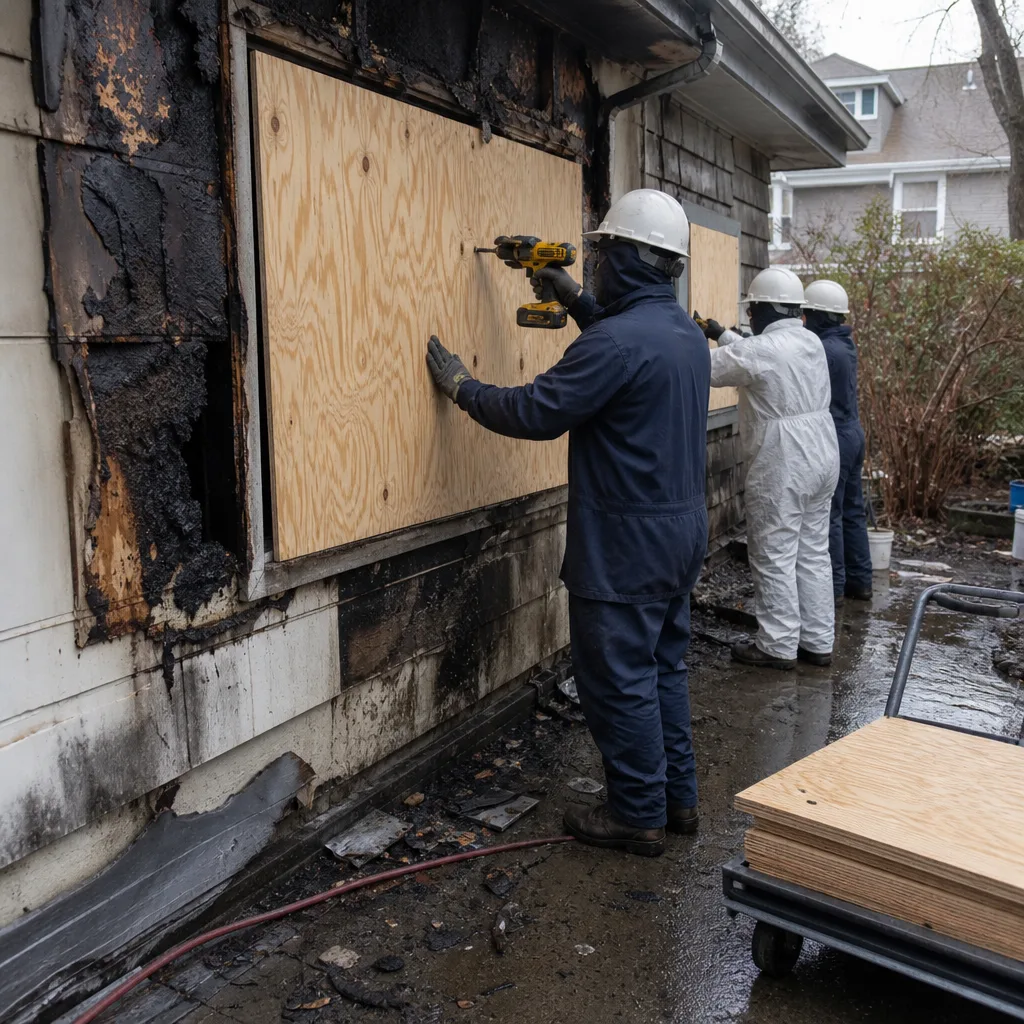
Sanitization & Disinfection
After extraction, we treat every affected surface with EPA-registered antimicrobials and run HEPA air scrubbers to capture airborne pathogens. In small, tightly built basements along streets like 41st Avenue, airborne sewage aerosols are a real risk, and containment is non-negotiable.
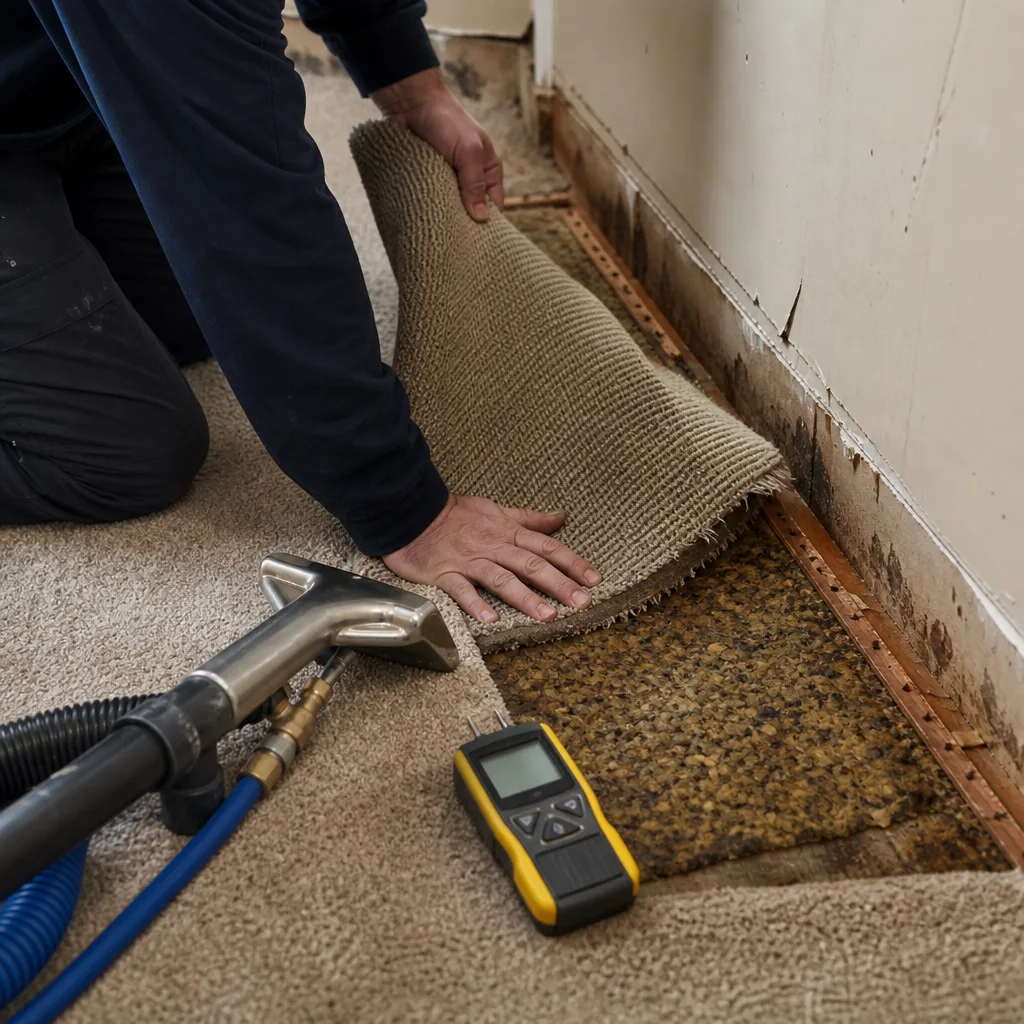
Toilet Overflow Cleanup
A toilet overflow can be worse than a floor drain backup because the contamination concentrates in one bathroom and spreads into the hallway, the finished basement ceiling below, or an adjacent closet. We inspect the subfloor, not just the visible linoleum or tile, because sewage seeps downward in older Little Neck homes.
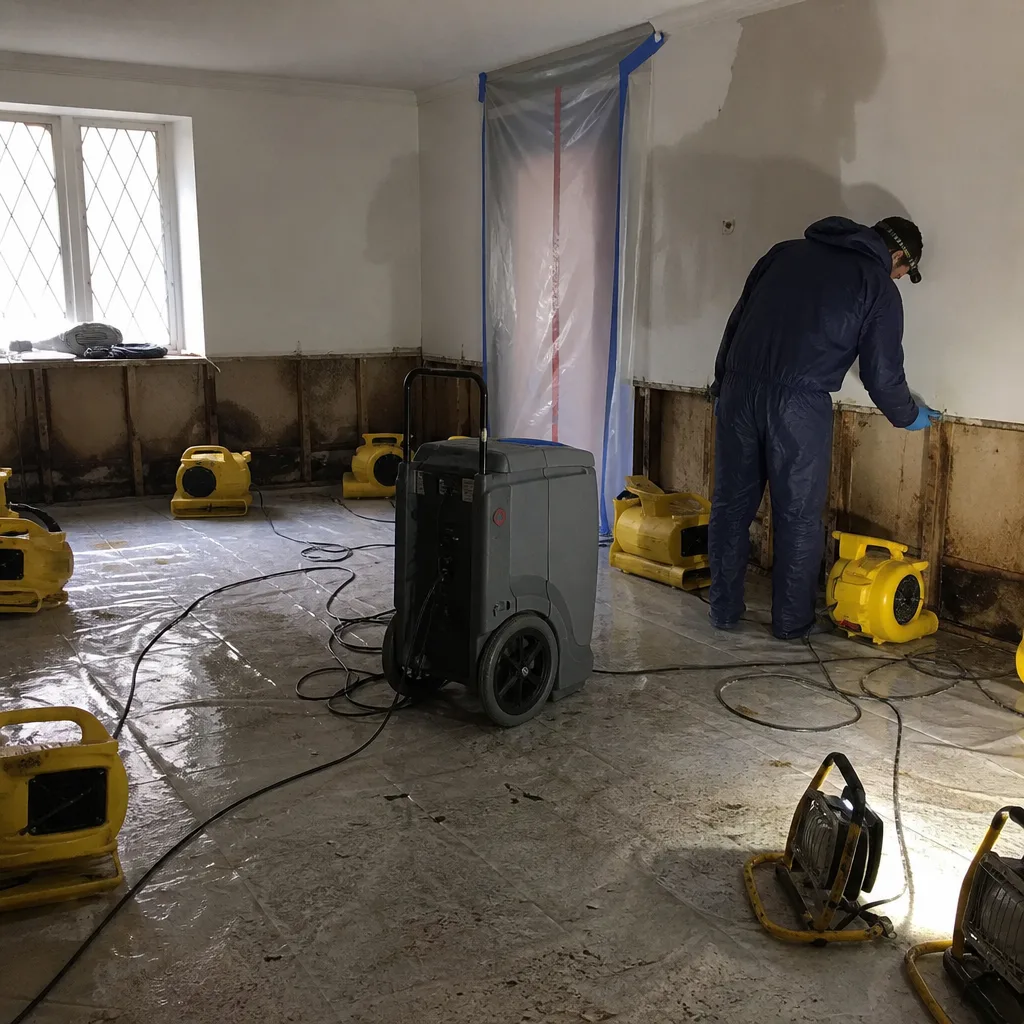
Septic Failure Cleanup
Some homes in the quieter reaches of the neighborhood still rely on septic systems, particularly on larger lots near the eastern edge. When a septic tank overflows into the yard and then into the basement, it’s a Category 3 event with a different source, and we coordinate with a licensed septic contractor while we handle the interior mitigation.
Crawl Space Sewage Removal
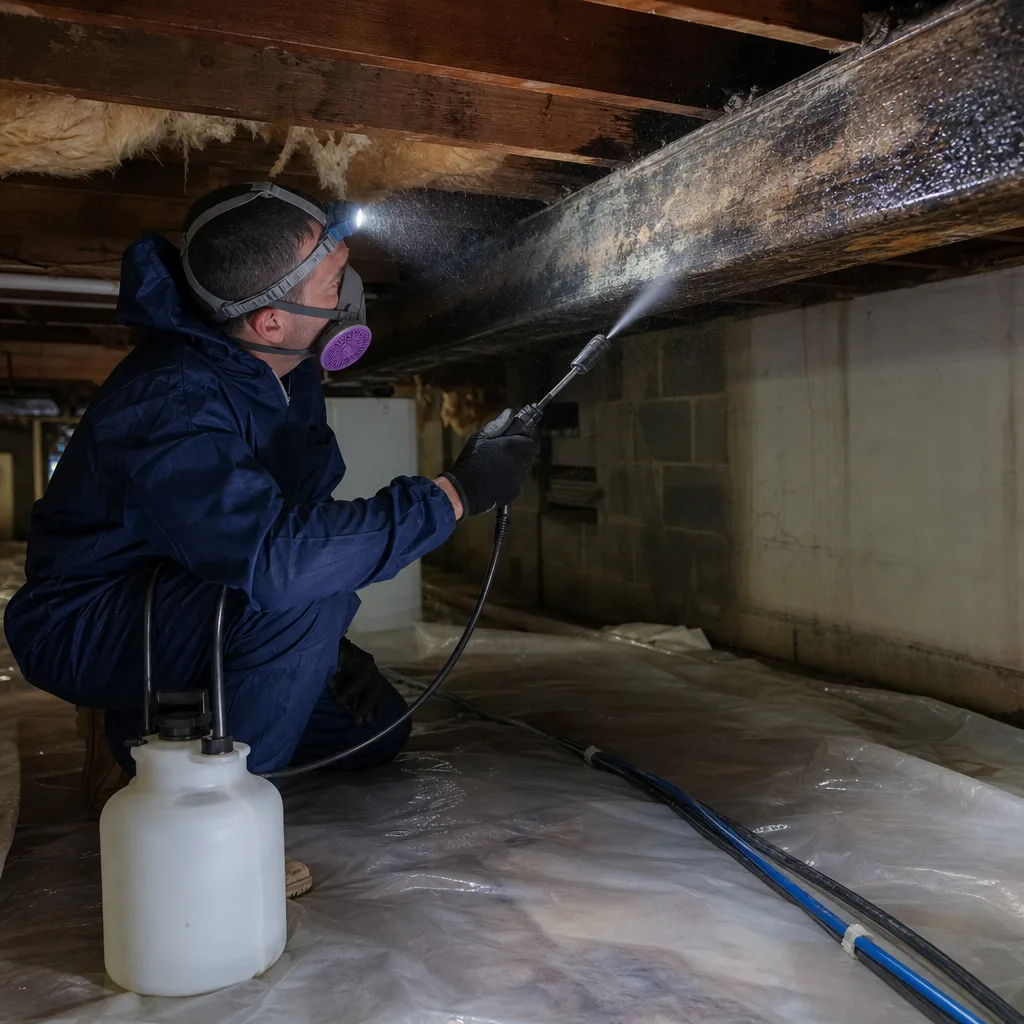
Older Cape Cods in Little Neck sometimes have shallow crawl spaces under the kitchen or a bump-out addition. Sewage in a crawl space is hard to reach and easy to underestimate. We send techs in with proper PPE, extract, sanitize, and dry the space to the dry standard, then document it all for your carrier.
What happens when you call
- 1
A real person answersNo phone trees - you reach a local pro.
- 2
You get an upfront price rangeHonest numbers before anyone is dispatched.
- 3
A background-checked tech heads outLicensed & insured, dispatched right away.
- 4
You approve before work beginsNothing starts until you say go.
Sewage Cleanup Costs in Little Neck, NY
Most sewage cleanup jobs in Little Neck run between $1,800 and $6,500 depending on how far the contamination spread and what needs to be removed. A contained toilet overflow in a small bathroom might cost $1,200 to $2,400. A basement floor drain backup that sat overnight and saturated plaster walls, flooring, and baseboards typically runs $4,000 to $9,000. Full pack-out, structural drying, and rebuild of a finished basement after a major sewer line failure can exceed $12,000. Two things move the price most: how long the sewage sat before cleanup started, and whether plaster walls need to be opened to check for hidden wicking. We give you a written, line-item scope before any work starts, so the number you approve is the number you pay. Call (518) 873-4306 for a free inspection and a firm quote.
We Also Serve Cities Near Little Neck
Our sewage cleanup crews also respond across Great Neck, Oakland Gardens, Bayside, and Manhasset. If you’re in a neighboring community and dealing with a sewage backup, call us and we’ll get a crew to you the same way we get to Little Neck: fast, certified, and with a real person on the phone.
Serving Little Neck, NY - Our Local Coverage Area
We’re based in the Little Neck area and know this community well. Use the map below to see our service coverage - if you’re nearby, we can almost certainly help.
Little Neck Sewage Cleanup Questions, Answered
How do NYC DOB and Nassau County codes differ for sewage cleanup on a Little Neck street that straddles the border?
NYC Department of Buildings requires a permit for sewage cleanup when structural work is involved, and inspections happen on the city’s timeline. Nassau County has its own permit process, inspection schedule, and paperwork requirements. On a border street like those near the Cross Island Parkway, two neighbors can have identical sewage losses in identical homes, and one needs NYC permits while the other needs Nassau County permits. We handle both, and we know which one applies before we start.
What should I do if raw sewage backs up into the basement of my 1920s Tudor in Little Neck?
First, shut off the water if the source is a running toilet or overflowing sink. Don’t flush anything else. Keep children and pets away from the area, and don’t run your HVAC system because it can spread sewage aerosols through the house. Then call (518) 873-4306. The sooner we start extraction and containment, the less material has to be removed and the lower your total cost. Don’t try to pump it out yourself with a shop vac: sewage is a biohazard, and a wet-dry vac doesn’t sanitize anything.
Does sewage cleanup in Little Neck require asbestos or lead testing before we start?
In many Little Neck homes built in the 1920s through 1950s, yes. Plaster, flooring, and pipe insulation in homes that old can contain asbestos, and pre-1978 paint may contain lead. When we cut into walls or pull flooring as part of sewage cleanup, we follow applicable testing and abatement requirements. We handle that coordination so the job stays legal and safe.
Can you contain sewage odors during cleanup in a small, tightly-built Little Neck basement?
Yes. We set up negative air pressure containment with HEPA air scrubbers before we start cutting or pulling materials. That keeps sewage odors and airborne pathogens from migrating upstairs into the living spaces. In tight basements with low clearances, we use compact containment systems that still meet IICRC standards.
How quickly can you respond to a sewage backup on a bay-adjacent street in Little Neck that also has storm surge risks?
Our commitment is 45 minutes to get a crew rolling once you call. For bay-adjacent streets where storm surge may be mixing with sewage, we treat the water as Category 3 from the start and prioritize containment to stop cross-contamination. Call (518) 873-4306 and a live dispatcher confirms your address immediately.
Will my homeowners insurance cover sewage cleanup in Little Neck?
Most standard homeowners policies cover sewage backup if you have a water backup endorsement, and many Little Neck homeowners do, given the age of the sewer lines. Storm surge and flood damage usually require separate flood insurance. We document everything from the first hour and bill your carrier directly, and we’ll tell you honestly what your policy is likely to cover.
Can I stay in my home during sewage cleanup?
Usually not, if sewage has spread into living areas. The safety risk from airborne pathogens is real, and we may need to cut into plaster and run air scrubbers. We’ll tell you straight. In many cases, the affected basement is sealed off and the rest of the house is safe, but it depends entirely on where the sewage went.
How does Little Neck’s dual NYC/Nassau jurisdiction actually affect my cleanup timeline?
If your property falls under NYC DOB jurisdiction, permits and inspections add time to any structural work. If it falls under Nassau County, a different process applies. We start extraction and containment immediately because that’s emergency mitigation and doesn’t wait for permits. The permit process affects the rebuild phase, not the emergency response. And because we know which jurisdiction applies to your block before we arrive, we don’t waste a day sorting it out.
Written by Curt Bowman, Owner at Floodline Restoration Co., serving Little Neck and the wider Queens area with 24/7 sewage cleanup and restoration since 2010.