

Free visual inspection and a written scope of work before any mitigation begins - photos, moisture readings, and drying logs go in your claim file
The scope we write is the scope we bill. Anything new gets shown to you, in writing, before we touch it.
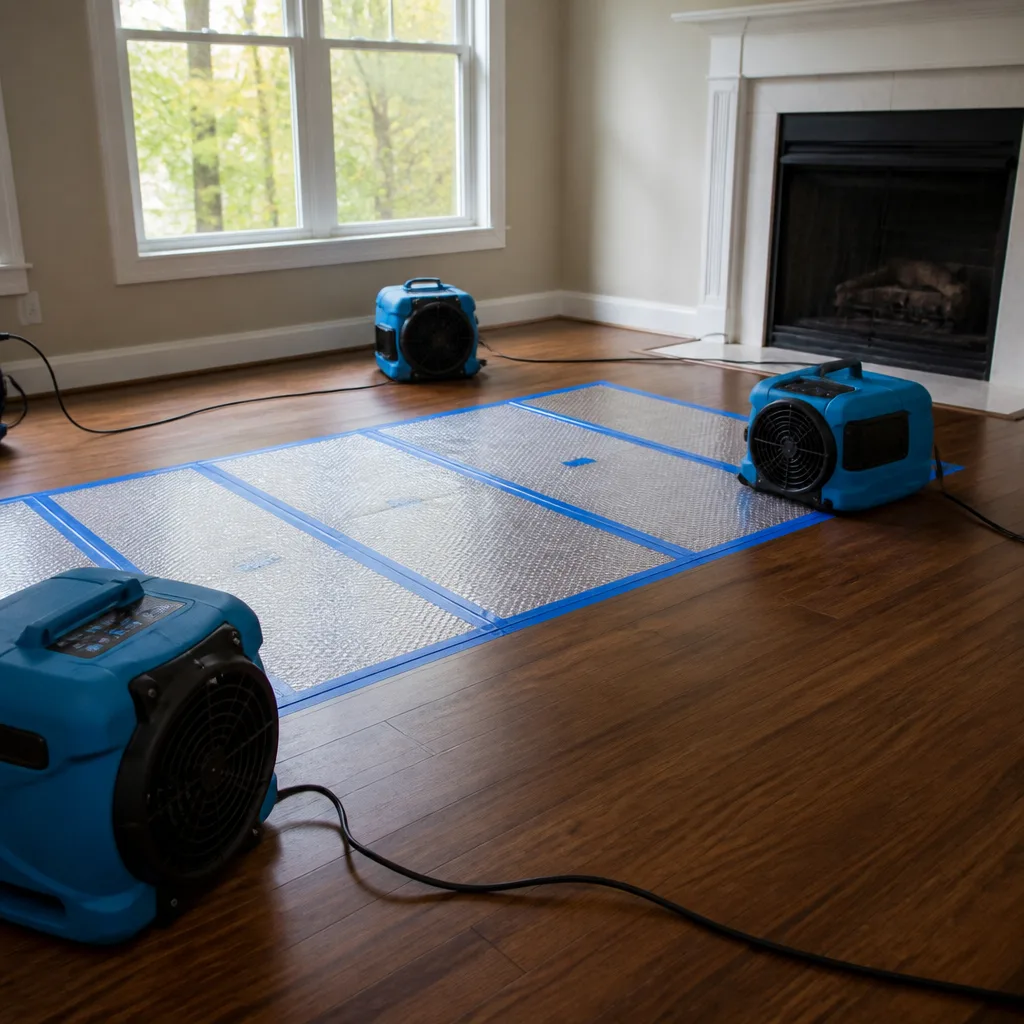
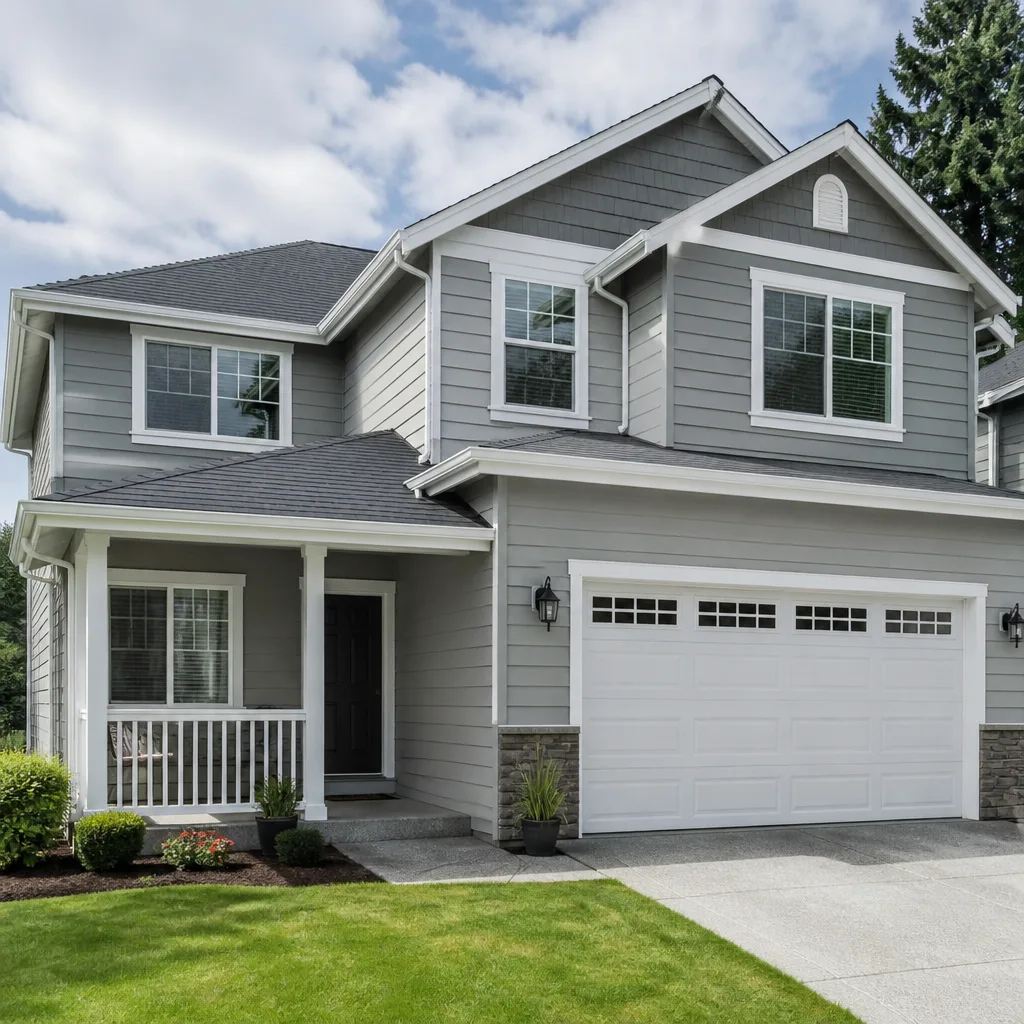
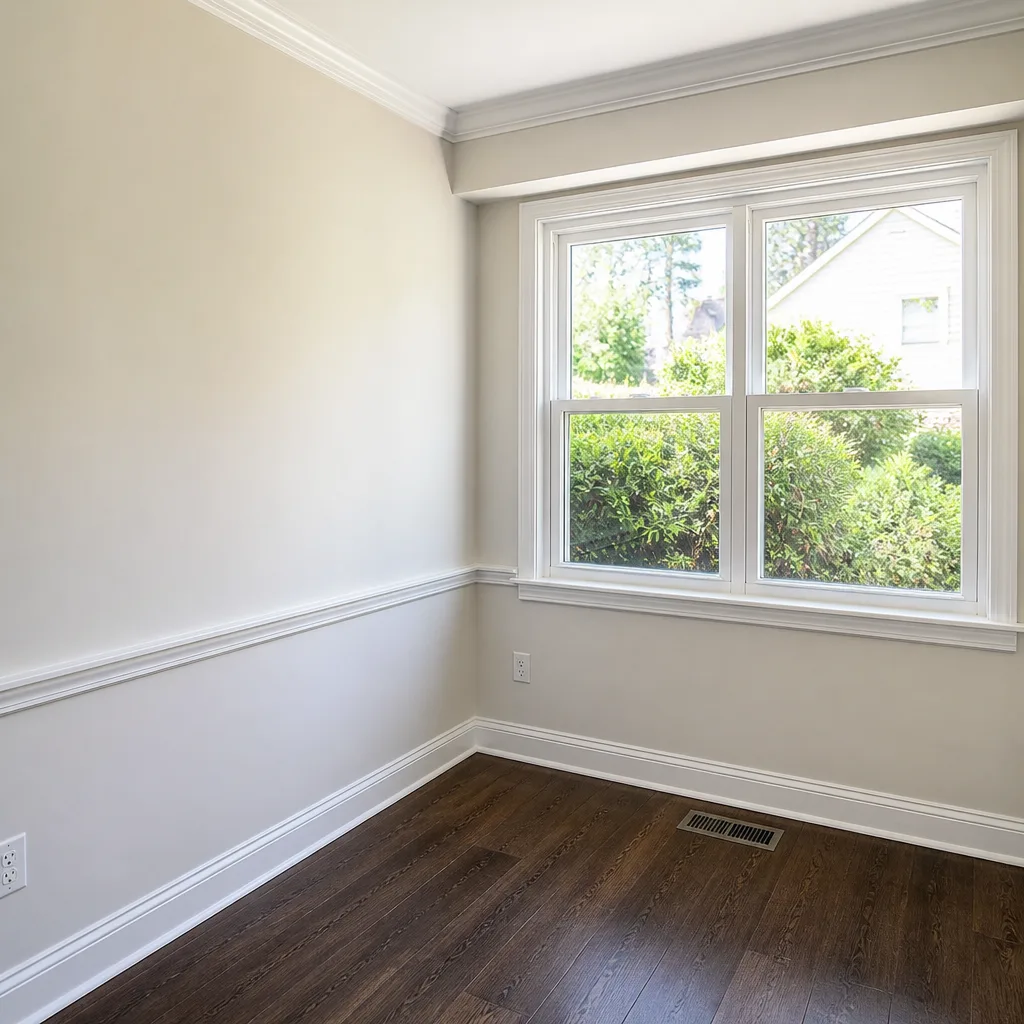
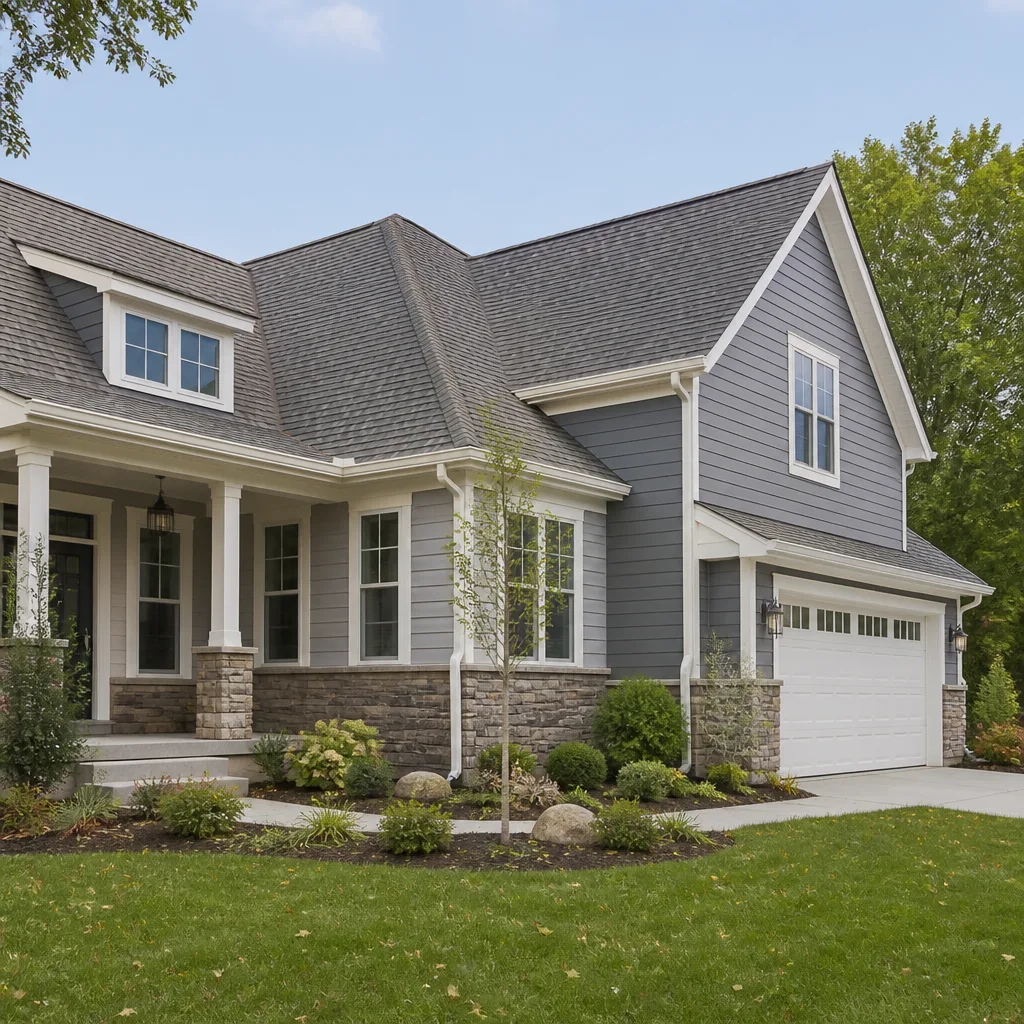
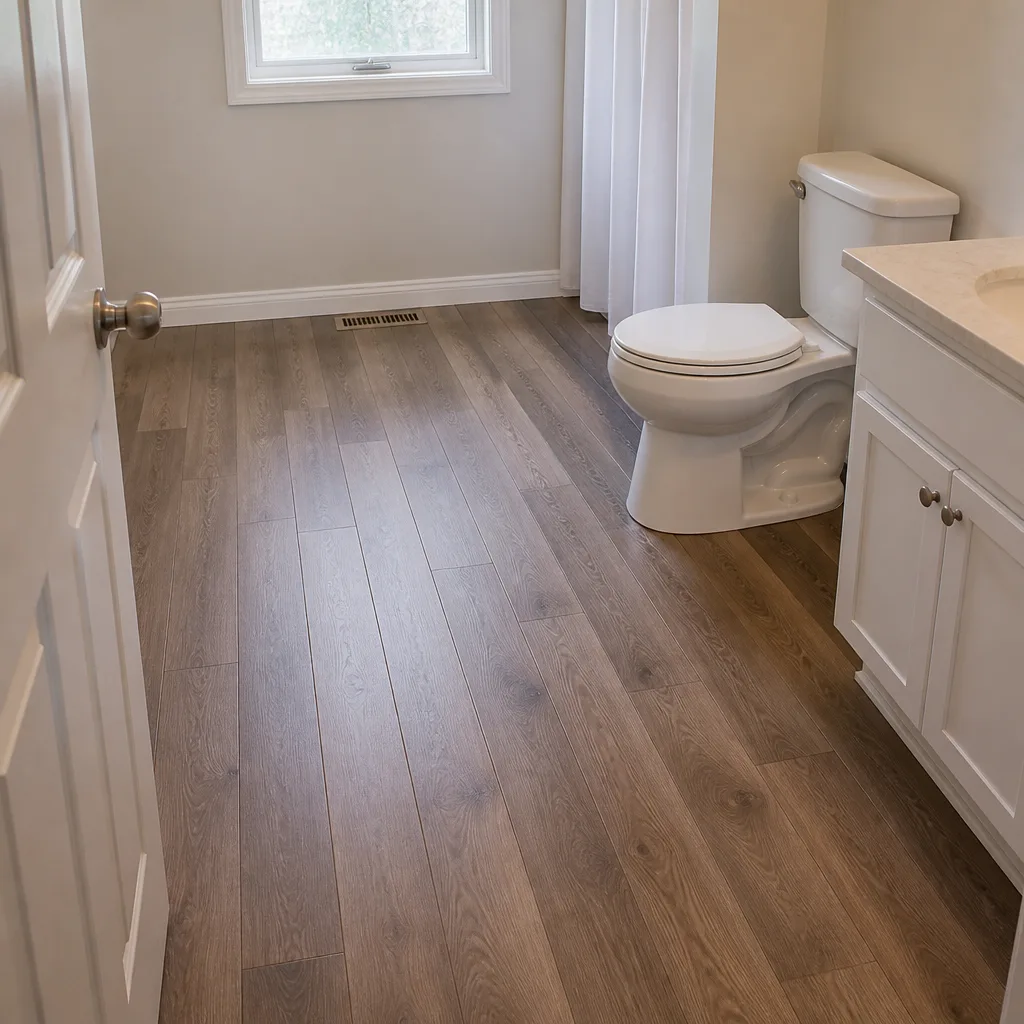
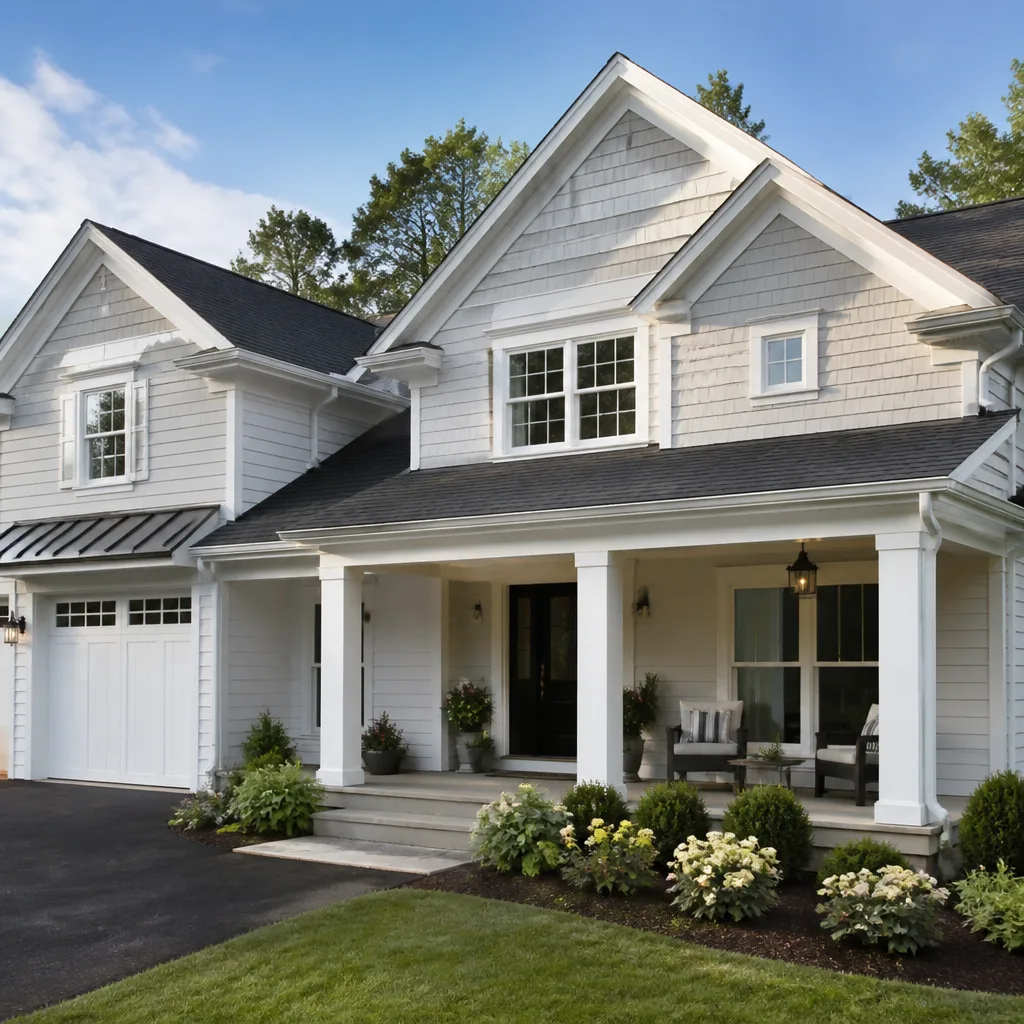
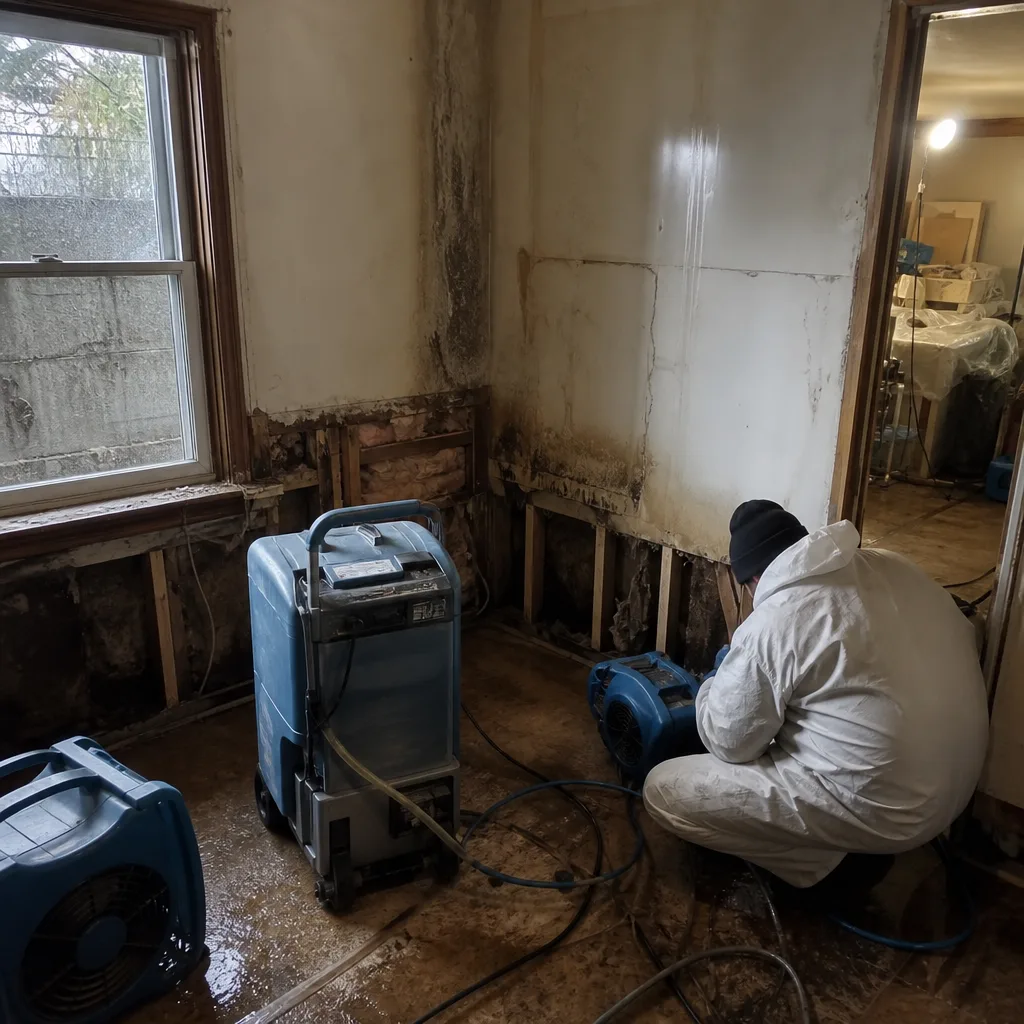 Before
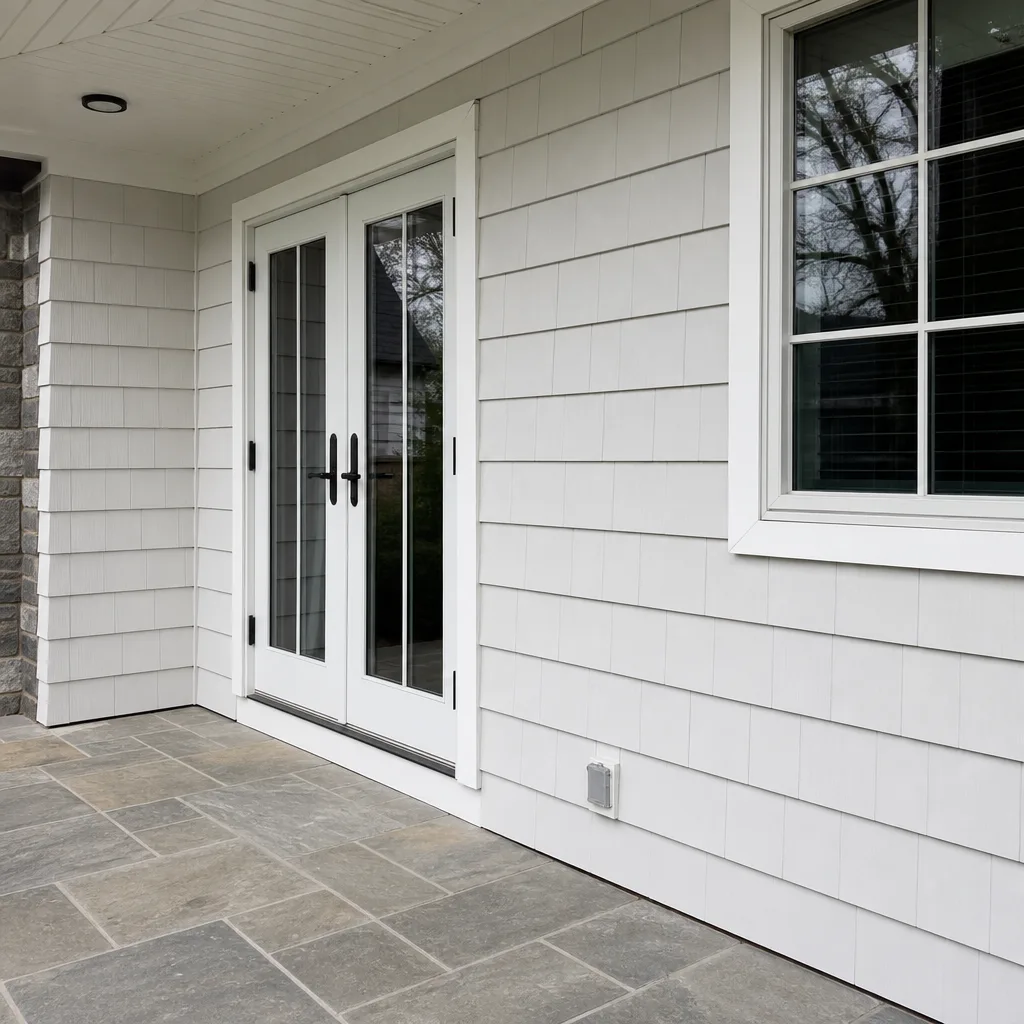 After
After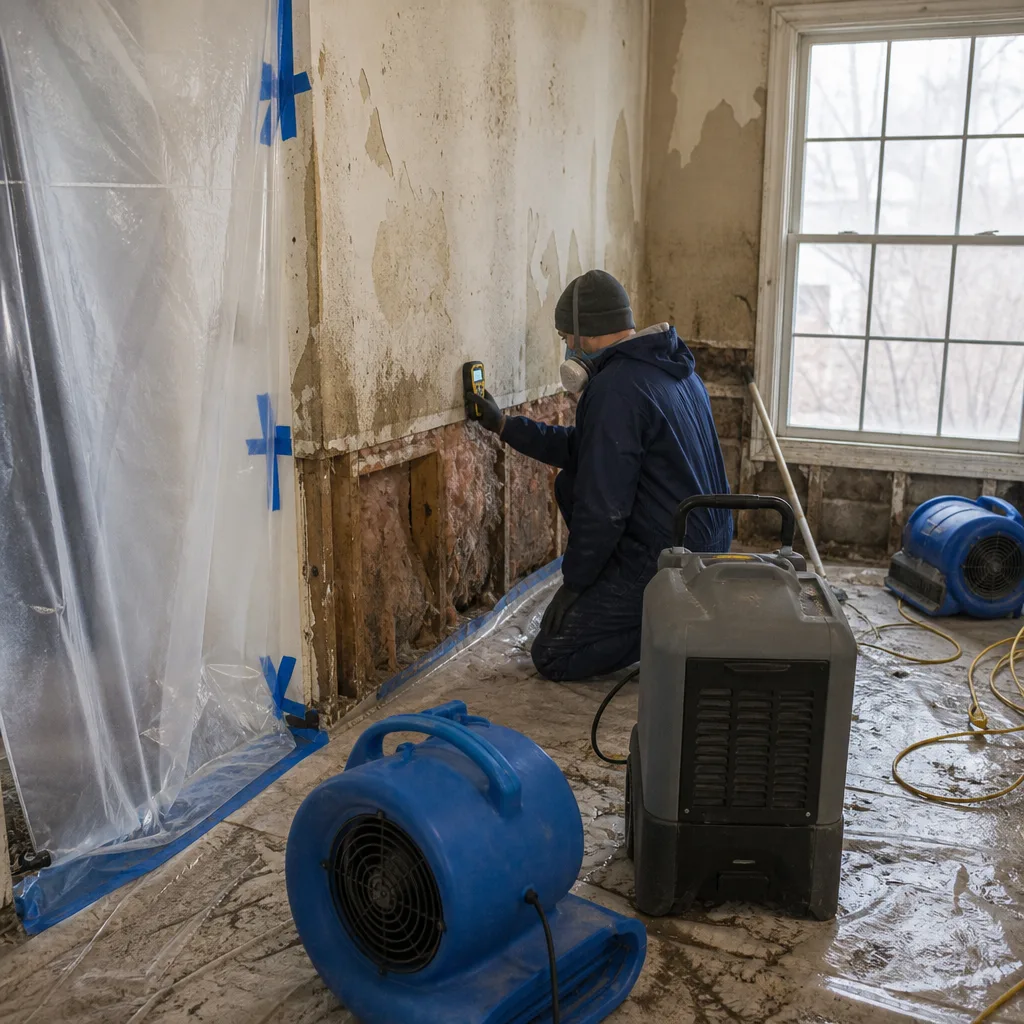 Before
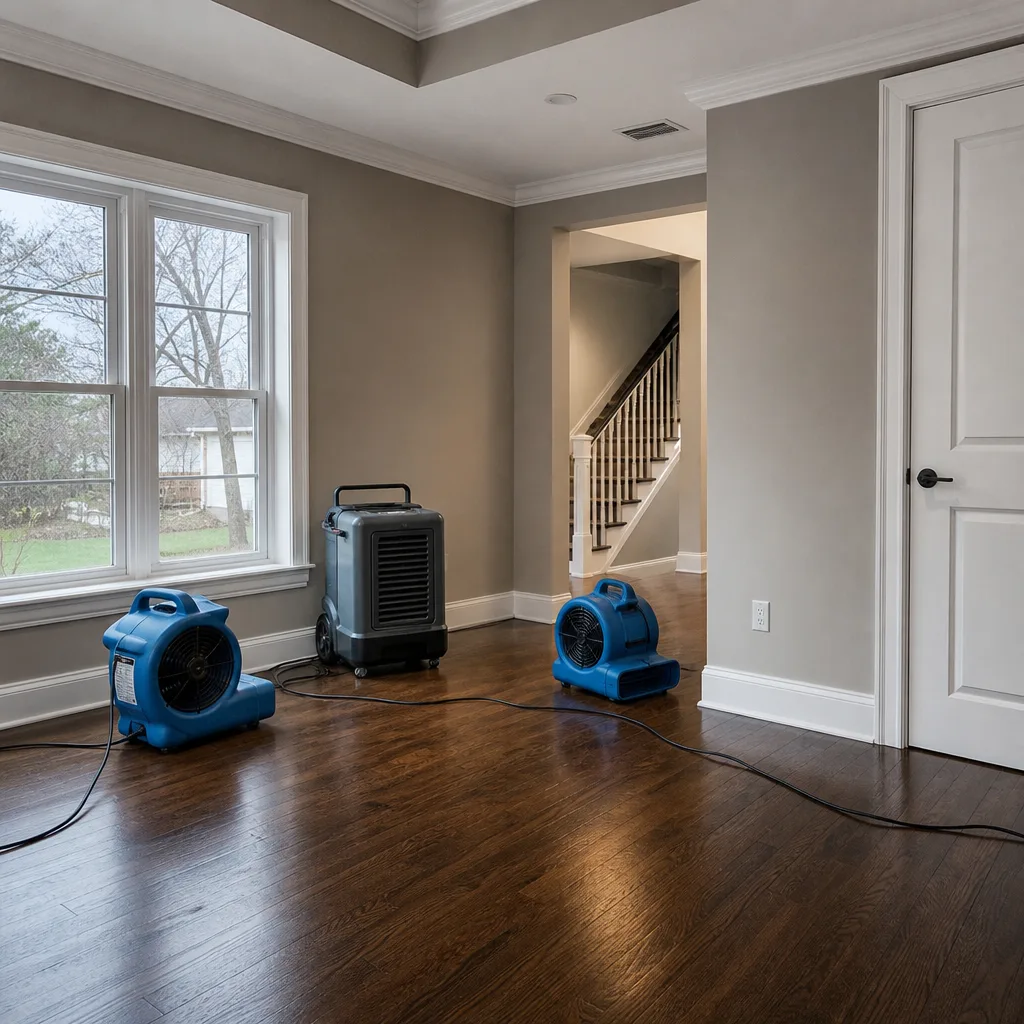 After
After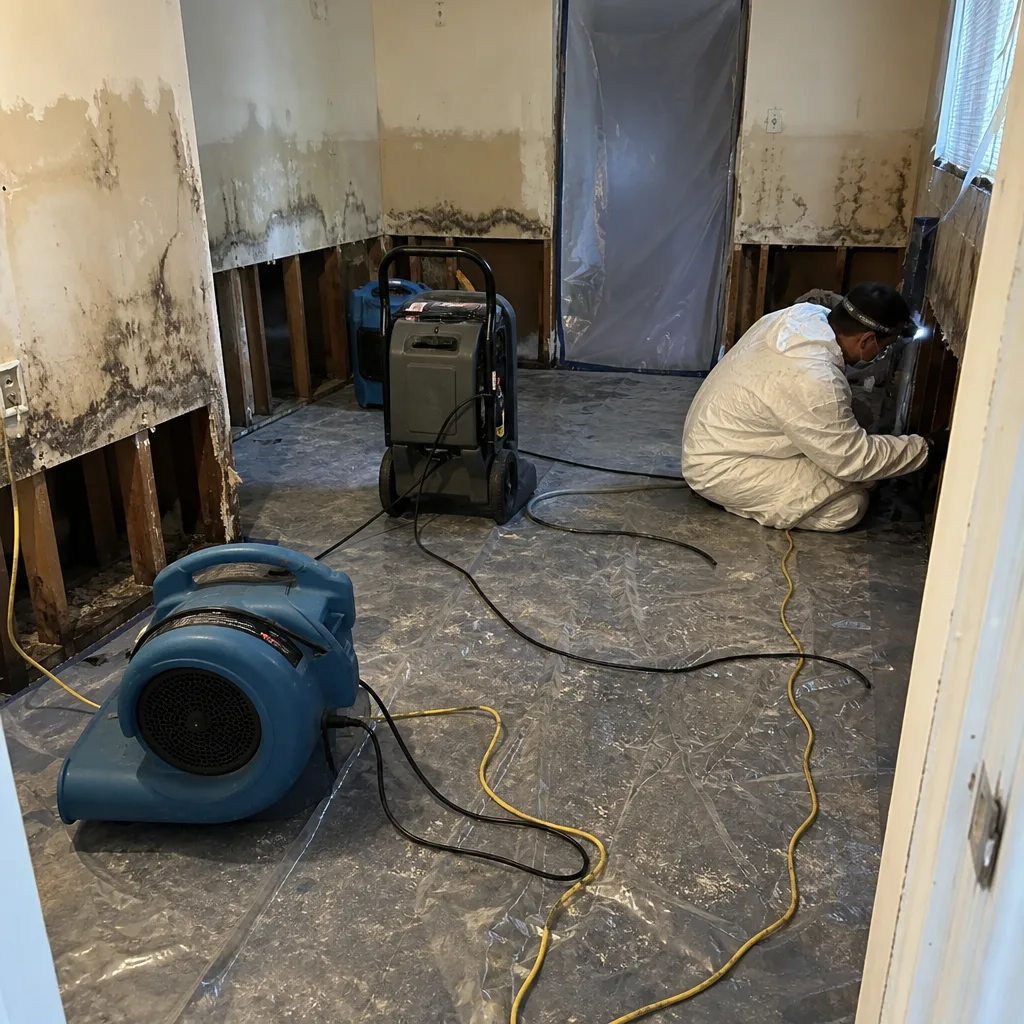 Before
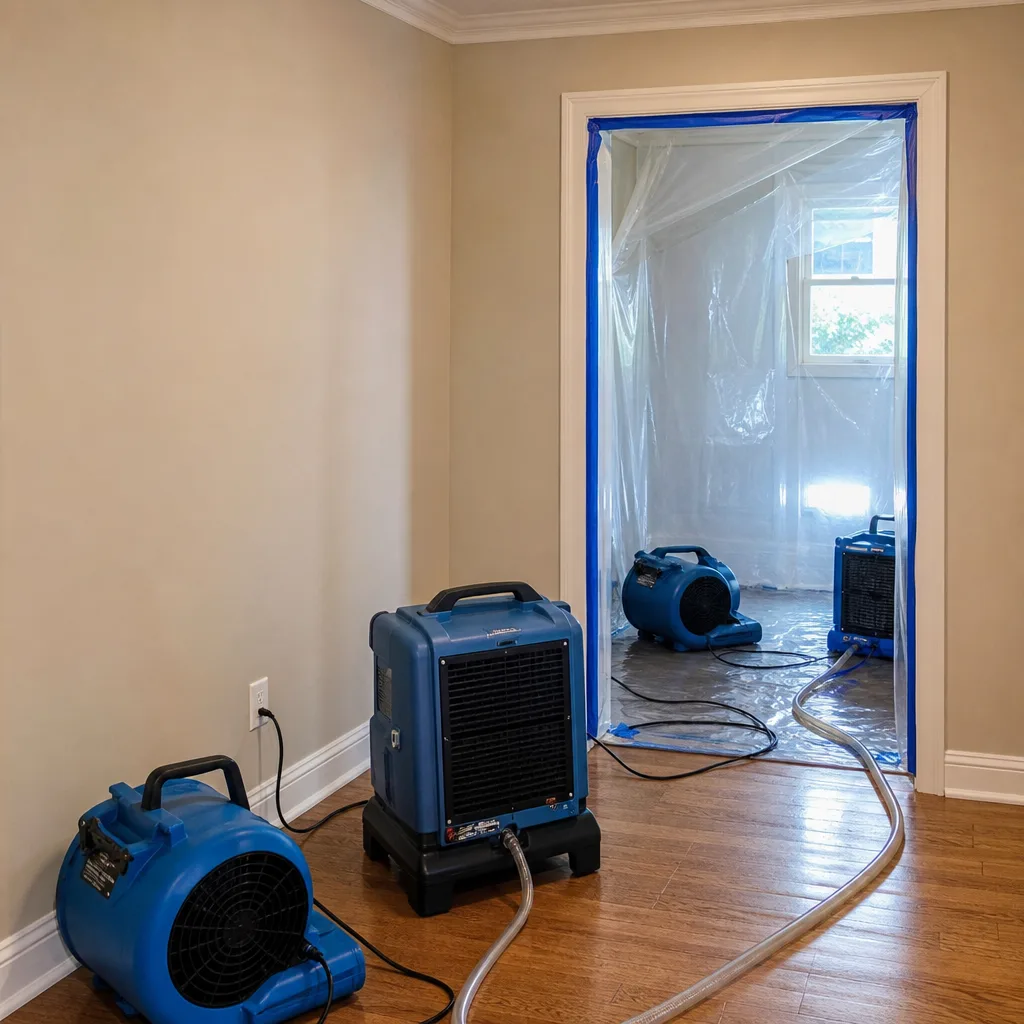 After
After24/7 Emergency Storm & Disaster Restoration in Little Neck
When a nor’easter tears shingles off a 1930s Tudor off Little Neck Parkway, or a spring storm drives bay water into a basement on a low-lying street, the first hour determines how much of the house can be saved. Our crews are dispatched from right around Little Neck and answer the phone live at 2 a.m., not through a recording. Call (518) 873-4306 and a certified crew can be on-site, doing a free visual inspection, the same visit. Storm damage compounds fast: an open roof lets water into plaster walls that hold moisture for weeks, and a blown-out window invites rain, animals, and secondary mold. The sooner extraction and temporary sealing begin, the lower the final bill and the shorter the displacement. We’re built for that first hour.
Understanding Storm & Disaster Restoration Severity in Little Neck Properties
Storm damage in Little Neck rarely stops at what you can see from the curb. The neighborhood’s dominant housing stock, detached Tudor Revivals, brick Colonials, and Cape Cods from the 1920s through 1950s, carries building materials that behave very differently than modern construction. Plaster-on-lath walls, common in nearly every pre-war home here, wick water vertically and hold it against wood lath for days after the surface feels dry. That means a window leak or partial roof breach that looks minor can hide Category 2 or even Category 3 water trapped in wall cavities. We map that moisture, not guess it. A wind-blown door that jams or a deck ledger pulled away from the rim joist is a structural failure in progress, not a handyman repair. On bay-facing exposures along Little Neck Bay, wind-driven rain penetrates older brick veneer and siding in ways a summer thunderstorm never tests. Severity in Little Neck is a function of two things: the age of the envelope and the direction the storm came from. Houses facing the Bay take a different beating than homes tucked around Douglas Manor or along Marathon Parkway.
Why Little Neck Property Owners Choose Floodline Restoration Co.
- 45-minute on-site response commitment in Little Neck - a live dispatcher sends a local crew the moment you call; no callback queue, no “leave a message.”
- 24/7 live answer, every day of the year - a real person picks up at (518) 873-4306, even at 2 a.m. during a nor’easter, and starts dispatch.
- IICRC-certified crews, trained for storm and structural drying work - WRT and FSRT certifications as standard on restoration technicians, not just the office manager.
- Free visual inspection and a written scope before any charge - you know what we found, what it costs, and what the plan is before the first tool comes off the truck.
- Direct insurance billing, no adjuster ping-pong - we document everything from hour one and talk to your carrier directly, so you never carry the weight of the claim.
- One crew from first board-up to final restoration - the same team that tarped the roof runs the drying, handles the rebuild, and hands you the log and the 90-Day Done Right Promise.
Our Storm & Disaster Restoration Process
Inspection & Assessment
We walk the full perimeter and interior with thermal imaging and a moisture meter, mapping the storm’s path: roof breach, wall saturation, window frame damage, and any hidden water in plaster cavities. You get a written assessment with the exact scope shown in clear terms, plus a photo file for your claim.
Extraction & Stabilization
We stop the intrusion first: emergency board-up with pressure-rated panels on bay-facing exposures, roof tarping if the deck is compromised, and structural shoring where wind load has moved framing. Water extraction begins immediately with truck-mounted units on flooded basements and submersible pumps where needed along low-lying streets near the Bay.
Drying & Dehumidification
We place professional-grade Dri-Eaz and Phoenix dehumidifiers with XPOWER air movers on a calculated layout, not scattered wherever convenient. On Little Neck’s plaster-walled Colonials, we read daily moisture content with penetrating meters until the dry standard is met, because plaster hides moisture in a way drywall never does.
Cleaning & Sanitization
Salvageable surfaces are cleaned, including hard-surface decontamination and antimicrobial treatment where Category 2 or 3 water contacted framing or contents. We walk rooms with you to separate salvageable from non-salvageable before anything is discarded.
Storm-Specific Stabilization
For wind and structural damage, this is where we replace wind-rated entry doors, reinforce jambs and frames, anchor roof decking, and correct any water intrusion paths found during inspection. Every item is brought to code, including the dual-jurisdiction permits Little Neck’s location requires.
Repairs & Restoration
The same crew handles the rebuild: drywall, plaster repair, trim, flooring, paint, and any exterior cosmetic restoration. We finish with a final walkthrough and hand you the drying log, the scope, and our 90-Day Done Right Promise in writing.
Need Emergency Storm & Disaster Restoration in Little Neck Now?
Crews minutes away, answering live 24 hours a day. The sooner we start, the less it costs.
Working With Your Insurance Company
The claim process should not be a second job you take on while your house is torn open. From the first hour, we photograph everything: the wind-damaged door that no longer latches, the water line inside the wall, the buckled hardwood, the missing shingles, and the room-by-room interior condition. We log daily moisture readings, build a detailed line-item scope, and coordinate directly with your adjuster throughout the claim. Our office has direct lines to the major carriers, and when the adjuster calls us rather than you, the claim moves faster. If you have a question about a denial or a short-paid line item, we can walk through the explanation and help correct it. You stay informed, but you don’t carry the paperwork load.
What We Provide Your Insurer
- Thorough documentation of the loss
- Photos of all damage, room by room
- Moisture readings and drying logs
- A detailed, line-item scope of work
- Direct coordination with your carrier
Built for Little Neck’s Loss Calendar
Little Neck’s storm damage season runs all twelve months, but the trigger changes with the calendar. January and February bring the deep-freeze burst pipes and ice dams along older, under-insulated rooflines on Tudor Revival eaves. The damage is water inside walls but the cause is the roof’s freeze-thaw cycle. March and April come with nor’easters: sustained 40-plus-mph winds off Little Neck Bay that tear shingles, bend deck ledger connections, and drive bay water into basements along the lower streets near the marina. Summer thunderstorms arrive fast from the west, producing flash flooding in the neighborhood’s low-lying pockets and wind gusts that knock limb-sized branches into gutters and windows. Autumn is hurricane-season tail, with occasional tropical remnants pushing coastal surge patterns similar to what Hurricane Sandy showed the Bay-adjacent blocks in 2012. The one consistent thread through all of it: wind-load and moisture intrusion do the most damage in this neighborhood’s older, plaster-walled homes, and the call never waits for business hours.
Storm & Disaster Restoration Across Little Neck’s Neighborhoods
Little Neck is not one housing type. Down along the Bay, near the blocks bordering Little Neck Bay off Little Neck Parkway, the lots slope toward the water and the homes face full wind exposure. Storm damage here is often the worst in the neighborhood, with water driven horizontally against siding and window frames. Around the Douglaston border and up toward Marathon Parkway, the streets are quieter but the building stock is just as old, and the concern shifts to roof age and ice damming. The blocks near Northern Boulevard and the Cross Island Parkway corridor sit on the neighborhood’s commercial spine, where a single storm restoration job can require one set of NYC DOB permits for a house on the Queens side and an entirely separate Nassau County permit process for the house across the street. Up near West Alley Road and the areas backing toward Oakland Gardens, attached and semi-attached rows share party walls, so water travel between units becomes part of the scope. Response routes here all run off Little Neck Parkway, Northern Boulevard, or Marathon Parkway, and our crew staging follows how the neighborhood actually lays out: west to east for Bay-facing properties, north to south for the older residential grid.
Specialized Storm & Disaster Restoration Services We Offer in Little Neck
Wind Damage Repair
On a bay-facing street off Little Neck Parkway, our crew replaced a storm-damaged entry door with a wind-rated model after Nor’easter winds warped the old slab and jammed the deadbolt. We installed impact-rated hinges and a reinforced frame, then used moisture mapping to confirm the adjacent plaster wall had dried to pre-loss condition after structural drying with Dri-Eaz dehumidifiers and air movers. That’s the full repair: the visible door plus the hidden wall condition behind it.
Emergency Board-Up
A blown window or forced-open door on a Little Neck street can’t wait until morning. We board up with pressure-rated panels sized for the opening and anchored for wind load, not just nailed to the trim. On bay-facing exposures especially, standard plywood fails the wind-load standard and gets red-tagged by an inspector who knows the local code. We bring the right panel, the right fasteners, and the right permit.
Roof Tarping
When shingles are missing and the deck is exposed on a 1930s Tudor, we can install a temporary roof tarp the same day to stop active water intrusion. If the original roofing material contains asbestos, we handle the tarp placement in a way that doesn’t disturb the material and note the condition for your insurance scope. The goal is to buy time, not to replace the roof blindly.
Storm Damage Cleanup
After wind and water move through, Little Neck yards and interiors collect debris that can hold moisture, attract pests, and hide secondary damage. We remove storm debris, extracting standing water from basements and crawl spaces, and dry the building envelope so that a wet plaster wall doesn’t become a mold source six weeks later.
Flood Damage Restoration
Homes on the low streets near Little Neck Bay and along the tidal inlet take water during nor’easter-driven storm surge. We extract first with truck-mounted and submersible equipment, then run the same moisture-mapped drying we’d run on any Category 3 loss, with daily logs to confirm the dry standard before any rebuild starts.
Debris Removal
Storm limbs, broken fencing, and construction debris all have to come out before restoration can move forward. We haul it, separate salvageable material where your insurer needs it documented, and leave the property clean enough to begin framing the repair. Everything gets photographed for the claim file.
What happens when you call
- 1
A real person answersNo phone trees - you reach a local pro.
- 2
You get an upfront price rangeHonest numbers before anyone is dispatched.
- 3
A background-checked tech heads outLicensed & insured, dispatched right away.
- 4
You approve before work beginsNothing starts until you say go.
Storm & Disaster Restoration Costs in Little Neck, NY
A typical emergency board-up in Little Neck runs $350 to $650 for a single opening, depending on whether it’s a window or a door and whether the exposure is bay-facing. Roof tarping on a standard two-story porch roof runs $800 to $1,500, while a steeper Tudor gable that requires ladder staging and extra anchor points can push $1,800 to $2,400. Full structural drying of a flooded basement in a 1930s Colonial with plaster walls typically runs $2,800 to $5,500, driven by the extra drying time plaster demands. Wind damage repair is far more variable: a door replacement with a wind-rated slab and impact hinges starts around $1,400, while integrated repair of a failed wall-to-roof ledger connection runs $3,000 to $7,000. Most storm losses in Little Neck will be covered by a standard homeowner’s policy, subject to your deductible and any wind/hail exclusions on older policies in coastal zones. Our free visual inspection is the path to a firm, written scope. Call (518) 873-4306 and we’ll walk the property and put exact numbers on paper before any work begins.
We Also Serve Cities Near Little Neck
Our crews cover Little Neck and the surrounding communities along the Queens-Nassau line. We serve Little Neck and nearby Great Neck, Oakland Gardens, Bayside, and Manhasset. If you’re on the border and unsure which permit jurisdiction applies, call us: we’ve handled both.
Serving Little Neck, NY - Our Local Coverage Area
We’re based in the Little Neck area and know this community well. Use the map below to see our service coverage - if you’re nearby, we can almost certainly help.
Little Neck Storm & Disaster Restoration Questions, Answered
How do I know if my Little Neck home needs NYC DOB or Nassau County permits for storm damage repair?
It depends on which side of the Queens-Nassau line your property sits on, not which side you think it sits on. One side of a street near Northern Boulevard or the Cross Island Parkway can be NYC DOB; the house across the street might be Nassau County. We pull the correct permit for the exact property address, and we’ve had jobs where both jurisdictions were involved on adjacent houses in the same storm cluster. Call (518) 873-4306 with your address and we’ll confirm which rules apply before the first nail goes in.
What wind rating should a replacement door have on a bay-facing Little Neck street?
For a bay-facing exposure on streets directly exposed to Little Neck Bay, you want a door rated for the local design wind speed, typically at least 110 mph for this coastal zone of Queens, with impact-rated hinges and a reinforced frame. The wind loads near the water are higher than inland blocks, and standard big-box doors often don’t meet the engineering requirements. We select and install to the specific exposure, not to a generic spec.
Why did my neighbor’s storm repair pass with one inspector while mine needs a second inspection?
Little Neck’s dual-jurisdiction reality means two adjacent houses can be governed by two different building departments: one pulls a NYC DOB permit, the other pulls a Nassau County permit. Different inspectors, different review timelines, and sometimes different wind-load documentation requirements. We’ve worked both sides of that line and know what each department requires, which keeps the job moving instead of stalling.
Can you tarp a roof temporarily if the original roofing material contains asbestos?
Yes. We can install a temporary tarp without disturbing the asbestos-containing material, and we document the condition so your insurance scope accounts for the abatement requirement before any permanent roofing work. Disturbing the asbestos without proper handling would create a greater contamination hazard than the roof leak itself.
How long does structural drying take in a 1930s Little Neck Colonial with plaster walls?
Plaster-on-lath walls in a 1930s Colonial typically take three to five days longer to reach the dry standard than modern drywall, because the plaster and wood lath hold moisture deep in the wall cavity. We run daily moisture meters and log the readings until the target is met, usually four to seven days for a moderate Category 2 water loss, and longer for a flood-level event. Rushing that dry standard is how hidden mold shows up eight weeks later.
With over 42 years of local building experience behind the crews, Floodline Restoration Co. has built its name on jobs done right the first time. Led by Curt Bowman, the company started in 2010 with a dispatch board and a simple rule: answer the phone with a person, send a certified crew, and stand behind the result in writing. That’s the whole ballgame. If your Little Neck home took wind or water damage today, call (518) 873-4306. A live dispatcher answers, a local crew moves, and you get a free visual inspection and a written scope before any work is authorized.
Written by Curt Bowman, Owner at Floodline Restoration Co., serving Little Neck and the surrounding Queens-Nassau border communities.