
Free visual inspection and a written scope of work before any mitigation begins - photos, moisture readings, and drying logs go in your claim file
The scope we write is the scope we bill. Anything new gets shown to you, in writing, before we touch it.
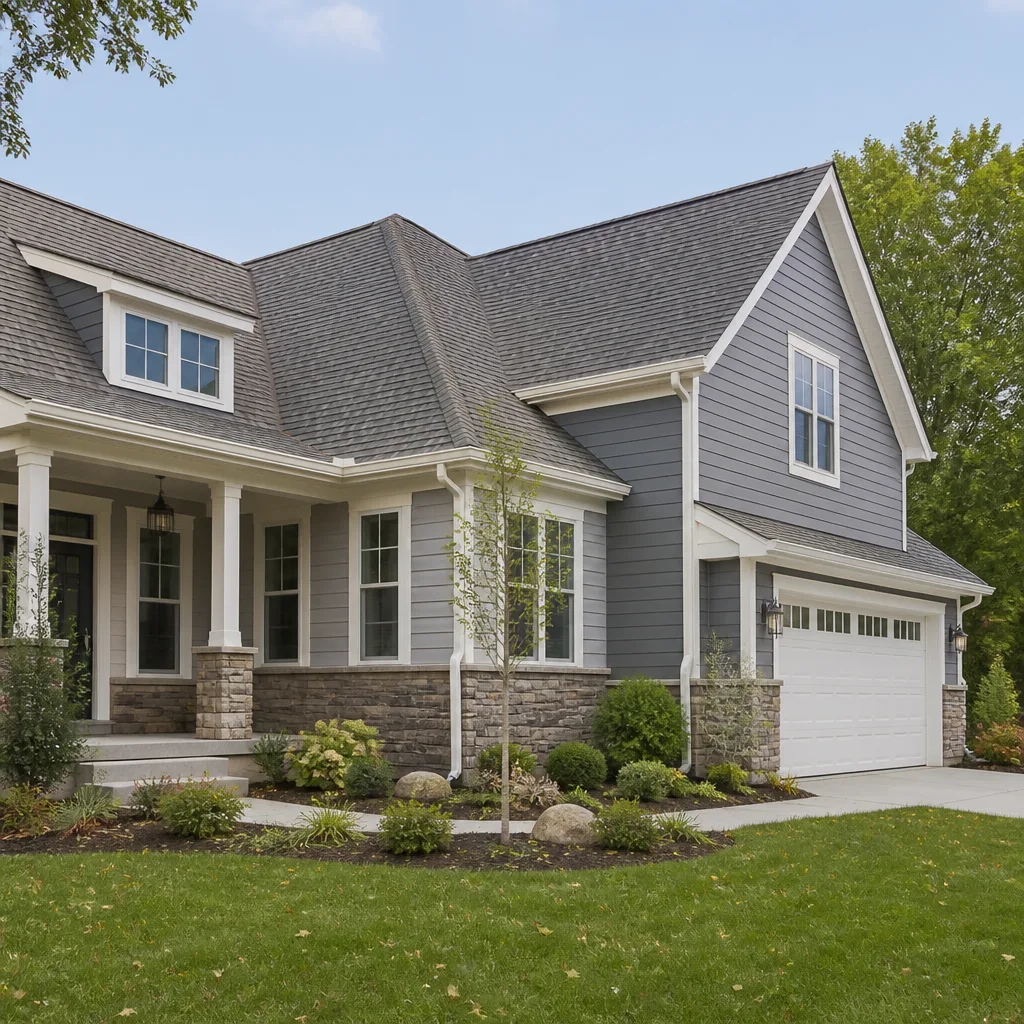
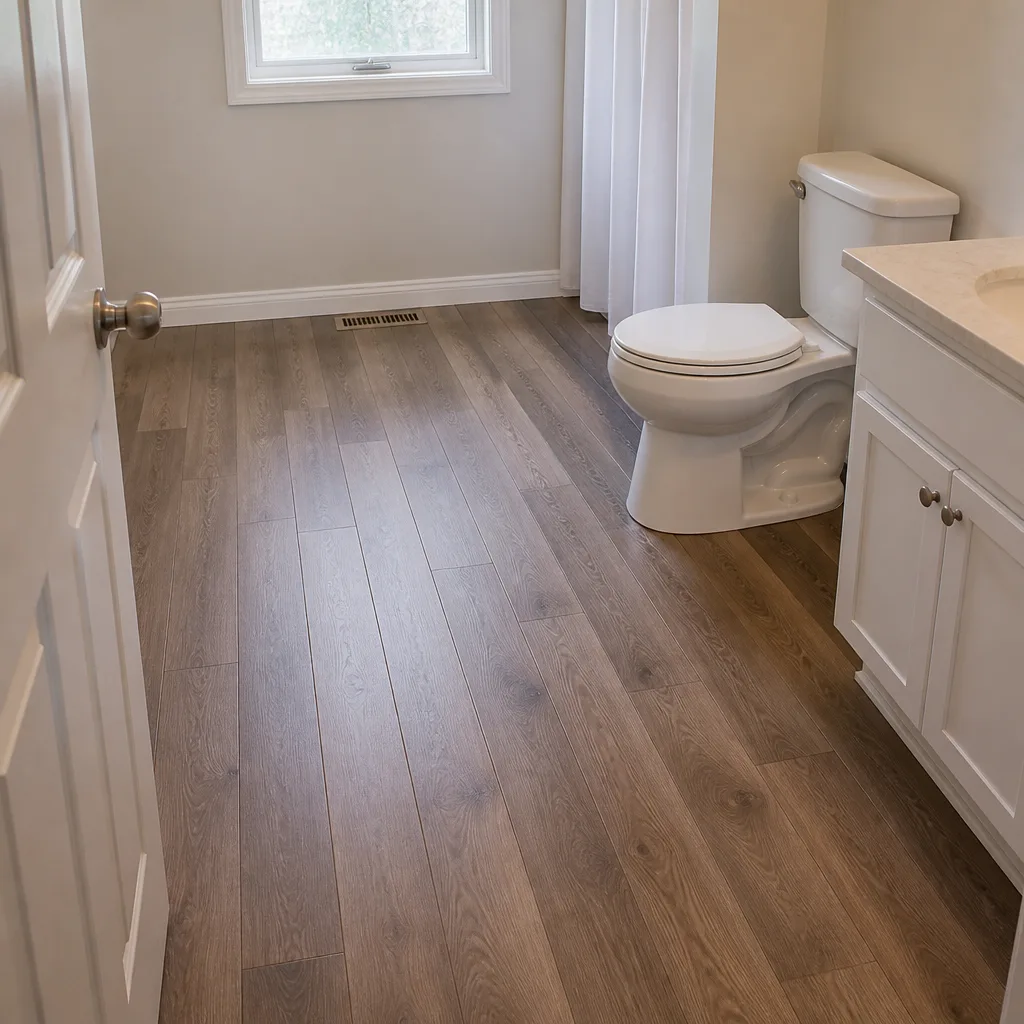
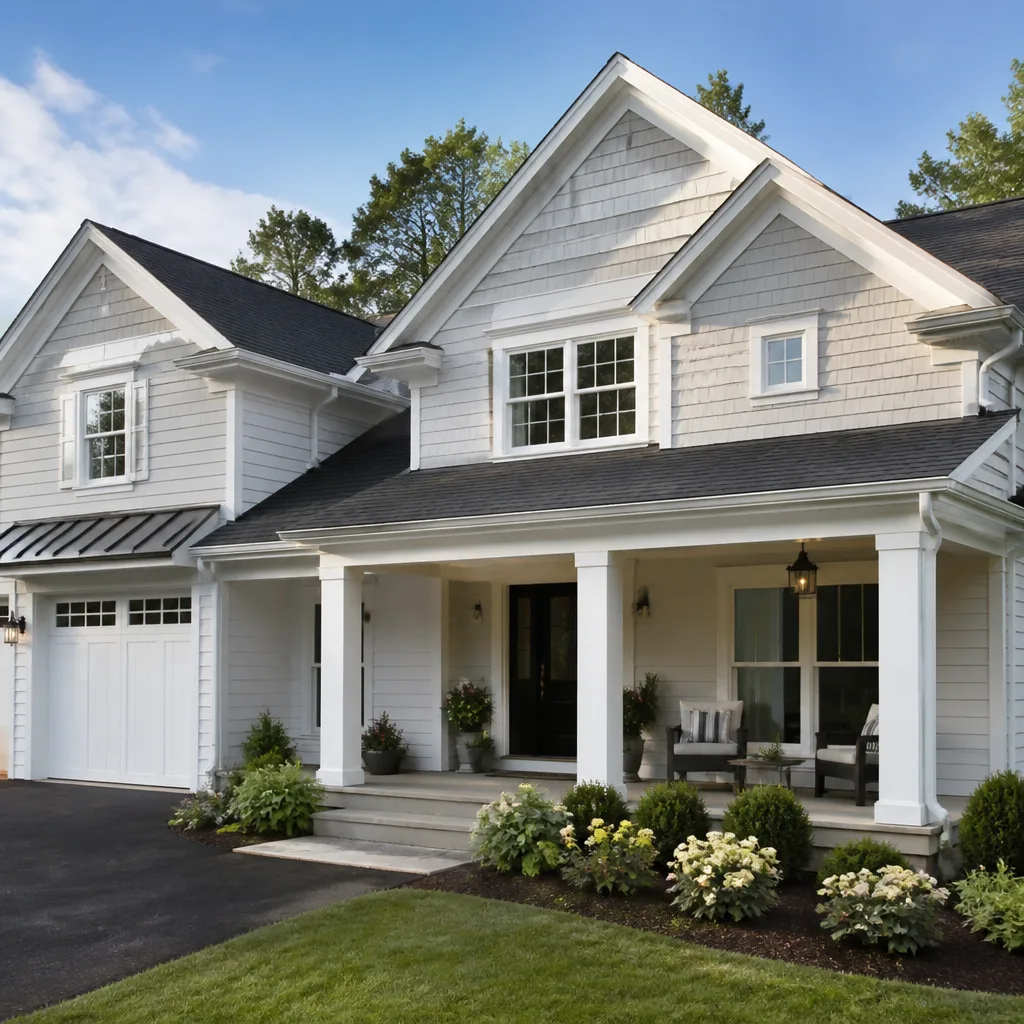
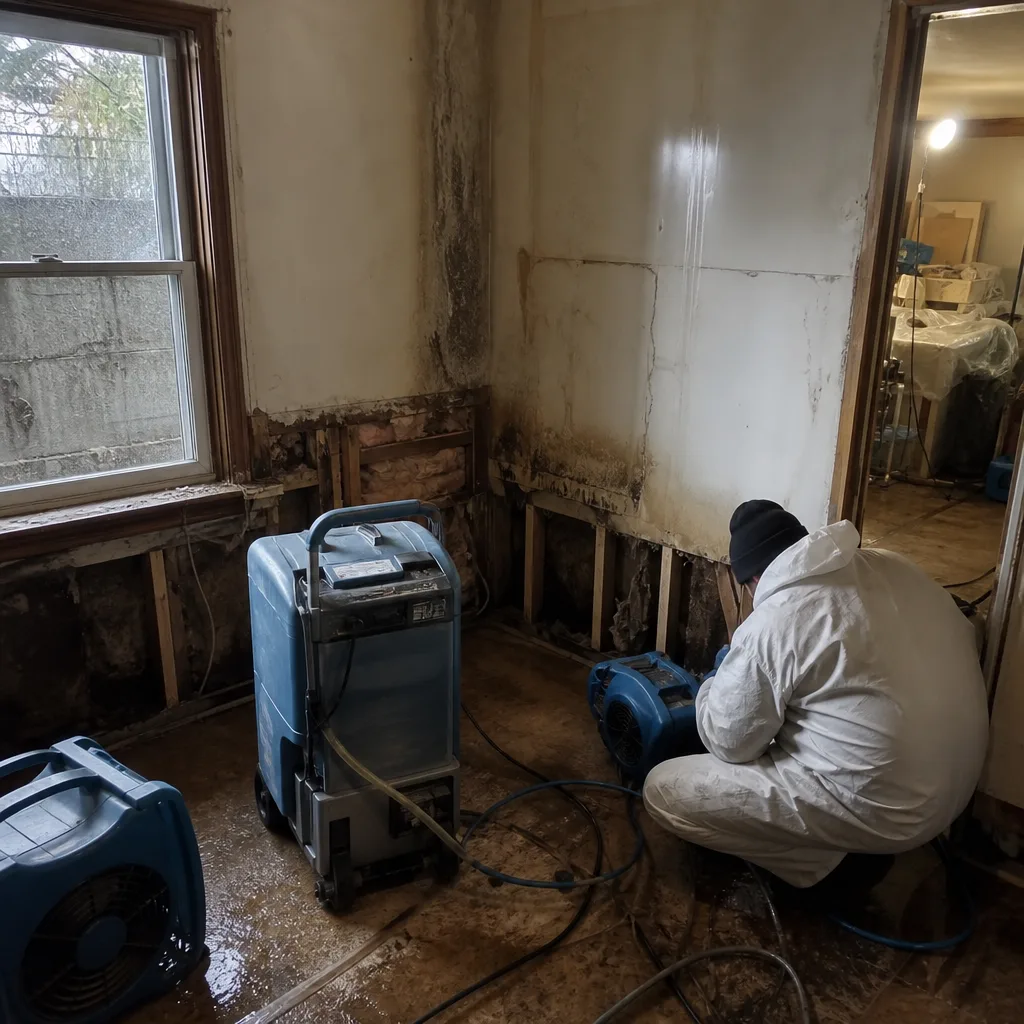 Before
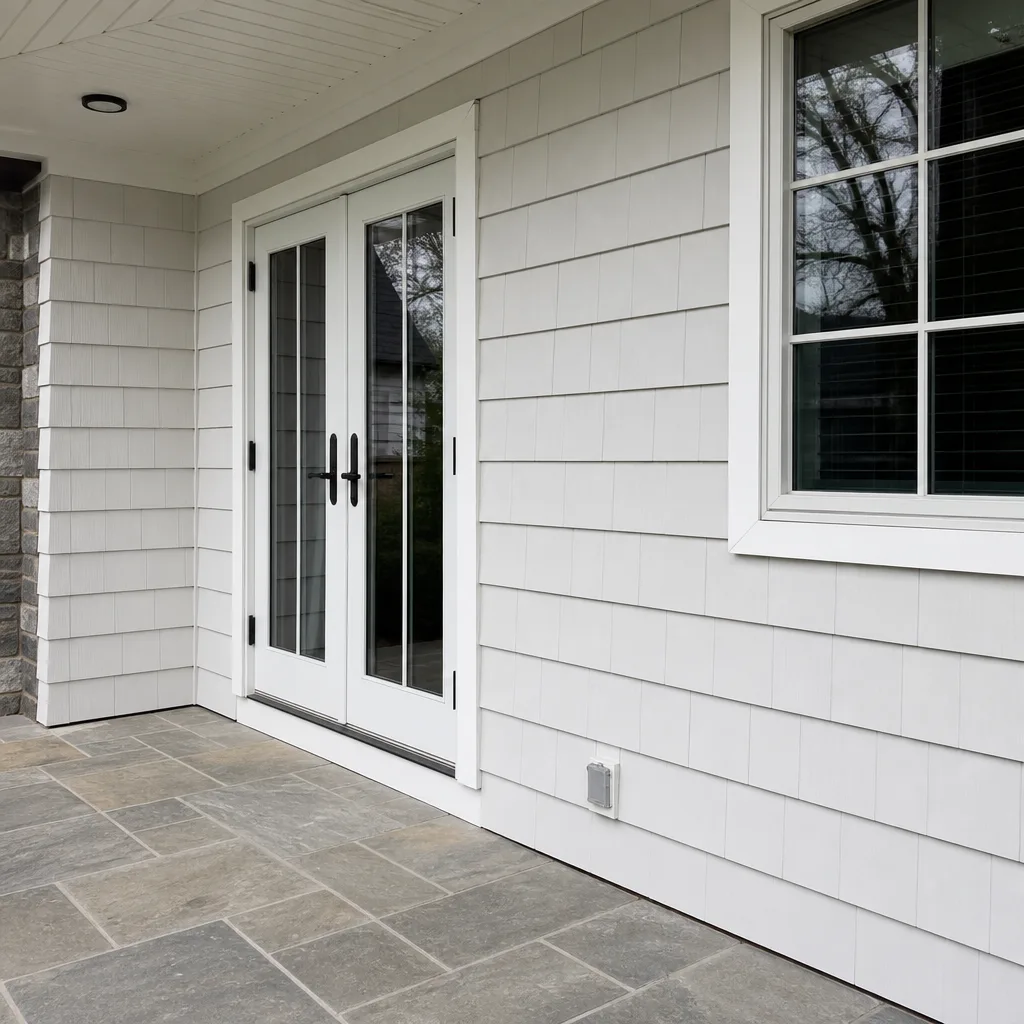 After
After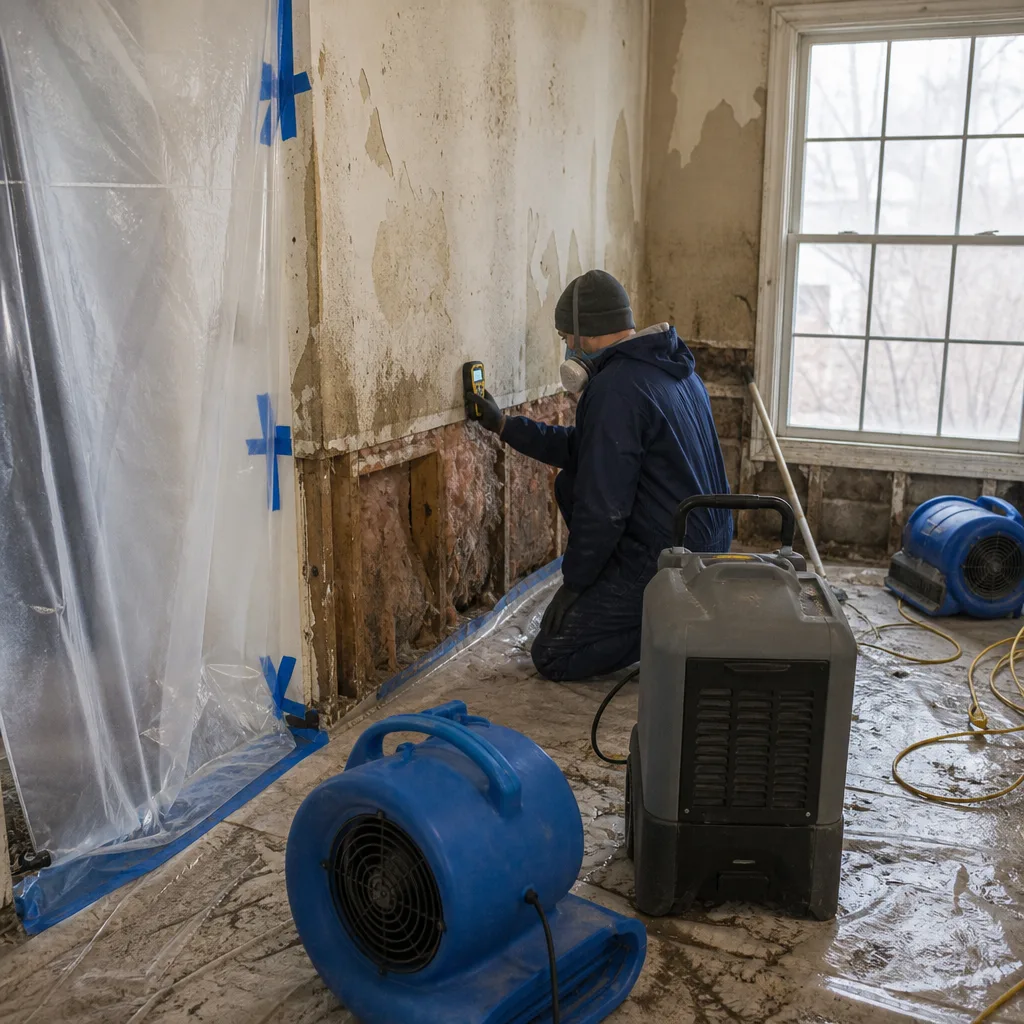 Before
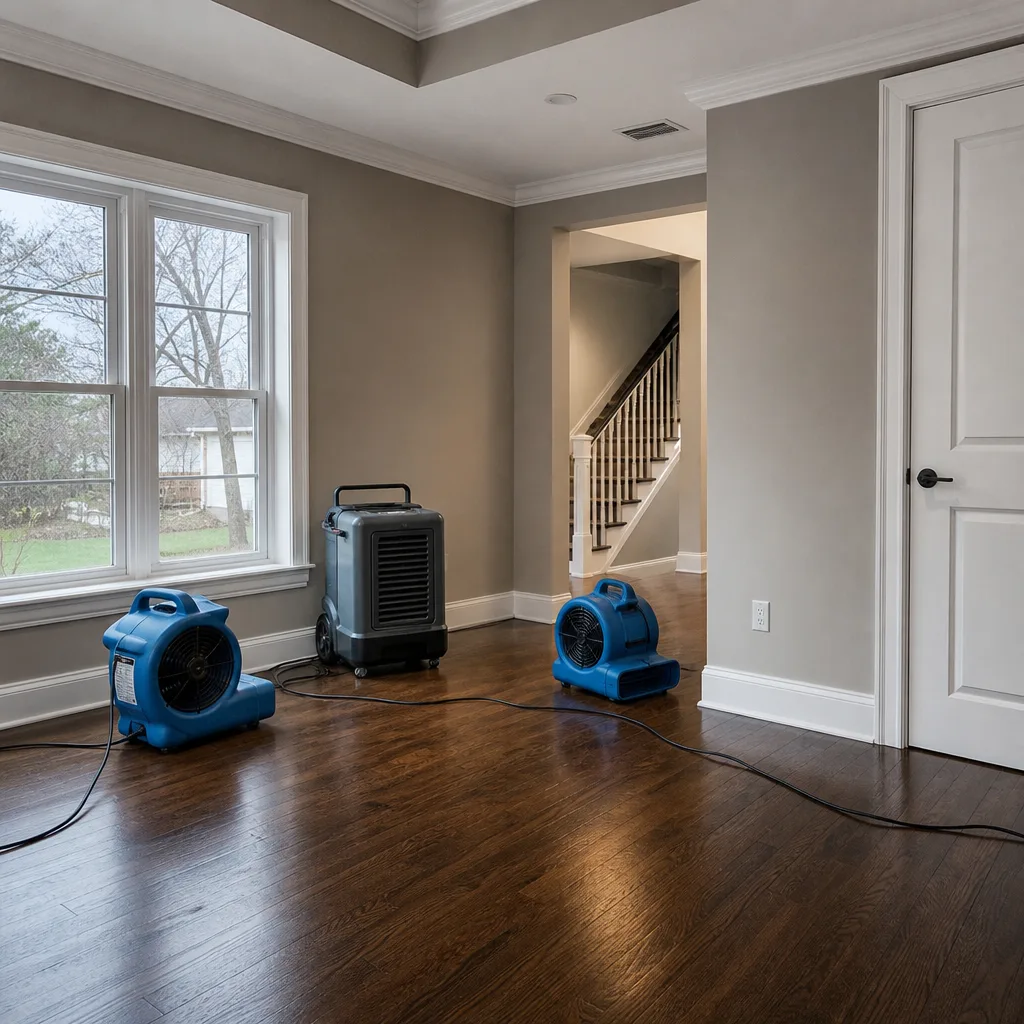 After
After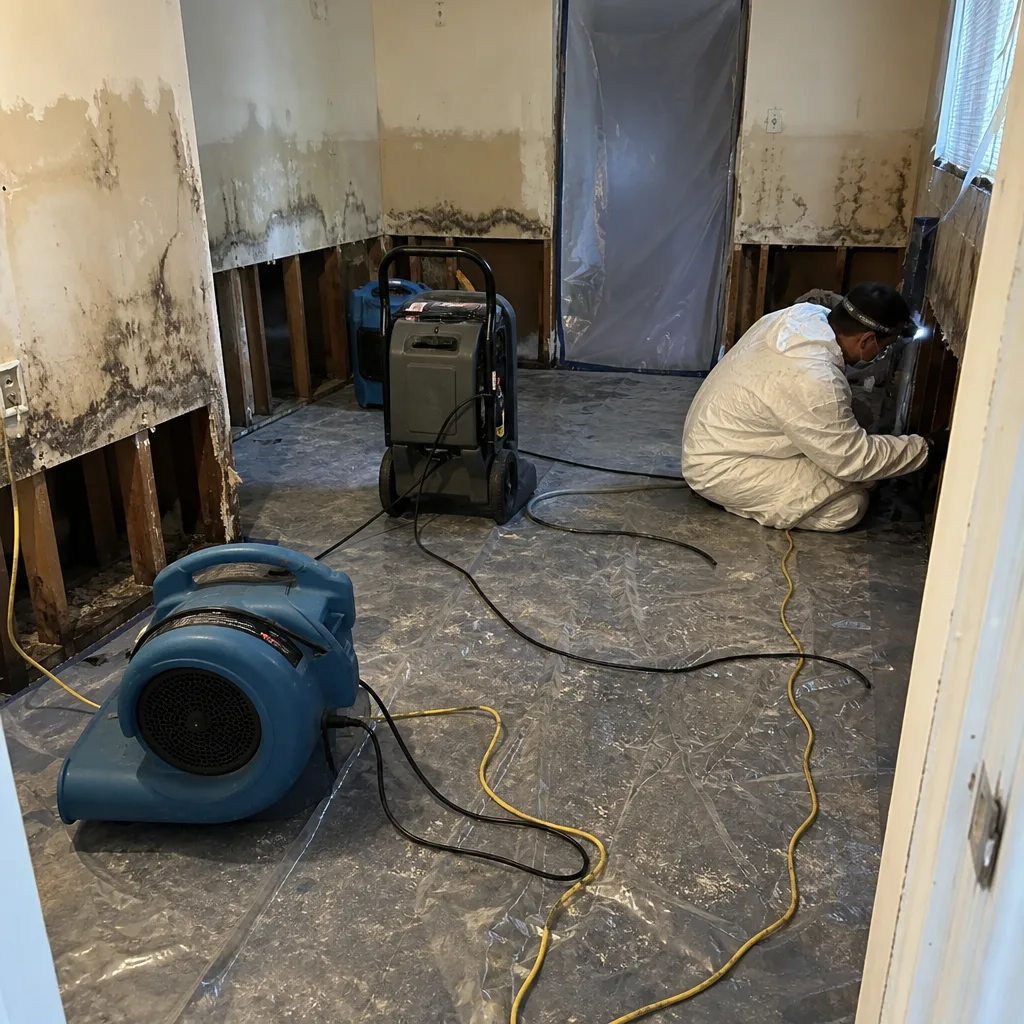 Before
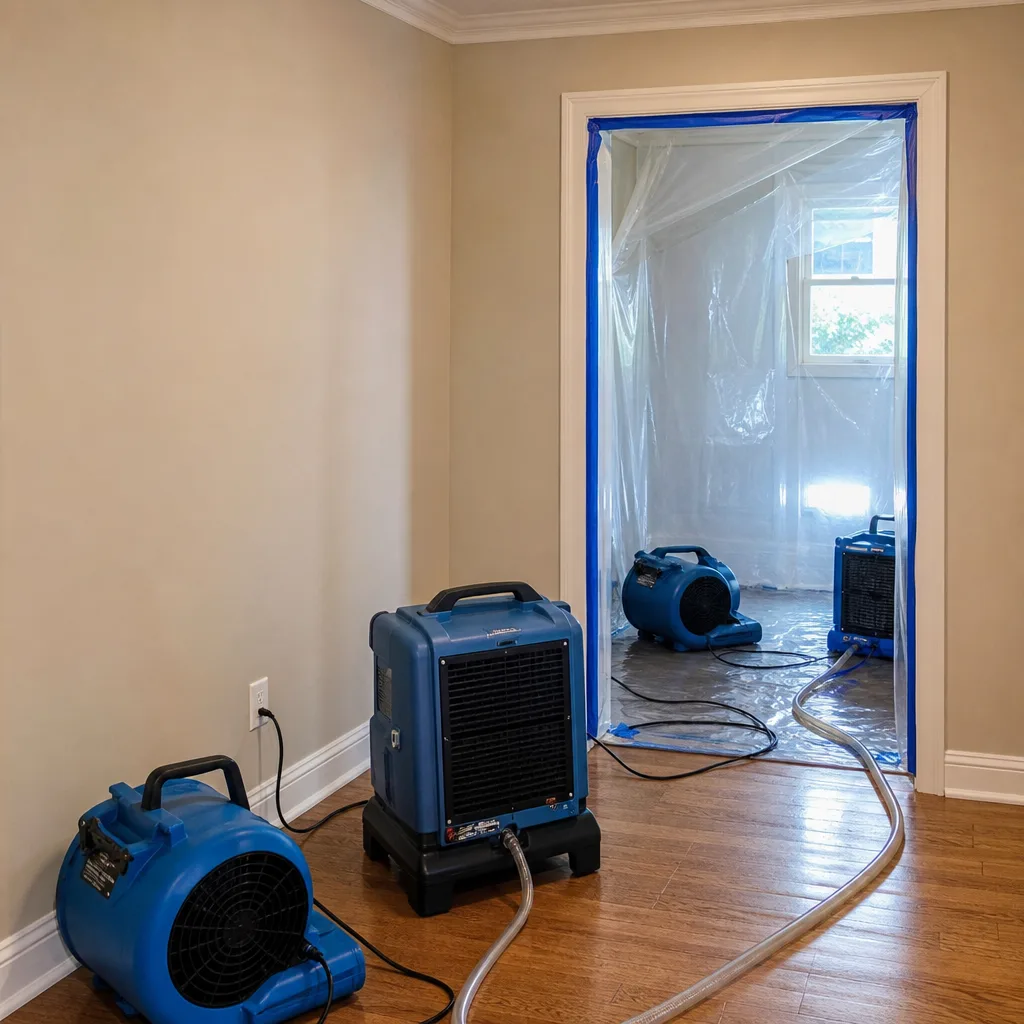 After
After24/7 Emergency Water Damage Restoration in Port Washington North
Water damage restoration in Port Washington North usually runs $1,800 to $6,500 depending on how far the water traveled and whether it came from a supply line, a sump failure, or bay surge. Crews respond to Port Washington North around the clock, and a live person answers (518) 873-4306 at 2 a.m. the same way they do at noon. The first hour decides how much drywall, insulation, and flooring survives. Port Washington North sits on a narrow peninsula between Manhasset Bay and Hempstead Harbor, so water doesn’t always come from one direction. It can push in from both sides at once. Call (518) 873-4306 and speak to a dispatcher who can put a crew on the road immediately.
Every minute that saltwater sits in a basement or crawl space, it’s corroding electrical connections, wicking into drywall, and setting the stage for mold that blooms in under 48 hours in this coastal air. Free visual inspection, no obligation, and we start extraction on the first visit.
Understanding Water Damage Restoration Severity in Port Washington North Properties
Water damage gets classified into three categories, and in Port Washington North we treat most basement floods as Category 3 from the first reading. Category 1 is clean water from a burst supply pipe or an overflowing tub. Category 2 carries some contamination, like washing machine discharge. Category 3 is grossly contaminated water: bay surge, sewage, or ground water that has picked up whatever is in the soil and foundation. In a peninsula village where storm surge pushes water through foundation cracks and failed sumps, clear-looking water is rarely clean.
Port Washington North’s housing stock leans mid-century: 1930s through 1960s single-family homes with full basements and crawl spaces that sit at or near the high water table. Those basements were never designed for saltwater. The water table here means even a dry week can leave dampness pressing against concrete walls, and when a nor’easter drives the bay up, the pressure finds every crack. We map moisture with thermal imaging and hygrometers, then log readings daily until the structure meets the dry standard. Saltwater is categorically worse than freshwater: it accelerates corrosion of structural fasteners, electrical panels, and HVAC components, and it amplifies mold growth in older construction. Port Washington North’s post-storm humidity traps moisture inside less-insulated walls, compressing the response window to a day or two before secondary damage sets in.
Why Port Washington North Property Owners Choose Floodline Restoration Co.
- 45-minute response commitment: When you call from Port Washington North, a crew is dispatched inside the village immediately, not scheduled for tomorrow.
- 24/7 live answer: A real person picks up the phone at all hours. No automated system, no voicemail, no callback list.
- IICRC-certified crews: Our technicians hold WRT and ASD certifications and train to RIA and IFA standards. They know what saltwater does to a 1950s foundation because they’ve dried them here.
- Free visual inspection: We walk the property, map the moisture, and give you a written scope before any equipment comes off the truck.
- Direct insurance billing: We bill your carrier directly and document the loss from the first hour, including NFIP paperwork when FEMA zones are involved.
- One team from extraction to reconstruction: The same certified crew that reads the moisture map on day one handles daily readings, hands the log to you and your carrier, and rebuilds what needs rebuilding. No mid-job handoff.
Our Water Damage Restoration Process
Inspection & Assessment
We arrive, walk the property, and identify the water source and category. Thermal imaging and moisture meters give us a full map of where water has traveled inside walls, under flooring, and behind baseboards. You get a written scope of work before we start.
Extraction & Stabilization
Using truck-mounted extraction units, we pull standing water out fast. For basement floods in Port Washington North, this means getting submersible pumps into place while the structure is still actively taking on water, then stabilizing the envelope so no more comes in.
Drying & Dehumidification
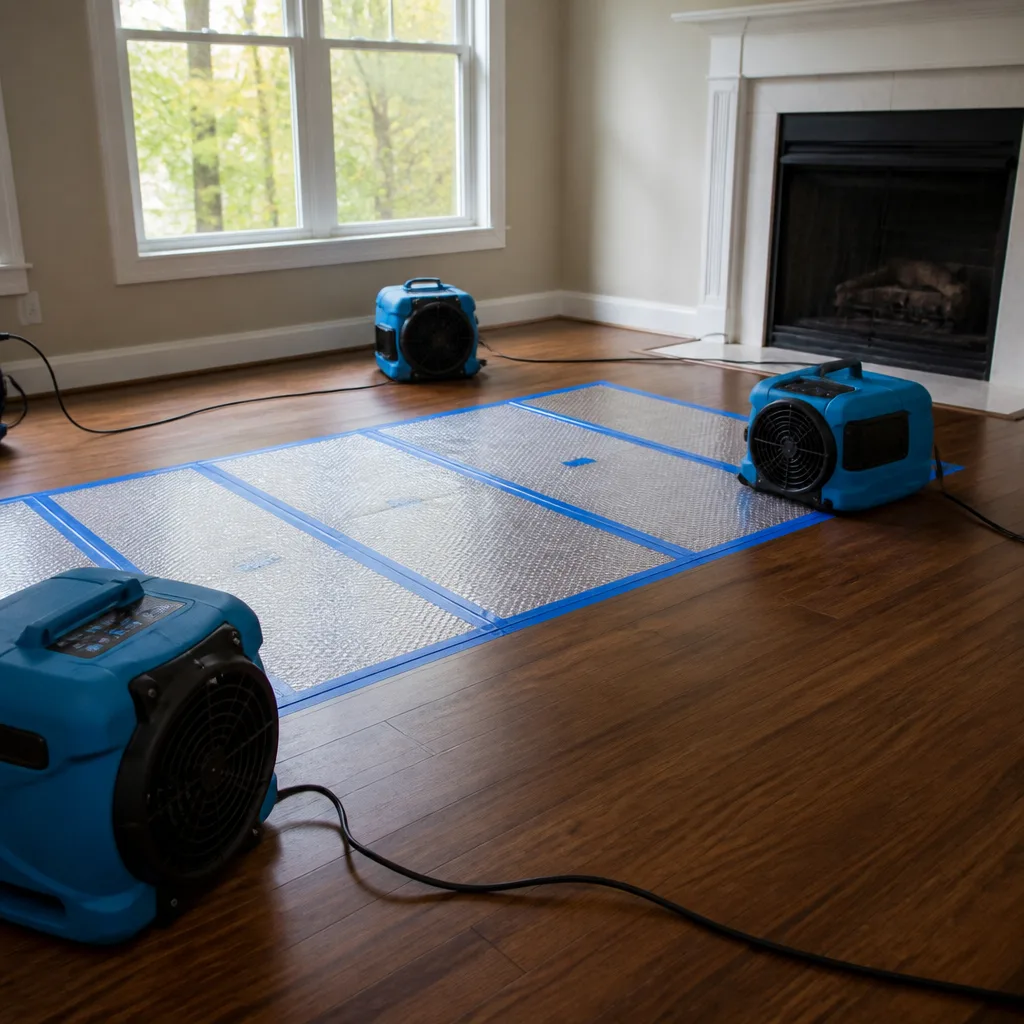
We set up structural drying with Dri-Eaz dehumidifiers and XPOWER air movers, positioned based on the moisture map. In older, less-insulated Port Washington North homes, we pay special attention to sill plates and rim joists where bay humidity lingers. Daily readings get logged until the dry standard is met.
Cleaning & Sanitization
For Category 3 water, we cut out soaked drywall, remove contaminated insulation, and apply antimicrobial treatment to framing. HEPA air scrubbers run during this phase to keep mold spores from spreading through the house.
Saltwater-Specific Treatment
Saltwater intrusion in Port Washington North demands a flush-and-treat protocol for electrical panels, HVAC coils, and any metal surface the surge touched. Left untreated, salt residue corrodes bus bars and coils within weeks, not years.
Repairs & Restoration
Once moisture readings confirm the structure is dry, we rebuild what was removed: drywall, flooring, trim, and any mechanical repairs. One Floodline Restoration Co. crew handles it end to end, backed by the 90-Day Done Right Promise in writing.
Need Emergency Water Damage Restoration in Port Washington North Now?
Crews minutes away, answering live 24 hours a day. The sooner we start, the less it costs.
Working With Your Insurance Company
Port Washington North has a meaningful share of homes inside FEMA Special Flood Hazard Areas, AE and VE zones. That means NFIP flood insurance, elevation certificate compliance, and Nassau County’s post-Sandy substantial-improvement rules often sit inside the claim. We handle that documentation from the first site visit. Our team photographs every room, logs moisture readings daily, and sends your adjuster a line-item scope of work that matches the carrier’s format. You never play messenger between Floodline Restoration Co. and the insurance company. Direct adjuster coordination is part of every job we take on this peninsula. The 90-Day Done Right Promise documents the standard we’re holding, and the drying log documents the work. Both go into the file the adjuster reviews.
What We Provide Your Insurer
- Thorough documentation of the loss
- Photos of all damage, room by room
- Moisture readings and drying logs
- A detailed, line-item scope of work
- Direct coordination with your carrier
Built for Port Washington North’s Loss Calendar
Port Washington North’s water damage season never really ends, but the causes shift month to month. January and February bring deep freezes that burst supply lines in unheated crawl spaces and exterior walls. Homes from the 1930s and 1940s, common here, often have copper pipes run through bays that face the water, and a cold wind off Manhasset Bay will freeze them faster than an inland home. March and April mean spring thaw and rising groundwater, which pushes through basement floor cracks in the village’s high water table soil. Nor’easters hit from October through March, and when they do, the bay surge funnels up the peninsula and can inundate multiple streets at once. Summer thunderstorm flash flooding overwhelms the village’s storm drains and sends sheet water into garages and cellar stairwells. We dispatch to Port Washington North year round and the phone always rings to a person.
Water Damage Restoration Across Port Washington North’s Neighborhoods
The village is compact, but the loss patterns shift block by block. Along Shore Road, homes face Manhasset Bay directly and take the full force of nor’easter surge, with windows, doors, and foundation vents all admitting water in the same event. On Harbor View Drive, we’ve responded to basement floods where bay water came through a failed sump and kept rising after the pump gave out. Over near Mill Pond, the water table sits high and long rain events saturate the ground until it seeps through floor cracks. The streets off Port Washington Boulevard, including the mid-century ranches and capes built between the 1940s and 1960s, tend to have full basements that run below grade and collect water when snowmelt meets high groundwater. And the homes backing onto Hempstead Harbor on the east side of the peninsula see surge from the opposite direction, which means a single nor’easter can put saltwater into both halves of a basement. Knowing which exposure you’re up against changes how we scope the drying plan.
Specialized Water Damage Restoration Services We Offer in Port Washington North
Emergency Water Extraction
Standing water in a Port Washington North basement means pulling it out before it soaks deeper into framing and finishes. We bring truck-mounted extraction units and submersible pumps, and we start on the first visit. For bay surge that’s still coming in, we stabilize the perimeter, then extract what’s inside so the structure stops absorbing water.
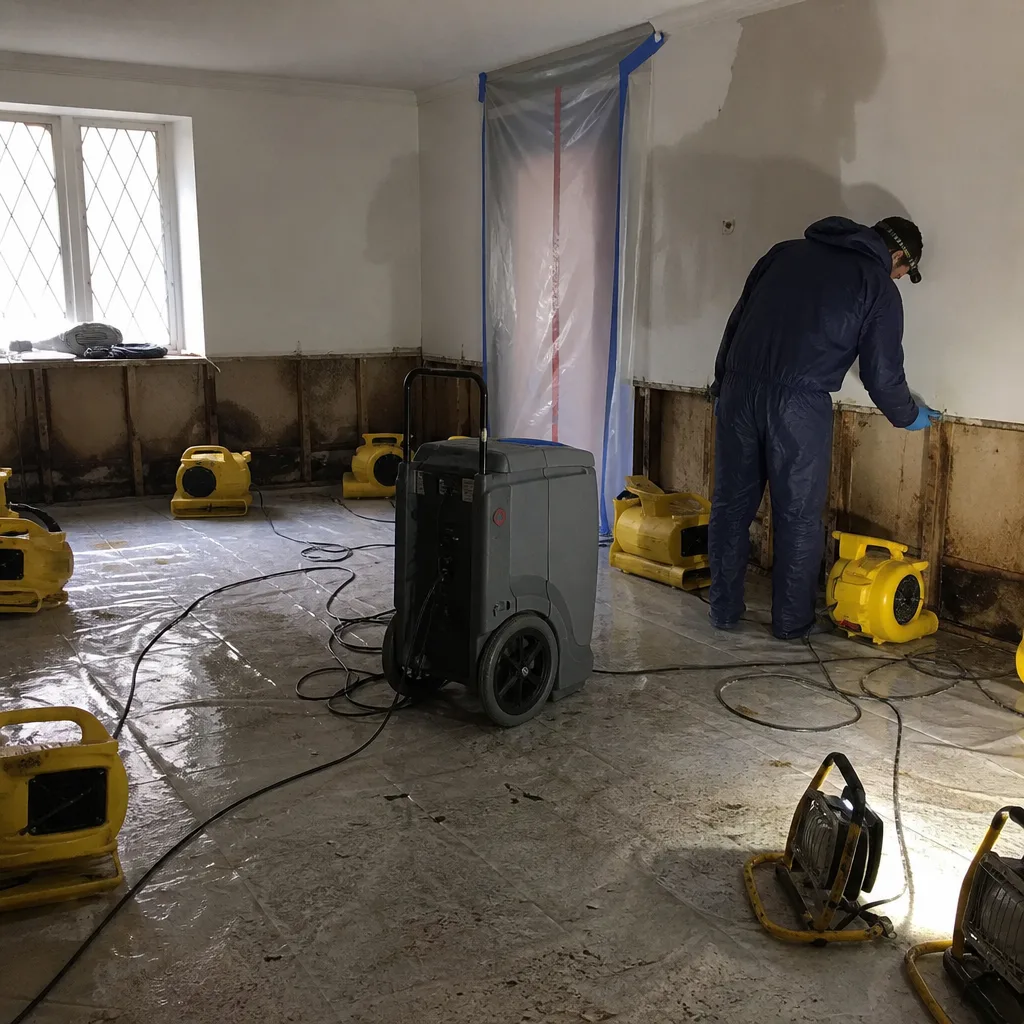
Structural Drying & Dehumidification
Drying a peninsula home means more than running fans. The humidity off Manhasset Bay stays high even in winter, and older walls trap moisture in ways modern construction doesn’t. We run professional-grade dehumidifiers from Dri-Eaz and Phoenix alongside XPOWER air movers, and we read moisture levels behind baseboards, under stairs, and inside sill plates until the numbers say dry.
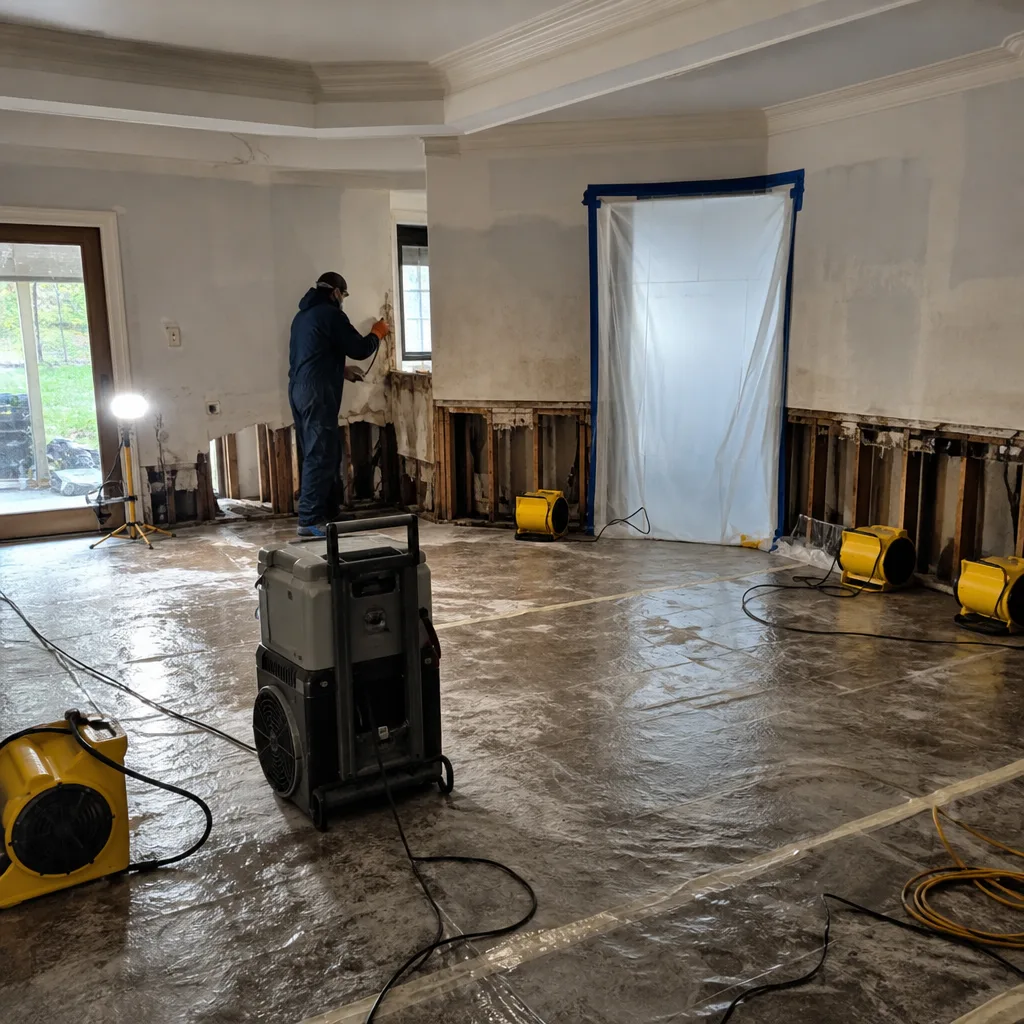
Flood Cleanup
Flood cleanup for Port Washington North usually means Category 3 water: bay surge, street sheet water, or ground water that has picked up whatever is under the foundation. We treat it as contaminated from the first reading. That means removing soaked drywall, disposing of saturated insulation, and applying antimicrobial treatment before anything gets rebuilt.
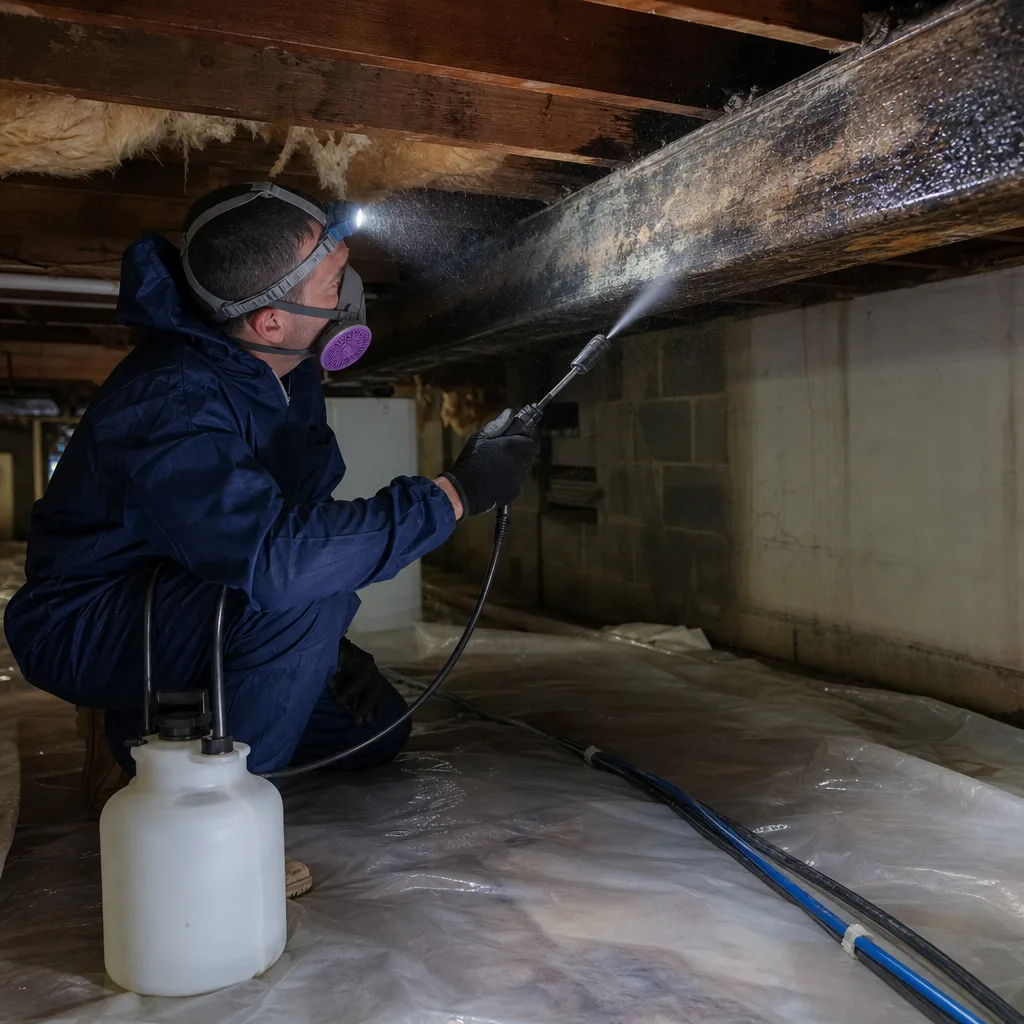
Burst Pipe Restoration
Winter freezes put stress on supply lines in older Port Washington North homes, especially where pipes run through unheated spaces. When a pipe lets go, clean water spreads through ceilings and walls fast. We shut the source, extract what’s pooled, and dry the affected cavity before mold gets a foothold.
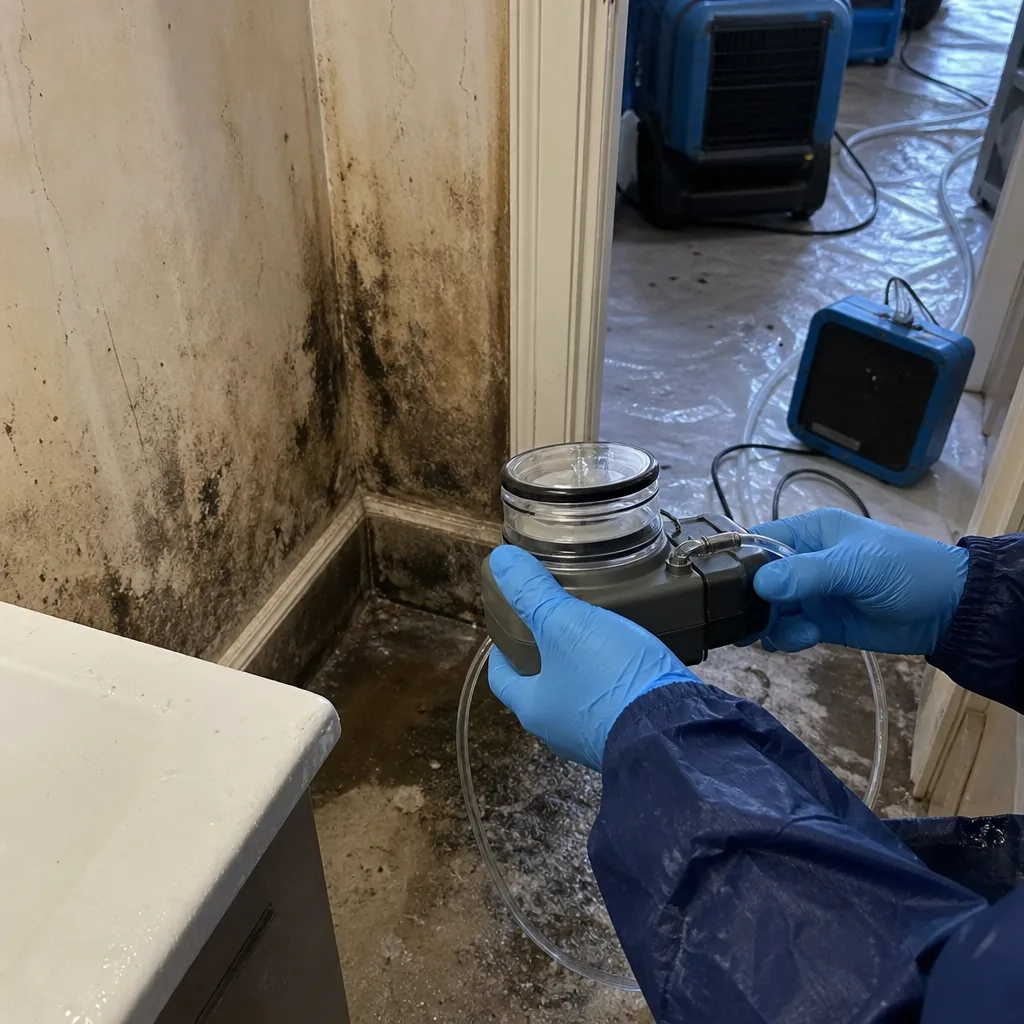
Basement Water Removal
Basements throughout Port Washington North sit at or near the water table, so water removal here is more than pumping. Once the standing water is out, we deal with the pressure that pushed it in: floor cracks, weeping wall seams, and failed sumps. We dry the basement, treat the concrete, and give you a recommendation on what needs grading or pumping long term.
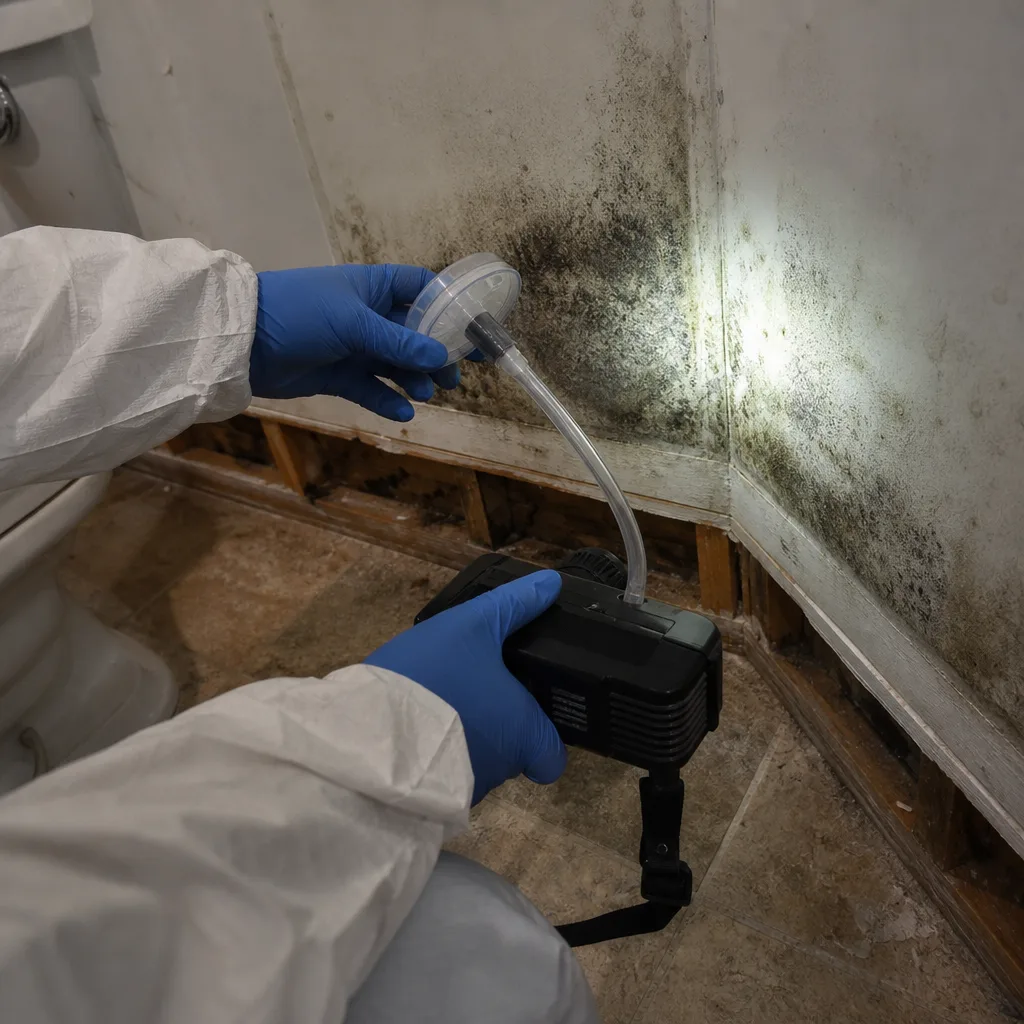
What happens when you call
- 1
A real person answersNo phone trees - you reach a local pro.
- 2
You get an upfront price rangeHonest numbers before anyone is dispatched.
- 3
A background-checked tech heads outLicensed & insured, dispatched right away.
- 4
You approve before work beginsNothing starts until you say go.
Water Damage Restoration Costs in Port Washington North, NY
A typical basement water removal in Port Washington North runs $1,800 to $4,200, assuming no structural damage to framing. Full structural drying with dehumidification and air movement adds another $1,200 to $2,800 depending on square footage and how long the water sat. Category 3 flood cleanup that involves cutting drywall four feet up the wall, removing insulation, and antimicrobial treatment lands between $4,500 and $8,000 for a standard village basement. Saltwater jobs with electrical panel treatment and HVAC coil flushing add $900 to $2,200 on top, because that corrosion work is non-negotiable in a coastal home.
What moves the price: the water category, how many rooms are involved, whether the water came up through concrete or down through a ceiling, and how fast the work started. A basement flood caught in the first hour costs far less than one that sat overnight. Your free inspection produces a written scope with a firm number before work begins. Call (518) 873-4306 for that. The Senior & Veteran 5% discount always applies, as does $50 Off Any Repair Over $250.
We Also Serve Cities Near Port Washington North
Our Water Damage Restoration teams cover the whole peninsula and the nearby North Shore villages. We serve Great Neck Plaza, Manhasset, North Hills, and Great Neck with the same 24/7 live dispatch and 45-minute response we’re known for in Port Washington North.
Serving Port Washington North, NY - Our Local Coverage Area
We’re based in the Port Washington North area and know this community well. Use the map below to see our service coverage - if you’re nearby, we can almost certainly help.
Port Washington North Water Damage Restoration Questions, Answered
Does FEMA Zone AE or VE in Port Washington North change how you scope water damage restoration?
Yes, and it changes the paperwork as much as the work. A significant portion of Port Washington North sits in FEMA Special Flood Hazard Areas. Zone AE means a 1% annual chance of flooding with a determined base flood elevation; Zone VE adds wave action on top. When we scope a restoration in either zone, we document the loss to NFIP standards, note the pre-loss elevation of mechanicals, and flag any repairs that trigger Nassau County’s post-Sandy substantial-improvement rules. That documentation goes directly to your carrier so the claim doesn’t stall. Call (518) 873-4306 and we’ll explain what applies to your block.
How fast does mold start after bay water gets into a Port Washington North basement?
Mold colonization starts in 24 to 48 hours after bay water saturates drywall and wood in Port Washington North’s humid coastal air. Saltwater accelerates the process because it leaves behind nutrients and raises the substrate’s moisture content. That’s why we run extraction on the first visit and treat every surge event as an immediate drying job. The sooner we start, the less gets cut out and thrown away. Call (518) 873-4306 as soon as the water’s in.
Why do you treat a Port Washington North basement flood as Category 3 water even if the water looks clear?
Bay surge and ground water are Category 3 because they carry whatever is in the soil, the street, and the bay itself, even when the water looks clear. On a peninsula where storm surge moves through foundation cracks and failed sumps, clear water has still touched raw ground and possible sewage. We treat it as contaminated from the first reading so we remove the right materials and apply antimicrobial treatment where it’s needed. That standard protects your family and your property. Call (518) 873-4306 for an immediate assessment.
What does saltwater do to HVAC ducts during a flood in Port Washington North?
Saltwater corrodes HVAC ductwork, coils, and electrical connections from the moment it touches them. Ducts that sat in bay water hold salt residue that keeps corroding the metal and spreads rust particles through the air when the system runs. We flush and treat exposed HVAC components, replace contaminated duct insulation, and document the work for your claim. If the surge reached your furnace or air handler, it’s urgent. Call (518) 873-4306 and we’ll inspect it today.
My basement sump failed during the last nor’easter - can you dry the crawl space without ripping out the slab?
You don’t need to rip out the slab. We extract the standing water with pumps, then set up structural drying in the crawl space with dehumidifiers and air movers positioned to reach under the floor system. We map moisture behind baseboards and along the rim joist, dry to the standard, and treat for Category 3 contamination. What we remove is the soaked insulation and any drywall that wicked water, not concrete. Call (518) 873-4306 and we’ll scope the crawl space directly.
How fast can a crew actually get to Port Washington North?
We commit to 45 minutes for emergency response when you call (518) 873-4306. A live dispatcher takes the call, identifies what’s happening, and assigns the nearest available crew. Port Washington North is a peninsula with limited access routes, so we pre-plan response routes along Shore Road and Port Washington Boulevard to avoid delays during storms.
Will my insurance cover water damage restoration in Port Washington North?
It depends on the water source and your policy. Standard homeowners insurance covers burst pipes, sump failures with the right endorsement, and other sudden internal losses. Flood insurance, usually through NFIP, covers bay surge and storm flooding. We document the loss from the first hour, bill your carrier directly, and coordinate with your adjuster so the claim moves without you playing messenger. Call (518) 873-4306 and we’ll help you understand what your policy covers.
What should I do in the first 30 minutes after water enters my Port Washington North home?
Call (518) 873-4306 first. Then, if it’s safe, shut off power to the affected area and move valuables upstairs. Don’t use your own wet vac on bay water or ground water, and don’t run fans yet: moving contaminated air around the house spreads mold spores into clean rooms. Take photos of the standing water for your claim. Then let our team take it from extraction through drying and rebuild. The first hour sets the whole job’s cost.
Written by Curt Bowman, Owner at Floodline Restoration Co., serving Port Washington North and the North Shore with water damage restoration since 2010.