

Free visual inspection and a written scope of work before any mitigation begins - photos, moisture readings, and drying logs go in your claim file
The scope we write is the scope we bill. Anything new gets shown to you, in writing, before we touch it.
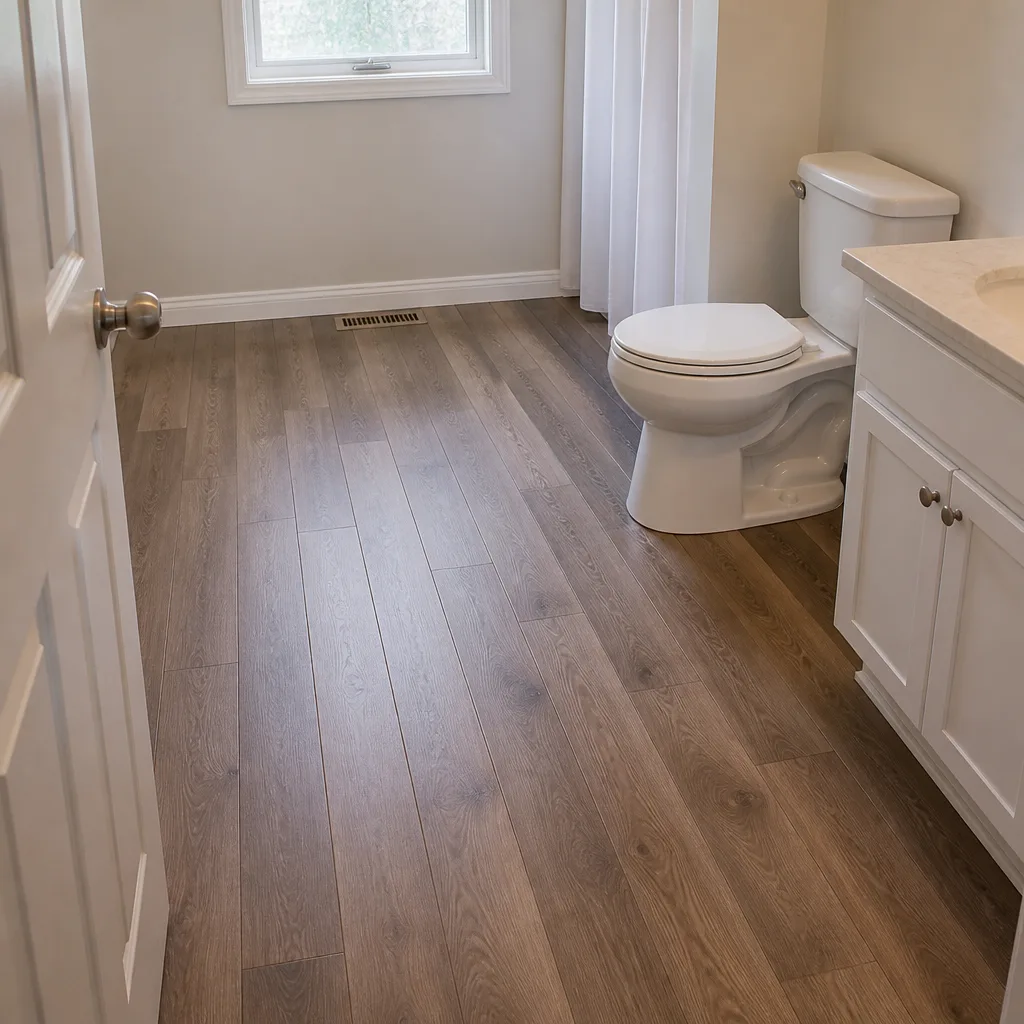
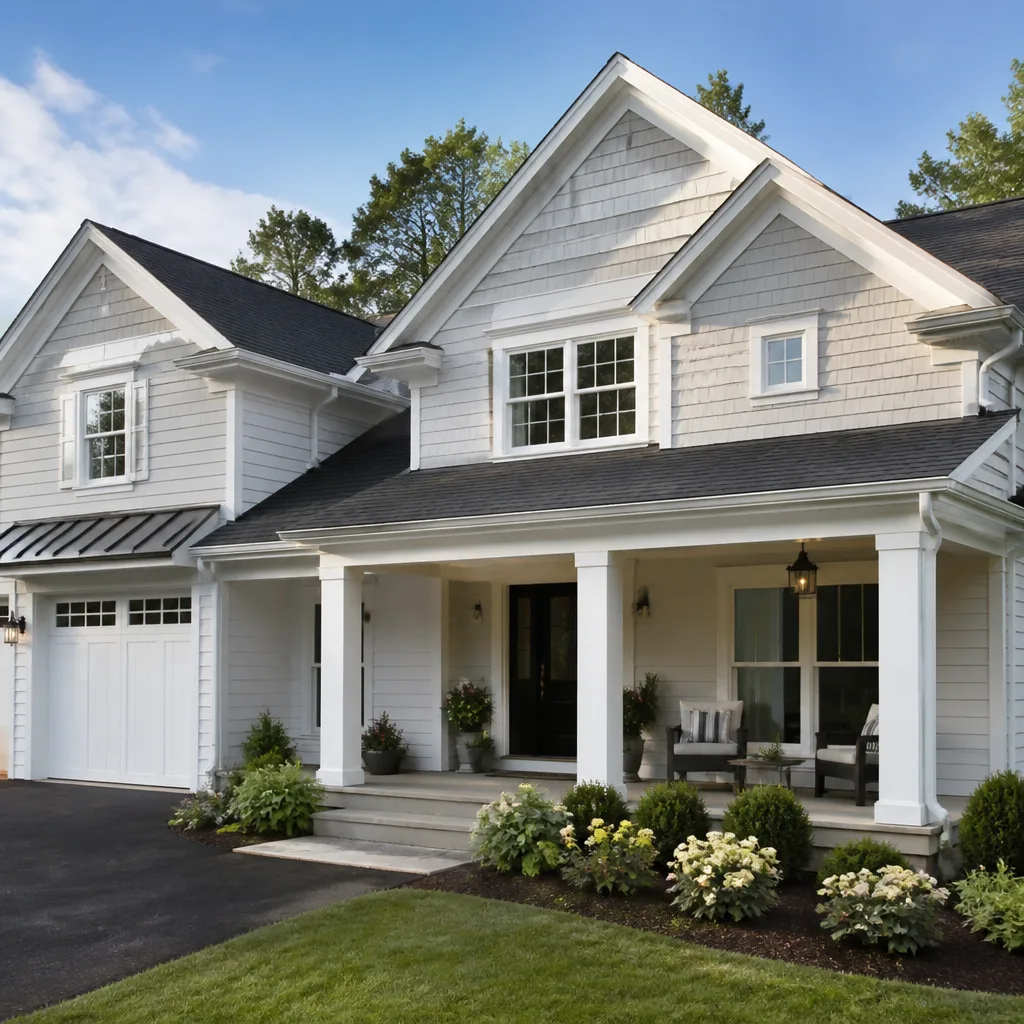
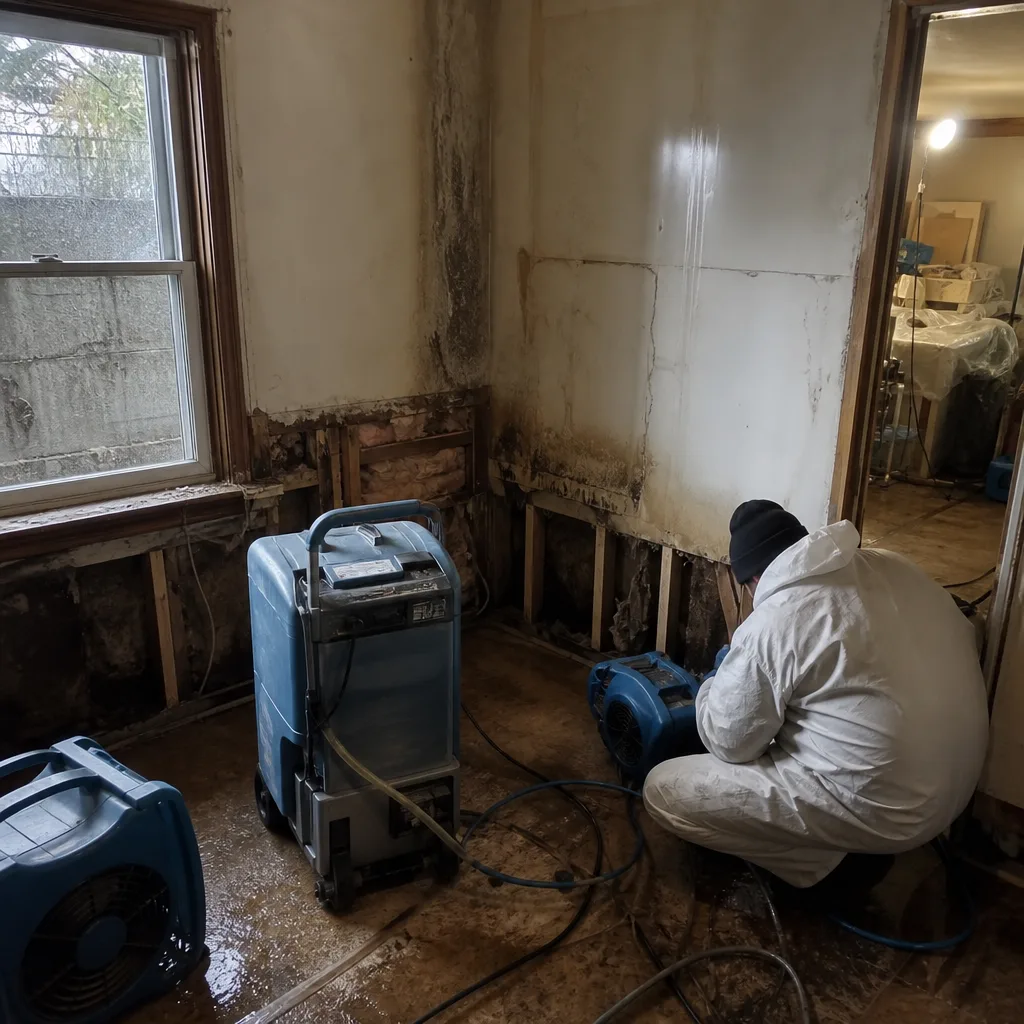 Before
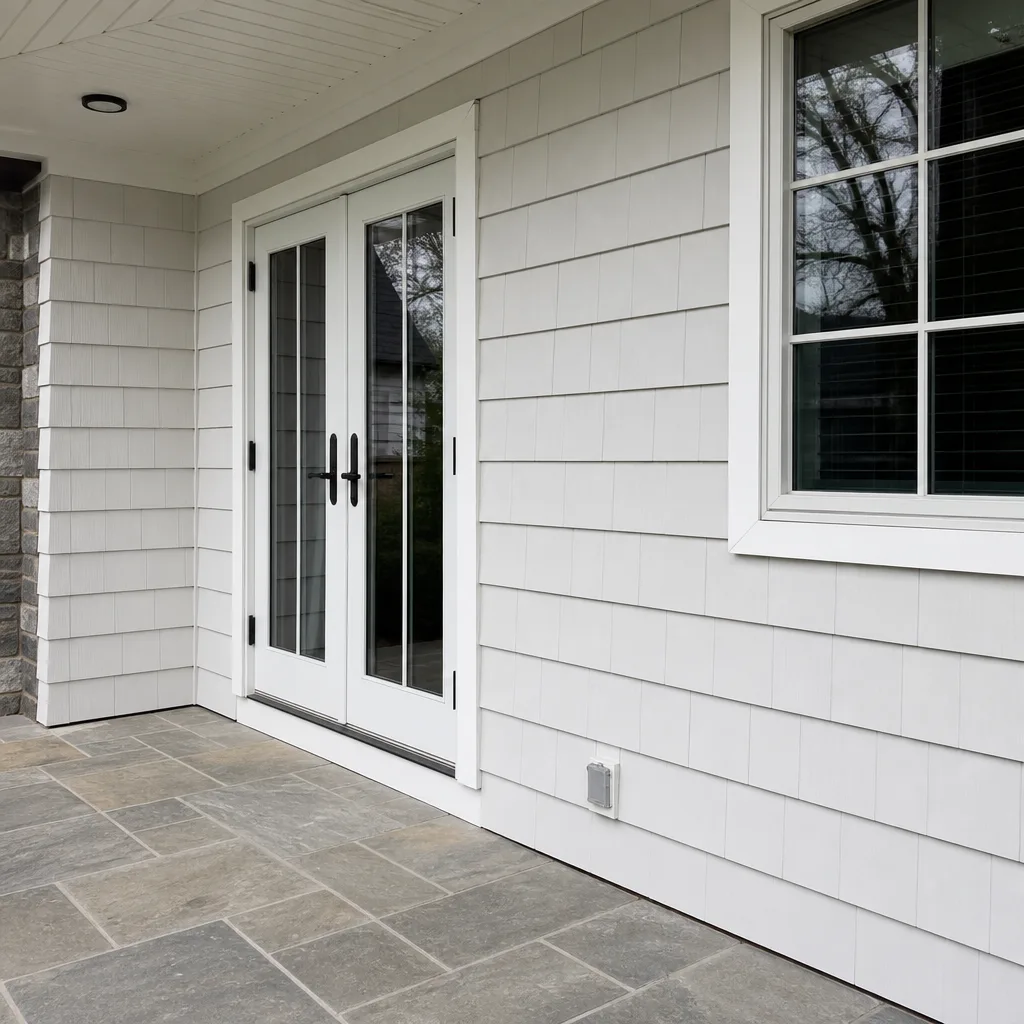 After
After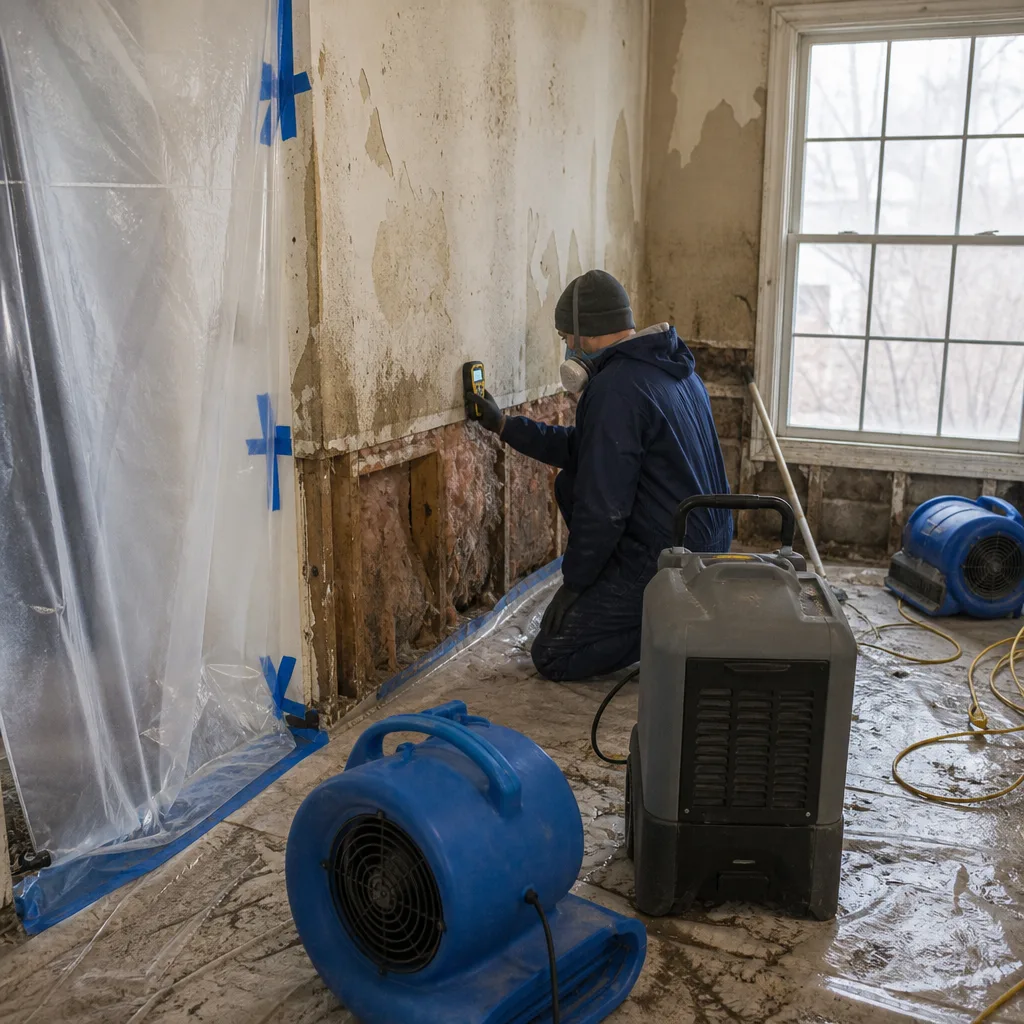 Before
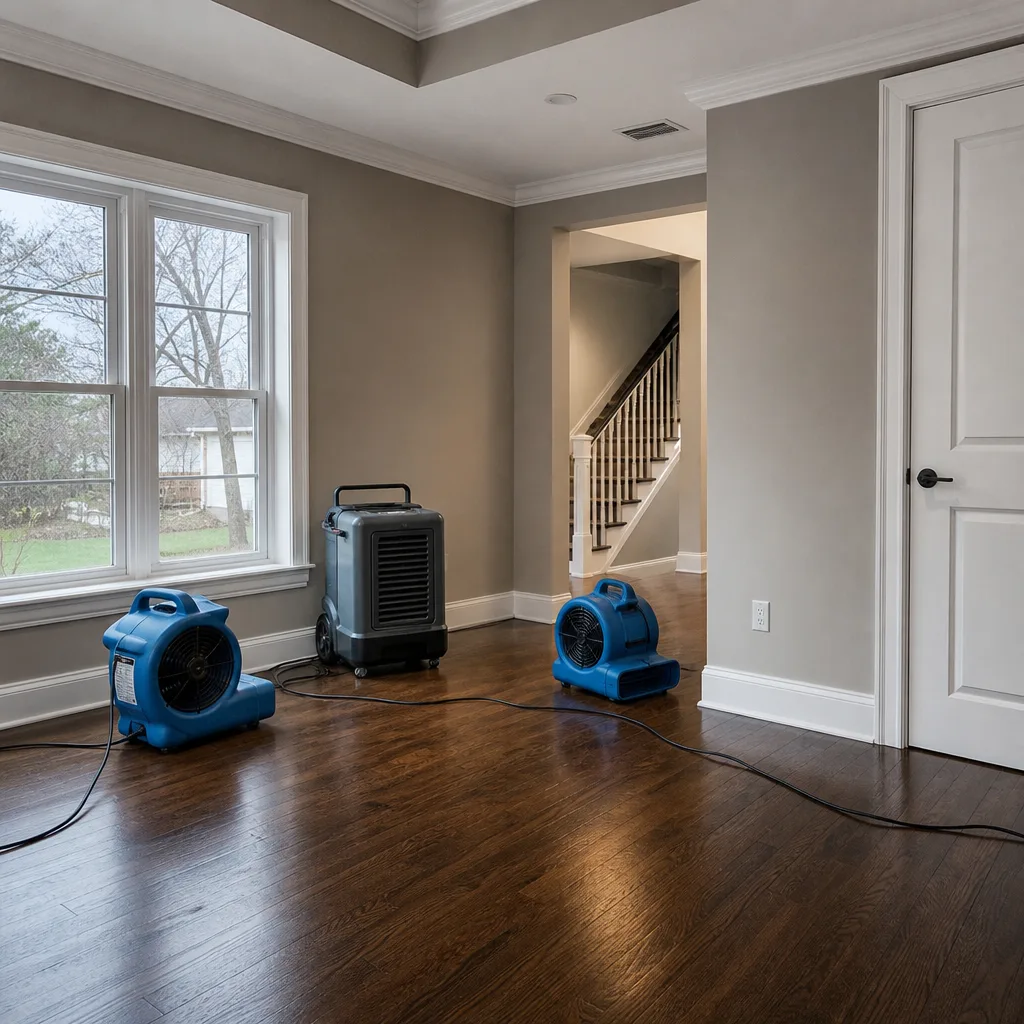 After
After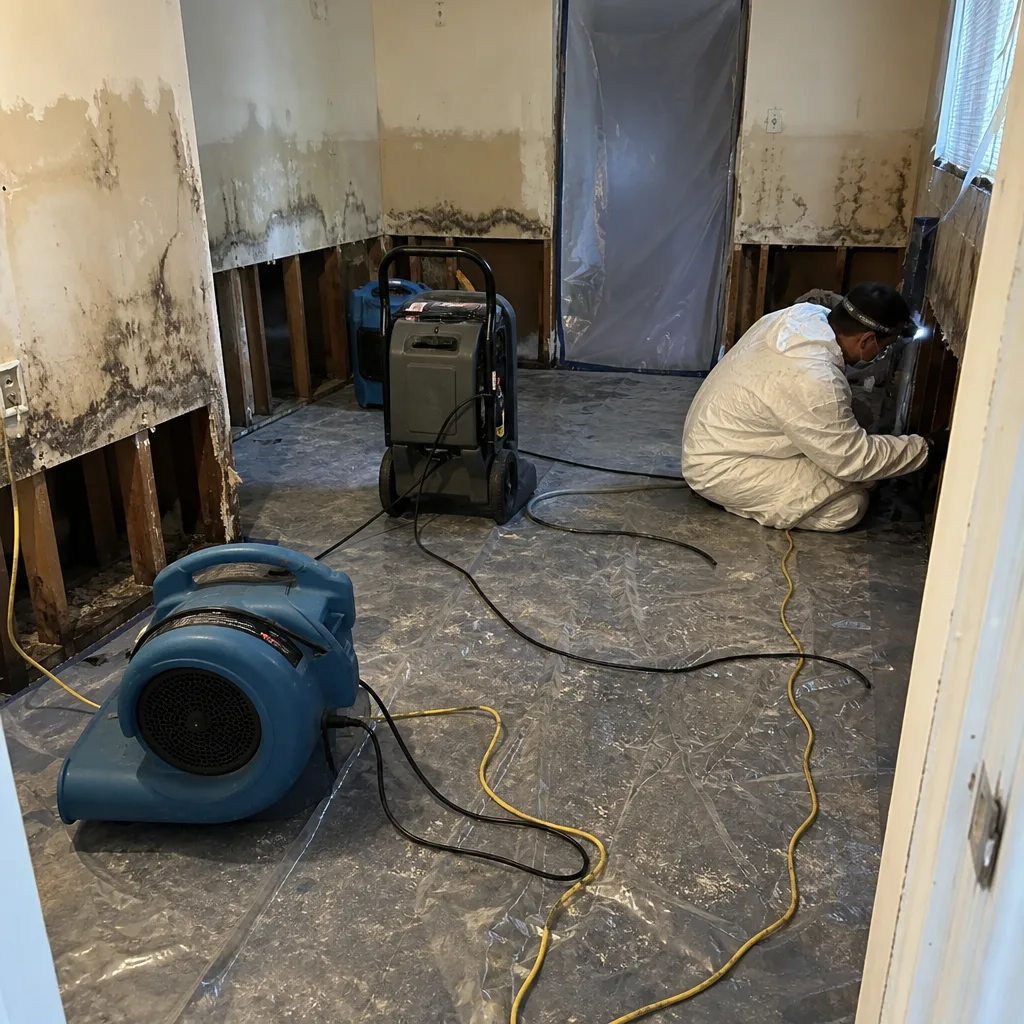 Before
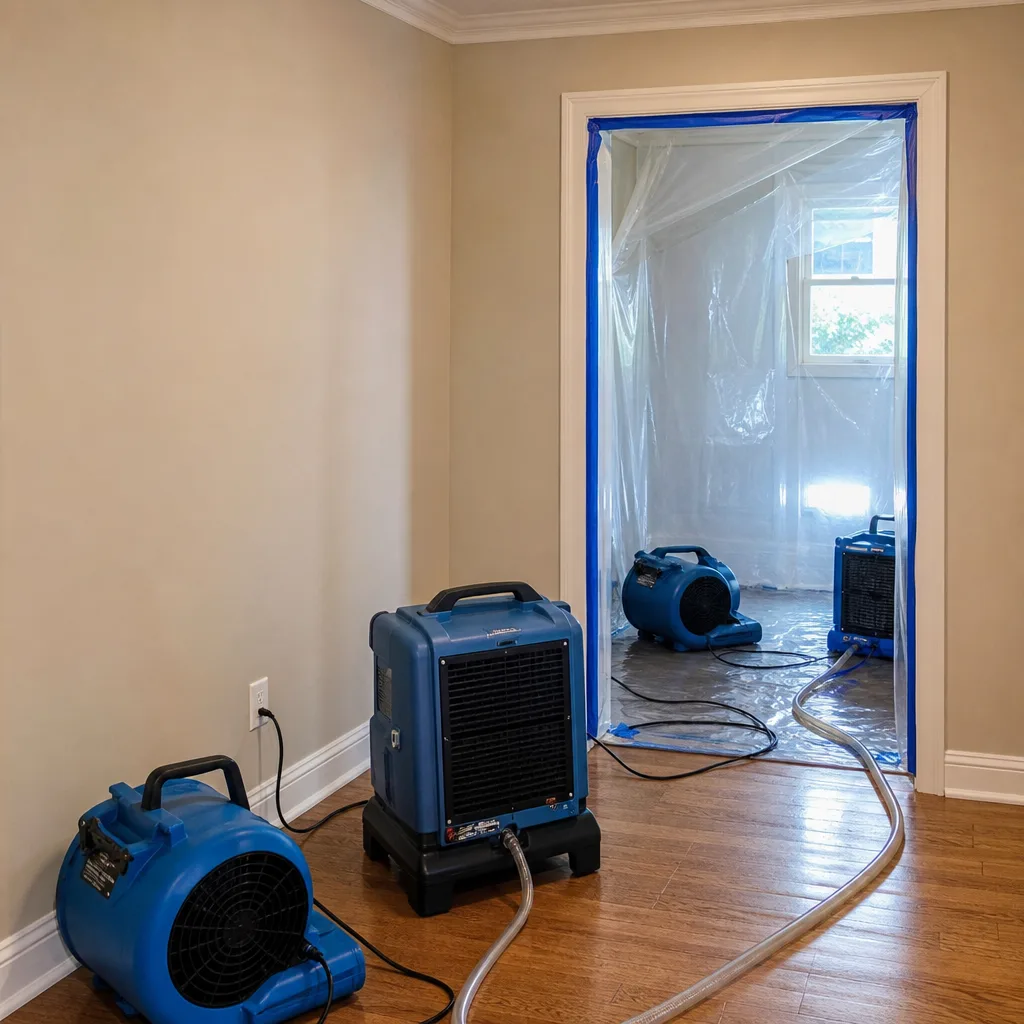 After
After24/7 Emergency Storm & Disaster Restoration in Sea Cliff
Storm damage in Sea Cliff doesn’t wait for regular business hours, and neither do we. A nor’easter tearing across Hempstead Harbor at 2 a.m., a tree limb through a slate roof on Prospect Avenue, water pouring through a failed Victorian window frame; when those calls come in, a live dispatcher answers. Not a recording. We dispatch certified crews into Sea Cliff within 45 minutes, and extraction equipment is running the same visit. Call (518) 873-4306 any hour, any day. The first hour after storm damage determines how much of your plaster, millwork, timber framing, and furniture can be saved. In Sea Cliff’s vintage housing stock, that first hour matters even more than in modern construction, because water in a balloon-framed wall doesn’t pool at the point of entry. It travels. Vertical. Fast. We get there before it reaches the next floor. Free visual inspection, every time.
Understanding Storm & Disaster Restoration Severity in Sea Cliff Properties
Sea Cliff’s housing stock changes the math on storm damage severity. Most of the village was built between the 1880s and 1920s: balloon-frame Victorians and Edwardians with horsehair plaster, old-growth timber, and no fire blocking between studs. When a storm breaches a roof or window, water enters an open vertical chase that runs from foundation to attic. Category 1 water from rain, clean at entry, can sit in a wall cavity for 48 hours and become Category 2 or 3 as it picks up decades of dust, plaster dust, and whatever else lives inside a century-old wall. Moisture mapping with thermal imaging is not optional in these homes. It’s the difference between finding a hidden column of saturation behind the parlor plaster or finding it three months later as rot and mold. We use hygrometers and multi-point moisture mapping on every affected wall, floor, and ceiling. Daily readings continue until the dry standard is met, not until the surface feels dry. In Sea Cliff’s bluff-top homes, humidity and salt air from the harbor complicate drying. Materials hold moisture longer. The standard of care has to be higher.
Why Sea Cliff Property Owners Choose Floodline Restoration Co.
- 45-minute response commitment. When a storm has opened your home to the weather, we treat Sea Cliff as our local dispatch zone. Crews leave immediately, not after a sales call.
- 24/7 live answer, always a person. You won’t get a phone tree at 3 a.m. You get a dispatcher who knows the Sea Cliff area and knows what questions to ask.
- IICRC-certified crews with the right certifications. Our water and storm technicians carry WRT and FSRT certifications, plus AMRT for mold scenarios. We don’t send general laborers to a Victorian restoration job.
- Free visual inspection with a written scope. Before any work starts, you get a clear, line-item scope in writing. No pressure, no open-ended authorization.
- Direct insurance billing. We bill your carrier directly and talk to your adjuster so you don’t have to translate moisture readings for anyone.
- One team from extraction to reconstruction. Floodline Restoration Co. was founded in 2010 by Curt Bowman around a simple idea: no mid-job handoffs. The crew that extracts the water is the crew that rebuilds the wall.
Our Storm & Disaster Restoration Process
Inspection & Assessment
We start with a full walkthrough and thermal imaging on every wall, floor, and ceiling adjacent to the water entry point. In Sea Cliff balloon-frame homes, we’re specifically looking for vertical moisture migration that surface readings miss.
Extraction & Stabilization
Standing water removed with truck-mounted extraction. Roof tarps installed where needed, board-up done same visit. We stabilize before we dry. In a harbor-side storm surge, this is where we address salt water contamination as well.
Drying & Dehumidification
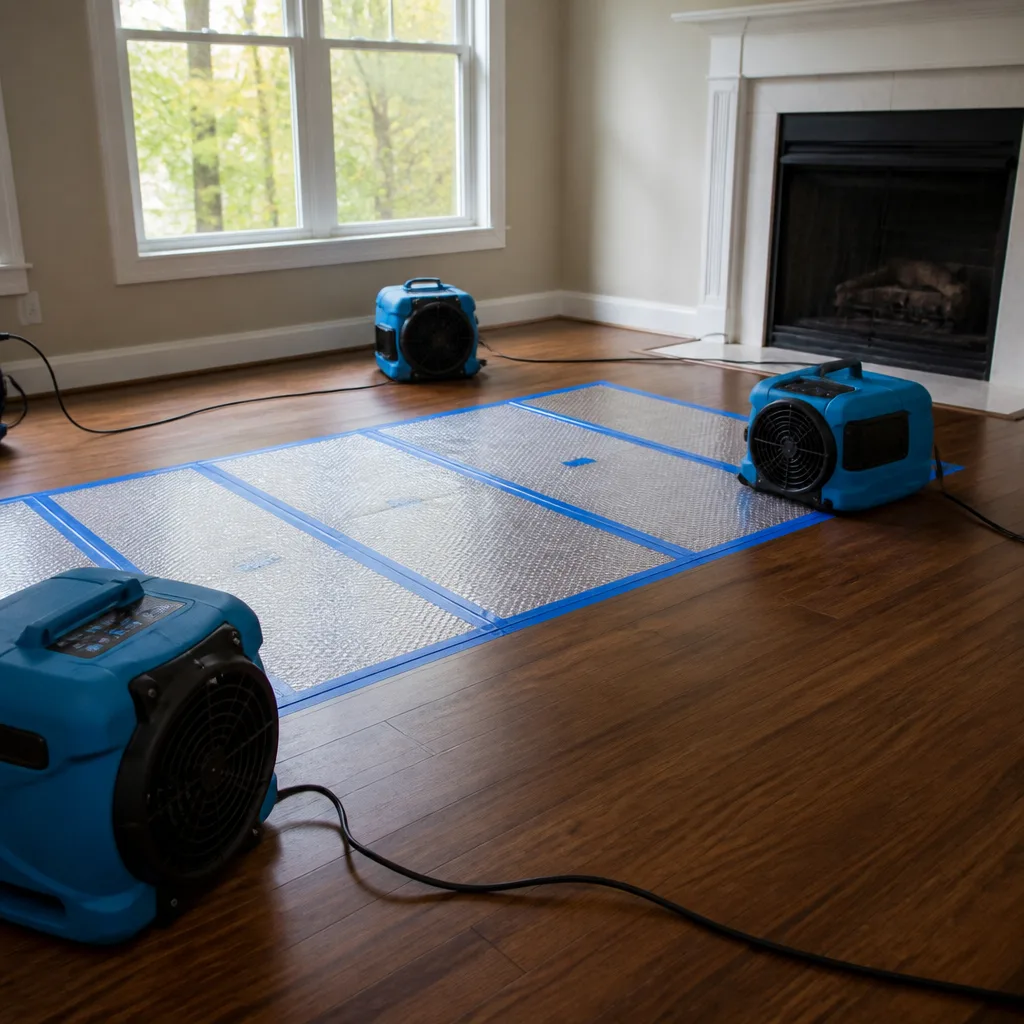
Dri-Eaz dehumidifiers, Phoenix air movers, and Injectidry floor drying mats handle the specific challenges of old-growth timber and original plaster. Slower, controlled drying is deliberate. Rapid-dry methods crack horsehair plaster and check old wood.
Cleaning & Sanitization
HEPA scrubbing removes soot, storm debris particulate, and mold spores. We clean what can be cleaned, especially antique millwork, painted trim, and doors that replacements could never match.
Historic Materials Treatment
This is the step big franchise crews skip. Original plaster is stabilized with plaster washers and careful patching. Old-growth trim and doors are packed out for off-site restoration when needed, then reinstalled. In Sea Cliff, this isn’t a luxury. It’s the job.
Repairs & Restoration
Once the dry standard is met, reconstruction begins. Same crew, same documentation, same 90-Day Done Right Promise. We stand behind it in writing. If it’s not done right, we make it right.
Need Emergency Storm & Disaster Restoration in Sea Cliff Now?
Crews minutes away, answering live 24 hours a day. The sooner we start, the less it costs.
Working With Your Insurance Company
Storm damage claims in Sea Cliff involve unique documentation challenges. The adjuster can’t see moisture inside a balloon-frame wall cavity. They see dry plaster and write a small check. We see thermal images showing a column of saturation running from your attic down to the parlor. That’s why our documentation starts in the first hour: photos of every affected room, moisture readings with dates and times, a daily drying log, and a line-item scope of work in insurance-industry format. We speak directly with your adjuster, provide everything they ask for, and bill your carrier directly. You’re not the messenger between us and the insurance company. Curt Bowman built Floodline around keeping the homeowner out of that fight. The paperwork is our job.
What We Provide Your Insurer
- Thorough documentation of the loss from hour one
- Photos of all damage, room by room
- Moisture readings and daily drying logs
- A detailed, line-item scope of work
- Direct coordination with your carrier
Built for Sea Cliff’s Loss Calendar
Sea Cliff takes its storm damage differently depending on the month. January and February bring deep freezes that burst supply lines in uninsulated Victorian exterior walls, water traveling down open stud bays before anyone notices. March and April bring nor’easters; the worst push moisture-laden wind up the bluff face and drive rain through 130-year-old wood-framed windows and decorative trim. That’s when we’re called to homes on Prospect Avenue and along the bluff, finding water in places nobody expected. Summer thunderstorms dump flash-flood volumes onto steep properties, and runoff concentrates against uphill foundations. Harbor-side streets face Long Island Sound surge and tidal flooding in late-summer and autumn storms. We keep equipment staged for the whole calendar because Sea Cliff’s risk isn’t seasonal. It rotates.
Storm & Disaster Restoration Across Sea Cliff’s Neighborhoods
The bluff-side streets near Central Avenue hold some of the village’s grandest Victorians, the ones with the widest porches and the most ornate trim; their storm exposure is front-facing, wind-driven rain against deteriorating window frames and porch roofs. Sea Cliff Avenue runs downhill toward the harbor, and homes below it catch storm runoff channeling down the hill, foundations getting the brunt of every heavy rain. The harbor-side properties near Sea Cliff Avenue’s lower end face tidal surge from Long Island Sound events, a different kind of water damage that requires salt-water-specific cleaning and deeper structural drying. Clifton Park and the streets around it sit further inland, where mature trees overhanging original slate and cedar roofs send limbs through during wind events. Roslyn Avenue and the streets branching off it include many of the smaller, early-1900s framed cottages; these are the ones where water damage from a modest roof leak spreads across a single floor quickly, hidden beneath wallpaper and linoleum that hides early staining. Our crews know each part of Sea Cliff’s geography because the water behaves differently in each one.
Specialized Storm & Disaster Restoration Services We Offer in Sea Cliff
Storm Damage Cleanup
Storm debris, downed limbs, broken glass, contaminated standing water; we clear it and stabilize the property. In Sea Cliff, cleanup often includes retrievable antique materials. We know which doors, windows, and trim pieces are worth drying and packing out versus replacing, and our Storm & Disaster Restoration team handles both sides of that decision honestly.
Flood Damage Restoration
Flood water in Sea Cliff comes from three sources: harbor surge, hill runoff, and interior pipe failures. Each requires different treatment. Harbor flood water is Category 3, potentially carrying sewage and salt. Hill runoff is usually Category 1 or 2 but heavily soiled. Burst pipe water in a balloon-frame wall needs vertical-travel mapping before anything else. We treat the specific water, not a generic template.
Emergency Board-Up
A broken window on Sea Cliff Avenue or a failed door after a storm can’t wait for normal hours. We board up same visit, using materials that protect the property without causing additional damage to original trim or masonry. Temporary closures are secured against weather and entry, never nailed into decorative woodwork where it matters.
Roof Tarping
Roof penetrations in Sea Cliff’s older homes often involve slate, cedar shake, or original standing-seam metal. The tarp has to hold against wind coming up the bluff face at 40 or 50 mph without pulling fasteners through century-old sheathing. We tarp properly: sealed edges, weighted, and inspected after the next wind event. A tarp is temporary. Done wrong, it becomes another interior flood.
Debris Removal
After high-wind events, Sea Cliff streets fill with downed limbs, damaged slate, and broken glass from window failures. We remove it, separating what’s structural from what’s cosmetic. If a fallen limb crushed porch railings or a detached carriage house, we document that for your claim before anything is hauled off. Photos, measurements, cause, scope.
What happens when you call
- 1
A real person answersNo phone trees - you reach a local pro.
- 2
You get an upfront price rangeHonest numbers before anyone is dispatched.
- 3
A background-checked tech heads outLicensed & insured, dispatched right away.
- 4
You approve before work beginsNothing starts until you say go.
Storm & Disaster Restoration Costs in Sea Cliff, NY
Storm damage restoration in Sea Cliff runs on a different curve than nearby towns. A typical emergency board-up runs $400 to $900 depending on openings and access. Roof tarping for a standard single-family Victorian runs $800 to $1,800, more for steep-slope slate roofs or multi-story access from a ladder truck. Flood water extraction and drying for a single floor starts around $3,500 to $6,500 when hidden wall-cavity moisture is included. Full storm restoration of a single room with plaster stabilization, drying, and millwork refinishing can reach $15,000 to $40,000 in high-end Sea Cliff Victorians. The biggest cost variable is whether original materials can be saved or must be rebuilt. We walk the site with you before a single dollar is committed, and the inspection is free. Our 90-Day Done Right Promise applies to every scope we write, so the number on the estimate is the number you hold us to.
We Also Serve Cities Near Sea Cliff
Our storm response crews cover the North Shore broadly. We regularly work with homeowners in Sea Cliff and neighboring Port Washington, Manhasset, Great Neck, and Little Neck. Different towns, different housing stock, same standard of documentation and care.
Serving Sea Cliff, NY - Our Local Coverage Area
We’re based in the Sea Cliff area and know this community well. Use the map below to see our service coverage - if you’re nearby, we can almost certainly help.
Sea Cliff Storm & Disaster Restoration Questions, Answered
How do you find water damage inside Sea Cliff’s balloon-framed walls when the plaster looks dry?
We don’t rely on surface checks. We use thermal imaging cameras that read temperature differences inside wall cavities, then confirm with penetrating moisture meters and multi-point readings taken every 12 to 24 inches vertically. In Sea Cliff’s balloon-framed Victorians, we specifically look for moisture moving between floors because open stud bays carry water three stories without touching the plaster face.
Should storm-damaged original plaster in a Sea Cliff Victorian be replaced or dried in place?
Dried in place whenever possible. Original horsehair plaster is strong when dry, but once torn out, it’s gone and so is the hand-troweled texture. We use slow, controlled drying with Dri-Eaz dehumidifiers and stabilize with plaster washers and careful patching. Replacement is only for plaster that is already detached or structurally failed. Most of what we see can be saved.
What’s the right approach when a nor’easter drives rain through old wooden windows on the bluff?
First, stop the water: tarp or temporary closure. Second, map the moisture because wind-driven rain through a window frame on the bluff side usually travels into the wall cavity below the sill. Third, dry in place with controlled equipment rather than opening the wall. On Sea Cliff’s bluff homes, we see this pattern repeatedly. The windows themselves often need reglazing and epoxy repair, but that comes after the drying, not before.
Can antique millwork and doors survive a hurricane flood in Sea Cliff?
Yes, in most cases. Old-growth wood is denser and more water-tolerant than modern fast-grown pine. The key is getting the material into controlled drying quickly. We use Injectidry floor mats on soaked wood floors and pack out doors, trim, and mantels for off-site restoration when needed. Waiting a week before starting is what kills antique wood. Call us the day you see water.
How does Sea Cliff’s steep topography affect storm water damage?
Homes on the uphill side of Sea Cliff’s bluff catch the runoff from everything above them. Heavy rain channels toward uphill foundations and enters through old fieldstone or brick openings that weren’t waterproofed a century ago. Lower harbor-side homes face the opposite problem: tidal surge coming up from Hempstead Harbor. We factor the property’s position into every moisture map and drying plan.
How fast can someone actually get here?
We commit to 45 minutes for emergency calls in Sea Cliff. That’s the time from the call ending to a certified crew arriving at your door. Board-up and extraction start the same visit. Call (518) 873-4306. Live dispatching, around the clock.
What should I do in the first 30 minutes after storm damage?
Move valuables up and out of water, take photos, and call us. Don’t run electrical appliances near wet areas. Don’t try to dry wall cavities yourself. The first hour of controlled response saves thousands on a Sea Cliff repair. A live person answers at (518) 873-4306 and walks you through the immediate steps.
Who deals with my adjuster?
We do. Floodline Restoration Co. has billed carriers directly since Curt Bowman founded the company in 2010. We provide your adjuster with moisture logs, thermal images, and a line-item scope they can actually read. You focus on your home. We handle the paperwork.
Storm damage in Sea Cliff is never just about water. It’s about a house that stood through a hundred storms before and should stand through a hundred more. Call (518) 873-4306 for a free estimate and a straight answer. We start at the floodline and finish the rebuild. Done right, and backed in writing.
Written by Curt Bowman, Owner at Floodline Restoration Co., serving Sea Cliff and the North Shore since 2010.