

Free visual inspection and a written scope of work before any mitigation begins - photos, moisture readings, and drying logs go in your claim file
The scope we write is the scope we bill. Anything new gets shown to you, in writing, before we touch it.
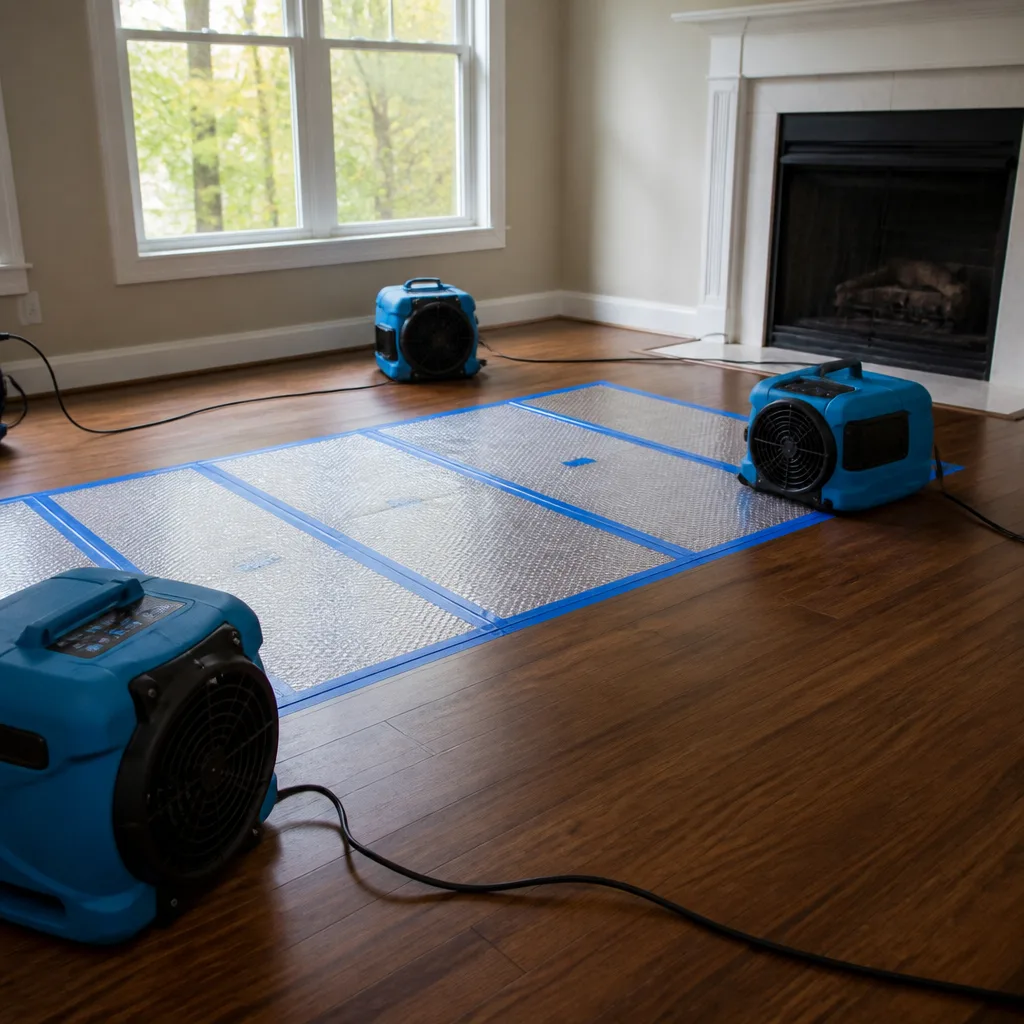
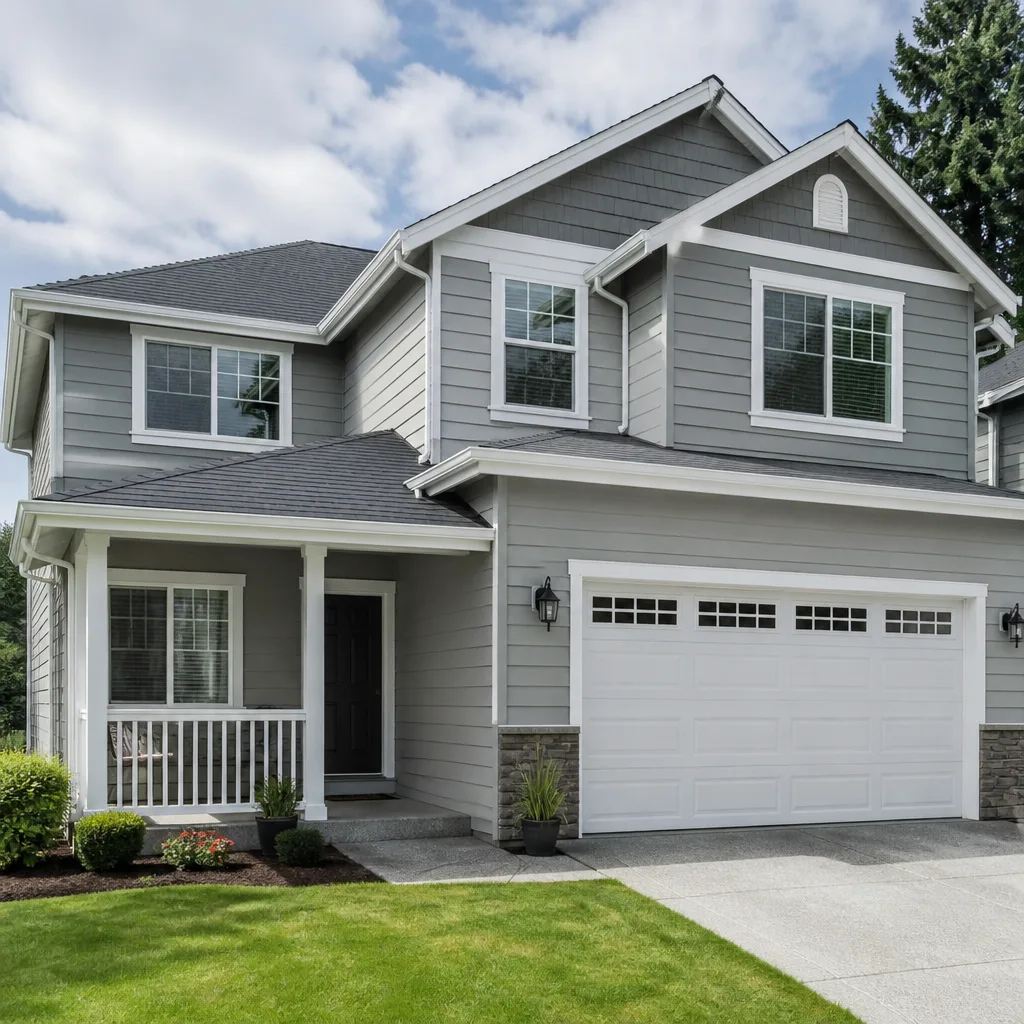
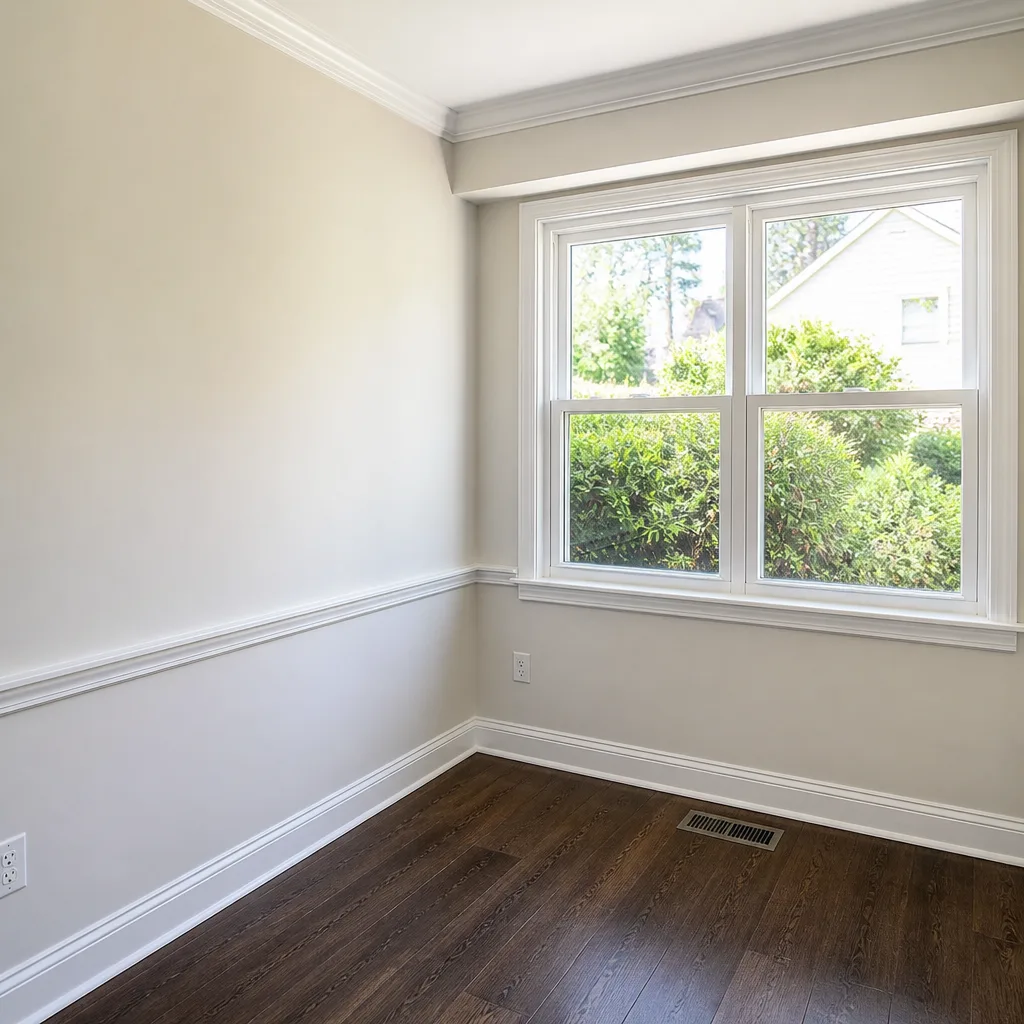
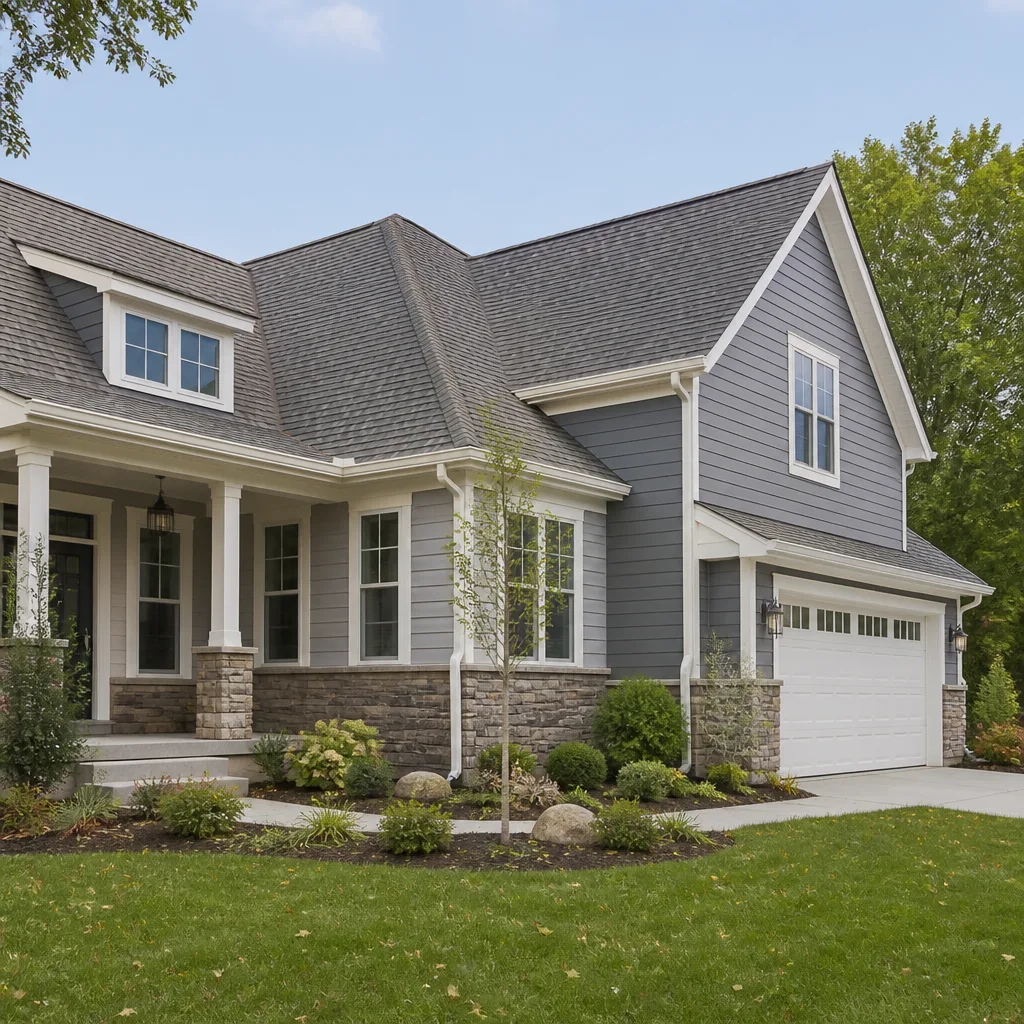
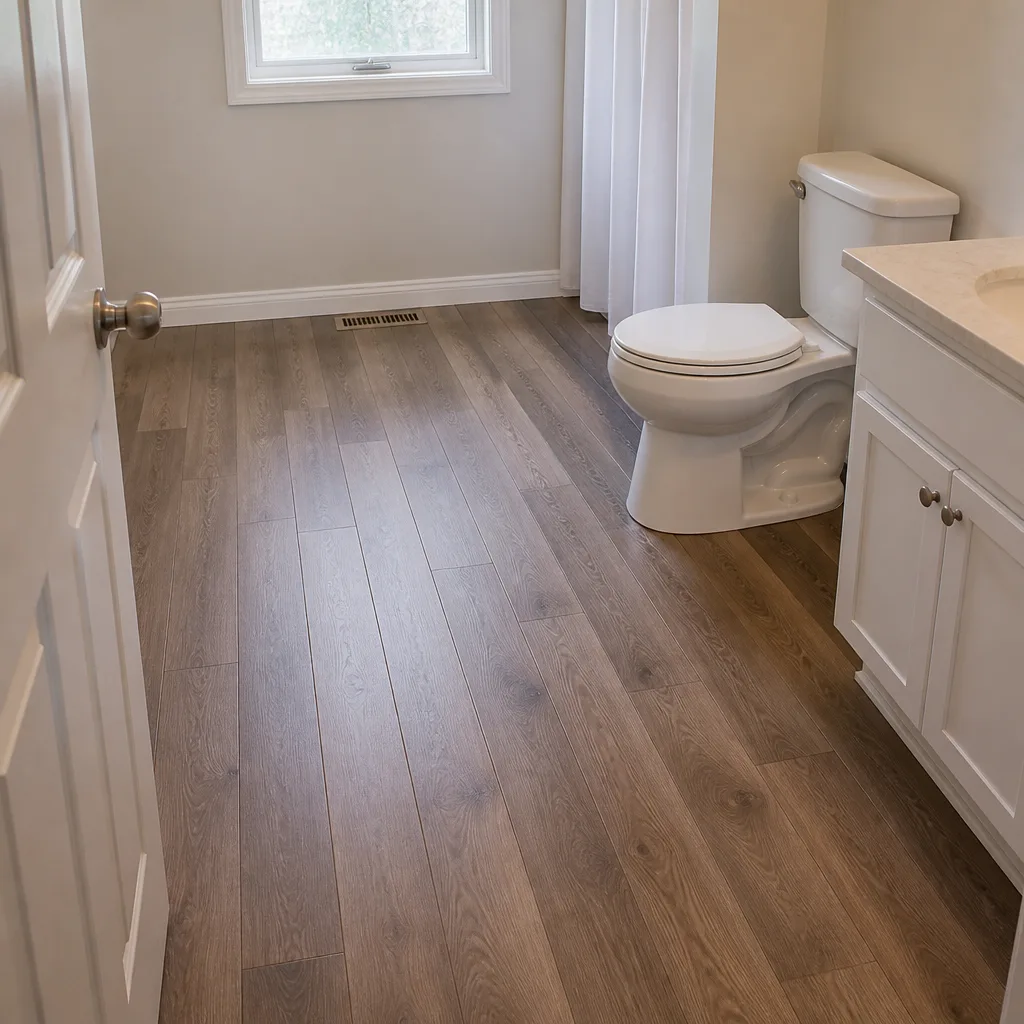
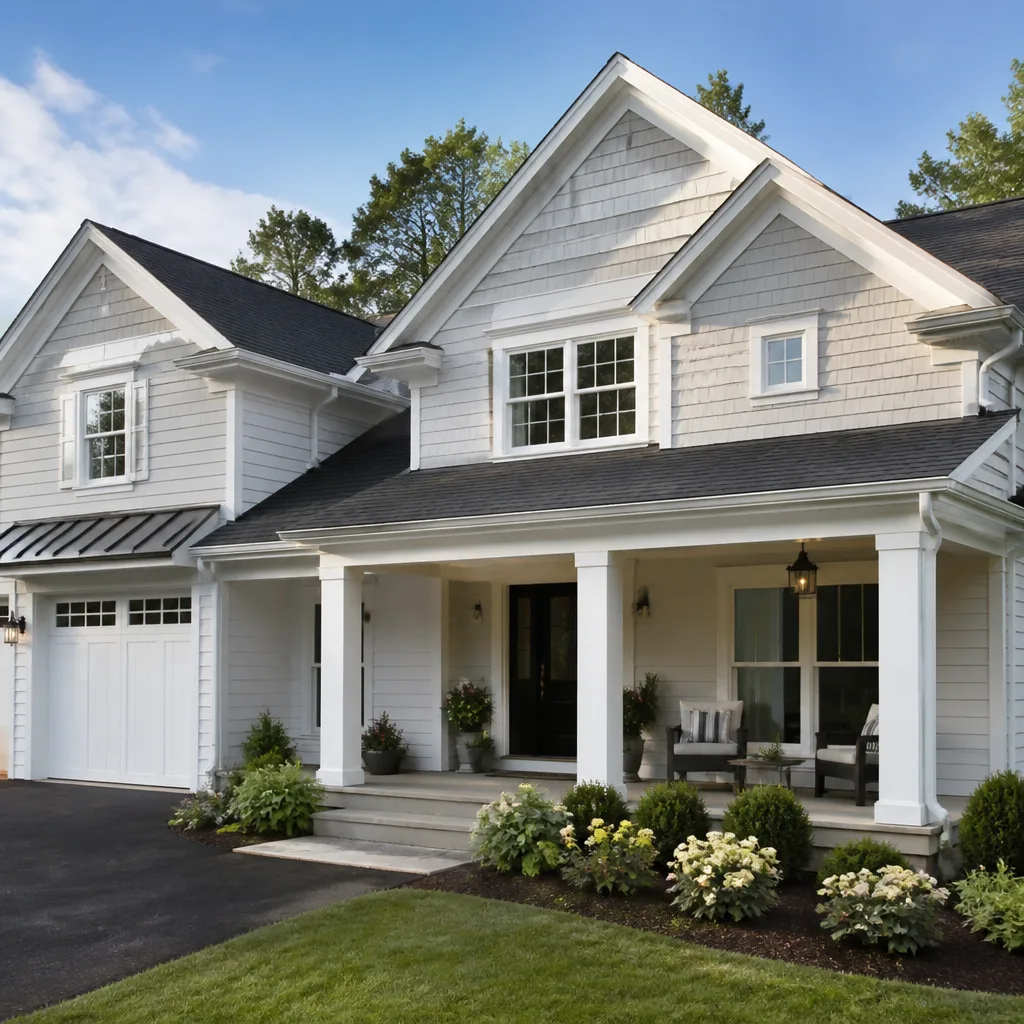
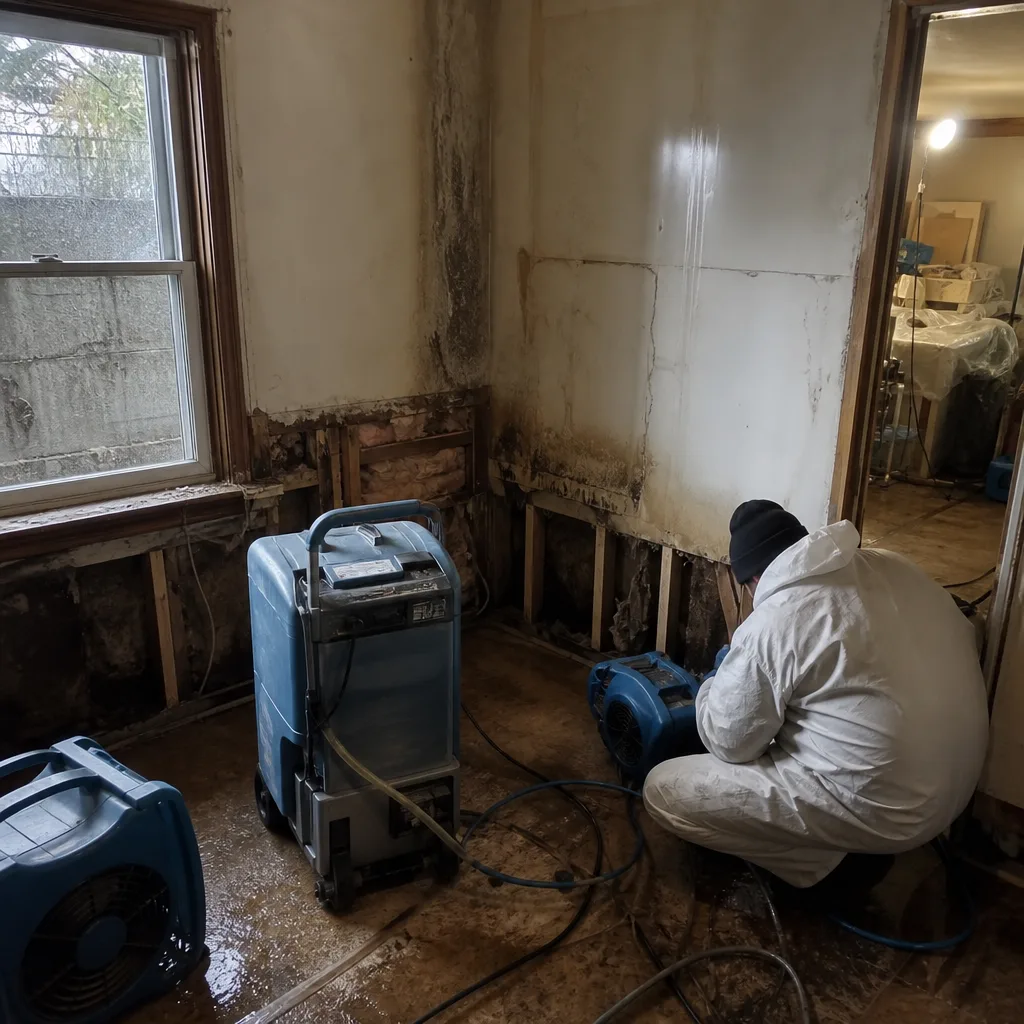 Before
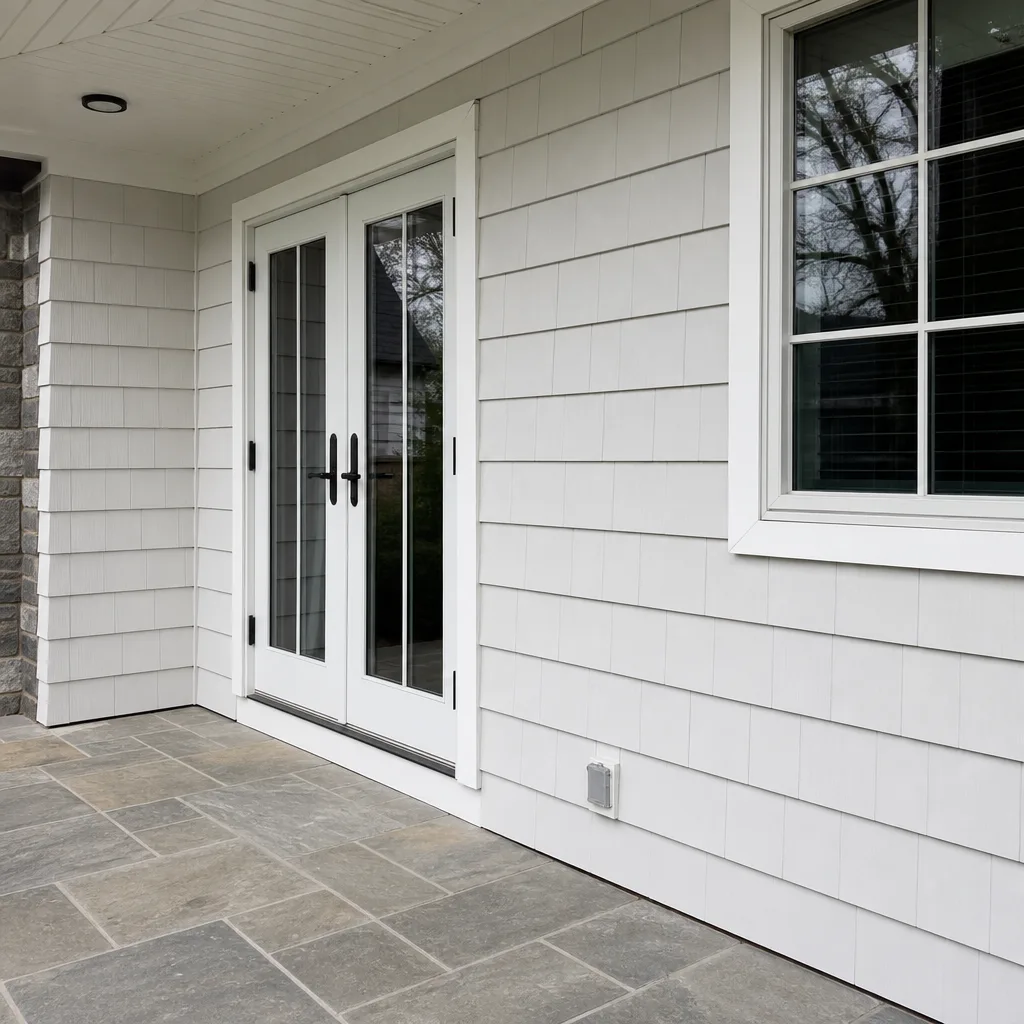 After
After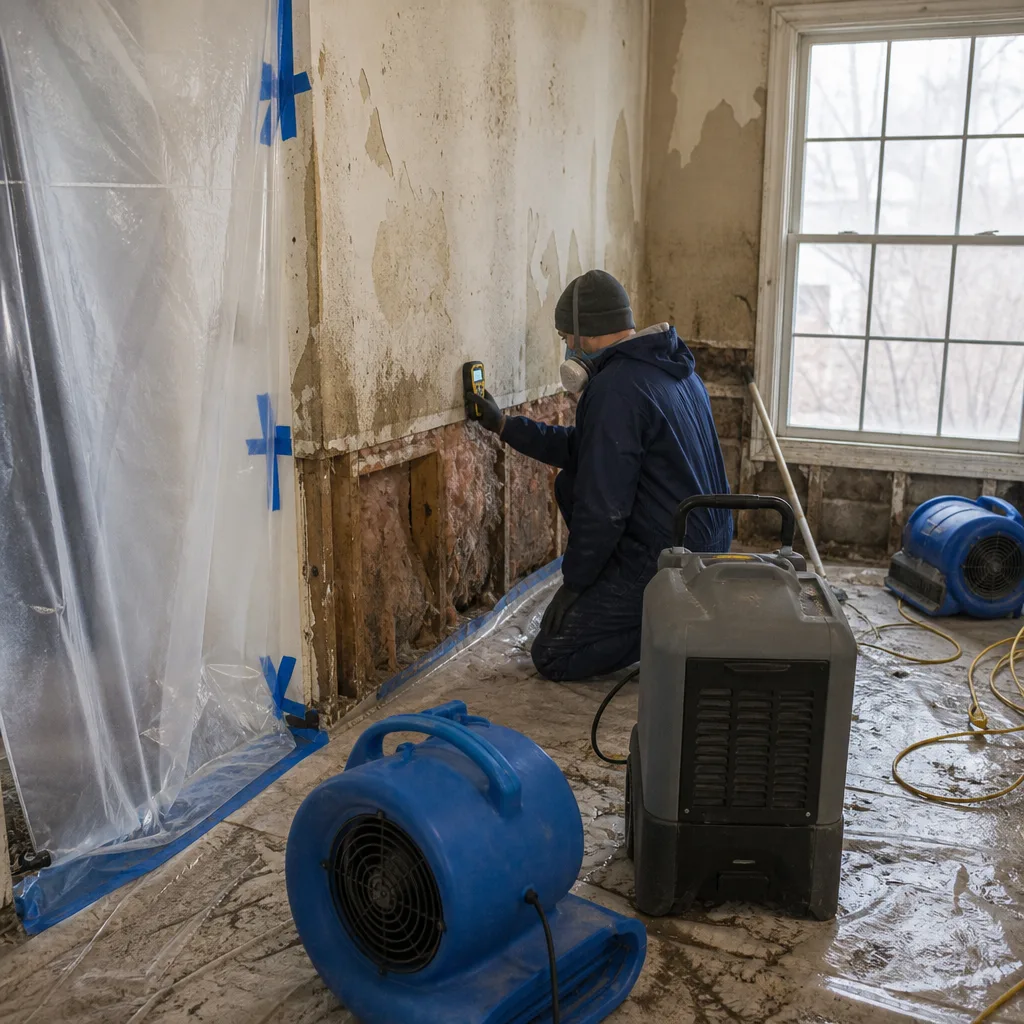 Before
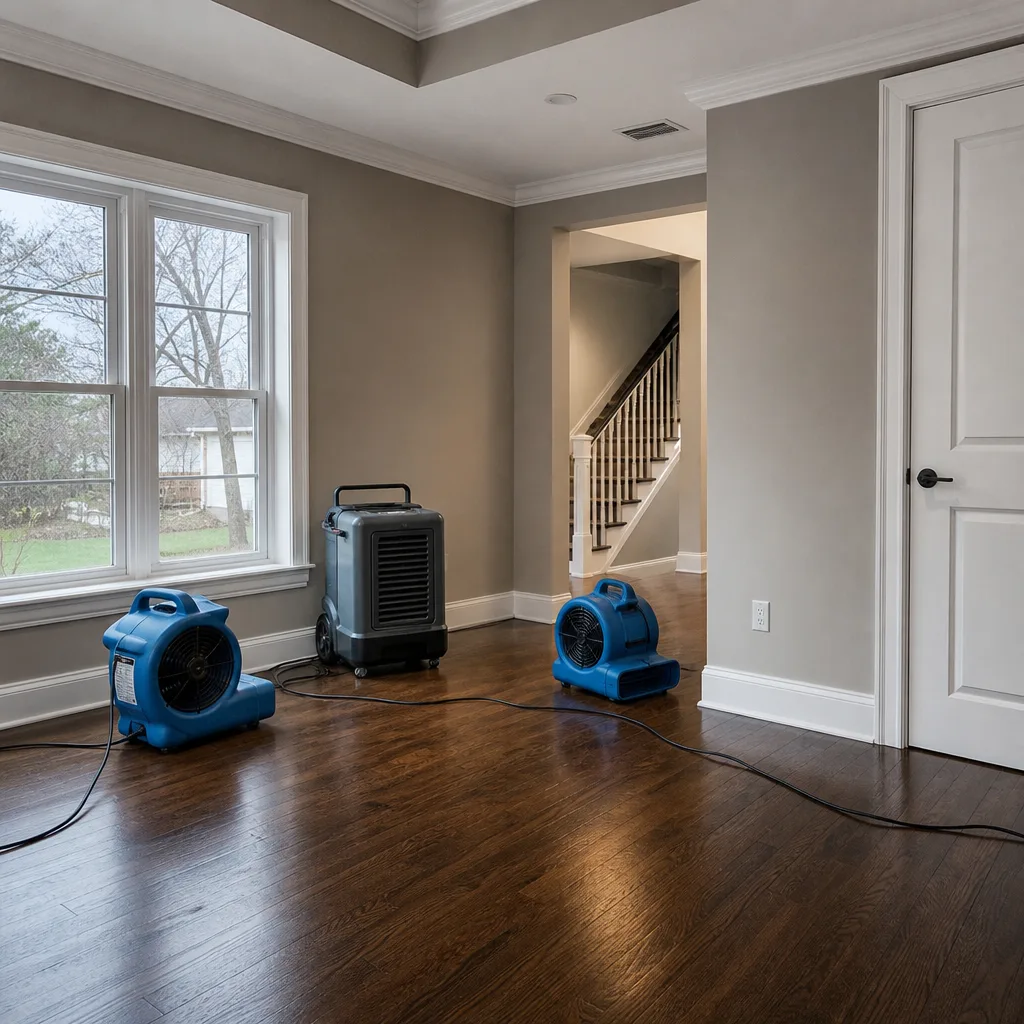 After
After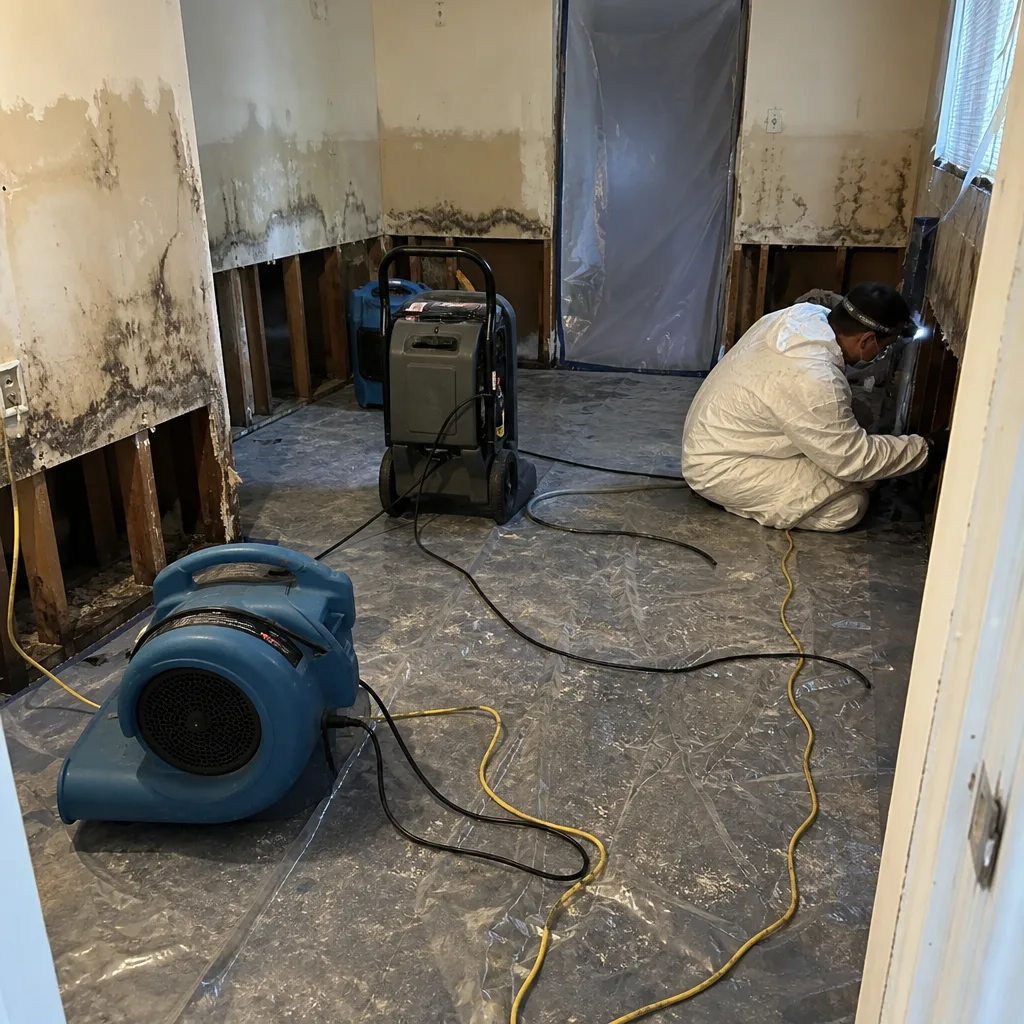 Before
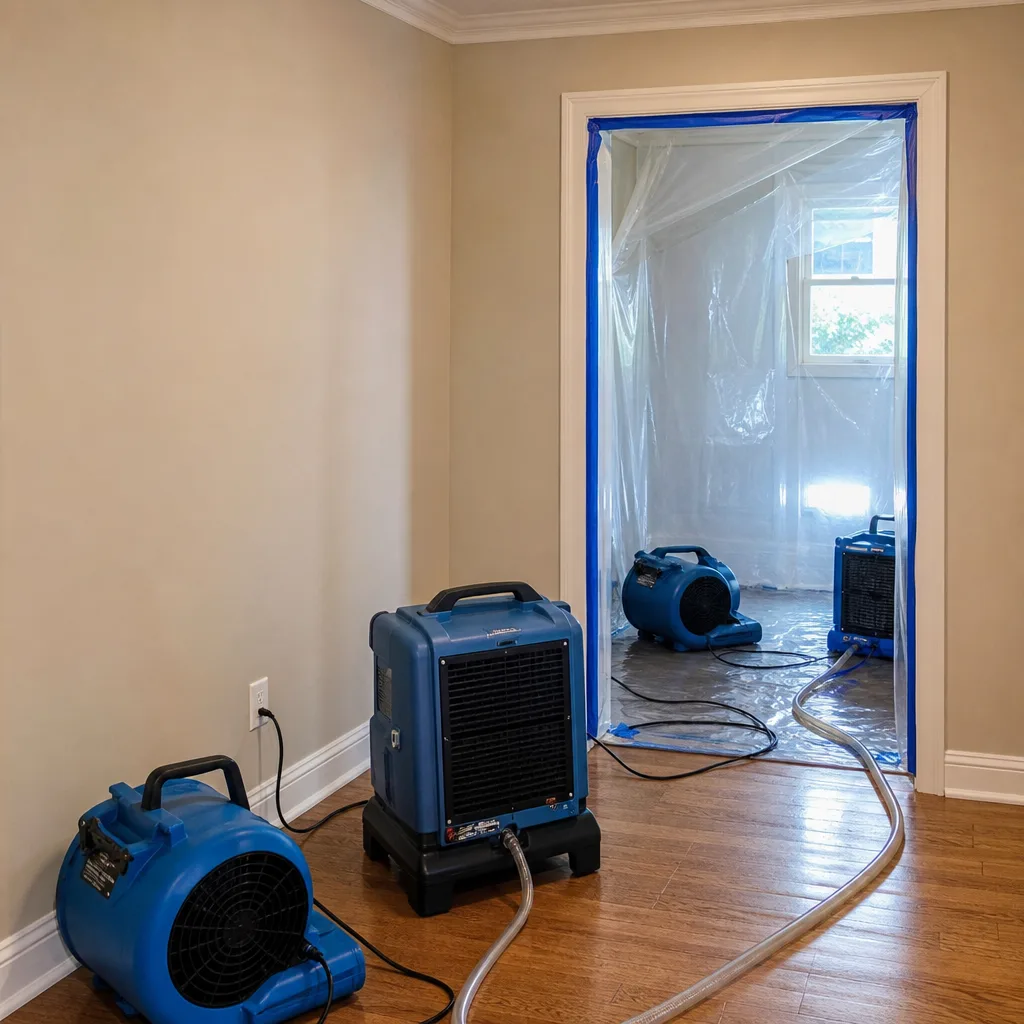 After
After24/7 Emergency Sewage Cleanup in Sea Cliff
Sewage cleanup in Sea Cliff typically runs $1,800 to $6,500 for a standard residential backup, depending on how far the Category 3 water has traveled through your home’s wall cavities and flooring. Our crews reach Sea Cliff properties around the clock and start extraction the same visit, because raw sewage keeps moving through a balloon-framed Victorian long after the visible spill is contained. Call (518) 873-4306 and a live dispatcher answers, not a recording. We’ll send a certified crew from our New York City office, and we’ll be there when we say.
Understanding Sewage Cleanup Severity in Sea Cliff Properties
Not all water damage is the same. Sewage is Category 3 water: it carries bacteria, viruses, and parasites from human waste, and it requires containment, antimicrobial treatment, and controlled disposal of saturated materials. In Sea Cliff, severity climbs faster than in neighboring towns because most homes predate modern platform framing. These Victorians and Edwardians were built balloon-frame, meaning wall studs run continuous from foundation sill to attic, with no fire stops or horizontal blocking between floors. A sewage backup that begins in a basement floor drain can travel upward through those open channels and surface behind second-floor plaster without ever showing a stain on the first floor. That changes the entire remediation scope. Our technicians use thermal imaging and multi-point moisture mapping on every affected wall, not just the obvious wet spots, because what you can’t see in a Sea Cliff house is usually the bigger half of the problem.
Why Sea Cliff Property Owners Choose Floodline Restoration Co.
- Fast local response: A live dispatcher answers at 2 a.m., and our Sea Cliff-area crew is typically on site within 45 minutes of your call.
- IICRC-certified technicians: Our crews hold IICRC WRT and FSRT certifications, and we train to RIA and IFA standards. Background-checked and uniformed, every visit.
- Free visual inspection: We assess the damage, trace the contamination path, and give you a written scope before any work begins. No pressure, no overselling.
- Direct insurance billing: We document everything from the first hour, communicate with your adjuster directly, and bill your carrier so you don’t act as the middleman.
- One crew, start to finish: From the first extraction to the finished rebuild, the same certified team handles it. No mid-job handoff to a subcontractor you never vetted.
- 90-Day Done Right Promise: Every job is backed in writing. If it’s not done right, we make it right. No arguing, no paperwork battles.
Our Sewage Cleanup Process
Inspection & Assessment
We start with a full walkthrough using thermal imaging and moisture meters. In Sea Cliff’s balloon-frame homes, we trace contamination vertically through wall cavities, not just across floors. You get a written scope and a firm price before anyone starts cutting.
Extraction & Stabilization
We pump out standing black water using truck-mounted extraction units and XPOWER submersible pumps. Affected drywall, horsehair plaster, and saturated flooring are removed under containment so sewage aerosols don’t spread through the house.
Drying & Dehumidification
Dri-Eaz dehumidifiers and Phoenix air movers create structural drying conditions. We run daily moisture readings on old-growth timber studs, which dry slower than modern lumber and need monitored drying, not guesswork.
Cleaning & Sanitization
Hard surfaces are cleaned with EPA-registered antimicrobials. We use HEPA air scrubbers to pull airborne contaminants from the air during the entire process, and we treat framing members that remain in place.
Crawl Space & Cavity Treatment
Sea Cliff’s hillside crawl spaces trap sewage-contaminated groundwater after backups. We remove contaminated soil, sanitize foundation walls, and install moisture barriers where the terrain demands it.
Repairs & Restoration
After the structure is dry and clean, we rebuild what was removed. We match original millwork where possible, stabilize historic plaster when it can be saved, and document every step for your insurer.
Need Emergency Sewage Cleanup in Sea Cliff Now?
Crews minutes away, answering live 24 hours a day. The sooner we start, the less it costs.
Working With Your Insurance Company
Sewage backups are covered under most Sea Cliff homeowners policies, but the claim process rewards documentation. Our team photographs every affected area before demolition begins, logs moisture readings daily, and produces a line-item scope your adjuster can review without follow-up calls. We talk to the carrier directly, so you’re not relaying messages between three parties while your house sits open. If your policy has a water backup endorsement, we help you understand what it covers and what it doesn’t. Most Sea Cliff homeowners pay their deductible and never see another bill from us; direct insurance billing is standard on every job we run.
What We Provide Your Insurer
- Thorough documentation of the loss
- Photos of all damage, room by room
- Moisture readings and drying logs
- A detailed, line-item scope of work
- Direct coordination with your carrier
Built for Sea Cliff’s Loss Calendar
Sea Cliff’s sewage losses follow a seasonal rhythm we’ve learned to anticipate. Winter brings freezing temperatures that crack aging cast-iron drain lines and clay sewer laterals, especially in the hillside homes above Hempstead Harbor where frost drives deeper into exposed foundation walls. Spring thaw swells groundwater along steep streets like Prospect Avenue and Littleworth Lane, pushing saturated soil against century-old foundations and backing flow into basement floor drains. Summer thunderstorms overwhelm the village’s older storm drains, and in a combined-sewer system that sends sudden surges of runoff and sewage back through basement fixtures in lower harbor-side homes. Fall nor’easters drive moisture-laden wind up the bluff face, saturating wooden window frames and trim, which feeds hidden rot and gives sewage gases a path into living spaces. We plan for these patterns, which is why our crews carry equipment suited to old-house cavities, not just modern drywall.
Sewage Cleanup Across Sea Cliff’s Neighborhoods
Sea Cliff’s hillside streets create distinct loss patterns. Along Sea Cliff Avenue, the Queen Annes and colonials near the top of the bluff sit on bedrock-heavy soil that sends groundwater downhill fast, often carrying sewage contamination into lower crawl spaces after a lateral failure. Down near Hempstead Harbor, the homes along The Boulevard and Prospect Avenue face storm surge and tidal pressure that can force harbor water mixed with sewage into basements during major coastal events. Throughout the central village, the tightly packed Victorians between Carpenter and Ransom Avenues share aging terracotta sewer laterals, and a blockage in one line can push backflow through several neighboring homes in the same afternoon. In the hillside neighborhoods above St. Gabriel’s Church, steep driveways and retaining walls funnel storm runoff directly at foundation drains, which then carry Category 3 water into lower-level laundry rooms and storage spaces. Knowing these blocks by name means we arrive already familiar with the likely path of contamination, not discovering it for the first time inside your walls.
Specialized Sewage Cleanup Services We Offer in Sea Cliff
Sewage Backup Cleanup
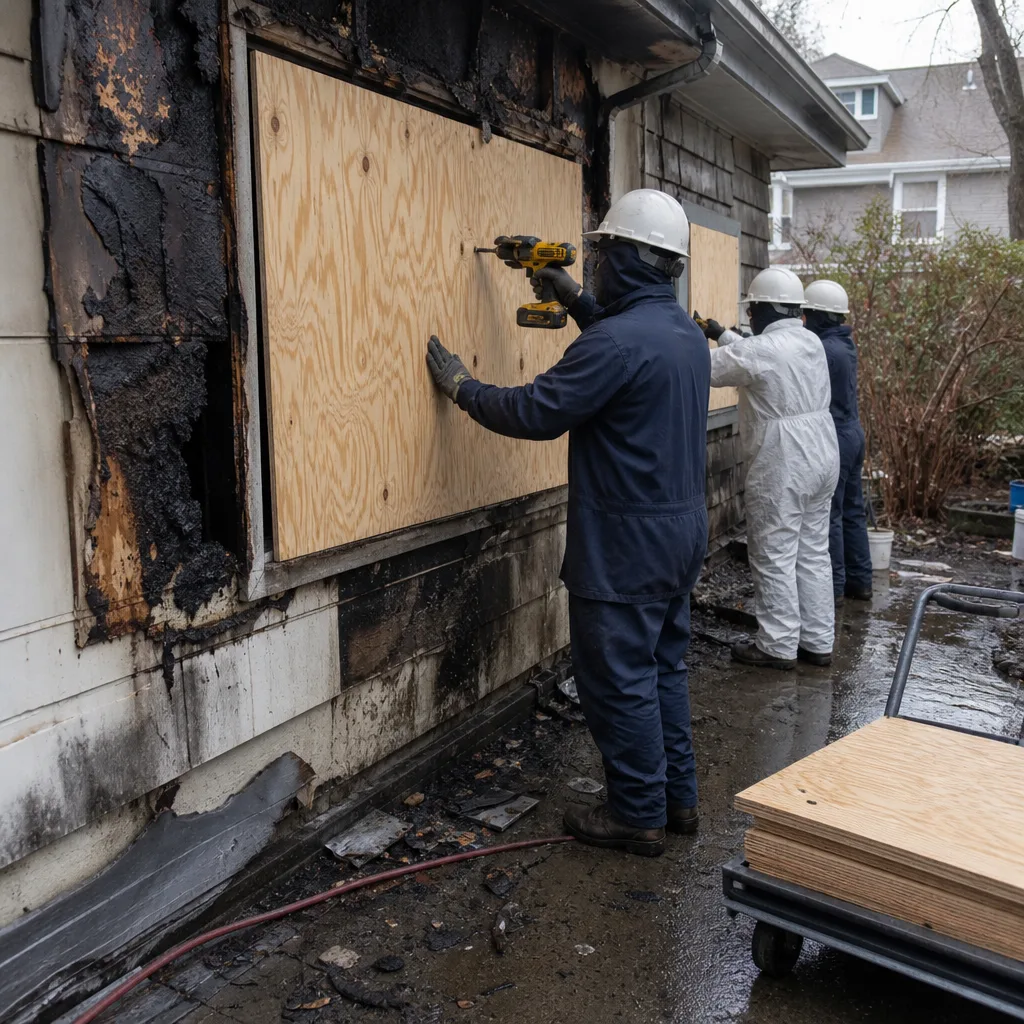
When a main line backs up into a Sea Cliff basement, the immediate concern is the visible water. The bigger concern is where it went that you can’t see. We extract, contain, and trace the full contamination path through your home’s wall cavities and flooring, not just the puddle on the floor.
Toilet Overflow Cleanup
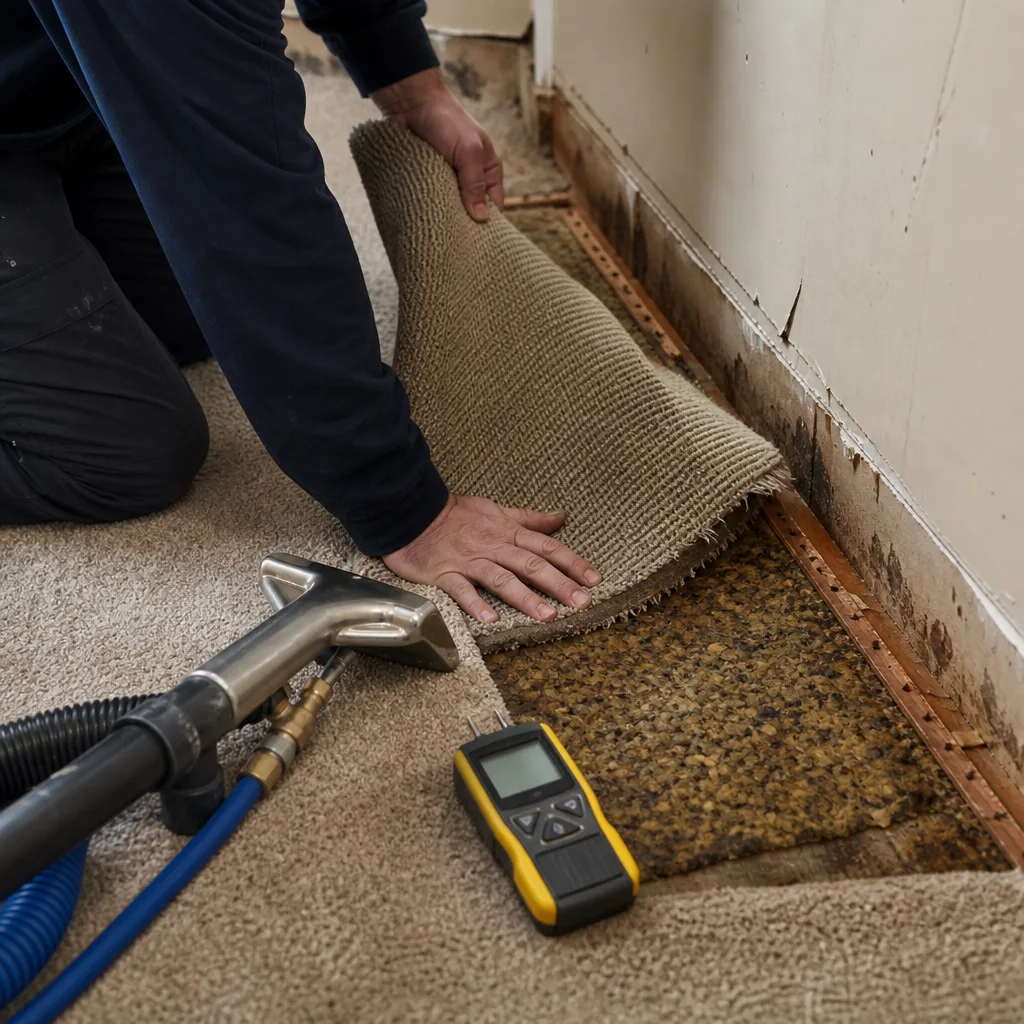
Toilet overflows on the second floor of a Sea Cliff Victorian don’t stay on the second floor. The water finds its way down through the ceiling, into wall cavities, and often resurfaces in the kitchen below. We open only what needs opening, dry what can be dried, and replace what cannot be saved.
Septic Failure Cleanup
Sea Cliff homes on septic systems, particularly in the more rural edges near the village line, face a different failure mode: tank overflow, drain field saturation, or a failed distribution box pushing effluent back toward the house. We extract, sanitize, and coordinate with your septic contractor so the cleanup and the repair happen in the right order.
Black Water Extraction
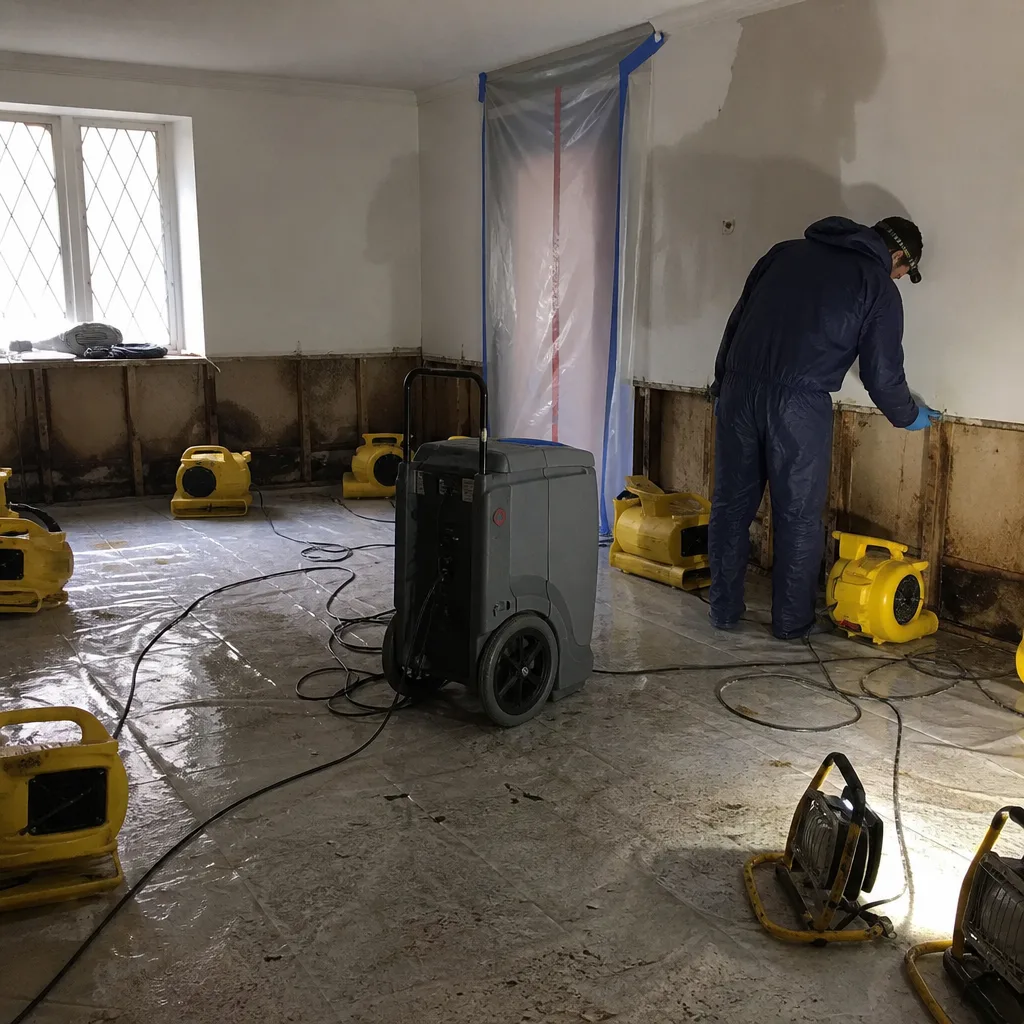
Black water is Category 3 water carrying fecal matter and pathogens. Extraction requires full containment, proper PPE, and controlled disposal. Our crews pump it out with professional-grade equipment and begin antimicrobial treatment immediately, because in Sea Cliff’s warm, humid summer months, bacteria multiplies fast inside wall cavities.
Sanitization & Disinfection
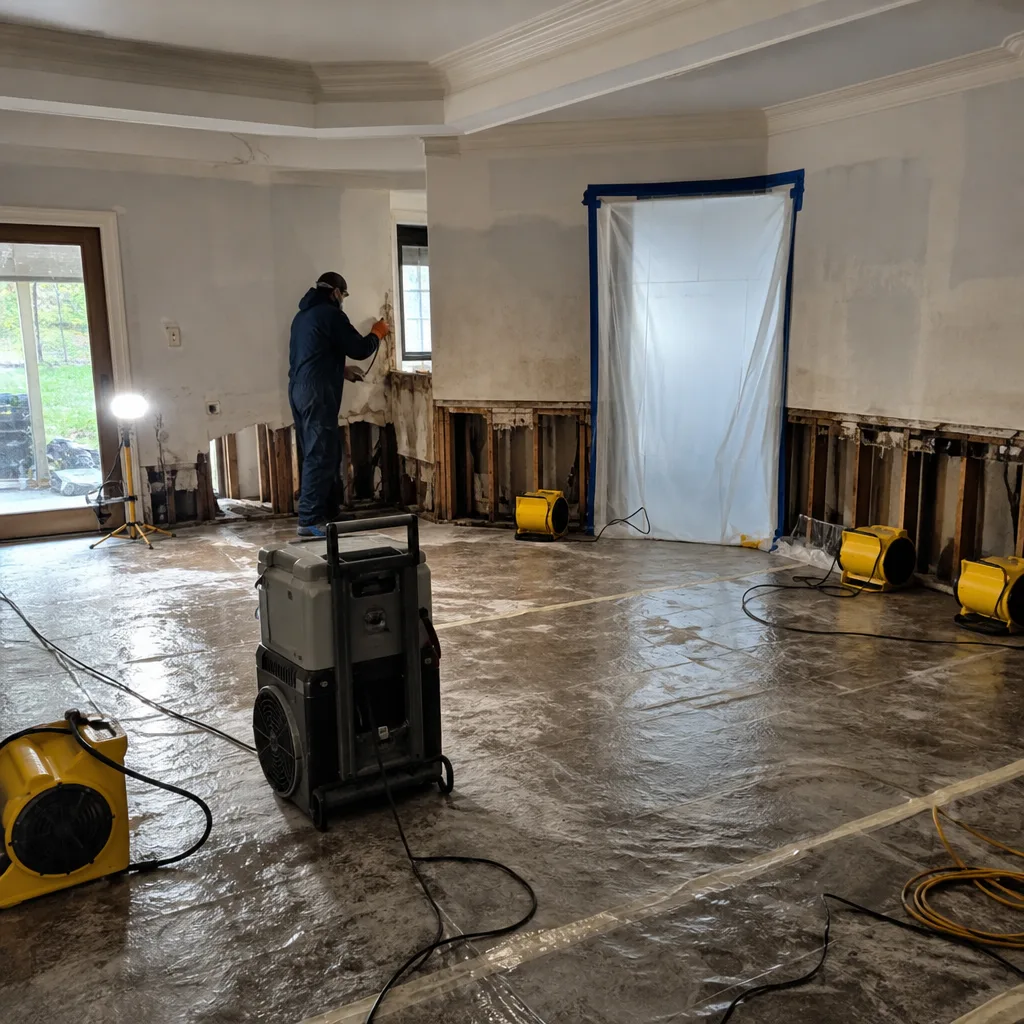
After extraction and demolition, every affected surface is treated with EPA-registered antimicrobials. We treat original framing in place wherever structurally sound, and we run HEPA air scrubbers throughout the job to capture airborne contaminants. Documentation of every treatment goes to your insurer as part of the claim file.
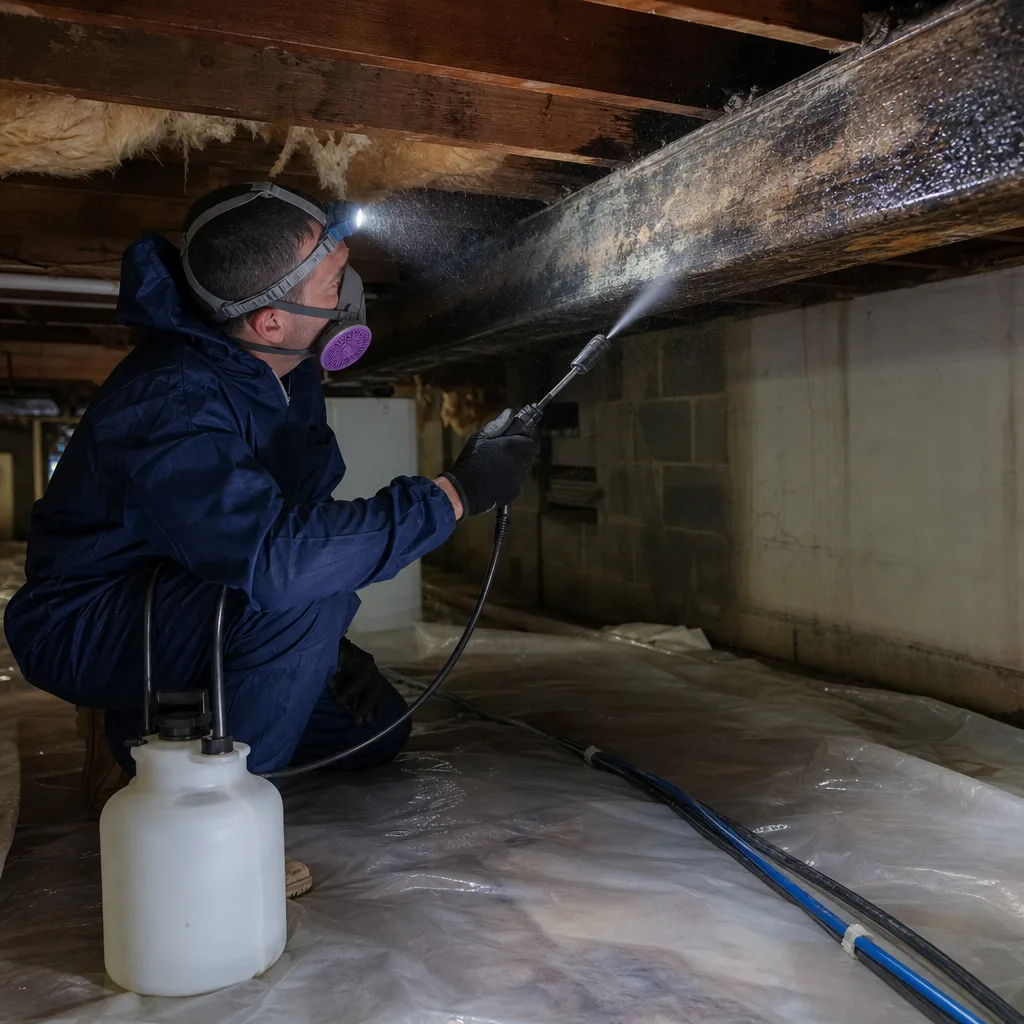
Crawl Space Sewage Removal
Sea Cliff’s steep topography makes crawl space sewage removal genuinely harder here than on flat Long Island ground. Contaminated groundwater collects against uphill foundation walls, and access often means working under low-clearance Victorian additions. We remove contaminated soil, sanitize masonry surfaces, and install drainage measures where the slope demands them.
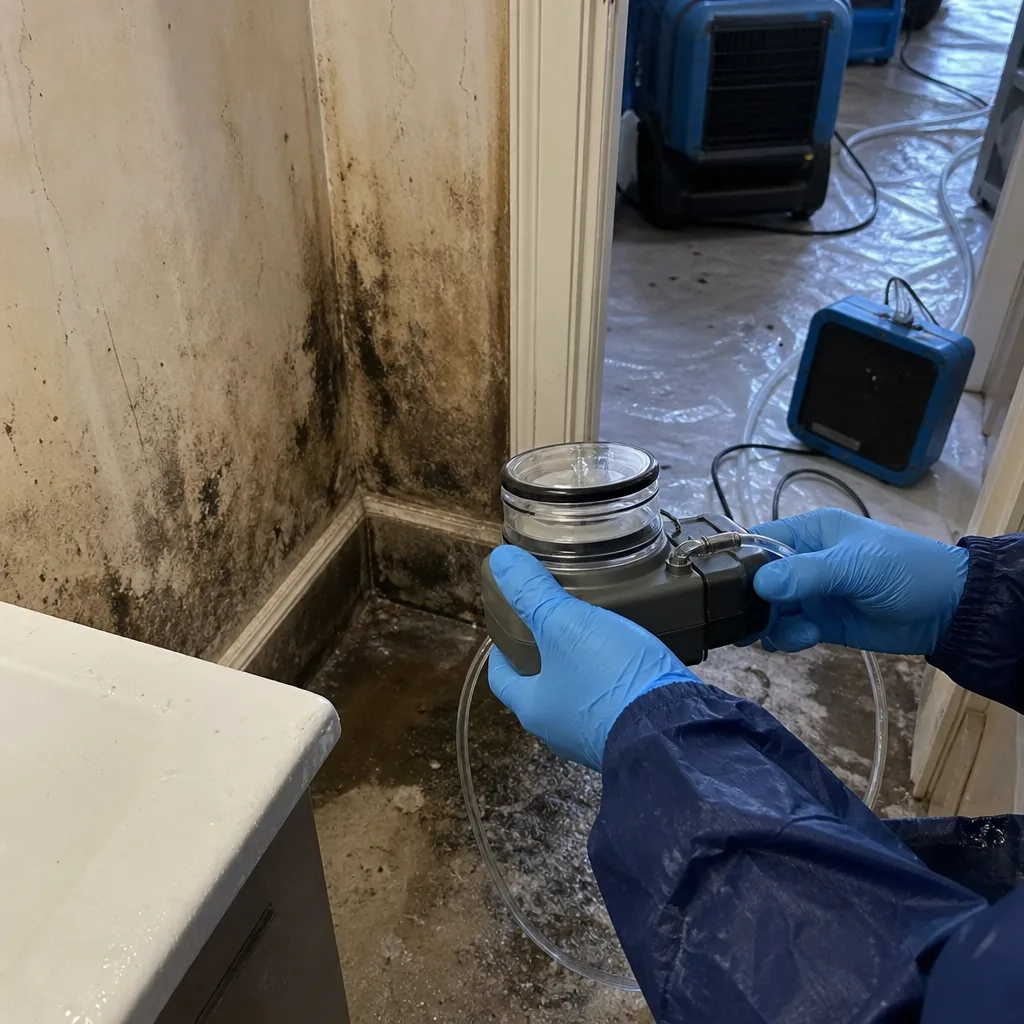
What happens when you call
- 1
A real person answersNo phone trees - you reach a local pro.
- 2
You get an upfront price rangeHonest numbers before anyone is dispatched.
- 3
A background-checked tech heads outLicensed & insured, dispatched right away.
- 4
You approve before work beginsNothing starts until you say go.
Sewage Cleanup Costs in Sea Cliff, NY
A typical sewage backup cleanup in Sea Cliff runs $1,800 to $6,500. A contained toilet overflow on a tile floor lands on the low end. A basement main-line backup that migrates vertically into balloon-frame wall cavities climbs past $4,000 quickly, because controlled demolition, structural drying, and plaster work add scope. Crawl space sewage removal on hillside properties typically adds $800 to $2,500 depending on access and soil contamination depth. Insurance covers most of these costs when the backup origination is sudden and accidental. If the cause is long-term seepage or a pre-existing lateral defect, your adjuster may deny coverage, which is exactly why we hand you a written scope before any work begins. The free inspection is the fastest way to know where you stand. Call (518) 873-4306 and we’ll send someone out to assess the damage at no cost.
We Also Serve Cities Near Sea Cliff
Floodline Restoration Co. provides Sewage Cleanup throughout the north shore of Nassau County, including Port Washington, Manhasset, Great Neck, and Little Neck. Our crews know these communities and their housing stock, and we dispatch locally to every one of them, 24 hours a day.
Serving Sea Cliff, NY - Our Local Coverage Area
We’re based in the Sea Cliff area and know this community well. Use the map below to see our service coverage - if you’re nearby, we can almost certainly help.
Sea Cliff Sewage Cleanup Questions, Answered
How do balloon-frame wall cavities in Sea Cliff Victorians affect sewage cleanup compared to modern homes?
In a modern platform-framed home, sewage typically spreads horizontally across a floor before soaking downward. In Sea Cliff’s balloon-frame Victorians, wall studs run uninterrupted from foundation to attic, so Category 3 water travels vertically through open cavities and can contaminate ceilings, plaster, and framing two or three stories above the original spill point. We always run thermal imaging and moisture mapping up affected walls, not just along the floor line, because hidden vertical contamination is the rule in Sea Cliff, not the exception.
What is the risk of hidden sewage contamination behind original plaster in Sea Cliff homes?
The risk is real and recurrent. Horsehair plaster absorbs Category 3 water and retains it for weeks, even after the surface feels dry. If a crew seals up a wall based on surface moisture readings alone, the saturated plaster and old-growth timber inside can bloom with mold within 48 hours and produce recurring odors for years. That’s why our process includes multi-point probing and controlled removal of contaminated plaster before drying begins, so what gets closed up stays dry.
Why is crawl space sewage removal more complicated in Sea Cliff’s hillside properties?
Sea Cliff’s bluff creates a natural drainage slope toward Hempstead Harbor. When a sewer lateral fails uphill, sewage-contaminated groundwater flows downhill through the soil and collects in lower crawl spaces along the slope. Those spaces often have limited access under Victorian additions, low clearance, and foundation walls that hold moisture against organic debris. Removal here means contaminated soil excavation, masonry sanitizing, and often drainage correction, not just pumping out standing water. Call (518) 873-4306 for an on-site assessment.
Can you sanitize and disinfect original millwork after a sewage backup, or does it have to be removed?
In many cases, original millwork can be saved. We treat it with antimicrobial solutions, dry it under controlled conditions, and document moisture levels until the dry standard is met. Solid old-growth wood often survives Category 3 exposure better than modern particleboard trim because it is denser and less absorbent. Removal is only necessary when the wood has already decayed from long-term moisture exposure or when contamination has penetrated end grain beyond what treatment can reach. We always try to preserve original Sea Cliff woodwork before we recommend removal.
How do you document the scope of work for insurance after a Sea Cliff sewage backup?
We photograph every affected area before, during, and after remediation. We log moisture readings daily with the equipment readings attached to the claim file. The scope of work is written in line-item detail, tied directly to what we found during inspection, and delivered to your adjuster. We coordinate with your carrier directly so you don’t have to translate between a restoration crew and an insurance desk.
How fast can someone actually get here for a sewage backup in Sea Cliff?
Our live dispatch team answers around the clock, and our Sea Cliff-area crews are typically on site within 45 minutes of your call. Sewage keeps migrating through a house until extraction and containment stop it, so we prioritize prompt response on every Category 3 job.
Will insurance cover sewage cleanup in Sea Cliff?
Most homeowners policies cover sewage backup if the cause was sudden and accidental, typically through a water backup endorsement. If the backup resulted from long-term lateral failure or pre-existing seepage, coverage may be limited. We help you determine coverage early and provide the documentation your adjuster needs. Direct insurance billing means we work with your carrier from day one.
What should I do in the first 30 minutes after discovering a sewage backup in Sea Cliff?
Turn off water to the affected fixture if possible. Keep people and pets out of the affected area. Don’t run faucets or flush toilets, which can push more sewage into the house. Don’t attempt to clean Category 3 water yourself with household supplies; the pathogens require professional containment and antimicrobial treatment. Then call (518) 873-4306. A live person answers, and we’ll walk you through the next step while the crew is on the way.
Written by Curt Bowman, Owner at Floodline Restoration Co., serving Sea Cliff and the North Shore of Long Island.